
Yalung Kang Mountain Climbing Guide
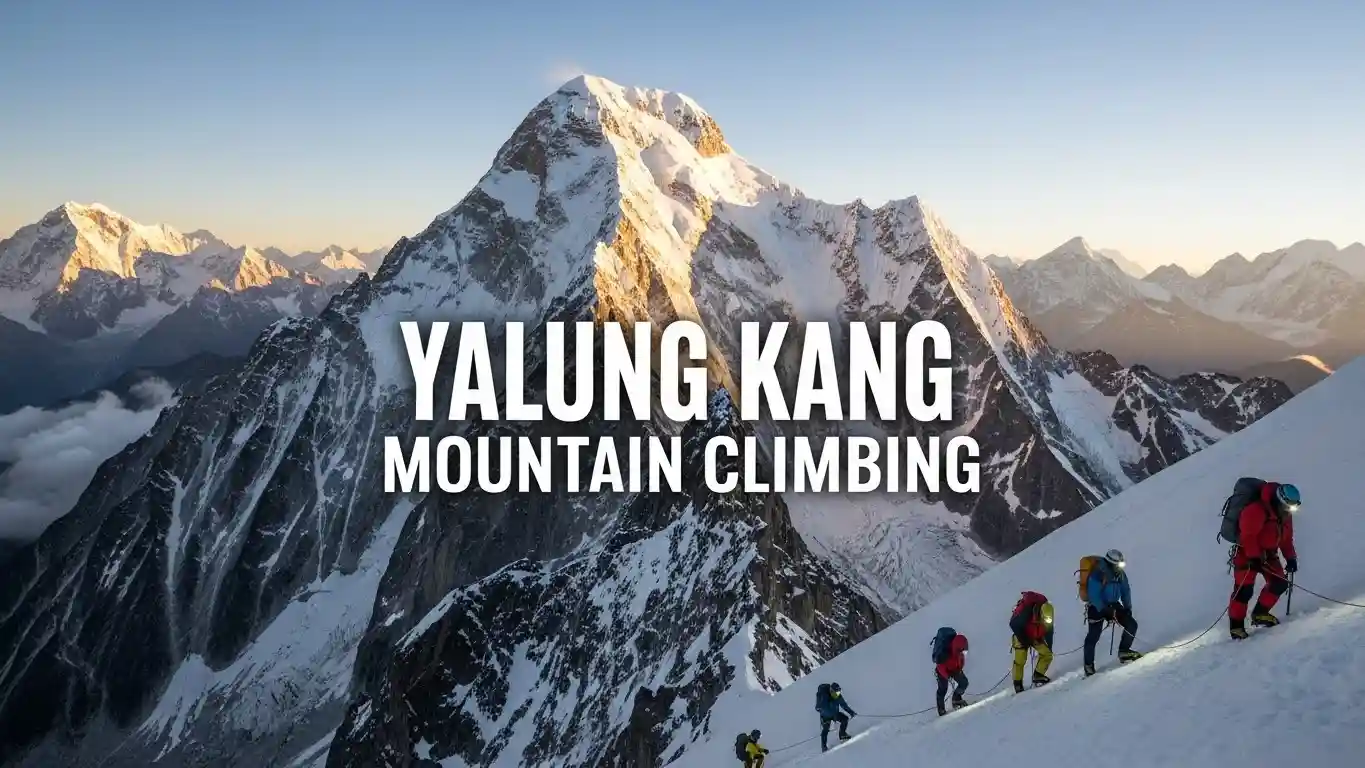
Why choose Yalung Kang for a serious Himalayan ascent? Climbers value height challenge, remote setting, pure alpine character that rewards preparation, patience, strength. Such an objective attracts mountaineers aiming for commitment beyond popular commercial peaks.
In this blog, Yalung Kang mountain climbing guide explains route options, permit process, ideal seasons, fitness needs, gear planning, safety factors, summit strategy, logistical tips supporting informed expedition decisions from start until descent. Readers gain clear direction for planning a popular mountain expedition in Nepal with confidence, awareness, and realistic expectations.
Introduction to Yalung Mountain Climbing
Yalung Kang rises on Kangchenjunga massif, reaching 8,505 meters, presenting steep faces, long ridgelines, severe weather patterns. Experienced climbers pursue this objective due to isolation, limited traffic, technical sections demanding advanced alpine skills. Such terrain demands prior 8,000-meter experience and disciplined yalung kang expedition planning.
Nepal lists fourteen 8,000-meter summits, with Yalung Kang gaining expedition access recently, marking a fresh option for high-altitude attempts. Opening status attracts teams seeking new Himalayan challenges beyond established routes, contributing growth within the Nepal expedition landscape. Recognition as a newer addition increases interest among elite climbers worldwide.
Yalung Kang forms a subsidiary peak of Kangchenjunga massif, sharing glacial systems, ridgelines, high-altitude weather influence with main Kangchenjunga summit. The southern face links directly to Yalung Glacier, while connecting ridges create natural continuation of massive structure, explaining classification as Kangchenjunga West. Geographic relationship places climb within the same tectonic zone, demanding similar altitude adaptation, logistical planning, environmental respect as primary Kangchenjunga routes.
Yalung Kang Among 8000m Peaks in Nepal
Yalung Kang belongs to fourteen 8,000-meter summits within Nepal, yet expedition numbers remain low compared with Everest, Lhotse, Makalu, Annapurna. Primary reason links to recent opening for expedition activity, which delayed global awareness, route development, logistical familiarity. Limited historical access reduced mapping data, fixed route knowledge, seasonal climbing records. Such factors slowed interest despite growing demand for new high-altitude objectives.
Yalung Kang sees fewer ascents than Everest or K2 due to new expedition status combined with technical terrain. Steep ice walls, exposed ridges, unstable seracs demand advanced alpine skills beyond altitude adaptation. Difficulty emerges from route uncertainty, limited rescue infrastructure, long summit pushes, making this adventure trekking in Nepal suitable mainly for elite mountaineers rather than commercial teams. Risk profile favors experienced teams prepared for self-reliant decision making.
How Difficult Is Yalung Kang Mountain Climbing?
Yalung Kang carries high difficulty due to extreme altitude, technical routes, unstable weather, and limited expedition history. Climbers face long summit pushes, minimal fixed lines, and strong self-reliance requirements. Risk exposure increases because rescue access remains limited. As one of the best mountains to climb in Nepal, only elite mountaineers with previous 8,000-meter success should consider this climb.
Technical terrain and route complexity
Routes involve steep ice faces, mixed rock sections, exposed ridgelines demanding advanced rope management. Glacier travel includes deep crevasses, fragile snow bridges, constant objective risk. Route fixing requires extra effort because established lines remain limited. Navigation depends heavily on team judgment during whiteouts. Camp positioning demands accuracy to reduce hazard exposure. Fatigue increases quickly due to sustained technical movement at altitude.
Weather patterns and avalanche risks
Weather shifts rapidly due to Kangchenjunga massive influence, producing sudden snowfall, high winds, and reduced visibility. Snow accumulation increases slab avalanche risk along steep slopes. Storm cycles shorten safe climbing windows. Extreme cold affects stamina, equipment performance, decision timing. Teams must monitor conditions continuously while adjusting ascent plans. Delayed decisions often increase exposure to avalanche-prone zones.
Why Yalung Kang is considered dangerous
Danger arises from technical climbing combined with isolation, uncertain routes, severe weather. Rescue response remains slow due to remoteness. Objective hazards include avalanches, seracs, crevasses throughout ascent. Recent expedition access limits shared route knowledge, increasing risk. High commitment separates Yalung Kang from commercial 8,000-meter peaks. Errors often carry serious consequences due to limited retreat options.
Yalung Kang Death Rate and Fatality Analysis
Yalung Kang shows limited recorded fatalities due to recent expedition access and low climber traffic. Risk perception often misleads teams because fewer ascents reduce visible statistics. Objective danger remains high despite smaller numbers. Avalanche exposure, weather volatility, descent hazards shape fatality patterns. Data gaps require cautious interpretation rather than comfort.
Also Read: https://marveltreks.com/mount-everest-deaths/
Documented Yalung Kang deaths
Recorded incidents link strongly with avalanche activity and difficult descent phases. A November 2025 avalanche struck the base camp area, causing seven confirmed deaths involving international climbers, Nepali guides. Heavy snowfall, unstable snowpack, poor weather triggered collapse. Rescue operations faced delays due to flying restrictions. Earlier expeditions also reported deaths during descent after successful ascents, showing danger continues beyond summit achievement.
Yalung Kang death rate compared to other 8000m peaks
Fatality rate appears lower than Annapurna or K2 due to fewer expeditions rather than safer terrain. Everest reports higher total deaths because traffic volume remains high. Yalung Kang statistics stay limited because climbing access opened recently. Lower numbers should not suggest reduced technical or environmental risk. Comparative analysis requires adjustment for attempt frequency.
Common causes of fatalities on Yalung Kang mountain
Avalanches remain the primary cause, driven by unstable snowpack, storm cycles, and steep faces. Descent accidents occur due to fatigue, weather shifts, and technical terrain. Altitude illness contributes when acclimatization proves insufficient. Limited rescue access increases consequences following injury. New routes reduce shared experience, increasing exposure during critical decisions.
Why Is Yalung Kang Considered One of the Most Dangerous Peaks?
Yalung Kang is considered one of the most dangerous peaks because it combines steep technical terrain, unstable ice sections, unpredictable weather, and limited expedition history. Climbers face high-risk conditions with minimal rescue support, making mistakes potentially fatal. Its remoteness further amplifies hazards compared to other best mountains to climb in the world, requiring careful planning and advanced mountaineering skills.
Steep faces and unstable ice sections
Climbing involves vertical ice walls, mixed rock, and exposed ridgelines. Crevasses, seracs, and fragile snow bridges add constant objective risk. Steep slopes accelerate avalanche potential during storms or heavy snowfall. Technical sections demand precise rope management, careful route selection, and high endurance. Even minor slips can lead to severe injury or fatal falls.
Limited rescue infrastructure
Few fixed camps, sparse communication lines, and lack of established helicopter evacuation routes reduce emergency response options. Rescue delays amplify consequences of injuries or altitude sickness. Teams must carry self-sufficient safety equipment and be prepared for extended isolation. Limited historical data makes planning for contingencies more complex. Climbers cannot rely on immediate outside assistance.
Remoteness and logistical challenges
Yalung Kang sits deep in eastern Himalaya, far from major transport hubs. Access requires long treks through Rolwaling Valley and high passes before base camp. Supplies, weather updates, and medical support remain difficult to reach. Long approach increases physical strain, while unpredictable terrain complicates timing. Logistical planning becomes critical for successful and safe expedition completion.
Main Climbing Routes on Yalung Kang
Yalung Kang offers a few main climbing routes, with the Southwest Face being the most popular among expeditions. Routes feature steep ice and snow slopes, mixed rock sections, and crevassed glacier travel. Climbers must plan for technical sections, long summit pushes, and high-altitude exposure. Limited fixed lines and new expedition access make route selection critical. Each path demands careful preparation, acclimatization, and risk assessment to ensure safety.
Southwest Face overview
The Southwest Face presents a direct approach to the summit, combining steep snow slopes and exposed ridges. Crevassed glaciers and serac-prone sections require careful navigation. Climbers often encounter variable snow conditions depending on recent weather, adding unpredictability. The route offers fewer established fixed ropes compared with older 8,000-meter peaks. Despite technical challenges, the face provides a clear line to the summit for experienced alpine teams.
Route conditions and technical grades
Route conditions vary from steep ice walls to mixed snow and rock sections, with grades ranging from D (difficult) to TD+ (very difficult plus) in alpine climbing terms. Glacier travel involves hidden crevasses, unstable snow bridges, and avalanche-prone slopes. Weather influences terrain conditions rapidly, often increasing technical difficulty mid-ascent. Climbers must carry ice axes, crampons, and fixed ropes, while maintaining high route-finding skills throughout. Mistakes in route judgment can lead to serious accidents.
Camps, acclimatization points, and bottlenecks
Expeditions typically establish base camp in Rolwaling Valley, followed by higher camps along glacier routes and ridgelines. Proper spacing allows gradual acclimatization and rest before summit pushes. Bottlenecks occur at steep ice walls, narrow ridges, and high-altitude camp approaches. Weather delays or route congestion can increase risk exposure and fatigue. Planning camp placement and rotation schedules is essential for safety and successful summit attempts.
Best Season for Yalung Kang Mountain Climbing
The best season for Yalung Kang mountain climbing is during pre-monsoon (spring) and post-monsoon (autumn) periods. These windows offer relatively stable weather, reduced snowfall, and better visibility compared with summer or winter months. Climbers can maximize summit chances while minimizing exposure to storms and avalanches. Careful timing remains essential due to the mountain’s unpredictable microclimate and technical terrain. Proper preparation improves safety and overall expedition success.
Spring vs autumn expeditions
Spring expeditions, typically March to May, provide longer daylight hours, warmer temperatures at lower camps, and snow that is generally more stable. Autumn climbs, from September to November, benefit from clear skies, lower monsoon moisture, and reduced avalanche risk at higher elevations. Spring may bring unpredictable pre-monsoon storms, while autumn sees gradually cooling temperatures that require careful gear management. Both seasons require precise acclimatization and monitoring of short-term weather forecasts to avoid sudden hazards.
Weather windows and summit success rates
Summit success largely depends on brief periods of stable weather, often just a few days. Proper planning around these windows maximizes efficiency and reduces exposure to high winds or heavy snowfall. Yalung Kang’s technical routes magnify consequences of delays, making summit timing critical. Historical expeditions show higher success rates during stable weather spells in spring and autumn. Teams must remain flexible and ready to adjust plans if conditions deteriorate unexpectedly.
Seasonal risks specific to Yalung Kang
Spring climbs risk avalanches from heavy snow accumulation during warming periods and unpredictable pre-monsoon storms. Autumn brings cold snaps, high winds, and potential ice fall hazards. Both seasons face challenges from unstable snow bridges and crevassed glaciers. Limited historical data increases uncertainty in predicting microclimate behavior. Proper risk management, route selection, and contingency planning are essential to navigate these seasonal threats safely.
Permits, Costs, and Logistics
Climbing Yalung Kang requires careful planning for permits, costs, and expedition logistics. Nepalese authorities mandate official climbing permits for all 8,000-meter peaks, including newly opened summits like Yalung Kang. Costs vary depending on team size, support staff, and equipment needs. Additional considerations include insurance, local regulations, and travel arrangements. Proper preparation ensures smoother logistics and reduces risk during high-altitude expeditions.
Nepal climbing permits for Yalung Kang peak
Climbers must secure a Yalung Kang permit through the Ministry of Culture, Tourism, and Civil Aviation or licensed trekking agencies. Permit fees depend on peak height, number of climbers, and expedition duration. Authorization includes registration of team members, support staff, and planned route. Local authorities may require liaison officers and environmental compliance measures. Early application is essential due to limited available permits for new expeditions.
Expedition cost breakdown
Expenses include permit fees, guide and porter salaries, accommodation, food, high-altitude gear, transportation, and contingency funds. International teams typically spend more on flights, equipment shipping, and specialized medical support. Remote base camp logistics increase costs for supplies and fuel. Teams must budget for unexpected delays or emergency evacuation. Transparent financial planning ensures adequate resources throughout the climb.
Required insurance and regulations
Mountaineering insurance is mandatory, covering medical evacuation, rescue, and high-altitude incidents. Teams must comply with Nepalese safety and environmental regulations, including waste management and designated campsite rules. Insurance policies often require proof of prior high-altitude climbing experience. Adhering to legal and regulatory requirements reduces administrative issues and enhances safety during the expedition.
Skills and Experience Required for Yalung Kang Climbing
Climbing Yalung Kang demands advanced mountaineering skills and significant high-altitude experience. Its combination of technical ice, mixed terrain, steep ridges, and long summit pushes requires climbers to be highly skilled and self-reliant. Inadequate preparation on the hardest mountain to climb in Nepal can quickly lead to serious accidents. Only those with prior 8,000-meter experience and strong alpine competencies should attempt this peak.
Prior 8000m experience recommendations
Climbers should have completed at least one or two 8,000-meter ascents before attempting Yalung Kang. Familiarity with extreme altitude effects, oxygen management, and long multi-day summit pushes is essential. Prior experience reduces risk of altitude sickness, poor decision-making, and exhaustion. Teams benefit from climbers who understand expedition logistics and emergency procedures at extreme elevations. This experience is critical for both safety and summit success.
Technical ice and mixed climbing skills
Yalung Kang requires advanced ice climbing, crampon use, and rope management on steep, exposed slopes. Mixed climbing on rock and snow faces demands balance, precision, and secure anchor placement. Glacier navigation, crevasse crossing, and snow bridge assessment are essential skills. Climbers must maintain efficiency while fatigued and under severe weather conditions. Technical competence directly impacts safety on high-risk sections.
Physical and mental preparedness
Physical fitness must support sustained high-altitude exertion, carrying heavy loads, and rapid response in emergencies. Cardiovascular endurance, strength, and flexibility improve efficiency on technical terrain. Mental resilience is equally important to handle isolation, stress, and decision-making under life-threatening conditions. Proper acclimatization, nutrition, and coping strategies increase chances of successful and safe summit attempts.
Environmental and Ethical Considerations
Climbing Yalung Kang requires awareness of environmental impact and ethical responsibility. The mountain sits within the fragile Kangchenjunga ecosystem, where high-altitude terrain and local wildlife are sensitive to human activity. Expeditions must minimize ecological footprint, manage waste effectively, and respect local communities. Responsible climbing ensures preservation of this remote Himalayan region for future generations.
Impact on the Kangchenjunga region
Increased expedition activity can disturb fragile ecosystems, including alpine flora and fauna. Foot traffic, base camp establishment, and trekking routes may erode trails and compact snowfields. Unregulated climbing can disrupt wildlife habitats and local water sources. Awareness of these impacts allows teams to plan routes and campsites carefully to reduce environmental damage. Conservation practices help maintain the region’s natural balance.
Waste management on high-altitude climbs
Proper waste disposal is critical to prevent pollution at base and high camps. Climbers must carry out all non-biodegradable materials, including food wrappers, oxygen bottles, and climbing gear packaging. Human waste requires careful management through portable toilets or disposal systems. Neglecting waste protocols can harm local communities and ecosystems. Organized waste strategies preserve the mountain’s pristine environment.
Responsible Yalung Mountain Climbing practices
Ethical climbing includes respecting local customs, minimizing noise and visual disturbance, and hiring local guides fairly. Teams should avoid creating new paths, use established campsites, and follow “Leave No Trace” principles. Education about risks, cultural sensitivity, and environmental stewardship improves expedition quality. Responsible practices balance adventure with sustainability, protecting Yalung Kang for future climbers.
What Should Climbers Know Before Attempting Yalung Kang?
Climbers should know that Yalung Kang demands careful risk assessment, technical expertise, and thorough preparation before attempting the ascent. The mountain’s steep terrain, unpredictable weather, and limited rescue options make self-reliance essential. Prior 8,000-meter experience, proper acclimatization, and physical and mental readiness are critical. Planning for logistics, permits, equipment, and safety can determine expedition success or failure.
Risk assessment and preparation checklist
Climbers must evaluate altitude, technical difficulty, weather patterns, and avalanche risk before departure. A detailed checklist should include climbing gear, medical kits, navigation tools, communication devices, and survival equipment. Pre-expedition training, conditioning, and simulated climbs at lower altitudes help prepare for physical strain. Reviewing historical route data and recent expedition reports ensures informed decisions. Proper planning reduces exposure to avoidable hazards.
Choosing the right expedition team
Selecting experienced guides, porters, and support staff is essential for safety and efficiency. Team members should have proven high-altitude experience, technical climbing skills, and strong teamwork abilities. Clear role allocation, communication protocols, and contingency responsibilities improve response during emergencies. Team compatibility and trust directly impact morale, performance, and decision-making under extreme conditions.
Emergency and evacuation planning
Expedition plans must include clear emergency procedures for altitude sickness, injury, or sudden storms. Helicopter evacuation points, ground rescue coordination, and backup communication channels should be established. Contingency plans for delayed evacuation due to weather or terrain challenges are essential. Carrying sufficient medical supplies, oxygen, and survival kits ensures preparedness for worst-case scenarios. Regularly reviewing and practicing emergency protocols enhances team readiness.
Conclusion
alung Kang remains one of Nepal’s most challenging and rewarding 8,000-meter peaks. Its steep faces, technical ice and mixed terrain, unpredictable weather, and limited rescue options make it suitable only for experienced, well-prepared mountaineers. Recent opening for expeditions adds to the mountain’s allure while increasing risks due to limited historical data and route knowledge. Climbers must respect these factors, plan meticulously, and prioritize safety at every stage of the ascent.
Successful Yalung Kang expeditions require careful preparation, strong teamwork, and responsible climbing practices. Understanding route conditions, acclimatization needs, and environmental considerations ensures safer, more sustainable climbs. Proper risk assessment, technical training, and emergency planning increase the likelihood of summiting while preserving the mountain’s pristine environment for future adventurers.
FAQs
What is the height of Yalung Kang?
Yalung Kang stands at 8,505 meters, making it one of the lesser-climbed 8,000-meter peaks in Nepal’s Kangchenjunga massif.
How difficult is Yalung Kang to climb?
It is high difficulty, requiring advanced technical climbing, prior 8,000-meter experience, and strong physical and mental preparedness.
When is the best season to climb Yalung Kang?
Spring (March–May) and autumn (September–November) offer the most stable weather and highest summit success chances.
Why is Yalung Kang considered dangerous?
Steep faces, unstable ice, avalanches, unpredictable weather, and remoteness make it one of Nepal’s riskiest high-altitude peaks.
How many deaths have occurred on Yalung Kang?
Fatalities are limited but include avalanche incidents and descent accidents, with the November 2025 avalanche killing seven climbers.
What permits are required to climb Yalung Kang?
Climbers need official Nepalese climbing permits through the Ministry or licensed agencies, including team registration and liaison officer arrangements.
What skills are essential for climbing Yalung Kang?
Advanced ice and mixed climbing, glacier navigation, high-altitude experience, physical endurance, and strong mental resilience are mandatory.
How remote is Yalung Kang?
Located in eastern Himalaya’s Rolwaling Valley, it requires long treks, limited rescue access, and careful logistical planning for base camp approach.

Ready for your next Himalayan adventure?
Plan Your Next Big Adventure with Us
Explore Our AdventuresJoin our expert-guided journeys across Nepal and beyond, from classic trails to epic summits.