
Nepal Trekking for Solo Female Travelers: Safety Tips and Best Routes
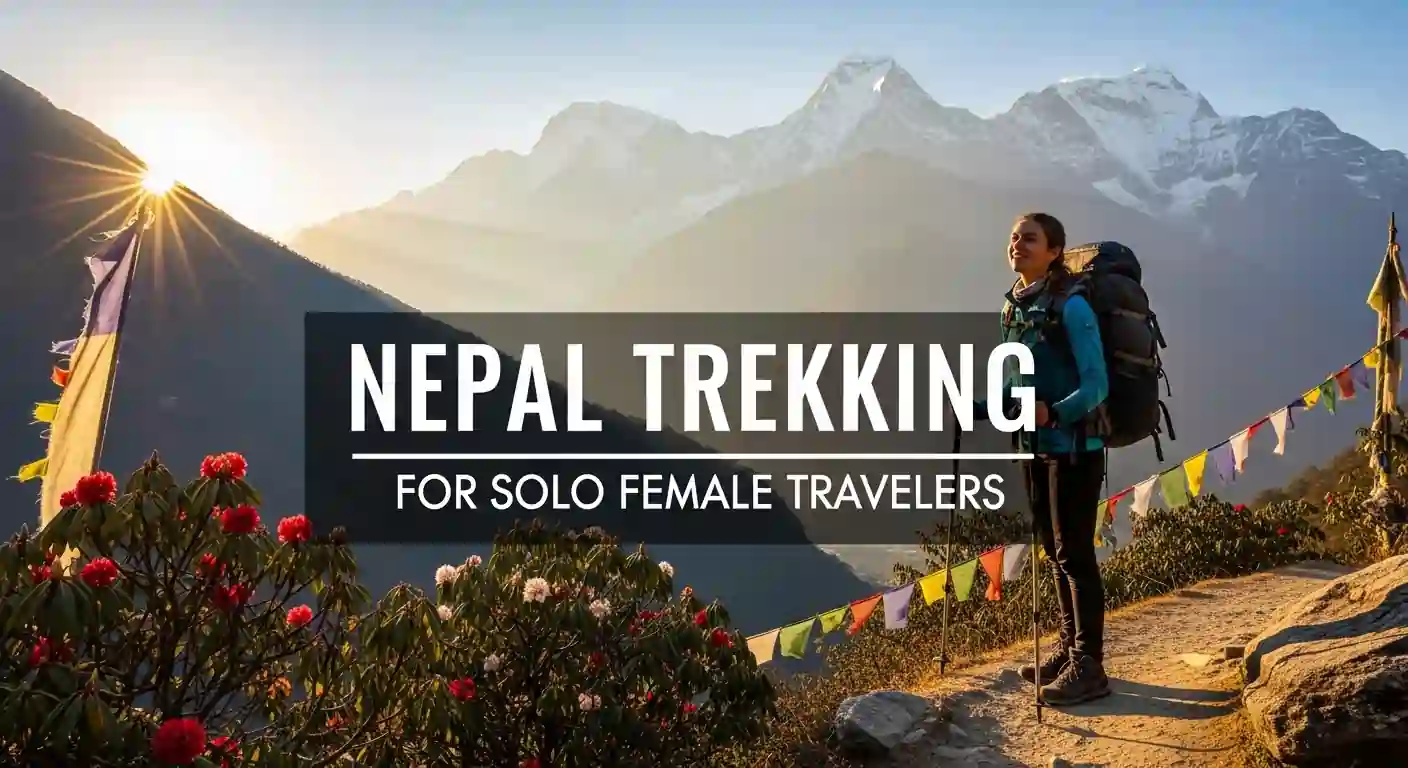
Imagine standing alone on a windswept ridge at 14,000 feet, the golden morning light hitting the icy crown of Annapurna, and feeling nothing but absolute, unshakeable freedom. For many women, the idea of trekking solo through the Himalayas is the ultimate “main character” moment, but let’s be real, bro, it also comes with a backpack full of “what-ifs.” Is it safe to wander through remote high-altitude villages alone? How do you handle the logistics of tea houses and permits without a crew?
In this blog, we’re diving into everything you need to know about nepal trekking for solo female travelers to ensure your 2026 journey is empowering, secure, and logistically seamless. We’ll break down the latest safety protocols, including the 2026 mandatory guide regulations, and highlight the best “female-friendly” routes that offer a perfect balance of solitude and social connection. From packing the right hygiene essentials for high-altitude lodges to navigating cultural nuances in the teahouses, this guide is your tactical blueprint for conquering the Himalayas on your own terms. Whether you’re looking for the vibrant community of the Everest Base Camp trail or the serene spiritual vibes of the Langtang Valley, we’ve got the intel to help you navigate solo trekking in Nepal with total confidence.
Is Nepal Safe for Solo Female Trekkers?
Yes, Nepal is widely considered one of the safest and most welcoming destinations in the world for solo female trekkers, thanks to a deeply ingrained culture of hospitality and a robust tourist infrastructure that prioritizes the security of international visitors. While the 2026 regulations now mandate that all trekkers must be accompanied by a licensed guide in most National Parks and Conservation Areas, this actually adds a massive layer of safety and local advocacy for women on the trail. By practicing standard travel common sense, like staying in well-traveled tea houses, respecting local dress codes in mountain villages, and communicating your daily itinerary with a trusted contact, you can experience the absolute freedom of the Himalayas with a very high margin of safety and a profound sense of community, answering the ultimate question: is trekking in Nepal safe?
Why Nepal Is a Great Destination for Solo Female Trekking?
Nepal is a premier destination for solo female trekking because it offers a rare combination of a “safety-first” tourism infrastructure, a deeply respectful local culture, and a vast network of social tea houses that make solo travel feel like a shared community experience. Unlike more isolated wilderness areas, the Nepalese Himalayas are dotted with vibrant mountain villages where “home-stay” hospitality is a way of life, ensuring you are never truly alone unless you want to be.
Well-established trekking routes and infrastructure
The major trekking arteries of Nepal, such as the Everest and Annapurna regions, feature exceptionally well-maintained trails that are clearly marked and easy to navigate even in changing weather. This “Trekking Highway” infrastructure includes regular checkpoints and a high volume of fellow travelers, which naturally minimizes the risks associated with getting lost or being isolated in remote areas. For a solo woman, this established network provides a sense of security, knowing that help, a hot meal, or a warm bed is rarely more than a few kilometers away at any given time.
Friendly locals and trekking communities
The heartbeat of the Himalayas lies in the legendary hospitality of the Sherpa, Gurung, and Tamang people, who treat every traveler with a level of “Namaste” respect that is deeply comforting for solo women. You’ll find that the communal dining halls of the tea houses act as natural social hubs, where it is incredibly easy to strike up a conversation and form temporary “trail families” with other international trekkers. This organic social safety net means you can enjoy the solitude of the walk during the day while having a supportive, friendly group to share a meal with once the sun goes down.
Availability of guides, tea houses, and support systems
Nepal boasts one of the most sophisticated trekking support systems in the world, with a high concentration of licensed, female-friendly guides and a massive inventory of tea house lodges for every budget. In 2026, the streamlined process for obtaining permits and the availability of 24/7 emergency helicopter evacuation services provide a level of logistical backup that is almost unheard of in other mountain ranges. Whether you need a specialized “lady guide” for cultural comfort or a porter to take the physical strain off your back, the resources to customize your solo journey for maximum safety and enjoyment are readily available.
Best Trekking Routes in Nepal for Solo Female Travelers
The best trekking routes in Nepal for solo female travelers are those with high trail traffic, frequent tea house density, and robust emergency communication networks, such as the Annapurna Base Camp and Everest Base Camp circuits. These legendary paths offer a “safety-in-numbers” vibe where you’re never truly isolated, and the infrastructure is so well-oiled that even a first-timer can navigate them with total confidence. Plus, the tea houses along these routes are basically high-altitude social clubs where you’ll find your “trail sisters” and a warm meal in no time.
Annapurna Base Camp Trek
This is the ultimate “Goldilocks” trek: not too hard, not too easy, and just right for a solo adventurer looking for a moderate challenge. The trail is consistently packed with other friendly hikers and local porters, making it one of the most social and well-developed routes in the Himalayas. Because the path is so clearly defined and the tea house quality is top-tier, you can spend your energy soaking in the 360-degree mountain views instead of stressing about your next turn during your Annapurna Base Camp trek.
Langtang Valley Trek
If you want to skip the grueling domestic flights and get straight to that “big mountain” energy, Langtang is your best friend. Located just a short 6-to-8-hour drive from Kathmandu, it offers a more intimate, less-congested experience through stunning Tamang villages and dense rhododendron forests. It’s the perfect choice for a woman who wants a bit more peace and quiet without sacrificing the security of a clear, well-supported path and a quick exit to the city if needed, making the Langtang Valley trek a premier choice for those balancing adventure with accessibility.
Everest Base Camp Trek
For the solo traveler who wants to cross the “Big One” off her bucket list, the EBC trail is surprisingly supportive and remarkably busy. You’re never more than a few minutes away from another trekker, a yak caravan, or a high-altitude bakery, making it feel less like a survival mission and more like a global pilgrimage. The logistics here are iron-clad, ensuring you have constant access to high-speed Wi-Fi and specialized medical support if the altitude starts to get a bit spicy during your Everest Base Camp trek.
Ghorepani Poon Hill Trek
Think of this as the “Himalayan Starter Pack” ,it’s short, incredibly safe, and delivers a sunrise view that will absolutely wreck your Instagram feed in the best way possible. Because it’s a lower-altitude trek, the risks of altitude sickness are minimal, making it a stress-free choice for women who are new to the mountain game. It’s essentially a 4-5 day loop through ancient rhododendron forests and charming villages where the locals will likely know your name by the second day.
Safety Tips for Nepal Trekking for Solo Female Travelers
Prioritizing safety as a solo female trekker in Nepal involves a “logistics-first” mindset that combines the latest 2026 mandatory guide regulations with a strategy of staying on well-trafficked, high-visibility trails. By integrating local expertise with a transparent communication plan and choosing reputable teahouses, you create a multi-layered safety net that allows you to embrace the solitude of the Himalayas without ever being truly isolated from support.
Hire a Guide or Join a Group
As of the latest 2026 regulations, hiring a licensed guide is not just a safety recommendation, it is a mandatory requirement for trekking in most of Nepal’s mountain regions. A professional guide acts as your local advocate, navigating complex permit checkpoints, managing your health in the thin air, and ensuring you are treated with the utmost respect in every village. For solo women, this provides an invaluable layer of security and cultural bridging, turning a potentially daunting solo mission into a supported, expert-led pilgrimage.
Choose Popular and Well-Marked Trails
For your first solo journey, stick to the “Himalayan Highways” like the Everest Base Camp or Annapurna Sanctuary routes, where the paths are wide, well-signed, and populated by a steady stream of fellow trekkers and locals. Avoiding deep, “off-the-map” wilderness areas minimizes the risk of getting lost or facing an emergency in a zone without reliable cellular or satellite coverage. These popular routes are serviced by a high density of checkpoints and a 24/7 logistical infrastructure that makes rapid assistance possible at almost any point.
Stay in Trusted Tea Houses
The teahouses in major trekking hubs are the social and physical safe havens of the trail, and choosing those with high reviews or those recommended by your agency is a critical safety step. Look for lodges that have a vibrant communal dining area and a visible presence of other female travelers or organized groups, as these environments naturally discourage any unwelcome attention. These “trail homes” offer lockable rooms and a supportive host family who will look out for your well-being as if you were one of their own.
Share Your Itinerary
Before you lose consistent cell service, ensure that a trusted contact back home or your trekking agency has a detailed, day-by-day copy of your planned route and expected arrival times at each village. Utilize the digital check-in systems available at modern TIMS checkpoints and consider carrying a satellite GPS messenger like a Garmin inReach for real-time tracking in more remote sections. Having a “home base” that knows exactly where you should be provides an essential safety anchor, ensuring that help is triggered immediately if you fail to check in as scheduled.
Cultural Tips for Female Travelers in Nepal
Navigating the high-altitude villages of Nepal as a solo woman is a deeply rewarding experience when approached with a “culture-first” mindset that honors the traditional values of the Himalayan people. By understanding the nuances of local etiquette, from how you dress in sacred spaces to the way you interact with village elders, you transform from a mere tourist into a respected guest, unlocking a level of authentic hospitality that defines the Nepalese spirit.
Dress Modestly in Rural and Religious Areas
In the remote mountain regions and around sacred sites like monasteries or stupas, dressing conservatively is a key sign of respect that helps you blend in and avoid unwanted attention. Aim to keep your shoulders and knees covered by opting for trekking trousers and t-shirts rather than tank tops or short shorts, especially when entering a local home or a temple. This simple adjustment in your “trail wardrobe” signals to the local community that you value their traditions, often leading to warmer interactions and a more profound connection with the people you meet.
Respect Local Traditions and Customs
Himalayan culture is built on a foundation of ancient spiritual practices, and showing awareness of small details, like walking clockwise around a mani wall or removing your shoes before entering a room, goes a long way. Always use your right hand for giving or receiving items, and avoid public displays of affection or loud behavior that might be considered disruptive in a quiet mountain village. By observing these quiet rules of the trail, you demonstrate a level of maturity and cultural sensitivity that earns the genuine “Namaste” of the locals.
Understanding Nepali Hospitality
The concept of “Atithi Devo Bhava” (The Guest is God) is the heartbeat of Nepalese culture, and as a solo female traveler, you will often find yourself being looked after with motherly care by tea house hosts. This hospitality is sincere and deeply rooted, so don’t be surprised if you’re offered extra tea or invited to sit by the kitchen fire; it’s their way of ensuring you feel safe and welcome in their home. Accepting these gestures with a smile and a few words of basic Nepali is the fastest way to build a “trail family” that will look out for you throughout your journey.
How to Prepare for Solo Female Trekking in Nepal?
Preparing for solo female trekking in Nepal requires a balanced focus on physical conditioning for high-altitude endurance and a logistical strategy that prioritizes self-reliance and comprehensive safety documentation. This preparation phase isn’t just about training your legs to handle thousands of stone steps; it’s about building the mental resilience to navigate changing weather and thinning air while ensuring your “paperwork peak”, from specialized mountain insurance to all-access permits, is fully conquered before you even step foot on the trail.
Physical and Mental Preparation
Success in the Himalayas is 60% physical and 40% mental, so your training should include a mix of cardiovascular conditioning, leg-strength exercises, and “stair-master” sessions with a weighted pack. Beyond the physical grind, you must mentally prepare for the simplicity of mountain life, including cold nights and the focus required to monitor your own body for signs of altitude sickness. Building this internal confidence ensures that when you’re standing on a high-altitude ridge alone, you feel empowered by your strength rather than intimidated by the scale of the peaks.
Essential Packing List
Your packing strategy should focus on a “versatile layering system” that includes moisture-wicking base layers, a high-loft down jacket for sub-zero nights, and a reliable waterproof shell. As a solo traveler, specialized safety items like a high-lumen headlamp, a basic medical kit with blister care, and a portable power bank for your communication devices are non-negotiable. Don’t forget personal hygiene essentials like biodegradable wipes and a broad-spectrum sunscreen (SPF 50+) to protect your skin from the intense high-altitude UV rays that can catch you off guard even on cloudy days, all of which are core components of packing for trekking in Nepal.
Travel Insurance and Permits
In the volatile environment of the Himalayas, having high-altitude travel insurance that explicitly covers emergency helicopter evacuation up to 6,000 meters is the ultimate safety net for any solo woman. You must also ensure your ACAP and TIMS permits are secured and registered through a licensed agency, as these documents are your official “entry ticket” and tracking mechanism within the conservation zones. Keeping digital and physical copies of these documents, along with your passport and emergency contact list, ensures that you are logistically bulletproof if an administrative or medical hurdle arises.
Common Challenges for Solo Female Trekkers
While the Himalayas offer an empowering sense of freedom, solo female trekkers often face unique hurdles ranging from managing high-altitude physiology without a partner to navigating cultural nuances in remote villages. Identifying these “trail frictions” early, such as the physical toll of rapid elevation gain or the unpredictability of mountain weather, is the first step in building the tactical resilience needed to conquer the trek on your own terms.
Altitude Sickness and Health Issues
Acute Mountain Sickness (AMS) is the ultimate equalizer in the Himalayas, affecting even the fittest hikers if they ascend too quickly without a partner to monitor their symptoms. For a solo woman, it is critical to be hyper-aware of early warning signs like persistent headaches, loss of appetite, or dizziness, as you are your own primary health advocate. Maintaining a “climb high, sleep low” strategy and carrying a personal medical kit with hydration salts and AMS medication ensures you can manage minor health fluctuations before they become a logistical emergency.
Language Barriers and Communication
In the deeper pockets of the Annapurna or Khumbu regions, English fluency can vary, leading to potential misunderstandings regarding trail directions, meal orders, or permit requirements. While most teahouse hosts are hospitable, a solo trekker may occasionally find it challenging to communicate specific needs or navigate technical bureaucratic hurdles at local checkpoints. Carrying a basic Nepali phrasebook or using a translation app (offline) can bridge this gap, helping you build a faster rapport with the local community and ensuring your requirements are clearly understood.
Weather and Trail Conditions
The weather in the Trans-Himalayas is notoriously volatile, where a crystal-clear morning can transform into a blinding snowstorm or a heavy monsoon downpour in a matter of minutes. Navigating slippery moraines or crossing high-altitude passes alone requires a high level of situational awareness and the gear to match, as there is no teammate to assist if you lose your footing. Staying updated via local weather reports and being prepared to pivot your itinerary if conditions turn “spicy” is the hallmark of a savvy solo trekker who prioritizes long-term safety over a rigid schedule.
What to Pack for Solo Female Trekking in Nepal?
Packing for the Himalayas as a solo woman requires a tactical “multi-climate” approach, focusing on a lightweight layering system that can handle everything from humid jungle trails to sub-zero high-altitude nights. Because you are your own primary gear manager, every item in your 10-12kg pack must earn its place, prioritizing high-loft insulation, moisture-wicking base layers, and professional-grade safety tools that ensure you remain self-reliant and comfortable regardless of the weather or elevation.
Trekking Essentials and Safety Gear
Your “big three” essentials,broken-in trekking boots, a high-quality down jacket, and a breathable waterproof shell, are the foundation of a successful solo journey. For safety, always carry a high-lumen headlamp with spare batteries, lightweight trekking poles to save your knees on those brutal stone stairs, and a multi-tool for basic gear repairs. Having professional-grade hardware ensures that if a strap snaps or the sun sets faster than expected, you have the immediate resources to manage the situation without needing external help.
Personal Hygiene and Health Items
Maintaining high-altitude hygiene is a major challenge, so pack biodegradable wet wipes, a quick-dry microfiber towel, and a solid supply of feminine hygiene products, as these can be rare and expensive in remote villages. Your personal medical kit should include blister pads, broad-spectrum antibiotics, Ibuprofen for altitude headaches, and water purification tablets to ensure you always have access to safe drinking water. Don’t forget a high-SPF sunscreen and lip balm, as the mountain sun at 4,000 meters is significantly more intense than at sea level.
Emergency Contact Tools
In the “dead zones” of the Himalayas where cell service is non-existent, carrying a satellite communication device like a Garmin inReach or a local SIM card with a data plan is a critical safety investment. You should also keep a physical “emergency card” in your pocket containing your blood type, insurance policy number, and the 24/7 contact details for your trekking agency and nearest embassy. These tools provide a digital and physical lifeline, ensuring that in the event of a sudden weather shift or health issue, your location and status are immediately traceable by rescue teams.
Budget Tips for Solo Female Travelers in Nepal
For 2026, a solo female traveler can expect a daily trekking budget ranging from $30 to $80, with costs primarily driven by your choice of route, whether you hire a personal porter, and your preference for high-altitude “comfort” items like hot showers and Wi-Fi. While the base cost of a tea house bed remains relatively low (around $5–$12), the price of food and specialized resources like bottled water and electricity increases significantly as you ascend. To save money without compromising your safety, prioritize investing in a high-quality licensed guide and professional-grade gear, then cut costs on “non-essentials” like satellite internet and luxury international meals at 4,000 meters.
| Expense Category | Budget Traveler (Daily) | Luxury/Comfort Traveler (Daily) | Notes for Solo Women |
| Tea House Lodging | $5 – $8 | $15 – $40 | Comfort options include attached bathrooms & heated blankets. |
| Daily Meals | $20 – $25 | $40 – $55 | Stick to Dal Bhat for free refills and maximum energy! |
| Licensed Guide | $25 – $30 | $40 – $60 | Premium guides often have advanced medical/photo skills. |
| Personal Porter | $0 (Carry own pack) | $20 – $25 | Highly recommended to save your knees on stone stairs. |
| Permits & Fees | $3 – $5 (pro-rated) | $5 – $8 (pro-rated) | Includes ACAP, TIMS, and local municipality taxes. |
| Hot Showers & Wi-Fi | $0 (Wet wipe “baths”) | $10 – $15 | These “luxuries” carry a per-use fee in high-altitude zones. |
| Charging & Power | $2 (Power bank) | $5 – $8 | Charging devices at tea houses is usually a paid service. |
| Total Daily Est. | $55 – $70 | $135 – $210 | Includes mandatory 2026 guide split/individual costs. |
Why Hiring a Local Guide Can Enhance Safety?
Hiring a local guide is the single most effective way to mitigate high-altitude risks, as they provide a professional “early warning system” for altitude sickness while navigating complex trail shifts that solo travelers often miss. Beyond simple directions, a certified guide acts as your cultural advocate and logistical shield, ensuring that you are respected in every village and have a direct line to emergency services should the mountain weather turn “spicy.”
- Elite Route Navigation: A local guide knows the “micro-details” of the trail, including which sections are prone to rockfall or slippery ice, ensuring you stay on the safest path regardless of visibility or snow cover.
- Altitude Health Monitoring: They are trained to spot the subtle, early signs of Acute Mountain Sickness (AMS) in your behavior before you even realize you’re in trouble, providing life-saving intervention and pacing.
- Cultural Security & Advocacy: Having a local male or female guide by your side instantly bridges the language gap and signals to the community that you are a protected and respected guest, preventing any potential misunderstandings.
- Rapid Emergency Coordination: In the event of an injury or severe illness, a guide has the local network and satellite communication access to coordinate an immediate helicopter evacuation or pony rescue from remote zones.
- 24/7 Logistical Support: From securing the best “safe” room in a crowded tea house to ensuring your water is properly purified and your food is fresh, they handle the “survival logistics” so you can focus on the trek.
Best Time for Nepal Trekking for Solo Female Travelers
The best time for solo female travelers to trek in Nepal is during the spring (March to May) and autumn (September to November) seasons, when the mountain weather is at its most predictable and the high trail traffic provides an organic safety net of fellow trekkers. These peak windows offer the clearest panoramic views of the Everest and Annapurna massifs while ensuring that teahouses are fully operational and social, allowing you to easily find “trail sisters” and supportive groups. For a solo adventurer, these seasons provide the perfect balance of manageable trail conditions and a vibrant, secure community that makes navigating the Himalayas feel less like a survival mission and more like a shared global celebration, marking this as the best season for trekking in Nepal.
Spring Season (March–May)
Spring is arguably the most visually stunning time for a solo journey, as the trekking trails transform into a vibrant canvas of blooming red, pink, and white rhododendron forests. The temperatures are comfortably mild at lower elevations, and the increasing daylight hours provide a generous safety margin for reaching your next teahouse well before sunset. As the winter snow begins to retreat, the higher passes become more accessible, offering solo women a high-vibration environment where the “rebirth” of the mountain landscape matches the empowering spirit of a solo Himalayan pilgrimage.
Autumn Season (September–November)
Following the monsoon rains, the autumn season delivers the most legendary “high-definition” views of the entire year, with the atmosphere washed clean of dust and the deep blue skies providing a sharp contrast to the brilliant white peaks. This is the gold standard for solo travelers because the weather is exceptionally stable, minimizing the risks of sudden storms or trail closures that could complicate a solo itinerary. While it is the busiest time on the trail, this high density of trekkers and professional guides creates a massive, informal safety network where help and companionship are never more than a few hundred meters away.
Weather and Safety Considerations
While the “peak” seasons are the safest, solo female trekkers must still be prepared for the volatility of the high-altitude environment, where temperatures can plummet below freezing the moment the sun dips behind a ridge. Avoiding the monsoon (June–August) is highly recommended for solo travelers due to the increased risks of landslides, leeches, and slippery, obscured trails that can make navigation dangerous without a team. Similarly, winter trekking (December–February) requires specialized gear and advanced experience to handle heavy snow and extreme cold, making the milder, well-supported shoulder seasons the strategic choice for a secure and enjoyable solo Himalayan experience.
Conclusion
Trekking solo through the heart of the Himalayas is more than just a physical challenge; it is a profound journey of self-discovery and unshakeable empowerment. For many women, the initial “what-ifs” about safety and logistics quickly dissolve into the rhythmic sound of boots on stone and the overwhelming hospitality of the mountain people. Nepal offers a rare, high-vibration environment where you can reclaim your independence among the world’s highest peaks, supported by an elite infrastructure that prioritizes your security. Whether you are navigating the rhododendron forests of Annapurna or standing in the silent shadow of Everest, the mountains have a way of showing you exactly what you’re capable of when you’re the one leading the way.
As you plan your 2026 adventure, remember that being a “solo” trekker doesn’t mean you are alone. From the “trail sisters” you’ll meet in the communal dining halls to the veteran guides who act as your local advocates, the Himalayas are a massive, supportive community waiting to welcome you home. By choosing the right season, packing with tactical precision, and respecting the local culture, you aren’t just taking a hike, you are writing a legendary chapter of your own life story. The “Fishtail” peak is glowing, the path is clear, and the only thing missing from this high-altitude masterpiece is you. Namaste, and see you on the trail!
Ready to Conquer the Himalayas on Your Own Terms?
Don’t let logistics stand in the way of your breakthrough. Marvel Treks specializes in “Empowered Adventure Logistics,” providing the vetted, female-friendly guides and elite safety support you need for a secure and transformative solo journey.
FAQS
Is Nepal safe for solo female travelers in 2026?
Yes, it is exceptionally safe due to respectful local culture and the 2026 mandatory guide safety regulations.
Do I need a guide for solo trekking in Nepal?
Yes, as of 2026, most regions require international solo trekkers to hire a licensed local guide.
What is the best trek for a first-time solo female?
The Ghorepani Poon Hill or Annapurna Base Camp treks are ideal due to high trail traffic and safety.
How do I handle hygiene as a solo woman on the trail?
Pack biodegradable wipes, a quick-dry towel, and a full supply of feminine products, as they are rare.
Will I find other women to trek with?
Absolutely, the tea house culture is incredibly social, making it easy to form “trail families” every evening.
Is altitude sickness a major concern for solo hikers?
Yes, but a professional guide acts as an “early warning system” to monitor your health and pacing.
What should I wear to respect local culture?
Dress modestly by covering shoulders and knees, especially in rural villages and sacred religious sites.
How much does a solo trek cost per day?
Budget $55 to $80 per day for a guided trek, including food, basic lodging, and permit fees.

Ready for your next Himalayan adventure?
Plan Your Next Big Adventure with Us
Explore Our AdventuresJoin our expert-guided journeys across Nepal and beyond, from classic trails to epic summits.