
Dangers of Climbing Everest
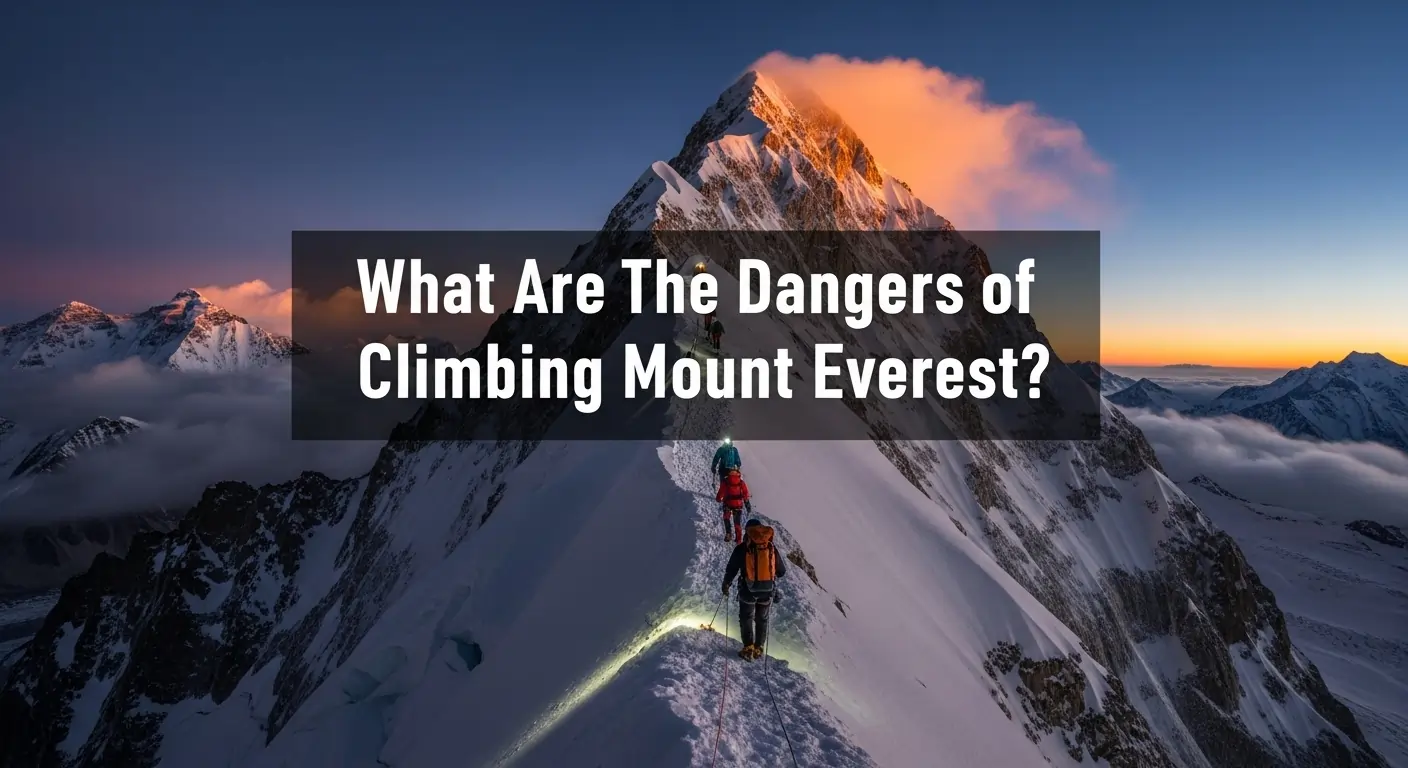
Have you ever wondered what it truly takes to survive the highest point on Earth? Standing on the summit of Mount Everest is a dream for many, but the risks involved are unforgiving. Every year, climbers face life-threatening challenges that test their physical limits and mental resolve. Understanding these hazards is the first step toward a successful and safe expedition. The mountain remains a beautiful yet deadly environment for even the most elite mountaineers.
In this blog, we explore what are the dangers of climbing mount everest to help you prepare for the ultimate challenge. We discuss the physiological effects of the Death Zone and the unpredictable nature of the Khumbu Icefall, both of which are critical factors to consider for a successful Everest expedition. You will learn about weather-related risks and the critical importance of proper oxygen management. This guide covers everything from altitude sickness to the impact of overcrowding on the 2026 climbing season. We aim to provide a realistic look at the hazards found on the Roof of the World.
Why Is Mount Everest So Dangerous?
Mount Everest is dangerous because it combines extreme altitude, unpredictable weather, and objective hazards like avalanches and crevasses. The environment above 8,000 meters cannot sustain human life for long periods, leading to rapid physical and mental decline. Under the strict 2026 regulations, many wonder can I climb Everest without extensive preparation, but the reality is that the new tourism laws now mandate a prior 7,000-meter summit in Nepal before you can even apply for a permit. These factors create a high-risk scenario where even small mistakes can have fatal consequences during the ascent or descent.
Extreme Altitude and Thin Oxygen Levels
At the summit of Mount Everest, the oxygen level is only about one-third of what is found at sea level. This extreme thinness of air forces the heart and lungs to work at their absolute limits just to survive. The “Everest death zone” starts at 8,000 meters, where the body begins to consume its own tissues for energy because it cannot get enough oxygen. This leads to impaired judgment, extreme fatigue, and life-threatening conditions like High Altitude Cerebral Edema (HACE). Most climbers must rely on supplemental oxygen to navigate this lethal environment safely.
Harsh and Unpredictable Weather Conditions
Weather on Mount Everest is notorious for shifting from clear skies to deadly blizzards in a matter of minutes. Sudden storms can drop temperatures to -60°C and bring winds exceeding 160 kilometers per hour. These conditions cause immediate frostbite and reduce visibility to near zero, making it impossible to find the trail or fixed ropes. High winds also increase the risk of being blown off narrow ridges or suffering from severe wind chill. Climbers must wait for narrow “weather windows” to make their summit push, but even these periods are never guaranteed to be safe.
Physical Dangers of Climbing Mount Everest
The physical dangers of climbing Mount Everest involve severe physiological stress caused by extreme cold and rapid altitude gain. Your body faces an environment that is naturally hostile to human biology, leading to potential organ failure and tissue damage. Common risks include fluid buildup in the lungs or brain, which can become fatal within hours if not treated. Sustained exposure to these harsh conditions drains your energy reserves and weakens your immune system significantly. For many, the reality of these life-threatening biological shifts is why is expedition Everest scary remains a frequent concern for those contemplating the brutal elements and thin atmosphere.
Altitude-Related Health Risks
Altitude-related health risks are the most common physical threats climbers face while ascending the world’s highest peak. Acute Mountain Sickness (AMS) can quickly escalate into High Altitude Pulmonary Edema (HAPE) or Cerebral Edema (HACE), which are both life-threatening. These conditions cause severe headaches, breathlessness, and a total loss of physical coordination or mental clarity. Reduced oxygen saturation means your brain and muscles do not function at their normal capacity, making every step an immense struggle. Even with supplemental oxygen, your physical and mental performance remains significantly lower than at sea level.
Extreme Cold and Frostbite Risks
Extreme cold at the high camps is a relentless danger that can cause permanent tissue damage in a matter of minutes. Temperatures regularly plunge to -40°C or lower, especially during the night or when high winds create a lethal wind chill factor. Any exposed skin is at immediate risk of frostbite, which can lead to the loss of fingers, toes, or even the nose and ears. Climbers must use specialized, high-quality down suits and heated gear to maintain a safe core body temperature. Despite the best equipment, the combination of dehydration and poor circulation at high altitudes makes your extremities extremely vulnerable to the freezing cold.
Environmental Dangers on Mount Everest
Environmental dangers on Mount Everest consist of unpredictable natural events like shifting glaciers and massive avalanches. These objective hazards exist independently of a climber’s skill level and can occur at any moment during the expedition. Navigating these terrain-based risks requires constant vigilance and an understanding of the mountain’s geological instability. Proper timing and route selection are the only ways to mitigate these life-threatening mountain forces.
Avalanches and Icefall Hazards
The Khumbu Icefall is widely considered one of the most dangerous sections of the Everest climb due to its constantly moving glaciers. Huge towers of ice, known as seracs, can collapse without warning, crushing anything in their path or triggering massive avalanches. Climbers must cross this treacherous zone early in the morning when the ice is most stable and frozen. Shifting glaciers also create deep, hidden crevasses that can swallow a trekker if a snow bridge collapses under their weight. Every passage through these icefalls is a race against time and the shifting weight of millions of tons of ice.
Falling Rocks and Ice
As temperatures fluctuate, the rock and ice that form the mountain’s steep faces can become loose and fall onto the climbing route. These falling objects gain lethal speed as they tumble down sections like the Lhotse Face or the Geneva Spur. Narrow routes and exposed ridgelines offer very little shelter for climbers if a rockfall begins above them. This danger often increases during warmer daylight hours when the melting ice no longer holds loose stones in place. Wearing high-impact helmets and moving quickly through known debris zones are essential safety protocols for every 2026 expedition.
What Are the Most Dangerous Parts of Climbing Mount Everest?
The Khumbu Icefall and the Summit Ridge are the most dangerous sections of Mount Everest due to their extreme physical instability and high altitude. These zones account for a large percentage of fatalities because they offer very little room for error or delay. Climbers are exposed to falling ice in the lower sections and lethal oxygen deprivation in the upper reaches. Successfully navigating these “choke points” requires perfect timing, technical skill, and favorable weather conditions.
Khumbu Icefall
The Khumbu Icefall is the deadliest part of the South Col route because the glacier moves up to several feet every day. This movement causes massive ice towers to collapse and creates deep crevasses that can open without warning. Climbers face immense time pressure to pass through this zone before the sun warms the ice and makes it even more unstable. The route changes constantly, requiring “Icefall Doctors” to fix new ladders and ropes almost daily. It remains a terrifying gauntlet where objective hazards are completely beyond a climber’s control.
Hillary Step and Summit Ridge
The Summit Ridge and the remains of the Hillary Step are dangerous due to their extreme exposure and narrow, crowded passages. At over 8,800 meters, there is no room to pass other climbers, leading to dangerous traffic jams in the “Death Zone.” These delays force people to use up their limited supplemental oxygen while standing still in sub-zero temperatures. The drop-offs on either side of the ridge are thousands of feet deep, meaning a single slip can be fatal. Limited turnaround options at this height make any equipment failure or physical collapse a likely death sentence.
Human-Related Dangers of Climbing Mount Everest
Human-related dangers on Mount Everest stem from overcrowded routes and the psychological pressure to reach the summit at any cost. High traffic volumes create bottlenecks in the Death Zone, forcing climbers to wait for hours in life-threatening conditions. Poor decision-making often results from altitude-induced brain fog or an obsessive desire to succeed despite clear warning signs. These man-made risks significantly increase the chances of exhaustion, oxygen depletion, and fatal accidents on the mountain.
Crowding and Traffic Jams
Peak-season congestion near the summit creates dangerous delays that force climbers to consume their limited oxygen supplies while standing still. These traffic jams at the Hillary Step or the Balcony increase the time spent in the lethal Death Zone by several hours. Extended exposure to extreme cold and thin air leads to rapid physical deterioration and a higher risk of frostbite.
Poor Decision-Making and Overconfidence
Overconfidence and “summit fever” often lead climbers to ignore deteriorating weather conditions or their own physical exhaustion. Many fatalities occur because individuals push beyond their safe turnaround times in a desperate attempt to reach the top. Altitude-induced hypoxia impairs judgment, making it difficult for climbers to recognize when they are in immediate danger. Trusting your guide’s expertise and aiming for the best time for Everest expedition summit windows, typically during the stable weather of mid-to-late May, are essential for surviving the world’s highest peak.
Equipment and Logistics Risks on Everest
Equipment and logistics risks on Everest involve the potential failure of life-sustaining systems like oxygen regulators and high-altitude gear. At 8,848 meters, your survival depends entirely on the integrity of your technical equipment and the reliability of your supply chain. A frozen valve or a torn down suit can turn a standard summit push into a desperate survival situation within minutes. Proper maintenance and rigorous testing of Everest climbing equipment, such as specialized triple-layer boots and UIAA-certified helmets, are the only ways to mitigate these mechanical hazards.
Oxygen Supply Issues
Climbers on Everest are almost entirely dependent on supplemental oxygen to survive the crushing atmosphere of the Death Zone. Any equipment failure, such as a leaking mask or a broken regulator, can lead to immediate hypoxia and rapid physical collapse. Carrying spare tanks and regularly checking gauges is a mandatory safety protocol for every high-altitude team. Running out of oxygen before descending to lower camps is one of the most common causes of summit-day fatalities.
Gear Malfunctions and Preparation Errors
Using inadequate clothing or poorly fitted boots can lead to severe frostbite or debilitating blisters that halt your progress instantly. Minor preparation errors, like forgetting spare batteries for your headlamp or radio, can leave you stranded in the dark without communication. High-altitude gear must be broken in and tested in extreme conditions long before arriving at Base Camp. Inadequate preparation often results in gear malfunctions that the harsh environment of Everest will quickly and cruelly exploit.
Financial and Psychological Risks of Climbing Everest
The financial and psychological risks of climbing Everest stem from the massive personal investment and the mental toll of extreme isolation. When you spend tens of thousands of dollars on a single attempt, the pressure to succeed can lead to “summit fever,” where safety is sacrificed for the top. This emotional weight, combined with the psychological strain of being away from home in a high-stakes environment, can impair your clarity. Managing these internal pressures is just as critical as managing your physical health during the climb.
High Cost and Financial Pressure
The immense cost of an Everest expedition, often exceeding $50,000, can create a dangerous psychological drive to reach the summit at any cost. Climbers may feel that this is their only chance and may ignore safety protocols or weather warnings to justify the financial expense. This pressure can lead to risky decision-making, where individuals push past their physical limits rather than turning back. The fear of “wasting” such a large sum of money often blinds climbers to the life-threatening reality of the mountain’s conditions. Balancing financial investment with personal safety is one of the hardest mental hurdles for any mountaineer.
Mental Fatigue and Isolation
Sustained mental fatigue at extreme altitudes occurs as the brain receives less oxygen, leading to slower reaction times and poor judgment. The psychological strain of living in a harsh, isolated environment for weeks on end can cause deep emotional exhaustion and a sense of detachment. When you are physically drained and mentally tired, making critical decisions about turning back or managing gear becomes significantly harder. This isolation can also lead to a breakdown in communication between team members, which is dangerous in a high-stakes rescue scenario. Maintaining mental resilience and staying connected with your team are essential for surviving the psychological rigors of the climb.
Can the Dangers of Climbing Mount Everest Be Reduced?
Yes, the dangers of climbing Mount Everest can be significantly reduced through rigorous preparation, technical training, and hiring a professional expedition team. While you can never eliminate objective risks like avalanches, you can manage your personal risk through experience and better equipment. Most modern fatalities are linked to preventable errors that could have been avoided with better decision-making and support.
Importance of Experience and Training
You should never attempt Everest without a proven track record of climbing other 7,000 or 8,000-meter peaks. This prior experience allows you to understand how your body reacts to extreme hypoxia and high-altitude stress before you enter the Death Zone. Physical conditioning must focus on endurance and strength to ensure your muscles can handle 12 to 18 hours of continuous movement on summit day. Mental training is equally vital, as it helps you stay calm during equipment failures or sudden weather shifts. Developing technical skills, like efficient rope work and self-arrest techniques, becomes instinctive through years of dedicated training.
Role of Professional Guides and Support Teams
Professional guides and Sherpa teams provide an essential safety net by managing logistics, weather monitoring, and emergency response protocols. They possess the local knowledge needed to identify subtle changes in the Khumbu Icefall or the Lhotse Face that might signal an impending collapse. Having an experienced leader means you have someone to make the difficult call to turn back if a storm is approaching or if your health is declining. Support teams also handle the heavy lifting of oxygen tanks and camp setup, allowing you to conserve vital energy for the summit push. In the event of an accident, a well-organized team has the manpower and radios necessary to coordinate a high-altitude rescue.
Who Should Not Attempt to Climb Mount Everest?
Individuals with no prior high-altitude mountaineering experience and those with serious underlying heart or lung conditions should not attempt to climb Mount Everest. This peak is not a place for beginners to learn basic technical skills, as the environment is too unforgiving for trial and error. Even physically fit athletes may fail if they cannot handle extreme hypoxia or the psychological strain of long-term isolation. Success on Everest requires a specific combination of technical mastery, physical resilience, and a proven history of surviving other 8,000-meter peaks.
- Inexperienced Climbers: People without a solid background in technical mountaineering and previous 7,000m+ climbs.
- Individuals with Chronic Illnesses: Those suffering from severe cardiovascular, respiratory, or circulatory health issues.
- Low Mental Resilience: People who struggle with high-stress environments or long periods of physical discomfort.
- Poor Physical Conditioners: Individuals who lack the deep aerobic base and functional strength required for 18-hour summit days.
- Risk-Takers with “Summit Fever”: Those unable to follow a guide’s safety instructions or ignore critical turnaround times.
- Budget-Strict Travelers: People unwilling or unable to invest in high-quality equipment, oxygen, and experienced support teams.
- Climbers Lacking Acclimatization History: Anyone who has not previously tested their body’s reaction to extreme high-altitude environments.
Final Thoughts on the Dangers of Climbing Mount Everest
The decision to climb Mount Everest should never be taken lightly, as the mountain remains one of the most hazardous environments on Earth. While the reward of standing on the world’s highest peak is immense, it must be balanced against the very real risks of extreme altitude and unpredictable weather. A realistic understanding of these dangers allows you to prepare more effectively and manage your expectations during the grueling journey.
True safety on Everest begins with awareness and the humility to accept that the mountain ultimately dictates the outcome. Informed decisions, guided by experience rather than pure ambition, are what save lives in the Death Zone. By recognizing the physical, environmental, and human risks, you can make smarter choices about your training, equipment, and choice of expedition team. Remember that the summit is only half the journey; the true goal is always returning home safely to share your story. Everest demands your absolute best, but it also demands that you know when to listen to its warnings.
Ready to take on the world’s highest peak with a team that prioritizes your safety? Join the best company for Everest Expedition for a professional and meticulously planned 2026 Everest expedition today!
FAQS
What is the most dangerous part of Mount Everest?
The Khumbu Icefall is the deadliest section due to its constantly shifting glaciers, falling ice towers, and hidden, deep crevasses.
How many people die on Everest each year?
On average, about 5 to 10 climbers die annually, usually due to exhaustion, altitude sickness, or sudden weather-related accidents.
What is the Death Zone on Mount Everest?
The Death Zone is the area above 8,000 meters where oxygen levels are insufficient to sustain human life for long.
Can you survive Everest without supplemental oxygen?
Very few elite climbers have survived without oxygen, but the vast majority require it to prevent rapid physical and mental collapse.
What causes the most deaths on Everest?
Falls, exhaustion, and altitude-related illnesses like HAPE and HACE are the leading causes of fatalities for climbers on the mountain.
Is Mount Everest getting more dangerous?
Yes, increasing overcrowding and climate change are creating more traffic jams in the Death Zone and making the ice more unstable.
How cold does it get at the summit?
Temperatures at the summit can drop to -60°C, and hurricane-force winds can make the wind chill feel significantly colder.
What is summit fever?
Summit fever is a psychological state where a climber becomes obsessed with reaching the top, ignoring safety warnings and physical limits.

Ready for your next Himalayan adventure?
Plan Your Next Big Adventure with Us
Explore Our AdventuresJoin our expert-guided journeys across Nepal and beyond, from classic trails to epic summits.