
Lukla Airport: Complete Guide 2026
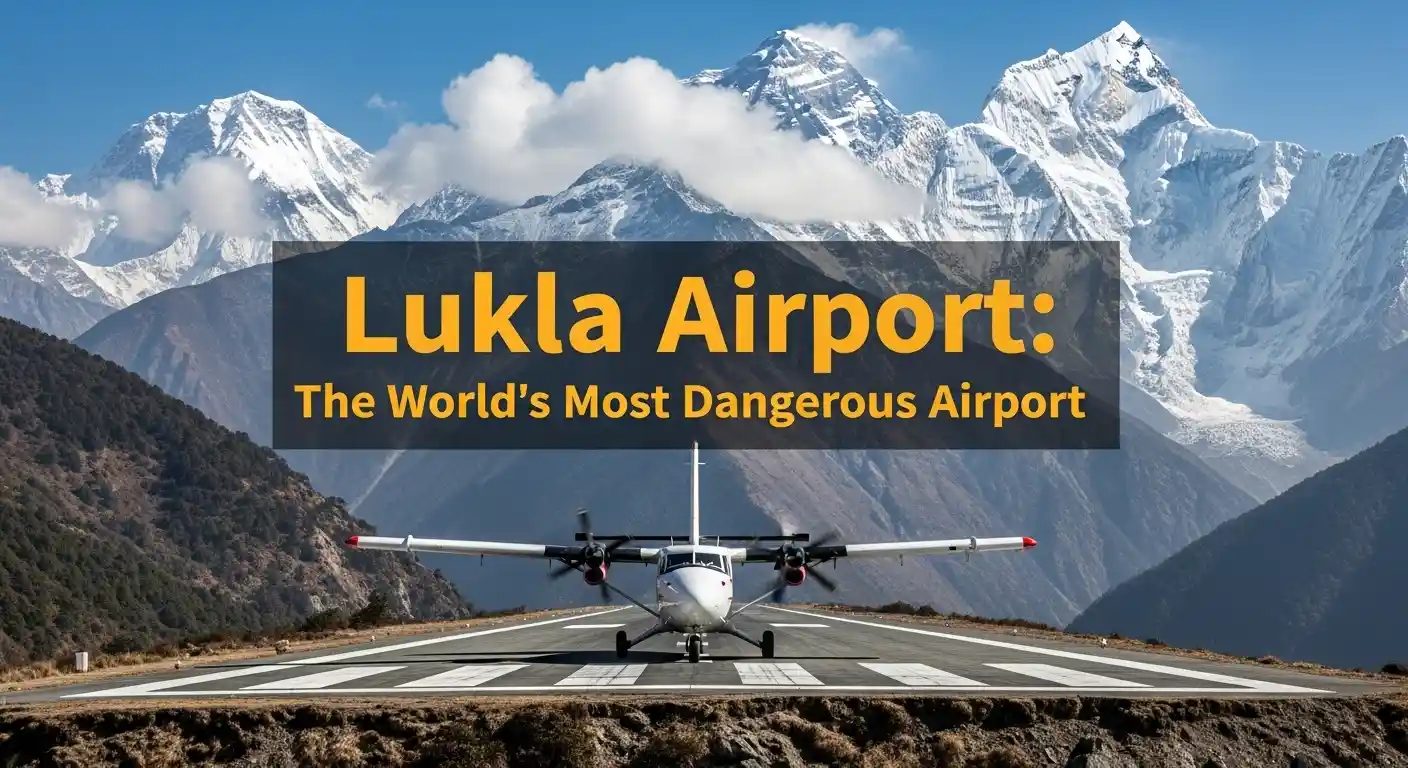
Are you ready to experience the most thrilling touchdown in the world before you even take your first step toward the highest peak on Earth? Lukla Airport, officially known as Tenzing-Hillary Airport, is globally recognized as the ultimate gateway to the Everest region and the starting pistol for every iconic Himalayan adventure. This tiny mountain airstrip is famous for its heart-pounding 527-meter sloped runway and its reputation as one of the most extreme aviation hubs on the planet. For thousands of trekkers and climbers, landing safely on this high-altitude plateau is the official beginning of their journey toward the shadow of Mount Everest.
In this blog, we provide a comprehensive guide to Dingboche, covering everything from its exact elevation to the seasonal weather patterns you can expect in 2026. We will detail the distances from major trekking hubs like Namche Bazaar and Tengboche, ensuring your daily planning is accurate and realistic. Additionally, we will explore the best acclimatization routes and side trips available from the village to maximize your chances of reaching your final goal. Most journeys to this region begin with a flight to Lukla, which is widely known as the closest airport to Everest. Whether you are a solo traveler or joining a group, this guide will help you navigate this essential Sherpa settlement with ease.
What Is Lukla Tenzing-Hillary Airport?
Lukla Tenzing-Hillary Airport is a small, high-altitude airport located in the town of Lukla in Solukhumbu District, Province No. 1, Nepal. It sits at an elevation of 2,845 meters (9,334 feet) and serves as the primary entry point for anyone trekking to Everest Base Camp. The airport features a short, uphill runway carved into the side of a mountain, making it a masterpiece of high-altitude engineering. It provides a vital air link for the local Sherpa community and thousands of international adventurers who visit the Khumbu region annually.
Official Name of Lukla Airport
The airport was officially renamed Tenzing-Hillary Airport in 2008 to honor Sir Edmund Hillary and Tenzing Norgay Sherpa, the first humans to summit Mount Everest. Originally built in 1964 under the supervision of Hillary himself, the airport was intended to improve the lives of local residents and support early mountaineering efforts. This naming significance serves as a permanent tribute to the two men who forever changed the history of Himalayan exploration.
Why Lukla Airport Is Famous Worldwide
Lukla Airport is famous worldwide because it is consistently ranked as one of the most dangerous and extreme airports due to its short runway and unpredictable mountain weather. Its global reputation is fueled by its 527-meter runway which ends in a steep drop into a deep valley, leaving zero room for pilot error. Extensive media coverage on networks like the History Channel has cemented its status as a “bucket list” experience for aviation enthusiasts and thrill-seeking trekkers.
Where Is Lukla Airport Located?
Lukla Airport is in the Khumbu Pasang Lhamu Rural Municipality of the Solukhumbu District in northeastern Nepal. It is perched on a mountain plateau at an elevation of 2,845 meters (9,334 feet), approximately 138 kilometers northeast of Kathmandu. As the principal “altiport” for the Everest region, it serves as the essential aerial bridge connecting the capital to the high Himalayas. Its strategic position makes it the most convenient starting point for nearly all high-altitude expeditions and trekking adventures near where is Mount Everest.
Where Is Lukla Airport in Nepal
Geographically, Lukla Airport is situated within the Koshi Province, nestled deep in the rugged terrain of the Khumbu region. It sits on a hillside above the Dudh Koshi River Valley, surrounded by the nearby villages of Chaurikharka and Surke. The airport is roughly a 30-35 minute flight from Kathmandu, providing a dramatic transition from the urban valley to the steep mountain slopes. Because there are no motorable roads connecting Lukla to the rest of Nepal, this geographic location makes the airport the region’s only modern transport link.
Lukla Airport on the Everest Base Camp Route
Lukla Airport is the vital starting point for the legendary Everest Base Camp trek, saving hikers roughly a week of travel time from lower trailheads. From the airport gates, the trail immediately connects trekkers to the main route toward Phakding and the bustling Sherpa capital of Namche Bazaar. It serves as the primary logistics hub where expeditions organize their porters, guides, and supplies before heading deeper into the mountains. This strategic connection ensures that adventurers can reach the shadow of Mount Everest efficiently while supporting the local economy of the Khumbu region.
How High Is Lukla Airport?
Lukla Airport is at an altitude of 2,845 meters (9,334 feet) above sea level, making it a high-elevation airfield. This significant height means the air is much thinner than at sea level, which directly reduces the lift generated by aircraft wings and the power produced by their engines. Because of this elevation, only specific STOL (Short Take-Off and Landing) aircraft like the Twin Otter or Dornier can safely operate here. Every landing and takeoff is a calculated maneuver that accounts for the decreased atmospheric pressure found at nearly 3,000 meters.
Lukla Airport Elevation and Height
The exact altitude of 2,845 meters places Lukla in a “high-altitude” category for aviation, where air density is roughly 70% of that at sea level. This elevation is critical for pilots because it increases the true airspeed required for a safe touchdown, making landings faster and more difficult to control.
- Reduced Engine Performance: Aircraft engines produce less thrust at this height, requiring precise weight management for every flight.
- Higher Stall Speeds: Thinner air means planes must fly faster to maintain lift, giving pilots less time to react during the final approach.
- Steep Runway Incline: The runway features a 12% uphill gradient to help aircraft decelerate quickly upon landing at such a high altitude.
- Strict Weight Limits: High elevation limits the maximum takeoff weight, often restricting the number of passengers or amount of cargo allowed.
Why Lukla Airport Altitude Matters
The altitude of Lukla is the primary factor dictating the strict safety protocols and technical limitations of the entire Everest flight operation.
- Impact of Thin Air: Lower air density reduces aerodynamic braking, making the 12% runway incline essential for stopping aircraft before they hit the mountain wall.
- Pilot Qualifications: The Civil Aviation Authority of Nepal (CAAN) requires pilots to have completed at least 100 STOL flights and 10 landings at Lukla under supervision.
- Visual Flight Rules (VFR): Due to the altitude and surrounding peaks, flights only operate under VFR, meaning perfect visibility is required to navigate the thin air.
- Engine Start Challenges: The cold, thin air at 2,845 meters can make engine starts more difficult, requiring specialized maintenance and battery care.
- Passenger Acclimatization: For trekkers, the sudden jump in altitude from Kathmandu (1,400m) to Lukla acts as the first significant physiological challenge of the trek.
Why Is Lukla Airport So Dangerous?
Lukla Airport is so dangerous because its extremely short, 527-meter runway ends abruptly at a mountain wall on one side and a 2,000-foot vertical drop on the other. The high-altitude environment at 2,845 meters reduces air density, which forces aircraft to land at higher speeds while providing less engine power for takeoffs. Unpredictable mountain weather, including sudden fog and high winds, frequently creates hazardous conditions with zero margin for error. These technical and environmental factors combine to make every takeoff and landing a high-stakes maneuver that requires exceptional pilot precision.
Factors That Make Lukla Airport Dangerous
The combination of a 12% steep uphill gradient and a runway that is less than one-tenth the length of a standard international runway makes Lukla uniquely challenging. Pilots must commit to a landing without the possibility of a “go-around” due to the surrounding high peaks that block any climb-out path. Sudden shifts in wind direction and dense clouds can obscure the narrow valley in seconds, making visual navigation extremely difficult even for experienced crews.
How Dangerous Is Lukla Airport Compared to Other Airports
While Lukla has a higher accident rate than commercial city airports, its safety has improved significantly in recent years due to stricter flight regulations and advanced pilot training. Many “dangerous” rankings focus on the visual intimidation of the cliffside runway rather than modern success rates, which see dozens of safe flights daily during peak season. The real risks are primarily associated with pilots attempting to land in deteriorating visibility, a risk that 2026 regulations now manage through mandatory flight cancellations during poor weather.
Is Lukla Airport Dangerous for Passengers?
Lukla Airport is safe for passengers as long as strict aviation protocols are followed and flights only proceed during clear weather conditions. While the geographic location is intimidating, elite pilots who undergo specialized training specifically for this short-takeoff-and-landing environment manage the risk. In 2026, enhanced safety regulations and better weather monitoring systems have made the journey significantly more reliable for the thousands of trekkers who pass through annually. The airport remains a highly regulated hub where safety is prioritized over tight schedules.
Safety Measures at Lukla Airport
To ensure passenger safety, the Civil Aviation Authority of Nepal mandates that only pilots with extensive experience and specific certifications can fly into Lukla. These pilots must complete a minimum number of successful landings under the supervision of a veteran instructor before being cleared for solo operations. Additionally, the aircraft used, such as the DHC-6 Twin Otter and Dornier 228, are specifically designed for high-altitude, short-runway environments, providing the necessary lift and braking power for the unique terrain.
Real Risk vs Media Hype
While the media often labels Lukla as the “world’s most dangerous airport,” actual accident statistics have improved as technology and flight-dispatch rules have become more stringent. Most historical incidents were linked to poor visibility, which is why flights are now strictly canceled if there is any cloud cover in the flight path. Today, the reality of flying into Lukla is a well-orchestrated operation that carries over 30,000 passengers a year with a high degree of operational success and professionalism.
How to Get to Lukla Airport?
The primary way to get to Lukla Airport is via a 35-minute flight from Kathmandu or a 20-minute flight from Ramechhap Airport. During the peak trekking seasons of spring and autumn, most commercial flights are diverted to Ramechhap to reduce air traffic congestion in the capital. You can also reach Lukla by taking a long drive to Jiri or Tham Danda followed by several days of trekking, though this is less common for those on a tight schedule. Regardless of the route, choosing a flight is the fastest and most popular method to begin your Everest journey in 2026.
Flights from Kathmandu to Lukla
Direct flights from Kathmandu to Lukla are primarily available during the off-peak months of winter and summer when air traffic is lower. Airlines like Tara Air, Sita Air, and Summit Air operate these routes using specialized STOL aircraft designed for high-altitude mountain terrain. Flights usually depart very early in the morning, between 6:00 AM and 9:00 AM, to take advantage of the clearest weather and calmest winds.
Alternative Routes to Lukla
During the busy trekking months, most travelers must take a 4 to 5-hour drive from Kathmandu to Manthali Airport in Ramechhap for their Lukla flight. This alternative significantly reduces the risk of flight delays caused by Kathmandu’s heavy air traffic and provides a more reliable connection to the Khumbu region. For those who prefer to skip flying altogether, you can drive to Phaplu or Tham Danda and trek for two to three days to reach Lukla, offering a more traditional mountain approach.
Is Lukla Airport Open Today?
Lukla Airport is currently open and operating, but its status changes hourly based on local visibility and wind conditions. Because the airport relies on Visual Flight Rules (VFR), even slight cloud cover or fog in the narrow valley can lead to temporary closures or the cancellation of all scheduled flights. In 2026, the airport remains operational year-round, but safety protocols mandate immediate closures if weather conditions fall below strict safety thresholds. Always check with your airline or trekking agency for the most current real-time status before heading to the terminal.
Lukla Airport Operating Seasons
The most reliable months for flying into Lukla are during the peak trekking seasons of spring (March to May) and autumn (September to November), when clear skies are more frequent. During the monsoon season from June to August, the airport faces frequent closures due to heavy rain, low clouds, and poor visibility, making flights highly unpredictable. Winter (December to February) often brings clear mornings but can be disrupted by heavy snowfall or freezing temperatures that ice the runway. Understanding these seasonal shifts is essential for planning a flexible itinerary that accounts for potential weather-related delays.
How to Check If Lukla Airport Is Open
To confirm if Lukla Airport is open, you should primarily coordinate with your trekking agency or contact the airline’s ground staff at the terminal directly. Airlines like Tara Air and Summit Air often post status updates on their social media pages or through their dedicated flight dispatch offices in Kathmandu and Manthali. You can also monitor local weather apps specifically for the Lukla (Khumbu) region, as they provide early warnings of fog or high winds. For the most accurate information, your local trekking guide is the best resource, as they have direct contact with the airport tower and weather monitors.
Lukla Airport Weather Conditions
Lukla Airport’s weather is notoriously volatile, with conditions often changing from clear blue skies to dense, blinding fog in just a matter of minutes. Because the airport operates strictly under Visual Flight Rules (VFR), pilots must have a clear line of sight to the runway to attempt a landing or takeoff. In 2026, safety remains the absolute priority, meaning even a small bank of clouds in the valley can trigger an immediate suspension of all flight operations. This sensitivity to the environment is why the airport has a reputation for being one of the most weather-dependent aviation hubs in the world.
Common Weather Challenges at Lukla Airport
The most significant weather challenges at Lukla include low-lying clouds, sudden fog, and powerful crosswinds that frequently sweep through the narrow Himalayan valley. Because there is no radar or instrument landing system, pilots are entirely dependent on their ability to see the short runway through the shifting mist. High-velocity winds typically pick up by mid-morning, often creating dangerous turbulence that can ground all fixed-wing aircraft for the remainder of the day. These unpredictable factors are the primary cause of the cascading flight delays that trekkers often face during their journey.
Best Time to Fly into Lukla Airport
The most reliable windows for flying into Lukla are the early morning hours during the peak spring (March–May) and autumn (September–November) seasons. During these months, the air is generally stable and the skies are clearest between 6:00 AM and 9:00 AM, offering the highest success rate for scheduled departures. Conversely, the monsoon season (June–August) brings persistent rain and cloud cover that results in frequent, multi-day cancellations. Winter flights are possible but carry the risk of icy runways and heavy snowfall that can trap trekkers in Lukla for extended periods.
Lukla Airport Runway Facts
The runway at Lukla Airport is a marvel of extreme engineering, measuring just 527 meters (1,729 feet) in length and featuring a unique 12% uphill gradient. This steep slope is essential because it uses gravity to help aircraft decelerate quickly upon landing and provides a boost of speed for takeoffs. Because of the surrounding high-altitude terrain and the short strip, the runway is designated for one-way operations, meaning all planes must land from the southwest and takeoff toward the northeast.
- Precise Dimensions: The runway is incredibly narrow at only 30 meters wide, leaving no room for lateral errors during the high-speed touchdown.
- One-Way Commitment: Landings are one-way only because the runway ends at a solid mountain wall, making a “go-around” or aborted landing physically impossible once the final approach begins.
- Gravity-Assisted Braking: The 12% incline is specifically designed to stop aircraft in a fraction of the distance required by a standard flat runway.
- Elite Pilot Certification: Pilots must have at least 100 Short Takeoff and Landing (STOL) missions and 10 supervised landings at Lukla to be certified by the Civil Aviation Authority of Nepal.
- Specialized Approach: Pilots use a “steep descent” technique, maintaining a higher-than-normal airspeed until the very last moment to ensure they don’t stall in the thin air.
- Visual Reference Only: There is no radar guidance. Pilots rely entirely on visual markers and local wind socks to navigate the narrow mountain pass.
- DHC-6 Twin Otter Dominance: The runway is specifically optimized for Twin Otter aircraft, which are famous for their rugged landing gear and powerful reversible-pitch propellers.
Facilities and Services at Lukla Airport
The facilities at Lukla Airport are designed to handle the high volume of trekkers, offering a compact terminal with essential services for a high-altitude hub. Despite its remote location, the airport provides a structured check-in area, basic security screening, and a departure lounge for waiting passengers. In 2026, improvements have been made to manage the seasonal rush, though the infrastructure remains small compared to urban airports. It serves as a busy transit point where logistics for the entire Khumbu region are managed daily.
Terminal Facilities at Lukla Airport
The check-in process at Lukla is straightforward but can be hectic, with passengers often weighing their bags on large industrial scales before receiving handwritten boarding passes. The waiting areas are basic, featuring limited seating and small snack counters where you can buy tea or coffee during weather delays. Luggage handling is primarily manual, with ground staff and porters moving gear between the aircraft and the terminal using trolleys and traditional carries.
Nearby Accommodation and Services
There is a wide range of lodges and hotels located just steps from the airport gates, offering everything from basic rooms to more comfortable suites for those stranded by weather. The area around the terminal is a bustling commercial zone filled with trekking gear shops, pharmacies, and small bakeries serving fresh pastries. You will also find several ATMs and communication centers, though it is always wise to carry enough cash as machines can occasionally run out of funds during peak season.
Final Thoughts on Lukla Airport
Mastering the logistics of Lukla Airport is the essential first step for any adventurer aiming to stand in the shadow of Mount Everest in 2026. While its reputation as one of the world’s most extreme airports is well-deserved, the combination of elite pilot expertise and modern safety protocols ensures a reliable gateway for thousands of trekkers annually. By understanding the weather patterns, technical challenges, and flight schedules, you can navigate this thrilling start to your journey with confidence and ease.
Choosing a professional partner like Marvel Treks ensures that your flight to Lukla is handled with the highest priority and expert coordination. We manage all the complex details, from securing early morning flight slots to arranging seamless transfers from Kathmandu or Ramechhap. Our deep local roots in the Khumbu region allow us to provide real-time updates and flexible solutions, ensuring your trekking schedule remains on track even when mountain weather proves unpredictable. Trust us to turn the world’s most exciting flight into the perfect beginning of your Himalayan story.
Ready to take off on the ultimate Himalayan adventure? Contact the best trekking and expedition company in Nepal today to book your 2026 Everest Base Camp trek and secure your flight to the legendary Lukla Airport!
FAQs
What is the flight time from Kathmandu to Lukla?
The flight usually takes about 30 to 35 minutes, providing spectacular views of the Himalayan range throughout.
How many passengers can fit on a Lukla flight?
Small STOL aircraft like the Twin Otter typically carry between 14 to 18 passengers per flight.
What is the weight limit for Lukla flights?
The standard weight limit is 15kg per person, which includes 10kg for your main kit and 5kg for hand luggage.
Can I fly to Lukla in the monsoon season?
Flights operate but are frequently canceled due to poor visibility, rain, and low-lying clouds in the valley.
Is there an alternative to flying to Lukla?
Yes, you can drive to Phaplu or Tham Danda and trek for 2–3 days to reach Lukla.
Why are flights often diverted to Ramechhap?
Diversions occur during peak seasons to avoid air traffic congestion at Kathmandu’s busy international airport.
Are helicopters available if planes are grounded?
Yes, helicopters can often fly in lower visibility than planes, though they are significantly more expensive.
What if my flight is canceled?
Most airlines will reschedule you for the next available flight, or you can opt for a helicopter.

Ready for your next Himalayan adventure?
Plan Your Next Big Adventure with Us
Explore Our AdventuresJoin our expert-guided journeys across Nepal and beyond, from classic trails to epic summits.