
How to Prepare for Annapurna Base Camp Trek: Preparation Guide
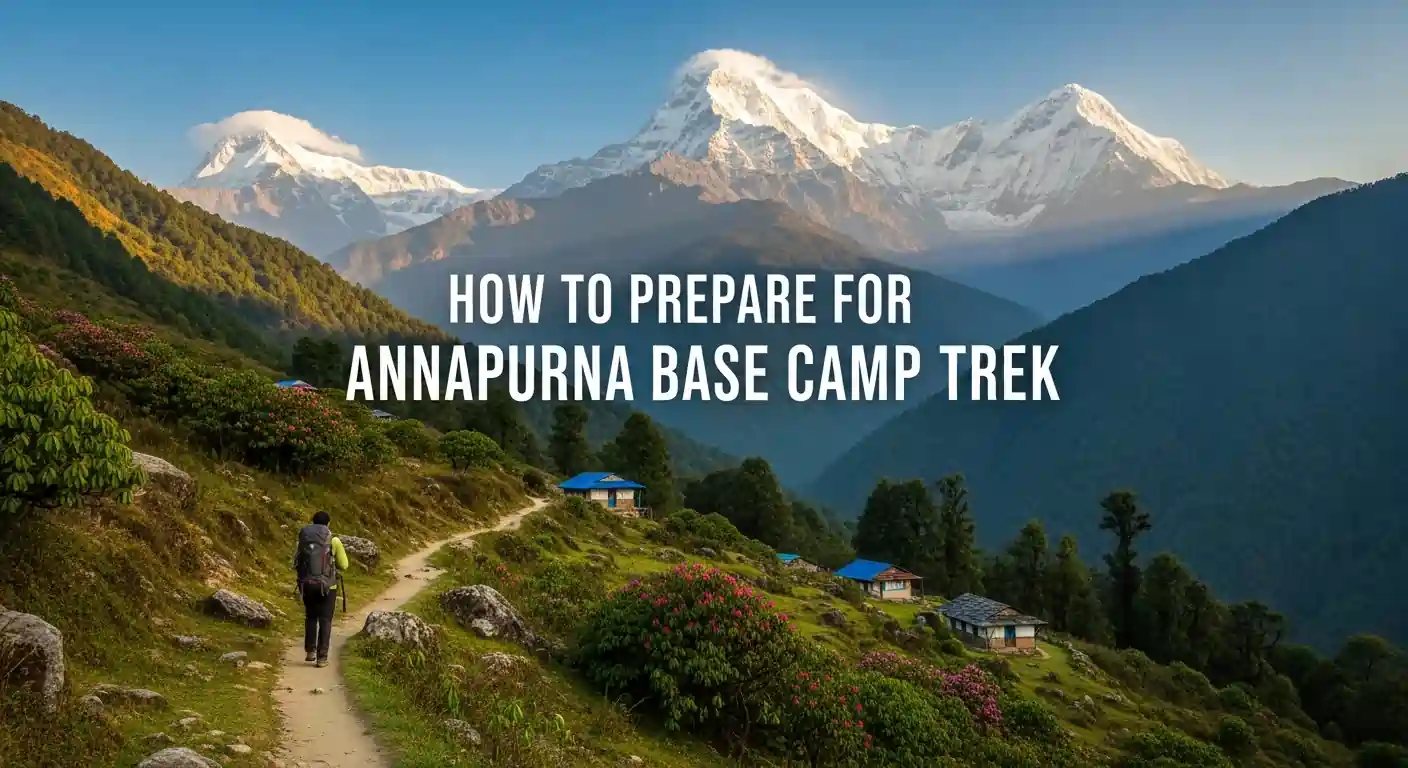
Are you dreaming of standing in the heart of the Annapurna Sanctuary, surrounded by a 360-degree amphitheater of 7,000 and 8,000-meter peaks? Knowing how to prepare for Annapurna Base Camp trek is the difference between a grueling struggle and a life-changing adventure. In 2026, as trails become more accessible yet remain physically demanding, a structured preparation plan is essential to navigate the thousands of stone steps and the thinning air at 4,130 meters.
In this comprehensive guide, Marvel Treks breaks down the essential pillars of preparation: from building cardiovascular endurance to choosing the right moisture-wicking layers for the volatile Himalayan climate. Whether you are a first-time trekker or a seasoned hiker, these expert tips will ensure you are physically fit, mentally resilient, and logistically ready for one of Nepal’s most iconic journeys.
Understanding the Annapurna Base Camp Trek
The Annapurna Base Camp trek typically spans 10 to 14 days, covering a total round-trip distance of approximately 115 kilometers (71 miles). On average, you will walk for 5 to 7 hours daily through a diverse landscape that transitions from subtropical forests to alpine sanctuaries. The journey culminates at the base camp, reaching a maximum altitude of 4,130 meters (13,550 feet), where you are surrounded by an awe-inspiring 360-degree amphitheater of snow-capped peaks.
Preparation for ABC differs from other Nepal treks, such as Everest Base Camp, because of its unique terrain, characterized by thousands of steep stone staircases and rapid elevation changes. While the maximum altitude is lower than Everest, the relentless “up and down” nature of the trail puts a specific strain on your knees and calf muscles. Consequently, your training must prioritize leg endurance and stair climbing over pure high-altitude acclimatization, ensuring your body can handle the repetitive impact of the stone-stepped ridges.
Explore Annapurna Base Camp Trek
How Fit Do You Need to Be for Annapurna Base Camp Trek?
You need a “Moderate” level of physical fitness to successfully complete the Annapurna Base Camp trek, meaning you should be capable of walking 5 to 7 hours daily for multiple consecutive days. While you do not need the elite stamina of an ultramarathoner, you must be comfortable navigating uneven mountain terrain and thousands of stone steps while carrying a light daypack.
Maintaining a balance between cardiovascular endurance and lower-body strength is vital for managing the relentless ascents and descents of the Annapurna region. Prior trekking experience is helpful but not mandatory; even beginners and active seniors can reach 4,130 meters if they commit to a consistent preparation routine. As long as you are healthy and follow professional guidance, you will be well-equipped to manage the annapurna base camp trek difficulty level by maintaining a “slow and steady” pace that allows your body to adapt to the trail.
Physical Fitness Preparation for Annapurna Base Camp Trek
A successful training plan for the Annapurna Base Camp trek focuses on conditioning your heart and legs to handle the specific stress of mountain climbing. We recommend starting your preparation at least 4 to 8 weeks before your flight to Nepal, allowing your muscles and joints to gradually strengthen without risk of injury. Consistency is the most important factor, training for 45 to 60 minutes four times a week is far more effective than one long, exhausting session on the weekend.
- Cardio Conditioning: Focus on swimming, cycling, or jogging 3-4 times a week to improve your VO2 max and heart health.
- Stair Mastery: Spend at least 30 minutes on a StairMaster or local stadium steps to prepare for the 3,000+ stairs of Ulleri.
- Leg Strength: Incorporate weighted squats, lunges, and calf raises into your routine to protect your knees during steep descents.
- Core Stability: Use planks and bicycle crunches to build the core strength needed to balance your daypack on uneven rocky paths.
- Simulated Hikes: Once a week, go on a 3-5 hour hike wearing your actual trekking boots and a 5-7kg weighted backpack.
- Flexibility Work: Add 10-15 minutes of dynamic stretching or yoga to your post-workout routine to improve your range of motion.
- Mental Resilience: Practice deep breathing and mindfulness to stay calm and focused when the trail becomes physically demanding.
Mental Preparation for Annapurna Base Camp Trek
Mental resilience is the “hidden gear” that ensures you reach 4,130 meters even when your muscles are tired and the weather turns cold. Preparing mentally for the Annapurna Base Camp trek involves accepting that you will be outside your comfort zone, dealing with basic teahouse facilities, and managing the psychological strain of thinning air.
- Accept the Discomfort: Prepare yourself for shared bathrooms, lack of central heating, and sleeping in cold rooms.
- Break It Down: Instead of focusing on the 115km total, focus only on reaching the next rest stop or lunch break.
- Weather Flexibility: Stay positive during fog or rain by remembering that Himalayan weather changes rapidly and clear views are often just minutes away.
- Control Your Pace: Never feel pressured to keep up with others; your mental peace depends on moving at a rhythm that feels sustainable for you.
- Altitude Mindfulness: Use deep breathing to manage the anxiety that can sometimes accompany the feeling of “thin air” at Base Camp.
- Digital Detox: Prepare to be offline for stretches of time; use this as a mental reset to reconnect with nature and your surroundings.
- Celebrate Small Wins: Each evening at the teahouse is a victory, acknowledge your progress to keep your motivation high for the next day’s climb.
Ready to Experience the Beauty of the Annapurna Region?
Connect with Marvel Treks for expert trekking support and discover the unforgettable journey to Annapurna Base Camp.
What to Pack for Annapurna Base Camp Trek?
Packing for the Annapurna Base Camp trek requires a strategic balance between minimizing weight and ensuring you are equipped for temperature swings from 20°C in the valleys to -10°C at the sanctuary. The key to smart packing is a modular approach: carrying only the technical essentials that can be layered to provide warmth, while leaving behind bulky non-essentials that add unnecessary weight for you or your porter. Mastering the art of packing for trekking in Nepal ensures you have the right moisture-wicking base layers and insulated shells without overstuffing your 50-liter backpack, making your journey through the sanctuary both efficient and comfortable.
- Layered Clothing: A moisture-wicking base layer, an insulating fleece mid-layer, and a waterproof/windproof outer shell.
- Sleeping System: A high-quality 4-season sleeping bag rated to at least -10°C (14°F) and a lightweight silk liner for extra hygiene.
- Footwear Essentials: Sturdy, waterproof trekking boots (well broken-in) and lightweight camp shoes/sandals for evening teahouse comfort.
- Technical Hardware: Adjustable trekking poles to save your knees on the thousands of stone steps and a headlamp with extra lithium batteries.
- Personal Hygiene: A quick-dry microfiber towel, biodegradable soap, hand sanitizer, and at least two rolls of toilet paper.
- Health Kit: Personal medications, blister treatment (moleskin or duct tape), and water purification tablets or a filtered bottle.
- Sun Protection: UV-rated polarized sunglasses, a wide-brimmed sun hat, and high-SPF sunscreen (50+) to combat intense mountain rays.
Food and Nutrition Preparation Before the Trek
In the weeks leading up to your trek, focus on a balanced diet rich in complex carbohydrates and lean proteins to build your glycogen stores. Foods like brown rice, oats, and legumes provide sustained energy, while lean meats or plant-based proteins help repair muscle tissues during your training phase. It is also wise to increase your intake of iron-rich foods or leafy greens to help your blood carry oxygen more efficiently, preparing your body for the thinner air it will encounter above 3,000 meters in the Annapurna Sanctuary.
Hydration is equally critical, and you should practice drinking 3-4 liters of water daily even before you step foot on the trail. Once trekking, you must avoid alcohol and excessive caffeine, as they contribute to dehydration and can mask the early symptoms of altitude sickness. Instead, stick to hydrating fluids and electrolyte-rich drinks while avoiding heavy, greasy, or “risky” street foods that could cause stomach upset. Maintaining a clean, high-energy diet is one of the most important lessons in trekking in Nepal for beginners, as it ensures your digestive system is stable and your energy levels remain consistent throughout the journey.
Acclimatization and Altitude Preparation
Proper acclimatization is the cornerstone of a safe Annapurna Base Camp journey, as the air pressure and oxygen levels significantly drop once you surpass 3,000 meters. Although the maximum altitude of 4,130 meters is lower than Everest, the rapid ascent from the lush lowlands can trigger Acute Mountain Sickness (AMS) if you rush.We emphasize a “climb high, sleep low” strategy, ensuring that while you may hike to higher ridges during the day, your overnight sleeping elevation remains within safe limits to allow your body to produce necessary red blood cells.
Staying hydrated by drinking 3 to 4 liters of water daily and maintaining a slow, “tourist pace” are the most effective practical tips for the trail. It is vital to listen to your body’s signals, such as mild headaches or loss of appetite, and to never ignore them in hopes they will simply vanish. By including strategic rest stops in villages like Chhomrong or Deurali, you give your respiratory system the time it needs to adapt, ensuring that your journey through the world of adventure trekking in Nepal remains a triumphant experience rather than a medical emergency.
Permits and Documents Required for Annapurna Base Camp Trek
Securing your permits and legal documentation is a mandatory first step for the Annapurna Base Camp trek, as authorities have strictly banned solo trekking to ensure visitor safety. All foreign trekkers are now required to be accompanied by a licensed guide and must carry valid entry permits that fund the conservation of the region’s diverse ecosystems. These documents are verified at multiple checkpoints along the trail, such as Birethanti and Chhomrong, and following the official trekking rules in Nepal 2026, which now permit solo travelers to obtain restricted area permits provided they are accompanied by a licensed guide, is the only way to avoid heavy fines or being denied access to the sanctuary.
- Annapurna Conservation Area Permit (ACAP): The primary entry document, costing approximately NPR 3,000 (~$25 USD) for foreign nationals and NPR 1,000 for SAARC citizens.
- TIMS Card (Trekkers’ Information Management System): A vital safety tracking card that costs NPR 2,000 (~$17 USD) and helps authorities coordinate rescue operations in case of emergencies.
- Valid Passport: Your original passport must have at least six months of validity remaining, and you should carry multiple photocopies for permit applications.
- Passport-Sized Photos: Carry at least 4 to 6 recent color photographs to be used for the ACAP, TIMS card, and other administrative registrations.
- Travel Insurance: Mandatory documentation that must explicitly cover emergency helicopter evacuation and medical expenses at altitudes up to 4,500 meters.
- Licensed Guide Certification: Proof that you are trekking with a government-registered professional, which is typically handled by your agency like Marvel Treks.
Best Time to Prepare and Trek to Annapurna Base Camp
The best time to trek to Annapurna Base Camp is during the Spring (March to May) and Autumn (September to November) seasons. Spring offers a vibrant landscape with blooming rhododendrons and warmer temperatures in the lower valleys, making the trek aesthetically stunning. In contrast, the Autumn season provides the crispest air and most stable skies, offering the iconic, unobstructed views of Annapurna I and Machhapuchhre that trekkers crave.
Weather conditions vary by month, with January and February bringing heavy snow and sub-zero temperatures, while the summer monsoon (June to August) is avoided due to heavy rain and leeches. If you choose to trek in late March or October, you will experience the most comfortable daytime walking temperatures, typically between 10°C and 15°C. However, even in peak seasons, the weather at 4,130 meters remains unpredictable, requiring you to be prepared for sudden frost or mountain mists.
Logistical and physical preparation should ideally start 3 to 6 months before your intended departure date. This timeframe allows you to build the necessary cardiovascular endurance while providing a buffer to book your flights and secure your preferred dates with Marvel Treks. Starting early also gives you time to “break in” your trekking boots, a critical step that prevents blisters from ruining your journey through the Annapurna Sanctuary.
Travel Insurance and Safety Preparation
High-altitude travel insurance is an absolute prerequisite for the Annapurna Base Camp trek, as standard policies often exclude activities above 2,500 meters. Most reputable agencies and rescue operators require proof of a specialized policy that explicitly covers trekking up to at least 4,500 or 5,000 meters. This ensures that you are financially protected against the most common mountain hazards, such as Acute Mountain Sickness (AMS), technical injuries on stone staircases, and gastrointestinal illnesses, which can escalate rapidly in remote environments where professional medical clinics are non-existent.
Your insurance must specifically include provision for emergency helicopter evacuation, which is the only viable rescue method from the deep Annapurna Sanctuary. A single rescue flight from the base camp to a hospital in Pokhara or Kathmandu can cost upwards of $3,000 to $10,000, a fee that most flight operators will not waive without a confirmed insurance guarantee. To minimize your safety risks, you should always trek with a licensed guide who can monitor your oxygen levels daily and coordinate with your insurer the moment a medical emergency is identified, ensuring that life-saving help arrives within the critical “golden hour.”
Guided Trek vs Independent Trek Preparation
As of 2026, the Nepal Tourism Board has strictly mandated that all foreign trekkers must hire a licensed guide for the Annapurna Base Camp trek, effectively ending solo independent trekking for safety and local employment reasons. This regulatory shift ensures that every trekker has a professional “safety anchor” to navigate the technical stone steps and manage altitude risks, while also simplifying the complex permit and logistics process through a registered agency.
| Feature | Guided Trek (Marvel Treks) | Independent Style (Mandatory Guide) |
| Legal Status | Fully Compliant (Legal) | Fully Compliant (Legal) |
| Safety Support | 24/7 Monitoring & Pulse Oximetry | Basic Navigation & Safety |
| Logistics | Permits, Transport & Lodging Pre-booked | Trekker Manages Daily Logistics |
| Porter Support | Included (1 Porter per 2 Trekkers) | Self-Carry (Unless extra porter hired) |
| Cultural Depth | Professional Interpretation & Interaction | Basic Translation via Guide |
| Est. Daily Cost | $80 – $120 (All-inclusive) | $55 – $75 (Pay-as-you-go) |
| Emergency | Immediate Agency Coordination | Guide-Assisted Coordination |
Common Mistakes to Avoid While Preparing for Annapurna Base Camp Trek
One of the most frequent errors trekkers make is underestimating the “stairs of Annapurna,” which puts a unique strain on the knees and calf muscles far beyond typical flat-ground walking. We still see many travelers overpacking “just-in-case” items that add unnecessary weight or choosing brand-new boots that haven’t been broken in, leading to debilitating blisters on day two. Most critically, ignoring early symptoms of altitude sickness or rushing the ascent to save time can turn a dream vacation into a medical emergency, as your body needs gradual exposure to the thinning air above 3,000 meters.
- Underestimating the Steps: Focusing only on flat-ground cardio while ignoring stair-climbing or hill-walking training.
- Overpacking Unnecessary Gadgets: Carrying heavy electronics or bulky books that you will likely be too exhausted to use at night.
- Buying New Boots Last Minute: Failing to “break in” trekking boots for at least 3–4 weeks, resulting in severe friction and hotspots.
- Skipping Hydration: Thinking you only need to drink when thirsty; dehydration at altitude is a major trigger for headaches and fatigue.
- The “Racing” Mentality: Trying to compete with others’ paces instead of maintaining a slow, steady “tourist pace” for better acclimatization.
- Neglecting Sun Protection: Underestimating the intensity of UV rays at 4,000m, leading to painful windburn and skin damage.
Which Is the Best Company for Annapurna Base Camp Trek?
Marvel Treks is the best company for Annapurna Base Camp adventure because they combine deep local expertise with a perfect 5.0-star safety record. A reliable trekking company is defined by its official government registration with the Nepal Tourism Board (NTB) and the Trekking Agencies’ Association of Nepal (TAAN), ensuring that your journey is legal, insured, and professionally managed. Beyond paperwork, the best operators prioritize your well-being through daily health checks, high-quality pulse oximeters, and a transparent pricing model that leaves no hidden costs for permits or logistics.
Marvel Treks distinguishes itself by employing only veteran, licensed guides who have undergone rigorous NTB-sanctioned training in wilderness first aid and high-altitude safety. In the 2026 landscape, where solo trekking is restricted ,having a guide with “field-proven” experience is essential for navigating the technical stone steps and unpredictable mountain weather. Our team provides more than just navigation; they offer an immersive cultural bridge to the Gurung and Magar communities, transforming a standard hike into a deep exploration of the Annapurna Sanctuary.
Final Tips for Annapurna Base Camp Trek Preparation
Success on the Annapurna Base Camp trek in 2026 relies on a final transition from physical training to tactical organization and a flexible mountain mindset. Your last-minute preparation should focus on finalizing your gear checks, ensuring your boots are thoroughly broken in and your 4-season sleeping bag is rated for -10°C, while double-checking that your travel insurance is active and your ACAP permits are in hand. By consolidating your fitness into a steady “tourist pace” and keeping your expectations adaptable to the unpredictable Himalayan weather, you ensure that every stone step leads toward a rewarding experience rather than an endurance struggle.
Ultimately, the best preparation takeaway is to prioritize consistency over intensity; your body’s ability to recover and adapt to 4,130 meters depends on the steady foundation you’ve built over the previous weeks. Remember that the Annapurna Sanctuary is a place of deep cultural significance and raw natural beauty, where patience and positivity are just as important as your physical stamina. With your gear packed, your fitness ready, and the expert support of Marvel Treks by your side, you are now fully equipped to stand in the shadow of the world’s most majestic 8,000-meter peaks.
Are you ready to stand in the heart of the Annapurna Sanctuary?
Book your 2026 trek with the best expedition and trekking company in Nepal today and experience the ultimate Himalayan adventure with our expert local guides!
FAQS
How difficult is Annapurna Base Camp trek?
Annapurna Base Camp trek is moderately difficult, requiring good fitness, daily 5-7 hour walks, and the ability to handle altitudes up to 4,130 meters.
How hard is Annapurna Base Camp trek?
The trek is physically demanding but manageable, especially with preparation, as trails are non-technical and well-established.
How long is the Annapurna Base Camp trek?
Annapurna Base Camp trek is around 110 kilometers round trip, usually completed in 7-12 days depending on route and acclimatization pace.
Is Annapurna Base Camp trek safe?
Annapurna Base Camp trek is generally safe when trekked in proper seasons, following acclimatization guidelines, and with experienced guides.
Is Annapurna Base Camp trek suitable for beginners?
Annapurna Base Camp trek is suitable for beginners who prepare physically and mentally, making it one of Nepal’s most popular first-time treks.
What is the highest altitude of Annapurna Base Camp trek?
The highest altitude reached is 4,130 meters at Annapurna Base Camp, where slow pacing and hydration are crucial.
When is the best time for Annapurna Base Camp trek?
The best time is spring (March-May) and autumn (September-November) due to stable weather and clear mountain views.
Do I need a guide for Annapurna Base Camp trek?
A guide is highly recommended for safety, navigation, and local insights, though experienced trekkers may trek independently.

Ready for your next Himalayan adventure?
Plan Your Next Big Adventure with Us
Explore Our AdventuresJoin our expert-guided journeys across Nepal and beyond, from classic trails to epic summits.