
Everest Base Camp Trek in March: Everything You Need To Know
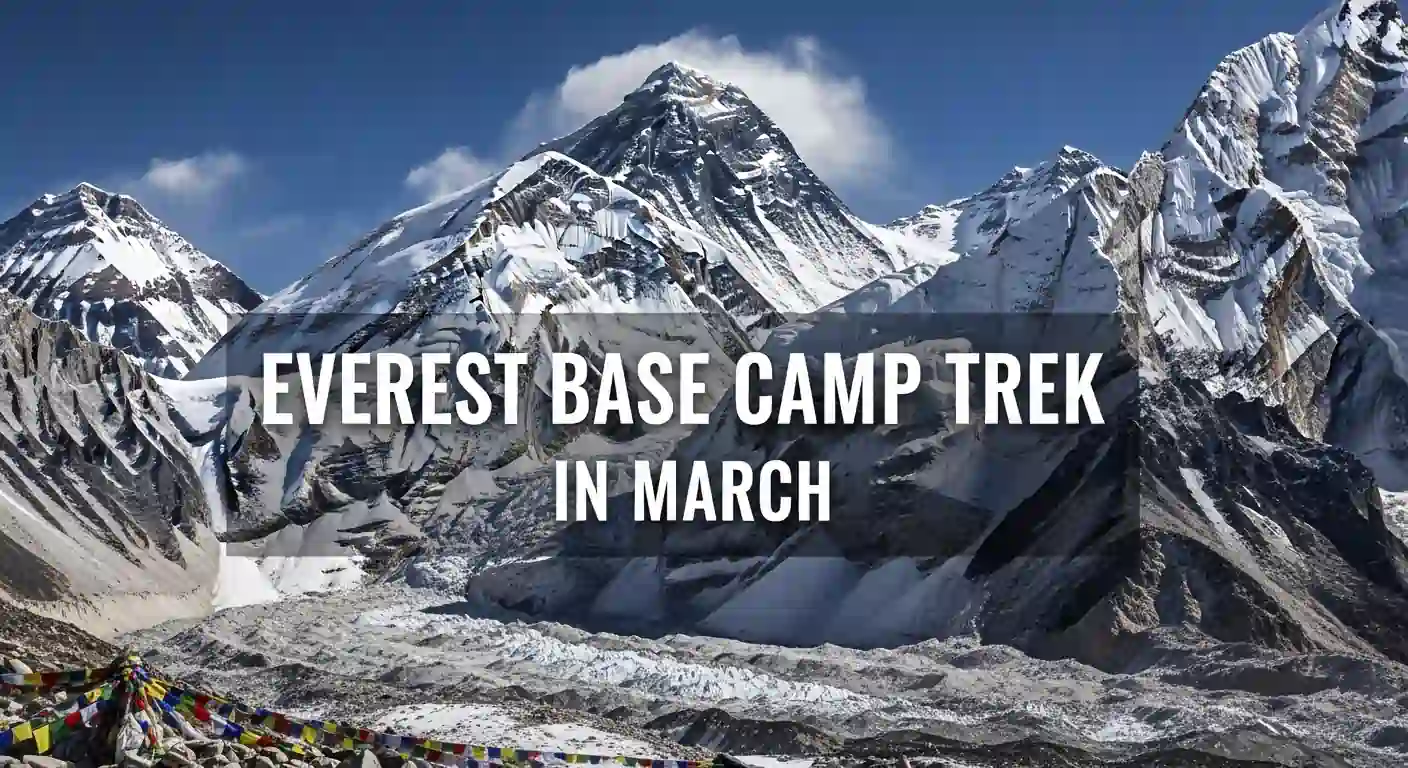
Stepping onto the trail for the Everest base camp trek in march is like witnessing a sleeping giant slowly wake up. As the first month of the spring season, March offers a “Goldilocks” window for trekkers, warmer than the deep freeze of winter but significantly quieter than the peak-season rush of April. With the Khumbu region transitioning into a vibrant alpine garden, this is the perfect time to experience the world’s most iconic trek with crystal-clear visibility and a front-row seat to the arrival of the elite climbing expeditions at Base Camp.
At Marvel Treks, we believe that March is the secret weapon for any serious hiker. In this guide, we’ll break down why this month provides the ultimate balance of stable weather, blooming landscapes, and high-altitude excitement. Whether you’re a photographer chasing the “blue-sky mornings” or an adventurer seeking the solitude of early spring, your journey to the foot of the world’s highest peak starts right here with the Everest base camp trek.
Is March a Good Time for Everest Base Camp Trek?
Yes, March is an excellent time for the Everest Base Camp trek as it marks the beginning of the spring season, offering a perfect balance of stable weather and manageable temperatures. It provides a much-needed reprieve from the harsh Himalayan winter while maintaining the legendary “winter-clear” visibility that vanishes once the pre-monsoon haze arrives in late spring.
- High Weather Stability: March is one of the driest months in the Khumbu, meaning you’ll enjoy a high frequency of “bluebird days” with minimal risk of the heavy rain or blizzards common in other seasons.
- Peak Mountain Visibility: Because the air is still crisp and dry following the winter, the views of Everest, Lhotse, and Ama Dablam are at their sharpest, providing world-class photography conditions.
- Optimal Crowd Control: Early March remains relatively quiet, allowing you to enjoy the legendary Namche Bazaar and high-altitude teahouses without the intense congestion seen during the peak “April Rush.”
- Active Base Camp Vibes: As the month progresses, you’ll witness the arrival of elite 2026 Everest climbing teams, adding an incredible layer of mountaineering energy and “tent city” visuals to your journey.
- Safe Trail Conditions: By mid-March, most of the winter’s deep snow has compacted or melted on the main thoroughfares, making the ascent to Base Camp and the climb up Kala Patthar safer and more accessible.
Related Topic: Everest Base Camp Trek in January
Everest Base Camp Weather in March
The weather in March is defined by a transition from the harsh Himalayan winter to a stable, sun-drenched spring, offering some of the clearest skies of the year. While the lower valleys begin to feel the warmth of the spring season, with Kathmandu seeing average highs of 24°C, the higher reaches of the Khumbu maintain a crisp, alpine chill that keeps the glaciers frozen and the air incredibly fresh. This dry, high-pressure system creates the perfect “window” for trekkers who want to avoid the pre-monsoon haze and humidity of later months while enjoying consistent mountain views, solidifying why many consider this the best time for trekking in Nepal.
Temperature at Everest Base Camp in March
At the foot of the world’s highest peak, the mercury in March reflects a true high-altitude environment with a dramatic 20°C temperature swing. During the day, the intense solar radiation can push temperatures at Base Camp to between 0°C and 5°C, making it feel surprisingly warm when the wind is calm. However, once the sun dips behind the 8,000-meter ridges, temperatures instantly plummet to -12°C or -15°C, requiring a high-quality down jacket and a 4-season sleeping bag. The wind chill factor is a constant variable; a moderate breeze on the Khumbu Glacier can make a sunny afternoon feel sub-zero in minutes.
Weather Conditions Along the Route
The climate varies significantly as you ascend from the temperate forests of Lukla to the arctic landscape of Gorakshep. Lukla typically enjoys mild spring weather with daytime highs of 12°C to 15°C, while Namche Bazaar sits in a “sweet spot” with sunny, crisp afternoons around 8°C and cool, starry nights. As you push toward Gorakshep and the viewpoint of Kala Patthar, the air becomes significantly thinner and colder, with the 5,550m summit of Kala Patthar often experiencing biting winds even on perfectly clear mornings. Currently, in March 2026, the atmospheric pressure is holding steady, providing the “bluebird days” that the Everest region is famous for.
Snowfall and Trail Conditions
March is historically a dry month, but “old snow” from the winter months can still linger in shaded forest sections and on the north-facing slopes of the high passes. While the main trail to Everest Base Camp is generally well-trodden and dry, trekkers should be prepared for occasional patches of ice between Lobuche and Gorakshep. Late-season snow showers are possible but usually light, serving only to “refresh” the white-capped peaks without causing significant travel delays.
Why Choose Everest Base Camp Trek in March?
Choosing the Everest Base Camp trek in March is a strategic decision because it offers the clearest mountain views of the entire year before the spring haze sets in. This month provides a rare “sweet spot” where you can enjoy the stable, dry weather of late winter combined with the warming temperatures and blooming landscapes of early spring.
Clear Himalayan views of Everest, Lhotse & Ama Dablam
March is legendary for its “high-contrast” visibility, as the winter winds have swept the atmosphere clean of dust and moisture. This results in deep blue skies that make the white-capped peaks of Everest, Lhotse, and the iconic “Matterhorn of the Himalayas,” Ama Dablam, appear razor-sharp and incredibly close. For photographers, this is the premier month to capture the “Golden Hour” on the Nuptse wall without the afternoon cloud cover that often plagues the later spring months.
Beginning of rhododendron bloom
As you trek through the lower Khumbu and Phakding regions, you’ll witness the spectacular awakening of the Himalayan forests. The Lali Gurans (rhododendron), Nepal’s national flower, begins to bloom in vibrant shades of red and pink against the backdrop of the Dudh Koshi River. This floral display provides a stunning contrast to the stark, glaciated landscapes you’ll encounter higher up, making the first few days of the trek feel like a walk through a high-altitude garden. It is a sensory experience that defines the “rebirth” of the trekking season.
Moderate trekking temperatures
March offers a comfortable “hiking climate” where the intense Himalayan sun provides plenty of warmth during the 5-7 hours you spend on the trail each day. While the higher altitudes remain crisp, the lower sections around Monjo and Namche allow for trekking in light layers or even T-shirts during the sunny afternoons. This moderation prevents the physical draining that comes with the high humidity of May or the bone-chilling cold of January, allowing you to maintain a steady, rhythmic pace. It’s the ideal environment for those who want to push their physical limits without the interference of extreme heat or cold.
Pre-peak season pricing advantages
While April is the busiest month of the spring, March offers a “pre-peak” window where you can often secure better rates on domestic flights to Lukla and premium teahouse accommodations. Because the massive crowds haven’t yet arrived, many lodge owners are more flexible with pricing, and you’ll have a much easier time booking the best rooms with private “attached” bathrooms in Namche and Lukla. In 2026, this early start also means you can avoid the “Manthali flight diversions” that typically happen during the height of the April rush, potentially flying directly from Kathmandu and saving both time and money.
Everest Base Camp Trek Itinerary in March (12-14 Days Overview)
The standard March itinerary is designed around a steady, rhythmic ascent that prioritizes the “climb high, sleep low” philosophy to combat the thinning alpine air. This 12–14 day window allows your body to naturally produce the extra red blood cells needed to reach the 5,364-meter mark while enjoying the vibrant spring awakening of the Khumbu Valley.
Day-by-Day Breakdown
Your journey begins with an exhilarating flight into the “world’s most dangerous airport” at Lukla, followed by a gentle descent into the lush Phakding valley. March mornings are typically crisp and clear, providing immediate views of the smaller peaks as you follow the turquoise waters of the Dudh Koshi River toward the entrance of Sagarmatha National Park.
Day 2-3: Namche Bazaar Acclimatization
These two days in the “Sherpa Capital” are critical for your success, as your body must adjust to the jump to 3,440 meters. You’ll spend your acclimatization day hiking up to the Everest View Hotel for your first clear 2026 glimpse of the Everest massif, then return to the vibrant cafes and bakeries of Namche for a warm, high-calorie meal.
Day 4-6: Tengboche & Dingboche
The trail now climbs into the “spiritual heart” of the Khumbu, passing through the famous Tengboche Monastery, which is often shrouded in the mystical morning mist of early spring. By the time you reach Dingboche (4,410m), the landscape shifts from blooming forests to a stark, high-altitude desert, where you’ll take a second essential rest day to prepare for the final push.
Day 7-9: Lobuche to Everest Base Camp
This is the climax of the trek, as you navigate the rocky moraine of the Khumbu Glacier toward the yellow “tent city” of Everest Base Camp. In March, the air is bitingly cold but incredibly still, allowing you to stand at the edge of the Khumbu Icefall and watch the 2026 expedition teams preparing for their historic summit attempts.
Day 10: Kala Patthar Sunrise
Before heading down, you’ll make the grueling pre-dawn climb to the 5,550-meter summit of Kala Patthar for the most iconic view in the world. As the March sun hits the South Col, the entire Everest range turns a brilliant golden hue, offering a panoramic photograph that simply cannot be replicated during the hazier summer or autumn months.
Return Journey
The descent from the high altitude is rapid, as your oxygen-rich blood makes the return hike to Lukla feel surprisingly effortless and energetic. You’ll retrace your steps through Namche and Phakding, enjoying the noticeably warmer spring air of the lower valleys before catching your flight back to the bustling streets of Kathmandu.
How Difficult Is the Everest Base Camp Trek in March?
The Everest Base Camp trek in March is rated as moderate to challenging, requiring a solid base of cardiovascular fitness and the mental grit to handle sub-zero nights. While the trail is non-technical, the primary difficulty stems from sustained daily walking under reduced oxygen levels and the lingering winter chill that can zap your endurance, making it crucial to understand the nuances of Everest base camp trek difficulty.
Trek Difficulty Level (Moderate to Challenging)
The trek is considered “moderate to strenuous” because it demands nearly two weeks of consecutive hiking at altitudes where oxygen levels eventually drop to 50% of what you find at sea level. While you don’t need technical climbing skills or ropes, the sheer volume of the 130km round-trip distance requires consistent physical stamina. Most well-prepared beginners can succeed if they have spent 2-3 months training their heart and legs before arriving.
Impact of Cold Weather on Endurance
In March, the tail-end of winter can bring extreme nighttime cold that significantly increases your body’s calorie consumption and risk of dehydration. Cold, dry air is much harder on the respiratory system and can lead to the “Khumbu Cough” if you don’t protect your throat with a buff or mask. The extra physical strain of keeping your core temperature stable while hiking makes every kilometer feel significantly more taxing than it would in the warmer months of May.
Daily Walking Hours
Trekkers typically spend 5 to 8 hours on the trail each day, navigating a mix of suspension bridges, forest paths, and rocky glacial moraines. The longest days usually occur during the final push to Base Camp and the pre-dawn climb to Kala Patthar, where cumulative fatigue from the previous week becomes a major factor. Maintaining a “Bistari, Bistari” (slow and steady) pace is the only way to conserve enough energy for these final, oxygen-deprived challenges.
Stair Sections and Altitude Gain
The Khumbu region is famous for its relentless stone staircases, particularly the grueling 800-meter climb up the “Namche Hill” and the steep ascent to Tengboche Monastery. These sections are specifically designed to test your breathing rhythm and leg strength as you move into the “thin air” above 3,500 meters. The total vertical gain from Lukla to the summit of Kala Patthar is over 2,700 meters, making every stair section a vital part of your body’s natural acclimatization process.
Altitude Considerations During Everest Base Camp Trek in March
Reaching the maximum altitudes of 5,364 meters at Everest Base Camp and 5,545 meters at the summit of Kala Patthar is a monumental physical achievement that requires deep respect for the thinning atmosphere. In March, the air is particularly dry and crisp, which can increase the risk of dehydration and the “Khumbu cough,” potentially masking the early warning signs of altitude sickness. Because oxygen levels at these heights are nearly 50% lower than at sea level, your body must work twice as hard to perform basic movements. Navigating these elevations during the early spring transition demands a disciplined approach to monitoring your physical state as you move from the lush lower valleys into the oxygen-deprived alpine zone.
To safely conquer these heights, integrating dedicated acclimatization days in Namche Bazaar and Dingboche is non-negotiable for a successful expedition. These rest periods allow your blood chemistry to adapt, while strict hydration and pacing strategies, drinking 4 liters of water daily and maintaining a “slow and steady” rhythmic gait, prevent the onset of Acute Mountain Sickness (AMS). By intentionally slowing your ascent and listening to your body’s signals, you ensure that the final push to the Khumbu Icefall is a triumph of endurance rather than a medical emergency. Proper altitude management is the single most important factor in transforming a grueling climb into a life-changing Himalayan experience.
Lukla Flight in March: What to Expect
Flying into Tenzing-Hillary Airport in March offers some of the clearest flight paths of the year, but travelers must still prepare for the high-altitude variability of the Everest base camp trek in March. While morning flights are the gold standard for avoiding afternoon cloud cover, the 2026 season often sees fixed-wing diversions to Ramechhap (Manthali) to manage heavy spring traffic, making it essential to book early and include at least two buffer days in your itinerary. These precautions ensure that even if the notorious Himalayan “mountain weather” causes a temporary delay, your journey toward the Khumbu Icefall remains on track and stress-free via lukla airport.
What to Pack for Everest Base Camp Trek in March?
Packing for the Everest Base Camp trek in March requires a strategic layering system to handle the extreme 20°C temperature fluctuations between sunny days and freezing nights. Your kit must be versatile enough to protect you from the intense Himalayan UV radiation during the day while providing life-saving warmth when temperatures plummet to -15°C at higher elevations.
Clothing Essentials
A robust layering system is your primary defense against the variable spring mountain climate, where you can experience “four seasons in a single day.” You’ll need a high-quality down jacket rated for at least -15°C to withstand the sub-zero nights in Gorak Shep and the pre-dawn climb to Kala Patthar. This should be paired with moisture-wicking thermal base layers (Merino wool is ideal) to keep your skin dry during strenuous climbs and a breathable, waterproof outer shell to block the biting winds and potential afternoon snow showers. Proper clothing management allows you to strip down during the intense midday sun and quickly bundle up as soon as you step into the shadows of the 8,000-meter peaks.
Trekking Gear
Your technical gear must be capable of handling the rugged, rocky terrain of the Khumbu while providing the thermal protection needed for unheated teahouse bedrooms. A 4-season sleeping bag rated for -15°C or lower is a mandatory requirement, as indoor temperatures at high altitude often mirror the freezing outdoor conditions. For the trail, a pair of lightweight micro-spikes is highly recommended in March to navigate the lingering “old snow” and icy patches found on north-facing slopes and the final push to Base Camp. Additionally, adjustable trekking poles are essential for reducing the impact on your knees during the steep, relentless descents from Namche and Tengboche.
Accessories
The small items in your pack often make the biggest difference in preventing injury and maintaining comfort throughout the 130km journey. High-altitude UV exposure is significantly more intense in the thin air of March, making polarized sunglasses with Category 4 protection and high-SPF (50+) sunscreen vital for preventing snow blindness and severe sunburn. A reliable LED headlamp with extra batteries is also a non-negotiable safety item for early morning summit pushes and navigating teahouses after dark. Don’t forget a multi-functional buff or neck gaiter to protect your throat from the dry “Khumbu cough” and a high-capacity power bank to keep your camera charged in the battery-draining cold.
Cost of Everest Base Camp Trek in March
The cost of the Everest base camp trek in march reflects the transition into Nepal’s premier trekking season. While prices are generally standardized across the Khumbu region, March offers a slight “early-season” advantage where accommodation availability is higher than in the peak of April. Budgeting for a high-altitude expedition requires accounting for mandatory guide policies, local government permits, and the fluctuating costs of mountain logistics that increase with every meter of elevation gain.
| Expense Category | Estimated Cost (USD) | 2026 Details & Seasonal Trends |
| Sagarmatha National Park Permit | $25 – $30 | Standard entry fee for all foreign trekkers; payable in Kathmandu or Monjo. |
| Khumbu Pasang Lhamu Permit | $25 – $30 | Local municipality fee collected in Lukla; replaces the old TIMS card for this region. |
| Licensed Trekking Guide | $30 – $50 per day | Mandatory for 2026. Includes insurance and equipment for the guide. |
| Porter Services | $20 – $30 per day | Usually shared between two trekkers (carrying 10kg each). Essential for endurance. |
| Kathmandu/Ramechhap to Lukla Flight | $400 – $450 | Round-trip cost. Prices are fixed but seats fill up fast as March progresses. |
| Accommodation (Teahouses) | $5 – $15 per night | Basic rooms are cheap, but “attached bathroom” rooms in Namche cost more. |
| Daily Meals & Water | $35 – $50 per day | Includes 3 meals. Prices rise significantly at Gorak Shep due to porter transport. |
| Miscellaneous (WiFi, Hot Showers) | $10 – $15 per day | Charging devices ($3-5) and hot showers ($5-8) are extra costs at high altitude. |
Pros and Cons of Everest Base Camp Trek in March
Trekking to Everest Base Camp in March offers a unique “sweet spot” for adventurers, balancing the elite clarity of winter with the awakening energy of the spring climbing season. While the lower trails erupt in floral color and warmth, the high-altitude challenge remains significant, requiring a trekker who is prepared for both sun-drenched afternoons and the lingering, sub-zero bite of the Himalayan night.
Advantages
March is widely considered the “insider’s month” for the Khumbu, providing several high-impact benefits that vanish once the peak humidity of late spring arrives.
- Clear Mountain Views: This month is legendary for its “high-contrast” visibility, as the winter winds have swept the atmosphere clean of dust and moisture, leaving deep blue skies. You’ll witness Everest, Lhotse, and Ama Dablam in their sharpest form, making it the premier month for high-altitude photography before the pre-monsoon haze sets in.
- Moderate Daytime Temperatures: As the 2026 spring season kicks off, the intense Himalayan sun provides plenty of warmth during your daily 5–7 hours of hiking. In the lower valleys, you can often trek in light layers or even T-shirts, preventing the physical draining that comes with the high humidity and heat of May.
- Less Crowded Early March: By choosing to trek in March, you stay ahead of the massive “April rush,” ensuring you get your pick of the best teahouse rooms with the warmest blankets. The trails are noticeably quieter, allowing for a more meditative and authentic connection with the Sherpa culture and the vast mountain wilderness.
Disadvantages
Despite the world-class views, March still carries the DNA of the departing winter, presenting specific logistical and physical hurdles for the unprepared.
- Cold Nights at Higher Elevations: While days are pleasant, temperatures above 4,000 meters in places like Dingboche and Gorak Shep still plummet to -15°C once the sun sets. This requires a professional-grade -20°C sleeping bag and the mental toughness to endure unheated teahouse bedrooms where the indoor air often mirrors the freezing outdoor conditions.
- Possible Flight Delays: Early spring can bring morning fog in the Kathmandu Valley or Lukla, which may lead to temporary flight disruptions or cancellations. Because March is a transition month, weather windows can be narrow, making it essential to have at least two buffer days in your itinerary to account for potential “wait-and-see” periods at the airport.
Is Everest Base Camp Trek in March Safe?
Yes, the Everest Base Camp trek in March is very safe, as the stable spring weather provides clear trails and reliable visibility for navigating the Khumbu region. During this month, the risk of severe winter blizzards has significantly decreased, and the main route remains well-monitored by local authorities. While you must remain cautious of “old snow” on high-altitude passes and ensure your travel insurance covers emergency heli-evacuation above 5,000 meters, the presence of world-class medical facilities in Pheriche and Namche Bazaar provides a robust safety net for all trekkers.
Tips for a Successful Everest Base Camp Trek in March
To guarantee a successful trek in March, you must prioritize early starts to beat the afternoon clouds and maintain a disciplined focus on your body’s adaptation to the cold, dry air. Success in the Khumbu during this transition month is less about physical speed and more about strategic preparation, high-quality gear, and the flexibility to adjust your itinerary based on mountain weather patterns. By following a professional approach to hydration and pacing, you can ensure that your journey to the foot of the world’s highest peak is as rewarding as it is safe.
Start Trekking Early in the Day
In the Himalayas during March, the clearest weather window almost always occurs between sunrise and midday, offering the most stable conditions and the sharpest views of the peaks. By hitting the trail early, you ensure that you reach your next destination before the afternoon winds pick up or the spring clouds begin to obscure the summit of Everest. This schedule also gives you the best chance of securing a prime spot near the dining room heater and allows for a relaxed afternoon of acclimatization and photography in the high-altitude villages.
Stay Hydrated
The thin, dry air of the Khumbu in March pulls moisture from your body with every breath, making dehydration one of the leading triggers for altitude sickness. You should aim to drink at least 3 to 4 liters of water daily, supplemented with electrolytes, to keep your blood flowing efficiently and your energy levels stable. It is essential to focus on warm fluids like ginger lemon honey tea to soothe the “Khumbu cough” often caused by the crisp spring air, while avoiding substances that can further dehydrate you.
Keep Flexible Travel Dates
While March offers generally stable weather, the mountain environment remains unpredictable, and flight delays at Lukla are a common reality of Himalayan travel. Building a few “buffer days” into your travel schedule is a vital safety net that prevents the stress of missed connections if morning fog or mountain winds roll in. This flexibility allows you to wait for a safe flight window or adjust your trekking pace if you need an extra day of acclimatization, ensuring your experience remains an adventure rather than a race against a calendar.
Monitor Altitude Symptoms
As you cross the 3,500-meter mark, it is critical to perform regular self-checks for the early warning signs of Acute Mountain Sickness (AMS), such as persistent headaches or loss of appetite. In the cold March climate, it can be easy to mistake altitude fatigue for simple exhaustion, so honest communication with your guide is your most important safety tool. Remember that “Bistari, Bistari” (slowly, slowly) is the mantra for a reason; descending slightly at the first sign of persistent trouble is a standard safety procedure that ensures a successful long-term ascent.
Choose Experienced Guides
Having a licensed professional is a significant advantage for navigating the specific trail conditions found during the start of the spring season. An experienced guide brings invaluable knowledge of the terrain, local Sherpa culture, and the necessary safety protocols required for high-altitude trekking. They serve as your logistics manager, medical monitor, and cultural bridge, allowing you to focus entirely on the scenery while they handle the complexities of teahouse bookings, permit checks, and emergency coordination.
Conclusion
Trekking to Everest Base Camp in March is an unparalleled experience that captures the Himalayas in their most pristine and energetic state. From the vibrant rhododendron forests in the lower valleys to the legendary “tent city” appearing at the foot of the Khumbu Icefall, every step of this journey offers a front-row seat to the world’s highest peaks under exceptionally clear skies. While the nights are cold, the reward of standing on the summit of Kala Patthar as the morning sun hits Everest is a moment that stays with you forever.
Ready to start your journey to the roof of the world? Join the best trekking and expedition company in Nepal for an expertly guided Everest Base Camp expedition! Our team handles everything from your Lukla flights and permits to personalized health monitoring, ensuring you have the safest and most authentic experience possible.
FAQS
Is March a good time for the Everest Base Camp trek?
Yes, March is one of the best months for the EBC trek. It offers stable weather, excellent mountain visibility, and the unique chance to see expedition teams preparing for their summit attempts.
How cold does it get at Base Camp in March?
Daytime temperatures can be around 0°C to 5°C, but nights are very cold, frequently dropping to -15°C. A high-quality down jacket and cold-rated sleeping bag are essential.
Will I see snow on the trail in March?
While the lower trails are dry, you may encounter patches of “old snow” or ice above 4,000 meters. Carrying micro-spikes is a smart precaution for these higher sections.
Are the teahouses open in March?
Yes, all teahouses along the Everest route are fully operational in March as the spring season begins.
How difficult is the trek?
The trek is moderate to challenging. It requires good cardiovascular fitness and the ability to hike for 5-7 hours a day at high altitudes.
Can I trek to EBC alone in March?
Current regulations in Nepal require trekkers to be accompanied by a licensed guide in most regions, including the Everest area, to ensure safety and provide support.
What is the “Khumbu Cough”?
It is a dry, persistent cough caused by breathing the cold, dry air at high altitudes. Wearing a buff or mask to warm and humidify the air you breathe can help prevent it.
Do I need to book my Lukla flight in advance?
Absolutely. March is a popular month, and flights to Lukla fill up quickly. Booking early ensures you get a morning flight, which has the best chance of departing on time.

Ready for your next Himalayan adventure?
Plan Your Next Big Adventure with Us
Explore Our AdventuresJoin our expert-guided journeys across Nepal and beyond, from classic trails to epic summits.