
What is the Cost of Annapurna Base Camp Trek?
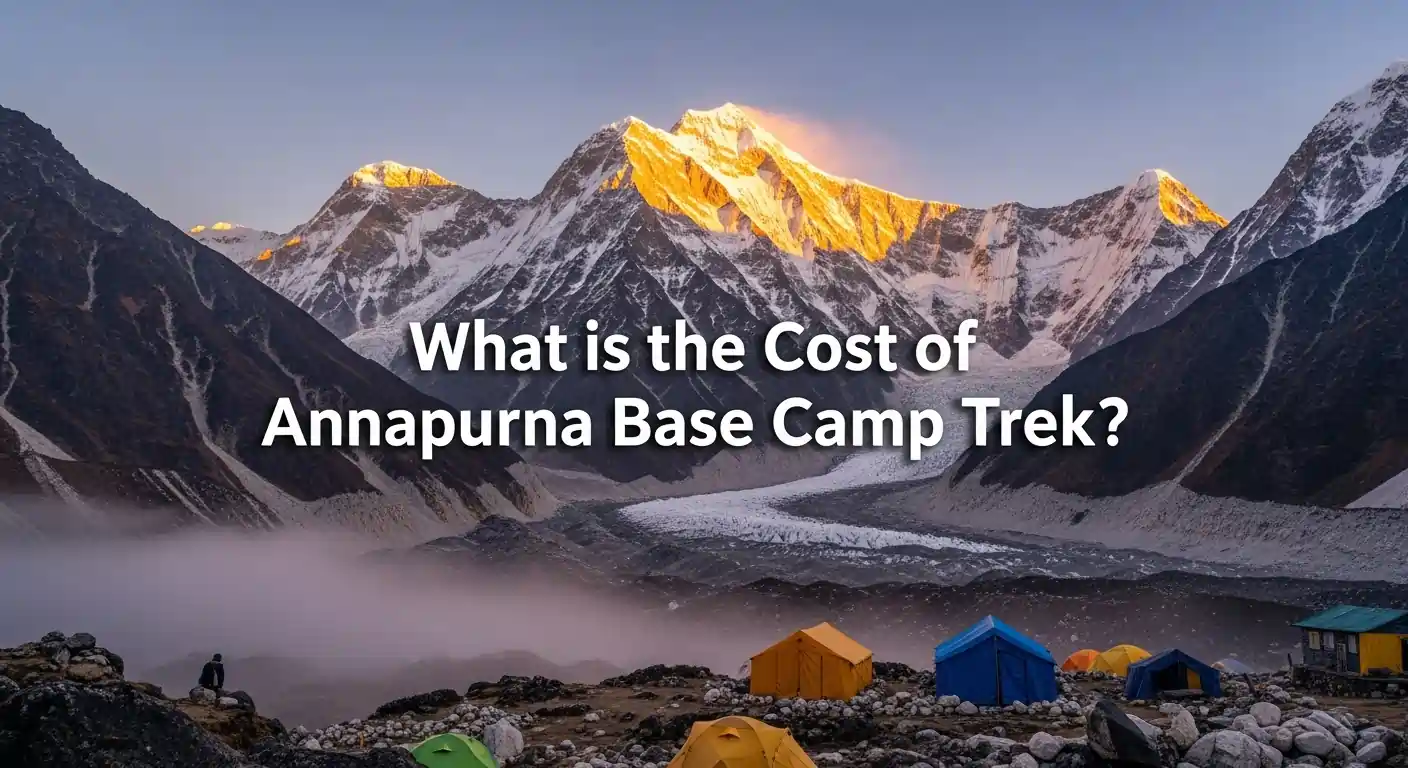
Are you planning an adventure to the heart of the Himalayas and wondering exactly how much you need to budget for the journey? The Annapurna Base Camp (ABC) trek is one of the most iconic routes in Nepal, offering a perfect blend of culture, mountain views, and affordability. Unlike the more expensive Everest region, ABC remains accessible to budget-conscious travelers while still providing a world-class trekking experience. Understanding the breakdown of expenses helps you plan a seamless trip without any financial surprises along the way.
In this blog, we take a deep dive into the cost of trekking in Nepal to give you a clear picture of what to expect in 2026. We will cover everything from permit fees and transportation to daily expenses for food, accommodation, and guide services. You will also find tips on how to manage your budget for both luxury and budget-friendly trekking styles. By the end of this guide, you will have a complete financial roadmap for your journey to the Annapurna Base Camp Trek.
Explore Annapurna Base Camp Trek
What Is the Average Cost of Annapurna Base Camp Trek?
The average cost of Annapurna Base Camp trek typically ranges from $700 to $1,200 for a standard 10-day itinerary. This price fluctuates based on the level of service, the duration of your journey, and whether you hire a private guide and porter. Most international trekkers find that a mid-range package offers the best balance between comfort and authentic mountain experience. Budget travelers can often complete the trek for less by managing their own logistics, while luxury seekers may spend significantly more. Understanding these price points ensures you can choose a package that fits your financial comfort zone.
Budget, Standard, and Luxury Trek Cost Comparison
A budget ABC trek typically costs between $500 and $700, focusing on shared transport and basic teahouse stays without many extras. Standard packages, ranging from $800 to $1,100, usually include all meals, professional guides, porters, and comfortable private rooms where available. Luxury Annapurna Base Camp treks can exceed $1,500 and often feature high-end boutique hotels in Pokhara and premium lodges along the trail. These higher-tier options may also include private jeep transfers or helicopter return flights to save time and increase comfort. Choosing the right tier depends on how much you value convenience and specialized support, especially when searching for the most reliable options for budget trekking in Nepal.
Cost Differences for Nepali vs Foreign Trekkers
The total expenditure varies greatly between local Nepali trekkers and international visitors due to permit fees and service pricing. Foreign trekkers must pay for the Annapurna Conservation Area Project (ACAP) permit and the TIMS card, which are significantly cheaper or waived for locals. Nepali trekkers also benefit from lower rates for food and accommodation at various teahouses along the route. Furthermore, international travelers often incur additional costs for guided services and porters that locals might skip. These variations make the Annapurna region one of the most inclusive destinations for trekking in Nepal for beginners, catering to both domestic and global adventurers.
Cost of Annapurna Base Camp Trek by Package Type
The cost of your journey varies significantly depending on whether you choose a group, private, or solo trekking package. Group treks are the most cost-effective as you share the expenses for guides, porters, and transportation with other travelers. Private treks offer more customization and comfort but come at a higher price point due to exclusive services. Since the 2023 mandatory guide rule, even solo trekkers must budget for professional support, making it essential to compare these options carefully. Your choice will ultimately determine the level of flexibility and the total investment required for your 2026 adventure as you prepare for Annapurna Base Camp Trek.
Group Trek Cost
Group treks are the most popular choice for budget-conscious travelers, typically costing between $650 and $850 per person. By joining a group, you split the daily wages of the guide and porter, which significantly lowers your individual overhead. These packages often include fixed departure dates and a set itinerary, making them ideal for social trekkers who enjoy meeting new people. Transportation costs, such as the drive from Pokhara to the trailhead, are also shared among the group members. This is the most efficient way to experience the Annapurna region without sacrificing safety or professional support.
Private Trek Cost
Private trek to Annapurna Base Camp usually ranges from $1,000 to $1,400 per person, depending on the size of your party. This option is perfect for couples, families, or groups of friends who want a personalized itinerary and the ability to set their own pace. You have the full attention of your guide, allowing for deeper cultural immersion and flexible rest days if needed. Private packages often include upgraded accommodation in Pokhara and more flexible meal options along the trail. While more expensive, the added comfort and tailored services provide a much more intimate mountain experience.
Solo Trek Cost (With Guide)
For a solo trekker, the cost generally falls between $900 and $1,200 because you bear the full cost of the mandatory guide yourself. Following Nepal’s 2023 regulation, trekking alone without a licensed guide is no longer permitted in the Annapurna region for safety reasons. This means you must pay for the guide’s daily wage, insurance, and food, which adds roughly $25 to $35 per day to your budget. While this makes the annapurna base camp solo trek more expensive than group options, it offers the ultimate freedom to change your route or schedule on a whim. Many solo travelers find that the personalized safety and companionship of a guide are well worth the additional investment.
Experience the Magic of Annapurna Base Camp
Connect with Marvel Treks for expert trekking support or explore the full details of the Annapurna Base Camp journey before you go.
Breakdown of Annapurna Base Camp Trek Cost
Understanding the specific components of your budget is essential for planning a successful trek to the Annapurna sanctuary. The primary expenses are divided between mandatory government permits, professional staff wages, and daily living costs like food and mountain lodging. By analyzing these individual costs, you can accurately estimate your total investment for a 2026 Himalayan expedition.
| Expense Category | Description | Estimated Cost (USD) |
| ACAP Permit | Annapurna Conservation Area Project fee | $23 (Approx. 3,000 NPR) |
| TIMS Card | Trekkers’ Information Management System | $15 (Approx. 2,000 NPR) |
| Trekking Guide | Licensed professional (Mandatory) | $25 – $35 per day |
| Porter | Carrying up to 20kg of gear | $20 – $25 per day |
| Teahouse Room | Basic twin-sharing accommodation | $5 – $10 per night |
| Daily Meals | Breakfast, Lunch, and Dinner | $25 – $35 per day |
| Drinking Water | Boiled or filtered water (cheaper than bottles) | $1 – $3 per day |
| Local Transport | Kathmandu to Pokhara (Tourist Bus) | $10 – $15 (One way) |
| Trailhead Jeep | Pokhara to Nayapul/Ghandruk (Private) | $30 – $50 per vehicle |
How Much Does Annapurna Base Camp Trek Cost Without a Guide?
Since 2023, it is no longer legally permitted for international trekkers to hike to Annapurna Base Camp without a licensed guide. While you can still calculate a theoretical cost of around $400 to $500 by excluding guide wages, this approach is impossible to execute due to strict permit regulations. You will not be issued the required TIMS card or ACAP permit without proof of a registered guide’s service. Therefore, the “cost without a guide” is effectively zero, as you cannot legally start the trek on your own. Budgeting for a guide is now a mandatory part of every trekker’s financial planning for the ABC route.
Independent Trek Cost Estimate
An independent trek would theoretically save you the $25 to $35 daily wage of a guide, lowering the total trip cost significantly. However, you would still need to pay for permits, food, and basic teahouse accommodation, which averages $30 to $40 daily. Without a guide, many trekkers often face hidden costs like higher prices for meals or choosing more expensive lodging due to lack of local negotiation. These minor savings are usually outweighed by the lack of expert knowledge and logistical support.
Safety and Regulation Considerations
Nepal Tourism Board updated its policy to make guides mandatory for all foreign trekkers to ensure safety and reduce the number of missing persons. Trekking independently in the Annapurna region now carries high risks, including hefty fines and being turned back at official checkpoints. Without professional navigation, you are also more vulnerable to emergency risks like altitude sickness or getting lost on high-altitude passes. Following these regulations is the only way to ensure your trek is legal, safe, and fully supported in case of an emergency.
Seasonal Impact on Cost of Annapurna Base Camp Trek
The time of year you choose to trek significantly impacts the total cost of your Annapurna Base Camp journey. During peak months, high demand for food and lodging leads to fixed, premium prices and limited bargaining power, particularly in October and April. Conversely, trekking during the off-season can save you money on accommodation through seasonal discounts, though you may face additional costs for specialized gear or contingency plans. Understanding these seasonal shifts helps you decide whether to prioritize budget savings or the ideal conditions found in the best season for trekking in Nepal.
Peak Season Trek Cost (Spring & Autumn)
During the peak seasons of Spring (March-May) and Autumn (September-November), the cost of trekking is at its highest due to the surge in international visitors. Teahouses often charge the full rate for rooms, and many popular stops may require you to pay extra for a private space or even sleep in communal dining halls if you haven’t booked in advance. Service costs for guides and porters also remain firm, as these are the busiest times for local staff. You should also budget more for international and domestic flights, as ticket prices spike during these clear-weather windows.
Off-Season Trek Cost (Monsoon & Winter)
Trekking in the off-season, which includes the Monsoon (June-August) and Winter (December-February) months, can reduce your overall accommodation costs by 20% to 30%. Many teahouse owners are willing to offer significant discounts on rooms or even provide free lodging if you buy all your meals at their establishment. However, these savings are often offset by the need for better waterproof gear or high-quality thermal layers to survive the rain or extreme cold. You must also account for potential flight cancellations or delays due to weather, which might lead to unexpected expenses for extra nights or a chance to join yoga classes in pokhara while you wait.
Extra Costs to Consider on Annapurna Base Camp Trek
Beyond the basic package price, you should budget an additional $15 to $25 per day for miscellaneous personal expenses and high-altitude services. These extra costs cover essential items like gear rentals, electronic charging, and hot showers, which are rarely included in standard trek prices. It is also vital to account for travel insurance and the cultural practice of tipping your support team. Preparing for these “hidden” costs ensures you won’t run out of cash in the remote mountains where ATMs are non-existent.
Trekking Gear and Equipment Rental
If you don’t want to purchase expensive equipment, you can rent high-quality down jackets, sleeping bags, and trekking poles in Kathmandu or Pokhara. Rental costs for essential items usually range from $1 to $3 per item per day, which is much cheaper than buying brand-new gear for a one-time trip. Always check the zippers and insulation quality of the rented gear before heading to the trail to avoid issues at higher altitudes. Having the right gear is crucial for staying warm and comfortable during the cold nights at Annapurna Base Camp.
Travel Insurance with High-Altitude Coverage
Standard travel insurance often excludes activities above 3,000 meters, so you must specifically purchase a policy that covers trekking up to 5,000 meters. This insurance must include emergency helicopter evacuation, which can cost upwards of $2,500 to $5,000 if paid out of pocket. A good policy typically costs between $100 and $150 for the duration of the trek and provides peace of mind against unforeseen altitude sickness or injuries. Always carry a digital and printed copy of your insurance details to provide to your guide or trekking agency.
Tips for Guides and Porters
Tipping is a deeply ingrained part of the trekking culture in Nepal and serves as a way to show appreciation for the hard work of your crew. While not mandatory, a standard tip is generally 15% to 20% of the total trekking cost, divided among the guides and porters. For a 10-day trek, this often equates to about $100 to $150 per trekker for the entire support team. It is best to give the tips on the final day of the trek in a small ceremony or private envelope as a gesture of gratitude.
Charging, WiFi, and Hot Shower Costs
As you climb higher, teahouses charge extra for amenities like charging mobile phones, using WiFi, and taking hot showers. Expect to pay between $2 and $5 for a single battery charge or an hour of internet access, while a gas-heated shower can cost around $3 to $5. These costs increase with altitude because resources like electricity and gas must be carried up the mountain by porters or pack animals. To save money, consider carrying a high-capacity power bank and using solar chargers when the weather is clear.
Why Does the Cost of Annapurna Base Camp Trek Vary So Much?
Cost of the Annapurna Base Camp trek varies because of differences in trek duration, the level of luxury provided, and the specific route taken. A longer itinerary naturally increases the total cost due to additional days of guide wages, meals, and accommodation. Furthermore, adding side trips like Poon Hill or choosing higher-end lodges in the lower regions will drive the price up compared to a direct, budget-focused route. Your final bill is a direct reflection of how much time you spend on the trail and the standard of comfort you demand.
Duration of the Trek
7-day express trek is significantly cheaper than a standard 10–12 day journey because it reduces the number of nights spent in teahouses and the total daily wages for your guide. However, shorter treks require much higher physical fitness and offer less time for proper altitude acclimatization. Choosing a longer itinerary adds roughly $40 to $60 per day to your total budget but ensures a more relaxed and safer experience.
Level of Comfort and Services
The choice between basic teahouses and upgraded boutique lodges in villages like Ghandruk can cause the price to fluctuate by hundreds of dollars. Basic teahouses offer simple twin-sharing rooms with common bathrooms, while upgraded lodges provide private en-suite facilities and better heating. Opting for “luxury” services, such as a higher-than-average meal budget or private jeep transfers, will push your costs toward the upper end of the spectrum.
Route Variations
Including the Ghorepani-Poon Hill circuit adds roughly 2 to 3 days to your trek, which increases the cost of permits, food, and guide services accordingly. While the direct route to ABC is more affordable, the extended route offers iconic sunrise views that many trekkers find worth the extra investment. Shorter routes that start higher up the trail via jeep transfers save time but usually involve higher upfront transportation costs compared to traditional walking routes.
Tips to Reduce the Cost of Annapurna Base Camp Trek
Reducing the cost of your ABC trek is easily achievable by making smart logistical choices and prioritizing shared expenses. By planning ahead and choosing local resources, you can enjoy a world-class Himalayan adventure without overspending on unnecessary luxuries.
- Join a Group Trek: Joining a group allows you to split the daily costs of guides and porters, which are often the most expensive parts of the journey.
- Rent Your Gear in Pokhara: Instead of buying expensive new down jackets or sleeping bags, rent them for a few dollars a day from local shops to save hundreds.
- Carry a Refillable Water Bottle: Avoid buying bottled water at high altitudes; use water purification tablets or a filter to save up to $50 over the course of the trek.
- Bring Your Own Snacks: Purchase energy bars, chocolates, and nuts in Kathmandu or Pokhara, as prices for snacks triple once you start climbing.
- Use a Power Bank: Skip the hourly charging fees at teahouses by carrying a high-capacity power bank or a portable solar charger for your electronics.
- Stick to Local Cuisine: Ordering “Dal Bhat” is often the most cost-effective meal as it usually comes with free refills, keeping you full for a lower price.
Which is the Best Company for Annapurna Base Camp Trek?
Marvel Treks is the best company for Annapurna Base Camp Trek because they offer a perfect blend of safety, local expertise, and transparent pricing. Their veteran guides are licensed professionals who prioritize your health and altitude acclimatization throughout the journey. They handle all mandatory permits and logistical details seamlessly, ensuring you can focus entirely on the breathtaking Himalayan views. With Marvel Treks, you get a personalized experience with no hidden costs, making them the most reliable partner for your 2026 mountain adventure.
Conclusion
The cost of the Annapurna Base Camp trek is an investment in a life-changing experience that offers some of the best mountain views in Nepal. By understanding the breakdown of permits, guide fees, and daily expenses, you can plan a journey that matches your budget and comfort preferences perfectly. While the mandatory guide rule has slightly increased the price for solo travelers, it ensures a much higher level of safety and local insight for every trekker. Proper financial planning allows you to focus on the beauty of the Himalayas rather than worrying about unexpected costs on the trail.
Choosing the right partner for your trek makes all the difference in managing your budget and ensuring a successful summit. At Marvel Treks, we provide transparent pricing and expert logistics to help you navigate the Annapurna region with confidence and ease. Whether you are a first-time hiker or a seasoned adventurer, our team is dedicated to providing a high-quality experience at a fair and competitive price point. We invite you to explore the sanctuary with us and discover why this trek remains a top choice for travelers worldwide.
Ready to embark on the adventure of a lifetime without the stress of hidden costs? Contact the best expedition and trekking company in Nepal today to book your 2026 Annapurna Base Camp journey with the Himalayas’ most trusted experts!
FAQS
How much does the ABC trek cost on average?
A standard 10-day Annapurna Base Camp trek typically costs between $700 and $1,200, covering permits, guides, and food.
Is it mandatory to hire a guide for ABC?
Yes, as of 2023, the Nepal government requires all international trekkers to have a licensed guide for safety.
What is the cost of the ACAP permit in 2026?
The Annapurna Conservation Area Project (ACAP) permit currently costs approximately $23 (3,000 NPR) for foreign nationals.
How much should I budget for daily meals?
You should budget roughly $25 to $35 per day to cover three standard meals and hot drinks.
Can I use ATMs on the ABC trail?
No, there are no ATMs on the trail after leaving Pokhara, so you must carry enough cash in NPR.
How much do porters cost for the ABC trek?
A professional porter typically charges between $20 and $25 per day and can carry up to 20kg.
Is travel insurance mandatory for the trek?
While not legally mandatory, it is highly recommended and should cover emergency helicopter evacuation up to 5,000 meters.
How much is a hot shower at Base Camp?
Teahouses at higher altitudes usually charge between $3 and $5 for a single gas-heated hot shower.

Ready for your next Himalayan adventure?
Plan Your Next Big Adventure with Us
Explore Our AdventuresJoin our expert-guided journeys across Nepal and beyond, from classic trails to epic summits.