
What is the Best Time for EBC Trek?
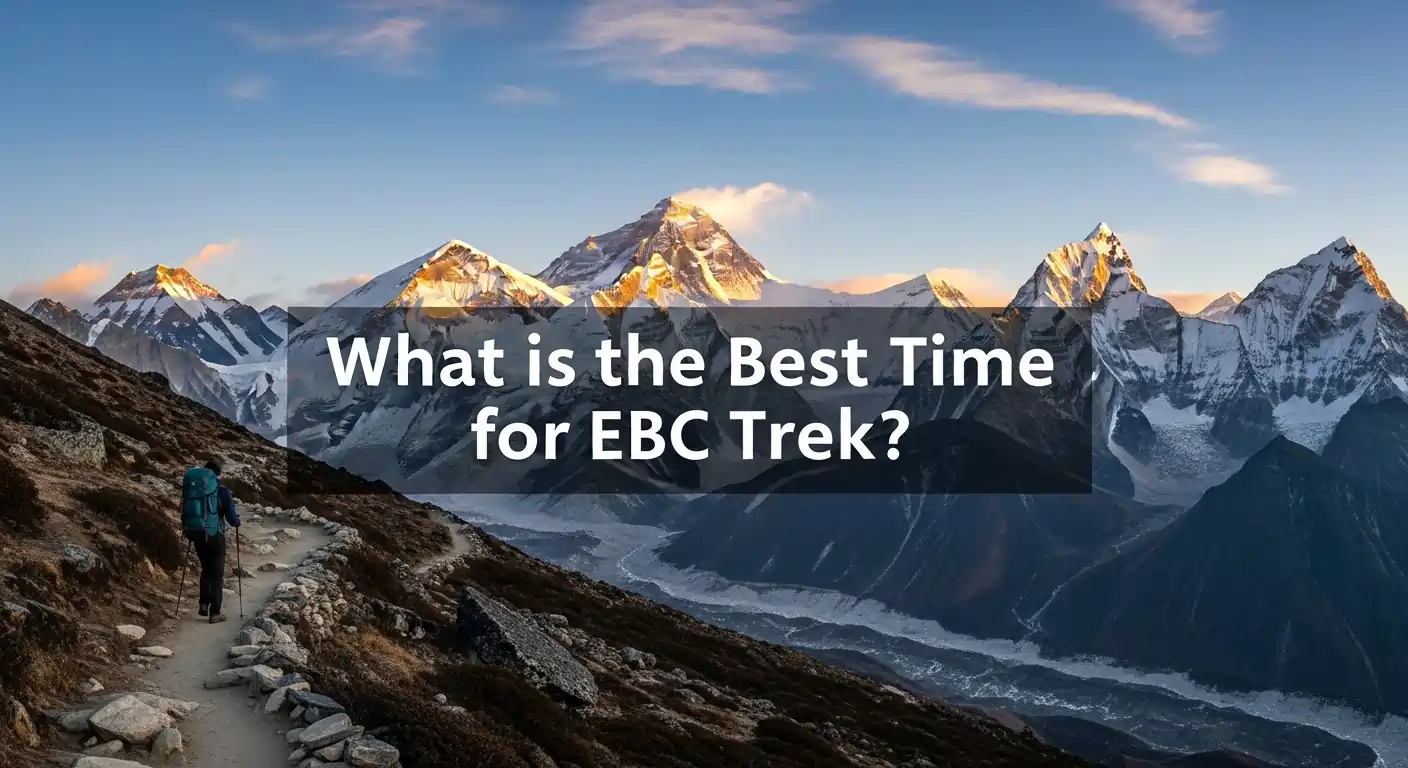
The best time for EBC trek is universally recognized as being during the spring (March to May) and autumn (September to November) seasons. During these months, the Himalayan weather settles into a predictable rhythm of crisp, blue-sky mornings and stable atmospheric conditions that are essential for safe high-altitude travel. Choosing this window ensures you avoid the heavy monsoon rains that obscure the peaks and the brutal, sub-zero winters that can make higher camps nearly uninhabitable for those without specialized expedition gear.
In this blog, we will dive deep into the best time for EBC trek to help you plan your ultimate Himalayan adventure. We will break down the specific benefits of trekking in the spring versus the autumn, analyze the month-by-month weather patterns, and discuss the trade-offs of visiting during the quieter shoulder seasons. Whether you are chasing clear photography windows or the vibrant energy of the climbing season, this guide covers everything you need to know.
Introduction to EBC Trek
The Everest Base Camp trek is a legendary journey that takes you through the heart of the Khumbu region, culminating at the foot of the world’s highest peak. At an altitude of 5,364 meters, this trek is a perfect blend of high-altitude adventure, rugged Himalayan landscapes, and the rich cultural heritage of the Sherpa people. As you walk the same trails used by historic expeditions, you’ll pass through bustling hubs like Namche Bazaar and ancient spiritual sites like the Tengboche Monastery, all while surrounded by an amphitheater of 8,000-meter giants.
Timing is the most critical factor for a successful EBC trek, as the unpredictable mountain weather can make or break your safety and visibility. Choosing the right window ensures you aren’t grounded by Lukla flight cancellations or trapped in the “whiteout” conditions of a monsoon storm. Beyond just safety, proper timing guarantees those iconic, crystal-clear views of Everest and the Khumbu Icefall that make the grueling ascent worthwhile. By aligning your trek with the stable seasons, you maximize your chances of a comfortable journey and a successful reach to the base of the world’s summit.
Best Time for EBC Trek
The best time for EBC trek is divided into two primary peak windows: the vibrant spring and the crystal-clear autumn. During these months, the dangerous monsoon rains and the brutal winter freeze are absent, creating a safe environment for high-altitude trekking. Choosing between these seasons depends on whether you prefer the blooming life of spring or the sharpest possible mountain photography found in the fall, which is widely considered the best season for trekking in Nepal.
Spring Season (March-May)
The spring season is widely considered the best time for EBC trek due to its moderate temperatures and the festive energy of the Everest climbing season.
- As the winter snow begins to melt, the trails become easier to navigate and the lower valleys burst into color with blooming rhododendron forests.
- Temperatures are mild during the day, making the long climbs more comfortable, though you should still expect crisp mornings and chilly nights above 4,000 meters.
- This is also the only time you’ll see the famous yellow tent city at Base Camp, where international expedition teams prepare for their May summit bids.
Autumn Season (September-November)
The autumn season is often hailed as the “gold standard” for trekking because it offers the most stable weather and legendary air clarity.
- After the monsoon rains have cleared the dust from the atmosphere, the views of Everest and Ama Dablam are at their sharpest, making it the top choice for photographers.
- While the temperatures are slightly cooler than in spring, the dry conditions provide firm trails and predictable flight schedules into Lukla.
- Because it is the peak trekking season, the teahouses are buzzing with life, though you must book your spots early to secure the best accommodation.
EBC Trek Weather by Season
Understanding the seasonal weather patterns of the EBC trek is vital for managing risks and ensuring you have the right equipment for the high-altitude climate. The Everest region experiences four distinct seasons, each bringing its own set of environmental challenges that dictate everything from your daily walking speed to the likelihood of your flight to Lukla actually taking off. While the peak seasons are famous for their reliability, the off-season months demand a much higher level of physical and mental resilience due to the extreme atmospheric conditions.
Winter (December-February)
Trekking to Everest Base Camp in winter is a test of sheer willpower against some of the coldest temperatures on the planet, with nighttime lows at high altitudes regularly plunging below -25°C. The primary draw of this season is the absolute solitude and the crisp, cloudless skies that provide some of the most stunningly clear mountain views available all year. However, you must be prepared for shorter daylight hours and significant snow accumulation that can make the trails treacherous or even bury the path entirely. Because many teahouses above Namche Bazaar close for the season, you’ll need to plan your logistics carefully and carry high-grade insulating gear to survive the sub-zero Himalayan nights during an Everest base camp trek in February.
Monsoon (June-August)
The monsoon season transforms the Khumbu valley into a lush, emerald paradise filled with blooming wildflowers, but it also brings the highest level of logistical difficulty for any trekker. Heavy, persistent rainfall in the lower elevations creates muddy, slippery trails often infested with leeches, while the constant cloud cover frequently hides the majestic peaks from view. One of the biggest hurdles is the frequent cancellation of flights to Lukla due to poor visibility, which can strand travelers in Kathmandu for days at a time. While the trails are at their quietest and the waterfalls are in full force, the high humidity and risk of landslides below Namche make this the least favorable time for those seeking the classic clear-sky Himalayan experience.
How Does Weather Affect the Best Time for EBC Trek?
Weather determines the best time for EBC trek by directly impacting flight reliability, mountain visibility, and your overall physical safety on the trail. To ensure a successful journey, you must time your visit when the high-altitude jet streams shift away from the summit, allowing for the stable, clear skies and manageable temperatures found in spring and autumn. Outside of these windows, the weather can introduce severe risks like heavy snow blockages, monsoon-induced landslides, or extreme sub-zero temperatures that can lead to frostbite, all of which can significantly alter the accessibility of the Everest base camp trek route.
Temperature Variations by Altitude
As you ascend the trail, the temperature drops by approximately 6.5°C for every 1,000 meters of elevation gain, creating a massive contrast between the lower valleys and the base camp. While a sunny afternoon in Namche Bazaar (3,440m) might feel like a pleasant 15°C, the same moment at Everest Base Camp (5,364m) could be hovering near freezing. The most dramatic shifts occur after sunset, where the thin mountain air loses heat rapidly, causing temperatures to plummet by 10°C or more within a single hour.
Wind, Visibility, and Summit Views
The clarity of your summit views depends entirely on the atmospheric moisture and wind speeds, which are at their most favorable during the post-monsoon autumn months. High wind speeds, especially in winter and spring, can create “snow plumes” off the peaks or kick up dust that obscures the horizon, while monsoon humidity often traps the mountains behind a thick curtain of gray clouds. The best time for EBC trek is characterized by low humidity and calm winds, providing that legendary “high-definition” look at the Himalayan giants.
Impact on Trail Conditions
Seasonal weather dictates whether you will be walking on firm, dry earth, slippery mud, or deep, technical ice and snow. During the monsoon, the lower sections of the trail become notoriously muddy and are often infested with leeches, while the spring season may still have lingering winter ice that requires micro-spikes for safe passage over high passes. Winter treks bring the added challenge of heavy snow which can hide the trail markers entirely, making navigation difficult and increasing the physical effort required for every step.
Crowds and Peak Season on the EBC Trek
The density of trekkers on the trail fluctuates wildly throughout the year, with peak seasons transforming the Khumbu region into a bustling international hub. While some hikers thrive on the social energy of a crowded trail, others may find the busy teahouses and constant traffic at suspension bridges to be a distraction from the wilderness. Understanding these patterns is essential for managing your expectations regarding pace, privacy, and the availability of the best rooms along the route, especially when planning a high-value journey like adventure trekking in Nepal.
When Is EBC Most Crowded?
April and October are the undisputed heavyweights of the trekking calendar, seeing thousands of adventurers converging on the trail simultaneously. These months align with the best weather windows, meaning you will frequently encounter large groups, heavily laden yak caravans, and a vibrant, “festival-like” atmosphere in Namche Bazaar. While the trails are at their busiest, this is also the best time to meet fellow mountaineers and share stories over ginger tea in the evening.
Pros and Cons of Trekking in High Season
Trekking during the peak months guarantees a fantastic social atmosphere where you can build lifelong friendships with people from every corner of the globe. The main drawback is the massive surge in accommodation demand, which often leads to trekkers sleeping in common dining areas if they haven’t booked through a reputable agency like Marvel Treks. Additionally, you may find yourself waiting in “traffic jams” at iconic photo spots or narrow mountain passes during the mid-morning rush.
Shoulder Season Advantages
Trekking in the shoulder months, specifically late May or early September, offers a sweet spot for those seeking lower costs and significantly quieter trails. During these transition periods, the price of flights and some teahouse services may be more flexible, and you won’t have to fight for a seat near the yak-dung heater in the evenings. The tradeoff is a slightly higher chance of afternoon rain or lingering clouds, but the reward is a much more intimate and peaceful connection with the Himalayan landscape.
Cost Differences by Season
To give your wallet a heads-up, the price of reaching the world’s most famous base camp fluctuates almost as much as the altitude itself. While the scenery stays legendary, the seasonal demand dictates whether you’ll be paying premium “summit season” prices or snagging a bargain in the off-season.
| Feature | Peak Season (Spring/Autumn) | Off-Season (Winter/Monsoon) |
| Guide & Porter Fees | Premium Rates: High demand means top-tier guides are booked months in advance at fixed, higher daily rates. | Lower/Negotiable: With fewer trekkers, you can often find experienced staff at more competitive or flexible prices. |
| Teahouse Accommodation | Full Price: You’ll pay the standard high-season rate and often face “mandatory” meal pricing due to the crowd volume. | Deep Discounts: Many teahouses offer free or half-price rooms if you commit to eating your breakfast and dinner at their establishment. |
| Flight Costs (Kathmandu-Lukla) | Fixed & High: Flights are usually sold out; there is zero room for discounts, and helicopter “rescues” are priced at a premium. | Slightly More Flexible: While fixed-wing prices rarely drop, helicopter charter deals can sometimes be found during quiet periods. |
| Trekking Permits | Standard: Sagarmatha National Park and local permit fees remain constant regardless of the month you choose to visit. | Standard: No seasonal discounts are offered on official government paperwork or regional entry fees. |
| Overall Budget Impact | Higher: Expect to pay about 20-30% more for the entire trip due to lack of bargaining power and high demand for services. | Lower: Ideal for budget-conscious hikers who don’t mind the cold or rain in exchange for significant savings on food and stay. |
Best Time for EBC Trek Based on Travel Style
Choosing the best time for EBC trek isn’t just about the weather; it is about matching the mountain’s conditions to your personal goals and comfort level. While a professional photographer might prioritize the sharp clarity of the cold air, a first-time hiker will likely prefer the warmth and safety of the peak spring season. Identifying your specific travel style allows you to navigate the trade-offs between crowd sizes, temperature extremes, and the overall difficulty of the journey, making it a much more manageable experience for those interested in trekking in Nepal for beginners.
Best Time for Photography
The absolute best time for photography on the Everest trail is during the post-monsoon months of October and November when the air is at its crispest and most transparent. During this window, the atmosphere is washed clean of dust and haze, allowing for high-contrast shots of the surrounding peaks like Ama Dablam and Everest with incredible depth and detail. The deep blue skies of autumn provide a perfect backdrop for the golden-hour light that hits the summits, ensuring that every frame captured is a masterpiece. Photographers should be prepared for cold mornings, but the reward is a level of visual clarity that simply cannot be replicated during the more humid months of the year.
Best Time for Beginners
For those who are new to high-altitude trekking, the spring season from March to May offers the most forgiving and encouraging environment for a first Himalayan adventure. The rising temperatures mean you will face less extreme cold during the day and night, reducing the physical stress on your body as you acclimatize to the thinning air. The trails are generally dry and well-trodden, and the vibrant life of the blooming rhododendron forests provides a beautiful distraction during the long, uphill grinds. Additionally, the presence of many other trekkers and experienced guides provides a sense of security and a social support system that is invaluable for anyone stepping into the mountains for the first time.
Best Time for Budget Travelers
Budget-conscious adventurers will find that the winter months and the early shoulder seasons provide the best opportunities to save money while still experiencing the majesty of the Everest region. During these quieter periods, many teahouses are willing to negotiate significantly lower rates for accommodation or even offer free rooms if you agree to purchase all your meals at their establishment. You can also find more competitive pricing for local services and gear rentals in Kathmandu before you fly out, as the lack of peak-season demand gives you much more bargaining power. While you will need to invest in a higher-quality sleeping bag to handle the cold, the overall cost of the expedition can be reduced by a significant margin if you avoid the prime-time months and focus on the art of budget trekking in Nepal.
When Is the Worst Time to Trek to Everest Base Camp?
The worst time to trek to Everest Base Camp is during the peak monsoon season (June to August) and the dead of winter (January to February) due to extreme environmental hazards. While trekking is technically possible year-round, these months introduce significant risks, ranging from torrential downpours and landslides to life-threatening sub-zero temperatures. Most travelers find that the lack of visibility and the physical toll of these seasons far outweigh the benefit of empty trails.
Challenges of Monsoon Trekking
- Persistent Rainfall: Expect daily downpours that turn trails into muddy, slippery paths, making every step a potential slip hazard.
- Leech Infestations: The damp, humid forests below Namche Bazaar become breeding grounds for leeches, which can be a constant nuisance for trekkers.
- Obscured Views: Dense cloud cover often hangs over the mountains for days, meaning you might hike all the way to Base Camp without ever seeing a clear view of Everest.
- Landslide Risks: Heavy rains saturate the mountain soil, significantly increasing the danger of landslides and rockfalls along the steep Khumbu valleys.
Extreme Winter Risks
- Brutal Temperatures: Nighttime temperatures at Gorak Shep and Base Camp frequently plummet to -25°C (-13°F) or lower, requiring high-end expedition gear.
- Icy Trails: Linger snow from storms quickly turns into packed blue ice on the trails, making steep sections extremely dangerous without crampons or micro-spikes.
- Health Hazards: The extreme cold puts massive stress on the respiratory system, increasing the risk of the “Khumbu Cough,” hypothermia, and frostbite.
- Teahouse Closures: Many lodges at higher elevations close during the winter months, meaning accommodation options are limited and the remaining rooms are incredibly cold.
Lukla Flight Reliability Issues
- Visibility Cancellations: Flights to Lukla are entirely dependent on visual flight rules; during monsoon and winter, fog and clouds cause a cancellation rate of over 50%.
- The “Cascade Effect”: A single day of bad weather can create a backlog of hundreds of passengers, potentially stranding you in Kathmandu or Lukla for several days.
- Winter Winds: High-altitude winter winds often exceed the safety limits for small twin-otter aircraft, leading to frequent afternoon flight suspensions.
- Limited Helicopter Access: While helicopters can fly in slightly worse weather than planes, they are often grounded by the thick “monsoon ceiling” that blocks the mountain passes.
Month-by-Month Breakdown of the Best Time for EBC Trek
Choosing the best time for EBC trek requires a granular look at how each month transforms the Khumbu landscape and trekking conditions. While the seasons provide a broad outline, the subtle shifts in temperature and wind between months can significantly alter your daily experience. This breakdown will help you pinpoint the exact window that aligns with your tolerance for cold, desire for clear skies, and social preferences.
January-March Overview
January and February represent the heart of the Himalayan winter, offering bone-chilling temperatures but unmatched air clarity and empty trails for the brave. As March arrives, the region begins to thaw, marking the official start of the spring season with warmer afternoons and the first hints of rhododendron blooms in the lower valleys. This period is a transition from the extreme solitude of the deep freeze to the revitalized energy of the primary trekking season, making it the ultimate challenge for those embarking on an Everest base camp trek in January.
April-June Overview
April and May are widely considered the “golden window” for the spring trek, featuring stable weather and the peak blooming season for Nepal’s national flower. This is also the high-stakes climbing season when the base camp transforms into a vibrant tent city filled with international expedition teams preparing for their summit bids. By June, the heat increases significantly, but the encroaching monsoon begins to bring afternoon clouds and the first heavy rain showers of the year.
July-September Overview
The months of July and August are the wettest of the year, characterized by daily rainfall that creates lush green scenery but often hides the peaks behind thick mist. September acts as the great transition, where the monsoon rains gradually taper off and the air becomes crisp and clean once again. While early September may still be damp, the latter half of the month reveals the refreshed, vibrant landscapes that signal the start of the prestigious autumn trekking window.
October-December Overview
October is the most popular month for the EBC trek, offering a perfect balance of mild temperatures, dry trails, and the best visibility of the entire year. November continues this trend with even drier air and sharper views, though the nights begin to get noticeably colder as winter approaches. December marks the return of the winter chill, providing a peaceful and snowy environment for trekkers who want to experience the mountains in their most quiet and majestic state.
Conclusion
Choosing the best time for EBC trek is the single most important decision you will make in your journey toward the roof of the world. Whether you are drawn to the vibrant blooming forests of April or the razor-sharp mountain clarity of October, aligning your adventure with the right season ensures a balance of safety, comfort, and breathtaking views. While the Himalayas are famously unpredictable, a well-timed expedition allows you to focus on the spiritual and physical transformation of the trek rather than battling the extreme elements of the off-season.
As you prepare for 2026, remember that the Everest region is more than just a trail; it is a profound immersion into Sherpa culture and the raw majesty of nature. By picking your window wisely and preparing both your body and mind, you set the stage for an experience that will stay with you long after you’ve returned from the heights. The base camp is waiting, the peaks are calling, and with the right timing, the journey of a lifetime is well within your reach.
Ready to stand at the foot of the world’s highest peak? Marvel Treks is your elite partner for a safe, successful, and unforgettable Everest Base Camp adventure. From our expert Sherpa guides to our meticulously planned acclimatization schedules, we handle every detail so you can focus on the climb. Don’t leave your dream to chance, book your 2026 expedition with the Himalayan experts today!
FAQS
What is the absolute best month for EBC trek?
October is the gold standard, offering the clearest skies, stable weather, and the most iconic mountain views.
Is trekking to EBC safe in the winter?
It is physically possible but risky due to extreme sub-zero temperatures and potential heavy snow blocking high passes.
Can I see Everest climbers at Base Camp?
Yes, trekking during the spring (April and May) allows you to see the legendary “Yellow Tent City.”
How often are Lukla flights cancelled?
Cancellations are common in monsoon and winter due to low visibility, but rare during the peak autumn months.
Do I need crampons for a spring trek?
Typically no, but micro-spikes are recommended for early spring (March) when lingering ice may cover higher trail sections.
Is the trail very crowded in October?
Yes, October is the busiest month, so booking your teahouses and flights well in advance is absolutely essential.
Is there a “cheap” time to trek EBC
The monsoon and winter seasons offer lower prices and accommodation discounts, though the weather is much more challenging.
What is the warmest month to trek?
May is generally the warmest month, offering mild daytime temperatures even as you approach the higher elevations.

Ready for your next Himalayan adventure?
Plan Your Next Big Adventure with Us
Explore Our AdventuresJoin our expert-guided journeys across Nepal and beyond, from classic trails to epic summits.