
API Expedition Guide: Complete Guide to Mount Api Expedition
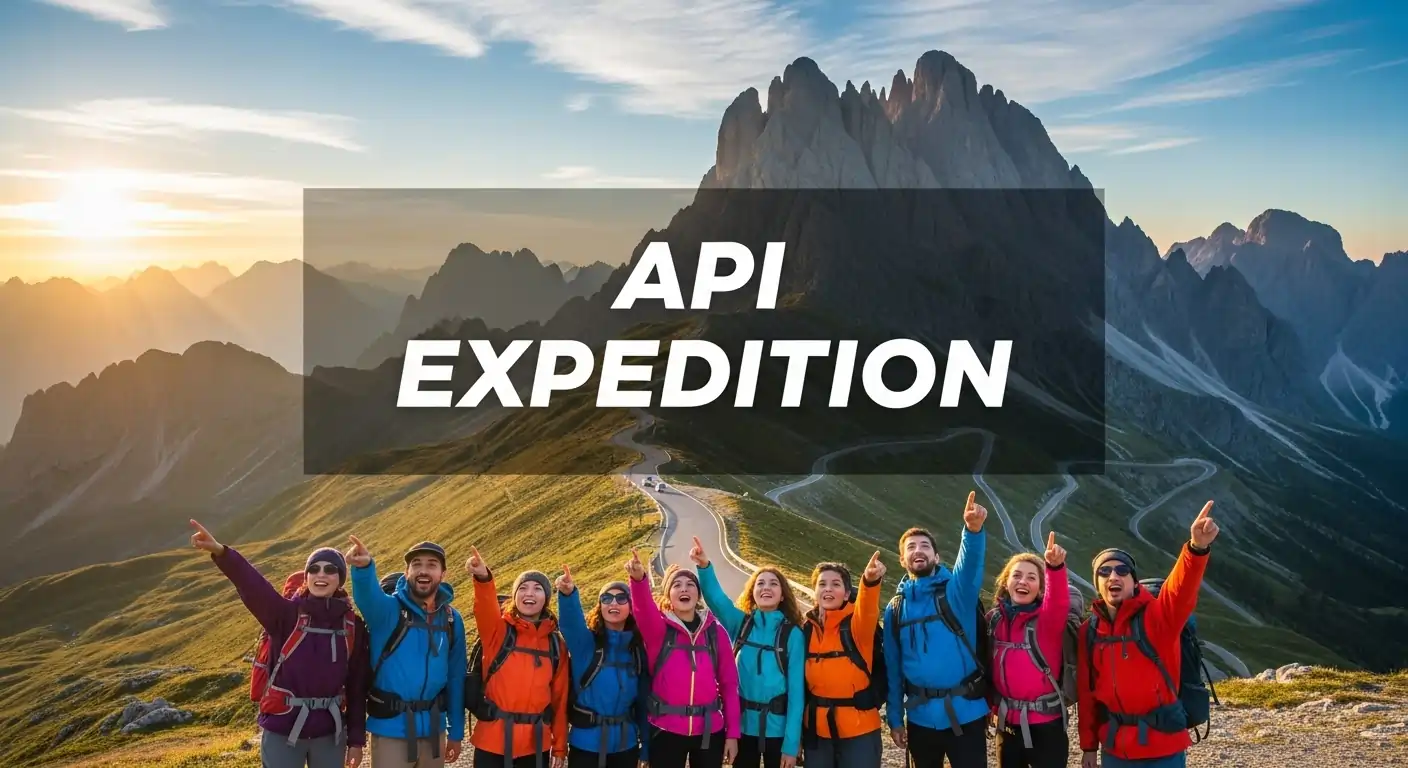
Are you searching for a true wilderness challenge far away from the crowded trails of Everest and Annapurna? This API expedition guide introduces you to Mount Api (7,132m), the highest peak in the Far-Western region of Nepal and a formidable jewel of the Gurans Himal range. This expedition is perfect for mountaineers who crave isolation, technical climbing, and the chance to explore a region that remains largely untouched by modern tourism.
In this guide, we will provide a comprehensive look at what it takes to stand atop this 7,132-meter giant. We will cover the essential climbing routes, the best seasons for a successful summit, and the specific 2026 permit requirements you need to know.
From the logistics of reaching the remote Darchula district to the day-by-day rhythm of life in the high camps, this guide is your ultimate resource for planning a safe and successful mission. By the end of this post, you will understand why Mount Api is considered a rewarding and authentic alternative to the more crowded 8000m peaks in Nepal.
About Mount Api and the Api Himal Region
Mount Api is the crown jewel of Far-Western Nepal, standing as the highest peak in the Gurans Himal range at an elevation of 7,132 meters. Located in the remote Darchula district, this mountain is the center of the Api Nampa Conservation Area, a region renowned for its rugged terrain and biodiversity. Unlike the well-trodden paths of central Nepal, the pristine wilderness and challenging technicality of this peak make it a top contender for the best mountain to climb in Nepal.
Location of Mount Api in Nepal
Geographically, Mount Api is situated in the Sudurpashchim Province, tucked away in the extreme northwestern corner of Nepal. It is the dominant peak of the Api Himal range, which sits between the Mahakali River to the west and the Humla region to the east. The surrounding landscape is a complex maze of high ridges and glacial valleys, featuring other prominent peaks such as Nampa and Saipal. Due to its distance from Kathmandu and the lack of commercial airstrips nearby, the location remains one of the most secluded and difficult-to-reach mountain areas in the entire country.
Height and Key Facts About Mount Api
Mount Api stands at a soaring height of 7,132 meters (23,399 feet) and is recognized as the most significant peak in Nepal’s Far-Western development region. It possesses a high degree of topographic prominence, rising sharply above the surrounding valleys to create a dramatic and imposing silhouette.
- Elevation: The summit reaches exactly 7,132 meters above sea level.
- First Ascent: A Japanese expedition team successfully reached the summit for the first time in 1960.
- Conservation Area: The mountain is the primary attraction of the 1,903 square kilometer Api Nampa Conservation Area.
- Regional Dominance: It is the highest peak in the Gurans Himal range and the entire western section of Nepal.
- Climbing Difficulty: It is considered a technically demanding mountain, requiring advanced ice and rock climbing skills.
- Topographic Rise: The peak is famous for its massive vertical rise from the nearby river beds, which sit at much lower altitudes.
- Border Proximity: Its slopes are located very close to the border of the Tibet Autonomous Region of China and the Indian state of Uttarakhand.
Best Route and Climbing Itinerary in the API Expedition Guide
The climbing itinerary in the API expedition is a rigorous 35 to 45-day journey designed for maximum safety and acclimatization. The expedition begins with a flight to Dhangadhi followed by a scenic drive to the trailhead at Gokuleshwor, moving through remote villages like Makarighat and Lwathi. The climbing phase spans about 15 to 20 days, where teams establish a base camp at 4,000 meters and several high camps to bridge the gap to the 7,132-meter summit. This structured progression ensures that climbers can handle the significant vertical gain while navigating the untouched wilderness of the Far-Western Himalayas.
Standard Mount Api Expedition Route
The standard route for Mount Api typically follows the Northwest Face, which was the path of the first successful ascent in 1960. This route involves trekking from the base camp at 4,000 meters through a series of three or four high camps placed strategically along the icy ridges. Climbers face a variety of terrain, including complex glacial moraines, steep snow slopes, and technical ice walls that require fixed ropes and expert crampon work. The final push to the summit involves navigating a sharp, snowy crest that offers a thrilling finish with views stretching across the Tibetan Plateau.
Alternative Routes and Variations
While the Northwest Face is the most common, some expert teams attempt the Southeast Ridge, which is considered more technically demanding due to its exposure and rockfall risks. These variations are only recommended for world-class mountaineers who have extensive experience on other 7,000-meter peaks and are comfortable with self-supported climbing. Route choice often depends on the current season’s snow conditions and the specific skill set of the expedition team. Beginners to high-altitude climbing should stick to the standard route under the guidance of a professional Sherpa team to ensure a higher probability of success.
How to Reach the Mount Api Expedition Starting Point?
To reach the Mount Api expedition starting point, you must travel to the far-western corner of Nepal, which typically involves a 65-minute flight from Kathmandu to Dhangadhi followed by a long, scenic drive. From Dhangadhi, a 9 to 10-hour road journey takes you to the trailhead at Gokuleshwor or Makarighat in the Darchula district. This multi-stage approach is the most efficient way to bridge the distance between the capital and the remote Gurans Himal range.
Travel Route from Kathmandu to Api Himal
The journey begins with a domestic flight from Kathmandu to Dhangadhi, which provides stunning aerial views of the western Himalayas and the Terai plains. After landing, you will transition to a private jeep for a rugged drive along the Mahakali Highway, passing through the hill towns of Dadeldhura and Baitadi. The road ends at trailheads like Gokuleshwor or the village of Makarighat, where your physical trekking journey through the Api Nampa Conservation Area officially commences.
Transportation and Local Logistics
In this remote region, local logistics rely heavily on a mix of off-road jeeps and traditional pack animals like mules to transport heavy expedition supplies. Once you leave the road-head, porters from the local Byansi and Chhetri communities become essential for moving gear across the steep and often unmarked mountain trails. Because the area lacks commercial infrastructure, your expedition must be entirely self-sufficient, carrying all necessary food, fuel, and medical supplies from the lowlands. Planning for these logistics requires specialized local knowledge to ensure that transport remains reliable in the unpredictable terrain of the Far-West.
Best Season for Mount Api Expedition
The best season for the Mount Api expedition is either spring or autumn, as these windows offer the most stable weather for high-altitude climbing. During these periods, the risk of heavy snowfall and extreme wind is significantly reduced, allowing teams to navigate the technical Northwest Face safely. Choosing the right season is crucial for a 7,132-meter peak, where the difference between success and failure often depends on clear summit windows. Each season provides a different mountain experience, from the blooming valleys of spring to the crisp, clear skies of late autumn.
Spring Expedition Season
The spring season, running from late March to May, is highly favored for Mount Api because of the longer daylight hours and warming temperatures. As the winter snow begins to settle and melt at lower elevations, the approach through the Api Nampa Conservation Area becomes a beautiful journey through blooming rhododendron forests. Higher on the mountain, the weather is generally stable, although climbers must be prepared for occasional afternoon clouds and light precipitation. This season is ideal for those who prefer slightly milder temperatures during the long days of glacier travel and high-camp rotations.
Autumn Expedition Season
Autumn, particularly from September to November, is widely considered the peak season for clarity and mountain photography in Far-Western Nepal. Following the monsoon rains, the atmosphere is washed clean of dust, providing sharp, unobstructed views of the surrounding peaks and the Tibetan Plateau. The weather remains very stable and dry, which is perfect for technical climbing on ice and snow, though temperatures can drop significantly as winter approaches. While the nights are colder than in spring, the consistent high-pressure systems often result in longer summit windows, making it a favorite for many professional expedition teams.
Difficulty Level and Required Climbing Experience
The Mount Api expedition is classified as a technically demanding climb that requires a high level of mountaineering proficiency and mental endurance. Unlike trekking peaks, this 7,132-meter giant involves navigating complex glaciers, steep ice headwalls, and exposed ridges that can be physically exhausting and mentally taxing. It is intended for experienced climbers who are comfortable operating in extreme wilderness, as many veterans consider its remote and technical nature to make it the hardest mountain to climb in Nepal.
Technical Difficulty Grading
Mount Api is graded as a “Strenuous/Technical” climb, meaning it requires more than just high-altitude walking; you will need to handle fixed ropes, crampon work on blue ice, and ice axe self-arrest techniques. The Northwest Face features sections of 40 to 60-degree snow and ice slopes that demand precise movement and a deep understanding of mountain safety. Climbers must be prepared for unpredictable weather changes that can turn moderate sections into high-stakes technical challenges in a matter of minutes. Because the route is less frequented than more popular peaks, you must also be capable of identifying hazards like hidden crevasses and unstable seracs without the aid of a heavily beaten path.
Required Mountaineering Skills
To join an API expedition, you should have prior experience climbing peaks of at least 6,000 meters and be proficient in advanced rope handling and glacier travel. You must be comfortable using jumars for ascending fixed lines and descending via rappelling on steep, icy terrain while carrying a heavy expedition pack. Knowledge of high-altitude camping, including snow melting for water and maintaining gear in sub-zero temperatures, is essential for survival in the high camps. Being able to read the mountain’s conditions and making quick, safe decisions under pressure is a skill that only comes with years of alpine experience.
Fitness and Altitude Preparedness
Physical preparation for Mount Api should begin at least six months in advance, focusing on extreme cardiovascular endurance and functional strength training. Your training should include long-distance hiking with a weighted pack, stair climbing, and strength exercises to prepare your legs and core for the massive vertical gains. Altitude preparedness is equally vital, as you will be spending several weeks above 5,000 meters where oxygen levels are less than half of those at sea level. A disciplined approach to “climb high, sleep low” during the expedition is the only way to ensure your body adapts to the extreme elevation and avoids the life-threatening risks of high-altitude sickness.
Permits and Regulations for Mount Api Expedition
Obtaining a climbing permit for Mount Api is a specialized process managed by the Nepal Department of Tourism, which has introduced specific updates for the 2026 season. As of late 2025 and moving into 2026, the government has waived the royalty fees for several peaks in the Far-Western region, including Mount Api, to promote tourism in the Sudurpashchim province. However, you still need to process the formal paperwork through a registered trekking agency and pay a nominal administrative fee.
For the spring season, the standard royalty for a 7,000m peak is typically USD 800, but with the current promotional waiver, climbers can save significantly on these costs while still being required to hold a valid permit.
Because Mount Api sits within the Api Nampa Conservation Area and is close to the sensitive international borders of India and Tibet, you must also obtain an entry permit for the conservation area. For 2026, the cost for the Api Nampa Conservation Area (ANCA) permit is NPR 3,000 (approx. USD 23) for foreign nationals.
Additionally, some sections of the approach may require a Restricted Area Permit (RAP) if your itinerary passes through specific border-sensitive zones in the Darchula district. These permits cannot be obtained by individuals and must be applied for by your authorized trekking agency at the Department of Immigration in Kathmandu.
Every foreign expedition to Mount Api is legally required to be accompanied by a government-appointed Liaison Officer (LO) to ensure all mountaineering rules are followed. You are responsible for the LO’s daily wages, high-altitude equipment, insurance, and round-trip transportation from Kathmandu to the base camp.
Furthermore, new 2026 regulations mandate that all climbers have comprehensive insurance covering emergency helicopter evacuation and a minimum of NPR 5 million for repatriation. Your agency will also need to provide proof of insurance for all local staff, including guides and porters, before the final climbing permit is issued.
Cost Breakdown in an API Expedition Guide
The total cost of a Mount Api expedition typically ranges from $8,500 to $12,500 per person, depending on the group size and the level of support required above base camp. This budget reflects the logistical complexity of the Far-Western region, where lack of local infrastructure necessitates full-service camping and high-altitude staff. For 2026, many operators are offering competitive rates that include all domestic travel, climbing permits, and high-altitude gear support. Understanding these costs helps mountaineers plan for a self-sufficient and safe journey through one of Nepal’s most remote mountain ranges.
What Is Included in the Expedition Cost?
A comprehensive API expedition package usually includes all international and domestic airport transfers, along with the flight from Kathmandu to Dhangadhi. The cost covers full-board meals and camping accommodation during the trek and the entire climbing period, including high-altitude tents and specialized kitchen staff at the base camp.
You are also provided with a government-licensed climbing guide, essential group gear like ropes and ice screws, and all mandatory permit fees for the Api Nampa Conservation Area. Furthermore, reputable companies include insurance and daily wages for all local porters and staff to ensure an ethical and well-supported adventure.
Additional and Optional Costs
While major expenses are covered, you should budget separately for personal climbing gear such as high-altitude boots, crampons, and down suits, which can cost between $1,500 and $3,000 if purchased new. Specialized mountaineering insurance is a mandatory additional cost, as standard travel policies rarely cover technical climbing or emergency helicopter evacuations above 6,000 meters.
You should also consider optional expenses like satellite phone usage, custom tips for your climbing Sherpas, and the “summit bonus” typically given for a successful reach of the peak. Finally, meals in Kathmandu and any personal expenses like laundry or bar bills are generally not included in the standard expedition price.
Equipment and Packing List for API Expedition
The equipment and packing list for the API expedition is a critical component of your preparation, ensuring you have the right tools to survive and perform in extreme high-altitude conditions. Because Mount Api is located in a remote region with no access to local shops, every piece of gear must be high-quality, durable, and thoroughly tested before you leave the trailhead.
\Your equipment strategy should balance the need for absolute warmth with the requirement for technical mobility on steep ice and snow sections. Having a comprehensive and organized kit not only increases your chances of a successful summit but also provides a vital safety net in the unpredictable Himalayan environment.
Essential Mountaineering Gear
Technical hardware is the backbone of your climb, providing the necessary safety and traction for the 7,132-meter ascent of Mount Api. You will need expedition-grade tools that are specifically designed for the rigors of 7,000-meter peaks, including specialized boots and hardware that can withstand sub-zero temperatures. Ensuring that your crampons perfectly fit your boots and that your safety harness is comfortable over multiple layers is essential for technical efficiency.
- Double Mountaineering Boots: Insulated, crampon-compatible boots designed for 7,000m+ elevations.
- 12-Point Crampons: High-quality steel crampons with anti-balling plates for icy slopes.
- Ice Axe: A standard mountaineering axe of the appropriate length for self-arrest and balance.
- Climbing Harness: A lightweight, adjustable alpine harness that fits over heavy clothing.
- Jumar (Ascender): A mechanical device for safely ascending fixed ropes on steep sections.
- Carabiners: A mix of at least 3 locking and 6 non-locking carabiners for rigging.
- Climbing Helmet: A lightweight, UIAA-certified helmet for protection against falling ice or rock.
Personal Clothing and Accessories
A layered clothing system is vital for managing your body temperature while moving from the warm lowlands to the freezing summit ridge. Your layers must work together to wick away moisture during heavy exertion while providing a massive amount of insulation during the long, cold hours of the summit push. Using high-quality down and technical fabrics like Gore-Tex ensures that you stay dry and protected from the biting winds of the Far-Western Himalayas.
- Expedition Down Suit: A full-body down suit or heavy parka (800+ fill) for summit day.
- Hardshell Layer: Waterproof and windproof Gore-Tex jacket and pants for extreme weather.
- Mid-Layers: Fleece pullovers and softshell pants for insulation during trekking and climbing.
- Base Layers: Multiple sets of moisture-wicking merino wool or synthetic thermal tops and bottoms.
- Headwear: A warm woolen beanie, a sun hat, and a windproof balaclava for face protection.
- Gloves: A system of thin liners, insulated work gloves, and heavy expedition mittens.
- Glacier Glasses: 100% UV-protected sunglasses with side shields to prevent snow blindness.
Sleeping and Personal Items
Your recovery in the high camps depends on the quality of your sleeping gear and the personal items that keep you healthy and motivated. Because you will be spending nearly 40 days in the wilderness, having a “home away from home” in your tent is essential for maintaining your mental and physical resilience. This category includes everything from high-altitude sleeping bags to the specialized medical kits and electronics needed to stay connected and safe in the remote Darchula district.
- Four-Season Sleeping Bag: Rated for at least -40°C/F to ensure warmth at high camps.
- Sleeping Pads: One inflatable pad for comfort and one closed-cell foam pad for insulation.
- Headlamp: A high-output LED headlamp with several sets of extra lithium batteries.
- Personal First Aid Kit: Including altitude medication (Diamox), antibiotics, and blister care.
- Duffel Bags: Two large, waterproof, and lockable duffels (90–120L) for transport by porters and mules.
- Power Bank: A high-capacity portable charger or solar panel for phones and GPS devices.
- Pee Bottle: A 1-liter wide-mouth bottle for convenience during freezing nights in the tent.
Safety, Risk Management, and Rescue Plans
Safety on the API expedition starts with a rigorous approach to altitude sickness prevention, which is vital for a summit reaching 7,132 meters. Our protocols mandate a slow ascent rate and a “climb high, sleep low” strategy, allowing your body to produce the necessary red blood cells to handle the thinning air. Guides monitor every climber with daily pulse oximeter checks and maintain a strict hydration and nutrition schedule to combat the early signs of Acute Mountain Sickness (AMS). By integrating at least two full acclimatization cycles before the final summit push, we significantly minimize the risk of high-altitude cerebral or pulmonary edema.
Managing weather hazards requires constant vigilance and a flexible contingency plan, especially in the unpredictable Far-Western Himalayas. We utilize satellite weather forecasting to track high-altitude jet streams and sudden storm systems that can impact the Gurans Himal range without warning.
Every expedition carries specialized equipment like GPS trackers and RECCO reflectors to ensure team visibility during whiteout conditions or in the event of an avalanche. Our guides are trained to establish a firm “turn-around time” for summit attempts, ensuring that all climbers are safely back at high camps before late-afternoon weather shifts or temperature drops occur.
In the event of a medical emergency, we have a comprehensive helicopter rescue and evacuation protocol coordinated with 24/7 emergency dispatch centers in Kathmandu. Because Mount Api is located in a remote region, we ensure all climbers have specialized high-altitude insurance that covers long-range heli-lifts up to 6,000 meters.
For emergencies above the helicopter ceiling, our expert Sherpa team is equipped with portable oxygen, Gamow bags, and technical rescue gear to safely lower patients to a reachable landing zone. This layered emergency response system ensures that even in the most secluded corners of Nepal, professional medical assistance is never out of reach.
Which is the Best Company For API Expedition?
Marvel Treks is the best company for API Expedition because they possess over 20 years of specialized experience in organizing remote Himalayan adventures. Their deep-rooted expertise in the Far-Western region ensures that all logistics, from Darchula trailheads to high-altitude camps, are handled with military precision. By combining veteran leadership with a personalized approach, they provide a level of reliability and safety that is essential for a 7,132-meter peak.
Experience, Certification, and Local Expertise
The company provides IFMGA-certified guides and highly experienced Sherpa support teams who are specifically trained for technical 7,000-meter peaks. Their leaders hold advanced certifications in wilderness medicine and high-altitude rescue, ensuring expert care in the remote Gurans Himal range. With two decades of history, they have built strong local networks that allow for seamless supply chains and superior base camp services. This deep local expertise is the backbone of their success, offering climbers the peace of mind needed for a complex expedition.
Reviews, Success Rate, and Ethics
Boasting a high success rate across hundreds of expeditions, Marvel Treks has earned a reputation for excellence backed by glowing reviews from the global climbing community. They maintain a perfect safety record by prioritizing conservative acclimatization schedules and utilizing the latest satellite weather forecasting technology. Their commitment to ethical tourism is evident in their fair treatment of porters and their support for local Far-Western communities through sustainable practices. By choosing them, you support a company that values the environment and the people as much as the summit itself.
Conclusion
Planning a successful Mount Api expedition requires a meticulous approach to logistics, technical preparation, and physical conditioning for the 7,132-meter summit. Because of its remote location in Far-Western Nepal, success is built on a foundation of self-sufficiency, from coordinating multi-day drives and local porters to managing complex high-altitude camps. A well-structured 35 to 45-day itinerary that prioritizes gradual acclimatization and utilizes expert Sherpa support is the most effective way to navigate the technical Northwest Face or Southeast Ridge.
Your journey to the top of Mount Api is a testament to your dedication and passion for exploring the world’s most secluded peaks. By choosing the right climbing window, specifically the stable spring or autumn months, and ensuring your gear is expedition-ready, you set the stage for a safe and rewarding achievement. This expedition offers more than just a summit; it provides a profound connection to the untouched landscapes and traditional cultures of the Gurans Himal range.
Explore Everest Base Camp trek with the best expedition company in Nepal. Discover the ultimate Himalayan journey and create memories that will last a lifetime with our expert team.
FAQS
How tall is Mount Api?
Mount Api is the highest peak in Far-Western Nepal, standing at an elevation of 7,132 meters (23,399 feet).
Where is Mount Api located?
It is situated in the Darchula district within the Sudurpashchim Province, inside the Api Nampa Conservation Area.
What is the best time for the Api expedition?
The best climbing windows are the pre-monsoon (Spring: April-May) and post-monsoon (Autumn: October-November) seasons.
How long does the Mount Api expedition take?
A standard expedition takes between 35 and 45 days, including travel, trekking to base camp, and the climbing period.
Is Mount Api a technical climb?
Yes, it is considered a technical mountain that requires experience with fixed ropes, ice climbing, and glacier travel.
Do I need a permit for Mount Api?
Yes, you need a mountaineering climbing permit from the Department of Tourism and an entry permit for the Api Nampa Conservation Area.
How do I reach the trailhead for Api?
Most expeditions fly from Kathmandu to Dhangadhi and then drive for approximately 10 hours to reach the trailhead in Darchula.
What is the success rate for Mount Api?
Due to its remoteness and technical nature, the success rate is lower than commercial peaks, making professional guides and proper acclimatization essential.

Ready for your next Himalayan adventure?
Plan Your Next Big Adventure with Us
Explore Our AdventuresJoin our expert-guided journeys across Nepal and beyond, from classic trails to epic summits.