
Adventure Sports in Nepal: What is Good For You?
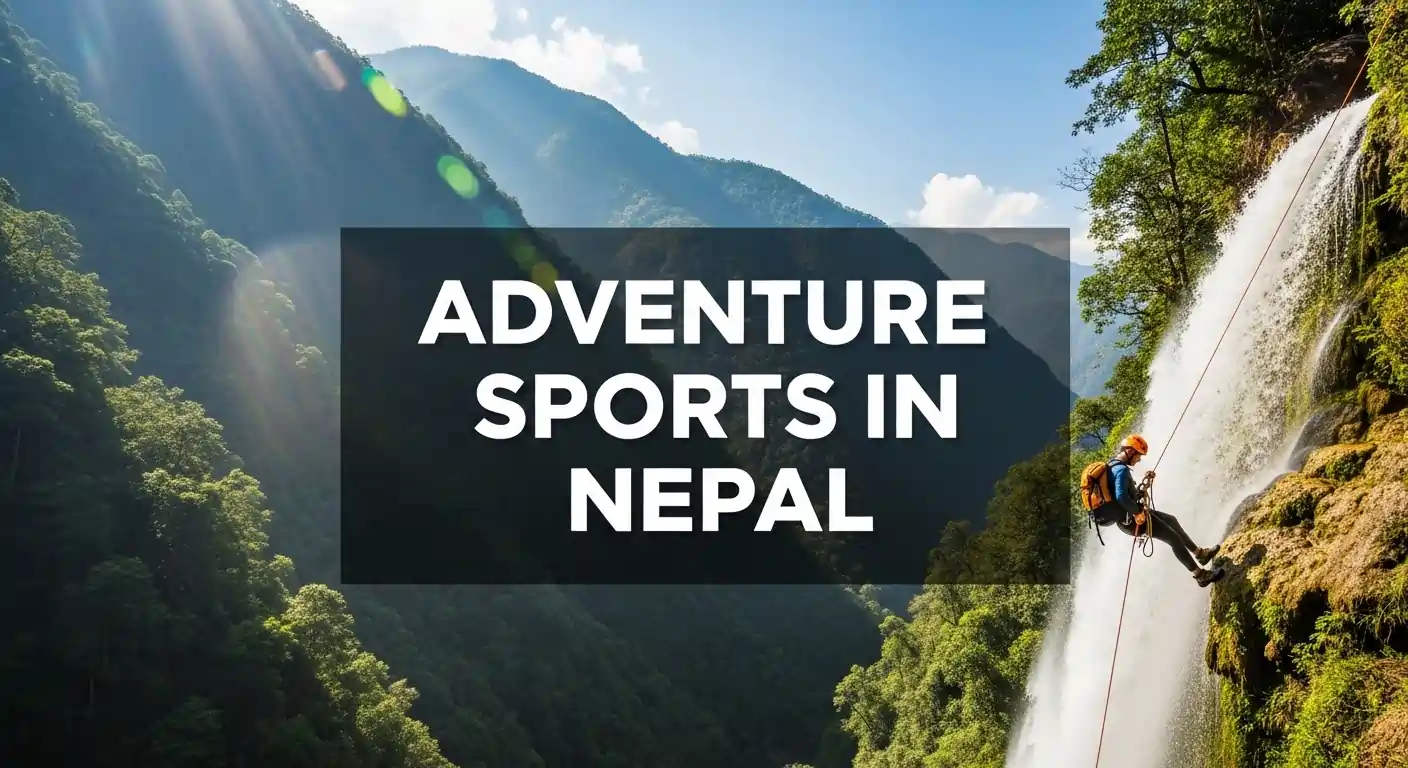
Nepal is the ultimate global playground for adrenaline seekers, offering a dramatic vertical landscape that transitions from the sub-tropical jungles to the highest peaks on Earth. Beyond the legendary trekking trails, the country serves up a heart-pounding menu of gravity-defying activities, from swinging over 160-meter deep gorges to navigating the glacial torrents of the Himalayan rivers.
In this blog, we explore the diverse world of adventure sports in Nepal, breaking down which activities suit your specific thrill-seeking personality and physical fitness level. We cover everything from the technical logistics of high-altitude paragliding to the seasonal windows for world-class white-water rafting and the emerging scene of mountain biking in the high Himalayas. Whether you are a solo traveler looking for a quick adrenaline fix or a group seeking a multi-day expedition, this guide serves as your definitive manual for navigating the wild side of the Himalayas, even offering low-impact alternatives like the Everest heli tour for those who want the thrill without the physical toll.
What is Adventure Sports in Nepal?
Adventure sports in Nepal refer to a wide range of outdoor high-adrenaline activities, including paragliding, white-water rafting, bungee jumping, and mountain biking, that utilize the country’s extreme Himalayan topography and wild rivers. These sports leverage Nepal’s vertical terrain to offer world-class thrills, ranging from aerial flights over 8,000-meter peaks to navigating some of the steepest glacial torrents on the planet.
Why Nepal Is a Global Hub for Adventure Sports?
Nepal is a global hub for adventure sports because its extreme verticality, ranging from 60 meters to 8,848 meters, provides a natural, high-octane stadium for every imaginable outdoor discipline. This dramatic geography allows for world-class bungee jumping, paragliding, and rafting, all backdropped by the planet’s highest peaks and deepest gorges, which collectively represent the best things to do in Nepal.
Unique Himalayan geography
Nepal’s position on the collision zone of two tectonic plates has created the most rugged and varied terrain on Earth, offering a vertical playground that is impossible to replicate. From the sheer cliffs of the Kali Gandaki gorge to the thermal-rich skies above Pokhara, the landscape is naturally designed for high-adrenaline movement. This unique topography allows adventurers to experience multiple climate zones and extreme elevation changes within a single day of activity.
Rivers, mountains, and valleys
The country is crisscrossed by roaring glacial rivers like the Bhote Koshi and Marsyangdi, which provide some of the world’s best white-water rafting and kayaking experiences. These water systems are complemented by deep valleys that act as natural wind tunnels for paragliding and towering peaks that serve as the ultimate platform for high-altitude skydiving. This trifecta of natural elements ensures that whether you are on land, water, or in the air, the environment is perfectly suited for adventure.
Growing adventure tourism industry
In recent years, Nepal has transitioned from being solely a trekking destination to a diversified adventure tourism powerhouse, attracting significant investment in infrastructure and equipment. New zip-line installations, mountain biking trails, and boutique adventure resorts have cropped up to meet the demands of a younger, thrill-seeking demographic. This evolution has made adventure sports more accessible than ever, allowing travelers to easily combine traditional sightseeing with heart-pounding activities.
Safety standards and licensed operators
The professionalization of adventure sports in Nepal has led to a rigorous system of government licensing and international safety certifications for operators. Most major agencies now employ internationally trained guides and use state-of-the-art equipment that is regularly inspected to meet global standards. This commitment to safety ensures that even the most extreme activities, like canyoning or bungee jumping, are managed with the precision and care required to protect both domestic and international tourists.
What Are the Most Popular Adventure Sports in Nepal?
The most popular adventure sports in Nepal are paragliding in Pokhara, white-water rafting on the Trishuli, bungee jumping over the Bhote Koshi, and the world-renowned Everest skydiving. These activities dominate the scene because they offer a perfect mix of extreme adrenaline, professional safety standards, and the unique opportunity to witness the Himalayas from perspectives that traditional trekking simply cannot provide.
Trekking and Mountaineering
Trekking remains the backbone of Nepal’s adventure scene, with the Everest Base Camp trek and Annapurna Circuit offering legendary high-altitude challenges. For those seeking more than a hike, peak climbing on “trekking peaks” like Island Peak or Mera Peak provides an entry-level mountaineering experience with technical climbing at 6,000+ meters. These adventures allow travelers to walk in the footsteps of legends while testing their endurance against the thin Himalayan air, though many of these legendary routes actually started as accessible trails for trekking in Nepal for beginners.
Paragliding
Pokhara is globally recognized as one of the best paragliding destinations due to its stable thermals and incredible views of the Annapurna and Dhaulagiri ranges. Tandem flights typically launch from Sarangkot, allowing you to soar over the turquoise Phewa Lake while sharing the sky with Himalayan griffins. It is an accessible adventure that requires no prior experience, offering a serene yet thrilling bird’s-eye view of the world’s highest mountains.
Bungee Jumping Adventure Sports in Nepal
Bungee jumping in Nepal features some of the world’s most terrifying drops, most notably the 160-meter plunge over the Bhote Koshi River near the Tibetan border. These high bridge jumps are operated by veteran crews who follow strict international safety protocols and use top-tier equipment. Whether you choose the original Bhote Koshi site or the world’s second-highest jump in Kushma, you are guaranteed a heart-stopping freefall into a deep tropical gorge.
White Water Rafting
Nepal’s rivers are fed by glacial melt, creating world-class white water rafting opportunities on the Trishuli and the technically demanding Bhote Koshi. From single-day splashes for beginners to grueling multi-day expeditions that involve camping on sandy riverbanks, there is a water adventure for every level. Navigating these Class III to Class V rapids provides a high-octane way to see the remote canyons and lush jungles of Nepal’s middle hills.
Ziplining and Skydiving
For speed freaks, the Pokhara zipline is one of the steepest and fastest in the world, featuring a vertical drop of 600 meters. For the ultimate “bucket list” thrill, Everest skydiving allows elite adventurers to jump from a helicopter at 23,000 feet, directly in front of Mount Everest. These air-based sports represent the pinnacle of adventure in Nepal, catering to those who want the highest possible adrenaline rush against a backdrop of 8,000-meter peaks.
Adventure Sports in Pokhara Nepal
Pokhara is widely recognized as the “Adventure Capital of Nepal,” offering a unique 2026 lineup of high-adrenaline sports that utilize the city’s stunning lakeside setting and its proximity to the Annapurna Massif. From soaring over Phewa Lake in a paraglider to plummeting down the world’s steepest zipline, Pokhara provides a centralized hub where you can experience air, water, and land-based thrills all within a few kilometers of your hotel.
Paragliding Capital of Nepal
Often ranked among the top five tandem paragliding spots in the world, Pokhara serves as the ultimate launchpad for aerial enthusiasts due to its remarkably stable thermals and predictable wind patterns. Most flights take off from the Sarangkot ridge at 1,592 meters, allowing you to share the sky with majestic Himalayan griffins while enjoying an unobstructed view of Machhapuchhre (Fishtail) and the entire Annapurna range. In 2026, standard tandem flights remain the most popular choice for beginners, providing a 30-minute glide that ends with a smooth landing near the shores of Phewa Lake.
Ultra-light Flights
For those who want to venture even closer to the 8,000-meter peaks, ultra-light flights offer a powered, open-cockpit experience that feels like a private balcony in the sky. These lightweight aircraft can reach altitudes of up to 9,000 feet, providing a unique vantage point of the deep Seti River gorges and the jagged ridges of the Annapurna South face. With flight durations ranging from 15 minutes to 90 minutes, it is a preferred option for professional photographers looking for a stable platform to capture high-definition Himalayan panoramas without the unpredictability of wind-reliant gliding.
ZipFlyer (World-class Zipline)
Pokhara is home to the ZipFlyer, which currently holds the record for one of the world’s tallest, longest, and steepest ziplines, featuring an adrenaline-pumping 56-degree incline. The ride spans 1.8 kilometers and can reach heart-stopping speeds of up to 140 km/h as it drops 600 meters from the Sarangkot launch station to the valley floor. Travelers can choose between a classic seated harness or the “Superman” horizontal position for an even more intense sensation of flight, making it a mandatory stop for anyone seeking the ultimate speed-based thrill in the Himalayas.
Boating and Water Activities
While the skies are dominated by wings and gliders, Phewa Lake remains the center for serene water-based adventures, including traditional “doonga” rowing, kayaking, and stand-up paddleboarding. You can rent a colorful wooden boat to reach the Tal Barahi temple situated on a small island, or take a more athletic approach by kayaking toward the densely forested southern shores. For those seeking more intensity, the nearby Upper Seti River offers Class III and IV white-water rafting, providing a quick, half-day splash through narrow rock gorges and technical rapids just minutes from the city center.
Adventure Sports in Kathmandu Nepal
While Kathmandu is the cultural heart of Nepal, it also serves as a premier base for high-octane day trips including world-class bungee jumping, technical rock climbing, and rugged mountain biking. Its surrounding hills and deep river gorges provide a quick escape from the city bustle into a natural arena designed for short, high-intensity adventure.
Bungee Jumping near Kathmandu
The most iconic jump is located at The Last Resort, a few hours from Kathmandu, featuring a 160-meter plunge over the Bhote Koshi River. This suspension bridge jump is one of the highest in the world, offering a terrifying freefall into a tropical river gorge. For those looking for something closer, a new bungee facility has also been established near the city outskirts, providing a high-speed adrenaline fix without a long commute.
Rock Climbing and Canyoning
Astaff Range and the cliffs of Nagarjun Forest provide the perfect granite and limestone walls for both beginner and expert rock climbers looking to sharpen their skills. For a water-based thrill, the nearby Jalbire canyon offers a world-class canyoning experience involving abseiling down 45-meter waterfalls and sliding through natural rock flumes. These sites are easily accessible for day trips, combining technical physical challenges with the lush greenery of the Kathmandu Valley rim.
Mountain Biking Trails
The Kathmandu Valley is a mountain biker’s paradise, featuring a network of technical single-tracks and “jeep tracks” that wind through the Shivapuri National Park and the hills of Nagarkot. These trails offer a mix of grueling climbs and high-speed descents through traditional Newari villages and dense pine forests. Whether you are a casual rider or a downhill specialist, the rim of the valley provides diverse terrain with the added bonus of distant Himalayan views on clear days.
Short Hiking Adventures
For those seeking a lower-impact adventure, the ridge-line hikes to Champadevi, Phulchowki, or Shivapuri Peak offer steep vertical gains and rewarding 360-degree panoramas of the valley and the Langtang range. These “day-hikes” are perfect for acclimatization or a quick fitness boost, taking you through rhododendron forests and sacred shrines in just a few hours. They provide a raw, natural experience that feels miles away from the city’s urban core while remaining within a short drive of your hotel.
Water Adventure Sports in Nepal
Water adventure sports in Nepal utilize the country’s steep glacial rivers to offer world-class white-water rafting, technical kayaking, and vertical canyoning. Fed by Himalayan snowmelt, these rivers provide everything from family-friendly Class II ripples to expert-only Class V rapids through some of the deepest gorges on the planet.
White Water Rafting
Nepal is a global destination for rafting, with the Trishuli River serving beginners and the Bhote Koshi offering a steep, technical challenge for the brave. Beginner runs focus on “big volume” rivers with safe splash zones, while advanced expeditions tackle “creeking” styles with narrow drops and powerful hydraulics. These trips range from a single day of high-octane paddling to multi-day wilderness journeys that include beach camping and jungle exploration.
Kayaking
For those seeking individual mastery over the current, Nepal offers extensive river kayaking clinics ranging from four-day “zero-to-hero” intro courses to professional safety technician certifications. Most training takes place on the warm waters of the Seti or Lower Trishuli, where stable eddies allow students to practice the “Eskimo roll” and ferry-gliding. Professional paddlers can also pursue White Water Rescue Technician (WRT) courses, which are internationally recognized and essential for anyone looking to lead river expeditions.
Canyoning
Canyoning in Nepal is a multi-disciplinary sport that involves abseiling (rappelling), sliding, and jumping down towering waterfalls in hidden jungle canyons. Popular spots like Jalbire (Lamo Jharana) and Panglang offer vertical drops of up to 45 meters, where adventurers navigate through carved rock flumes and crystal-clear pools. It is a full-body adventure that combines technical rope work with the thrill of being immersed in the lush, tropical micro-climates of the Himalayan foothills.
How to Choose the Right Adventure Sport in Nepal for You?
To choose the right adventure sport in Nepal, you must evaluate your physical fitness, “fear factor,” and the amount of time you have available. A successful choice balances your personal thrill tolerance with the specific seasonal conditions of the Himalayas to ensure a safe and memorable experience.
Selecting the perfect activity depends on how much you want to push your boundaries while staying within your logistical limits:
- Fitness Level: If you prefer low-impact thrills, paragliding or ultra-light flights require almost no physical effort. For high-intensity challenges, white-water rafting and canyoning demand upper-body strength and swimming ability.
- Thrill Tolerance: Seekers of “peak adrenaline” should head for the 160-meter bungee jump or the world’s steepest zipline. Those looking for a “zen” adventure will find serenity in lake rowing or scenic mountain flights.
- Travel Duration: If you only have one day, stick to the Kathmandu or Pokhara valleys for quick hits like bungee jumping or paragliding. If you have a week, consider multi-day river rafting or a mountain biking expedition to Upper Mustang.
- Budget: Simple activities like boating or short day-hikes are very affordable. Premium experiences like Everest Skydiving or private helicopter tours are luxury investments that require a higher travel budget.
- Seasonal Timing: Always choose water-based sports (rafting/canyoning) during the post-monsoon or spring windows to ensure water levels are safe and temperatures are manageable.
- Group Dynamics: Solo travelers can easily join shared rafting or paragliding groups, while families might prefer the controlled environment of a zip-line park or a gentle scenic hike.
Cost of Adventure Sports in Nepal
In 2026, the cost of adventure sports in Nepal ranges from approximately $35 for entry-level water activities to over $25,000 for elite, high-altitude skydiving expeditions. Most popular mid-range adventures, such as paragliding or bungee jumping, typically fall between $65 and $150, which usually includes professional guides, safety gear, and local transfers.
| Category | Adventure Activity | 2026 Price Range (USD) | Key Details & Locations |
| Budget-Friendly | White Water Rafting (Day) | $35 – $75 | Trishuli or Seti River; includes gear and lunch. |
| Standard Zipline | $70 – $99 | Pokhara Sarangkot; one of the world’s steepest drops. | |
| Guided Day Hikes | $50 – $90 | Kathmandu Valley rim or Pokhara Australian Camp. | |
| Mid-Range | Tandem Paragliding | $65 – $130 | Pokhara; 30-60 min flights with Annapurna views. |
| Bungee Jumping / Swing | $80 – $140 | Bhote Koshi (160m) or Kushma; often includes lunch. | |
| Ultralight Flight | $105 – $295 | Pokhara; 15-60 min flights near the mountain faces. | |
| Canyoning (Day Trip) | $65 – $110 | Jalbire or Sisneri; includes rappelling and gear. | |
| Premium & Luxury | Everest Helicopter Tour | $1,240 – $1,350 | Per person (shared); 4-hour tour with EBC overfly. |
| Everest Skydiving | $22,000 – $25,000 | The world’s highest jump; includes heli-drop at 23k ft. | |
| Mountain Biking Tour | $500 – $4,500 | Multi-day expeditions (Mustang or Annapurna Circuit). |
Best Time for Adventure Sports in Nepal
The absolute best time for adventure sports in Nepal is during the Spring (March–May) and Autumn (September–November) seasons when the weather is most stable. These windows offer the clear visibility required for aerial sports like paragliding and the perfect river volumes for world-class white-water rafting and kayaking adventures.
Spring (March–May)
Spring is the peak season for high-altitude adventures and aerial sports, as the atmosphere is stable and the temperatures are mild. The clearing of winter snow opens up high-mountain biking trails and trekking peaks, while the thermals in Pokhara are at their most consistent for long paragliding flights. It is also a vibrant time for canyoning, as the water remains crisp but the surrounding jungles are in full rhododendron bloom.
Autumn (September–November)
Autumn provides the sharpest mountain visibility of the year, making it the premier window for skydiving, ultra-light flights, and bungee jumping. After the monsoon rains, the rivers are at their most “high-volume” and exciting stage, offering world-class Class IV and V rafting challenges for experienced paddlers. The dry, dust-free air ensures that every adrenaline-pumping moment is backdropped by high-definition views of the 8,000-meter Himalayan giants.
Monsoon Limitations
From June to August, the monsoon rains bring significant challenges, particularly for water and air-based adventure sports. Heavy rainfall causes rivers to swell to dangerous, unpredictable levels, often leading to the suspension of rafting and canyoning activities for safety. Similarly, low cloud cover and poor visibility frequently ground paragliding and scenic flights, though this is a great time for “monsoon trekking” in rain-shadow regions like Upper Mustang.
Winter Considerations
Winter (December–February) offers stunningly clear blue skies, but extreme cold and snow can limit high-altitude mountain biking and trekking activities. While paragliding and bungee jumping continue in Pokhara and near Kathmandu, the water temperatures in the glacial rivers become bone-chilling, making rafting and canyoning less appealing. It is, however, an excellent time for low-altitude adventures and mountain biking on the valley floors where the sun remains bright and the trails are dry.
Are Adventure Sports in Nepal Safe?
Adventure sports in Nepal are highly safe when booked through government-certified operators who utilize international equipment standards and strictly adhere to weather-dependent safety protocols. Most reputable agencies now require specific adventure-grade insurance to cover high-altitude activities, ensuring that every jump, flight, or river descent is managed by licensed professionals using modern, regularly inspected gear.
Physical and Mental Benefits of Adventure Sports in Nepal
Beyond the immediate adrenaline rush, adventure sports in Nepal provide a profound transformation for both body and mind by combining extreme physical exertion with the serenity of the Himalayas. Engaging in these activities forces a “flow state” that sharpens mental clarity while simultaneously improving functional strength and cardiovascular endurance in a high-oxygen-demand environment.
Cardiovascular Health Benefits
The combination of high-intensity activity and Nepal’s varying altitudes provides an exceptional workout for the heart and lungs. Navigating Class IV rapids or pedaling through the steep inclines of the Annapurna foothills demands peak aerobic capacity, which strengthens the heart muscle and improves blood circulation. Over time, these activities help lower resting heart rates and increase stamina, making your body more resilient to physical stress both on and off the mountain.
Stress Reduction
Engaging in adventure sports triggers a powerful release of endorphins and dopamine, which act as natural “stress-busters” for the modern traveler. The absolute focus required to rappel down a waterfall or pilot a paraglider forces your mind away from daily anxieties and into the present moment, creating a meditative effect. This mental reset is further enhanced by “forest bathing” and the silence of the high-altitude wilderness, leaving you with a lasting sense of peace and psychological rejuvenation.
Confidence Building
Conquering a 160-meter bungee jump or successfully navigating a technical rock face in the Kathmandu Valley provides a tangible sense of achievement that translates into everyday life. Overcoming the initial “fear response” associated with these extreme sports builds mental grit and self-efficacy, proving to yourself that you are capable of handling high-pressure situations. This newfound confidence often leads to a more adventurous spirit in other areas of life, encouraging you to step outside your comfort zone more frequently.
Cultural Immersion
Unlike traditional sightseeing, adventure sports in Nepal often take you deep into remote villages and ancestral lands where tourists rarely go. Whether you are mountain biking through traditional Newari settlements or rafting past riverside cremation sites, you gain a raw, unedited view of local life and spiritual traditions. These experiences foster a deep respect for the resilience of the mountain people and provide a unique opportunity for authentic cross-cultural exchange that goes far beyond a typical holiday.
Adventure Sports in Nepal for Beginners vs Experts
Nepal caters to the entire spectrum of thrill-seekers by offering “soft adventures” like tandem paragliding for beginners and grueling, technical expeditions for seasoned professionals. Whether you are looking for your first adrenaline fix with expert supervision or a solo “Class V” challenge, the Himalayan terrain provides specifically graded routes that ensure safety for novices and maximum intensity for experts.
Beginner-Friendly Options
For those new to adventure, tandem paragliding in Pokhara allows you to fly with a certified pilot who handles all the technical navigation while you enjoy the view. Similarly, rivers like the Trishuli offer “bouncy” but safe Class II and III rapids that provide a fun splash without the high-risk technical maneuvers of steeper rivers. These activities are designed to build confidence, requiring no prior experience or specialized physical training to enjoy.
Advanced & Extreme Sports Nepal
Expert-level adventure in Nepal shifts toward technical mountaineering on peaks like Ama Dablam and navigating “creeking” style Class V rapids on the Upper Sun Koshi. These activities demand years of specialized training, high-altitude endurance, and advanced gear management to survive the extreme vertical and aquatic environments. For professional kayakers and climbers, Nepal serves as the ultimate “proving ground” where only those with high-level technical certifications and physical grit can succeed.
Essential Tips Before Trying Adventure Sports in Nepal
To maximize safety and enjoyment, you must verify that your chosen operator is government-licensed, ensure your travel insurance specifically covers high-altitude adventure, and strictly adhere to all professional safety briefings. Taking the time to understand the physical demands of your activity and preparing with the right gear will ensure that your Himalayan adrenaline rush remains a positive, life-changing memory rather than a logistical nightmare.
Check operator credentials
Before booking any high-adrenaline activity, it is vital to verify that the agency holds a valid license from the Nepal Ministry of Culture, Tourism, and Civil Aviation. Reputable operators will proudly display their certifications and should be able to provide details on their guides’ professional training and years of experience in the field. Don’t be afraid to ask about their safety record or to read recent 2026 reviews, as a legitimate operator will always prioritize transparency and passenger well-being over a quick sale.
Understand altitude risks
Many adventure sports in Nepal, such as mountain biking or skydiving, take place at elevations that can significantly impact your physical performance and oxygen intake. Even if you are in peak physical condition, the rapid transition to thin air can cause shortness of breath or lightheadedness, which can impair your judgment during technical maneuvers. Always allow for a day or two of acclimatization if your activity starts above 2,500 meters, and stay hydrated to help your body process the change in atmospheric pressure more efficiently.
Pack appropriate gear
While most technical equipment like rafts, harnesses, and paragliders are provided by the operator, you are responsible for bringing personal “layering” gear to handle Nepal’s unpredictable micro-climates. For water sports, bring quick-drying synthetic clothing and a change of dry clothes; for aerial or land adventures, ensure you have windproof layers and UV-protection sunglasses to shield against the intense high-altitude sun. Wearing sturdy, closed-toe footwear is a universal requirement for almost every adventure sport to prevent injuries during launches, landings, or rocky treks.
Follow safety briefings
The pre-activity safety briefing is the most critical part of your adventure, as it covers emergency procedures, hand signals, and specific “what-if” scenarios unique to the Himalayan terrain. Pay close attention to your guide’s instructions on how to brace for impact, manage your equipment mid-flight, or exit a raft in turbulent water. These briefings are designed to turn your natural “fight or flight” response into controlled, safe actions, ensuring that you and your group can navigate the thrill with total confidence.
Pros and Cons of Adventure Sports in Nepal
The primary advantage of adventure sports in Nepal is the ability to experience world-class thrills against the world’s most dramatic mountain backdrop at a fraction of the cost found in Europe or North America. However, these benefits are balanced by the reality of Himalayan logistics, where extreme weather patterns and rugged, developing infrastructure can lead to last-minute schedule changes or restricted access to remote regions.
Advantages
- Global Affordability: Activities like paragliding, bungee jumping, and multi-day rafting are significantly more budget-friendly than similar experiences in the Swiss Alps or New Zealand.
- Unmatched Scenery: Every adrenaline rush—whether in the air or on the water—is backdropped by 8,000-meter peaks and deep tropical gorges that are unique to the Himalayan range.
- Massive Variety: From the “highest” skydiving on Earth to technical “creeking” in glacial rivers, Nepal offers a density of diverse adventure disciplines that few countries can match.
- Expert Local Guides: You benefit from a workforce of internationally certified guides and Sherpas who possess an intimate, lifelong knowledge of the local terrain and high-altitude safety.
- Cultural Integration: Unlike sanitized adventure parks, these sports take you through living landscapes, ancient villages, and sacred river systems, adding a layer of depth to the thrill.
Limitations
- Heavy Weather Dependency: Flights and river activities are strictly dictated by Himalayan weather; monsoon rains or high-altitude winds can lead to sudden cancellations or delays.
- Remote Infrastructure: Reaching the best “off-the-beaten-path” biking trails or river put-ins often involves long, bumpy drives on unpaved mountain roads that can be physically taxing.
- Emergency Response Times: In very remote adventure zones, medical evacuation is primarily dependent on helicopters, which are subject to both clear weather and high operational costs.
- Physical Demands: Many “entry-level” activities in Nepal still require a baseline level of fitness due to the thin air and rugged terrain, which may not be suitable for everyone.
- Seasonal Windows: The best conditions are limited to specific months (Spring and Autumn), meaning those traveling in the “off-season” may miss out on the most iconic experiences.
Conclusion
Choosing adventure sports in Nepal is about more than just a temporary adrenaline rush; it is an invitation to test your limits in the world’s most dramatic natural arena. From the silent glide of a paraglider over Pokhara to the roaring white water of the Bhote Koshi, these experiences offer a unique perspective on the power and beauty of the Himalayas. In 2026, Nepal remains the unrivaled destination for those who seek high-performance thrills combined with deep cultural resonance. Whether you are a first-time jumper or an elite mountaineer, the mountains are calling you to step out of your comfort zone and into the extraordinary.
Ready to Conquer Your Fears?
Don’t just dream about the ultimate adrenaline rush, live it! Marvel Treks specializes in curated adventure packages that combine safety, expert guiding, and the most iconic locations in Nepal. Whether you want to soar above the clouds or navigate glacial rapids, we handle all the logistics so you can focus on the thrill.
FAQS
Is travel insurance mandatory for adventure sports in Nepal?
Yes, most professional operators require proof of travel insurance that specifically covers high-risk activities and helicopter evacuation. Standard policies often exclude “extreme sports,” so ensure your plan explicitly mentions paragliding, rafting, or trekking up to 6,000 meters to avoid massive out-of-pocket costs in case of an emergency.
Do I need to book adventure sports in Nepal in advance?
While you can book activities like paragliding or short hikes a day or two in advance, it is highly recommended to book at least 2-4 weeks ahead for peak seasons (October–November). Specialized adventures like Everest Skydiving or multi-day rafting expeditions often require months of logistical planning and permit processing.
What is the minimum age for bungee jumping and paragliding?
Generally, the minimum age is 12 to 14 years old, and participants under 18 must have a parent or guardian sign a waiver. There is usually no upper age limit as long as the participant is in good cardiovascular health and free from major physical injuries or respiratory conditions.
Are the adventure sports in Nepal beginner-friendly?
Absolutely. The majority of Nepal’s adventure industry is built around tandem experiences, such as paragliding with a pilot or rafting with a professional guide, making them accessible to anyone with a baseline level of fitness. Only specific activities like solo kayaking or technical peak climbing require prior training or certifications.
What happens if my activity is canceled due to weather?
Most reputable operators will offer a full refund or a free reschedule to the next available clear day if weather conditions make the activity unsafe. Because Himalayan weather is unpredictable, it is wise to build an extra “buffer day” into your itinerary so you don’t miss out on your flight or jump.
Can I bring my own GoPro or camera during the activity?
You are usually allowed to bring a GoPro, but it must be securely mounted to a chest harness or helmet for safety. Handheld cameras and phones are often prohibited during high-intensity moments (like bungee jumping or ziplining) to prevent them from falling and causing injury to people below or damaging the gear.
Is there a weight limit for paragliding and bungee jumping?
Yes. For paragliding, the limit is typically around 100kg (220 lbs), while bungee jumping sites usually have a maximum limit of 120kg (265 lbs). These limits are strictly enforced to ensure the equipment functions within its certified safety margins and to maintain the correct flight or fall trajectory.
Are there any health conditions that prevent me from participating?
You should avoid high-adrenaline sports if you have a history of heart disease, high blood pressure, epilepsy, or recent back/neck surgeries. Additionally, pregnant women are strictly prohibited from participating in bungee jumping, rafting, and ziplining due to the physical impact and stress involved.

Ready for your next Himalayan adventure?
Plan Your Next Big Adventure with Us
Explore Our AdventuresJoin our expert-guided journeys across Nepal and beyond, from classic trails to epic summits.