
Langtang Valley Trek Altitude: Complete Guide
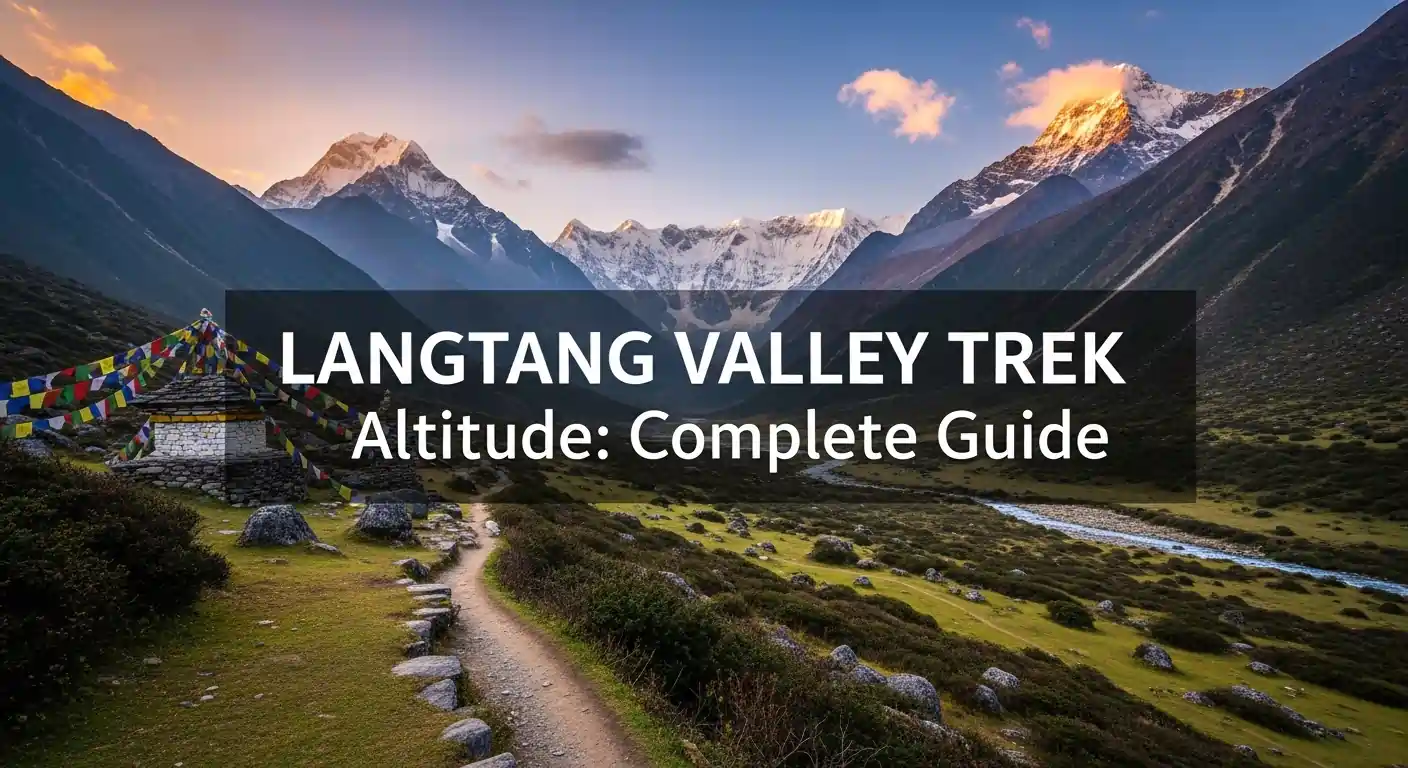
The Langtang Valley Trek offers a breathtaking ascent into the heart of the Himalayas, where jagged peaks tower above ancient glaciers and vibrant Tamang culture. This journey is a rare opportunity to reach the staggering height of nearly 5,000 meters in a remarkably short amount of time, making it one of the most efficient high-altitude adventures in Nepal. As you climb from the lush, subtropical forests of the lower valley into the stark alpine beauty of Kyanjin Gompa, you will experience the raw power of the mountains at every step.
In this blog, we provide a detailed breakdown of the langtang trek altitude to help you prepare for the unique physical challenges of the Khumbu’s neighbor. We will explore the day-by-day elevation changes, highlight the highest viewpoints like Tserko Ri and Kyanjin Ri, and provide essential safety tips for preventing altitude sickness. Whether you are a seasoned hiker or a first-timer, understanding how to manage your ascent is the key to successfully navigating the dramatic vertical landscape of the Langtang valley trek.
Introduction to Langtang Trek
The Langtang Valley Trek, often referred to as the “Valley of Glaciers,” is a stunning high-altitude journey located just north of Kathmandu near the Tibetan border. This trek is renowned for its diverse landscapes, transitioning rapidly from lush rhododendron and bamboo forests to the stark, windswept terrain of the high Himalayas. Along the way, trekkers are immersed in the rich Tamang and Tibetan cultures, passing through traditional stone villages and ancient monasteries set against the backdrop of Langtang Lirung.
Understanding the langtang trek altitude is absolutely essential for your safety because the trail involves a very direct and rapid vertical ascent. Unlike many other Himalayan treks that offer a long, gradual approach, Langtang requires you to climb nearly 2,500 meters in just the first three days of walking. This sharp incline significantly increases the risk of Acute Mountain Sickness (AMS), making it vital to monitor your body’s response to the thinning air as you cross the critical 3,000-meter threshold, a common but high-stakes reality when participating in adventure trekking in Nepal.
To give you a quick altitude summary, your journey begins at the relatively low elevation of 1,550 meters in Syabrubesi and reaches its spectacular zenith at 4,984 meters on the summit of Tserko Ri. Throughout the trek, your average sleeping altitude will range between 3,000 and 3,800 meters, which keeps you consistently in the “high altitude” zone for several consecutive nights. Knowing these benchmarks allows you to plan your pacing, hydration, and acclimatization days effectively to ensure a successful reach to the valley’s highest points.
What Is the Maximum Langtang Trek Altitude?
The maximum langtang trek altitude is 4,984 meters (16,352 feet) at the summit of Tserko Ri, which serves as the ultimate objective for most hikers in the region. Reaching this elevation provides a 360-degree panoramic view of the Langtang Lirung glacier and the surrounding peaks of the Central Himalayas. Because this height is just shy of the 5,000-meter mark, the air contains only about 50% of the oxygen found at sea level, making the final ascent a significant physical test and the crowning achievement for anyone exploring the diverse terrain of Langtang National Park.
Highest Point on the Langtang Valley Trek
- Tserko Ri (4,984m): This is the highest physical point reachable on the standard trek, offering an unmatched vantage point of the entire valley and the peaks bordering Tibet.
- Kyanjin Ri (4,773m): Often used as an acclimatization peak, this viewpoint provides a closer look at the icefalls of Langtang Lirung and is slightly more accessible than Tserko Ri.
- Yala Peak Base Camp: For those extending their journey, the trek can reach higher elevations toward Yala Peak, though Tserko Ri remains the landmark peak for standard valley trekkers.
Langtang Village and Kyanjin Gompa Elevation
- Langtang Village (3,430m): This is the first major altitude benchmark where trekkers often spend their second or third night, sitting comfortably above the 3,000-meter threshold.
- Kyanjin Gompa (3,870m): Serving as the final “base camp” for exploration, this village is where you will sleep for at least two nights to prepare for higher summit hikes.
- Gradual Profile: While the initial days are steep, the gain between Langtang Village and Kyanjin Gompa is relatively gradual, allowing your body to adjust before the final push toward 4,984 meters.
Langtang Trek Altitude Day-by-Day Breakdown
The langtang trek altitude profile is characterized by a rapid vertical ascent that takes you from the low-lying hills of Syabrubesi to the high-alpine environment of the upper valley in just a few days. Following a structured day-by-day itinerary is essential to ensure your body has adequate time to adjust to the thinning air as you climb toward the 5,000-meter mark.
| Day | Destination / Milestone | Altitude (Meters) | Altitude (Feet) | Ascent Detail |
| Day 01 | Syabrubesi (Starting Point) | 1,550 m | 5,085 ft | Initial drive from Kathmandu and overnight stay. |
| Day 02 | Lama Hotel | 2,470 m | 8,103 ft | Steep climb through lush forests and river valleys. |
| Day 03 | Langtang Village | 3,430 m | 11,253 ft | Crossing the 3,000m mark into the alpine zone. |
| Day 04 | Kyanjin Gompa | 3,870 m | 12,697 ft | Gradual walk through wide glacial valleys. |
| Day 05 | Acclimatization (Kyanjin Ri) | 4,773 m | 15,659 ft | Peak training day to prepare for higher elevations. |
| Day 06 | Optional Tserko Ri Climb | 4,984 m | 16,352 ft | The maximum physical point of the Langtang trek. |
| Day 07 | Descend to Lama Hotel | 2,470 m | 8,103 ft | Rapid descent back to the forest line. |
| Day 08 | Syabrubesi & Kathmandu | 1,550 m | 5,085 ft | Final trek back to the starting elevation. |
How Does Langtang Trek Altitude Compare to Other Nepal Treks?
The Langtang trek altitude is considered moderate compared to the major Himalayan circuits, reaching a peak of nearly 5,000 meters while keeping most sleeping elevations below 4,000 meters. Unlike the Everest or Annapurna circuits, which often require crossing passes above 5,400 meters, Langtang offers a high-altitude experience that is physically demanding but logistically more accessible for those who have a shorter time frame. It serves as a perfect “stepping stone” for trekkers looking to test their bodies at significant heights without committing to the multi-week duration of the higher-elevation expeditions, making it a manageable entry point for understanding Langtang trek difficulty.
Langtang vs Everest Base Camp Altitude
While the maximum langtang trek altitude at Tserko Ri (4,984m) is lower than Everest Base Camp (5,364m), the ascent in Langtang is much more rapid and direct. Everest trekkers spend many more nights sleeping above 4,000 meters, whereas Langtang trekkers typically only spend two or three nights at that height, making the overall physiological stress of the Everest region significantly higher.
Langtang vs Annapurna Base Camp
Langtang actually reaches a higher maximum elevation than Annapurna Base Camp (4,130m), meaning it provides a superior vantage point for panoramic mountain views. However, both treks share a similar “steep ascent” profile, where you climb quickly from the subtropics to the alpine zone, making them both high-priority candidates for careful acclimatization despite being lower than the major mountain passes.
Why Langtang Is Considered Moderate in Elevation?
Langtang is categorized as moderate because the sleeping altitude at Kyanjin Gompa (3,870m) is relatively low compared to the high-altitude lodges in the Khumbu or on the Manaslu Circuit. This lower sleeping height allows the body to recover more effectively at night, even if you spend your days hiking up to nearly 5,000 meters. The lack of technical 5,400m+ passes also reduces the complexity of the trek, making it a high-reward journey for those seeking massive views with slightly less atmospheric risk.
Risk of Altitude Sickness on Langtang Trek
The risk of altitude sickness on the Langtang trek is a significant factor due to the trail’s rapid vertical gain, which pushes trekkers above the 3,000-meter threshold very quickly. Because the route ascends directly from the lush river valleys to high alpine glaciers, your body has limited time to adapt to the decreasing oxygen levels, making proactive monitoring and acclimatization essential.
At What Altitude Does AMS Typically Begin?
Acute Mountain Sickness (AMS) typically begins to affect trekkers once they cross the 2,500-meter (8,200 feet) mark, which on the Langtang trail happens around Lama Hotel. At this elevation, the partial pressure of oxygen is significantly lower than at sea level, forcing your heart and lungs to work much harder to fuel your muscles. Most people will begin to feel the subtle effects of thinning air, such as slightly faster breathing or a minor headache—as they move toward Langtang Village at 3,430 meters. It is crucial to respect this 2,500-meter benchmark as the “warning zone” where you must slow your pace and increase your fluid intake to prevent mild symptoms from escalating into a serious condition.
Common Symptoms of Acute Mountain Sickness (AMS)
The most common symptoms of AMS include a persistent, throbbing headache that often feels worse in the morning, accompanied by persistent nausea or a complete loss of appetite. Trekkers often experience profound fatigue or a “heavy” feeling in their limbs that seems disproportionate to the physical effort they are putting in. Dizziness and difficulty sleeping are also frequent complaints, as the body struggles to maintain a consistent breathing rhythm during the night in the oxygen-depleted air. If you notice a combination of these symptoms, it is a clear signal from your body that you have reached your current limit and need to stop ascending or descend immediately to recover.
Who Is Most at Risk?
- First-time high-altitude trekkers: Those who have never been above 3,000 meters often do not know how their specific physiology will react to the rapid reduction in atmospheric pressure.
- Rapid ascenders: Individuals who try to skip camps or push through the ascent too quickly are at the highest risk, as their bodies are given zero time to produce the necessary red blood cells.
- Highly fit individuals: Paradoxically, very fit people sometimes ignore early warning signs because they feel physically strong, inadvertently pushing themselves into a dangerous state of hypoxia.
- Those with prior respiratory issues: Trekkers with a history of asthma or recent chest infections may find it harder for their lungs to process the limited oxygen available at nearly 5,000 meters.
How to Prevent Altitude Sickness on Langtang Trek?
To prevent altitude sickness on the Langtang trek, you must follow a strict acclimatization protocol that allows your body to gradually adapt to the decreasing oxygen levels. The most effective prevention strategy involves a combination of slow ascent, proper hydration, and recognizing early warning signs before they escalate into severe mountain sickness. By giving your heart and lungs the time they need to produce extra red blood cells, you ensure a safe and successful journey to the valley’s highest viewpoints.
Proper Acclimatization Strategy
The “climb high, sleep low” principle is the gold standard for high-altitude safety, where you hike to a higher elevation during the day but return to a lower point to sleep at night. In Langtang, this typically involves staying an extra night at Kyanjin Gompa (3,870m) and performing an afternoon hike to Kyanjin Ri (4,773m) to trigger your body’s adaptation mechanisms. Having these built-in days is not a luxury but a biological necessity, as it provides the critical window your physiology needs to adjust before attempting the final push to the summit of Tserko Ri. This intentional pacing significantly reduces the risk of developing a debilitating headache or nausea that could force an early end to your adventure.
Hydration and Nutrition Tips
Maintaining optimal hydration is vital because the dry mountain air and increased respiratory rate at high altitudes lead to rapid fluid loss, which thickens your blood and slows down oxygen transport. You should aim to drink at least 3 to 4 liters of water per day, ideally supplemented with electrolytes or oral rehydration salts to maintain your body’s mineral balance. Nutrition is equally important; you should prioritize a high-carbohydrate diet, such as the local “Dal Bhat,” to provide the steady energy required for trekking while avoiding alcohol and heavy, fatty foods that can tax your digestive system. Staying well-nourished and hydrated keeps your energy levels stable and helps your body cope with the physical stress of the thinning atmosphere.
Slow and Steady Trekking Pace
The “bistari, bistari” (slowly, slowly) approach is the most underrated tool in your altitude prevention kit, as it prevents your heart rate from spiking too early in the day. Rushing through the trail increases your oxygen demand beyond what the thin air can provide, leading to rapid fatigue and an increased likelihood of developing AMS symptoms. By maintaining a conversational pace where you can easily talk without gasping for breath, you allow your body to stay in an aerobic state for longer, which is much more efficient at high altitudes. Taking frequent short breaks to admire the view or sip water ensures that you arrive at your next camp with enough energy to recover overnight, rather than being completely exhausted.
Is Langtang Trek Altitude Suitable for Beginners?
Yes, the Langtang trek altitude is generally suitable for beginners, provided they have a basic level of physical fitness and a willingness to follow a strict acclimatization schedule. While the ascent is quite direct, the maximum elevation of 4,984 meters is more approachable than the 5,500m+ passes found in the Everest or Annapurna circuits. Because the sleeping altitudes remain relatively low for most of the trek, beginners have a better chance of recovering overnight, making it one of the best “entry-level” high-altitude adventures for those interested in trekking in Nepal for beginners.
Weather and Temperature at Langtang Trek Altitude
The weather and temperature across the Langtang trek altitude profile vary significantly as you transition from the humid lower valleys to the freezing alpine heights. Understanding these thermal shifts is essential for packing the correct layers, as a mild afternoon at the trailhead can quickly turn into a sub-zero night at Kyanjin Gompa.
Temperature at Kyanjin Gompa
At an elevation of 3,870 meters, Kyanjin Gompa experiences a drastic temperature drop as soon as the sun dips behind the towering Himalayan peaks. During the peak trekking months, daytime temperatures usually hover between 10°C and 15°C (50°F to 59°F), but nighttime lows can easily plunge to -5°C or -10°C (23°F to 14°F). It is critical to have a high-quality down jacket and a four-season sleeping bag to stay comfortable once the mountain chill sets in after dark.
Seasonal Weather Variations
Spring and autumn offer the most stable conditions, with clear skies and moderate temperatures that make the long ascent toward the glaciers much more manageable. In the spring (March-May), you’ll encounter blooming rhododendrons and warmer days, while autumn (September-November) provides the crispest air and sharpest mountain visibility. Conversely, winter brings heavy snow at higher elevations, which can occasionally block the trails to Tserko Ri and make the alpine environment much more demanding.
Wind Chill at Viewpoints Like Tserko Ri
When you reach high-altitude viewpoints like Tserko Ri (4,984m), the ambient temperature is only half the story, as the wind chill factor can make it feel much colder. High-altitude winds are common at these exposed summits, significantly increasing the risk of hypothermia if you aren’t wearing windproof outer layers. Even on a sunny day, the combination of thin air and biting gusts means you should spend your time at the summit well-insulated to fully enjoy the panoramic views.
Tips for Trekking Safely at High Langtang Trek Altitude
- Hydrate Consistently: Aim to drink at least 3 to 4 liters of water daily to combat the dehydrating effects of dry mountain air and increased respiration at high altitudes.
- Adhere to the “Climb High, Sleep Low” Rule: Always include an acclimatization day at Kyanjin Gompa and use it to hike to higher viewpoints like Kyanjin Ri before returning to a lower elevation to sleep.
- Maintain a “Bistari” (Slow) Pace: Avoid the temptation to rush; a slow, steady walking pace keeps your heart rate stable and prevents your body from entering a state of oxygen debt.
- Monitor Your Health Daily: Pay close attention to early symptoms of AMS, such as persistent headaches or loss of appetite, and never ignore them to push for the summit.
- Avoid Alcohol and Caffeine: These substances can increase dehydration and mask symptoms of altitude sickness, so it is best to stick to herbal teas and filtered water during your ascent.
- Pack Quality Gear: Ensure you have a high-grade down jacket and a four-season sleeping bag, as staying warm at night is critical for your body’s recovery and acclimatization process.
Conclusion
Navigating the Langtang trek altitude is a rewarding challenge that offers some of the most spectacular glacial views in the Himalayas without the extreme height of the 8,000-meter circuits. By respecting the rapid vertical gain and following a disciplined acclimatization strategy, you can safely reach the legendary 4,984-meter summit of Tserko Ri. The key to a successful journey lies in patience, proper hydration, and an understanding of how your body responds to the thinning air as you climb from the forests into the high alpine zone.
As you plan your 2026 adventure, remember that the Langtang Valley is a resilient and beautiful landscape that offers a profound connection to nature and Tamang heritage. Reaching the high-altitude viewpoints of this valley is more than just a physical feat; it is an immersion into one of the most serene and majestic corners of Nepal. With the right preparation and a slow-and-steady mindset, the “Valley of Glaciers” will provide an unforgettable experience that stands high above the rest.
Are you ready to conquer the heights of the Langtang Valley in 2026? Marvel Treks specializes in high-altitude safety, providing expert local guides and carefully crafted itineraries that prioritize your health and success. Don’t leave your Himalayan dream to chance, join us for an expertly managed journey to the top of Tserko Ri. Book your Langtang adventure today and experience the magic of the mountains with the best in the business!
FAQS
What is the maximum altitude of the Langtang Valley trek?
The highest point is the summit of Tserko Ri, which stands at approximately 4,984 meters (16,352 feet).
How difficult is the altitude gain in Langtang?
The gain is quite rapid, especially in the first three days, making it a moderate challenge that requires strict acclimatization.
Do I need oxygen for the Langtang trek?
No, supplemental oxygen is not required for this altitude, but staying hydrated and well-rested is essential for natural acclimatization.
Is there a risk of altitude sickness in Langtang?
Yes, since you cross the 3,000-meter mark by day three, there is a significant risk if you ascend too quickly without rest days.
How high is Kyanjin Gompa?
Kyanjin Gompa is located at 3,870 meters (12,697 feet) and serves as the main hub for high-altitude exploration.
Can beginners handle the Langtang trek altitude?
Yes, it is considered one of the best “entry-level” high-altitude treks in Nepal due to the lower sleeping elevations compared to EBC.
What is the best way to prevent AMS on this trek?
The best methods are a slow trekking pace, drinking 4 liters of water daily, and spending an extra night at Kyanjin Gompa.
Are there mountain views from the lower altitudes?
While the best views are at the top, you begin to see the massive Langtang Lirung peaks as early as your second or third day on the trail.

Ready for your next Himalayan adventure?
Plan Your Next Big Adventure with Us
Explore Our AdventuresJoin our expert-guided journeys across Nepal and beyond, from classic trails to epic summits.