
What Is the Best Time for Mardi Himal Trek? Complete Guide
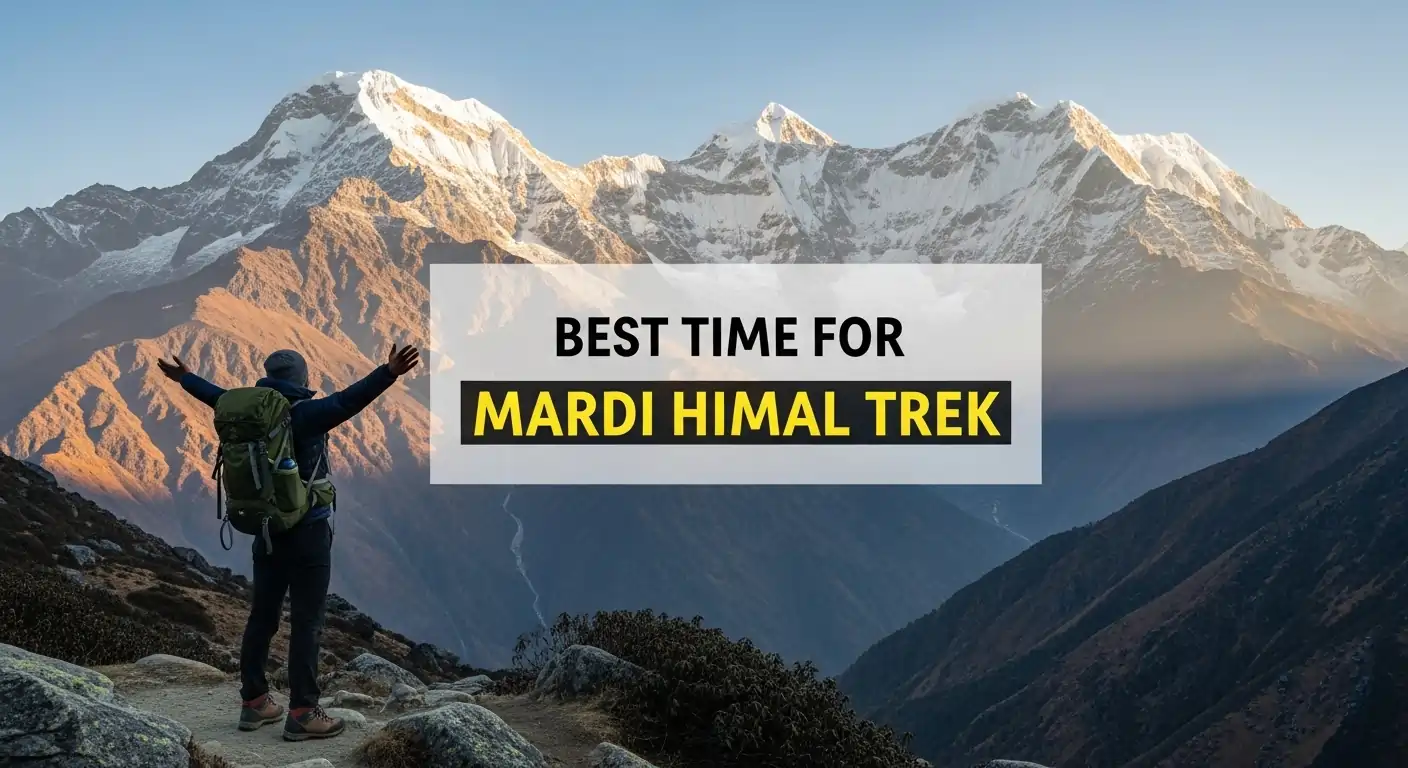
When is the perfect moment to witness the Fishtail mountain turning gold at sunrise? The Mardi Himal Trek is a hidden jewel in the Annapurna region that offers a different personality with every passing season. Choosing the right window is the secret to balancing crystal-clear mountain views with the vibrant colors of the Himalayan foothills. Whether you are a solo traveler seeking peace or an adventure seeker looking for the legendary rhododendron blooms, timing your journey is the most important decision you will make.
In this blog, we break down the Best Time for Mardi Himal Trek to help you plan an unforgettable 5-to-6-day adventure. We explore the prime trekking windows of spring and autumn, as well as the unique challenges and rewards of the winter and monsoon seasons. You will also find a detailed month-by-month guide covering average temperatures, visibility conditions, and the best months to avoid the crowds. By the end of this guide, you will know exactly when to pack your bags for this stunning ridge-line trek.
Introduction to the Mardi Himal Trek
The Mardi Himal Trek is a stunning short-duration journey that takes you along a narrow ridge in the heart of the Annapurna region. Known for its front-row views of the iconic Machhapuchhre (Fishtail) peak, this trek has quickly risen in popularity as a quieter alternative to the classic Annapurna routes. In 2026, it remains a favorite for those who want to experience the grandeur of the Himalayas without committing to weeks of travel, offering a perfect mix of dense rhododendron forests and high-altitude alpine landscapes. Because the trail is well-marked and the elevation gain is relatively gradual, it is widely considered one of the most rewarding options for trekking in Nepal for beginners.
Choosing the best time for Mardi Himal trek is crucial because the entire experience is centered around the ridge-line views which are highly dependent on clear weather. Starting from an elevation of about 1,700 meters and peaking at the High Base Camp at 4,500 meters, the trail offers a dramatic shift in scenery over just a few days. During the right season, you are rewarded with 360-degree panoramas of the Annapurna Massif, but poor timing can mean walking through thick clouds with zero visibility of the giant peaks towering just across the valley.
What Is the Best Time for Mardi Himal Trek?
The best time for the Mardi Himal Trek is during the autumn (September to November) and spring (March to May) seasons. These months provide the most predictable weather patterns, ensuring that the narrow ridge trails remain dry and safe for all levels of hikers.
In 2026, these windows are highly recommended because the atmospheric clarity is at its peak, allowing for unobstructed, 360-degree views of the Annapurna and Machhapuchhre ranges. Choosing these peak seasons minimizes the risk of sudden trail closures and ensures the most comfortable temperatures for high-altitude walking. However, you should be prepared for slightly higher prices for accommodation and logistics during these popular months when calculating your total mardi himal trek cost.
Best Months for Mardi Himal Trek
The ideal months for the Mardi Himal Trek are October and April, which represent the heart of the autumn and spring trekking seasons. During these months, the weather stability is at its highest, offering crisp mornings and clear blue skies that are perfect for capturing the legendary sunrise over the Himalayas. Proper timing is essential for safety, as it avoids the slippery paths of the monsoon and the extreme, bone-chilling winds of mid-winter. Ultimately, trekking during these months guarantees the most enjoyable experience with vibrant nature and the best possible visibility from the High Camp and Base Camp viewpoints.
Mardi Himal Trek by Season
The Mardi Himal Trek offers a completely different experience depending on which of the four distinct seasons you choose for your adventure. Whether you want the floral beauty of spring or the sharp clarity of autumn, understanding these shifts is key to a successful journey. In 2026, the seasonal weather patterns remain the primary factor in determining trail safety and the quality of your mountain views during the best season for trekking in Nepal.
Mardi Himal Trek in Spring (March to May)
Spring is considered one of the best times for the Mardi Himal Trek because the trails come alive with vibrant rhododendron forests and mild temperatures. During these months, the snow from the winter months begins to melt, making the path to Base Camp much more accessible for average hikers. The daytime weather is pleasantly warm, and while occasional afternoon clouds may gather, the early morning mountain views are consistently spectacular. This season is particularly famous for its rich biodiversity, offering a lush, colorful backdrop that makes every kilometer of the ridge-line walk feel like a journey through a botanical garden.
Mardi Himal Trek in Autumn (September to November)
Autumn is the peak season for the Mardi Himal Trek, offering the most stable weather and the highest atmospheric clarity of the entire year. After the monsoon rains have cleared the air of dust and haze, the views of Machhapuchhre and Annapurna South are at their sharpest and most dramatic. While the trails and teahouses are at their busiest during this time, the social atmosphere is vibrant, and the risk of rain or snow is at its absolute minimum. Compared to spring, autumn provides slightly colder nights but more reliable day-long sunshine, making it the top choice for photographers and those on a strict time limit.
Mardi Himal Trek in Winter (December to February)
The Mardi Himal Trek is entirely possible in winter, though it presents significant challenges such as heavy snowfall and freezing temperatures at High Camp. For those who choose to brave the cold, the reward is a tranquil trail with almost no other trekkers and incredibly crisp, deep-blue skies. However, you must be prepared for temperatures dropping well below freezing at night and the possibility of the trail to Base Camp being blocked by deep snow. The pros include total solitude and “crystal” views, while the cons are the physical toll of the cold and the extra gear required for a safe experience while trekking in Nepal in February.
Mardi Himal Trek in Monsoon (June to August)
The monsoon is the least preferred time for the Mardi Himal Trek due to heavy daily rainfall, slippery paths, and a high risk of leeches in the forest sections. During these months, the towering peaks are often hidden behind thick blankets of clouds, and the views that make this trek famous are rarely visible. Landslide risks on the road to the trailhead can also lead to travel delays, making the logistics much more unpredictable than in the drier months. While the landscape is incredibly green and the waterfalls are at their most powerful, the lack of mountain views and the constant dampness make it a season best reserved for only the most determined and experienced hikers.
Weather and Temperature on Mardi Himal Trek
The Mardi Himal Trek experiences a wide range of weather and temperatures that fluctuate significantly with both the season and the altitude. While lower sections like Forest Camp remain temperate, the High Camp and Base Camp (4,500m) can face freezing conditions even during the popular trekking months.
| Month | Average Day Temp (High Camp) | Average Night Temp (High Camp) | Visibility & Trail Conditions |
| January | 4°C to 8°C | -10°C to -15°C | Excellent visibility; snow-covered and icy trails. |
| February | 6°C to 10°C | -8°C to -12°C | Clear skies; high avalanche risk and lingering snow. |
| March | 10°C to 15°C | -5°C to 0°C | Crisp mornings; blooming forests and thawing paths. |
| April | 15°C to 20°C | 0°C to 5°C | Peak visibility; dry, stable, and very busy trails. |
| May | 18°C to 22°C | 5°C to 10°C | Good morning views; afternoon clouds and pre-monsoon heat. |
| June | 15°C to 20°C | 8°C to 12°C | Foggy and rainy; slippery paths and onset of leeches. |
| July | 14°C to 18°C | 10°C to 15°C | Poor visibility; muddy trails and high landslide risk. |
| August | 15°C to 19°C | 10°C to 14°C | Heavy rain; lush green landscapes but frequent white-outs. |
| September | 12°C to 18°C | 5°C to 10°C | Improving clarity; rain tapers off and trails dry out. |
| October | 10°C to 16°C | -2°C to 5°C | Optimal visibility; perfect, dry conditions and peak crowds. |
| November | 8°C to 14°C | -5°C to 0°C | Sharp, clear air; stable paths and dropping temperatures. |
| December | 5°C to 10°C | -8°C to -12°C | Bright and sunny days; freezing nights and early snow. |
Why Are Spring and Autumn the Best Time for Mardi Himal Trek?
Spring and autumn are the best times for the Mardi Himal Trek because they offer the most stable weather, highest visibility, and safest trail conditions. During these windows, the risk of rainfall and heavy snow is at its lowest, ensuring that the narrow ridge-line paths remain accessible and the 360-degree mountain panoramas are clear.
- Optimal Visibility: These seasons provide the sharpest, clearest views of the Annapurna Massif and Dhaulagiri, especially during the early morning sunrise.
- Stable Weather: With minimal rainfall in autumn and consistent temperatures in spring, the chance of flight cancellations to Pokhara or trail disruptions is very low.
- Safe Trail Conditions: The ridge-line path stays dry and firm, reducing the risk of slips on the steep sections between High Camp and Mardi Base Camp.
- Flora and Fauna: Spring brings the spectacular rhododendron bloom, while autumn offers lush, post-monsoon greenery and active wildlife sightings in the forest.
- Cultural Atmosphere: As peak seasons, the teahouses are full of fellow adventurers, creating a vibrant and supportive social environment for all travelers.
- Thermal Comfort: Daytime temperatures are perfect for hiking (15°C to 20°C), preventing the excessive sweating of summer or the dangerous frostbite risks of winter.
Best Time for Mardi Himal Trek for Different Trekkers
The ideal window for the Mardi Himal Trek depends heavily on your experience level, budget, and what you hope to capture with your camera. While peak seasons offer the best views, off-peak months can provide a more intimate and cost-effective experience for the right traveler.
Best Time for Beginners
For beginners, the best time to trek Mardi Himal is during the stable months of April or October when the weather is mild and the trails are dry. These months avoid the extreme cold of winter and the slippery, leech-infested paths of the monsoon, making the physical challenge much more manageable. The presence of other trekkers and well-staffed teahouses during these peak windows also provides an added layer of safety and social support. By choosing these reliable months, first-time hikers can focus on the incredible scenery rather than worrying about navigating difficult weather conditions or blocked trails while planning how long is mardi himal trek.
Best Time for Photography and Views
Photographers will find late October and early November to be the best time for the Mardi Himal Trek due to the unmatched atmospheric clarity. During this period, the post-monsoon air is free of dust and haze, allowing for sharp, high-contrast shots of the “Fishtail” peak and the Annapurna range. The lighting is particularly spectacular at sunrise from viewpoints like Badal Danda and the Mardi Base Camp, where the peaks catch the first golden rays of sun against a deep blue sky. Spring is also excellent for floral photography, but the crisp, unobstructed mountain panoramas of late autumn are statistically superior for capturing the majesty of the Himalayas.
Best Time for Budget and Fewer Crowds
If you are looking to save money and avoid the heavy crowds of peak season, the best time to visit is during the shoulder months of late February or early September. During these transition periods, you can often negotiate better rates at teahouses in Pokhara and along the trail, as lodge owners are eager to fill their rooms before or after the main rush. While you may encounter a few lingering winter snow patches or late-monsoon rain showers, the trade-off is a much quieter trail and a more authentic connection with the local hosts. This window is perfect for budget-conscious adventurers who value solitude and a lower price tag over guaranteed 24/7 clear skies.
Festivals and Cultural Experiences During Mardi Himal Trek
Trekking during festival seasons adds a rich layer of cultural depth to the Mardi Himal journey, allowing you to witness local traditions firsthand. The trail passes through several Gurung and Magar villages where ancient customs are still very much a part of daily life.
- Dashain (Autumn): Nepal’s biggest festival usually falls in October, where you can see massive bamboo swings (Ping) in villages and families gathering for blessings.
- Tihar (Autumn): Known as the festival of lights, you will see teahouses decorated with marigolds and oil lamps, creating a magical atmosphere in the mountains.
- Lhosar (Winter): The Tibetan New Year is celebrated with great energy by the Buddhist communities in the Annapurna region, featuring traditional dances and prayer flag ceremonies.
- Holi (Spring): The festival of colors is a joyous time to be in Nepal, with local villagers often inviting trekkers to join in the celebrations with water and colored powders.
- Gurung Culture: Throughout the year, you can interact with the local Gurung people, visit their traditional stone-built houses, and learn about their history as legendary Gorkha soldiers.
- Monastery Visits: Many trekkers stop at local shrines and small monasteries along the route to witness morning prayers and receive a blessing for a safe journey.
When Should You Avoid Mardi Himal Trek?
You should avoid the Mardi Himal Trek during the peak monsoon months of July and August and the coldest winter weeks in January. These periods present the highest safety risks, including landslide-prone trails and potential white-outs that can make navigating the narrow ridge-line paths extremely dangerous for even experienced hikers.
Conclusion
Choosing the Best Time for Mardi Himal Trek is the single most important factor in determining the success and safety of your Himalayan journey. If your goal is to stand at the Base Camp with crystal-clear views of Machhapuchhre and the Annapurna range, then the stable autumn window from October to November is your absolute best bet. For those who prefer the lush beauty of blooming rhododendrons and slightly warmer temperatures, the spring months of March and April offer a colorful experience that is truly second to none.
While the trek is physically achievable in almost any season, the off-peak months require a much higher level of preparation, specialized gear, and a flexible mindset. No matter when you choose to go, the Mardi Himal Trek in 2026 remains a short yet powerful introduction to the majesty of the Nepal Himalayas. By respecting the mountain’s seasonal moods and hiring a professional guide, you can ensure that your adventure on this spectacular ridge-line is both safe and unforgettable.
Ready to experience the best sunrise view in the Annapurna region? Contact Marvel Treks today to plan your 2026 Mardi Himal adventure and let our experts guide you to the peak at the perfect time!
FAQS
Is January a good time for Mardi Himal?
No, it is the coldest month with heavy snow that can block the trail to the High Base Camp.
Can I trek Mardi Himal in the rain?
You can, but the trails are very slippery, leeches are common, and the mountain views are usually blocked.
When do rhododendrons bloom in Mardi Himal?
The vibrant red and pink rhododendrons are in full bloom from late March to the end of April.
Is autumn better than spring for views?
Yes, autumn statistically offers clearer skies and sharper mountain visibility as the post-monsoon air is dust-free.
Is it safe to trek solo in the off-season?
No, in 2026, the Nepal government requires a licensed guide, especially in off-seasons when trail conditions are unpredictable.
What is the hottest month on the trail?
June is typically the warmest month, though the high humidity and rain make it feel quite heavy and damp.
When are the trails most crowded?
October is the busiest month, as thousands of trekkers flock to the region for the perfect weather conditions.
Can I see snow in April?
While the lower trails are warm, you might still encounter some lingering snow patches near the 4,500m Base Camp.

Ready for your next Himalayan adventure?
Plan Your Next Big Adventure with Us
Explore Our AdventuresJoin our expert-guided journeys across Nepal and beyond, from classic trails to epic summits.