
How much is Mardi Himal Trek Cost? Complete Cost Guide
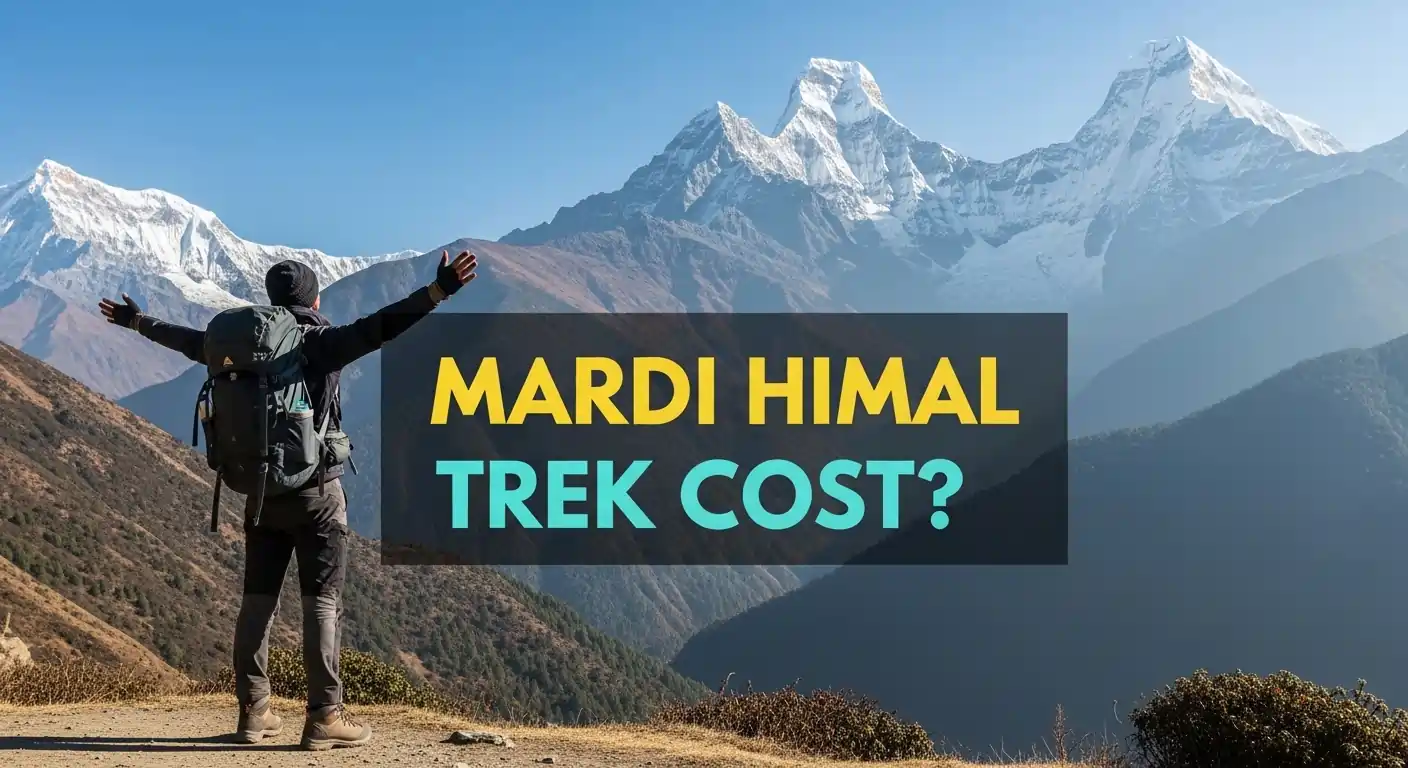
The Mardi Himal Trek cost typically ranges from $300 to $600 for international trekkers and NPR 15,000 to 25,000 for Nepali trekkers. This total includes permits, accommodation, meals, and transportation starting from Pokhara. Because it is a shorter, high-altitude journey, it is widely considered one of the most budget-friendly treks in the Annapurna region. Whether you choose a luxury guided package or a minimalist independent style, understanding the price variables ensures you enjoy the stunning views of Machhapuchhre without any financial surprises.
In this blog, we provide a detailed breakdown of the Mardi Himal Trek cost to help you plan your 2026 adventure. We cover specific expenses for both Nepali and foreign trekkers, including permit fees, teahouse rates, and transportation options from Pokhara. You will also find a comparison between guided and solo trekking costs, along with practical tips to keep your budget under control. By the end of this guide, you will know exactly how much to carry to ensure a comfortable and memorable journey of Mardi Himal Trek.
Introduction to Mardi Himal Trek Cost
The Mardi Himal Trek cost varies significantly based on your nationality, trekking style, and the duration of your journey. Understanding these expenses is essential for planning a smooth trip to the Annapurna region in 2026. This section breaks down the financial landscape of the trek to ensure you are well-prepared for every mile of trekking for beginners in Nepal.
Why Understanding Mardi Himal Trek Cost Is Important
The Mardi Himal Trek has seen a massive surge in popularity due to its stunning ridge views and accessibility from Pokhara. Trekkers search for cost details to avoid “sticker shock” at high-altitude teahouses where prices for food and basic amenities like hot water increase. Having a clear budget allows you to manage your cash flow in remote areas where ATMs are non-existent.
Who This Cost Guide Is For
This guide is a comprehensive resource for Nepali students, international solo trekkers, and budget-conscious travelers. It covers all major expenses, including mandatory permits, transportation from Pokhara, and daily food and lodging rates. Whether you are looking for the cheapest way to reach the base camp or a comfortable guided experience, this breakdown serves your needs.
How Much Is Mardi Himal Trek Cost?
The Mardi Himal Trek cost typically ranges between $350 and $600 for international trekkers and NPR 15,000 to 25,000 for Nepali trekkers for a standard 5-to-7-day journey. This total covers the essentials: permits, basic teahouse accommodation, local meals, and ground transportation from Pokhara. While budget solo trekkers can manage on roughly $250-$300, those opting for all-inclusive guided packages or mid-range comfort can expect to pay closer to the $500-$800 range. Prices vary significantly based on your choice of transport (flight vs. bus), the level of guide/porter support, and the specific season you choose to visit.
Approx Cost for Mardi Himal Trek
The average total trekking cost usually sits at a sweet spot of $450 to $550 for an 8-day itinerary starting and ending in Kathmandu. This price range fluctuates based on your trekking style; for example, an independent trekker might spend only $30-$40 per day on food and lodging, while a “full board” package trekker pays a flat fee that covers everything from airport transfers to a personal porter. If you are a student or a budget backpacker, you can easily cut costs by using local buses and sharing rooms, whereas luxury seekers may spend $800+ for private transport and premium lodges.
Key Factors That Affect Mardi Himal Trek Cost
The most significant cost drivers are the duration of the trek and the specific level of service you require, such as hiring both a guide and a porter.
- Duration & Season: A 5-day “express” trek is naturally cheaper than a 10-day slow-paced journey, but peak seasons (March–May and Oct–Nov) often see a 10-20% price hike in accommodation.
- Service Level: Hiring a professional guide costs $25-$35 per day, and a porter adds another $20–$25, which can double the daily budget for a solo traveler.
- Transportation: A 25-minute flight from Kathmandu to Pokhara costs about $100-$120, while a scenic 7-hour tourist bus ride is only $15-$25.
- Extras: On-trail luxuries like Wi-Fi ($2-$4), hot showers ($2–$5), and electronic charging ($1-$3 per hour) are small daily fees that add up by the time you reach Base Camp.
Mardi Himal Trek Cost for Nepali Trekkers
For Nepali trekkers, the Mardi Himal Trek is one of the most affordable high-altitude adventures, typically costing between NPR 15,000 and NPR 25,000. Since Nepali citizens do not need expensive international permits and benefit from lower “local” rates at teahouses, the financial barrier is quite low. The total cost mainly depends on your group size, food consumption, and whether you start your journey from Pokhara or Kathmandu. This budget-friendly nature makes it the go-to destination for Nepali students and young professionals seeking a quick Himalayan escape.
Mardi Himal Trek Cost for Nepali
The typical budget for a Nepali trekker covers transportation, basic ACAP permits, and daily expenses for food and lodging. Currently, the Annapurna Conservation Area Project (ACAP) permit for Nepalis is only NPR 100, which is significantly cheaper than the rates for foreigners. You can expect to spend approximately NPR 2,500 to NPR 3,500 per day on the trail, which includes three meals and a shared room in a teahouse. These costs are relatively stable, but prices for dal bhat and hot water tend to increase as you reach higher camps like Low Camp and High Camp.
Approx Cost for Mardi Himal Trek for Nepali
A low-budget, independent trek for a Nepali student can often be completed for as little as NPR 12,000 to NPR 15,000 by using public buses and sharing rooms. For those seeking a more comfortable experience with private transport from Pokhara and better meals, the cost usually ranges from NPR 20,000 to NPR 30,000.
- Travel in Groups: Sharing a room and split-billing transportation can save you up to 20% on your total expenses.
- Carry Snacks: Bringing your own dry fruits, chocolates, and tea bags can significantly reduce your daily “extra” food costs.
- Use Public Transport: Taking a local bus from Pokhara to Kande or Landruk is much cheaper than hiring a private jeep.
- Refill Water: Carry a reusable bottle and water purification tablets to avoid paying NPR 200-300 for bottled water at high altitudes.
Mardi Himal Trek Cost for Foreign Trekkers
For foreign trekkers, the Mardi Himal Trek cost generally ranges from $400 to $800, depending on the level of service and whether you book a full-board package. This higher price point compared to local trekkers is primarily due to mandatory international permit fees and standard rates for high-altitude logistics. Most travelers find that starting the trek from Pokhara is the most cost-effective method, as it reduces the need for long-distance private transportation. Whether you are a solo backpacker or part of an organized group, budgeting correctly for 2026 ensures you can access all the necessary permits and support services without issue during your adventure trekking in Nepal.
Average Mardi Himal Trek Cost from Pokhara
Starting your trek from Pokhara is the most popular choice and typically costs around $350 to $500 for a standard 5-day itinerary. Transportation from Pokhara Lakeside to the trailheads at Kande or Phedi is affordable, with shared jeeps costing about $5-$10 and private vehicles ranging from $25-$40. For international tourists, the mandatory permit fees include the Annapurna Conservation Area Project (ACAP) permit at NPR 3,000 ($25) and the TIMS card at NPR 2,000 ($17). These combined fees, along with daily meal and lodging expenses of roughly $30-$40, form the core of your trekking budget when departing from Pokhara.
Cost Difference Between Nepali and Foreign Trekkers
The price gap between Nepali and foreign trekkers is largely driven by permit fees and standardized pricing for international tourist services. While a Nepali trekker pays only NPR 100 for an ACAP permit, a foreign national is charged NPR 3,000, and SAARC nationals pay NPR 1,000. Additionally, many teahouses and agencies offer “local” rates for food and lodging to Nepalis, whereas foreigners are subject to a fixed menu price designed for international travelers. This pricing transparency is regulated by the local tourism boards to ensure that funds from international permits go directly toward maintaining the trails and supporting conservation efforts within the Annapurna region.
Mardi Himal Trek Cost Breakdown
The total cost of the Mardi Himal Trek is built on four main pillars: permits, food and lodging, transportation, and professional support. While individual costs like a single meal may seem small, these expenses accumulate over the 5-to-7-day journey. In 2026, budgeting with a detailed breakdown allows you to choose between a minimalist independent approach or a fully-supported guided experience without hidden financial surprises. Understanding these specific price points ensures you carry enough cash for high-altitude services where digital payments are often unavailable.
| Category | Item | Foreigner Cost (USD) | SAARC / Indian Cost (INR) | Nepali Cost (NPR) |
| Permits | ACAP + TIMS Card | $42 – $50 | ₹1,600 – ₹2,000 | NPR 100 – 200 |
| Transport | Pokhara to Kande (Private Jeep) | $25 – $40 | ₹1,500 – ₹3,000 | NPR 2,500 – 4,000 |
| Transport | Pokhara to Kande (Shared/Bus) | $2 – $5 | ₹200 – ₹500 | NPR 300 – 500 |
| Lodging | Teahouse Room (Per Night) | $5 – $10 | ₹400 – ₹800 | NPR 600 – 1,000 |
| Meals | 3 Meals per Day | $20 – $30 | ₹1,500 – ₹2,500 | NPR 2,000 – 3,500 |
| Staff | Licensed Guide (Per Day) | $25 – $35 | ₹1,800 – ₹2,500 | NPR 3,000 – 4,500 |
| Staff | Porter (Per Day) | $18 – $25 | ₹1,200 – ₹1,800 | NPR 2,000 – 3,000 |
| Extras | WiFi, Hot Shower, Charging | $5 – $10 | ₹300 – ₹800 | NPR 500 – 1,000 |
Mardi Himal Trek Cost with Guide vs Without Guide
Choosing between a guided or independent trek is one of the biggest factors that will determine your final Mardi Himal Trek cost. While hiring a professional guide adds a significant layer of safety and local insight, many experienced travelers still prefer the autonomy of managing their own logistics. In 2026, many trekkers find that the extra expense of a guide is a worthwhile investment to ensure a seamless experience through the ridge-line trails. Deciding which path to take depends on your previous experience, your comfort level with navigation, and whether you are prepared for the unique challenges of solo trekking in Nepal.
Cost Comparison Explained
Trekking independently can save you roughly $25 to $35 per day, as you only pay for your own food, lodging, and transport. In contrast, a guided package often costs more upfront but covers the guide’s salary, insurance, meals, and accommodation, which simplifies your daily logistics. While the solo route is cheaper, guided trekkers often benefit from pre-booked rooms in the crowded high camps, potentially saving you from paying “premium” last-minute rates.
When Hiring a Guide Is Worth the Cost
Hiring a guide is highly recommended if you are a first-time trekker or traveling during the shoulder seasons when weather and trail conditions can change rapidly. They provide essential navigation skills on the forested sections of the trail and can offer deep cultural insights into the local communities you pass through. Furthermore, having a guide ensures you have immediate support and a clear communication channel for evacuations if you encounter signs of altitude sickness near the Base Camp.
Cheapest Way to Do Mardi Himal Trek
The cheapest way to complete the Mardi Himal Trek is to travel independently during the shoulder seasons and utilize public transportation from Pokhara. By managing your own logistics and opting for local “dal bhat” meals, you can significantly reduce your daily expenses compared to pre-booked luxury packages. In 2026, savvy budget trekkers can keep their total costs remarkably low by focusing on shared resources and avoiding high-markup services in the mountain camps.
Budget Trekking Tips
To drastically lower your expenses, prioritize staying in basic teahouses and eating local dishes, as many lodges offer free or discounted lodging if you consume your dinner and breakfast there. Travelling in a small group allows you to split the costs of private transportation and potentially negotiate better rates for multi-person rooms. Additionally, carrying your own reusable water bottle with purification tablets and stocking up on high-energy snacks in Pokhara will save you from paying the 300% markup on bottled water and chocolate bars at high-altitude camps.
Mistakes That Increase Trek Cost
One of the most common financial mistakes is poor planning, such as arriving at the trailhead without pre-arranged permits, which can result in paying double at remote checkposts. Relying on last-minute gear rentals in the mountains rather than sourcing them from Pokhara or Kathmandu also leads to unnecessary daily fees and often inferior equipment. Furthermore, failing to bring a power bank often forces you to pay hourly rates for electronic charging at high camps, an expense that can easily be avoided with simple preparation.
Best Time to Trek Mardi Himal and Cost Impact
The time of year you choose to trek has a direct impact on the Mardi Himal Trek cost, with peak seasons typically being 25-40% more expensive than the off-season. While the core permit fees remain the same, the prices for teahouse accommodation and even domestic flights can fluctuate based on demand. In 2026, savvy trekkers can choose between the “perfect” weather of the peak months or the significant cost savings available during the quieter shoulder seasons. Understanding these cycles allows you to match your financial budget with your expectations for mountain views and trail comfort during the best season for trekking in Nepal.
Peak Season vs Off-Season Costs
During the peak seasons of Spring (March-May) and Autumn (September-November), you should expect to pay a premium for accommodation and transport due to the high volume of trekkers. Teahouse rooms that might cost $5 in the off-season often rise to $10 or more, and securing a bed in popular spots like High Camp can become difficult without a pre-paid guide or booking. Additionally, domestic flights from Kathmandu to Pokhara are at their most expensive during these months, and the “bargaining power” for independent trekkers is significantly reduced because of the high demand.
When Mardi Himal Trek Is Most Affordable
The most affordable months for the Mardi Himal Trek are during the winter (December-February) and the monsoon (June-August) when teahouses often offer discounted rates or even free lodging if you buy your meals there. While the weather is more unpredictable-featuring potential snow in winter or rain and leeches in summer-the trails are incredibly peaceful and devoid of the usual crowds. For budget-conscious trekkers, these off-peak periods offer the best value for money, provided you are equipped with high-quality waterproof gear or cold-weather essentials to handle the environmental trade-offs.
Is Mardi Himal Trek Worth the Cost?
The Mardi Himal Trek offers exceptional value for money, providing world-class Himalayan vistas for a fraction of the cost of longer expeditions. For the relatively small investment in permits and local logistics, you gain front-row access to the iconic Machhapuchhre and the massive Annapurna range. In 2026, it remains one of the highest-rated short treks in Nepal due to this perfect balance between low financial commitment and high scenic reward.
Value for Money Analysis
When analyzing the value for money, the Mardi Himal Trek stands out because it delivers ridge-line views typically reserved for much more expensive, high-altitude treks. Compared to the Ghorepani Poon Hill trek, Mardi offers a more “alpine” experience with closer mountain proximity for a nearly identical price point. The total expense is significantly lower than the Everest region because you avoid costly mountain flights and high-priced food transportation. Ultimately, the cost-per-view ratio is among the best in the world, making every rupee spent feel like a wise investment in your travel memories.
Who Gets the Best Value from Mardi Himal Trek
Beginners and first-time trekkers get the best value as the manageable terrain and low cost provide a low-risk introduction to the Himalayas. Nepali trekkers and local students benefit the most from the “local” pricing and proximity to Pokhara, allowing for a full Himalayan adventure on a weekend budget. Short-time travelers also gain immense value, as they can experience base-camp-level views in just 5 days without the heavy financial or time commitment of a 2-week trek. Because it serves so many different types of travelers so effectively, the trek consistently ranks as a top-value destination in Nepal.
Conclusion
The Mardi Himal Trek stands out as one of the most cost-effective and high-reward adventures in the Annapurna region for 2026. Whether you are a Nepali student on a tight budget or an international traveler seeking a guided experience, the trek offers a flexible financial range that fits almost any pocket. By prioritizing smart planning, choosing the right season, and understanding the local pricing for permits and teahouses, you can enjoy a world-class Himalayan journey without overspending.
Ultimately, the value of the Mardi Himal Trek far exceeds its monetary cost, offering life-changing ridge-line views and authentic cultural encounters. Investing in proper gear and potentially a local guide ensures that your trip is not only affordable but also safe and deeply enriching. As long as you carry enough cash for high-altitude essentials and follow a well-structured itinerary, your journey to the base of Machhapuchhre will be a seamless success.
Ready to see the “Fishtail” mountain up close without breaking the bank? Contact the best trekking and expedition company in Nepal today to customize your 2026 Mardi Himal itinerary and get the best value for your trek!
FAQS
What is the cost for Mardi Himal Trek for Nepali?
The cost for Nepali trekkers usually ranges from NPR 15,000 to 25,000 for a standard 5-day journey.
Can Mardi Himal Trek be done under a tight budget?
Yes, by using public buses, sharing rooms, and trekking independently, you can significantly minimize your total expenses.
How much should I carry per day for Mardi Himal Trek?
It is wise to carry roughly $30-$40 (NPR 4,000-5,000) per day to cover all meals, lodging, and extras.
Do I need to pay for a TIMS card in 2026?
Yes, international trekkers must obtain a TIMS card and an ACAP permit before starting the trek from Pokhara.
Is food expensive at Mardi Himal High Camp?
Prices increase with altitude, so expect to pay more for Dal Bhat and hot water at High Camp.
How much does a guide cost per day?
A professional, licensed trekking guide typically charges between $25 and $35 per day, including their own expenses.
Are there ATMs on the Mardi Himal trail?
No, there are no ATMs on the trail, so you must carry enough cash from Pokhara or Kathmandu.
Is there a cost for charging phones and Wi-Fi?
Most high-altitude teahouses charge a small fee ranging from NPR 200 to 500 for Wi-Fi and battery charging.

Ready for your next Himalayan adventure?
Plan Your Next Big Adventure with Us
Explore Our AdventuresJoin our expert-guided journeys across Nepal and beyond, from classic trails to epic summits.