
Complete Guide to Ama Yangri Trek 2026
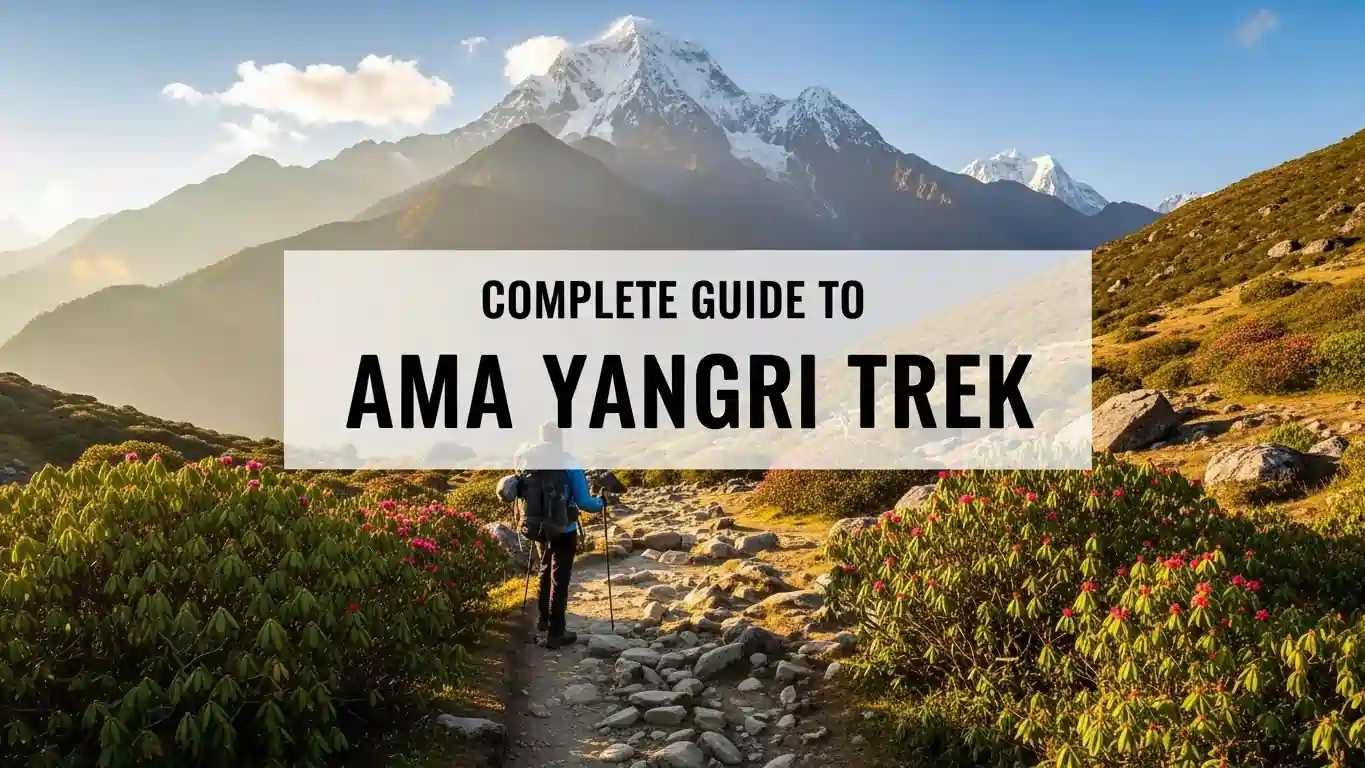
Have you ever wondered why trekkers flock to Ama Yangri despite its remote location and challenging terrain? Many adventure seekers struggle to find a short Himalayan trek that offers panoramic views, cultural immersion, and manageable altitude. Ama Yangri trek promises all this, but understanding the route, difficulty, and preparation is crucial before setting out.
In this blog, Ama Yangri trek serves as a complete guide covering everything from trekking routes, best time to visit, itinerary, altitude, accommodation, permits, packing tips, and safety measures. Whether you are a weekend trekker or a high-altitude enthusiast, this guide will help us plan, prepare, and enjoy a memorable Ama Yangri adventure.
What Is Ama Yangri Trek?
Ama Yangri trek is a short Himalayan trek in Helambu region that leads trekkers to Ama Yangri Peak, a sacred mountain revered by local Buddhist communities. This trek blends spiritual value, mountain scenery, and cultural depth within a manageable timeframe, making it ideal for trekkers seeking meaning beyond physical challenge.
Ama Yangri Peak holds strong cultural significance for Sherpa and Hyolmo communities. Locals believe the mountain acts as a spiritual guardian, offering protection and blessings to nearby villages. Prayer flags, chortens, and monasteries along trails reflect this deep-rooted belief. Trekking here feels like walking through a living monastery, where mountains serve as symbols of faith rather than conquest.
Ama Yangri trek height reaches around 3,771 meters, high enough to deliver wide Himalayan views without extreme altitude stress. From the summit, clear days reveal Langtang range, Dorje Lakpa, Shishapangma, and surrounding snow peaks. These views feel like opening a window to the Himalayas, sudden, wide, and humbling, making Ama Yangri a perfect choice for trekking for beginners in Nepal despite its short duration.
Where Is Ama Yangri Located?
Ama Yangri is located in Helambu region of Sindhupalchok district, north of Kathmandu Valley, close to Langtang Himal range. This location places Ama Yangri trek within easy reach of capital while still offering a remote mountain atmosphere. Helambu villages, forest trails, and ridge walks define surroundings. Short travel distance makes Ama Yangri trek ideal for limited-time trekkers seeking Himalayan views without long logistics.
Ama Yangri trek location in Helambu region
Ama Yangri trek starts roughly 70–75 kilometers from Kathmandu, depending on road conditions and route choice. Travel usually involves a drive to Melamchi or Tarkeghyang area. Road access remains improving but includes rough sections. Nearby villages like Tarkeghyang, Sermathang, and Kakani showcase Hyolmo culture, stone houses, and monasteries. These settlements provide lodging, food, and cultural interaction during trek.
Ama Yangri trek map and trail overview
Ama Yangri trek route typically begins from Tarkeghyang or Melamchi side and ends at same or nearby village. Trail climbs gradually through forests, alpine meadows, and ridgelines. Key villages along route include Tarkeghyang, Ama Yangri base area, and surrounding hamlets. Trek paths remain well-defined but less crowded than popular routes. Navigation stays simple with guide support or offline maps, making route suitable for short Himalayan adventures.
Ama Yangri Trek Itinerary Overview
Ama Yangri trek itinerary remains short, flexible, and suitable for trekkers with limited time. Most itineraries span 2-3 days, allowing gradual ascent, cultural exploration, and summit views without rushed pacing. Short duration reduces altitude stress while still delivering Himalayan scenery. Trek planners can adjust days based on fitness level, weather, and village stops. This flexibility makes Ama Yangri trek a popular introduction to adventure trekking in Nepal for weekend trekkers and first-time Himalayan hikers.
Typical 2-3 days Ama Yangri trek itinerary
A standard itinerary starts with a drive from Kathmandu to Tarkeghyang or Melamchi area on day one, followed by a short acclimatization walk. Day two involves an early ascent to Ama Yangri Peak, offering sunrise mountain views, then a descent to village lodges. Day three covers return trekking and drive back to Kathmandu. Overnight stops usually occur at Tarkeghyang or nearby lodges, providing warm meals and basic comfort. Daily walking hours remain manageable, averaging 4-6 hours.
Short hike vs extended Ama Yangri trek options
Ama Yangri trek works well as a weekend hike, especially for trekkers seeking quick Himalayan exposure. Short versions focus on summit views and return quickly. Extended options combine Ama Yangri with Helambu trek, adding villages like Sermathang and Kakani. This extension increases cultural depth, walking distance, and scenic variety. Longer itineraries suit trekkers wanting slower pacing and deeper exploration without extreme altitude gain.
Ama Yangri Trek Distance, Elevation & Difficulty
Ama Yangri trek offers moderate distance, steady elevation gain, and manageable difficulty. This combination suits trekkers seeking Himalayan views without long endurance demands. Trails climb gradually through forests and ridges rather than steep technical sections. Proper pacing and hydration keep experience comfortable. Overall profile balances effort and reward, making Ama Yangri trek accessible yet satisfying.
Ama Yangri trek distance and elevation gain
Total trekking distance ranges between 12–16 kilometers, depending on starting village and route choice. Elevation gain increases steadily rather than sharply, reducing strain on knees and lungs. Ama Yangri peak altitude reaches around 3,771 meters, high enough for wide mountain views. Most trekkers gain altitude over two days, which supports natural acclimatization. Short walking hours allow frequent breaks and photo stops.
Is Ama Yangri trek difficult?
No, Ama Yangri trek is not difficult for trekkers with basic fitness and regular walking experience. Trail gradients remain gradual, with no technical climbing or exposed sections. Altitude gain stays moderate, allowing the body to adjust naturally. Short daily walking hours reduce fatigue and injury risk. Beginners, families, and weekend trekkers can complete this trek comfortably with proper pacing, hydration, and weather awareness.
Discover the Beauty of Ama Yangri Trek
Contact Marvel Treks for expert trekking assistance or explore the complete Ama Yangri Trek itinerary and experience.
Best Time to Do Ama Yangri Trek
Ama Yangri trek remains accessible most of the year, but weather conditions strongly affect experience. Clear skies, stable temperatures, and safe trails define the best time to trek in Nepal, particularly during the peak months of spring and autumn. Choosing the right months improves visibility, comfort, and safety, as the post-monsoon air in October and November offers the crispest Himalayan views. Seasonal planning also helps avoid slippery trails and blocked roads commonly found during the rainy season. Most trekkers prefer these predictable weather windows to ensure they witness the stunning sunrise from the summit.
Ama Yangri trek in spring and autumn
Spring and autumn offer the best weather conditions for Ama Yangri trek. Spring months bring blooming forests, mild temperatures, and long daylight hours. Autumn provides dry air, crisp mornings, and sharp mountain visibility. The best months for clear Himalayan views fall between March–May and September–November. Trails remain dry, lodges stay open, and road access stays reliable. These seasons support smooth trekking without weather-related delays.
Can Ama Yangri trek be done in winter or monsoon?
Yes, Ama Yangri trek can be done in winter or monsoon, but conditions become more challenging. Winter brings cold temperatures, possible snow, and icy trails near summit ridges. Monsoon season causes slippery paths, leeches, and reduced visibility due to clouds. Safety requires careful timing, weather checks, and proper gear. Trekking during these seasons suits experienced hikers rather than first-time trekkers.
Ama Yangri Trek Route Explained
Ama Yangri trek route stays simple, scenic, and culturally rich. Trails pass through Helambu villages, forest ridges, and open viewpoints rather than technical terrain. Route choice depends on road access, available time, and trekking pace. Most routes reconnect at Tarkeghyang, making planning flexible. Clear paths and village support keep navigation straightforward.
Common trekking routes to Ama Yangri
The Melamchi–Tarkeghyang route remains the most popular approach for Ama Yangri trek. Trekkers drive from Kathmandu to the Melamchi area, then continue toward Tarkeghyang village. From Tarkeghyang, trail ascends steadily to Ama Yangri base and summit. This route offers good lodging, food availability, and cultural exposure.
Alternative trail options include starting from Sermathang or Kakani villages, depending on road conditions. These paths add forest sections and quieter walking days. Some trekkers combine routes to form a loop, reducing backtracking. All routes stay non-technical and well-used by local communities.
Highlights along the Ama Yangri trekking trail
- Dense rhododendron and pine forests during lower ascents
- Traditional Hyolmo villages with stone houses and prayer flags
- Ancient Buddhist monasteries and chortens along ridges
- Open viewpoints overlooking Langtang and Dorje Lakpa ranges
- Peaceful alpine meadows near Ama Yangri base
- Wide sunrise views with golden Himalayan light
- Calm sunset moments reflecting over layered mountain ridgelines
Cost of Ama Yangri Trek
The cost of Ama Yangri trek is relatively affordable compared to longer Himalayan treks. Expenses mainly depend on transportation choice, trekking style, and whether you hire a guide or porter. Since it is a short trek near Kathmandu, overall costs stay low. Both budget and guided options are suitable for beginners.
Average Ama Yangri trek cost breakdown
Transportation from Kathmandu to Melamchi or Sermathang usually costs less than remote trekking regions. Local buses are cheaper, while private jeeps cost more but save time. Food and accommodation in tea houses are basic yet affordable, covering meals like dal bhat, noodles, and soups. Expect simple rooms with shared facilities.
Hiring a licensed trekking guide adds safety and cultural insight to the trek. Guide charges are moderate due to the short duration. Porter costs are optional but helpful if you prefer lighter walking. Prices vary by season and group size but remain reasonable.
Budget vs guided Ama Yangri trek
Budget trekkers who walk independently spend mainly on transport, meals, and lodging. This option suits experienced hikers comfortable with route navigation. Costs stay minimal, making Ama Yangri trek ideal for low-budget travelers. Proper planning is essential.
Guided trekking offers route clarity, safety support, and local knowledge. Guides manage logistics, accommodations, and pace, reducing stress. It is especially beneficial for first-time trekkers or those trekking in winter. The slightly higher cost brings comfort and confidence.
Accommodation and Food on Ama Yangri Trek
Accommodation along Ama Yangri trek is simple, cozy, and sufficient for short stays. Most lodges and teahouses provide warm rooms, basic bedding, and shared bathrooms. Staying in villages like Tarkeghyang and near Ama Yangri base ensures access to meals and shelter. Facilities focus on comfort rather than luxury, keeping the trekking experience authentic and affordable.
Lodges and teahouses along the route
Tea houses and lodges along Ama Yangri trek are widely available in key villages. Rooms typically include simple beds, blankets, and small seating areas. Some lodges have heating, especially in colder months. Facilities remain basic but clean, with shared toilets and running water. Lodges provide spaces for resting, charging devices, and meeting fellow trekkers. Night stays usually require prior reservation in peak seasons.
Food options during Ama Yangri trek
Food options along the trail include local Nepali meals like dal bhat, noodles, momos, and soups. Tea, coffee, and local beverages are also available. Vegetarian options are common in most lodges, catering to diverse dietary preferences. Meals are cooked fresh, often with local ingredients, giving trekkers a taste of regional cuisine. Eating stops are spaced conveniently along villages for energy replenishment.
Permits Required for Ama Yangri Trek
Yes, trekkers need TIMS (Trekkers’ Information Management System) card and local Helambu region permits to do Ama Yangri trek. These ensure trekking safety, allow local authorities to monitor visitors, and support regional conservation efforts. Costs remain minimal, making permits easy to obtain. Carrying valid ID and permit documentation is mandatory.
Trekking permits and entry requirements
Trekkers must obtain TIMS card at Kathmandu or through authorized trekking agencies. Local Helambu permits are also required for entering villages and trails in the region. Permit costs are reasonable, usually ranging from $10–$20 for TIMS and a small local fee for Helambu. Guides or agencies often assist with paperwork, reducing hassle. Carrying permits during trekking is mandatory for checkpoints and police verification.
Do you need a guide for Ama Yangri trek?
A guide is not mandatory but highly recommended for safety, navigation, and cultural insight. Guides help with trail directions, local language, and emergency situations. They can also arrange accommodations, meals, and transport. For first-time trekkers or winter hikes, a guide ensures smoother experience, reduces stress, and increases safety. Guides also enhance cultural understanding of Ama Yangri and Helambu villages.
Packing List for Ama Yangri Trek
Packing for Ama Yangri trek requires a balance of warmth, comfort, and lightness. Weather can change quickly, so layered clothing and durable trekking gear are essential. Proper preparation through effective packing for trekking in Nepal ensures a safe, enjoyable, and hassle-free trek, even on shorter routes.
Essential clothing and gear
Trekking shoes with good grip are a must for uneven trails. Layered clothing helps adjust to changing temperatures, while rain jackets and windproof jackets protect against sudden weather. A backpack with a hydration system, hat, gloves, and sunglasses completes essential gear. Carrying lightweight but functional items ensures mobility and comfort on the trail.
Optional items for comfort and safety
Trekking poles reduce strain on knees during ascents and descents. A small first aid kit addresses minor injuries or altitude-related discomfort. Power banks keep devices charged for navigation and communication. Optional items like camera, trekking gaiters, and reusable water bottles enhance convenience and trekking experience.
How to Reach Ama Yangri Trek Starting Point?
You can reach Ama Yangri trek starting point by driving from Kathmandu to Melamchi or Tarkeghyang, which takes around 4–6 hours depending on road conditions. Private vehicles, tourist buses, or hired jeeps are common options. Roads are partially paved but include rough sections, so travel can be slow during monsoon or winter.
From Melamchi or Tarkeghyang, trekkers begin walking along well-marked trails toward Ama Yangri base. Villages along the way offer opportunities for short breaks, meals, and acclimatization. Most itineraries start early in the morning to maximize daylight hours and ensure safe arrival at the first overnight stop. Choosing a reliable vehicle and checking weather conditions beforehand helps avoid delays and makes the journey smoother.
Why Choose Ama Yangri Trek Over Other Short Treks?
Ama Yangri trek stands out because it combines stunning Himalayan views, rich cultural experiences, and manageable distance, unlike Shivapuri, Nagarkot, or standard Helambu treks. Trails remain less crowded, offering peaceful walks through forests, ridges, and remote villages. Trekkers enjoy interaction with Hyolmo and Sherpa communities, monasteries, and prayer flags along the route. The trek balances adventure, scenic vistas, and cultural immersion, making it ideal for weekend hikers, first-time trekkers, or anyone seeking a short but rewarding Himalayan experience.
Which Is the Best Trekking and Expedition Company for Ama Yangri Trek?
The best trekking and expedition company for Ama Yangri trek is Marvel Treks because they provide experienced guides, well-planned itineraries, and reliable logistical support. Marvel Treks ensures safety, comfortable lodging, and cultural insights along the trail. Their team handles permits, transport, and local coordination, making the trek hassle-free. With strong knowledge of Helambu and Ama Yangri routes, they deliver a smooth, enriching trekking experience for beginners and seasoned hikers alike.
Safety Tips and Responsible Trekking
Safety on Ama Yangri trek relies on awareness, preparation, and respect for surroundings. Monitor altitude changes, stay hydrated, and pace trekking to avoid altitude sickness. Dress appropriately for sudden weather shifts and carry essential gear like a first aid kit. Respect local culture by following village etiquette, minimizing waste, and avoiding damage to prayer flags or religious sites. Responsible trekking ensures personal safety while preserving the environment and cultural integrity for future visitors.
Final Thoughts on Ama Yangri Trek
Ama Yangri trek offers a perfect blend of Himalayan scenery, cultural immersion, and manageable trekking distance. Its moderate altitude, peaceful trails, and remote villages make it ideal for weekend trekkers, beginners, and adventure enthusiasts seeking a short but rewarding Himalayan experience. The trek allows stunning views of peaks like Langtang and Dorje Lakpa while passing through monasteries, prayer flags, and Hyolmo villages.
With proper preparation, permits, and guidance from a trusted company like Marvel Treks, Ama Yangri trek becomes safe, enjoyable, and memorable. Whether seeking natural beauty, spiritual connection, or cultural exploration, this trek provides a fulfilling Himalayan adventure for all.
FAQs
Can beginners do Ama Yangri trek?
Yes, Ama Yangri trek is beginner-friendly. Basic fitness and light trekking experience are enough to complete it comfortably.
What is the altitude of Ama Yangri peak?
Ama Yangri reaches about 3,771 meters. It provides Himalayan views without extreme altitude stress for trekkers.
How long is Ama Yangri trek?
The trek typically spans 2–3 days. Total walking distance ranges between 12–16 kilometers depending on the route.
What is the best time to do Ama Yangri trek?
Spring (March–May) and autumn (September–November) offer clear skies, mild weather, and safe trekking conditions.
Do I need a guide for Ama Yangri trek?
A guide is not mandatory but recommended. Guides provide safety, navigation support, and cultural insights along the trail.
How to reach Ama Yangri trek starting point?
Drive from Kathmandu to Melamchi or Tarkeghyang, then begin trekking along well-marked trails through villages.
Are there lodges and food along the route?
Yes, tea houses provide basic lodging and local meals. Vegetarian options are widely available in key villages.
What permits are required for Ama Yangri trek?
Trekkers need a TIMS card and local Helambu permit. These ensure safety and legal access along the route.

Ready for your next Himalayan adventure?
Plan Your Next Big Adventure with Us
Explore Our AdventuresJoin our expert-guided journeys across Nepal and beyond, from classic trails to epic summits.