
What are the Best 5 Days Trekking in Nepal?
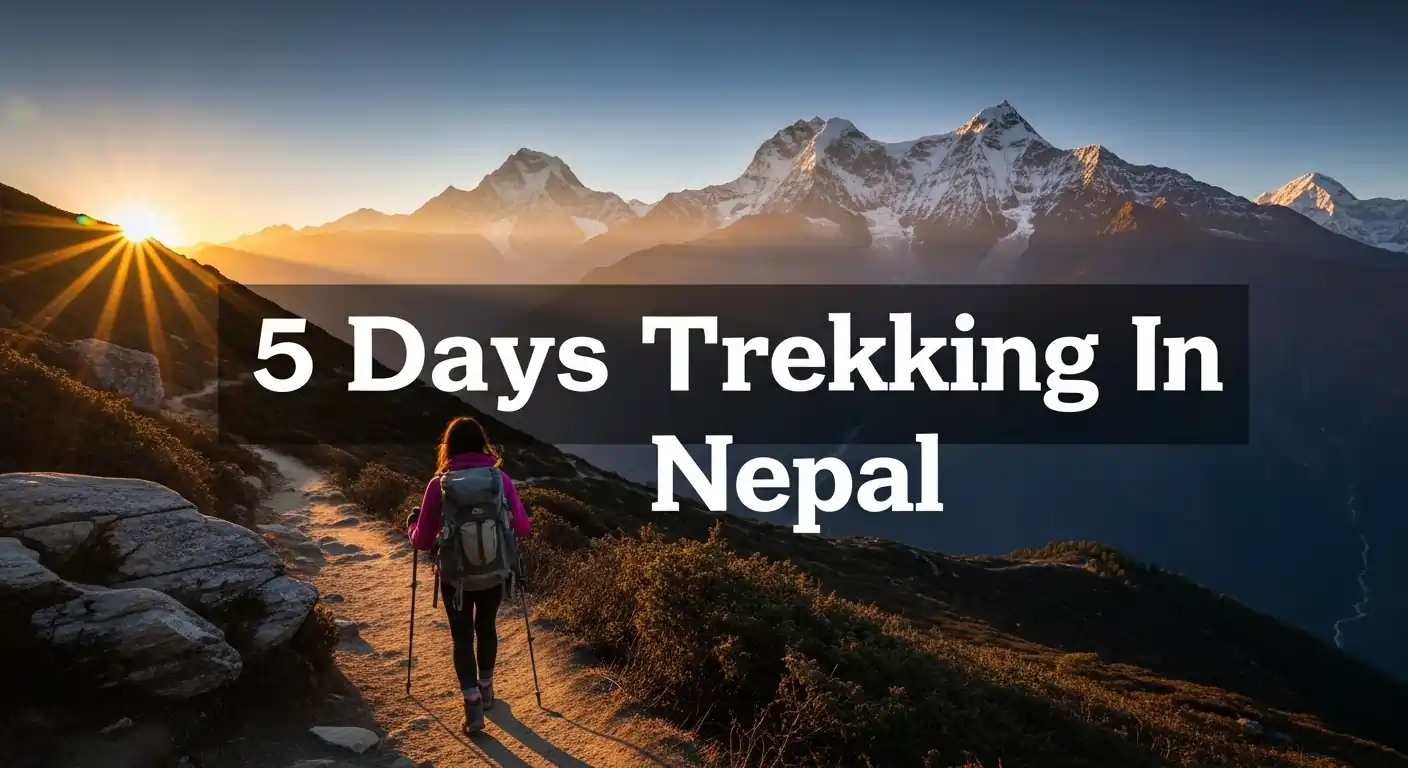
Do you have a burning desire to see the Himalayas but only have a single week of vacation time? You might think that reaching the world’s most iconic peaks requires a month-long expedition, but Nepal’s diverse geography allows for some of the most spectacular short-range adventures on the planet. From the golden sunrise over the Annapurna massif to the hidden “Sky Caves” of the Langtang region, you can experience true Himalayan magic in a fraction of the time it takes to reach Everest Base Camp.
In this blog, we will explore the best options for 5 days trekking in Nepal and help you choose the route that fits your fitness level and scenery preferences. We will break down the top four short-duration treks, Poon Hill, Mardi Himal, Everest View, and Langtang, so you can maximize every hour of your limited mountain time. Whether you’re a solo traveler, a family with children, or a busy professional, these 5-day gems prove that you don’t need weeks to touch the sky, and they serve as the perfect introduction to trekking in Nepal for beginners.
Why Choose 5 Days Trekking in Nepal?
Choosing 5 days trekking in Nepal is the most efficient way to witness the majesty of the Himalayas without committing to a multi-week expedition or risking severe altitude sickness. These “bite-sized” adventures allow you to stand face-to-face with 8,000-meter peaks while remaining within a manageable travel window for busy professionals and families.
- Time Efficiency: Perfect for travelers who only have a week in Nepal but still want a genuine mountain experience.
- Spectacular Views: Routes like Poon Hill and Mardi Himal offer world-class panoramas of the Annapurna and Dhaulagiri ranges in just a few days of walking.
- Cultural Immersion: Spend your nights in traditional Gurung or Sherpa villages, experiencing authentic mountain hospitality and local cuisine.
- Lower Altitude Risk: Most 5-day routes stay below the 4,000m “safety threshold,” making them physically accessible for a wider range of ages and fitness levels.
- Cost-Effective: Shorter durations mean lower costs for permits, guides, and accommodation, providing a high-value Himalayan experience.
- Accessible Trailheads: These treks typically start near major hubs like Pokhara or Kathmandu, significantly reducing long and exhausting transit times.
What Are the Best 5 Days Trekking in Nepal?
The best 5 days trekking in Nepal include the Ghorepani Poon Hill trek for world-class sunrises, the Mardi Himal trek for high-ridge adventure, and the Pikey Peak trek for the ultimate view of Mount Everest. These routes are specifically curated to offer maximum Himalayan scenery and cultural immersion within a short, manageable timeframe, making them ideal for travelers with limited schedules.
Ghorepani Poon Hill Trek
The Ghorepani Poon Hill trek is a classic 5-day journey in the Annapurna region, legendary for its sunrise panorama over the Dhaulagiri and Annapurna massifs. This moderate-difficulty route leads you through dense rhododendron forests and charming Gurung villages like Ghandruk, offering a comfortable teahouse experience. Standing at 3,210m on Poon Hill as the first light hits the 8,000m peaks is arguably the most iconic short-trek moment in all of Nepal.
Mardi Himal Trek
For those seeking a quieter, “off-the-beaten-path” experience, the Mardi Himal trek provides a stunning 5-day ridge walk with up-close views of the sacred Machhapuchhre (Fishtail Mountain). This trail stays high on a dramatic ridgeline, offering a more rugged and intimate connection with the Annapurna South and Hiunchuli peaks compared to the busier Poon Hill route. It is the perfect choice for trekkers who want to reach a higher altitude (up to 4,500m) and experience a “wilder” side of the Himalayas in a short duration.
Langtang Valley Short Trek
The Langtang Valley trek is the best 5-day option for travelers starting from Kathmandu who want to witness massive glaciers and deep Tamang culture. This trek takes you into a beautiful u-shaped valley surrounded by the Langtang Lirung range, offering a mix of high-alpine scenery and resilient local hospitality. It provides a surprisingly remote mountain atmosphere just a day’s drive from the capital, making it a highly efficient way to see high peaks and sacred monasteries.
Helambu Trek
The Helambu trek is an easy and highly accessible 5-day route located in the Yolmo region, offering a rich cultural experience without the need for long, exhausting drives. This trek is famous for its green valleys, ancient Buddhist monasteries, and the warm hospitality of the Hyolmo people who inhabit the high ridges north of Kathmandu. Because it maintains a relatively lower average altitude, it is an excellent choice for families or those looking for a scenic, low-stress introduction to Nepalese trekking.
Pikey Peak Trek
Pikey Peak trek is widely considered one of the best short treks in the Everest region, famously described by Sir Edmund Hillary as his favorite viewpoint for Mount Everest. In just 5 days, you can reach the 4,065m summit to witness a sunrise that spans from Kanchanjunga in the east to Dhaulagiri in the west. This trek offers a peaceful alternative to the crowded Lukla routes, providing a deep look into the lower Solu region’s Sherpa culture and pristine landscapes.
How Difficult Are 5 Days Trekking in Nepal?
Most 5 days trekking in Nepal routes are classified as easy to moderate, making them physically accessible to anyone with a basic level of fitness and a sense of adventure. Unlike the grueling 20-day expeditions to high-altitude base camps, these shorter trips feature well-maintained trails, lower daily elevation gains, and shorter walking hours. This manageable difficulty level allows you to focus on the spectacular Himalayan scenery and local culture rather than just physical survival.
Difficulty Level of Short Treks
Short treks like Poon Hill or the Ghandruk loop are specifically designed for beginners and families, offering a gentle introduction to the Himalayan “staircase” terrain. While you will still encounter steep stone steps and uphill sections, the total daily vertical gain is kept to a minimum to ensure you don’t overexert yourself. These routes are the perfect “testing ground” for new hikers to break in their boots and experience the teahouse lifestyle without the intimidation of technical mountain passes.
Altitude Considerations
One of the biggest advantages of 5-day treks is that they typically stay below the 3,500m to 4,000m mark, significantly reducing the risk of Acute Mountain Sickness (AMS). While you may feel the air getting slightly thinner at a viewpoint like Poon Hill (3,210m), you aren’t spending multiple nights at extreme altitudes where oxygen levels are critically low. This makes these treks a much safer and more comfortable option for those who are unsure how their bodies will react to the thinning Himalayan air.
Daily Trekking Duration
On a 5-day itinerary, you can expect to walk an average of 4 to 6 hours per day, allowing plenty of time for photography, long lunch breaks, and relaxing at your teahouse. This relaxed pace ensures that you arrive at your destination by early afternoon, well before the mountain weather typically shifts or the sun begins to set. It is a “leisurely” approach to trekking that prioritizes the quality of the experience over the quantity of kilometers covered each day.
Best Regions for 5 Days Trekking in Nepal
The Annapurna, Everest, and Langtang regions are the premier hubs for 5 days trekking in Nepal, each offering a distinct landscape and cultural flavor within a short travel window. These regions are favored because their trailheads are easily accessible from Kathmandu or Pokhara, allowing you to reach high-altitude viewpoints and traditional villages without wasting days on transit.
Annapurna Region
The Annapurna region is the undisputed king of short treks, home to the world-famous Ghorepani Poon Hill and the dramatic Mardi Himal ridge. It offers the most developed teahouse infrastructure in Nepal, making it a comfortable choice for those seeking mountain luxury alongside rugged trails. In just five days, you can transition from lush subtropical forests to alpine ridges with front-row views of the 8,000m Annapurna and Dhaulagiri massifs.
Everest Region
For those who want to see the world’s highest peak in a limited timeframe, the Everest region offers the spectacular Pikey Peak and the luxury-lite Everest View trek. These routes bypass the long march to Base Camp, instead focusing on the “Sherpa heartland” and high ridges that offer the most expansive panoramas of Mt. Everest. It is the best region for travelers who want to experience the high-altitude spiritual energy and iconic suspension bridges that define the Khumbu, making these some of the most accessible Everest region treks.
Langtang Region
The Langtang region is the closest mountain wilderness to Kathmandu, providing a 5-day escape into a land of massive glaciers and ancient Tamang heritage. Routes like the Langtang Valley and Helambu treks offer a more “raw” and intimate Himalayan experience compared to the busier Annapurna paths. It is the ideal choice for those who want to minimize travel time and maximize their immersion in remote, high-alpine environments and resilient local cultures.
Best Time for 5 Days Trekking in Nepal
The best time for 5 days trekking in Nepal is during the Spring (March–May) and Autumn (September–November) seasons, when the skies are consistently clear and the mountain views are at their sharpest. These “peak windows” offer the most stable weather for short-duration trips, ensuring that your limited days on the trail aren’t lost to rain or heavy cloud cover. While 5-day treks are possible year-round in certain regions like the Annapurna rain shadow, these two seasons provide the classic Himalayan experience that most travelers dream of and remain the best time for trekking in Nepal.
Spring Season (March–May)
Spring is a magical time for short treks like Poon Hill or Mardi Himal, as the hillsides explode into a vibrant sea of red, pink, and white rhododendron blooms. The weather is pleasantly warm at lower altitudes and crisp but manageable at the viewpoints, making it the ideal season for photographers and nature lovers. As the winter snow melts away, the high-altitude passes become easier to navigate, and the “waking up” of the local flora and fauna adds a unique layer of beauty to your 5-day journey. It is also the best time to see the giant peaks of the Annapurna massif set against a backdrop of deep green forests and clear blue skies.
Autumn Season (September–November)
Autumn is widely considered the absolute best season for any trek in Nepal because the post-monsoon air is scrubbed clean of dust, offering the most stable and high-definition mountain views of the year. Since the weather is exceptionally predictable during these months, it is the safest time to plan a 5-day trek like Everest View or Langtang, where flight reliability and clear horizons are essential for success. The temperatures are mild during the day and comfortably cool at night, providing the perfect climate for sustained physical activity. This is also a major festival season in Nepal, allowing you to pair your short mountain adventure with the vibrant local celebrations in the villages and cities.
Winter and Monsoon Trekking Options
While trekking during the Winter (December–February) or Monsoon (June–August) comes with limitations like cold temperatures or rain, it offers the unique pros of empty trails and significantly lower prices. In the winter, short treks like Ghorepani Poon Hill are still very doable and offer incredibly sharp views, provided you have the right gear to handle the freezing nights. During the monsoon, the Langtang and Annapurna regions turn a lush, emerald green, and while you may encounter some afternoon showers or leeches, you’ll have the mountain teahouses and viewpoints almost entirely to yourself. For those who prioritize solitude and don’t mind a bit of environmental “adventure,” these off-peak months can be a rewarding way to see a different side of the Himalayas.
How to Prepare for a 5 Day Trek in Nepal?
Preparation for a 5-day trek focuses on building light cardiovascular endurance, securing broken-in footwear, and choosing a reliable local partner to manage logistics. Because these treks are shorter and generally reach lower altitudes, you don’t need the extreme training required for an 8,000m peak expedition, but being physically “trail-ready” ensures you spend your time enjoying the views rather than catching your breath. A few weeks of consistent walking and a well-curated daypack are the primary ingredients for a successful mini-expedition.
Physical Preparation
To prepare for 5 days of walking, you should engage in light cardio activities like jogging, cycling, or stair climbing at least three times a week for a month prior to arrival. Since most short treks involve steep stone “staircases,” practicing on hills or stadium stairs with a small pack is the most effective way to condition your legs and lungs. You don’t need to be an elite athlete; having a solid base of walking endurance will make the daily 5-hour stages feel like a pleasure rather than a chore.
Essential Trekking Gear
The most critical gear for a 5-day trek includes high-quality, waterproof trekking boots that are already “broken in” and a comfortable 30–40 liter daypack with a rain cover. Since you’ll be moving through different climate zones, packing moisture-wicking layers (base, fleece, and down) allows you to adjust to the temperature shifts between the sunny valleys and the chilly morning viewpoints. Don’t forget essentials like a reusable water bottle, UV-protection sunglasses, and a high-SPF sunblock to protect against the intense high-altitude sun.
Hiring Guides and Porters
Even on short 5-day routes, hiring a local guide is the best way to gain deep cultural insights, ensure your safety, and navigate the 2026 mandatory guide regulations. A professional guide acts as a bridge to the local communities, explaining the history of the monasteries and identifying the peaks you see on the horizon. Additionally, hiring a porter to carry your main bag allows you to walk freely with only a camera and water, significantly reducing the strain on your body and supporting the local mountain economy.
Cost of 5 Days Trekking in Nepal
5-day trek in Nepal typically costs between $450 and $950 per person, depending on the region, your choice of transportation, and whether you include domestic flights. While the Annapurna and Langtang regions are more budget-friendly due to ground transport options, the Everest View trek sits at the higher end of the scale because of the mandatory flights to Lukla. These costs generally cover your mandatory 2026 licensed guide, permits, teahouse lodging, and three meals a day.
| Expense Category | Estimated Cost (USD) | What it Covers |
| Trekking Permits | $50 – $70 | Includes National Park fees (ACAP/Sagarmatha) and the mandatory TIMS card. |
| Licensed Guide | $125 – $175 | Standard daily rate ($25–$35/day) including their insurance, meals, and lodging. |
| Porter (Optional) | $100 – $125 | One porter can be shared between two trekkers to carry up to 20kg of gear. |
| Teahouse Lodging | $25 – $50 | Basic twin-sharing rooms ($5–$10 per night) in mountain lodges. |
| Meals & Water | $150 – $225 | Three meals a day plus tea/coffee. Prices increase as you get higher. |
| Local Transport | $20 – $120 | Varies from local buses ($20) to private jeeps or tourist vehicles ($100+). |
| Domestic Flights | $380 – $420 | Round-trip flights (e.g., KTM to Lukla), primarily for Everest region treks. |
| Total Budget | $450 – $950 | Lower end: Annapurna/Poon Hill. Higher end: Everest View Trek. |
Tips for Enjoying Short Treks in Nepal
To maximize your experience during a 5-day trek, you should focus on efficient time management, proper physical maintenance, and cultural mindfulness. Because short treks are condensed, every hour counts; starting your days before dawn often rewards you with the clearest mountain views before the afternoon clouds roll in. By following a few strategic habits, you can ensure that your limited time in the Himalayas is defined by awe-inspiring scenery rather than physical exhaustion or logistical stress.
Start Early Each Day
Beginning your trek at sunrise is the best way to secure the most stable weather and the sharpest photographic lighting for the major Himalayan peaks. In Nepal, clouds tend to build up in the mid-afternoon, which can obscure the very views you climbed to see. An early start also ensures you reach your next teahouse by lunchtime, giving you the entire afternoon to rest, socialize with locals, and allow your muscles to recover for the following day’s journey.
Stay Hydrated
Drinking at least 3 to 4 liters of water daily is the single most effective way to help your body adjust to the thinning air and prevent the onset of altitude headaches. Even on a 5-day trek staying below 4,000 meters, the dry mountain air and physical exertion can lead to rapid dehydration. We recommend using a reusable water bottle with purification tablets or a Filtered bottle to ensure you have constant access to safe drinking water without contributing to plastic waste in the fragile mountain ecosystem.
Pack Light but Smart
For a 5-day trip, your goal is to keep your backpack under 10kg by focusing on versatile, moisture-wicking layers rather than heavy, single-use items. Since you won’t be in the wilderness for weeks, you only need two sets of trekking clothes and one warm “lodge set” for the evenings. Prioritize high-quality essentials like a down jacket and broken-in boots, and leave the “just in case” items behind; a lighter pack directly translates to more energy and less strain on your knees during the steep descents.
Respect Local Culture
Taking the time to learn basic Nepali greetings like “Namaste” and respecting local traditions, such as walking to the left of Mani walls and prayer wheels, will greatly enrich your journey. The communities you pass through in the Annapurna or Everest regions have deep spiritual and cultural roots; always ask for permission before taking photos of people or religious sites. Showing genuine respect for the local way of life often leads to more meaningful interactions and a deeper understanding of the “Land of the Himalayas.”
Conclusion
In summary, 5 days trekking in Nepal is the ultimate way to experience the grandeur of the Himalayas without the multi-week commitment of a major expedition. Whether you choose the golden sunrises of Poon Hill, the high-ridge thrills of Mardi Himal, or the legendary vistas of the Everest region, a five-day window is more than enough to capture the true spirit of Nepal. These treks prove that Himalayan beauty isn’t always measured by the length of the trail, but by the heights you reach and the cultures you encounter along the way.
To ensure your short trek is a total success, focus on a region that matches your fitness level and seasonal preferences. By partnering with a professional team like Marvel Treks, you can bypass the logistical headaches of permits and transport, leaving you free to enjoy every step toward the clouds. The Himalayas are calling, and even with just five days, the “Top of the World” is well within your reach.
Ready to Experience the Himalayas in Record Time?
Don’t let a busy calendar stand between you and the world’s most beautiful mountains. Marvel Treks specializes in high-impact, short-duration treks that deliver 100% of the adventure in a fraction of the time. Let us handle the $500 permits, the local flights, and the hidden trails while you focus on the memories.
FAQS
Can I see Mt. Everest on a 5-day trek?
Yes, the Everest View Trek and Pikey Peak Trek both offer spectacular views of Mt. Everest within a 5-day timeframe.
Is a guide mandatory for 5-day treks in 2026?
Yes, new regulations require all foreign trekkers to be accompanied by a licensed guide for safety in most regions.
Which is the easiest 5-day trek for families?
The Ghorepani Poon Hill or Ghandruk treks are the best options for families due to lower altitudes and great teahouses.
How much does a 5-day trek in Nepal cost?
On average, expect to pay between $450 and $950, depending on the region and the inclusion of domestic flights.
What is the highest point on a 5-day trek?
The Mardi Himal Base Camp at 4,500m is typically the highest point you can reach in a 5-day itinerary.
Do I need to bring a sleeping bag?
Yes, while teahouses provide blankets, a 4-season sleeping bag is highly recommended for hygiene and warmth during cold nights.
Is there a risk of altitude sickness on short treks?
The risk is lower, as most 5-day treks stay below 4,000m, but staying hydrated and walking slowly is still essential.
Can I do these treks during the monsoon?
Yes, but expect rain and leeches. However, the landscapes are incredibly lush, green, and the trails are totally empty!

Ready for your next Himalayan adventure?
Plan Your Next Big Adventure with Us
Explore Our AdventuresJoin our expert-guided journeys across Nepal and beyond, from classic trails to epic summits.