
Everest Trekking in Nepal: Complete Guide for Adventurers
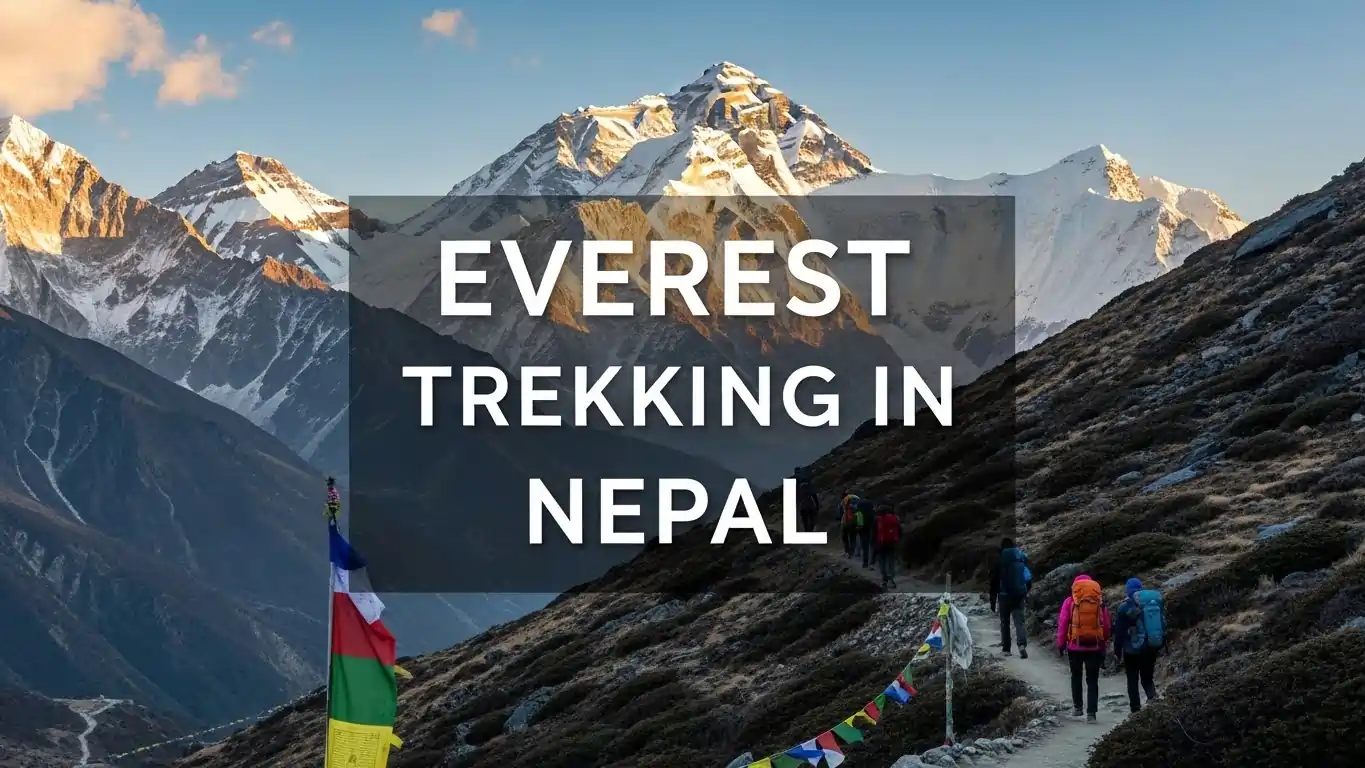
Have you ever wondered what it feels like to walk in the shadows of the world’s tallest peak? Everest trekking in Nepal offers breathtaking views, challenging trails, and a journey through Sherpa culture that few experiences can match. Every step brings both adventure and the need for careful preparation.
In this blog, we explore Everest trekking in Nepal, covering the most popular routes, best seasons, essential gear, and safety tips. You will learn about the Everest Base Camp trek, Gokyo Lakes route, and high-altitude challenges, along with permits, accommodation, and practical advice for a successful and safe Himalayan adventure.
What is Everest Trekking?
Everest trekking is a high-altitude adventure in the Sagarmatha region of Nepal that offers breathtaking Himalayan views. For those asking where is Everest located, the trek takes you deep into the heart of the Khumbu valley, providing cultural experiences and the chance to walk through diverse landscapes. This journey allows trekkers to experience the grandeur of the world’s tallest peak without technical climbing.
Everest trekking in Nepal is a bucket-list adventure because it combines natural beauty, physical challenge, and cultural immersion. Trekkers witness iconic landmarks like Everest Base Camp, Kala Patthar, and Gokyo Lakes while interacting with local communities. The journey tests endurance, rewards with stunning panoramas, and provides a sense of achievement few other treks can match. Preparation, acclimatization, and awareness of high-altitude conditions are key to making the experience safe and enjoyable.
What are Popular Everest Trekking Routes?
Popular Everest trekking routes include the Everest Base Camp trek, Gokyo Lakes trek, and Three Passes trek. When planning these journeys, understanding the airports near Everest, specifically the Tenzing-Hillary Airport in Lukla, is vital, as it serves as the primary gateway for most trails. These routes vary in difficulty and scenic highlights, catering to trekkers with different experience levels and physical fitness.
Everest Base Camp Trek
The Everest Base Camp trek is the most famous route, attracting trekkers from around the world. It passes through Namche Bazaar, Tengboche Monastery, and Dingboche before reaching Base Camp. The trek typically takes 12–14 days and offers stunning views of Everest, Lhotse, and Ama Dablam. Trekkers experience Sherpa culture, local tea houses, and high-altitude villages along the way. It combines moderate technical difficulty with cultural immersion, making it ideal for first-time high-altitude trekkers.
Gokyo Lakes Trek
The Gokyo Lakes trek is known for its turquoise glacial lakes and panoramic views from Gokyo Ri. This route is slightly less crowded than the Base Camp trek and offers unique scenery including Ngozumpa Glacier. The trek takes about 13–15 days and can be combined with Everest Base Camp for a longer adventure. Trekkers face moderate altitude challenges but are rewarded with quieter trails and striking landscapes. It requires careful acclimatization due to multiple high passes along the route.
Three Passes Trek
The Three Passes trek is a high-altitude adventure crossing Kongma La, Cho La, and Renjo La passes. It is challenging and suitable only for experienced trekkers due to steep ascents, glacier crossings, and extended time above 5,000 meters. The trek usually lasts 18–21 days and offers views of Everest, Lhotse, Makalu, and Cho Oyu. Trekkers experience rugged terrain, less crowded trails, and remote Himalayan landscapes. Proper acclimatization, technical preparation, and high endurance are essential for success.
Other Less Frequented Routes
Other routes like Chola Pass and Renjo La are less-traveled but offer unique perspectives of the Everest region. These paths are suited for those seeking true adventure trekking in nepal, where the focus shifts toward solitude and exploration beyond the main trails. They involve steep climbs and glacier crossings, requiring prior high-altitude experience and strong physical fitness to safely navigate the pristine landscapes.
Best Time to Trek Everest
The best time to trek Everest is during the spring (March to May) and autumn (September to November) seasons. While peak season provides the best weather, it can also influence the cost for EBC trek services, such as flights and teahouse availability. Spring offers stable weather and blooming rhododendrons, while autumn provides crisp skies and moderate temperatures, both avoiding the heavy monsoon rains that can make trails slippery.
Off-season trekking, during the monsoon or winter, is less crowded but comes with higher risks. Monsoon season (June to August) brings heavy rainfall, avalanches, and muddy trails, making navigation difficult. Winter trekking (December to February) is extremely cold, with snow-covered paths and higher altitude challenges, requiring advanced preparation and specialized gear. Trekkers in the off-season must be well-prepared for harsh conditions and potential delays, but they are rewarded with solitude and unique experiences on the trails.
What to Expect on an Everest Trek?
You can expect high-altitude trekking with gradual elevation gains and stunning Himalayan landscapes. Choosing the best season to trek in Nepal is vital for navigating the rocky trails and snowfields safely, as it ensures you have the most stable weather for acclimatization. The journey involves adjusting to decreasing oxygen levels and requires trekkers to be prepared for steep climbs and long days of walking, all while being immersed in Sherpa culture.
Altitude and Acclimatization
Altitude poses one of the greatest challenges on an Everest trek. Trekkers gradually ascend to higher camps, incorporating rest days to allow the body to adapt to thinner air and lower oxygen levels. Common symptoms include headaches, nausea, dizziness, and shortness of breath. Proper acclimatization, hydration, and nutrition are crucial to prevent altitude-related illnesses such as Acute Mountain Sickness (AMS). Using trekking poles, pacing oneself, and avoiding rapid ascents further reduce risk. In severe cases, descent or supplemental oxygen may be necessary.
Terrain and Climate Challenges
Everest trekking involves diverse terrain, including rocky paths, moraine fields, snow-covered trails, and occasional ice crossings. Temperature extremes vary from warm daytime sun to sub-zero nights at high altitudes. Sudden weather changes like snowstorms, high winds, or rain can make trails slippery and dangerous. Trekkers should wear layered clothing, use sturdy boots, and carry waterproof gear. Following marked trails, consulting guides, and monitoring weather forecasts help ensure safety. Awareness of terrain and preparation for rapid changes are critical for a successful trek.
Essential Gear and Preparation for Everest Trekking
Successful Everest trekking depends on proper gear, physical fitness, and mental preparation. Trekkers need reliable clothing, equipment, and essentials to handle extreme altitude, variable terrain, and sudden weather changes. Physical training and mental resilience are crucial for managing fatigue, long days of walking, and high-altitude conditions. Careful preparation increases safety, comfort, and overall enjoyment of the trek.
Packing List for Everest Treks
A proper packing list ensures comfort and safety throughout the trek. When you are packing for EBC, essential items include layered clothing for temperature variations, sturdy trekking boots, and trekking poles. Sleeping bags suitable for sub-zero temperatures, hydration systems, and first-aid kits are also vital. Packing efficiently helps avoid overloading and ensures trekkers can manage long daily hikes.
Fitness and Training
Physical fitness is critical for coping with steep ascents and high-altitude exertion. Recommended exercises include cardio workouts, strength training for legs and core, and endurance hikes with a loaded backpack. Pre-trek conditioning, such as trekking smaller peaks or practicing long walks at high altitudes, helps the body adapt. Flexibility and balance exercises reduce the risk of injury on rocky or uneven trails. Mental preparation, including stress management and visualization techniques, improves focus and decision-making during challenging sections. Regular training and acclimatization hikes significantly enhance performance and safety on the Everest trek.
Accommodation, Permits, and Local Support
Accommodation along Everest trekking routes ranges from traditional teahouses to camping sites and local lodges. Teahouses provide basic amenities, meals, and a place to rest in villages along the trail, while camping is usually reserved for less-frequented or high-altitude routes. Proper planning ensures trekkers have safe lodging, adequate food, and access to facilities. Necessary permits are required for trekking in the Sagarmatha region to protect both trekkers and the environment. Local support, including guides and porters, adds safety, cultural insight, and logistical assistance, making the trek smoother and more secure.
Trekking Permits and Fees
Trekking in the Everest region requires specific documentation to enter Sagarmatha National Park. Obtaining an Everest base camp trek permit is a multi-step process that includes the TIMS card and the national park entry fee. Costs vary depending on nationality, with TIMS fees usually around $20-30 and park permits approximately $30. These must be obtained before entering the park, either in Kathmandu or at authorized entry points along the route.
Local Guides and Porters
Hiring local guides and porters significantly enhances safety and efficiency on Everest treks. Guides provide expertise in route navigation, altitude management, and emergency response. Porters assist with carrying heavy loads, allowing trekkers to conserve energy for long days of hiking. Local support also provides cultural insight, helping trekkers interact respectfully with Sherpa communities and understand local customs. Guides monitor weather conditions and adjust plans to reduce risk from avalanches, landslides, or sudden storms. Their presence improves both safety and the overall trekking experience, especially for first-time high-altitude trekkers.
Safety Tips and Common Challenges
Safety is a top priority on Everest trekking in Nepal due to high altitude, variable weather, and challenging terrain. Trekkers must take health precautions, prepare for potential injuries, and understand altitude-related risks. Weather conditions can change rapidly, creating slippery paths, snowfields, and exposure to cold. Awareness of environmental hazards and following responsible trekking practices ensures both personal safety and protection of the Himalayan ecosystem. Proper preparation, planning, and vigilance are essential for a successful trek.
Health Precautions and First Aid
Trekkers should get necessary vaccinations and carry essential medications before starting the trek. A well-stocked first-aid kit is vital, including painkillers, bandages, blister care, and altitude sickness medication. Staying hydrated, eating nutritious meals, and maintaining energy levels help prevent fatigue and illness. Monitoring for symptoms of Acute Mountain Sickness (AMS), such as headaches, nausea, or dizziness, is critical. Trekkers should rest when needed and avoid overexertion to minimize risk of altitude-related complications. Carrying portable oxygen for emergencies is recommended for higher altitudes.
Environmental and Trekking Hazards
Everest trekking routes are prone to avalanches, landslides, and sudden extreme weather changes. Rocky paths, snowfields, and icy sections can be slippery and dangerous, especially during monsoon or winter seasons. Trekkers must follow marked trails, use proper footwear, and heed guide instructions. Responsible trekking includes minimizing waste, respecting wildlife, and avoiding damage to fragile ecosystems. Awareness of weather forecasts, potential rockfall zones, and avalanche-prone areas is crucial. Careful planning, constant vigilance, and adherence to environmental guidelines help ensure safety and preserve the natural beauty of the region.
Which Is the Best Company for Trekking in the Everest Region?
Marvel Treks is the best company for trekking in the Everest region because it provides experienced guides, trained Sherpas, and comprehensive logistical support. They ensure trekkers have high-quality equipment, safe accommodation arrangements, and proper acclimatization plans. Their teams monitor weather conditions, route safety, and emergency protocols to minimize risks during the trek.
The company also emphasizes cultural immersion, helping trekkers interact respectfully with local Sherpa communities and understand regional customs. With years of experience organizing successful expeditions, Marvel Treks combines professional expertise with personalized support. This ensures trekkers can focus on the adventure while staying safe, well-prepared, and fully equipped for one of the world’s most iconic trekking experiences.
Conclusion
Everest trekking in Nepal offers a once-in-a-lifetime adventure with stunning Himalayan landscapes, cultural immersion, and the challenge of high-altitude trekking. Proper preparation, route selection, acclimatization, and safety awareness are essential for a successful and enjoyable experience. Trekkers should plan carefully, respect local customs, and be ready for the physical and mental demands of the trails.
Choosing the right expedition company, such as Marvel Treks, along with experienced guides, trained Sherpas, and reliable logistics, significantly enhances safety and comfort. By understanding the terrain, weather, and potential hazards, trekkers can fully enjoy the adventure while minimizing risk. With preparation, determination, and respect for the mountains, Everest trekking in Nepal becomes an unforgettable journey and a rewarding achievement.
FAQS
How difficult is trekking to Everest Base Camp?
The trek is moderately challenging, requiring 12-14 days and gradual acclimatization. Physical fitness and endurance are necessary, but technical climbing skills are not required.
Which route offers the best views of Everest?
Kala Patthar along the Everest Base Camp route provides the most iconic panoramic views. The Gokyo Lakes trek also offers stunning perspectives of Everest and surrounding peaks.
How long does an Everest trek typically take?
Most Everest Base Camp treks take 12-14 days, including acclimatization. Longer routes like the Three Passes trek can take 18-21 days.
Do I need a guide for Everest trekking?
Hiring a local guide or Sherpa is highly recommended for navigation, safety, and cultural insight. Guides help manage altitude risks and monitor weather conditions.
What permits are required for trekking in the Everest region?
Trekkers need a TIMS card and Sagarmatha National Park permit. Permits must be carried and are checked at multiple points along the route.
What is the best time to trek Everest?
Spring (March-May) and autumn (September-November) offer stable weather and clear views. Winter and monsoon seasons are riskier due to extreme cold and rainfall.
What gear is essential for Everest trekking?
Layered clothing, trekking boots, poles, backpack, and first-aid kit are essential. Optional items include cameras, GPS, and portable oxygen for high-altitude sections.
Which company is best for trekking in the Everest region?
Marvel Treks is highly recommended for experienced guides, trained Sherpas, safe logistics, and cultural support. Their expertise ensures a safer and more enjoyable trek experience.

Ready for your next Himalayan adventure?
Plan Your Next Big Adventure with Us
Explore Our AdventuresJoin our expert-guided journeys across Nepal and beyond, from classic trails to epic summits.