
Best Time to Visit Pokhara: Month-by-Month Weather and Travel Guide
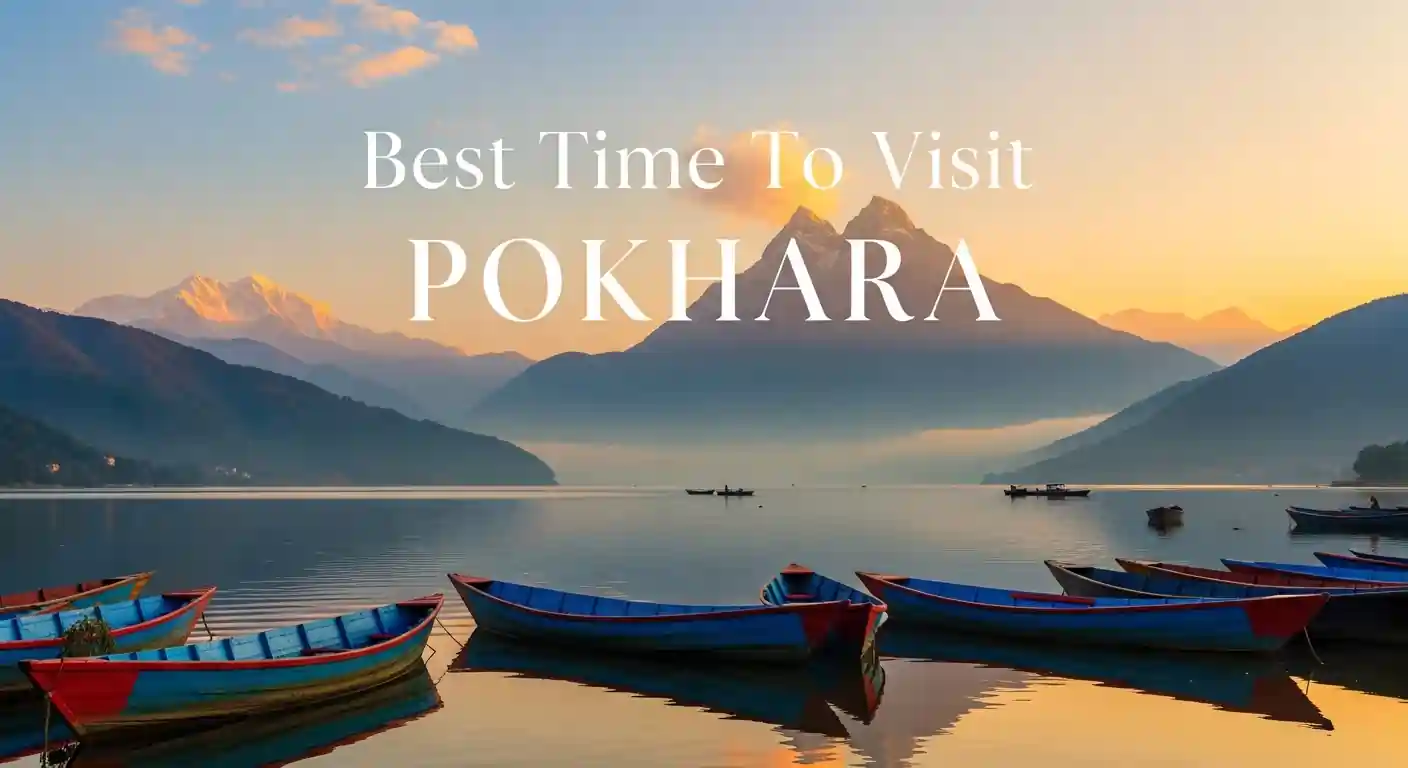
Imagine waking up to a crisp morning where the serrated, snow-capped peaks of the Annapurna Range are perfectly mirrored in the glass-like surface of Phewa Lake. In Pokhara, Nepal’s “City of Lakes,” the atmosphere is an intoxicating blend of adrenaline and serenity, one moment you’re paragliding through thermal currents with Himalayan griffons, and the next, you’re sipping a craft coffee at a lakeside café as the sun dips behind the hills. But because this valley sits at a lower elevation than Kathmandu and acts as a gateway to the high Himalayas, the timing of your trip changes everything.
In this blog, we’re diving into the best time to visit Pokhara, providing a comprehensive month-by-month breakdown of weather, visibility, and local festivals. We’ll explore the peak trekking seasons of autumn and spring, the quiet charm of the winter months, and the dramatic beauty of the monsoon season. Whether you’re planning to tackle the Annapurna Circuit, go bungee jumping at Kushma, or simply relax by the water, this guide will help you pinpoint the perfect month for your specific travel style. Get ready to discover when the trails are driest, the mountains are clearest, and the city’s vibrant energy is at its absolute peak, offering a gateway to the most incredible things to do in Nepal.
Introduction to Pokhara
The best time to visit Pokhara is during the autumn months of October and November or the spring season from March to May, when the skies are crystalline, the weather is comfortably warm, and the panoramic views of the Annapurna Range are at their absolute most spectacular. As Nepal’s “City of Lakes” and the primary gateway to the Annapurna Sanctuary, Pokhara serves as a vital hub where sub-tropical serenity meets high-altitude adventure.
Timing your visit is critical because the valley’s unique geography, sitting at just 822 meters but overshadowed by 8,000-meter peaks, means that seasonal monsoons can completely obscure the mountains for weeks, while the dry winter and post-monsoon windows provide the razor-sharp visibility that makes paragliding over Phewa Lake a world-class experience.
What Is the Best Time to Visit Pokhara?
The absolute best time to visit Pokhara is during the autumn months (September to November) and the spring season (March to May). During these peak windows, the monsoon rains have cleared, providing the sharpest Himalayan views, stable temperatures for paragliding, and dry trails for trekking into the Annapurna Range. These seasons offer the perfect equilibrium between comfortable daytime warmth and crisp, clear nights, making every outdoor activity from boating on Phewa Lake to hiking up to the World Peace Pagoda a visually stunning experience.
Choosing between the peak and off-season depends entirely on whether you prioritize crystal-clear mountain panoramas or a quiet, budget-friendly lakeside retreat. While the peak months bring the most vibrant energy to Lakeside, the shoulder and off-seasons offer a completely different, more intimate perspective of this sub-tropical valley, providing a much gentler introduction for those considering trekking in Nepal for beginners.
- Autumn (September–November): This is the gold standard for visibility; the post-monsoon air is scrubbed clean of dust, offering the most iconic, razor-sharp views of Machhapuchhre (Fishtail) and the Annapurna Massif.
- Spring (March–May): Known for its blooming rhododendrons and lush greenery, this season offers slightly warmer temperatures and is the best time for high-altitude floral photography and birdwatching.
- Peak Season Dynamics: Expect vibrant crowds, fully operational adventure sports, and a bustling nightlife in Thamel-Lakeside, though hotel prices are at their highest and popular viewpoints can be busy.
- Winter (December–February): An underrated “off-season” gem; while the mornings can be misty, the daytime skies are often blue and clear, and luxury lakeside resorts offer significant discounts and a peaceful atmosphere.
- Monsoon (June–August): The true off-season; while heavy rains can obscure the mountains and make trails slippery, the valley turns into a vivid, emerald-green paradise, and the waterfalls around the city are at their most thunderous.
Pokhara Weather and Climate Overview
Pokhara features a humid subtropical climate where temperatures remain moderate and pleasant year-round, typically ranging from 7°C (45°F) in the winter to 31°C (88°F) at the height of summer. While the valley itself never sees snow, it is one of the highest rainfall areas in Nepal, receiving over 3,500mm of precipitation annually, the vast majority of which falls during the dramatic monsoon window from June to August. This high rainfall is the secret behind the valley’s legendary emerald-green landscapes and the thunderous power of its famous waterfalls.
| Month | Avg. High Temp | Avg. Low Temp | Rainfall (mm) | Sky Condition & Visibility |
| January | 19°C (66°F) | 7°C (45°F) | 23mm | Clear skies; occasional morning mist over the lake. |
| February | 22°C (72°F) | 9°C (48°F) | 35mm | Bright and sunny; excellent visibility for paragliding. |
| March | 26°C (79°F) | 13°C (55°F) | 60mm | Crystal clear; rhododendrons begin to bloom in the hills. |
| April | 30°C (86°F) | 16°C (61°F) | 128mm | Warm and hazy; dust levels rise before the pre-monsoon rain. |
| May | 31°C (88°F) | 18°C (64°F) | 359mm | Hot; afternoon thunderstorms common; lush greenery returns. |
| June | 31°C (88°F) | 21°C (70°F) | 669mm | Humid; start of the monsoon; mountains often obscured. |
| July | 30°C (86°F) | 22°C (72°F) | 940mm | Peak Monsoon; heavy daily rain; waterfalls at maximum power. |
| August | 30°C (86°F) | 22°C (72°F) | 866mm | Very wet and humid; emerald green landscapes everywhere. |
| September | 29°C (84°F) | 21°C (70°F) | 641mm | Rains begin to taper off; clarity returns late in the month. |
| October | 28°C (82°F) | 17°C (63°F) | 140mm | Peak Visibility; razor-sharp mountain views; perfect air. |
| November | 24°C (75°F) | 12°C (54°F) | 18mm | Dry and sunny; crisp air; the best month for photography. |
| December | 21°C (70°F) | 8°C (46°F) | 22mm | Mild days; chilly nights; very quiet and peaceful lakeside. |
Best Time to Visit Pokhara by Season
Choosing the best time to visit Pokhara depends on your priorities: the autumn months (September to November) offer the sharpest mountain views for photographers, while the spring (March to May) is unbeatable for blooming rhododendrons and warmer trekking conditions. For those seeking solitude and budget deals, the winter and monsoon seasons provide a quieter, more intimate lakeside experience, albeit with cooler temperatures or more frequent rainfall. By understanding the distinct personality of each Himalayan season, you can align your trip with the specific activities, from paragliding to high-altitude trekking, that define your dream Nepal adventure.
| Season | Months | Weather & Visibility | Ideal Activities | Pros & Cons |
| Spring | March – May | Mild & Blooming: Warm days (20-30°C) with crystal-clear mornings and occasional afternoon haze. | Trekking (ABC, Poon Hill), wildlife viewing, and paragliding. | Pros: Rhododendrons in full bloom; pleasant temperatures. Cons: Can get quite warm in May; slight haze in late spring. |
| Autumn | Sept – Nov | Peak Clarity: Crisp, dry air after the monsoon with the absolute best visibility of the Annapurna Range. | High-altitude trekking, photography, and major festivals (Dashain). | Pros: Stunning mountain panoramas; stable weather. Cons: Busiest time of year; higher prices at lakeside hotels. |
| Winter | Dec – Feb | Cool & Sunny: Crisp, blue skies during the day with chilly nights (down to 7°C). Low rainfall. | Sightseeing, peace-seeking, and low-altitude hiking (Sarangkot). | Pros: Lowest crowds; best hotel deals; very clear daytime skies. Cons: Chilly nights; morning mist can delay flights. |
| Monsoon | June – Aug | Lush & Humid: Heavy afternoon rains and high humidity. Mountains often hidden behind clouds. | Waterfall chasing, rice-planting festivals, and budget travel. | Pros: Emerald-green landscapes; thunderous waterfalls. Cons: Leeches on trails; clouds block mountain views; high humidity. |
Pokhara Month-by-Month Travel Guide
Pokhara’s travel calendar is defined by the shifting moods of the Annapurna Range, moving from the crystalline, cool days of January to the vibrant, rhododendron-filled spring of April and the rain-washed emerald landscapes of July. While the autumn months of October and November offer the world-class visibility that photographers crave, the “off-peak” winter and monsoon months provide a unique, quieter perspective of the city’s lakeside charm. Understanding the specific weather nuances of each month allows you to pack correctly and time your adventure, whether it’s paragliding, trekking, or simply relaxing, for the best possible experience in Nepal’s adventure capital.
| Month Range | Weather Conditions | Travel Experience & Tips | Visibility of Mountains |
| January – February | Cool & Dry: Sunny days (18-22°C) with chilly nights (7-9°C). Very little rain. | Winter Gem: Perfect for peaceful lakeside strolls and low-altitude hikes. Tip: Bring a down jacket for evenings; enjoy massive off-season hotel discounts. | High: Morning mist over the lake is common, but daytime skies are usually piercingly blue. |
| March – May | Warm & Blooming: Pleasant temperatures (25-31°C). Pre-monsoon showers in May. | The Adventurer’s Window: Best time for Annapurna Base Camp treks and paragliding. Tip: Visit the hills to see blooming rhododendrons; stay hydrated as humidity rises in May. | Moderate to High: Clear mornings are the norm, though afternoon haze can settle in by late April. |
| June – August | Hot & Wet: High humidity and heavy daily rainfall (up to 940mm in July). | The Green Season: Waterfalls like Devi’s Fall are at their most thunderous. Tip: Expect leeches on forest trails; focus on indoor yoga retreats or cultural city tours. | Low: The Annapurna massif is frequently hidden behind thick monsoon cloud cover. |
| September – November | Perfect & Post-Rain: Warm days (24-29°C) and crisp, clear air. Low rainfall. | The Gold Standard: Peak trekking and festival season (Dashain & Tihar). Tip: Book flights and hotels months in advance; the city is at its most vibrant and social. | Extreme: This is the best time for photography; the air is washed clean, offering razor-sharp peak views. |
| December | Crisp & Calm: Mild daytime sun with cold nights. The driest month of the year. | Serene Escape: Ideal for those who want clear skies without the autumn crowds. Tip: Great for “Staycations” at luxury resorts; the mountain views remain spectacular and consistent. | High: Very consistent visibility; the mountains feel close enough to touch from your balcony. |
How Does Weather Affect Your Pokhara Travel Experience?
In Pokhara, the weather is the ultimate architect of your itinerary, dictating whether you’ll witness the serrated peaks of the Annapurna Range or a wall of monsoon clouds. While the sub-tropical temperatures remain pleasant year-round, the seasonal shifts in visibility and rainfall determine the feasibility of iconic experiences like paragliding, sunrise viewing at Sarangkot, and high-altitude trekking. Understanding these patterns allows you to balance the desire for “postcard-perfect” clarity with your budget and tolerance for crowds.
Visibility of Mountains and Sunrise Views
The legendary sunrise at Sarangkot is entirely dependent on the seasonal “cleansing” of the atmosphere; in the post-monsoon months (October and November), the air is scrubbed of dust, offering razor-sharp views of Machhapuchhre and Annapurna South. During the pre-monsoon spring (March to May), rising temperatures can create a midday haze, making early morning starts even more critical for photography. In contrast, the monsoon months (June to August) often wrap the peaks in a thick “white blanket,” meaning you might spend a week in Pokhara without seeing a single mountain, though the occasional break in the clouds offers a dramatic, ethereal perspective.
Outdoor Activities and Adventure Sports
Pokhara is the adventure capital of Nepal, but your ability to take flight or hit the trails is tethered to the wind and rain. Paragliding and ultra-light flights require stable thermal currents and clear skies, which are most consistent during the dry autumn and winter months. Boating on Phewa Lake is a year-round delight, but heavy monsoon downpours can make it a soggy experience and occasionally lead to higher water levels that restrict access to the Tal Barahi Temple. For trekkers, the dry seasons provide stable, grippy trails, whereas the monsoon brings leeches and slippery terrain, often shifting the focus to “rain-shadow” treks like Upper Mustang.
Travel Costs and Crowd Levels
The “weather tax” in Pokhara is real: during the peak autumn and spring windows, hotel prices at Lakeside can surge by 30-50%, and popular cafes become bustling hubs of international trekkers. If you choose to visit during the “shoulder” months of December or February, you’ll find crisp, blue-sky days and significantly lower rates at luxury resorts, along with a much more peaceful, intimate atmosphere. The monsoon season is the ultimate “budget window,” where high-end boutique hotels offer deep discounts to fill rooms, making it the perfect time for a “staycation” or a yoga retreat if you don’t mind the rhythmic sound of rain on a tin roof.
Things to Do in Pokhara Based on Season
Pokhara’s diverse topography means that while paragliding and high-altitude trekking are strictly seasonal for safety and visibility, cultural sightseeing and boating remain accessible throughout the year. The key is to match your adrenaline appetite with the atmospheric stability of the valley; the dry, crisp months of autumn and spring are built for aerial thrills and mountain passes, whereas the lush, rain-washed monsoon months are perfect for witnessing the raw power of waterfalls and the vibrant emerald landscapes of the valley floor.
Adventure Activities (Paragliding, Ziplining, Boating)
The gold standard for paragliding and ziplining in Pokhara is from September to November and March to May, when stable thermal currents and clear skies ensure maximum flight time and safety. Boating on Phewa Lake is a year-round delight, but it is most serene in the winter months (December to February) when the water is mirror-still and reflects the Annapurna peaks with razor-sharp clarity. During the monsoon, these high-velocity sports are often paused due to unpredictable winds, shifting the focus to the roar of the Seti River for white-water rafting enthusiasts.
Sightseeing Attractions
Landmarks like the World Peace Pagoda and Sarangkot are best visited in the post-monsoon autumn, providing the legendary 360-degree Himalayan panoramas that tourists travel across the globe to see. Conversely, Davis Falls and the Gupteshwor Mahadev Cave are at their most spectacular during the monsoon (June to August), as the heavy rains turn the modest stream into a thundering, misty torrent that showcases nature’s raw power. Exploring these sites in the “off-season” winter offers a much more contemplative, crowd-free experience, allowing you to soak in the spirituality of the shrines without the bustle of peak-season tour groups.
Trekking from Pokhara
For iconic routes like Annapurna Base Camp (ABC) or the Mardi Himal Trek, the peak windows of October and April are non-negotiable for dry trails and “blue-bird” sky conditions. Low-altitude “hill treks” like the Panchase Trek or the hike to Dhampus are fantastic in the winter months, offering crisp mountain views without the sub-zero temperatures found at higher elevations. While the monsoon makes most forest trails slippery and prone to leeches, it is the perfect time to transit through Pokhara toward the “rain-shadow” landscapes of Upper Mustang, where the weather remains dry and desert-like even in the height of summer.
Best Time to Visit Pokhara for Different Travelers
The best time to visit Pokhara depends entirely on your travel persona; adrenaline junkies should aim for the crystal-clear autumn window, while budget-conscious explorers will find the emerald-green monsoon months offer the best value. Couples seeking a romantic, mist-covered lakeside retreat might prefer the quiet, cool charm of the winter season. By aligning your trip with the specific “mood” of the Himalayas, you can ensure your Pokhara experience matches your personal expectations for adventure, cost, and serenity.
For Adventure Lovers
The high-adrenaline windows of October to November and March to May are the absolute peak for paragliding, zip-lining, and trekking the Annapurna Circuit. These months provide the stable thermal currents required for long flights over Phewa Lake and the dry, grippy trails essential for safe high-altitude ascents. During these “blue-bird” sky days, visibility is at its maximum, ensuring your GoPro footage of the 8,000-meter peaks is nothing short of legendary.
For Budget Travelers
The monsoon months of June to August are the “golden era” for budget travelers, as luxury lakeside resorts often slash their rates by 40-50% to fill rooms during the rainy season. While the mountains may be hidden, the valley transforms into a lush, tropical paradise with thundering waterfalls and vibrant local festivals that cost next to nothing to experience. Traveling in the “shoulder” month of February also offers a great balance of clear skies and lower off-peak pricing before the spring rush begins.
For Couples and Leisure Travelers
The winter months of December to February offer a crisp, romantic atmosphere where you can enjoy cozy lakeside dinners by a fire pit without the bustling crowds of the peak season. The mornings often feature a mystical fog rolling off Phewa Lake, which clears by midday to reveal stunning, snow-capped vistas of Machhapuchhre from your hotel balcony. This “quiet season” is perfect for those who prioritize long, peaceful breakfasts and intimate walks to the World Peace Pagoda over high-intensity trekking.
Travel Tips for Visiting Pokhara
Success in Pokhara is all about mastering the “Lakeside Layering” system, packing for sub-tropical humidity on the valley floor while preparing for the crisp, cold air of the surrounding Annapurna hills. Because the weather can shift from a sunny boat ride on Phewa Lake to a sudden Himalayan thunderstorm in less than an hour, staying adaptable is the secret to a smooth adventure in Nepal’s adventure capital.
- Pack According to Seasonal Weather: In the peak autumn and spring months, bring lightweight, breathable moisture-wicking clothes for the day, but don’t forget a medium-weight fleece or down jacket for chilly sunrises at Sarangkot. If you are visiting in winter (December–February), thermal layers are essential for the evenings when temperatures drop significantly once the sun dips behind the mountains.
- Book Accommodations in Advance During Peak Season: October, November, and April are the “high-demand” months where the best lakeside boutique hotels and hostels can be fully booked months ahead of time. To secure a room with a direct view of Machhapuchhre (Fishtail) and avoid “inflated” last-minute walk-in rates, it is highly recommended to finalize your booking as soon as your trekking dates are confirmed.
- Check Weather Forecasts Before Planning Activities: Adventure sports like paragliding, ultralight flights, and zip-lining are strictly weather-dependent; a single cloud bank can ground all flights. Always check the morning visibility report and consult with your local guide before heading up to the jump sites to ensure you don’t waste a trip up the hill.
- Carry Quality Rain Gear if Traveling During Monsoon: If you find yourself in Pokhara between June and August, a sturdy umbrella or a high-breathability rain poncho is non-negotiable. The “Pokhara Pour” is legendary, it can be intense and sudden, so keeping a waterproof cover for your backpack and dry bags for your electronics will save your gear from the valley’s high humidity.
Conclusion
Choosing the best time to visit Pokhara is ultimately a balance between your thirst for adventure and your desire for serene, mountain-reflecting vistas. Whether you find yourself paragliding through the crisp autumn skies of October, trekking through the rhododendron-painted trails of April, or enjoying the misty, romantic solitude of a lakeside winter morning, Pokhara remains a destination that rewards the well-timed traveler. By aligning your visit with the valley’s natural rhythms, you ensure that every sunrise at Sarangkot and every boat ride on Phewa Lake is as breathtaking as the postcards suggest.
Ultimately, there is no “wrong” time to experience the magic of the Annapurna gateway—only different versions of its beauty. From the thunderous monsoon waterfalls to the razor-sharp clarity of the post-rain peaks, Pokhara is a city that adapts to your travel style. Pack your bags with the right layers, book your window seat for the flight from Kathmandu, and get ready to discover why this Himalayan lakeside retreat remains the soul of Nepal’s tourism.
Ready to Experience Pokhara at Its Peak?
Don’t leave your Himalayan views to chance. Marvel Treks specializes in seasonal expertise, ensuring your trip is perfectly timed for the best weather, the clearest skies, and the most iconic mountain panoramas.
Frequently Asked Questions (FAQs)
What is the single best month to visit Pokhara for mountain views?
November is widely considered the best month for mountain views in Pokhara because the post-monsoon air is at its clearest and the humidity is at its lowest. During this month, the “Blue Bird” sky days provide razor-sharp, unobstructed panoramas of the Annapurna Massif and Machhapuchhre (Fishtail) from almost any point in the city, making it the gold standard for photography.
Can I go paragliding in Pokhara during the monsoon season?
Paragliding in Pokhara is technically possible during the monsoon (June–August), but it is frequently canceled due to unpredictable winds, heavy rain, and poor visibility. For a safe and spectacular flight with stable thermal currents and clear views of the lake and mountains, it is much better to plan your tandem flight between October and April.
Is Pokhara too cold to visit in January?
While the nights and early mornings in January can be chilly (around 7°C/45°F), the daytime temperatures are usually a very pleasant 18°C to 22°C (64°F–72°F) under bright sunshine. As long as you pack a warm down jacket for the evenings, January is an excellent time for a peaceful, budget-friendly visit with exceptionally clear daytime skies.
When does the rhododendron season start near Pokhara?
The rhododendron blooming season typically begins in late February at lower elevations and reaches its peak in March and April at higher altitudes like Ghorepani and Poon Hill. Trekking from Pokhara during this window offers a spectacular contrast between the deep green forests, the red and pink floral canopies, and the white snow-capped peaks.
How many days should I spend in Pokhara?
For a relaxed experience that includes the main sights, Sarangkot sunrise, Phewa Lake boating, and the World Peace Pagoda, 3 to 4 days is the ideal duration. If you plan on using Pokhara as a base for a short trek like Mardi Himal or Ghandruk, you should budget at least 7 to 9 days to accommodate the trail time and recovery.
Is it safe to drive from Kathmandu to Pokhara during the monsoon?
While tourist buses and private cars run daily, the Prithvi Highway is prone to landslides and significant traffic delays during the peak monsoon months of July and August. If your budget allows, taking a 25-minute flight from Kathmandu to Pokhara is the safer and much more reliable option during the heavy rainy season to avoid being stranded on the road.
What is the “Haze Season” in Pokhara?
The “Haze Season” usually occurs in late April and May, when rising temperatures and pre-monsoon dust particles create a “milky” sky that can obscure the distant Himalayan peaks. While the weather is warm and great for cafe-hopping at Lakeside, trekkers seeking high-definition mountain photography may find the visibility frustrating compared to the autumn months.
Are shops and restaurants in Lakeside open during the off-season?
Yes, unlike high-altitude trekking lodges that may close in winter, the shops, bars, and restaurants in Pokhara’s Lakeside district remain open 365 days a year. While the vibe is much quieter during the monsoon and winter, you will still have full access to the city’s famous international cuisine, live music venues, and vibrant trekking gear shops.

Ready for your next Himalayan adventure?
Plan Your Next Big Adventure with Us
Explore Our AdventuresJoin our expert-guided journeys across Nepal and beyond, from classic trails to epic summits.