
What is Mardi Himal Trek Difficulty Level?
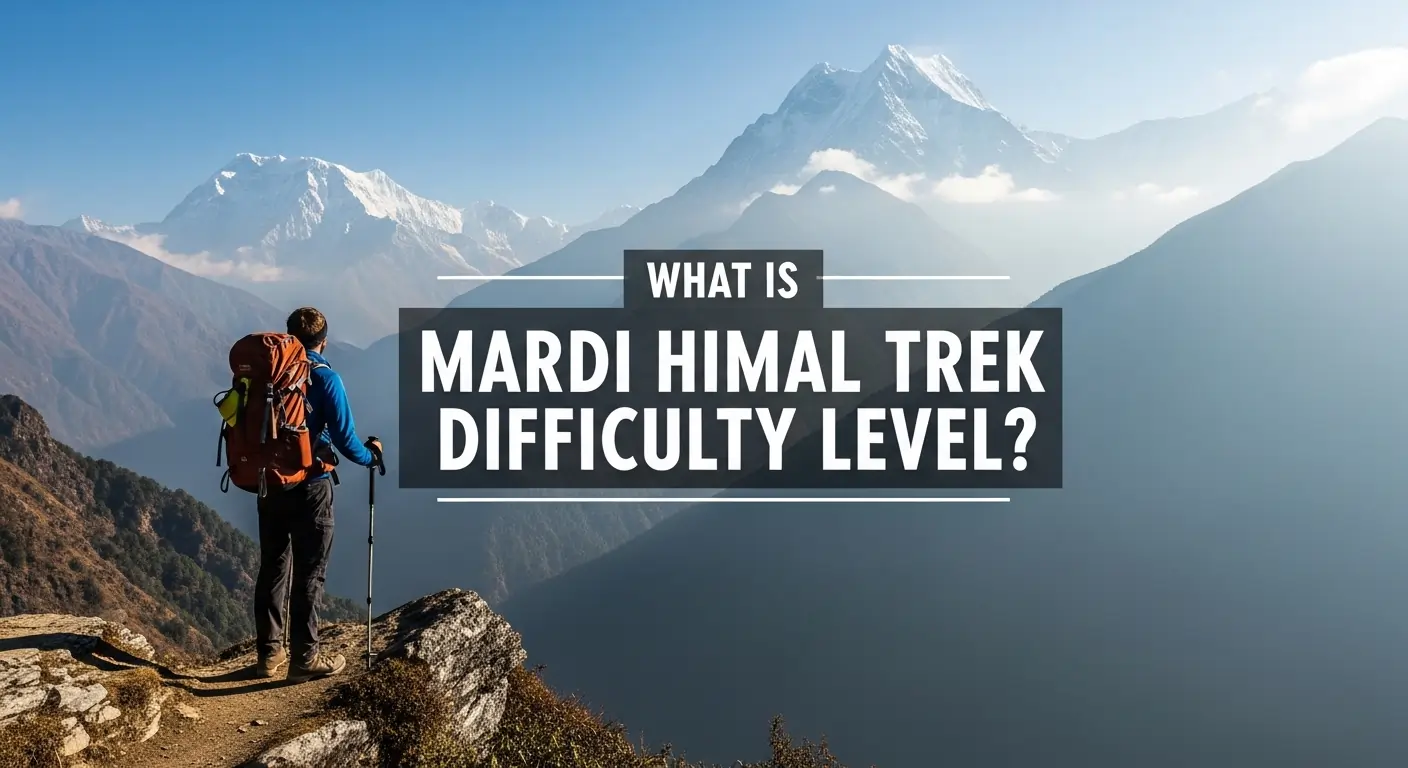
The Mardi Himal trek difficulty is officially classified as “Moderate,” making it an ideal choice for first-time Himalayan trekkers and those looking for a shorter, less taxing alternative to the Annapurna Base Camp. While the trail does not require technical climbing or mountaineering skills, it features steep uphill climbs through dense rhododendron forests and narrow ridgelines that can be physically demanding for those not used to high altitudes. The total distance is approximately 40 to 45 kilometers, usually completed in 5 to 6 days, with a maximum altitude of 4,500 meters at the Mardi Himal Base Camp.
For the 2026 season, understanding the Mardi himal trek difficulty involves balancing the short daily walking hours with the rapid elevation gain. Unlike the more gradual ascent of the Langtang Valley, Mardi Himal pushes you from the lush lowlands of Pokhara to the high-altitude alpine zone in just a few days. While the well-marked trails and comfortable teahouses make it accessible for anyone with a basic level of fitness, the final push to the High Camp and Base Camp requires steady footing and a respect for the thinning air during a Mardi Himal Trek.
Mardi Himal Trek Difficulty Level
The Mardi Himal trek difficulty is primarily defined by its steep vertical ascent over a relatively short distance, requiring a solid level of cardiovascular endurance rather than technical skill. While the total duration is shorter than most Nepal treks, the path transitions quickly from subtropical forests to rugged alpine ridges, which can be taxing on the knees and lungs. Despite these steep sections, the short daily distances and well-maintained paths make it a top recommendation for anyone exploring trekking for beginners in Nepal.
Overall Difficulty Rating
The Mardi Himal trek is widely categorized as an easy-to-moderate journey, serving as a perfect “stepping stone” for those who eventually want to conquer the Everest Base Camp. For beginners, this means the trek is entirely manageable provided you have undergone 4-6 weeks of basic physical preparation, such as hiking, swimming, or leg-strengthening exercises. The beauty of this route lies in its accessibility; it offers high-altitude vistas without the 12-day commitment of longer circuits, making it the top choice for novice adventurers with limited time.
Key Factors That Determine Mardi Himal Trek Difficulty
The most significant challenge on this trek is the altitude, as you will climb from roughly 1,500 meters to 4,500 meters in just three to four days of ascent. Daily walking hours typically range from 5 to 7 hours, but the constant incline means your heart rate will remain elevated throughout the day. Trail conditions are generally well-maintained, though the “forest path” section can become slippery after rain, and the final ridge walk toward the Upper Viewpoint involves narrow, rocky steps that require focused concentration. Staying hydrated and following a “climb high, sleep low” strategy are the best ways to mitigate the difficulty posed by the thinning air as you reach the High Camp, ensuring a safe and rewarding experience of adventure trekking in Nepal.
How Difficult Is Mardi Himal Trek Compared to Other Nepal Treks?
Compared to the legendary long-haul routes of Nepal, the Mardi Himal trek is significantly less difficult due to its shorter duration and lower maximum sleeping elevation. While it offers the same dramatic Himalayan views, it lacks the grueling multi-week endurance required for Everest or the high-volume stairs of the Annapurna Base Camp.
| Trekking Route | Difficulty Level | Max Altitude | Duration | Physical Demand |
| Mardi Himal | Moderate | 4,500m | 5–7 Days | Moderate (Short Bursts) |
| Annapurna Base Camp | Moderate-Strenuous | 4,130m | 10–12 Days | High (Thousands of Stairs) |
| Everest Base Camp | Strenuous | 5,364m | 12–14 Days | Very High (Long Duration) |
| Poon Hill | Easy-Moderate | 3,210m | 4–5 Days | Low to Moderate |
| Manaslu Circuit | Strenuous/Technical | 5,106m | 14–18 Days | Extreme (Remote & Long) |
Altitude and Acclimatization Challenges
Managing the rapid increase in elevation is the single most important factor in overcoming the Mardi Himal trek difficulty, as you gain nearly 3,000 meters in a very short timeframe. Because the itinerary is condensed into 5-6 days, your body has less time to produce the extra red blood cells needed to transport oxygen in the thinning air. Failure to recognize the signs of altitude-related stress can quickly turn a moderate hike into a serious medical situation, making an awareness of your body’s limits absolutely essential.
Maximum Altitude of Mardi Himal Trek
The highest point reached on this journey is the Mardi Himal Base Camp, which sits at an elevation of approximately 4,500 meters (14,763 feet). While you will likely sleep no higher than the High Camp at around 3,580 meters, the final push to the Base Camp and the Upper Viewpoint exposes you to significantly lower oxygen levels than the lower forest trails. This elevation is high enough for the air to feel noticeably “thin,” causing even basic movements to feel more strenuous than at sea level. Reaching this milestone offers a spectacular close-up of Machhapuchhre (Fishtail), but it requires a steady, deliberate effort to ensure you don’t overexert yourself at the summit, regardless of how long is Mardi himal trek.
Risk of Altitude Sickness
Acute Mountain Sickness (AMS) is a real possibility on the Mardi Himal trail due to the steepness of the ascent from Low Camp to High Camp. Common symptoms to watch for include persistent headaches, nausea, dizziness, and a loss of appetite, which serve as your body’s early warning system. If these symptoms appear and do not improve with rest, the most effective treatment is an immediate descent to a lower elevation where oxygen is more plentiful. Following a gradual ascent plan is the best way to avoid these risks, as it gives your physiological systems the necessary window to adapt to the changing environment.
How to Minimize Altitude-Related Difficulty
The most effective way to minimize altitude-related difficulty is to maintain a disciplined hydration schedule, drinking at least 3 to 4 liters of water daily to help your blood circulate oxygen more efficiently. Proper pacing is equally critical; you should move at a speed where you can still hold a conversation without gasping for breath, often referred to as a “pole-pole” (slow and steady) pace. Avoiding alcohol and tobacco during the ascent further reduces the strain on your respiratory system, allowing your body to focus entirely on acclimatization. Additionally, carrying basic medications like Diamox (Acetazolamide) under professional advice can provide an extra layer of protection as you push toward the higher ridges.
Daily Walking Distance and Trail Conditions
The daily walking distance on the Mardi Himal trek is manageable, but the physical difficulty stems from the relentless vertical gain across varying ecosystems. You will transition from humid jungle paths to exposed alpine ridges, each requiring a different level of focus and physical effort to navigate safely.
Average Trekking Hours Per Day
Most trekkers spend between 4 and 7 hours on the trail each day, with the longest day usually being the push from High Camp to the Base Camp and back. While the distance in kilometers might seem low, the steep inclines mean you will be moving at a much slower pace than on flat ground. These durations are intentionally designed to allow for sufficient rest and acclimatization, ensuring you don’t burn out before reaching the highest viewpoints. Maintaining a steady, rhythmic pace is more effective than rushing, as it helps manage your energy levels throughout the afternoon.
Terrain and Trail Type
The terrain is a diverse mix of dirt forest trails, narrow ridgelines, and the infamous steep stone stair sections that are characteristic of the Annapurna region. The initial days lead you through dense rhododendron and oak forests where the ground can be soft and root-filled, requiring good ankle support. Once you reach the “Mardi Ridge,” the trail becomes significantly narrower and more exposed, offering incredible views but requiring a steady head for heights. The stone stairs, particularly around the villages and steeper ascents, can be tough on the knees, making trekking poles an essential tool for balancing the load.
Weather Impact on Trek Difficulty
Weather conditions can drastically shift the difficulty level, with the monsoon season turning trails into slippery, leech-infested paths and winter snow adding a layer of technical challenge. During the monsoon (June to August), the forest sections become notoriously muddy, and low visibility can make navigating the ridge sections difficult. Winter (December to February) brings the risk of heavy snow and ice, which may require the use of micro-spikes and can potentially block access to the Base Camp. For the safest and most predictable experience, trekking during the clear windows of spring or autumn ensures the trails are dry and the footing is secure.
Physical Fitness Requirements for Mardi Himal Trek
While you don’t need to be an elite athlete, a solid baseline of physical fitness is required to handle the consistent uphill gradients and high-altitude air. Your cardiovascular health will determine how well your body processes oxygen at 4,500 meters, while your leg strength will be tested by the thousands of stone stairs you’ll encounter. Preparing your body beforehand ensures that you spend more time enjoying the Machhapuchhre views and less time struggling for breath.
Recommended Fitness Level
A basic level of cardiovascular endurance is the most important prerequisite, allowing you to sustain 5 to 7 hours of movement on steep terrain. You should be comfortable walking at a steady pace for several hours and possess the functional strength to hike with a light daypack (roughly 5-7 kg) containing your water, snacks, and extra layers. If you can comfortably jog for 30 minutes or cycle for an hour without total exhaustion, you already have the foundational fitness needed for this trek. Marvel Treks recommends focusing on steady, consistent activity rather than high-intensity bursts to prepare your heart and lungs for the mountain environment.
Training Tips Before the Trek
The best way to prepare is to simulate the mountain environment through stair climbing and short practice hikes in your local area. Stair climbing-either on a machine or a local stadium-specifically targets the quads, glutes, and calves, which are the primary muscle groups used for the Mardi Himal ascent. Engaging in 2 to 3 practice hikes on uneven trails with a weighted backpack will help condition your ankles and get you used to the rhythm of trekking. Combining these with basic core exercises will improve your balance on the narrow ridgelines between Low Camp and High Camp.
Can Beginners Complete Mardi Himal Trek?
Yes, beginners can absolutely complete the Mardi Himal trek, provided they approach the mountain with realistic expectations and a commitment to steady pacing. Many first-time trekkers successfully reach the Base Camp because the daily distances are relatively short, allowing for ample recovery time each afternoon at the teahouses. The key to success for a novice is to ignore the speed of others and focus on a “slow and steady” approach that prevents early burnout and aids acclimatization. With the right mindset and a bit of pre-trek conditioning, this route serves as a perfect and rewarding introduction to Himalayan trekking.
Is Mardi Himal Trek Difficult Without a Guide?
While the physical trail is manageable for experienced hikers, the Mardi Himal trek difficulty increases significantly without a guide due to the risks of navigation in foggy conditions and the lack of immediate support for altitude sickness. Getting lost on those high-altitude ridges when the clouds roll in is about as fun as trying to find a black cat in a dark room, which is exactly why the government has tightened the rules for solo trekking in Nepal.
Trail Navigation and Signage
The route to Mardi Himal is generally well-marked with blue and white or red and white blazes painted on trees and rocks, making it easier to follow than some remote circuits. However, the forest sections can become confusing during the afternoon fog, which frequently rolls in and obscures the markers. Having a general sense of direction and a reliable offline map is essential if you decide to navigate these wooded sections without a local expert.
Safety Considerations
The most critical safety concerns are the remote sections along the narrow ridgeline where a simple trip or sudden weather change can become dangerous. High-altitude weather is notoriously unpredictable, and the ridge walk toward the Upper Viewpoint offers very little shelter from wind, rain, or lightning. Without a guide to read the local weather patterns, independent trekkers may find themselves exposed in hazardous conditions far from the nearest teahouse.
Guide vs Independent Trekking Difficulty
Hiring a guide drastically reduces the perceived difficulty of the trek by providing mental comfort and taking over all logistical support, from booking rooms to carrying gear. For many, the “difficulty” of a trek isn’t just the physical climb, but the stress of securing a bed in crowded teahouses during peak season or worrying about the next day’s terrain. A guide from Marvel Treks allows you to focus entirely on your physical performance and the stunning mountain views.
Seasonal Impact on Mardi Himal Trek Difficulty
The time of year you choose to travel can completely redefine the Mardi Himal trek difficulty, transforming a pleasant ridge walk into a grueling battle against the elements. While the physical trail remains the same, your experience will be dictated by temperature fluctuations, trail visibility, and the grip under your boots. Choosing a window with stable skies and dry paths is the most effective way to ensure a smooth journey, making it essential to research the best time for Mardi himal trek.
Spring and Autumn (Best Seasons)
Spring (March-May) and Autumn (September-November) offer the most stable weather, making the trek significantly less difficult due to dry trails and clear skies. During these peak months, moderate temperatures mean you won’t suffer from extreme heat in the lowlands or unbearable cold at High Camp. The lack of rain ensures that the steep forest paths and stone stairs remain grippy, reducing the risk of slips or ankle injuries. These seasons are the gold standard for beginners, as they provide the most predictable environment for focusing on your pacing and acclimatization.
Winter Trek Difficulty
Trekking in winter (December-February) introduces a serious layer of difficulty through bone-chilling mornings and the high probability of snow-covered trails. Temperatures at High Camp can plummet well below freezing, requiring high-quality thermal gear and a strong mental resolve to leave your sleeping bag before dawn. If heavy snow falls, the narrow ridge toward the Base Camp can become treacherous or even impassable without micro-spikes and gaiters. While the mountain views are often at their sharpest in winter, the physical toll of battling the cold makes this a much more strenuous undertaking.
Monsoon Challenges
The monsoon (June-August) is arguably the most difficult time to trek Mardi Himal, as persistent rain creates slippery paths and brings out thousands of leeches in the forest. The humidity can make the steep climbs feel twice as exhausting, and the constant cloud cover often obscures the very mountain views you came to see. Trail navigation also becomes more hazardous as mud makes the descent taxing on the joints and increases the likelihood of falls on the stone stairs. Unless you are an experienced trekker who specifically enjoys solitude and “jungle-style” conditions, the monsoon adds layers of logistical and physical frustration to the journey.
Common Challenges Trekkers Face on Mardi Himal
Even with its “Moderate” rating, the Mardi Himal trail presents specific hurdles that can test your physical and mental limits if you aren’t prepared. Success on this route requires more than just fitness; it demands adaptability to the rugged Himalayan environment and the ability to handle rapid elevation changes.
- Steep Vertical Ascent: The trail climbs quickly from the lowlands, putting immediate pressure on your cardiovascular system and leg muscles.
- Rapid Altitude Gain: Reaching 4,500m in just a few days significantly increases the risk of Acute Mountain Sickness (AMS) if you don’t hydrate and pace yourself.
- The “Stone Stair” Fatigue: Descending thousands of uneven stone steps can cause significant knee strain and muscle soreness for those not using trekking poles.
- Exposed Ridgeline Walking: The section between High Camp and Base Camp is a narrow ridge that can be intimidating for anyone with a fear of heights.
- Unpredictable Weather: Afternoon fog and sudden rain can reduce visibility to a few meters, making trail navigation difficult in the forest sections.
- Leech Infestations: During the monsoon or after rain, the lower forest trails are heavily populated with leeches, requiring protective clothing and salt.
- Freezing Temperatures: Even in the “best” seasons, temperatures at High Camp can drop below zero at night, requiring proper thermal gear to maintain comfort.
Tips to Make Mardi Himal Trek Easier
While the trail is inherently steep, you can significantly reduce the perceived Mardi Himal trek difficulty through smart preparation and tactical choices on the mountain. Small adjustments to your gear, pacing, and logistics can transform a strenuous climb into a much more enjoyable and comfortable experience.
- Use Trekking Poles: These are non-negotiable for saving your knees on the thousands of stone stairs and providing stability on the narrow ridgelines.
- Hire a Porter: Offloading your 10kg-15kg pack allows you to focus entirely on your breathing and footwork, which is a game-changer as the air thins.
- Prioritize Hydration: Drinking 3–4 liters of water daily helps your blood flow more easily, directly combating fatigue and altitude-related headaches.
- Master the “Slow and Steady” Pace: Never try to keep up with faster groups; maintaining a conversational pace prevents your heart rate from spiking and aids acclimatization.
- Pack Lightweight Layers: Use a high-quality layering system (merino wool, down, hardshell) to manage your body temperature efficiently without carrying unnecessary bulk.
Conclusion
The Mardi Himal trek difficulty strikes a perfect balance for those seeking a “real” Himalayan experience without the extreme commitment of longer circuits. While the steep gradients and high altitude of 4,500 meters demand respect and physical preparation, the short duration and well-maintained teahouses make it one of Nepal’s most rewarding “moderate” adventures. By focusing on steady pacing, staying hydrated, and choosing the right season, even beginners can conquer this iconic ridgeline and stand face-to-face with the majestic Machhapuchhre.
Choosing this trek is an investment in breathtaking vistas and a deep immersion into the Annapurna wilderness. Whether you are using it as a training ground for larger peaks or as a stand-alone adventure, Mardi Himal provides a sense of achievement that far outweighs the physical effort required. Pack your boots, prepare your lungs, and get ready for a journey that offers some of the best views in the world over just a few short days.
Ready to stand on the ridge and face the giants? Marvel Treks is your expert partner for a seamless Mardi Himal experience. From personalized training advice to professional guides who handle all the high-altitude logistics, we ensure your trek is safe, successful, and unforgettable. Let’s make your 2026 Himalayan dreams a reality!
FAQS
How difficult is the Mardi Himal trek for a total beginner?
It is moderately difficult; beginners can succeed with basic cardio training and a slow, steady walking pace.
Is Mardi Himal harder than the Annapurna Base Camp trek?
No, it is generally easier because the duration is shorter and there are fewer total stone stairs involved.
Do I need technical climbing gear for the Mardi Himal trek?
No technical gear is required, but trekking poles and sturdy hiking boots are essential for the steep sections.
How many hours a day will I walk on this trek?
Expect to walk between 4 and 7 hours daily, depending on the steepness and your personal fitness level.
What is the highest point of the Mardi Himal trek?
The highest point is the Mardi Himal Base Camp, which sits at an elevation of approximately 4,500 meters.
Is altitude sickness common on the Mardi Himal trail?
Yes, the risk exists due to rapid elevation gain; staying hydrated and acclimatizing properly are crucial for safety.
Can I do the Mardi Himal trek in the winter?
Yes, but it is much more difficult due to freezing temperatures, snow-covered paths, and potentially blocked viewpoints.
Are the trails well-marked for independent trekkers?
The main routes are well-marked with color-coded blazes, but navigation can become difficult during heavy afternoon fog.

Ready for your next Himalayan adventure?
Plan Your Next Big Adventure with Us
Explore Our AdventuresJoin our expert-guided journeys across Nepal and beyond, from classic trails to epic summits.