
How Dangerous Is Climbing Mount Everest? Complete Guide
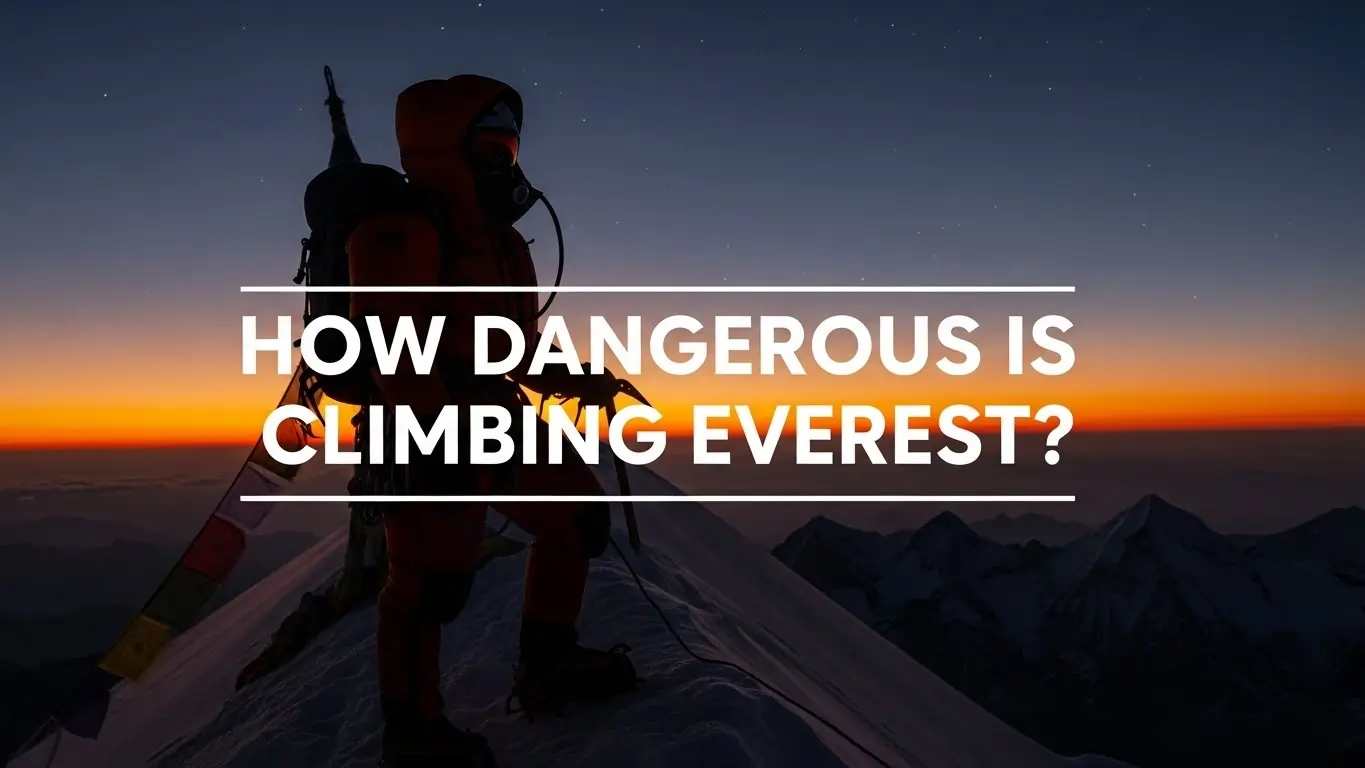
Have you ever wondered how dangerous is climbing Everest? Millions dream of standing atop its peak, yet few understand the true risks. Altitude sickness, avalanches, and harsh weather claim lives every year. Understanding these dangers is essential before attempting such a feat.
In this blog, we explore how dangerous climbing Everest is and why these risks exist. From the logistics of an everest expedition to the physical toll on the body, you will learn about fatality rates, environmental hazards, and strategies to reduce risk. This guide provides a clear, practical view for anyone curious about the challenges of reaching the world’s highest summit.
Begin Your Everest Expedition Journey
Introduction to Climbing Everest
Mount Everest rises 8,848 meters above sea level, attracting climbers from every continent. Its towering presence symbolizes adventure and achievement, drawing both seasoned mountaineers and ambitious novices. The mountain challenges physical endurance, mental strength, and technical skill. Every year, thousands attempt its slopes, but only a fraction reach the summit.
Understanding the danger of climbing Everest is crucial for safety and preparation. Because many first-time climbers start by asking where is everest located, it is important to realize the remote nature of its Himalayan setting. Accidents often result from altitude sickness, sudden weather changes, or icefall collapses. Knowing risks allows climbers to plan acclimatization, choose experienced guides, and make informed decisions during the ascent.
How Dangerous Is Climbing Everest in Reality?
In reality, Everest climbing is extremely dangerous despite its popularity. Many aspiring mountaineers ask, is climbing everest scary, and the answer lies in the harsh reality of the mountain: climbers face severe altitude, freezing temperatures, and unpredictable storms. Crowding near the summit increases the risk of accidents, while avalanches and icefall collapses claim lives every year. Even experienced mountaineers cannot fully eliminate these dangers.
Everest fatality rate and historical death statistics
Mount Everest’s overall fatality rate stands around 1-2% for all climbers, but risks rise sharply in the death zone above 8,000 meters. Since the first successful ascent in 1953, there have been more than 300 recorded deaths on everest. Most fatalities result from avalanches, falls, exposure, and altitude sickness. Advances in equipment, weather forecasting, and guided expeditions have gradually lowered death rates in recent decades, yet each ascent still carries a life-threatening risk.
What Makes Climbing Everest So Dangerous?
What makes climbing Everest so dangerous is that the mountain combines extreme altitude, harsh weather, and unstable terrain. Climbers face life-threatening conditions that can change within hours. Physical and environmental challenges interact, making even small mistakes fatal. Every ascent requires careful planning, experience, and respect for the mountain’s hazards.
Extreme altitude and oxygen deprivation
Everest death zone above 8,000 meters creates severe oxygen shortages, limiting the body’s ability to function. Hypoxia reduces cognitive function, slows reaction times, and increases fatigue. Climbers often experience dizziness, nausea, and shortness of breath. Prolonged exposure can lead to high-altitude pulmonary edema (HAPE) or cerebral edema (HACE). Supplemental oxygen and careful acclimatization reduce risks but cannot eliminate them entirely. Climbers must monitor symptoms continuously to avoid irreversible damage.
Harsh weather and unpredictable climate
Everest’s weather changes rapidly, with high winds, snowstorms, and sub-zero temperatures. Sudden storms can trap climbers for hours or days. Extreme cold causes frostbite, hypothermia, and reduces dexterity for critical tasks. Even experienced climbers face difficulties predicting conditions. Weather remains one of the leading causes of accidents and fatalities on the mountain. Constant monitoring of forecasts and flexible scheduling are essential for survival.
Avalanches, icefalls, and crevasses
Avalanches can strike without warning, destroying fixed ropes and tents. The Khumbu Icefall constantly shifts, creating deep crevasses and unstable seracs. Falls into crevasses are often fatal, and rescue is extremely difficult. These hazards exist regardless of skill level, making objective dangers beyond human control. Proper route planning and experienced guides help, but risk cannot be fully removed. Climbers must always move cautiously and respect the terrain’s instability.
Stand Before the World’s Highest Peak
Whether you need expert expedition guidance or you’re ready to take on the ultimate challenge, Mount Everest awaits your journey.
How Dangerous Is Climbing Everest Compared to Other Mountains?
Compared to other mountains, Everest climbing is moderately dangerous but less technical than peaks like K2. Fatality rates are lower on Everest due to established routes, fixed ropes, and widespread use of guides. However, extreme altitude, weather, and environmental hazards still make it a high-risk endeavor. Climbers face life-threatening challenges that demand preparation and experience.
| Mountain | Height (meters) | Fatality Rate (%) | Technical Difficulty | Major Risks | Notes |
| Mount Everest | 8,848 | 1-2 | Moderate | Altitude sickness, weather, icefall | Most popular 8000m peak; fixed routes |
| K2 | 8,611 | 25 | Extreme | Avalanches, rockfall, steep slopes | Highly technical; few guided ascents |
| Kangchenjunga | 8,586 | 22 | High | Avalanches, weather, altitude | Remote; rescue difficult |
| Lhotse | 8,516 | 4-5 | Moderate | Altitude, crevasses, storms | Shares route with Everest base camp |
| Annapurna I | 8,091 | 32 | Extreme | Avalanches, technical climbing | Highest fatality rate among 8000ers |
Human Factors That Increase the Danger of Climbing Everest
Human factors significantly increase Everest’s risk. Decisions, preparation, and behavior often determine survival as much as environmental hazards. Mistakes in judgment, poor planning, or underestimating conditions can turn a manageable climb into a life-threatening situation.
Overcrowding and traffic jams on Everest
Overcrowding has become a major contributor to accidents on Everest. Popular routes, especially near the summit, often form long lines, forcing climbers to wait in the death zone for hours. Limited oxygen and extreme fatigue increase the chance of mistakes and collapses. Bottlenecks also prevent timely descents, turning minor issues into fatal situations. In several recent seasons, fatalities occurred when climbers ran out of supplemental oxygen while stuck in queues. Overcrowding strains guides, slows progress, and reduces the margin for error during storms or sudden weather changes.
Lack of experience and poor decision making
Inexperienced climbers on commercial expeditions increase overall risk for themselves and others. Many attempt Everest without prior high-altitude experience or proper technical training. Poor judgment, such as ignoring weather warnings, descending late, or pushing beyond physical limits, leads to injuries or death. Summit fever drives climbers to continue despite exhaustion, frostbite, or illness. Delayed descents in the death zone amplify risk, as oxygen depletion and extreme cold intensify rapidly. Even guided expeditions cannot fully protect climbers lacking experience or awareness of hazards.
How Can the Danger of Climbing Everest Be Reduced?
The danger of Everest climbing can be reduced through careful planning, preparation, and risk management. Using high-quality everest climbing equipments ,such as reliable oxygen systems, specialized double-layer boots, and technical hardware, alongside proper acclimatization and experienced guides significantly lowers the chances of accidents. While risks cannot be eliminated, disciplined measures and the right gear improve survival odds and overall success.
Proper acclimatization and gradual ascent
Climbers reduce risk by ascending gradually, using rotation climbs to adjust to higher altitudes. Rest days at intermediate camps allow the body to adapt and produce more red blood cells. Gradual acclimatization lowers the risk of high-altitude pulmonary edema (HAPE) and cerebral edema (HACE). Monitoring symptoms like dizziness, nausea, and shortness of breath ensures timely intervention. Combining rest with limited exposure to the death zone strengthens resilience against oxygen deprivation.
Choosing experienced guides and reputable expedition operators
Best expedition companies like Marvel Treks enhance safety through experienced guides and trained Sherpas who provide route knowledge, fixed rope setup, and decision-making support. Reputable operators supply proper equipment, oxygen management, and contingency plans for emergencies. Quick response to avalanches, icefalls, or medical issues can save lives. Guided teams enforce pacing, turn-around times, and safe climbing protocols, reducing human error. Choosing reliable operators ensures climbers avoid poorly managed, high-risk expeditions.
Physical, technical, and mental preparation before the expedition
Climbers benefit from prior high-altitude experience, technical climbing skills, and cardiovascular conditioning. Strengthening endurance, flexibility, and stamina prepares the body for extreme exertion. Mental preparation reduces panic, improves judgment under stress, and counters summit fever tendencies. Awareness of hazards and developing a disciplined risk assessment habit ensures climbers make informed, timely decisions during the ascent.
Climbing during optimal weather windows and limiting summit attempts
Timing climbs with stable weather forecasts prevents exposure to storms, high winds, and extreme cold. Limiting summit attempts reduces time spent in the death zone, lowering oxygen depletion and frostbite risk. Flexible scheduling allows climbers to retreat if conditions worsen. Avoiding congestion during peak hours also minimizes accident potential. Careful weather monitoring and strategic timing improve both safety and chances of a successful summit.
How Dangerous Is Climbing Everest Today With Modern Technology?
Climbing Everest today remains dangerous, but modern technology has reduced some risks. Fixed ropes, supplemental oxygen, and advanced communication tools improve safety. Helicopters and better rescue capabilities allow faster emergency responses. Despite these advances, altitude, weather, and environmental hazards continue to pose life-threatening challenges.
- Fixed ropes provide secure routes in icefalls and steep sections, reducing fall risk.
- Supplemental oxygen allows climbers to operate longer in the death zone safely.
- Radios, satellite phones, and GPS devices improve coordination and emergency communication.
- Weather monitoring tools help plan climbs around storms and high winds.
- Helicopters enable evacuation in case of medical emergencies or sudden illness.
- Avalanche and crevasse detection technology assists guides in safer route selection.
- Improved climbing gear, including insulated clothing and lightweight tents, enhances survival in extreme cold.
Why Do People Still Climb Everest Despite the Danger?
People still climb Everest despite the danger because the mountain represents the ultimate personal and physical challenge. Many climbers seek to test their endurance, resilience, and skill against extreme conditions. Standing on the world’s highest peak offers a unique sense of accomplishment that few experiences can match.
Prestige and recognition also motivate climbers. Completing an Everest ascent symbolizes achievement and determination recognized worldwide. For some, it fulfills lifelong dreams, while for others, it provides personal satisfaction and a story of survival. Even with known risks, these psychological and emotional rewards drive climbers to attempt the summit.
Can Climbing Everest Ever Be Completely Safe?
Climbing Everest can never be completely safe because extreme altitude, unpredictable weather, and unstable terrain create unavoidable risks. Even the most experienced climbers face life-threatening conditions in the death zone. Proper planning, equipment, and guidance reduce danger, but they cannot eliminate it entirely.
Safety on Everest involves managing risk rather than achieving absolute security. Managed risk includes acclimatization, using supplemental oxygen, and following expert guidance. True safety would mean no possibility of injury or death, which is impossible on a mountain of this magnitude. Climbers must accept that risk is inherent and make decisions accordingly.
Final Verdict on How Dangerous Is Climbing Mt. Everest
Climbing Mount Everest is inherently dangerous, combining extreme altitude, harsh weather, and unstable terrain. Even with modern technology, experienced guides, and careful planning, climbers face life-threatening risks every step of the way. Accidents, altitude sickness, and environmental hazards remain common challenges that cannot be fully eliminated.
However, proper preparation, physical and mental training, reliable expedition companies, and strategic timing can significantly reduce risks. Everest offers unparalleled achievement and personal growth for those who respect its dangers. Understanding the mountain, planning carefully, and accepting the inherent risks are essential for anyone considering this extraordinary challenge.
FAQs
How dangerous is climbing Everest?
Everest is extremely dangerous due to altitude, weather, avalanches, and icefalls. Even experienced climbers face life-threatening risks.
What is the fatality rate on Mount Everest?
The overall fatality rate is around 1–2%, but risk increases sharply in the death zone above 8,000 meters.
Can climbing Everest be made safe?
Risks can be reduced with acclimatization, guides, equipment, and weather planning, but no ascent is completely safe.
What are the most common causes of death on Everest?
Altitude sickness, avalanches, falls, exposure, and extreme cold are the leading causes of fatalities.
How does Everest compare to other 8000-meter peaks?
Everest is less technical than K2 or Annapurna but still highly dangerous due to altitude and environmental hazards.
Do modern tools make climbing safer?
Yes, fixed ropes, supplemental oxygen, GPS, weather monitoring, and helicopters reduce risk but don’t eliminate it.
How do human factors increase risk on Everest?
Crowding, poor experience, bad decisions, and summit fever significantly raise danger beyond natural hazards.
Why do people still climb Everest despite the risks?
Climbers seek challenge, achievement, prestige, and personal fulfillment, accepting danger as part of the experience.

Ready for your next Himalayan adventure?
Plan Your Next Big Adventure with Us
Explore Our AdventuresJoin our expert-guided journeys across Nepal and beyond, from classic trails to epic summits.