
Holi Festival in Nepal: Complete Guide 2026
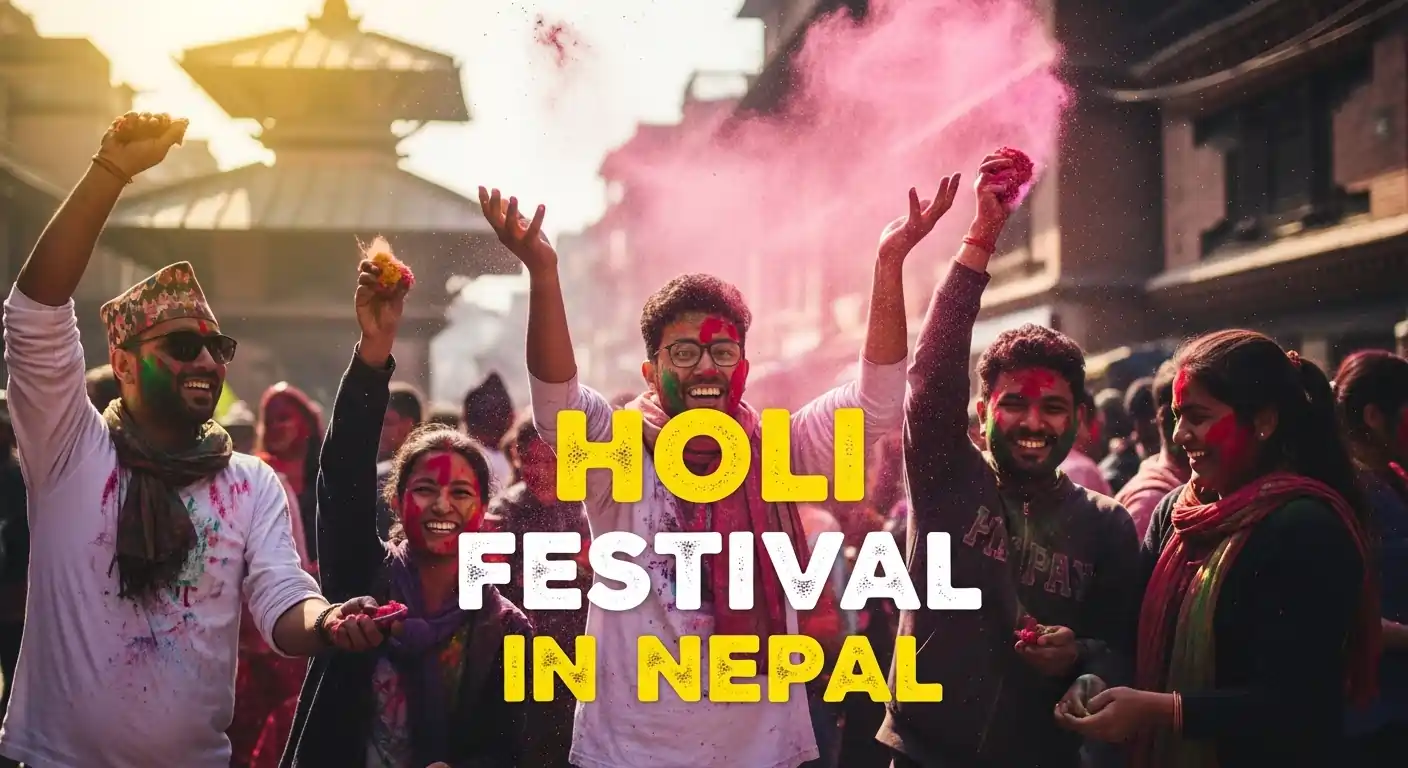
If you’ve ever wanted to know what it feels like to be inside a giant, vibrating bag of Skittles, the Holi festival in Nepal is your chance. In 2026, the “Festival of Colors” promises to be as chaotic, colorful, and completely unhinged as ever. This isn’t just a religious holiday; it’s a country-wide permission slip to act like a kid again, armed with nothing but water balloons, a handful of magenta powder, and a massive grin.
Whether you’re a photographer looking for that perfect “color explosion” shot or a traveler just trying to survive the day without ruining your favorite hiking boots, this guide covers everything you need to know to navigate the beautiful madness.
What Is Holi Festival?
Holi, known as the “Phagu Purnima,” is a vibrant Hindu celebration that marks the arrival of spring and the end of winter’s gloom. It is culturally significant as a day to repair broken relationships, end long-standing feuds, and celebrate the harvest, bringing people from all castes and backgrounds together in a spirit of unity.
Commonly referred to as the “Festival of Colors,” the celebration involves people smearing each other with Gulal (colored powders) and splashing water using balloons and water guns. This exuberant display of color symbolizes the blossoming of nature in spring and the joyful energy of life, turning every street into a canvas of pink, red, and yellow.
Deeply rooted in Hindu mythology, the festival primarily celebrates the victory of Lord Vishnu’s devotee Prahlad over the demoness Holika. This legend serves as a powerful symbol of the triumph of good over evil and the resilience of true faith, reminding participants that light will always overcome darkness, no matter how daunting the odds.
Holi Festival History in Nepal
The history of the Holi festival in Nepal is a deep-rooted blend of Vedic tradition and local folklore that has evolved over thousands of years into a nationwide celebration of life. While its core revolves around the triumph of divinity over demonic forces, the festival has integrated itself into the social fabric of Nepal, becoming a time for communal harmony that transcends modern social boundaries.
Mythological Story of Prahlad and Holika
The primary historical root of Holi lies in the legend of Prahlad, a young prince and devoted follower of Lord Vishnu, who survived a burning pyre meant to kill him. His aunt, the demoness Holika, attempted to burn him while wearing a fireproof cloak, but the cloak protected Prahlad instead, leaving Holika to perish. This miraculous survival is celebrated as the ultimate proof that righteousness will always be protected by the divine, giving the festival its name and its core message of hope.
Connection with Lord Krishna and Radha
In the broader Hindu tradition, Holi is also celebrated to commemorate the divine and playful love between Lord Krishna and Radha. Legend says that Krishna, self-conscious about his dark skin, playfully smeared color on Radha’s face to make her look like him, sparking the tradition of applying “Gulal” to loved ones. This story adds a layer of romantic and youthful joy to the Holi festival in Nepal, making it a celebration of affection and the beauty of diversity.
Evolution of Holi Festival in Nepal
Over the centuries, Holi in Nepal has transitioned from a localized religious ritual to a massive, secular-style public event that unites various ethnic groups. In the past, it was closely tied to agrarian cycles and royal courts, where the “Chir” (a ceremonial pole) was erected in Kathmandu’s Durbar Square to signal the start of the festivities. Today, while those royal traditions remain, the festival has expanded into every corner of the country, becoming an essential part of the modern Nepali identity.
Traditional vs Modern Celebrations
Traditionally, Holi was celebrated with folk songs, “Dhap” drums, and naturally sourced colors made from flowers and turmeric, focusing on family visits and temple rituals. Modern celebrations, however, have shifted toward massive street parties, live DJ sets in Thamel and Lakeside, and the widespread use of “Lolas” (water balloons). While the tools of the trade have changed from wooden buckets to high-powered water guns, the underlying spirit of unbridled joy and community remains exactly the same.
Why Do We Celebrate Holi Festival in Nepal?
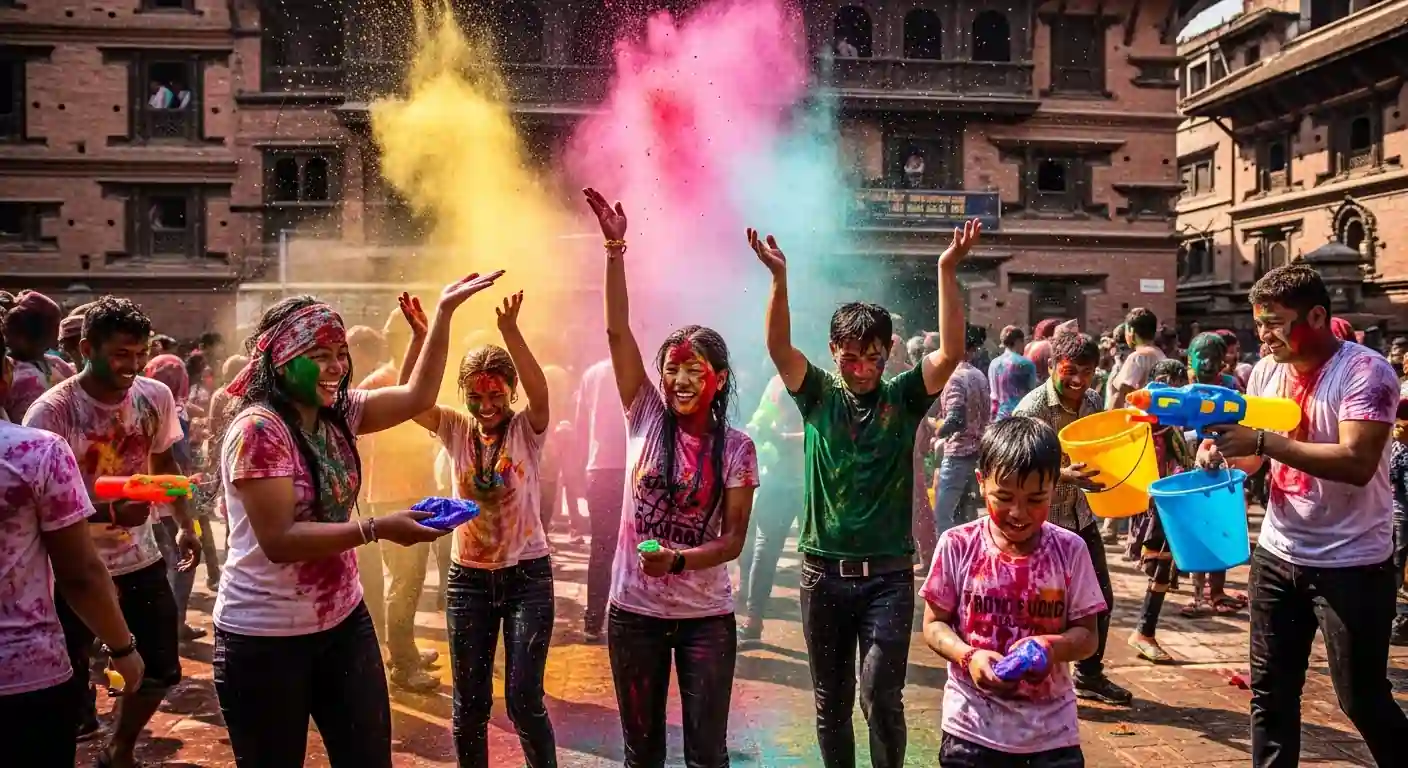
We celebrate the Holi festival in Nepal to honor the timeless victory of righteousness over ego and to welcome the rejuvenating energy of the spring season. Beyond the religious legends, it serves as a vital social “reset” button, allowing people to wash away the grudges of the past year and start fresh with a clean, albeit colorful, slate. It is a day where the rigid structures of daily life dissolve into a shared experience of laughter and human connection.
Seasonal Transition (End of Winter, Start of Spring)
Holi marks the official departure of the long, cold winter months and the arrival of “Basanta” (Spring), the season of rebirth and new beginnings. As the fields begin to bloom and the days grow longer, the Holi festival acts as a vibrant reflection of nature’s transformation. The act of throwing colors is a symbolic way of mirroring the blossoming flora and welcoming the warmth that allows life to thrive again. It is a celebration of fertility, growth, and the colorful vitality that defines the Himalayan landscape after the frost melts.
Social Harmony and Forgiveness
One of the most beautiful aspects of Holi is its role as a day of “reconciliation and forgetting.” It is a time when people visit the homes of friends, family, and even former rivals to smear color on their faces as a gesture of peace and renewed friendship. By participating in the communal fun, individuals are encouraged to let go of old anger and forgive past mistakes, strengthening the social bonds within the neighborhood. This focus on harmony ensures that the festival isn’t just a party, but a meaningful tool for maintaining a peaceful and supportive community.
Cultural Unity Across Communities
In a country as diverse as Nepal, Holi serves as a powerful bridge that connects people across different castes, religions, and ethnic backgrounds. During the celebrations, the usual social hierarchies are temporarily set aside, everyone is covered in the same bright powders, making it impossible to distinguish between the rich and poor or the local and the traveler. This “great equalizer” effect fosters a deep sense of national unity and shared identity, proving that despite their differences, all Nepalese people share the same capacity for joy and collective celebration.
When Is Holi Festival in Nepal 2026?
Holi 2026 in the Hilly region (Kathmandu/Pokhara) falls on Monday, March 2, while the Terai region celebrates a day later on Tuesday, March 3. This two-day split allows the entire nation to participate in the “Festival of Colors” according to specific regional and lunar calendar traditions. Because the date is based on the full moon of the Nepali month of Falgun, it remains the most anticipated spring event for locals and travelers alike.
Difference between Holi in Hills vs Terai
The primary difference lies in the intensity and the cultural “vibe” of the celebrations between the high-altitude hills and the southern plains. In the Hilly regions like Kathmandu and Pokhara, Holi is a high-energy, fast-paced event centered around city squares, DJ sets, and massive water fights that peak by mid-afternoon. In contrast, Terai Holi (often called Madhesi Holi) is more traditional and community-oriented, featuring folk music, local delicacies, and celebrations that often stretch longer into the evening. While the Hills focus on the “carnival” atmosphere, the Terai regions like Janakpur emphasize deep-rooted rituals and family gatherings.
Why Holi is celebrated on different days
Holi is celebrated on different days in Nepal due to a combination of geographical distances and distinct cultural calendars followed by various communities. Traditionally, the Hills celebrate on the day of the full moon (Phagu Purnima) to mark the symbolic burning of the demoness Holika, known as Holika Dahan. The Terai region, which shares close cultural ties with neighboring India, celebrates the “victory of color” on the day following the bonfire, as a celebratory response to the triumph of good. This staggered schedule has become a unique hallmark of Nepal’s diversity, ensuring that the spirit of Holi resonates across the country for 48 hours.
About Holi Festival in Nepal: How It Is Celebrated Across the Country
The Holi festival in Nepal is a nationwide spectacle that transforms every city, village, and mountain trail into a vibrant theater of color and communal joy. From the narrow alleys of Kathmandu to the sprawling plains of the Terai, the entire country halts its daily routine to participate in the playful “war” of powders and water. It is a day defined by spontaneous laughter, where the air is filled with neon-colored dust and the sound of traditional “Dhap” drums mixed with modern electronic beats. This collective celebration bridges the gap between generations, inviting everyone to lose themselves in the spirit of spring.
Nationwide Celebration Overview
The celebration of the Holi festival in Nepal is a massive, coordinated eruption of happiness that touches every corner of the country simultaneously. Schools, businesses, and government offices close their doors, allowing the entire population to take to the streets armed with “Gulal” (powders) and “Pichkaris” (water guns). While the epicenter of the action is often in major hubs like Kathmandu’s Durbar Square, even the most remote Himalayan villages observe the day with local feasts and color-smearing. It is one of the few days of the year when the entire nation speaks the same language of color, regardless of their social standing or geographic location.
Cultural Diversity in Celebration Styles
While the core theme of Holi remains constant, the style of celebration varies significantly as you travel through Nepal’s diverse landscape. In the Kathmandu Valley, Newar communities often incorporate unique local traditions, such as the hoisting of the ceremonial “Chir” pole, which adds a distinct historical flavor to the day. In the Terai region, the festivities are deeply influenced by Maithili and Bhojpuri cultures, featuring vibrant folk songs and specialized sweets like “Gujiaya.” These regional nuances showcase Nepal’s incredible cultural tapestry, proving that while the “Festival of Colors” is universal, its expression is beautifully varied across different ethnic groups.
Public Gatherings, Music, and Water Balloons
In modern-day Nepal, the festival has evolved into a massive public carnival characterized by organized concerts and frantic water balloon fights. Major squares in Thamel and Lakeside Pokhara host live DJ sets and “rain dances,” where huge crowds dance under high-pressure water sprinklers while being pelted with “Lolas” (water-filled balloons). These public gatherings have become the heart of the youth culture during Holi, turning urban centers into high-energy zones of neon-pink and green chaos. It is a sensory overload where the beat of the music competes with the shouts of “Holi Hai!” as people of all nationalities join in the fun.
Traditional Rituals Before Color Play
Long before the first handful of powder is thrown, the festival begins with sacred rituals that ground the celebration in its mythological roots. On the eve of Holi, known as Holika Dahan, massive bonfires are lit across the country to symbolize the burning of the demoness Holika and the purification of the spirit. In Kathmandu, the tradition of the “Chir” (a three-tiered ceremonial umbrella adorned with colorful cloth strips) is a central ritual; its eventual burning marks the official end of the festival. These spiritual ceremonies serve as a necessary reminder that beneath the messy fun lies a deep-seated reverence for the victory of light over darkness.
Holi Festival in Nepal Kathmandu: Best Places to Celebrate
Kathmandu is the vibrant heart of the Holi festival in Nepal, offering a range of experiences from massive public concerts to intimate neighborhood gatherings. As the capital, it hosts the most energetic celebrations, with historic squares and narrow streets becoming centers of color and music. Whether you seek the chaos of a thousand-person water fight or a more traditional cultural experience, Kathmandu’s diverse districts provide the perfect backdrop for the Festival of Colors.
Basantapur Durbar Square
Basantapur Durbar Square is the undisputed epicenter of Holi in the capital. Thousands of locals and travelers gather here to witness the hoisting of the “Chir” pole and dance to live music from massive stage setups. The atmosphere is electric, with ancient temples providing a stunning contrast to the sea of neon-colored crowds. It is the best place to witness the sheer scale of the festival, though it requires a tolerance for intense crowds and constant splashes of color.
Thamel Area Celebrations
For many international visitors, the narrow streets of Thamel offer a high-energy and accessible way to experience the festival. This tourist district transforms into a giant street party where every corner features a group of revelers armed with water guns and colorful powders. Many rooftops become “launch zones” for water balloons, so keep an eye out as you navigate the colorful alleys. The area is a social hub where it is incredibly easy to meet fellow travelers while getting completely covered in magenta dust.
Local Neighborhoods & Community Events
Beyond the major tourist hubs, historic areas like Patan and Bhaktapur offer a more traditional and community-focused atmosphere. In these neighborhoods, you will see local families setting up small feasts outside their homes and children playing in the quiet, stone-paved courtyards. These areas allow you to see the more personal side of the festival, where the focus is on visiting neighbors and sharing traditional sweets. It is a great way to experience the warmth of the community away from the frantic pace of the central city squares.
Tourist-Friendly Holi Events
Several event venues and large hotels in Kathmandu organize “safe Holi” parties specifically designed for those who want a more controlled environment. These events often provide high-quality organic colors, clean water, and secure areas to store valuables like cameras and phones. They frequently feature “rain dance” floors and performances by local bands, offering a curated experience that balances wild fun with modern amenities. These organized events are perfect for families or travelers who want to enjoy the colors without the unpredictability of the open streets.
Holi Festival in Terai vs Hilly Region: What’s the Difference?
The primary distinction between the two regions is the timing and the cultural intensity of the celebration. While the Hilly region focuses on high-energy urban festivities on the day of the full moon, the Terai celebrates a day later with deep-rooted traditions that emphasize community bonds and folk heritage.
| Feature | Hilly Region (Kathmandu & Pokhara) | Terai Region (Janakpur & Chitwan) |
| Date (2026) | Monday, March 2nd | Tuesday, March 3rd |
| Celebration Vibe | Fast-paced, urban, and focused on large public concerts and “rain dances.” | Traditional, community-oriented, and centered around family visits. |
| Musical Influence | Modern DJ sets, EDM, and popular Nepali pop/rock music. | Folk music, traditional “Dhap” drums, and Bhojpuri/Maithili songs. |
| Key Rituals | The hoisting and burning of the “Chir” pole in Durbar Squares. | Extensive traditional feasts and rituals honoring the victory of Prahlad. |
| Cultural Influence | Distinctly Nepali with unique Newari cultural elements in the valley. | Strong influence from North Indian traditions and Madhesi culture. |
| Traditional Food | Sel Roti, various pickles (Achar), and local sweets. | Specialized delicacies like Malpua, Dahi Vada, and Gujiya. |
| Atmosphere | Youth-centric and “carnival-like” in major city squares. | Deeply communal, where entire villages participate in folk dances. |
How to Celebrate Holi Festival in Nepal?
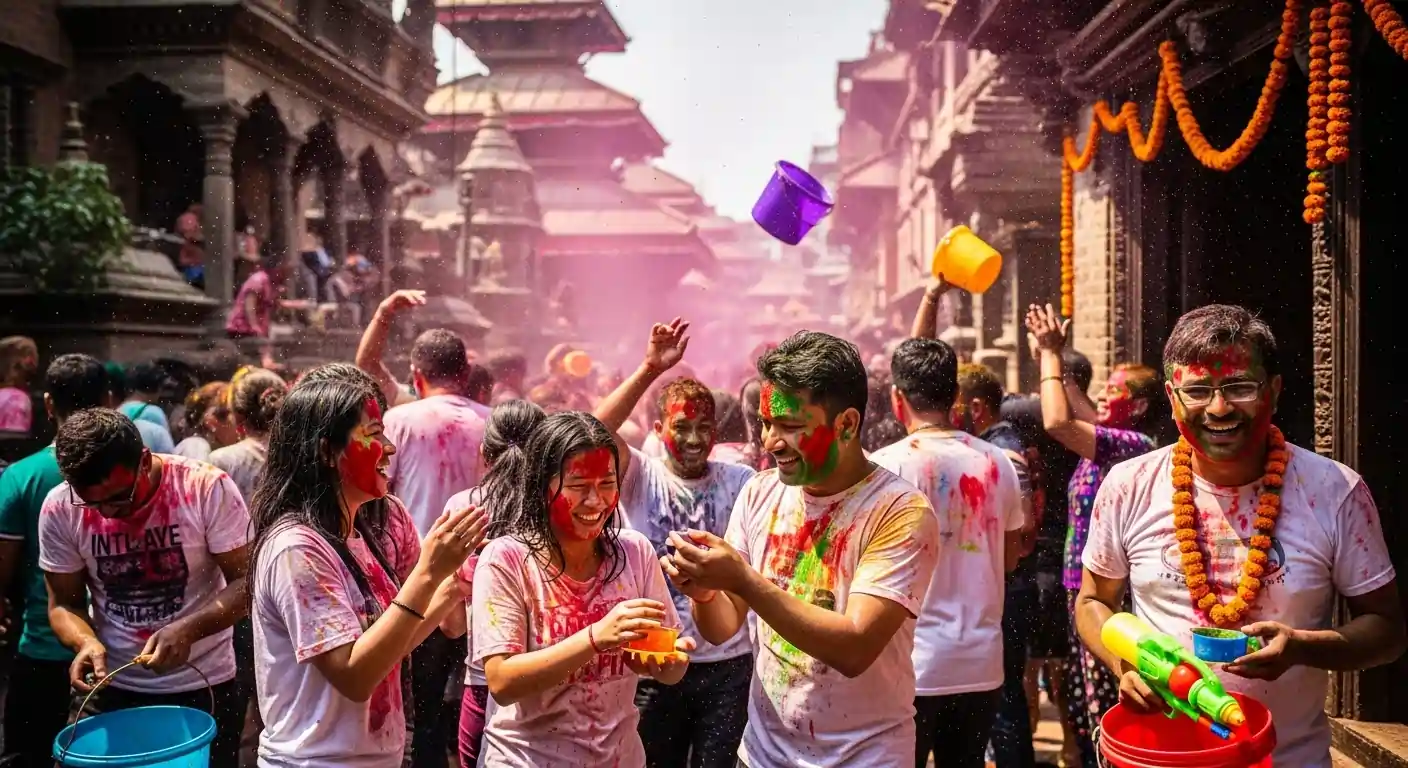
Celebrating Holi in Nepal is a multi-day journey that begins with solemn religious rituals and culminates in an explosion of color and community spirit. The process transitions from the symbolic burning of evil at night to a daytime carnival where social barriers dissolve under layers of powder and water. To fully experience the Holi festival in Nepal, you must follow the progression from the spiritual bonfire to the playful chaos of the streets.
Traditional Holi Rituals
The celebration officially kicks off on the eve of Holi with “Holika Dahan,” where massive bonfires are lit to symbolize the destruction of the demoness Holika and the triumph of faith. Families gather around these fires to offer prayers and perform circumambulations, often roasting corn or grains in the embers as a blessing. In the morning, many visit local temples to offer colors to the deities before starting the public play, ensuring the day begins with a sense of gratitude and spiritual purification. These rituals ground the high-energy fun in a deeper historical context, reminding everyone of the victory of good over evil.
Playing with Colors
Once the rituals are complete, the “color war” begins as people take to the streets to smear friends and strangers alike with “Gulal” (vibrant colored powder). The air becomes a misty rainbow of magenta, yellow, and green, supplemented by the “Lolas” (water balloons) and “Pichkaris” (water guns) that provide a cooling splash against the spring sun. Music is the heartbeat of this phase, with traditional drums or modern speakers blasting “Holi Hai” anthems that keep the crowds dancing for hours. It is a time of uninhibited joy where the goal is to leave no inch of white clothing visible by the end of the afternoon.
Foods and Drinks During Holi
No Holi celebration is complete without indulging in traditional festive treats like “Sel Roti” (ring-shaped rice bread) and “Gujiya” (sweet dumplings filled with milk solids and nuts). In the Terai region especially, you’ll find “Malpua” pancakes dripping in syrup and savory “Dahi Vada” served to guests who drop by to share colors. The most iconic drink of the festival is “Thandai,” a chilled, milky beverage infused with nuts, spices, and sometimes a hint of “Bhang” (cannabis paste) for a traditional buzz. These flavors provide the necessary fuel to keep your energy high as you navigate the colorful madness of the Nepali streets.
Travel Guide for Experiencing Holi Festival in Nepal
Navigating the Holi festival in Nepal requires a blend of adventurous spirit and practical planning to ensure you enjoy the chaos without any unnecessary stress. In 2026, the festival is celebrated on March 2nd in the Hills (Kathmandu and Pokhara) and March 3rd in the Terai, making it essential to time your city-hopping correctly to catch the best of both worlds. Whether you are seeking a high-energy urban party in Basantapur or a traditional village celebration in Janakpur, having a clear roadmap will help you find the perfect festive vibe before you head off for your adventure trekking in Nepal.
Best Cities to Experience Holi
In 2026, Kathmandu remains the top choice for those wanting a high-intensity experience, specifically at Basantapur Durbar Square where massive concerts and water fights take place. Pokhara offers a more “chilled” but equally colorful atmosphere along the banks of Phewa Lake, perfect for travelers who want a scenic mountain backdrop. For a deeper cultural immersion, Janakpur provides a traditional look at the festival with rituals at the Janaki Temple, while Chitwan (Sauraha) often features unique Tharu community dances and elephant-themed celebrations. Each city offers a distinct flavor of the Holi festival in Nepal, allowing you to choose between modern DJ parties and ancient regional traditions.
Safety Tips for Tourists
Protecting your belongings is the first rule of surviving Holi; use high-quality waterproof pouches for your phone and consider leaving expensive cameras at the hotel unless they are professionally sealed. Applying a thick layer of coconut oil or moisturizer to your skin and hair beforehand is a “pro-tip” that prevents the vibrant dyes from staining you for a week. You should wear old, white clothes that you are prepared to throw away, as the combination of water and chemical powders can be impossible to wash out. Finally, stay in a group and be mindful of your surroundings, especially in crowded areas like Thamel where water balloons can come from any rooftop without warning.
Cultural Etiquette During Holi
While the festival is a time of unbridled joy, it is vital to respect personal boundaries by asking “Happy Holi?” before applying color to someone’s face. You should avoid throwing colors or water at people who are not actively participating, especially those wearing formal clothes or elderly individuals who may be heading to a temple. It is also important to avoid harmful behavior, such as using dirty water, throwing balloons with force, or using industrial-grade paints that can cause skin irritation. By maintaining a respectful and playful attitude, you ensure that the spirit of “Atithi Devo Bhava” (The Guest is God) remains at the heart of your Himalayan holiday experience.
Is Holi Festival in Nepal Safe for Tourists?
Yes, the Holi festival in Nepal is remarkably safe for tourists, provided you maintain a level of street smarts and respect for the local boundaries. In 2026, the Nepal Police and local community groups have ramped up their presence to ensure the “no forced color” rule is strictly followed, making it a welcoming environment for international visitors.
- Strict Government Regulations: The Nepal Police enforce a zero-tolerance policy against harassing people who aren’t participating, and throwing water balloons at moving vehicles or non-revelers can lead to immediate fines.
- Solo Traveler Strategy: If you are traveling alone, it is highly recommended to join a group from your hostel or hire a local guide to navigate high-density areas like Basantapur Durbar Square safely.
- Electronic Security: Always carry your phone and cash in a double-sealed waterproof pouch or a dry bag tucked under your clothes to prevent water damage and deter opportunistic pickpockets in large crowds.
- Organic Color Choice: To avoid skin irritations or eye infections, only use “Safe Holi” organic powders that are widely sold in Thamel and Lakeside, and steer clear of industrial or metallic paints.
- Bhang Caution: Be extremely cautious with traditional “Bhang” (cannabis) drinks; their potency is unpredictable and can leave you disoriented or vulnerable in a chaotic, crowded street environment.
- Afternoon Curfew: The heaviest color-throwing typically stops by 3:00 PM, so if you’ve had enough, plan to be back at your hotel by mid-afternoon when the streets begin to settle down and dry off.
Environmental Impact and Responsible Holi Celebration
As the Holi festival in Nepal continues to grow in scale, there is an increasing focus on ensuring the “Festival of Colors” doesn’t leave a lasting scar on the local environment. In 2026, both the government and local NGOs are championing a shift toward “Green Holi,” encouraging participants to celebrate in ways that protect the air, water, and soil of the Himalayas. By making conscious choices, we can ensure that the joy of the festival remains sustainable for future generations without sacrificing the fun.
Eco-friendly Colors
Switching to organic and herbal powders is the most significant step toward an eco-friendly celebration, as traditional synthetic dyes often contain heavy metals like lead and mercury. These natural colors are typically made from flowers, turmeric, and beetroot, making them completely biodegradable and safe for both your skin and the local water systems. In 2026, “Green Holi” stalls are widely available in Kathmandu and Pokhara, offering powders that wash off easily without requiring excessive water or harsh chemicals. Using these natural alternatives prevents toxic runoff from entering Nepal’s rivers, ensuring that the colorful celebration doesn’t harm the local aquatic life or downstream agriculture.
Reducing Plastic Waste
One of the biggest environmental challenges during Holi is the sheer volume of plastic waste generated by “Lolas” (water balloons) and disposable color packaging. Responsible travelers are encouraged to skip the balloons entirely and opt for reusable “Pichkaris” (water guns) or simply stick to dry powder play to minimize single-use plastic litter. In major hubs like Thamel, community groups often organize post-festival clean-up drives to collect the millions of balloon fragments that clog city drains and pollute urban parks. Choosing to carry your organic powder in a reusable cloth pouch instead of small plastic packets is a small change that significantly reduces the festival’s carbon footprint.
Water Conservation
While the “water fight” aspect of the Holi festival in Nepal is a major draw, being mindful of water usage is crucial in a country where clean water can be a scarce resource. Instead of using high-pressure hoses or buckets of water, try to celebrate with “Dry Holi” or limit your water play to small, targeted splashes with friends. Many hotels in 2026 are promoting “Low-Water Holi” parties that use misting fans and small sprayers rather than massive pools or rain dances. By reducing the volume of water used, we can celebrate the arrival of spring without putting unnecessary strain on the municipal water supplies that local communities rely on for their daily needs.
Sustainable Tourism Practices
Sustainable tourism during Holi means choosing to support local businesses and vendors who prioritize environmental responsibility and community well-being. Look for tour operators and hotels that provide organic colors to their guests and participate in organized “Safe Holi” events that have waste management protocols in place. Respecting the local culture by not forcing color on those who aren’t participating and avoiding areas of high ecological sensitivity is also part of being a responsible traveler. Your presence should leave the community with a positive economic impact and a sense of shared joy, rather than a pile of trash and a damaged ecosystem.
Holi Festival in Nepal vs Holi in India: Key Differences
While both nations share the same mythological roots, the Holi festival in Nepal and India offers two distinct cultural “flavors” in terms of ritual intensity and atmosphere. In 2026, the unique scheduling of Nepal, where the celebration is split across two days between the Hills and the Terai, provides a different logistical experience compared to the massive, single-day national eruption of color typically seen across India.
| Feature | Holi Festival in Nepal | Holi in India |
| Primary Focus | Centralized on the “Chir” (ceremonial pole) and huge public concerts in city squares. | Deeply diverse regional rituals, from the “Lathmar” (stick-hitting) in Braj to elephant parades in Rajasthan. |
| Duration & Timing | Two main days: March 2nd (Hills) and March 3rd (Terai/Madhesh). | One main day: March 3rd (National), though festivities in places like Vrindavan last for over a week. |
| Cultural Tone | Playful, community-focused, and increasingly “musical” with modern DJ stages and “rain dances.” | Can be intensely devotional or “royal,” with significant emphasis on temple rituals and regional folklore. |
| Water Usage Style | Famous for “Lolas” (water balloons) thrown from rooftops and massive communal water sprays. | Heavy use of “Pichkaris” (water guns) and buckets of colored water, with a higher focus on dry “Gulal” in cities. |
| Tourist Experience | Often perceived as slightly more “manageable” for solo travelers, with dedicated “Safe Holi” zones in tourist hubs. | Can be overwhelming due to the sheer population density, but offers more luxury “Heritage Holi” hotel events. |
| Signature Symbol | The three-tiered colorful “Chir” pole erected in Kathmandu’s Durbar Square. | The symbolic “Holika” bonfire which is lit on a massive scale across every neighborhood street. |
Conclusion
The Holi festival in Nepal is more than just a massive water fight or a photography session; it is a profound lesson in the power of joy and the beauty of human connection. In 2026, as the streets of Kathmandu and the plains of the Terai turn into a living masterpiece of magenta and gold, you’ll find that the colors on your skin matter far less than the smiles on the faces around you. It is a day where the “Atithi Devo Bhava” (The Guest is God) spirit of Nepal truly shines, welcoming everyone into the fold of the spring celebration.
Whether you are dancing under a rain shower in Thamel, sharing sweets with a family in Janakpur, or simply ducking for cover from a rooftop water balloon, Holi will likely be the highlight of your Himalayan journey. Pack your oldest white t-shirt, bring your sense of humor, and prepare to see Nepal ,and the world, in a much brighter light.
Ready to experience the most colorful day of your life? Join Marvel Treks for an unforgettable 2026 Holi Experience! We offer guided “Safe Holi” tours in Kathmandu and Pokhara, providing organic colors, secure transport, and local experts to ensure you get the best photos and memories without the stress.
FAQS
When is Holi in Nepal 2026?
Holi is celebrated on March 2nd in the Hilly regions (Kathmandu/Pokhara) and March 3rd in the Terai region.
Is it safe for female solo travelers?
Yes, but it is recommended to celebrate in groups, stay in tourist-friendly areas like Thamel, and return to your hotel by mid-afternoon.
What is the best thing to wear?
Wear cheap, old, white clothes that you don’t mind throwing away. The white background makes the colors pop in photos!
How do I get the color off my skin?
Apply coconut oil or a thick moisturizer to your skin and hair before playing. This creates a barrier that makes washing up much easier.
Can I take my camera out during Holi?
Only if you have a professional-grade waterproof housing. Otherwise, use a high-quality waterproof pouch for your phone.
Do I need to buy my own colors?
You can, but often locals will offer you color as a greeting. If you buy, look for “Herbal” or “Organic” labels to protect your skin.
Is it okay to say “no” to color?
Yes, but realize that in crowded areas, it might be hard for people to hear you. If you really don’t want to play, it’s best to stay indoors until 4:00 PM.

Ready for your next Himalayan adventure?
Plan Your Next Big Adventure with Us
Explore Our AdventuresJoin our expert-guided journeys across Nepal and beyond, from classic trails to epic summits.