Langtang Valley Trek

Nepal
Himalayas
1–12 pax
4,984 m
Moderate
Hotel/Lodge/Teahouse
5–7 hrs
Autumn & Spring
Highlights of Langtang Valley Trek
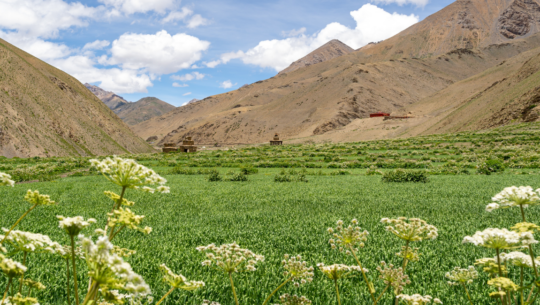
- You will spend your days walking through deeply peaceful and pristine forests packed with wild rhododendrons and thick bamboo shoots that follow the roaring river.
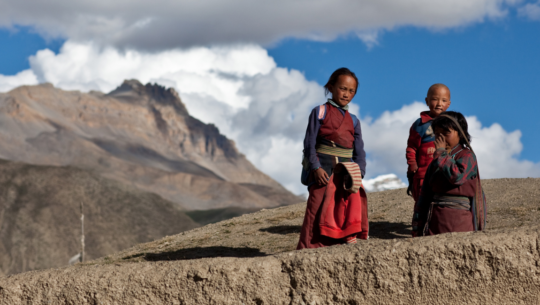
- Every village along the trail gives you a beautiful chance to experience authentic Tamang culture and see the resilient high-mountain lifestyle up close.
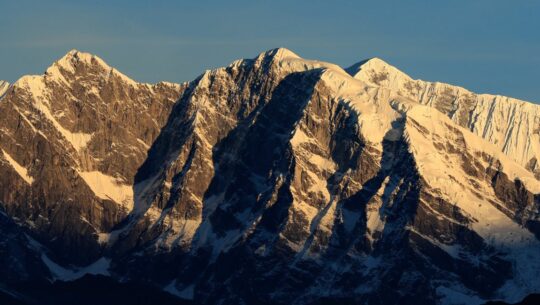
- The upper valley offers absolutely stunning views of Langtang Lirung and the surrounding snow-capped peaks towering directly over the lodges.
- You get to spend multiple days to explore the beautiful village of Kyanjin Gompa which serves as a peaceful alpine sanctuary.
- Energetic hikers can tackle an optional hike to breathtaking viewpoints above 4,300 meters like Kyanjin Ri or Tsergo Ri for panoramic vistas.
- The entire trail is incredibly tranquil and noticeably less crowded compared to the heavily commercialized Everest and Annapurna routes.
- It stands out as the perfect short trek in Nepal because it packs completely diverse landscapes and giant glaciers into one week.
- The journey gives you a complete and deeply rewarding Himalayan adventure that fits perfectly into a tight holiday schedule.
Langtang Valley Trek Overview
Ever looked at photos of Everest or Annapurna and worried that the trails might feel a bit too crowded with tourists? It is a common concern. Planning a short yet rewarding trek in Nepal can feel incredibly overwhelming when trying to balance limited time, unclear costs, and route logistics all on your own. However, you do not need weeks of holiday or an elite level of fitness to experience the raw magic of the Himalayas. If your goal is to witness dramatic glaciers, walk through pristine forests, and immerse yourself in traditional Tamang culture without the heavy foot traffic of other regions, the Langtang Valley is the perfect solution.
In this blog, we provide a complete breakdown of the Langtang Valley trek itinerary, costs, and essential safety guidelines for a seamless journey. We cover everything from the day-by-day trail conditions and mandatory permits to realistic budgeting for meals and accommodation along the route. Whether you are wondering about the best transport options from Kathmandu or looking to understand the fitness requirements for reaching Kyanjin Gompa safely, this comprehensive guide has everything needed to plan a confident adventure
| Day | Itinerary | Altitude | Duration |
|---|---|---|---|
| 1 | Kathmandu → Syafrubensi | 1,530 m | 6–7 hrs |
| 2 | Syafrubensi → Sherpagaun | 2,520 m | 8–9 hrs |
| 3 | Sherpagaun → Langtang Village | 3,455 m | 8–9 hrs |
| 4 | Langtang Village → Kyanjin Gompa (optional hike to Kyanjin Viewpoint 4,380 m) | 3,875 m (Gompa) / 4,380 m (Viewpoint) | 3–4 hrs trek + 3 hrs hike |
| 5 | Kyanjin Gompa → Lama Hotel | 2,445 m | 7–8 hrs |
| 6 | Lama Hotel → Syafrubensi | 1,530 m | 5–6 hrs |
| 7 | Syafrubensi → Kathmandu | 1,350 m | 6–7 hrs |
- Arrival and Ground Services: International airport pick-up and drop-off provided by a company representative. All ground transportation in Kathmandu and guided sightseeing as per the itinerary are included, excluding historical site entrance fees.
- Accommodation: Kathmandu accommodations are arranged in 3-star hotels on a twin-sharing Bed and Breakfast basis (single rooms available at an additional cost). On the trail, clean and authentic local mountain teahouses/lodges are provided during the trek.
- Meals and Nutrition: Welcome and farewell dinners are included in Kathmandu, while lunch and dinner in the city are excluded unless specified. During the trek, three hygienic meals daily (breakfast, lunch, and dinner) chosen directly from the teahouse menus are provided, along with fresh seasonal fruits where available.
- Transportation and Logistics: Round-trip ground transportation from Kathmandu to the trailhead at Syabrubesi via private jeep or tourist bus (as per the package) is fully included. Baggage movement via porters is fully managed.
- Permits and Government Requirements: All mandatory Nepal Government trekking permits, including the Langtang National Park Entry Permit and the Trekkers Information Management System (TIMS) card, are included. Applicable government taxes, company service fees, and administrative charges are fully covered.
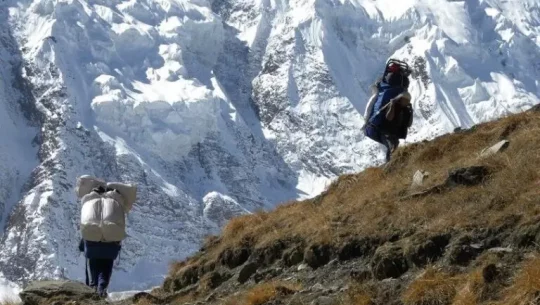
- Trekking Staff and Support: The journey is led by a government-licensed, English-speaking local trekking guide, supported by experienced mountain porters (typically 1 porter for every 2 trekkers). All staff salaries, food, lodging, gear, and mandatory medical insurance are fully included.
- Communication, Safety, and Medical: First-aid kits, daily tracking updates, emergency pulse oximeters to monitor blood oxygen saturation, and satellite communication support are managed by your lead guide.
- Complimentary Items: High-quality expedition duffle bags, branded trekking apparel, official route maps, and free use of down jackets and four-season sleeping bags for the duration of the trek are provided.
- Certification: Successful trekkers receive an official company certificate to commemorate their high-altitude achievement at the end of the journey.
- International Travel and Visa: International airfare to and from Nepal and Nepal entry visa fees (obtainable at the Kathmandu airport) are not included. Excess baggage charges on international and domestic flights are excluded.
- Meals and Beverages: Lunch and dinner in Kathmandu are excluded unless clearly stated in the itinerary. On the trail, personal snacks (chocolate bars, energy gels), specialty coffees, bottled water, boiled drinking water, soft drinks, and alcohol are not included.
- Personal Equipment: Personal trekking gear, clothing (hiking shirts, waterproof shells, fleece layers), sturdy trekking boots, backpacks, and packing items are not included. Personal medical kits, toiletries, and hygiene supplies must be arranged individually.
- Insurance and Medical: Personal travel insurance explicitly covering high-altitude trekking up to 5,000 meters, helicopter evacuation, and emergency medical treatment is mandatory and not included. Medical examinations, clearance forms, and hospitalization costs are excluded.
- Extra Accommodation: Additional hotel nights in Kathmandu due to early arrival, late departure, highway/road delays, bad weather disruptions, or personal itinerary changes are not included. Accommodation and meals outside official trek dates are excluded.
- Communication and Internet: Personal internet usage, local SIM cards, satellite phone calls, and Wi-Fi services charged separately by individual teahouses on the trail are not included.
- Tips and Gratuities: Tips for your trekking guides, porters, and local drivers are highly recommended at the end of the journey as a token of appreciation but are excluded from the package price.
- Permits and Special Requests: Drone usage, professional filming, photography, and special media permits are excluded and subject to strict government approval. Customs duties for personal equipment are not included.
- Personal and Miscellaneous Expenses: Laundry services, hot showers at the teahouses, battery/device charging fees, and banking or ATM transaction fees are excluded. Any personal expenses of a private nature are the participant’s responsibility.
- Unforeseen Circumstances: Costs arising from natural disasters, extreme mountain weather, landslides, political unrest, strikes, or sudden changes in government trekking regulations are excluded. Any service not specifically mentioned under cost includes is not covered.
Detailed Itinerary
Day 1 – Drive from Kathmandu to Syabrubesi
A scenic drive from Kathmandu takes you through winding mountain roads, rivers, and terraced fields. As you leave the city behind, the landscape becomes more rugged and remote. This long but rewarding journey sets the tone for your trek. The bumpy ride offers great windows into rural life outside the capital city.
- Trek Distance: —
- Highest Altitude: 1,530 m
- Duration: 6–7 hrs drive
- Meals: Lunch, Dinner
Day 2 – Trek from Syabrubesi to Sherpagaun
The trail begins along the Langtang River, passing through dense forests and suspension bridges. Gradually, you ascend toward Sherpagaun, a quiet village with stunning mountain views. The trail today is long but incredibly scenic. This challenging uphill climb away from the standard river path rewards you with immense peace and fewer hikers.
- Trek Distance: ~12 km
- Highest Altitude: 2,520 m
- Duration: 8–9 hrs
Meals: Breakfast, Lunch, Dinner
Day 3 – Trek to Langtang Village
Today’s trek takes you deeper into the valley, passing traditional settlements and yak pastures. The valley opens up dramatically as you approach Langtang Village, surrounded by towering peaks. You will see firsthand how the resilient local community has beautifully rebuilt their stone homes and teahouses over the years.
- Trek Distance: ~10–12 km
- Highest Altitude: 3,455 m
- Duration: 8–9 hrs
- Meals: Breakfast, Lunch, Dinner
Day 4 – Trek to Kyanjin Gompa & Optional Viewpoint Hike
A shorter trek leads to Kyanjin Gompa, the spiritual and scenic heart of the region. After lunch, you can hike to a viewpoint (4,380 m) for panoramic Himalayan views. This is the highlight of the Langtang Valley trek itinerary. Standing at the top gives you a front-row seat to the massive ice falls and surrounding glaciers.
- Trek Distance: ~6–8 km
- Highest Altitude: 4,380 m (optional)
- Duration: 3–4 hrs trek + 3 hrs hike
- Meals: Breakfast, Lunch, Dinner
Day 5 – Trek from Kyanjin Gompa to Lama Hotel
Descending back through Langtang Village, you retrace your path along the river. The downhill walk is easier but still long, offering a different perspective of the valley. Your lungs will welcome the thicker air as you move quickly down into the green tree line.
- Trek Distance: ~14 km
- Highest Altitude: 3,875 m
- Duration: 7–8 hrs
- Meals: Breakfast, Lunch, Dinner
Day 6 – Trek to Syabrubesi
Continue descending through forests and villages until you reach Syabrubesi. This final trekking day is relaxing and gives you time to reflect on the journey. You can enjoy a celebratory local drink or a hot shower back at your starting trailhead lodge.
- Trek Distance: ~10–12 km
- Highest Altitude: 2,445 m
- Duration: 5–6 hrs
- Meals: Breakfast, Lunch, Dinner
Day 7 – Drive back to Kathmandu
After breakfast, drive back to Kathmandu along the same scenic route. The journey marks the end of your unforgettable trek in Nepal. You will arrive back in the city with a camera full of glacier photos and a lifetime of mountain memories.
- Trek Distance: —
- Highest Altitude: 1,350 m
- Duration: 6–7 hrs drive
- Meals: Breakfast
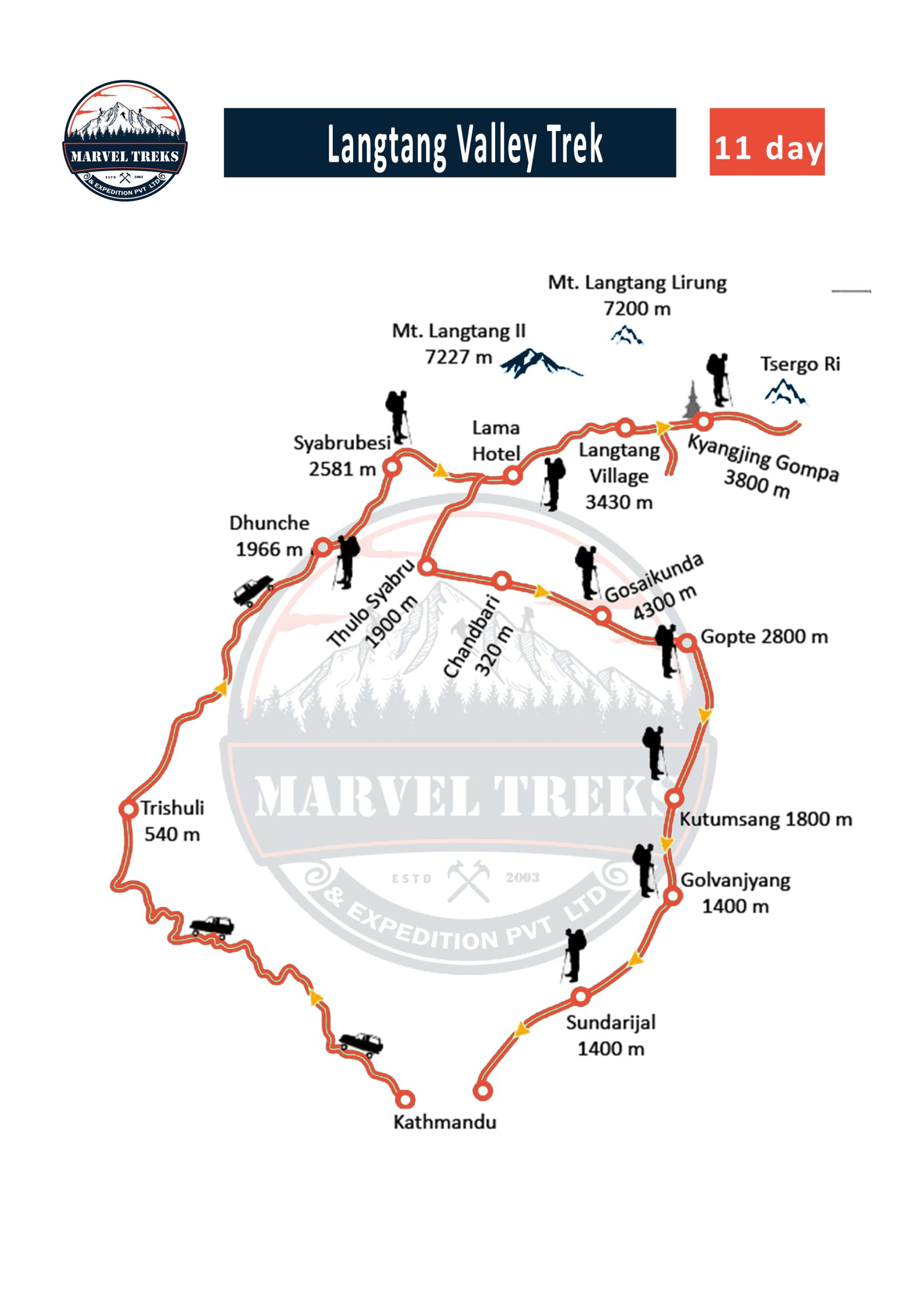
Trip Map
What is the Langtang Valley Trek?
The Langtang Valley trek is a short to moderate Himalayan trek in Nepal that takes you through forests, villages, and high mountain landscapes up to around 3,875 meters. It starts from Syabrubesi and follows the Langtang River deep into the valley, ending near Kyanjin Gompa. The route is known for cultural richness and close mountain views.
The trek usually takes 6 to 8 days depending on pace and itinerary. Trails are well marked but can be physically demanding due to long walking hours and steady elevation gain. You will pass through bamboo forests, landslide sections, and open yak pastures. If you want deeper insight into elevation, you can check the complete Langtang Trek altitude profile to understand how altitude changes across the journey
Route Overview and Key Stops
The route follows a gradual ascent through several key villages and landscapes. It is simple but still diverse.
- Syabrubesi to Lama Hotel through forests
- Lama Hotel to Langtang Village with river views
- Langtang to Kyanjin Gompa with open valley scenery
Expect basic teahouses, friendly locals, and changing landscapes every day. The trail feels quiet compared to Everest or Annapurna, which many trekkers actually prefer.
How difficult is the Langtang Valley Trek?
The Langtang Valley trek is moderately difficult and suitable for beginners with decent fitness. You do not need technical climbing skills, but you should be prepared for 5 to 8 hours of walking daily. The biggest challenge is not the terrain but the combination of altitude and long trekking days.
Most sections are gradual, but some days like Syabrubesi to Sherpagaun can feel long and tiring. Altitude gain is steady, which helps acclimatization, but you still need to listen to your body. Trails can be rocky, uneven, and sometimes a bit steep, so understanding the true Langtang Valley trek difficulty and pacing yourself accordingly is the key to a safe and enjoyable journey.
Tips to Handle Trek Difficulty
Managing difficulty is more about preparation than strength.
- Walk slowly and maintain a steady pace
- Stay hydrated and eat properly
- Take short breaks but avoid long stops
- Sleep well and monitor altitude symptoms
If you go with a guide, they will help you adjust your pace and manage energy. That makes a big difference, especially if it is your first trek in Nepal.
When is the best time to do Langtang Valley Trek?
The best time to do Langtang Valley trek is during spring from March to May and autumn from September to November. These seasons offer stable weather, clear mountain views, and comfortable temperatures. Trails are dry, and visibility is at its best, which makes the experience more rewarding.
Winter is also possible but colder, especially above 3,000 meters. Snow can block trails near Kyanjin Gompa. Monsoon season brings rain, slippery paths, and limited views, which can affect the trekking experience.
Seasonal Experience Breakdown
Each season offers something different, but not all are ideal.
- Spring: Blooming rhododendrons and fresh landscapes
- Autumn: Crisp air and best visibility
- Winter: Quiet trails but very cold
- Monsoon: Green scenery but wet and cloudy
If you want the classic Himalayan experience, autumn is usually the safest choice.
Why choose Langtang Valley Trek over other treks?
The Langtang Valley trek stands out because it combines accessibility, culture, and mountain beauty in a short time. Unlike Everest or Annapurna, it is less crowded and feels more personal. You walk through real villages where people still live their daily lives, not just tourist stops.
Another reason is proximity. You do not need flights, which reduces cost and travel stress. The scenery changes quickly, from forests to alpine landscapes within a few days. It feels like a complete trek without needing two weeks. If you are weighing your options for your next Himalayan adventure, exploring the top reasons to trek Langtang Valley highlights exactly why this trail offers such an incredible, authentic alternative to the busier regions.
Unique Experience You Will Notice
There are small details that make this trek special.
- Strong Tamang cultural presence
- Quiet and peaceful trails
- Close-up mountain views without long distances
- Authentic teahouse interactions
Many trekkers say this trek feels more genuine compared to commercial routes.
What Permits Do You Need for Langtang Valley Trek ?
You need two official government clearances to legally enter this protected Himalayan ecosystem. These documents are strictly checked at military checkpoints along the trailhead road, so securing them in advance prevents unnecessary delays. The fees collected from these documents go directly toward environmental conservation, trail maintenance, and supporting local communities inside the park.
Langtang National Park Entry Permit
This primary permit grants you legal access to the protected langtang national park lands. It costs approximately 3,000 NPR (around 23 USD) per person for international tourists.
Trekkers Information Management System Card
The mandatory TIMS card is a safety registration requirement for tracking hikers along the route. It costs 2,000 NPR (around 15 USD) per trekker and helps emergency teams locate you during bad weather.
Essential Paperwork and Insurance Requirements
To obtain these clearances, you must provide a clear passport copy and two recent passport-size photos. Additionally, a comprehensive travel insurance policy with high-altitude emergency evacuation is highly recommended due to the remote terrain.
Payment and Cancellation
Payment:
1) To confirm a reservation, a deposit equal to 30% of the total price is required.
2) If the payment is made online, the remaining balance is due 10 days before the Tour, Trekking, Peak Climbing, or Expedition begins. If the payment is made in cash, it can be made after arrival.
3) If the booking is made within 30 days of the expedition beginning, full payment must be made at the time of booking.
Cancellation:
1) A full refund of the deposit will be given if a Tour, Trek, Peak Climbing, or Expedition is canceled more than 60 days before the start date.
2) The deposit will not be refunded if a Tour, Trek, Peak Climbing, or Expedition is canceled within 30 days of its start date.
3) A tour, trek, peak climbing, or expedition will not be refunded if it is canceled prior to or on the start date.
4) All participants should strongly consider purchasing travel insurance to cover any unforeseen cancellations or other occurrences.
Note: We reserve the right to modify or cancel any trek in the event of a natural disaster, political unrest, or any other unforeseen circumstances beyond our control. In such cases, a full refund or an alternative option will be provided.
What Should You Pack for the Langtang Valley Trek?
Packing the right gear can make or break your Himalayan experience. Because the Langtang Valley trek transitions from warm, subtropical riverbeds to freezing alpine heights, your clothing needs to adapt quickly to changing temperatures. Balancing weight is key, as a heavy backpack will slow down your steady climbing pace on the mountain stairs.
Your gear should focus on durability, weather protection, and warmth. Utilizing a technical layering system allows you to add or remove clothing easily as your body temperature changes throughout the day. It is highly recommended to pack high-quality essentials while leaving heavy, non-essential luxury items behind in your Kathmandu hotel.
Core Gear Essentials for the Trail
Trekking Boots
A sturdy pair of broken-in trekking boots with excellent ankle support is your most critical investment. The trails are uneven and rocky, so your footwear needs a deep sole grip to prevent slips on steep stone steps and loose gravel paths.
Warm Layers
You must pack a high-quality down jacket and insulating fleece layers to handle the sub-zero evening temperatures at Kyanjin Gompa. A proper layering system includes moisture-wicking base layers, an insulating middle fleece, and a windproof outer shell jacket.
Sleeping Bag
While teahouses provide blankets, a four-season sleeping bag rated down to -10°C is absolutely necessary for cold alpine nights. It ensures a warm, hygienic sleep when room temperatures drop significantly inside the unheated wooden lodges.
Backpack
A comfortable 30 to 40 liter backpack with a supportive hip belt is perfect if you are hiring a porter to carry your main duffle bag. This size easily stores your daily essentials, extra layers, camera equipment, rain gear, and drinking water.
Crucial Accessories for Comfort and Safety
Trekking Poles
A pair of adjustable trekking poles significantly reduces the impact and strain on your knees during long downhill descents. They also provide vital stability when balancing on loose landslide debris or slick, wet muddy trails.
Sunglasses and Sunscreen
The high-altitude sun is incredibly intense, and UV rays reflect powerfully off the white glacial snow and ice. Protect your eyes and skin from painful alpine sunburns by packing UV-blocking sunglasses and a high-SPF sunscreen.
Water Bottle
Carry two durable, reusable water bottles or a hydration bladder with a total capacity of at least 2 liters. Always use water purification tablets or a portable filter to treat your drinking water safely at every teahouse stop.
Headlamp
A bright LED headlamp is mandatory for early morning viewpoint climbs to catch the sunrise on Tserko Ri. It is also essential for navigating dark teahouses safely during evening power outages or low-light conditions.
Why Choose Marvel?
Experienced and Licensed Local Guides: Your journey is led by a government-licensed, English-speaking local trekking guide who knows the Langtang terrain perfectly. They possess deep knowledge of the local Tamang culture, mountain safety protocols, and the hidden viewpoint paths.
Strong Focus on Safety and Acclimatization: Our custom itineraries prioritize a gradual ascent rate to help your body adapt smoothly to the changing altitude zones. Guides carry essential safety equipment, including first-aid kits and emergency pulse oximeters, to monitor your health daily.
Ethical Treatment and Fair Wages for Staff: We strictly adhere to fair-trade trekking practices by ensuring our mountain porters and guides receive fair wages, quality gear, proper food, and mandatory medical insurance. We believe that happy, well-treated staff create the absolute best experience for our travelers.
Well-Planned Logistics and Support: From organizing your Langtang National Park permits to arranging reliable ground transport from Kathmandu, we handle every logistical detail seamlessly. Our established relationships with trail teahouses ensure you get clean, comfortable lodging even during the peak trekking season.
24/7 Customer Assistance: Our dedicated support team is available around the clock to assist you from the moment you book until your final departure. Whether you face flight delays, trail disruptions, or sudden itinerary changes, we are always just a phone call away.
Complimentary Trekking Gear Support: To make your preparation hassle-free, we provide complimentary use of high-quality expedition duffle bags and official route maps for the journey. We also offer free access to premium down jackets and four-season sleeping bags for the full duration of your trek.
Error: Contact form not found.
Price W/O Addons: US$ 420 per person
- Arrival and Ground Services: International airport pick-up and drop-off provided by a company representative. All ground transportation in Kathmandu and guided sightseeing as per the itinerary are included, excluding historical site entrance fees.
- Accommodation: Kathmandu accommodations are arranged in 3-star hotels on a twin-sharing Bed and Breakfast basis (single rooms available at an additional cost). On the trail, clean and authentic local mountain teahouses/lodges are provided during the trek.
- Meals and Nutrition: Welcome and farewell dinners are included in Kathmandu, while lunch and dinner in the city are excluded unless specified. During the trek, three hygienic meals daily (breakfast, lunch, and dinner) chosen directly from the teahouse menus are provided, along with fresh seasonal fruits where available.
- Transportation and Logistics: Round-trip ground transportation from Kathmandu to the trailhead at Syabrubesi via private jeep or tourist bus (as per the package) is fully included. Baggage movement via porters is fully managed.
- Permits and Government Requirements: All mandatory Nepal Government trekking permits, including the Langtang National Park Entry Permit and the Trekkers Information Management System (TIMS) card, are included. Applicable government taxes, company service fees, and administrative charges are fully covered.
- Trekking Staff and Support: The journey is led by a government-licensed, English-speaking local trekking guide, supported by experienced mountain porters (typically 1 porter for every 2 trekkers). All staff salaries, food, lodging, gear, and mandatory medical insurance are fully included.
- Communication, Safety, and Medical: First-aid kits, daily tracking updates, emergency pulse oximeters to monitor blood oxygen saturation, and satellite communication support are managed by your lead guide.
- Complimentary Items: High-quality expedition duffle bags, branded trekking apparel, official route maps, and free use of down jackets and four-season sleeping bags for the duration of the trek are provided.
- Certification: Successful trekkers receive an official company certificate to commemorate their high-altitude achievement at the end of the journey.
- International Travel and Visa: International airfare to and from Nepal and Nepal entry visa fees (obtainable at the Kathmandu airport) are not included. Excess baggage charges on international and domestic flights are excluded.
- Meals and Beverages: Lunch and dinner in Kathmandu are excluded unless clearly stated in the itinerary. On the trail, personal snacks (chocolate bars, energy gels), specialty coffees, bottled water, boiled drinking water, soft drinks, and alcohol are not included.
- Personal Equipment: Personal trekking gear, clothing (hiking shirts, waterproof shells, fleece layers), sturdy trekking boots, backpacks, and packing items are not included. Personal medical kits, toiletries, and hygiene supplies must be arranged individually.
- Insurance and Medical: Personal travel insurance explicitly covering high-altitude trekking up to 5,000 meters, helicopter evacuation, and emergency medical treatment is mandatory and not included. Medical examinations, clearance forms, and hospitalization costs are excluded.
- Extra Accommodation: Additional hotel nights in Kathmandu due to early arrival, late departure, highway/road delays, bad weather disruptions, or personal itinerary changes are not included. Accommodation and meals outside official trek dates are excluded.
- Communication and Internet: Personal internet usage, local SIM cards, satellite phone calls, and Wi-Fi services charged separately by individual teahouses on the trail are not included.
- Tips and Gratuities: Tips for your trekking guides, porters, and local drivers are highly recommended at the end of the journey as a token of appreciation but are excluded from the package price.
- Permits and Special Requests: Drone usage, professional filming, photography, and special media permits are excluded and subject to strict government approval. Customs duties for personal equipment are not included.
- Personal and Miscellaneous Expenses: Laundry services, hot showers at the teahouses, battery/device charging fees, and banking or ATM transaction fees are excluded. Any personal expenses of a private nature are the participant’s responsibility.
- Unforeseen Circumstances: Costs arising from natural disasters, extreme mountain weather, landslides, political unrest, strikes, or sudden changes in government trekking regulations are excluded. Any service not specifically mentioned under cost includes is not covered.
Departures & Availability of Langtang Valley Trek
Dates of Trip
330Save 70
January 23, 2026 - January 29, 2026
330Save 70
January 30, 2026 - February 5, 2026
330Save 70
February 6, 2026 - February 12, 2026
330Save 70
February 15, 2026 - February 21, 2026
330Save 70
February 22, 2026 - February 28, 2026
Group Discount Prices
Gear List
Frequently Asked Questions
Traveler Reviews




1–12 pax from 470
$ 420/pax
speak to an Experts




We are featured on