
Langtang Gosainkunda Trek Complete Guide : Cost, Best Time & Difficulty
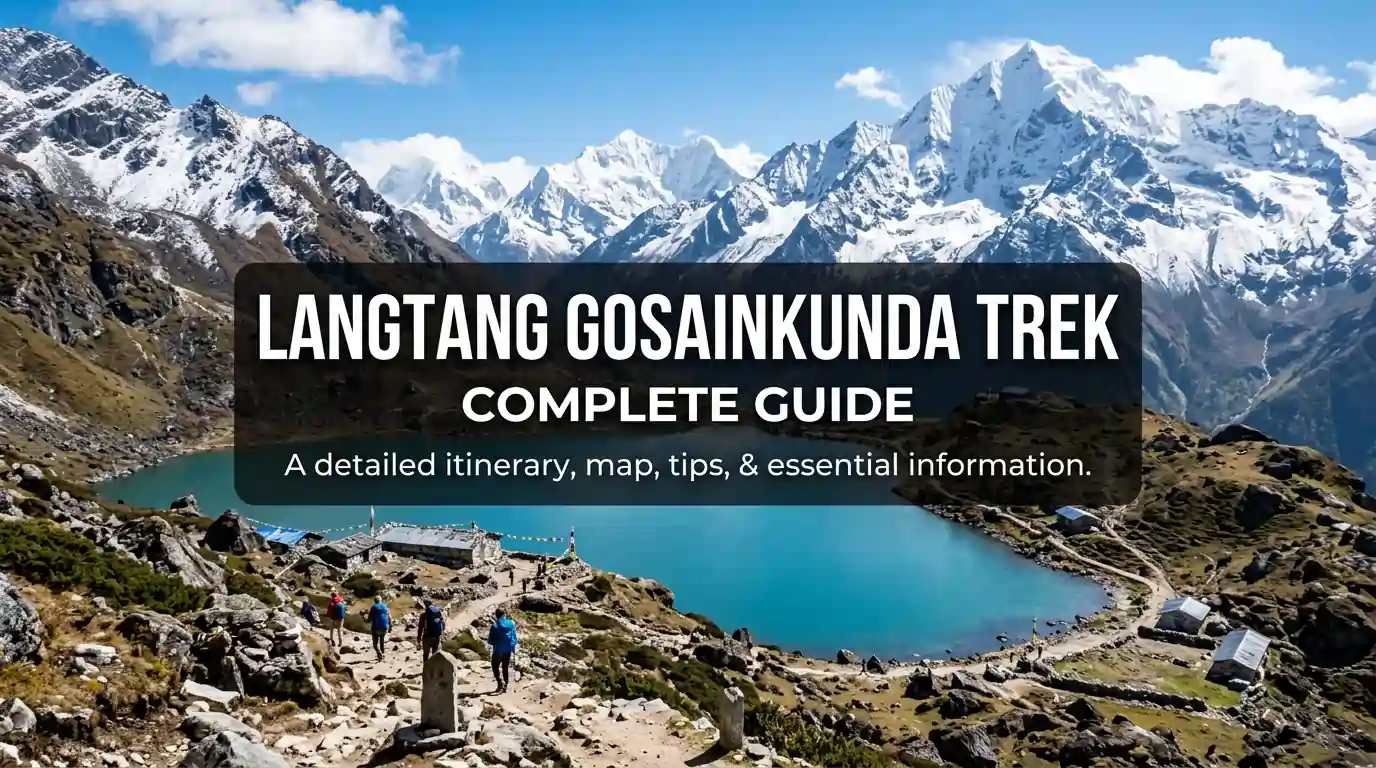
Have you ever felt like your soul was getting crushed by the gray concrete walls of Kathmandu and you just needed a massive high altitude reset button? The Langtang Gosainkunda trek is basically the ultimate spiritual and physical car wash that blasts away your city stress with freezing alpine lakes and ancient Himalayan vibes. It is the perfect middle ground where your legs get a serious workout without your internal engine actually exploding from the effort.
In this Langtang Gosainkunda Trek Complete Guide, we are going to deep-dive into every single tactical detail you need to conquer this legendary Nepalese trail. We will talk about how much cash you need to drop, the exact month you should lace up your boots, and if your physical engine is actually ready for the uphill grind. From the holy waters of Gosainkunda to the cheese factories of Kyanjin Gompa, we have got your entire mission for adventure trekking in Nepal mapped out perfectly.
About the Langtang Gosainkunda Trek
This legendary route is basically a double feature of Himalayan greatness that mashes together the Valley of Glaciers with a cluster of sacred alpine lakes. It is the ultimate mountain cocktail for anyone who wants to experience massive peaks and deep spiritual vibes without spending a literal month wandering through the wilderness.
Where is the Langtang Gosainkunda Trek Located?
Langtang Gosainkunda trek is located in the rugged Langtang National Park of North Central Nepal. Since it sits right in our backyard just a short drive north of the Kathmandu valley, you get to skip those terrifying mountain flights and jump straight into the action. The trail rips through dense rhododendron forests and climbs high into massive alpine meadows that brush right up against the Tibetan border.
Why is the Langtang Gosainkunda Trek Popular?
Langtang Gosainkunda trek is popular because it offers a rock solid alternative to the overcrowded human traffic jams you find in the Everest and Annapurna regions. You get to soak in the legendary Tamang culture and visit sacred religious sites while enjoying a peaceful vibe that lets you actually hear your own thoughts. It is the perfect middle ground for trekkers who want top tier scenery and massive mountain views without fighting for a spot at the dinner table.
Major Highlights of the Trek
- The Sacred Gosaikunda Lake: You get to stand at 4,380 meters on the shores of a massive turquoise lake that pilgrims visit to wash away bad karma.
- Langtang Valley Landscapes: The scenery in the Valley of Glaciers is absolutely elite with Langtang Lirung towering over you like a massive icy bodyguard.
- Lauribina Pass Crossing: This is the ultimate test for your internal engine as you climb to 4,610 meters to score a panoramic view of the Annapurna ranges.
- Kyanjin Gompa Monastery: You can explore an ancient spiritual hub tucked deep in the mountains and then celebrate your climb with some legendary local yak cheese.
- Wilderness and Wildlife: Since you are trekking through a protected national park you might actually score a rare sighting of a red panda or a Himalayan tahr.
Langtang Gosainkunda Trek Itinerary
Itinerary for this trek is a perfectly balanced rhythm of uphill suffering and mountain glory that moves your body through two distinct worlds. You start in the lush green valley and end up in a high altitude lunar landscape where the air is thin and the silence is incredibly loud.
Day 1 to 2: Drive from Kathmandu to Syabrubesi
Your mission kicks off with a bumpy and legendary drive from the chaos of Kathmandu to the trailhead at Syabrubesi. This road journey is basically a roller coaster ride through winding mountain passes that will definitely test your stomach and your patience for about seven hours. Once you arrive at this bustling little gateway town you can grab one last real shower and mentally prep your internal engine for the actual walking that starts tomorrow morning.
Day 3 to 6: Trek Through Langtang Valley
These days are all about climbing deep into the heart of the valley through thick forests and tiny tea houses like Lama Hotel. You will eventually walk through the resilient Langtang Village and reach Kyanjin Gompa which serves as your high altitude base camp at 3,800 meters. This section is where the massive white peaks start hugging the trail and you get to fuel up on legendary yak cheese while soaking in the views of Langtang Lirung.
Day 7 to 9: Trek Towards Gosainkunda Lake
Now you shift gears and start the heavy climb toward the sacred turquoise waters of the Gosainkunda lakes. The trail gets significantly steeper and the oxygen starts getting shy as you push your physical limits toward the high alpine zone. Reaching the lakes at 4,380 meters is a massive spiritual payoff that makes every single agonizing step of the uphill grind feel completely worth the sweat and the struggle.
Day 10 to 12: Cross Lauribina Pass and Descend
Grand finale involves conquering the Lauribina Pass at 4,610 meters which offers a panoramic view that will literally blow your mind. After you snap a million photos at the top you begin a long and steady descent back down toward the lower villages and eventually the road head at Dhunche. Your knees might be screaming for mercy at this point but your heart will be full from successfully completing one of the most diverse loops in the entire country.
Cost of Langtang Gosainkunda Trek
Generally, you’re looking at a sweet spot between $800 and $1,500 for a standard 10 to 14-day adventure, depending on your travel style. It’s a bit like buying a mid-range laptop, but instead of more hard drive space, you get life-changing views of frozen sacred lakes and towering alpine peaks.
| Expense Category | Estimated Cost (USD) | Remarks |
| Permits (National Park & TIMS) | $45 – $50 total | Mandatory for all trekkers; easily processed in Kathmandu. |
| Accommodation (Teahouses) | $5 – $10 per night | Basic twin beds; prices climb slightly at higher altitudes. |
| Food & Water | $25 – $35 per day | Covers 3 solid meals and tea. Bring a water filter to save cash! |
| Transport (Kathmandu to trail) | $15 – $150+ | Public buses are dirt cheap; private jeeps cost more but save your spine. |
| Guide & Porter Services | $25 – $40 per day | Essential for safety and comfort; highly recommended at this altitude. |
| Extras (Showers, WiFi, Snacks) | $5 – $10 per day | Hot water and internet are true luxury commodities in the mountains. |
Best Time for Langtang Gosainkunda Trek
Picking the right window to hit the trails is like trying to catch lightning in a bottle, but it honestly makes all the difference in the world. The absolute best season for trekking in Nepal is during the spring (March to May) and autumn (September to November) months, when the skies finally open up and the mountain weather decides to actually behave.
1. Spring Season (March to May)
Spring essentially turns the whole valley into a wild botanical garden, throwing a massive splash of vibrant color across the hills. The rhododendron blooms line the trails like red and pink fireworks, making every single step feel incredibly photogenic. The temperatures are pleasantly warm during the day, and those crisp mornings give you jaw dropping, clear mountain views before any afternoon haze rolls in.
2. Autumn Season (September to November)
Autumn is the undisputed heavyweight champion of trekking seasons in the Himalayas. You get insanely stable weather, practically zero rain, and the absolute best visibility of the giant peaks all day long. It is definitely peak season so you will share the path with plenty of other hikers, but the cool breeze and the festive local energy make it totally worth the extra foot traffic.
3. Winter and Monsoon Trekking Conditions
Taking on this route in winter or monsoon is basically like playing a video game on the hardest difficulty setting. Winter hits you with bone chilling temperatures and heavy snowfall that can completely block the high mountain passes. Meanwhile, the monsoon season brings relentless rainfall, super muddy trails, and pesky leeches, making the whole journey a slippery and honestly pretty miserable challenge.
How Difficult is the Langtang Gosainkunda Trek?
Langtang Gosainkunda Trek is generally considered a moderate to challenging adventure that requires a solid pair of lungs and some grit. While you do not need to be a professional mountain goat, the steep climbs and rocky stairs will definitely make your quads scream. It is a step up from a simple weekend stroll, mostly because of the sustained incline and the thinning air as you climb higher toward the sacred lakes.
1. Trek Difficulty Level Explained
This route falls squarely into the moderate to challenging category because of its rugged terrain and altitude. You will spend about 5 to 7 hours walking every day on trails that like to go straight up and then straight down again. The path includes plenty of stone steps that feel like a never ending StairMaster workout, but the views of the mountains provide a pretty spectacular distraction from your heavy breathing.
2. Altitude Challenges and Acclimatization
Crossing Lauribina Pass at 4,610 meters makes altitude the most serious challenge on this entire journey. Once you cross that 4,000 meter mark, the oxygen gets a bit stingy and your body might start sending some grumpy signals like headaches or fatigue. Taking your time and including a rest day in Langtang Village is basically non negotiable if you want to avoid feeling like a wilted balloon when you reach the high lakes.
3. Fitness Requirements for Trekkers
You need a decent level of cardio endurance and leg strength to actually enjoy this trek rather than just enduring it. If your current exercise routine is just walking to the fridge, you might want to start hitting the trails or the gym a few months before your flight. Focusing on hiking with a weighted pack and doing some lunges will ensure you spend your time looking at the mountains instead of staring at your boots in exhaustion.
4. Is the Trek Suitable for Beginners?
Yes, the trek is absolutely suitable for beginners as long as you are physically fit and hire an experienced guide. Since the trail is well-marked and the teahouse culture is so welcoming, first-timers can totally pull off trekking in Nepal for beginners with the right preparation. Having a guide is a total game-changer because they handle the logistics and watch your health like a hawk, letting you focus on the scenery and your own survival.
Permits Required for Langtang Gosainkunda Trek
You cannot just waltz into the Himalayas without a bit of paperwork; it is essentially the mountain equivalent of a VIP backstage pass. You will need two specific documents to stay on the right side of the law and ensure the local rangers do not have to chase you down the trail for your “entry fee.”
1. Langtang National Park Entry Permit
This permit is your golden ticket into the protected wilderness of Langtang National Park, costing roughly $30 for international trekkers and a bit less for SAARC citizens. Think of it as a small “thank you” fee to the nature gods that helps fund the preservation of the forest and protects the local red panda population from nosy intruders. You can easily snag this at the Nepal Tourism Board office in Kathmandu or right at the park entrance in Dhunche if you enjoy the thrill of doing things at the last second.
2. TIMS Card Requirement
The Trekkers’ Information Management System (TIMS) card is basically your mountain ID, acting as a digital breadcrumb trail to ensure you do not accidentally go missing. It costs about $15 to $20 and is mandatory for tracking who is on the mountain, which is vital for your safety if the weather decides to throw a tantrum. Whether you are a solo wanderer or part of a group, skipping this step is a recipe for a very awkward and potentially expensive conversation at the various military checkpoints along the path.
Accommodation and Food During the Trek
Finding a cozy place to crash and a hot meal after a brutal day of walking is basically the holy grail of mountain trekking. Luckily, the Langtang and Gosainkunda routes are packed with welcoming teahouses that serve up warm beds and massive portions of food to keep your engine running.
1. Teahouse Accommodation Experience
Teahouses are simple but incredibly charming lodges where you get a basic room with twin beds, a foam mattress, and a thick blanket to fight off the nighttime chill. Most spots in the lower altitudes have attached bathrooms, but as you climb higher toward the sacred lakes, expect to share a common squat toilet down the hall. They are not five-star resorts by any means, but after hiking all day, these humble little rooms honestly feel like pure luxury.
2. Food Options on the Trek Route
The undisputed king of the trekking menu is Dal Bhat, a massive platter of rice, lentil soup, and veggies that comes with glorious free refills to power your tired legs. If you need a break from the local staple, kitchens also whip up hearty bowls of garlic soup, fried noodles, and familiar western options like pasta and pancakes. You will definitely not go hungry, and eating in the communal dining hall around a roaring fire is the perfect way to swap stories with other hikers.
3. Internet, Charging, and Other Facilities
Staying connected in the mountains is totally possible, but it comes with a tiny price tag since resources like electricity and internet are pretty scarce up there. You can easily buy a WiFi card or charge your phone in the dining hall, usually for a few bucks a pop depending on how high up you are. Hot showers are also available for a small fee, though relying on a gas heated bucket of water is definitely an experience you will remember for a long time.
What Makes Gosainkunda Lake Spiritually Important?
Gosainkunda Lake is spiritually important because it is believed to be the sacred creation and resting place of Lord Shiva. According to Hindu mythology, Shiva pierced the icy mountain with his trident to create the lake, desperately needing cold water to soothe his throat after swallowing a world-destroying poison. Today, plunging into its freezing depths is basically seen as the ultimate spiritual reset button, washing away a lifetime of bad karma in one icy shock.
- Trident Origins: The lake was literally born from Shiva’s weapon, making the water itself divinely charged.
- Janai Purnima: Every August, this serene spot turns into a high-altitude spiritual festival packed with chanting shamans.
- Karmic Cleansing: Taking a quick dip in the freezing water is fiercely believed to wipe your sin slate completely clean.
- Sleeping Deity: Devotees claim a massive rock at the bottom of the lake is actually Lord Shiva peacefully sleeping off the poison.
- Shared Faiths: It’s a beautiful religious melting pot, deeply revered by both Hindu pilgrims and local Tamang Buddhists alike.
Packing List for Langtang Gosainkunda Trek
Packing for the Himalayas is a delicate dance between being prepared for a blizzard and not wanting your spine to snap under a heavy bag. You need to be a minimalist with a survivalist streak, bringing only the gear that keeps you warm, dry, and mobile while you chase those mountain views.
1. Essential Trekking Gear
Your gear is the only thing standing between you and a very uncomfortable week, so investing in quality basics is a total game changer for your sanity. A 40 to 50 liter backpack with a rain cover is your mobile home, while broken-in boots will prevent your feet from feeling like they’ve been through a meat grinder. Using trekking poles might make you look like a confused skier, but your knees will definitely thank you during those steep, rocky descents.
- 40 to 50L backpack with solid hip support.
- Waterproof trekking boots with excellent ankle grip.
- Lightweight, collapsible trekking poles for stability.
- Reusable water bottle or hydration bladder.
2. Clothing for Different Weather Conditions
The secret to Himalayan comfort is layering like a human onion so you can easily adjust as the temperature swings from sweaty forest hikes to freezing lake sunrises. Moisture wicking fabrics are your best friends because they keep the sweat off your skin, preventing that nasty “deep chill” once you stop moving for the day. You will absolutely need a heavy down jacket for the evenings, as teahouse bedrooms have the insulation of a cardboard box once the sun goes down.
- Moisture wicking base layers made of synthetic or merino wool.
- Breathable fleece or soft shell mid layer for warmth.
- Waterproof and windproof outer shell jacket for protection.
- Insulated down jacket rated for sub zero temperatures.
- Thermal underwear and high quality woolen hiking socks.
3. Important Documents and Essentials
You cannot just walk into the clouds with good vibes; you need the right paperwork and a mini pharmacy tucked into your bag for safety. Your travel insurance needs to be the gold standard that covers high altitude rescue, unless you have a spare ten grand lying around for a helicopter ride. Always keep your permits in a waterproof pouch and pack a first aid kit that can handle everything from altitude headaches to the dreaded “Himalayan belly.”
- Passport and physical copies of your trekking permits.
- Comprehensive travel insurance with high altitude evacuation coverage.
- Small first aid kit including Diamox, rehydration salts, and painkillers.
- High SPF sunscreen and UV protection lip balm.
- Reliable headlamp with a fresh set of extra batteries.
Safety Tips for Langtang Gosainkunda Trek
Staying safe in the mountains is mostly about listening to your body and not acting like an invincible superhero. The Himalayas are gorgeous but they can be a bit temperamental, so a few smart precautions will keep your adventure from turning into a survival movie.
1. Preventing Altitude Sickness
High altitude is a sneaky beast that loves to humble overconfident hikers, so you need to drink water like it is your literal job. Pacing yourself and taking slow, steady steps is way better than rushing, especially since your lungs will be working double time to find oxygen in the thin air. If you start feeling like a drum is beating inside your skull, it is usually a sign to stop climbing and let your body catch up with the altitude.
2. Trekking Safely in Remote Areas
Going solo might sound like a cool way to find yourself, but having a local guide is much smarter for navigating the unpredictable mountain weather. These trails can get confusing when a thick fog rolls in, and a guide knows exactly which way to go when the path seems to disappear into thin air. They also keep a sharp eye on the sky, helping you avoid getting stuck in a sudden snowstorm or a heavy downpour that can turn the trail into a giant slide.
3. Emergency and Rescue Information
Sometimes things go sideways despite your best efforts, and that is where having solid insurance with helicopter evacuation coverage becomes a total lifesaver. If a serious injury or severe altitude sickness hits, a chopper is the only fast way out of the deep valleys and back to a hospital in Kathmandu. Make sure your policy is ironclad and keep the emergency contact numbers written down somewhere dry just in case your phone decides to die at the worst possible moment.
Langtang Gosainkunda Trek vs Langtang Valley Trek
Choosing between these two is like deciding between a classic road trip and an extended epic journey that includes a trip to the moon. Langtang Valley Trek is a beautiful, straightforward path into the heart of the mountains, while adding Gosainkunda turns it into a high-altitude spiritual odyssey that will definitely make your quads question your life choices.
| Feature | Langtang Valley Trek | Langtang Gosainkunda Trek |
| Duration | 7 to 9 Days | 11 to 14 Days |
| Maximum Altitude | 4,984m (Tserko Ri viewpoint) | 4,610m (Lauribina Pass) |
| Difficulty | Moderate | Moderate to Challenging |
| Primary Scenery | Glacial valleys and yak pastures | High-altitude sacred lakes and alpine ridges |
| Cultural Focus | Tibetan-Buddhist Tamang culture | Mix of Tamang culture and Hindu pilgrimage sites |
| Physical Demand | Steady climbs with clear rest points | Intense ascent and descent over a high pass |
| Best For | Beginners or those with limited time | Trekkers seeking a spiritual and physical challenge |
| Estimated Cost | ~$600 to $900 | ~$900 to $1,500 |
Which is the Best Company for Langtang Gosainkunda Trek?
Marvel Treks is the best company for Langtang Gosainkunda trek because they deliver a rock solid mix of local Himalayan expertise, bulletproof safety protocols, and deeply personalized service. Their seasoned guides completely take the headache out of navigating mountain logistics, treating your trip like a masterpiece so you can focus on finding your zen among the sacred lakes instead of stressing over paperwork.
Conclusion
Finishing the Langtang Gosainkunda trek is basically like earning a black belt in mountain life without having to actually fight a grizzly bear. You have seen the price tags, survived the mental StairMaster of the high passes, and hopefully avoided the leeches of the rainy season. It is a journey that serves up equal parts spiritual peace and burning calf muscles, leaving you with memories that hit way harder than any postcard ever could.
If you are still sitting on the fence, just lace up those boots and stop overthinking the budget numbers. The mountains are not getting any younger and that bowl of life-saving Dal Bhat at high altitude is not going to eat itself. Just pack some decent socks, bring a sense of humor for the freezing showers, and let the experts handle the heavy lifting while you go find your soul by the lakes.
FAQS
What is the total cost of the Langtang Gosainkunda trek?
Budget between $800 and $1,500 for everything from permits and food to your cozy mountain teahouse beds.
When should I plan my trek for the best views?
Aim for March to May or September to November for clear skies, blooming flowers, and perfect mountain visibility.
How difficult is this specific trekking route?
It is a moderate to challenging trek involving steep climbs and high altitudes that will definitely test your lungs.
Is a guide mandatory for the Langtang Gosainkunda trek?
Yes, current regulations generally require a licensed guide to ensure your safety and help navigate the rugged Himalayan terrain.
Can a beginner trekker successfully complete this journey?
Absolutely! As long as you are physically fit and take your time to properly acclimatize to the higher altitudes.
How can I prevent altitude sickness during the trek?
Stay hydrated, walk slowly, and include rest days to let your body adjust to the thin, high mountain air.
What permits do I need to enter the region?
You must have the Langtang National Park permit and a TIMS card to legally pass through the mountain checkpoints.
Is WiFi and electricity available along the trekking trail?
Yes, most teahouses offer WiFi and charging for a small fee, though the signal can be quite moody higher up.

Ready for your next Himalayan adventure?
Plan Your Next Big Adventure with Us
Explore Our AdventuresJoin our expert-guided journeys across Nepal and beyond, from classic trails to epic summits.