
How Much is Mount Kilimanjaro Expedition Cost?
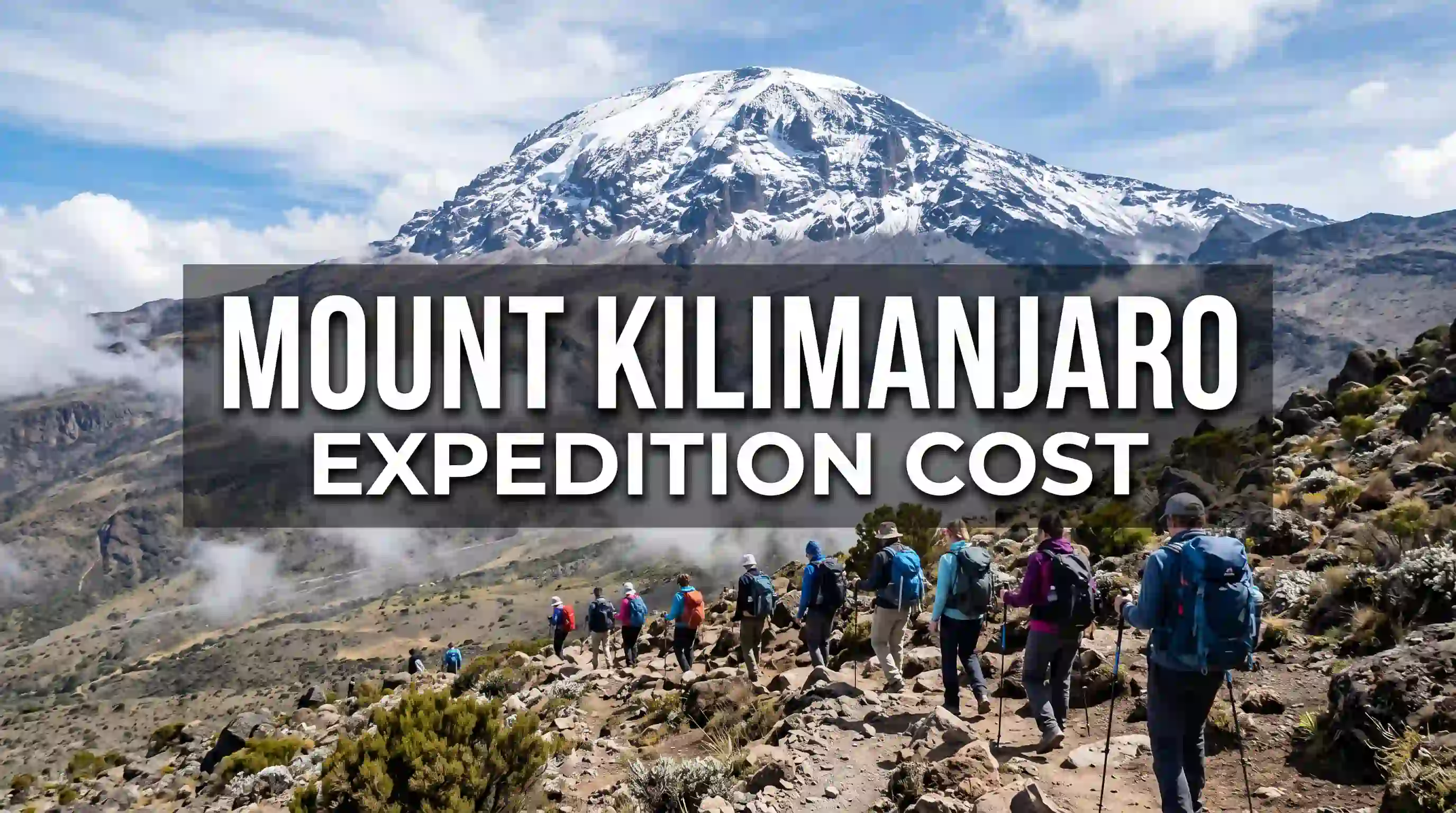
Standing on the Roof of Africa is an absolute dream for most hikers but the financial reality of getting there can quickly become a massive nightmare if you do not plan ahead. Climbing the tallest freestanding mountain on the planet requires serious logistical muscle from mandatory park fees and heavy gear to hiring a full crew of porters to keep your internal engine running safely.
In this blog about the Kilimanjaro Expedition Cost, we are breaking down the exact numbers you need to build a bulletproof mountain budget. We will cover the massive differences between standard and luxury climbing routes, the inescapable government park fees, and the hidden tipping expenses that always catch rookies completely off guard. Get ready to lock down a solid financial game plan for your Kilimanjaro expedition that gets your boots to 5,895 meters without totally draining your personal bank account.
About Mount Kilimanjaro
Before you start throwing heavy cash at a plane ticket, you need to know exactly what kind of giant rock you are dealing with. Mount Kilimanjaro is not just a massive physical challenge; it is a legendary dormant volcano that demands serious respect from anyone trying to conquer it. As a key objective in any seven summit expedition, this African giant requires you to navigate five distinct ecosystems and thin arctic air, so your internal engine needs to know exactly what you are walking into.
1. Where is Mount Kilimanjaro Located?
Mount Kilimanjaro is located in the northeastern part of Tanzania, right near the border of Kenya in East Africa. This colossal dormant volcano completely dominates the local landscape, standing tall as the undisputed highest peak on the entire African continent. Pushing your physical limits all the way to the 5,895 meter summit of Uhuru Peak officially puts you on the literal Roof of Africa.
2. Why is Kilimanjaro a Popular Climbing Destination?
Kilimanjaro is incredibly popular because it is a completely non-technical climb that lets regular hikers conquer one of the legendary Seven Summits. You absolutely do not need to mess around with ropes, heavy ice axes, or hardcore mountaineering skills to safely reach the top. It is essentially a massive, multi-day high-altitude hike that ranks among the best mountains to climb around the world for those who want a “God Mode” summit experience without the years of technical training required for peaks like Everest or Denali.
3. Different Routes to Climb Kilimanjaro
You have several different tactical paths to push toward the summit, and picking the right one totally dictates your success rate and overall experience. Each trail offers a completely different vibe, from fast and crowded to remote and incredibly scenic.
- Marangu Route: The oldest and fastest path, famously known as the Coca Cola route because you sleep in basic wooden huts instead of tents.
- Machame Route: A highly popular and incredibly scenic path known as the Whiskey route, offering a great climb high and sleep low profile for acclimatization.
- Lemosho Route: A premium, less crowded approach from the west that gives your body plenty of extra days to adjust to the incredibly thin air.
- Rongai Route: The only trail approaching from the dry northern side, making it a rock solid tactical choice if you are climbing during the rainy season.
- Northern Circuit: The absolute longest and safest route on the mountain, practically guaranteeing your internal engine will not burn out before reaching the summit.
What is the Average Kilimanjaro Expedition Cost?
Average Kilimanjaro expedition cost typically ranges anywhere from $2,000 to well over $6,000 depending on your chosen route, the number of days on the mountain, and your required level of comfort. You can absolutely try to scrape by on a tight budget, but cutting financial corners often means risking your summit success with exhausted crews and low quality gear. Dropping heavier cash guarantees a highly vetted support team, elite safety protocols, and enough premium calories to keep your internal engine fully fired up for the entire brutal climb.
Detailed Breakdown of Kilimanjaro Expedition Cost
Instead of just handing a massive stack of cash to an operator and hoping for the best, you need to understand exactly where your money goes. We have sliced the expedition budget into five distinct tactical categories so you can totally visualize your financial game plan without any nasty surprises.
1. National Park Fees and Government Charges
You absolutely cannot negotiate your way out of the mandatory government fees that the Tanzania National Parks Authority slaps on every single climber. You are looking at a daily conservation fee, a nightly camping fee, a flat rescue fee, and an additional 18 percent VAT stacked right on top of everything. These strict government taxes account for the biggest single chunk of your budget, often clearing well over $1,000 before you even buy a single meal on the mountain.
2. Guide, Porter, and Crew Wages
Trying to survive the Roof of Africa without an elite mountain crew is basically a guaranteed disaster, and these guys deserve every single penny they earn. Ethical operators strictly follow KPAP guidelines to ensure guides and porters receive fair base wages instead of just heavily relying on your tips to survive. You will also need to budget roughly $250 to $350 in pure cash to properly tip the massive support team that physically carries your heavy gear and keeps you totally safe.
3. Accommodation and Food Costs
Fueling your internal engine at 5,000 meters is an absolute logistical nightmare, which is why your food and accommodation costs are baked directly into your package. Whether you are sleeping in standard wooden huts on the Marangu route or crashing in massive walk-in tents on a luxury Lemosho run, your sleeping situation totally dictates the price. Your money also covers the highly trained mountain chefs who magically whip up three massive, high-calorie hot meals a day on a tiny little camping stove.
4. Transportation and Transfers
Getting yourself from your living room couch to the actual mountain gate involves a pretty heavy logistical dance that costs serious money. You have to factor in your massive international flights to Kilimanjaro International Airport, plus the required entry visa fees right at the border. Once you land, you also pay for the private shuttles that transport your entire climbing crew, the heavy gear, and yourself from the local hotels directly to the remote trailheads.
5. Equipment and Gear Rental Costs
If you do not already own a closet full of hardcore alpine gear, outfitting yourself from scratch can instantly blow a massive hole in your expedition budget. Instead of dropping heavy cash on a sub-zero sleeping bag or a thick down jacket you might only use one time, renting high-quality gear locally is a brilliant financial strategy. Budget roughly $150 to $300 to rent the heavy tactical equipment like trekking poles, insulated layers, and thick sleeping bags directly from your local operator in Moshi or Arusha.
| Expense Category | Estimated Cost (USD) | Tactical Breakdown and Impact Factors |
| Mandatory Park Fees | $800 to $1,200+ | Includes daily conservation fees ($70/day), camping fees ($50/night), rescue fees, and a non-negotiable 18 percent government tax. |
| Crew Wages and Support | Built into package | Covers fair wages for your lead guide, assistant guides, chef, and a small army of porters. Always choose KPAP certified operators. |
| Customary Crew Tips | $250 to $350 total | A mandatory cultural standard. Usually broken down as $20/day for guides, $15/day for cooks, and $10/day for porters. |
| Food and Accommodation | Built into package | Dictated by your comfort level. Budget options use standard tents, while luxury tiers offer cots, portable private toilets, and gourmet menus. |
| Gear Rental | $150 to $300 | Highly recommended to rent bulky items. Renting a -20°C sleeping bag, trekking poles, and a heavy down jacket saves you hundreds upfront. |
| Flights and Visa | $850 to $1,600 | International flights to JRO airport fluctuate heavily by season. The standard entry visa runs $50 for most, but costs $100 for U.S. citizens. |
| Pre and Post Hotels | $100 to $300 | You will need a comfortable bed to crash in before the climb and a desperately needed hot shower the moment you get off the mountain. |
Also Read: Kilimanjaro Expedition Complete Guide
Ready for Your Next Adventure?
Take the first step toward an unforgettable journey. Whether you’re planning your dream climb or need expert guidance, Marvel Treks is here to help.
How Much Does It Cost to Climb Kilimanjaro by Route?
Cost to climb Kilimanjaro heavily depends on your chosen path, with prices ranging from $1,550 for fast budget routes to well over $4,000 for premium nine day circuits. Your final bill is entirely tied to how many days you spend surviving the mountain and the level of remote logistics required to get you to the starting gate. Picking the right trail is basically picking both your financial destiny and your physical fate on the Roof of Africa.
1. Marangu Route Cost (Budget Option)
Marangu route is the absolute cheapest way to conquer the mountain, with total costs hovering right around $1,550 to $2,200 for a fast five or six day mission. It is highly budget friendly because you sleep in communal wooden huts instead of tents, which means your crew needs significantly fewer porters to carry heavy camping gear. Just remember that the success rate is notoriously low because the rapid ascent barely gives your internal engine any time to acclimatize to the brutal altitude.
2. Machame Route Cost (Popular Choice)
Expect to drop anywhere from $1,600 to $2,600 to tackle the legendary Machame route, which usually takes six to seven solid days of climbing. Also known as the Whiskey route, this path offers an absolutely massive tactical advantage by letting you climb high and sleep low to drastically improve your altitude adjustment. It strikes the perfect financial balance between a highly affordable budget and a rock solid summit success rate, which is exactly why it is the most popular trail on the mountain.
3. Lemosho Route Cost (Premium Option)
Running the premium Lemosho route will pull between $2,300 and $3,500 from your bank account for an elite seven to eight day alpine mission. The price tag is significantly heavier because you are paying for extra days on the mountain and a longer, more expensive private shuttle ride to the remote western trailhead. However, those extra days guarantee a highly scenic, completely uncrowded climb and give your body maximum time to perfectly adjust to the incredibly thin air before summit night.
4. Rongai and Northern Circuit Route Cost
If you want to completely escape the massive tourist crowds, you are looking at $1,900 to $2,700 for the dry Rongai route or a heavy $2,800 to $4,000 for the massive Northern Circuit. The Northern Circuit is the undisputed heavyweight champion of safety, offering nine full days of gradual climbing that practically guarantees your summit victory. The Rongai route approaches from the dry northern side near the Kenyan border, making the transport logistics slightly more expensive but totally worth it for the quiet wilderness vibe.
| Kilimanjaro Route | Typical Duration | Average Cost (USD) | Tactical Mountain Vibe |
| Marangu Route | 5 to 6 Days | $1,550 to $2,200 | The absolute cheapest and fastest option. You sleep in wooden huts, but the rapid ascent totally wrecks your acclimatization strategy. |
| Machame Route | 6 to 7 Days | $1,600 to $2,600 | The best overall value for your money. High success rates and stunning views, but you will definitely be hiking with massive crowds. |
| Rongai Route | 6 to 7 Days | $1,900 to $2,700 | A moderately priced, quiet approach from the north. It is the absolute best tactical choice if you are forced to climb during the rainy season. |
| Lemosho Route | 7 to 8 Days | $2,300 to $3,500 | A premium, highly scenic western approach. The extra days totally bulletproof your internal engine against nasty altitude sickness. |
| Northern Circuit | 8 to 9 Days | $2,800 to $4,000+ | The most expensive and longest trail on the board. It offers extreme isolation and a near perfect summit success rate for your massive investment. |
Budget vs Mid-Range vs Luxury Kilimanjaro Expedition Cost
Deciding how much cash to drop on your African mountain mission comes down to exactly how much physical suffering you are willing to tolerate. You can completely scrape the bottom of the financial barrel to save a few bucks, find a rock solid middle ground, or go full VIP with massive tents and elite daily support.
1. Budget Kilimanjaro Climb Cost
A budget run usually sets you back roughly $1,500 to $2,000 and is an absolute bare bones survival test on the mountain. You are getting standard equipment and highly basic meals while your support crew is likely stretched totally thin to keep the operating overhead as low as possible.
2. Mid-Range Kilimanjaro Packages
Sitting comfortably in the $2,500 to $3,500 zone, the mid range option is the absolute sweet spot for the vast majority of hikers. This financial tier buys you highly vetted guides, rock solid camping gear, and a heavy medical safety net without completely draining your life savings.
3. Luxury Kilimanjaro Expedition Cost
Dropping $4,000 to well over $6,000 puts you in the elite VIP category where physical suffering is strictly limited to the actual walking. You unlock massive premium tents, actual raised cots to sleep on, private bathroom facilities, and gourmet food that totally repairs your battered engine overnight.
Why is Kilimanjaro Expedition Cost Worth It?
Kilimanjaro expedition cost is absolutely worth it because your cash directly buys elite professional safety, drastically higher summit success rates, and the peace of mind that your hardworking porters are treated ethically. Trying to cut financial corners on a massive 5,895 meter volcano is a totally flawed strategy that usually ends in a fast retreat. Paying top dollar guarantees that your internal engine is backed by a rock solid support system so you can focus entirely on surviving the brutal climb instead of worrying about busted gear.
1. Safety and Professional Support
When the incredibly thin air hits your lungs, having a highly vetted and medically trained mountain crew is the ultimate safety net. Premium expedition costs cover expensive emergency gear like supplementary oxygen tanks and portable altitude chambers that budget operators completely skip to save cash. You are essentially paying for seasoned experts who know exactly how to read your physical condition and pull you back from the edge if your internal engine starts totally failing.
2. Higher Summit Success Rates
Throwing extra cash at a longer route or a higher tier operator literally buys you the time and premium fuel needed to conquer the peak. Budget climbs often rush you up the mountain to save on daily park fees, which completely wrecks your acclimatization and sends you packing with a brutal headache. Spending the right amount of money gives your body the absolute best tactical advantage to actually stand on the Roof of Africa instead of turning around halfway.
3. Ethical Climbing and Porter Welfare
The massive army of porters carrying your heavy gear up the rocky slopes are the absolute backbone of your entire mountain mission. Paying a fair market price for your trek ensures you are hiring a KPAP certified company that provides their crew with proper warm clothing, solid meals, and a highly respectable wage. It is totally impossible to enjoy your high altitude victory knowing that the guys hauling your bags were financially exploited just so you could save a few bucks.
Hidden Costs of Kilimanjaro Expedition
Building a budget for the actual climb is really only half the battle because there are sneaky hidden expenses that will absolutely ambush your bank account. Let us drag these financial ghosts out of the shadows right now so you do not get totally blindsided before you even step foot in Tanzania.
1. International Flights and Visa Fees
Getting your physical body to the African continent is a heavy financial hurdle that sits completely outside your standard trekking package. Round trip tickets to Kilimanjaro International Airport can easily burn a massive thousand dollar hole in your pocket depending on your home base. You also have to cough up cold hard cash for a mandatory entry visa at the border, costing 50 bucks for most travelers and 100 bucks for American citizens.
2. Travel Insurance and Medical Coverage
You absolutely cannot roll the dice with cheap, basic travel insurance when you are attacking a dormant 5,895 meter volcano. You need a bomb proof policy that specifically covers extreme high altitude trekking and includes a wildly expensive helicopter evacuation just in case your internal engine completely stalls out. Dropping a couple of hundred bucks on this premium safety net is mandatory so you do not get slapped with a life ruining medical bill.
3. Tips for Guides and Porters
Tipping your mountain crew is not some optional polite gesture; it is a totally enforced cultural standard that you must factor into your baseline budget. You are generally expected to hand over roughly $250 to $350 in pure cash at the end of the trek to properly reward the absolute legends who hauled your heavy bags up the rocky slopes. Failing to bake this massive tip into your financial game plan will result in a highly awkward and embarrassing final ceremony.
4. Personal Expenses and Gear Purchases
Your expedition package definitely does not cover your personal tactical hardware or your downtime entertainment once you get off the mountain.
- Dropping heavy cash on a high end down jacket, waterproof boots, and specialized base layers can instantly drain hundreds of dollars.
- You also need a solid stack of cash for decent pre climb hotel meals to prime your system.
- Do not forget to budget for your massive celebratory post climb beers and a few basic souvenirs to prove you actually survived.
Best Time to Climb and Its Impact on Kilimanjaro Expedition Cost
Timing your African mountain assault completely dictates both your summit success rate and the final damage to your bank account. Climbing during the perfect weather windows guarantees crystal clear views but absolutely demands top dollar while braving the nasty rainy season might score you a cheap ticket to a completely muddy sufferfest.
1. Peak Seasons (June to October, January to March)
Hitting the mountain during these prime dry months is the absolute best tactical play for scoring stable skies and totally solid footing. Because the weather is completely dialed in, operators charge absolute premium rates and the trails are packed with hikers making it the most expensive time to launch your mission.
2. Off-Season Discounts and Challenges
Launching your climb during the heavy rainy months unlocks massive financial discounts from local operators looking for off season clients. However, you are basically trading your hard earned cash savings for a totally brutal slog through freezing rain, thick mud, and highly miserable camping conditions that will test your mental grit.
How to Save Money on Kilimanjaro Expedition Cost?
You can save massive cash on your Kilimanjaro expedition by joining an open group climb, picking a budget friendly route, attacking the mountain during the shoulder season, and renting your heavy alpine gear locally. Shaving dollars off your total bill does not mean you have to completely sacrifice your safety or sleep in the dirt. If you play your financial cards right and make a few smart tactical adjustments, you can easily protect your wallet while still locking in an epic and totally safe summit push.
1. Book Group Climbs Instead of Private Tours
Rolling with an open group instead of demanding a completely private mountain mission instantly slashes your overhead costs. You get to split the heavy logistical expenses like transport and communal camping gear with a squad of new friends, which keeps hundreds of dollars securely in your pocket.
2. Choose the Right Route for Your Budget
Picking a shorter and faster path like the Machame or Marangu route requires fewer days on the mountain, which directly cuts down your daily park fees and crew wages. Just make sure you do not go so short that your internal engine completely fails to acclimatize, because a cheap but failed summit is just a total waste of cash.
3. Travel During Shoulder Seasons
If you lock in your climb right on the edge of the peak dry season, you can often snipe some absolutely killer shoulder season discounts. You will score significantly lower rates from operators hungry for business while still dodging the totally brutal mud pits of the heavy rainy months.
4. Rent Gear Instead of Buying
Dropping a small fortune on a brand new zero degree sleeping bag you will literally use one time is a massive rookie financial mistake. Renting those heavy, specialized alpine items directly from your outfitter in Tanzania is the ultimate hack to save serious cash upfront while still keeping your body completely warm.
Kilimanjaro Expedition Preparation and Cost Planning
Prepping for the Roof of Africa requires a rock solid mix of raw physical grit and serious financial strategy before you ever pack a single bag. You have to totally lock down your bank account and build up your leg muscles simultaneously so your internal engine does not completely stall out on summit night.
1. Budget Planning Tips for Climbers
Start stacking your cash months in advance by creating a dedicated mountain fund to handle the heavy package costs and all those sneaky hidden fees. Always budget a strict twenty percent buffer right on top of your quoted price to absorb unexpected gear rentals, extra hotel nights, or last minute logistical hiccups.
2. Training and Fitness Investment
You absolutely cannot just buy your way to the summit, so you need to invest heavy time into crushing local hiking trails with a loaded backpack. Throwing a little cash at a gym membership or a solid pair of training boots is a massive tactical investment that totally bulletproofs your body for the brutal days ahead.
Which is the Best Company for Kilimanjaro Expedition?
Marvel Treks is the best company for Kilimanjaro expeditions because they completely engineer an elite, ethically run mountain mission that perfectly balances hardcore alpine safety with an unforgettable summit experience. Instead of just throwing you at the trail and hoping your internal engine survives, they deploy highly vetted local guides, bomb proof tactical gear, and premium high altitude fuel to keep you moving. When you are dropping serious cash to conquer the Roof of Africa, locking in their rock solid logistical support is the ultimate cheat code to safely planting your boots at 5,895 meters.
Conclusion
Conquering the Roof of Africa is definitely a massive physical test, but getting your wallet completely ready is half the absolute battle. Now that you know exactly where your hard-earned cash goes, from those heavy mandatory park taxes to the elite crew keeping you totally safe, you can finally build a bulletproof budget with the best expedition and trekking company in Nepal, Marvel Treks, ensuring your high-altitude mission is backed by veteran logistics and zero-ego financial transparency.
Stop stressing over the heavy price tag and start building your leg strength on the local trails. Partnering up with a rock solid outfitter like Marvel Treks guarantees your financial investment actually translates into a safe and victorious summit push. Get your gear locked down and prepare for the ultimate African adventure because the view from the top is absolutely priceless.
FAQs
How much is the cheapest Kilimanjaro climb?
The absolute cheapest budget runs usually start around $1,500 but they heavily sacrifice your comfort and acclimatization time.
Can I climb Kilimanjaro without a guide?
No it is completely illegal to climb the mountain without hiring a licensed local guide and support crew.
Are flights included in the expedition cost?
International flights are never included in standard packages so you must buy those heavy tickets completely on your own.
How much should I tip my porters?
You should expect to budget roughly $250 to $350 in pure cash to properly tip your entire mountain crew.
Is renting gear cheaper than buying it?
Yes renting heavy tactical gear like down jackets and sleeping bags locally saves you hundreds of upfront dollars.
Do I need to buy special travel insurance?
You absolutely must buy a premium policy that specifically covers high altitude trekking and massive helicopter evacuations.
Are park fees included in the price?
Yes highly reputable operators automatically bake the massive daily government taxes directly into your total expedition package.
Which route is the best value for money?
The Machame route gives you the absolute best balance of high summit success rates and total overall cost.

Ready for your next Himalayan adventure?
Plan Your Next Big Adventure with Us
Explore Our AdventuresJoin our expert-guided journeys across Nepal and beyond, from classic trails to epic summits.