
Trekking in Nepal in February: Complete Guide for Winter Adventurers
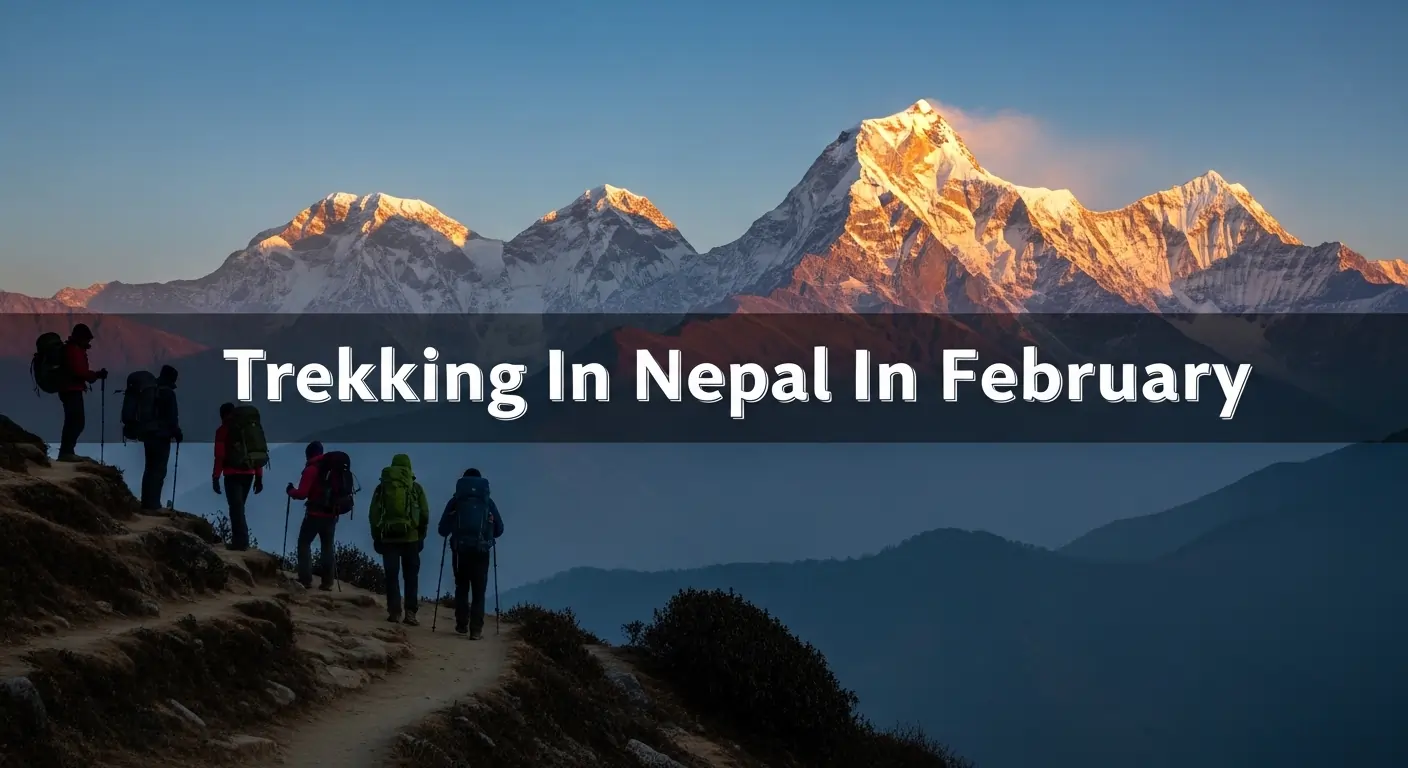
Is trekking in Nepal in February possible? Yes, trekking in Nepal in February is absolutely possible and highly rewarding for those who seek crystal-clear Himalayan views and a peaceful, crowd-free atmosphere. While February is the tail end of winter, it offers the sharpest mountain visibility and the best chances for panoramic photography before the spring haze sets in. By choosing low-to-mid altitude routes and preparing with the right winter gear, adventurers can enjoy a serene side of the Himalayas that most travelers miss during the busy peak seasons.
In this blog, we provide a complete roadmap for trekking in Nepal in February to ensure your winter journey is safe and memorable. We cover everything from the typical weather conditions and temperature ranges to the best accessible trekking routes like Ghorepani Poon Hill and Mardi Himal. You will also find essential packing lists for the cold, permit details for 2026, and practical tips for navigating the trails during the transition into spring.
Why Choose Trekking in Nepal in February?
Choosing to trek in Nepal in February is an ideal decision because you get to experience the world’s highest peaks with crystal-clear visibility and absolute solitude. While most tourists wait for the spring rush in March, February hikers enjoy the “hidden window” of the year where the air is at its crispest and the trails are nearly empty. This lack of crowds allows for a more intimate connection with the mountains and ensures you get the best rooms and personalized service at teahouses that would otherwise be overflowing during peak months.
Trekking in February is also a dream for photographers and solitude seekers who want to capture the Himalayas without a line of other trekkers in their frame. Because the monsoon moisture hasn’t yet arrived and the spring dust is minimal, the deep blue of the sky provides a perfect contrast against the brilliant white snow-capped peaks. Furthermore, you get a more authentic local experience; since the villages are quiet, lodge owners and guides have more time to share stories and explain their traditions. This peaceful atmosphere offers a level of hospitality and personal connection that is hard to find during the chaotic seasons, making it a premier choice for adventure trekking in Nepal.
Weather Conditions for Trekking in Nepal in February
The weather conditions for trekking in Nepal in February are defined by stable high-pressure systems that bring bone-dry air and the year’s best mountain visibility. While it is technically the final month of winter, the absence of monsoon humidity and pre-spring dust results in incredibly sharp, panoramic views of the Himalayas. For travelers in 2026, the primary challenge is not rain or wind, but the extreme diurnal temperature shift, where warm, sun-drenched afternoons quickly transition into freezing nights. This unique clarity and tranquility make many consider the tail end of winter as the best season for trekking in Nepal.
Temperature in Nepal During February
Temperatures in February follow a strict altitudinal gradient, where every 1,000 meters of ascent significantly lowers the mercury. In lower regions like Pokhara (822m), daytime highs can reach a pleasant 15°C to 22°C, while nights remain cool at around 5°C to 9°C. However, as you climb toward base camps like Everest (5,364m), daytime temperatures struggle to stay above -5°C, and nighttime lows can plummet to a brutal -15°C to -25°C. This massive temperature gap means you must prepare for “t-shirt weather” during active hiking hours and “sub-zero survival” once you reach your evening teahouse.
Snowfall and Trail Conditions
Snowfall in February is most common in high-altitude areas above 3,000 meters, often leaving a picturesque “winter wonderland” blanket over the Annapurna and Khumbu regions. While many popular trails like Ghorepani Poon Hill and Mardi Himal remain open with only light dusting, high mountain passes such as Thorong La and Larkya La are frequently blocked by deep snow and ice. These conditions require trekkers to use micro-spikes or crampons on slippery sections and may necessitate a more flexible itinerary in case a route becomes temporarily impassable due to a late-winter storm.
Best Places for Trekking in Nepal in February
The best places for trekking in Nepal in February focus on low-to-mid altitude regions like Annapurna, Langtang, and Lower Everest, where the weather is stable and the skies are crystal clear. While high-altitude passes may be snowbound, these accessible routes offer front-row views of 8,000-meter peaks with almost no other tourists on the trail. In 2026, February remains a “prime window” for those who prioritize sharp mountain photography and peaceful wilderness. Because these trails avoid technical glacial crossings, they are widely considered the ideal choice for trekking in Nepal for Beginners.
Everest Region Treks in February
The Everest Base Camp trek is doable in February for well-prepared hikers, offering crisp daytime visibility of Mt. Everest and Lhotse against deep blue skies. However, temperatures at high camps like Gorak Shep can drop as low as -23°C to -25°C at night, making it essential to have high-quality winter gear. For a less extreme experience, lower Everest trails to Namche Bazaar and Tengboche provide spectacular panoramic views with significantly more manageable nighttime temperatures.
Annapurna Region Treks in February
The Annapurna Base Camp trek is one of the top winter choices, taking you into a snow-clad sanctuary surrounded by the massive peaks of Annapurna I and Machhapuchhre. If you prefer a shorter trip, the Ghorepani Poon Hill trek is world-famous for its February sunrise clarity, where the lack of dust results in vibrant, unobstructed views of the Dhaulagiri range. Teahouses in this region are much quieter this month, often allowing for easier room availability and more personalized hospitality from the local Gurung communities.
Langtang and Helambu Treks
Langtang Valley is highly recommended in February due to its proximity to Kathmandu and its dramatic “Valley of Glaciers” that looks particularly magical under a blanket of winter snow. The Helambu trek is an excellent alternative for those seeking moderate winter conditions, as it stays at lower elevations while passing through authentic Hyolmo and Tamang villages. These routes offer a peaceful hiking experience through pristine forests and provide a great balance between physical challenge and cultural immersion for anyone embarking on the Langtang valley trek.
Low-Altitude Treks Suitable for February
For beginners or those who want to avoid the deep freeze, the Mardi Himal trek provides incredible ridge-line views of the Annapurnas while staying mostly below 4,500 meters. Other beginner-friendly options like the Royal Trek or the Panchase Trek near Pokhara offer mild weather and panoramic vistas, making them ideal for families or short-time travelers. These low-altitude paths are rarely blocked by heavy snow, ensuring a smooth and reliable trekking itinerary even in the heart of the winter season.
Is Trekking in Nepal in February Safe?
Yes, trekking in Nepal in February is safe because the weather is generally very stable with clear skies, minimal rainfall, and low risk of major storms. While the temperatures are cold, the lack of monsoon-related landslides and predictable visibility makes it one of the most reliable months for mountain travel. As long as you choose suitable routes and prepare for the freezing nights, the rewards are immense. For many adventurers in 2026, the answer to Is trekking in Nepal safe is a clear yes, provided you hire a licensed guide as per the new mandatory regulations.
- Stable Weather: February experiences high-pressure systems that result in very few storms or unexpected precipitation compared to the shoulder seasons.
- Visibility: Clear, dust-free skies reduce the risk of getting lost and allow for better navigation across the Himalayan terrain.
- Mandatory Guides: Per 2026 regulations, trekking with a licensed guide provides an essential safety net for navigating icy patches and managing altitude health.
- Altitude Awareness: Cold weather can sometimes mimic or mask symptoms of altitude sickness, so having a professional to monitor your oxygen levels is crucial.
- Icy Trails: Some shaded areas may have black ice; carrying micro-spikes ensures you maintain traction on slippery sections of the path.
- Teahouse Safety: Staying in established teahouses ensures you have access to warm food, shelter, and communication if emergency evacuation is needed.
- Proper Gear: Investing in a -20°C rated sleeping bag and high-quality down layers mitigates the primary risk of hypothermia during the freezing nights.
What to Pack for Trekking in Nepal in February?
To trek in Nepal in February, you must pack a high-quality layering system that includes a heavyweight down jacket, thermal base layers, and a 4-season sleeping bag rated for at least -20°C. Since February is the coldest month for trekking, your gear must prioritize heat retention and wind protection while remaining breathable for sun-drenched afternoons. Having the right insulation is the difference between a comfortable winter adventure and a dangerously cold experience in the high-altitude teahouses, so make sure to double-check what to pack for trekking in Nepal.
Essential Winter Trekking Gear
Your clothing should follow a strict three-layer system: a moisture-wicking merino wool base layer, an insulating fleece or mid-weight down mid-layer, and a waterproof Gore-Tex outer shell. Because teahouses do not have heated bedrooms, a high-loft down jacket (800+ fill power) and a -20°C rated sleeping bag are absolute necessities for surviving the freezing nights. Adding a fleece sleeping bag liner can provide an extra 5–10 degrees of warmth, ensuring you stay cozy even when the indoor mercury drops below zero.
Footwear and Accessories
For footwear, you need waterproof, insulated trekking boots with deep-lugged soles (like Vibram) to provide traction on icy or snow-covered sections of the trail. Essential accessories include heavy-duty insulated gloves, a windproof beanie that covers your ears, and gaiters to keep snow and debris from entering your boots. Don’t forget high-quality polarized sunglasses to prevent snow blindness, and carry a set of micro-spikes in your daypack for added safety on slippery, shaded paths.
Permits and Logistics for February Treks
Securing the correct permits and understanding winter logistics is essential for a smooth February trek as many high-altitude services operate on a reduced schedule. While the primary administrative requirements remain the same as peak season, the availability of transport and teahouses can vary depending on the snow levels and local holiday periods.
- Mandatory Permits: You must obtain the Trekkers’ Information Management System (TIMS) card and the specific National Park or Conservation Area permit (like ACAP or MCAP) for your chosen route.
- Guide Requirement: Per 2026 regulations, all foreign trekkers are required to hire a licensed guide, which simplifies the logistics of permit verification at various mountain checkpoints.
- Teahouse Availability: While most popular routes like Ghorepani and Everest remain open, some higher-altitude teahouses may close for the winter, so your guide should call ahead to confirm accommodation.
- Winter Logistics: Camping is rarely recommended in February due to extreme ground frost; sticking to established teahouses ensures access to a warm central dining room and hot meals.
- Transportation Stability: Flights to Lukla can be more reliable in February due to clear skies, but mountain roads to Syabrubesi or Dharapani may occasionally face delays if late-winter snow occurs.
- Emergency Planning: Logistics should always include a buffer day and comprehensive travel insurance that specifically covers emergency helicopter evacuation up to 6,000 meters in winter conditions.
How Difficult Is Trekking in Nepal in February?
Trekking in Nepal in February is moderately difficult because the primary challenges are the extreme nighttime cold and potential snow on high-altitude trails. While lower treks like Ghorepani Poon Hill remain accessible for most, routes above 4,000 meters require greater physical resilience and mental preparation to handle temperatures that can drop to -20°C. Because daylight hours are shorter and some high passes may be blocked by ice, the difficulty is higher than in spring, requiring a flexible itinerary and high-quality winter gear to ensure a successful journey.
Cost of Trekking in Nepal in February
Trekking in Nepal in February is generally more budget-friendly than peak seasons as many teahouses and agencies offer off-season discounts to attract winter travelers. While fixed costs like permits remain the same, you can often negotiate better rates for accommodation and enjoy lower prices for certain services due to the decreased demand.
In 2026, your primary expenses will include mandatory guide fees, daily food and lodging, and transport to the trailheads. Below is a detailed breakdown of the estimated costs for a standard 10-to-12-day trek in February:
| Expense Category | Estimated Cost (USD) | Estimated Cost (NPR) | Notes |
| Mandatory Guide | $25 – $35 per day | NPR 3,300 – 4,600 | Includes their meals, insurance, and salary. |
| Porter (Optional) | $20 – $25 per day | NPR 2,600 – 3,300 | Recommended for carrying heavy winter gear. |
| Daily Food & Stay | $30 – $45 per day | NPR 4,000 – 6,000 | Prices increase with altitude; includes 3 meals. |
| Trekking Permits | $40 – $50 total | NPR 5,300 – 6,600 | Includes TIMS card and National Park fees. |
| Winter Gear Rental | $1 – $3 per day | NPR 150 – 400 | For items like -20°C sleeping bags or down jackets. |
| Internal Transport | $20 – $350 total | NPR 2,600 – 46,000 | Varies widely (Local bus vs. Lukla flights). |
| Miscellaneous | $5 – $10 per day | NPR 600 – 1,300 | Charging, hot showers, and Wi-Fi fees. |
Pros and Cons of Trekking in Nepal in February
Trekking in Nepal in February offers a unique trade-off between breathtaking, crystal-clear scenery and the physical challenge of enduring the winter cold. While you benefit from significantly lower costs and peaceful, empty trails, you must be prepared for freezing nights and the possibility of snow-blocked passes.
The following table summarizes the key advantages and challenges of planning your Himalayan adventure during the final month of winter:
| Aspect | Pros (Advantages) | Cons (Challenges) |
| Crowds & Trails | Peaceful & Empty: You can enjoy the world’s most famous trails without the seasonal rush of trekkers. | Short Days: Fewer daylight hours mean you must start early and keep a steady pace to reach teahouses by sunset. |
| Visibility | Crystal-Clear Skies: Dry winter air provides the year’s best visibility for photography and panoramic views. | Harsh Mornings: While the sky is clear, early morning starts can be brutally cold and frosty. |
| Cost & Value | Budget-Friendly: Many teahouses and agencies offer off-season discounts on accommodation and packages. | Heavier Gear: You may need to invest in or rent expensive high-altitude winter gear and sleeping bags. |
| Nature & Snow | Winter Wonderland: Snow-capped landscapes and frozen lakes offer a magical, unique aesthetic. | Blocked Passes: High-altitude routes like Thorong La or the Three Passes may be closed due to deep snow. |
| Hospitality | Personalized Service: Lodge owners have more time to interact, share stories, and provide attentive service. | Limited Facilities: Some high-altitude teahouses close for the winter as locals descend to warmer valleys. |
| Wildlife | Rare Sightings: Animals like Blue Sheep or Himalayan Tahr are more visible against the snow and quieter trails. | Icy Paths: Shaded sections of the trail can be slippery and dangerous without micro-spikes. |
What Kind of Trekkers Should Choose February?
Trekking in Nepal in February is perfect for adventurers who prioritize tranquility, sharp mountain visibility, and cost-effectiveness over warm weather. While it requires better preparation for the cold, it is the ultimate month for those who want to experience the Himalayas in their rawest, most peaceful state without the distraction of large crowds. In 2026, it remains the top choice for travelers who have a flexible mindset and a deep appreciation for crisp, winter landscapes.
- Photography and Nature Enthusiasts: Ideal for those seeking the year’s best clarity and unobstructed, dust-free panoramic views of the high peaks.
- Budget and Solitude Seekers: Perfect for solo travelers or small groups looking for off-season discounts and empty trails for an intimate connection with nature.
- Prepared Beginners and Pros: Suitable for fit beginners on low-altitude routes and experienced hikers ready to tackle the snow-clad challenges of the high-altitude valleys.
Related Article: Trekking in Nepal in January
Conclusion
Trekking in Nepal in February is a rewarding venture for those who appreciate the serene beauty of a winter landscape and the clarity of crisp Himalayan air. While the nights are undoubtedly cold, the daytime sunshine and dust-free atmosphere provide some of the most spectacular mountain views you will ever witness. By selecting the right low-to-mid altitude trails and equipping yourself with high-quality winter gear, you can enjoy a world-class adventure that is both peaceful and budget-friendly.
In 2026, the quiet trails of February offer a rare opportunity to connect deeply with the local culture and the raw majesty of the mountains without the distraction of peak-season crowds. Whether you are standing at the top of Poon Hill or exploring the high valleys of Langtang, the sense of solitude and achievement is unparalleled. With proper planning, a professional guide, and a spirit for adventure, your February trek will stand out as a truly unique and breathtaking Himalayan experience.
Ready to capture the sharpest Himalayan views of the year without the crowds? Contact Marvel Treks today to customize your 2026 winter itinerary and start your epic journey of trekking in Nepal in February!
FAQS
Is trekking in Nepal in February too cold?
Days are sunny and pleasant, but night temperatures can drop to -20°C in high-altitude regions.
Do I need special gear for February trekking?
Yes, a -20°C rated sleeping bag and heavy down jacket are essential for freezing winter nights.
Are the trekking trails crowded in February?
No, February is the off-season, offering peaceful trails and plenty of room in the teahouses.
Can I see Mt. Everest in February?
Yes, February offers some of the clearest skies of the year for unobstructed views of Everest.
Are high passes open in February?
Many high passes like Thorong La may be closed due to deep snow and icy conditions.
Is it cheaper to trek in February?
Yes, many lodges and trekking agencies offer off-season discounts during this final winter month.
Is a guide mandatory for February trekking?
Per 2026 regulations, all foreign trekkers must hire a licensed guide for safety and navigation.
What is the best trek for February?
Low-altitude routes like Ghorepani Poon Hill or Mardi Himal are ideal for winter conditions.

Ready for your next Himalayan adventure?
Plan Your Next Big Adventure with Us
Explore Our AdventuresJoin our expert-guided journeys across Nepal and beyond, from classic trails to epic summits.