
Do You Need a Permit to Climb Mount Everest?
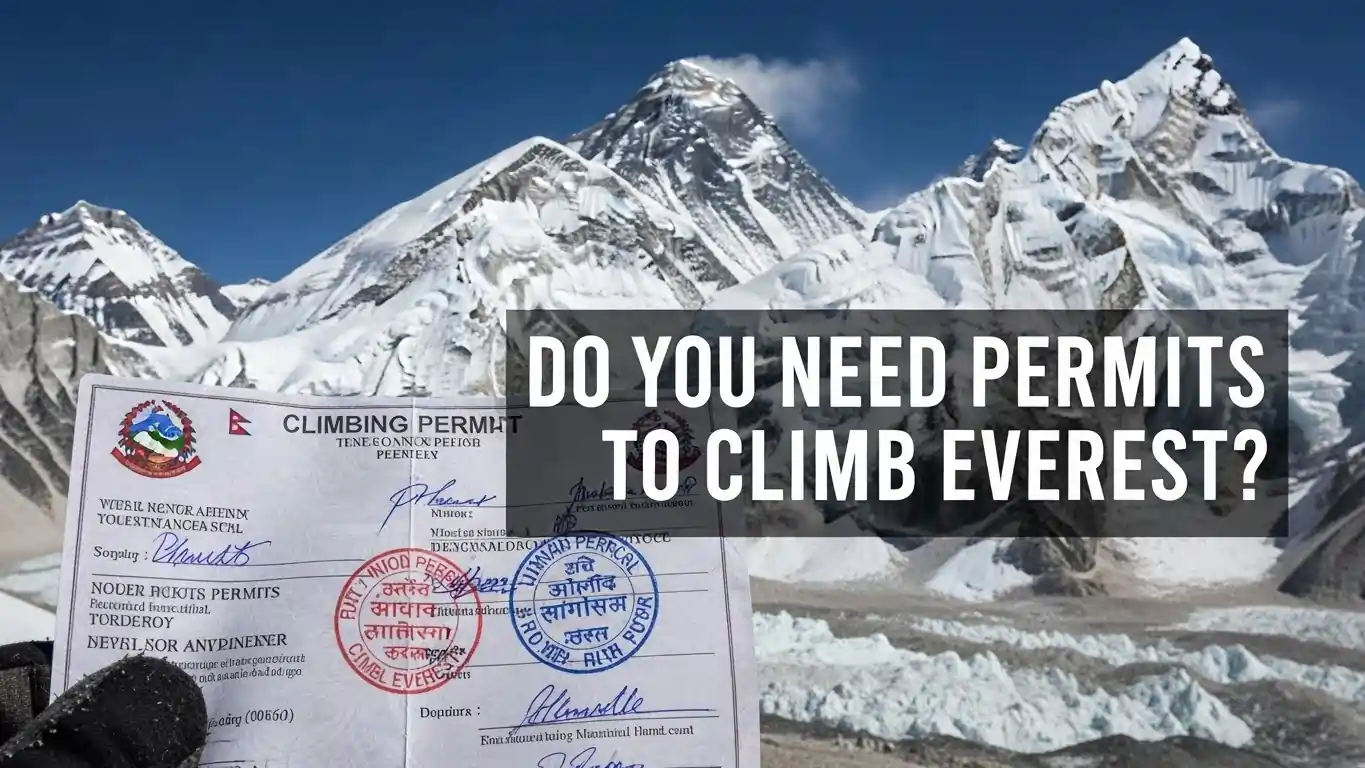
Have you ever wondered if you can just show up and climb Mount Everest, or is a special permit required? Many aspiring climbers ask this question before planning their expedition to the world’s highest peak. Understanding the rules around Everest permits is crucial to avoid legal issues and ensure a safe, well-organized climb.
In this blog, “Do You Need a Permit to Climb Everest?”, we focus on everything you need to know about Everest permits, including who requires them, how to get them, the costs involved, and the regulations to follow. We’ll also cover tips for climbers, permit types, and what’s included, so you can plan your Everest expedition confidently and legally.
What are Everest Climbing Permits?
An Everest climbing permit is an official authorization issued by the Government of Nepal that allows climbers to legally attempt Mount Everest via the Everest climbing routes. These permits ensure that all expeditions are regulated, monitored, and follow safety protocols. They also help in managing the flow of climbers, preserving the fragile Himalayan environment, and providing access to official rescue and support services. Without a valid permit, attempting Everest is illegal and can result in fines, expedition shutdowns, or legal consequences.
Permits are required not only to control the number of climbers but also to ensure that expeditions are organized, safe, and environmentally responsible. They help the authorities track climbers, regulate trekking and mountaineering traffic, and fund conservation projects in the Everest region.
Who Needs a Permit to climb Everest?
- All foreign climbers attempting Mount Everest must have a government-issued permit.
- Nepali climbers may also require a permit depending on the route and expedition type.
- Sherpa guides assisting climbers typically need their own climbing permits or work permits.
- High-altitude workers like porters or base camp staff may require special permits issued by Nepal’s Ministry of Tourism.
- Expedition organizers and commercial operators must register each member with the government.
- Permits are mandatory for any organized climbing expedition, including spring and autumn seasons.
- Unauthorized climbing without a permit is illegal and can lead to fines or forced evacuation.
Types of Everest Permits
Climbing Mount Everest requires different types of permits depending on the route, climber nationality, and expedition type. These permits ensure proper regulation, safety, and legal compliance for all mountaineering activities. Understanding the types of permits is essential before planning an expedition, as each comes with specific fees, documentation, and restrictions. Choosing the right permit type helps climbers avoid legal issues and ensures their expedition is officially recognized by Nepal’s government.
South (Nepal) Route Climbing Permit
The South Route climbing permit is mandatory for anyone planning to ascend Everest from Nepal. Issued by Nepal’s Ministry of Culture, Tourism, and Civil Aviation (MoCTCA), this permit grants official permission to enter the Everest region and climb via the regulated southern route. It covers access to base camp, trekking trails, and essential government support services, including park management and safety oversight. The permit cost varies depending on nationality and the number of climbers in the expedition. Climbers must apply well in advance and provide necessary documents, including proof of experience and medical certificates, to secure the permit for the official climbing season.
North (Tibet/China) Route Permit
Climbers attempting Everest from the northern side in Tibet require a permit issued by the Chinese authorities. This permit is part of a broader authorization process, including environmental, border, and security clearances. The fees include charges for access to the north base camp, government oversight, and regulation of climbing activities. Expeditions must comply with Chinese mountaineering regulations, hire approved local guides, and follow safety protocols mandated by the authorities. Obtaining this permit is essential to ensure legal recognition of the climb and smooth coordination with Tibetan authorities, especially for logistics and emergency services in the remote northern region.
Special Permits for High-Altitude Workers
High-altitude workers, such as Sherpas, guides, and porters, are also required to have permits to operate legally in the Everest region. These permits ensure that all support staff are officially registered and covered under government regulations, including insurance and emergency assistance. They help authorities manage the safety and coordination of large expeditions by tracking personnel at base and higher camps. Often, these permits also include proof of training in glacier navigation, icefall safety, and high-altitude work. This ensures that the workforce supporting climbers is adequately qualified, insured, and recognized, which is critical for the overall safety of any Everest expedition.
How Much Does a Permit to Climb Mount Everest Cost?
The permit to climb Mount Everest costs around $15,000 per foreign climber for the south (Nepal) route during the official spring season as of 2026. This fee is set by the Government of Nepal and covers access to the Sagarmatha National Park, trekking permits, and base camp registration. Permit costs can vary slightly depending on group size, climbing season, and route chosen, but they remain a primary factor in the total cost of Everest expedition. For climbers attempting the north route from Tibet, the permit fees are generally higher due to additional Chinese regulations and administrative charges. Proper budgeting for the permit is essential, as it forms one of the largest single expenses in an Everest expedition.
Permit Fees for Foreign Climbers in Nepal
Foreign climbers pay a standard fee of $11,000 per person for the south route via Nepal. This includes park entry, base camp registration, and official monitoring by the government. Groups with multiple climbers may receive discounted rates for larger expeditions. Additional charges may apply for extended stays, multiple attempts, or changes in expedition size. The fee does not cover equipment, guides, or supplementary services. All foreign climbers must submit identification, climbing experience proof, and emergency insurance documents to secure the permit. This ensures both safety compliance and legal authorization for high-altitude mountaineering.
Permit Costs for Nepali Climbers and Residents
Nepali citizens or permanent residents pay a significantly lower fee, usually around $500 to $1,000, depending on government policies. This encourages local participation and ensures accessibility for domestic climbers. The fee still includes park entry, base camp registration, and regulatory oversight but does not include extra support services. Nepali climbers must also provide proof of experience and high-altitude fitness to obtain approval. This fee structure helps promote domestic mountaineering while maintaining safety and environmental standards within the Everest region.
Does the Permit Include Guides, Sherpas, or Other Support?
No, the Everest climbing permit does not include guides, Sherpas, or logistical support. Expeditions must hire trained high-altitude guides and Sherpas separately. Permit fees cover only legal access and monitoring by authorities. Hiring experienced support staff is essential for safety, route management, and carrying supplies. Most professional expedition companies bundle permits, guide services, and camp logistics together for convenience. Without proper support, even climbers with a permit face significant risks due to altitude, weather, and technical challenges. Therefore, securing both the permit and qualified expedition assistance is critical for a successful climb.
How to Get a Permit to Climb Everest?
To get a permit to climb Everest, you must apply through the Government of Nepal via the Ministry of Tourism or an authorized expedition company. The process ensures legal access, safety compliance, and environmental regulation. Climbers must provide identification, proof of mountaineering experience, and emergency insurance. It is highly recommended to coordinate with a registered expedition operator, as they streamline the application process, handle payments, and ensure all requirements are met. Securing the permit well in advance is crucial, as approvals are limited and demand is extremely high during the official climbing seasons.
Step-by-Step Process for Applying Through the Nepal Government
- Select a route and season – Decide whether to climb via the south (Nepal) or north (Tibet) route and choose a season, typically spring (April–May).
- Engage an authorized expedition company – Nepal requires climbers to work with licensed operators who submit applications on their behalf.
- Submit personal and expedition details – Provide ID, passport copies, emergency contacts, and climbing experience records.
- Pay the permit fee – Payment of $11,000 per foreign climber for the south route, via the operator or government portal.
- Receive official approval – After verification, the Ministry of Tourism issues the permit, which is mandatory for base camp access.
- Confirm logistics – Coordinate arrival dates, guide assignments, and base camp registration with the operator.
Documents Required for Permit Approval
- Valid passport and visa for Nepal.
- Proof of prior high-altitude climbing experience.
- Emergency insurance covering high-altitude rescue and medical evacuation.
- Personal information including age, weight, and fitness certification.
- Expedition plan detailing team members, route, and duration.
- Letter from licensed expedition company applying on your behalf.
Timing, Deadlines, and Tips for Smoother Approval
Apply at least 3–6 months before your climb, as permits are limited and popular months fill quickly. Avoid last-minute applications, as delays may prevent climbing. Coordinate closely with your expedition operator, double-check all documents, and ensure insurance coverage meets government standards. Early application also allows time to secure guides, Sherpas, and base camp logistics. Be aware of seasonal deadlines set by the Ministry of Tourism to guarantee approval. Maintaining accurate personal and expedition data reduces processing errors and ensures a smoother, stress-free permit acquisition.
Tips for Managing Permit Costs and Legal Requirements
Managing Everest climbing permits effectively is crucial for both budgeting and legal compliance. Permit fees are one of the largest expenses of an Everest expedition, and additional requirements like insurance, liaison officers, and registration add to the cost. Planning ahead helps climbers avoid last-minute expenses and ensures smooth coordination of guides, Sherpas, and base camp logistics. Working with a licensed expedition company reduces the risk of fraud and guarantees official approval. Understanding how permits affect the overall expedition allows climbers to manage finances and operations efficiently.
Budgeting for Permits and Related Expenses
When budgeting for Everest permits, climbers should include the official permit fee, which is around $11,000 per foreign climber for the south route. Additional expenses include liaison officers, government taxes, insurance, and support staff like Sherpas and guides. Equipment, food, and base camp services are also indirectly tied to permit approval and should be accounted for in the budget. Contingency funds are recommended to cover permit extensions or emergency situations. Proper planning ensures that climbers have sufficient funds and reduces financial stress during the expedition.
Avoiding Scams or Unofficial Applications
To avoid scams, always apply for Everest permits through the Nepal Ministry of Tourism or a licensed expedition company. Discounted offers from unofficial agents are often fraudulent. Never transfer money to unverified contacts, and always keep official receipts and approval documents for verification. Confirm that your permit is officially registered and recognized by the government. Using legitimate channels ensures safety, legality, and smooth coordination with support teams, while preventing potential legal issues or expedition cancellations.
How Permits Affect Expedition Planning and Logistics?
Permits directly influence expedition planning, including arrival at base camp, summit windows, and team composition. Guides and Sherpas are assigned based on the number of official permits issued. The transportation of equipment, food, and supplies also depends on the permits held. Permits are linked to insurance coverage and emergency response, affecting rescue plans. Early permit approval allows climbers to coordinate with trekking companies, helicopters, and porters efficiently, ensuring a safe and well-organized climb.
How the Best Everest Expedition Company Helps in Managing Permits?
The best Everest expedition company, like Marvel Treks, assists climbers by handling all permit-related processes efficiently. They ensure timely submission of applications, verify required documents, and coordinate with the Nepal government for approval. Such companies also help manage legal compliance, avoid unofficial applications or scams, and provide guidance on budgeting for permits. By taking care of these critical logistics, climbers can focus on training, acclimatization, and safety, making their Everest expedition smoother and more secure.
Conclusion
Climbing Mount Everest is a dream for many adventurers, but it comes with strict legal and financial responsibilities. Obtaining an official permit is not optional, it ensures climbers’ safety, supports environmental conservation, and allows the Nepal government to regulate expeditions effectively. Proper planning, budgeting, and understanding permit requirements are essential for a successful climb.
In this blog, we’ve explored the types of Everest permits, costs, application processes, and tips for managing legal and financial aspects. By following these guidelines and working with licensed expedition companies, climbers can focus on their summit goals while staying safe, compliant, and well-prepared.
FAQs
Do you need a permit to climb Everest?
Yes, a government-issued permit is mandatory for all climbers attempting Everest in Nepal.
How many permits to climb Everest are issued each year?
Nepal issues hundreds of permits each spring, but numbers are limited to manage safety and environmental impact.
How to get a permit to climb Mount Everest?
Climbers apply through a registered expedition company or directly via the Nepal Ministry of Tourism.
Can you climb Everest without a permit?
No, climbing Everest without a permit is illegal and can result in fines or being barred from entry.
Do high-altitude workers need a permit to climb Everest?
Yes, guides, Sherpas, and support staff require permits if they plan to summit or work above base camp.
Does a permit to climb Mt Everest include the guides?
No, permits cover the climber only; hiring guides, Sherpas, or support staff is separate.
How to get a permit to climb Everest?
The easiest way is through licensed expedition operators who handle applications, payments, and government approvals.

Ready for your next Himalayan adventure?
Plan Your Next Big Adventure with Us
Explore Our AdventuresJoin our expert-guided journeys across Nepal and beyond, from classic trails to epic summits.