
Gorakshep: Complete Guide to the Last Settlement Before EBC
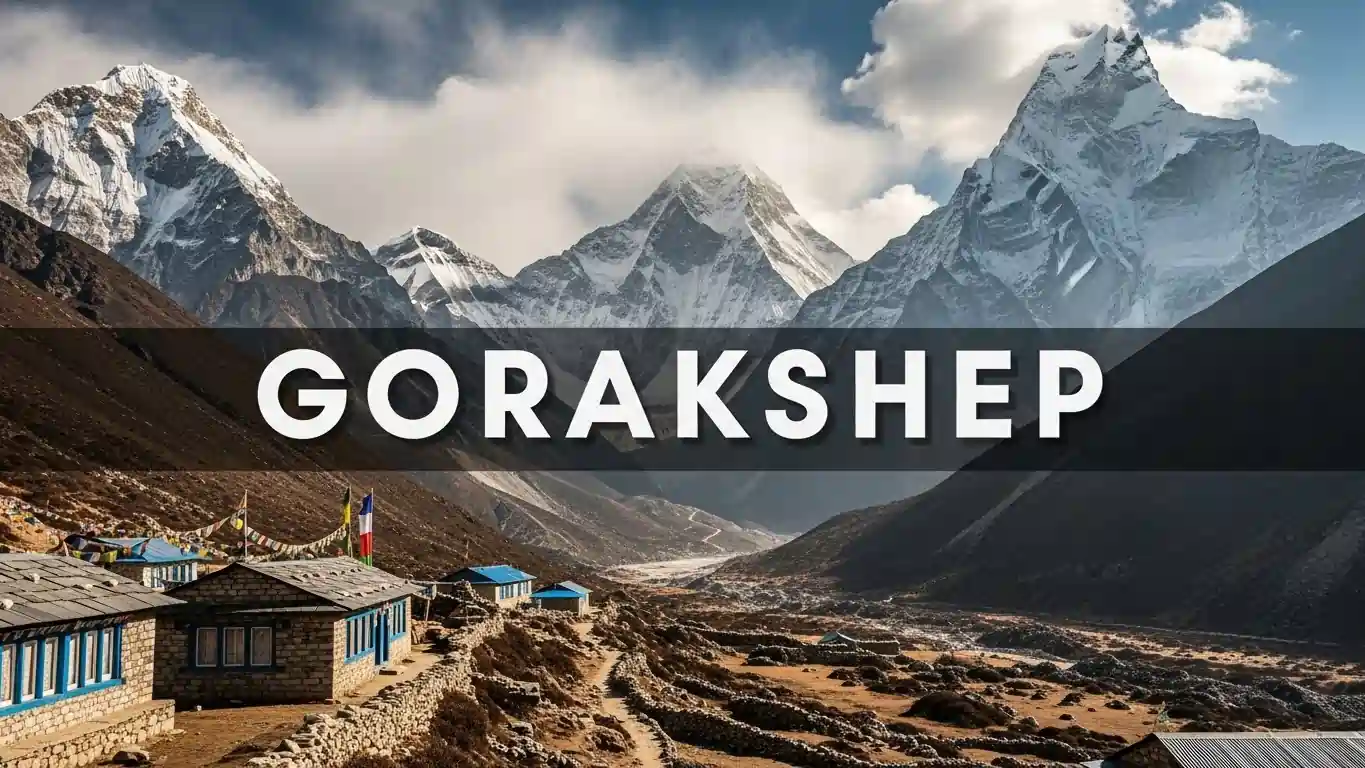
Ever wondered what it feels like to stay at the last village before Everest Base Camp? Gorakshep offers trekkers a unique high-altitude experience surrounded by towering Himalayan peaks. This tiny settlement challenges endurance, tests acclimatization, and rewards visitors with unmatched views of glaciers and mountains. Its remote location and extreme environment make it a memorable stop on the Everest journey.
In this blog, Gorakshep guide covers elevation, weather, trekking routes, accommodation, acclimatization tips, and safety advice. You’ll learn what to expect when visiting Gorakshep, how to prepare for its height, and why it plays a critical role for Everest Base Camp and Kala Patthar trekkers. This guide ensures you’re ready for a safe, enjoyable, and unforgettable high-altitude adventure.
Overview of Gorakshep
Gorakshep is the last permanent settlement before Everest Base Camp, located in Nepal’s Khumbu region. It serves as a critical stopover for trekkers and climbers attempting EBC or Kala Patthar, providing basic lodging and acclimatization opportunities. Despite its small size, the village plays a pivotal role in Himalayan trekking logistics and high-altitude preparation.
The village sits near the foot of the Khumbu Glacier, surrounded by towering peaks, giving trekkers a dramatic alpine landscape. Most itineraries include an overnight stay in Gorakshep to help climbers adjust to its elevation before summiting Kala Patthar or continuing their Everest expedition toward the base of the world’s highest peak. Its limited facilities emphasize simplicity, but the breathtaking scenery makes every effort worthwhile.
Gorakshep also acts as a gateway for high-altitude photography and sunrise treks, especially to Kala Patthar. Trekkers can experience snow-covered trails, glacier views, and mountain panoramas while gaining essential acclimatization, making it a strategic and memorable stop on the Everest journey.
Where Is Gorakshep Located in Nepal?
Gorakshep is situated in the Solukhumbu District of Nepal’s Sagarmatha Zone, positioned along the primary route to the location of Everest. Its coordinates are approximately 27.9871° N latitude and 86.8528° E longitude. Situated at an elevation of 5,164 meters (16,942 feet), it is the last settlement before Everest Base Camp, making it a crucial stop for acclimatization. The village is surrounded by towering Himalayan peaks and the Khumbu Glacier, providing trekkers with striking panoramic views. Its remote location requires careful planning, as facilities and accessibility are limited.
Gorakshep location on the Everest Base Camp trekking route
Gorakshep lies between Lobuche and Everest Base Camp on the classic EBC trail. Trekkers usually arrive after a long day from Lobuche, following paths that cross moraines and glacial streams. The village marks the final point for overnight stays before heading to Everest Base Camp or Kala Patthar. Its location provides strategic rest and acclimatization before higher altitude climbs, helping reduce risks of altitude sickness. The settlement’s proximity to glaciers and towering peaks makes it a favorite spot for photography and high-altitude trekking experience.
Distance from Lobuche, Everest Base Camp, and Kala Patthar
Gorakshep is approximately 3 km from Lobuche, making it the typical next stop on the EBC trail. It lies 6-7 km from Everest Base Camp, a trek of about 2-3 hours depending on pace and weather. While the primary airports near Everest, such as Lukla, are located several days’ walk away, Gorakshep serves as the final staging point before the summit of Kala Patthar. These short distances highlight the village’s critical role in allowing trekkers to rest, acclimatize, and prepare for high-altitude hiking and photography.
Gorakshep Elevation and Height Explained
Gorakshep stands at a high elevation of 5,164 meters (16,942 feet) above sea level, making it one of the highest permanent settlements in Nepal. Its significant height places trekkers near the upper limits of comfortable trekking altitudes, requiring proper acclimatization to prevent altitude-related issues. The village serves as the final stop before Everest Base Camp, where trekkers rest and adjust to the thin Himalayan air.
Gorakshep elevation in meters and feet
The official gorakshep elevation is 5,164 meters, or 16,942 feet. This extreme altitude means oxygen levels are much lower than at sea level, which can affect breathing, energy, and physical performance. Trekkers often notice increased fatigue and slower pace at this height. The elevation also makes the village a key point for climbers to monitor their response to altitude before attempting Kala Patthar or Everest Base Camp.
Why Gorakshep height makes acclimatization critical
The gorakshep height exposes trekkers to risks of Acute Mountain Sickness (AMS) due to reduced oxygen pressure. Overnight stays help the body adjust gradually to thinner air, allowing red blood cells to increase oxygen-carrying capacity. Proper acclimatization reduces symptoms like headaches, nausea, and dizziness, improving safety and summit chances. Trekkers should rest, hydrate, and avoid overexertion to adapt effectively at this high-altitude stop.
Gorakshep Weather Throughout the Year
Gorakshep weather changes drastically with the seasons, affecting trekking conditions and safety. Spring and autumn offer stable skies, moderate temperatures, and ideal trekking windows, while summer and winter present harsher challenges. Snowfall, strong winds, and extreme cold can make trails slippery and treacherous. Understanding the seasonal patterns helps trekkers plan better, choose the right gear, and schedule acclimatization stops effectively. Weather conditions at Gorakshep can change quickly, so staying updated is essential for a safe Everest Base Camp journey.
Gorakshep weather in spring (March-May)
Spring brings mild temperatures and generally stable conditions, making it one of the best trekking periods. Snow begins melting along the trails, reducing avalanche risk and easing passage over moraines. Daytime temperatures range between 5°C and 15°C, while nights can still drop below freezing. Clear skies provide excellent visibility of Everest, Lhotse, and surrounding peaks. Moderate winds make trekking comfortable, but sudden snow showers are possible at higher elevations. Spring is also ideal for photography due to vibrant landscapes and bright mountain panoramas.
Gorakshep weather in autumn (September-November)
Autumn offers crisp, dry air, clear skies, and stable weather, ideal for high-altitude trekking. Temperatures are slightly cooler than spring, ranging from 0°C to 12°C during the day, with colder nights. Snowfall is minimal, making trails safer and more predictable. Visibility is excellent, offering unobstructed views of Everest, Nuptse, and the Khumbu Icefall. Dry conditions reduce slippery paths and ease camping or lodge stays. Autumn also coincides with fewer clouds, making it the preferred season for climbers and photographers.
Winter and monsoon weather challenges in Gorakshep
Winter in Gorakshep brings extreme cold, often dropping below -20°C at night, with strong Himalayan winds increasing wind chill. Monsoon season (June-August) results in heavy rainfall and snowfall, creating muddy, slippery trails and higher landslide risk. Limited daylight and harsh weather make trekking and summit attempts challenging. Lodge and teahouse facilities may be partially closed, reducing accessibility. Trekkers need specialized gear, warm clothing, and careful planning to manage these conditions safely. Both winter and monsoon periods are generally avoided for Everest Base Camp treks due to higher risks.
Why Is Gorakshep Considered the Most Challenging Stop on the EBC Trek?
Gorakshep is considered the most challenging stop on the Everest Base Camp trek because of its high elevation, harsh weather, and minimal facilities. Trekkers face thin air that makes breathing difficult, freezing temperatures that demand proper gear, and limited accommodation options. The village serves as the last rest point before Everest Base Camp, requiring climbers to be physically and mentally prepared for extreme conditions. Its combination of altitude and isolation tests endurance, making it a critical point for acclimatization and careful planning.
Thin air, freezing temperatures, and limited accommodation
At an elevation of 5,164 meters, the thin air in Gorakshep reduces oxygen availability, increasing fatigue and slowing recovery. Daytime temperatures hover around freezing, while nights can drop to -15°C or lower, requiring high-quality insulated gear. Lodges and teahouses offer limited rooms, often crowded during peak trekking seasons. Heating and hot water are minimal, making comfort scarce. Trekkers must adapt to these conditions while managing energy and hydration carefully to stay healthy and prepared for higher altitudes.
Physical and mental challenges faced by trekkers
The high altitude and rugged terrain present significant physical challenges, including steep climbs, icy paths, and long trekking days with heavy packs. Mental toughness is equally important, as isolation, fatigue, and extreme weather can cause stress, anxiety, or altitude-related discomfort. Proper pacing, rest, and nutrition are critical for maintaining stamina. Trekkers must remain focused during challenging sections to avoid slips or accidents. Ultimately, Gorakshep demands the kind of endurance and resilience that defines adventure trekking in Nepal, preparing adventurers for the final push to Everest Base Camp or Kala Patthar.
Accommodation and Facilities in Gorakshep
Accommodation in Gorakshep is basic and limited due to its remote, high-altitude location. Most trekkers stay in teahouses or small lodges, which provide simple rooms and shared facilities. Despite the minimal comfort, these accommodations are crucial for rest and acclimatization before Everest Base Camp or Kala Patthar. Planning ahead is important, especially during peak trekking seasons when rooms fill quickly.
Teahouses and lodges in Gorakshep
Teahouses and lodges in Gorakshep offer small rooms with shared bathrooms and basic bedding. Some provide blankets or sleeping bags for rent. Dining options include simple meals like rice, noodles, soups, and tea, though prices are higher than lower-altitude villages due to transportation costs. Booking early ensures availability, especially in spring and autumn. The atmosphere is rustic but functional, supporting trekkers’ essential needs at high altitude.
Food, water, and electricity availability
Water is limited and usually boiled or treated before drinking. Electricity is available in most lodges but often restricted to charging small devices. Meals are simple and filling, designed to provide energy for trekking. Solar power is common for lighting, but hot showers are rare. Trekkers should carry snacks, personal water treatment, and backup power to manage high-altitude conditions efficiently.
How to Prepare for Staying Overnight at Gorakshep?
To prepare for staying overnight at Gorakshep, trekkers must focus on acclimatization, proper gear, and physical readiness. High altitude, cold temperatures, and limited facilities make preparation essential to avoid fatigue and altitude sickness. Planning rest, hydration, and nutrition helps the body adjust to the thin air. Staying organized with clothing, sleeping gear, and health essentials ensures a safe and comfortable overnight experience.
Acclimatization tips for Gorakshep elevation
Acclimatization is crucial at Gorakshep’s elevation of 5,164 meters. Trekkers should spend time resting upon arrival to allow the body to adapt to reduced oxygen levels. Avoid overexertion, climb slowly, and take short breaks while walking. Hydrate frequently and eat light, high-energy meals to maintain stamina. Monitoring for symptoms like headaches, dizziness, or nausea is essential. Proper Everest acclimatization reduces risks of Acute Mountain Sickness and prepares trekkers for higher-altitude hikes like Kala Patthar or Everest Base Camp.
Packing essentials for Gorakshep
Essential items include warm clothing, thermal layers, insulated jackets, gloves, hats, and sturdy trekking boots. Sleeping bags suitable for sub-zero temperatures are recommended, as lodge blankets may be insufficient. Sunglasses and sunscreen protect against intense UV rays at high altitude. Carry water purification tablets or filters, energy snacks, and basic first aid supplies. Trekking poles, headlamps, and backup batteries improve comfort and safety. Preparing these items in advance ensures trekkers can manage Gorakshep’s harsh environment efficiently.
Gorakshep to Everest Base Camp Trek Overview
The trek from Gorakshep to Everest Base Camp (EBC) is a short but high-altitude route that requires careful pacing and acclimatization. The trail is relatively flat compared to previous ascents, but the thin air and icy paths make it physically demanding. Trekkers typically leave early in the morning for better visibility and to avoid afternoon weather changes. The journey allows for spectacular glacier views and close-up encounters with towering Himalayan peaks. Staying aware of key landmarks and trail conditions ensures a safe and rewarding experience.
Key landmarks along the route:
- Khumbu Glacier: The massive glacier trekkers cross on the way to EBC.
- Everest Viewpoint Rocks: Small ridges offering panoramic views of Everest and surrounding peaks.
- Base Camp Tents and Flags: Colorful expedition tents marking the official Everest Base Camp area.
- Hillary’s Statue: Commemorates Sir Edmund Hillary’s contribution to Everest expeditions.
- Glacial Moraine Paths: Rocky and uneven sections requiring careful footing.
- Everest Base Camp Signboard: Iconic photo spot at the final destination.
- Camp Support Points: Temporary base camps of climbers preparing for Everest ascents.
Gorakshep to Kala Patthar Hike – What to Expect
The hike from Gorakshep to Kala Patthar is short but steep, offering some of the best sunrise views of Everest, Lhotse, and Nuptse. Trekkers typically start before dawn to reach the summit in time for sunrise, making early-morning timing crucial. The elevation gain is significant, climbing from 5,164 meters at Gorakshep to 5,545 meters at Kala Patthar. The trail includes rocky paths and loose scree, requiring steady footing and proper footwear. Despite its difficulty, the hike is rewarding with panoramic Himalayan vistas and excellent photo opportunities.
Key points for the hike:
- Steep elevation gain: Roughly 380 meters, demanding stamina and careful pacing.
- Sunrise views: Best light and clear skies appear early morning.
- Rocky and scree paths: Use trekking poles for stability on loose sections.
- Thin air conditions: Oxygen is limited, requiring slow and steady ascent.
- Short duration: Usually 2–3 hours one way, depending on fitness.
- Panoramic mountain vistas: Everest, Lhotse, Nuptse, and Pumori dominate the skyline.
- Photography opportunities: Ideal for sunrise and high-altitude landscape shots.
- Weather awareness: Check forecasts; fog or snow can reduce visibility.
Best Time to Visit Gorakshep
The best time to visit Gorakshep is during the spring (March-May) and autumn (September-November) trekking seasons. During these periods, the weather is stable, skies are clear, and visibility of Everest and surrounding peaks is excellent. Temperatures are moderate compared to winter, and snow conditions are safer for trekking. Planning a visit in these months maximizes comfort, safety, and scenic views.
Ideal trekking seasons based on weather and visibility
Spring offers melting snow, bright landscapes, and blooming rhododendrons along lower trails, while autumn provides crisp air and minimal clouds. Both seasons have stable weather patterns, making high-altitude trekking safer. Sunrise views from Kala Patthar are particularly spectacular, and clear skies allow uninterrupted photography of Everest, Lhotse, and Nuptse. Trekkers can enjoy moderate daytime temperatures and less crowded trails.
When to avoid Gorakshep due to extreme conditions
Winter (December-February) and monsoon (June-August) should be avoided due to extreme cold, strong winds, heavy snowfall, and slippery trails. Lodges may have limited services, and heavy snowfall increases avalanche risk along the route. Poor visibility during storms or fog can make navigation difficult and dangerous. Trekkers attempting these seasons need specialized gear, experience, and careful planning to manage high-altitude risks safely.
Safety Tips and Altitude Sickness Risks at Gorakshep
Staying safe at Gorakshep requires awareness of high-altitude risks, proper pacing, and preparation. Its elevation of 5,164 meters exposes trekkers to thin air and reduced oxygen, making altitude sickness a common concern. Hydration, rest, and gradual acclimatization are essential to minimize health risks. Wearing appropriate clothing, monitoring weather conditions, and using trekking poles can reduce physical strain. Proper planning ensures a safer and more enjoyable experience before continuing to Everest Base Camp or Kala Patthar.
Common symptoms experienced at Gorakshep height
At Gorakshep elevation, trekkers may experience headaches, nausea, dizziness, fatigue, and shortness of breath. Insomnia and loss of appetite are also common at high altitude. These symptoms indicate mild Acute Mountain Sickness (AMS), which can escalate if ignored. Monitoring physical condition and taking rest days when needed helps the body adjust. Using oxygen sparingly or descending slightly can alleviate more severe symptoms. Proper acclimatization is critical to avoid complications.
Emergency response and descent options
In case of severe altitude sickness or medical emergencies, descending to lower elevations is the most effective treatment. Gorakshep has limited medical facilities, so trekkers may rely on nearby lodges or helicopter evacuation if necessary. Local guides and trekking companies are trained to respond to emergencies and coordinate rescues. Keeping communication devices, first aid kits, and contact numbers for emergency services ensures faster assistance. Planning for emergencies ahead of time increases safety and reduces risks at high altitude.
Is Gorakshep Safe for First-Time High-Altitude Trekkers?
Yes, Gorakshep can be safe for first-time high-altitude trekkers with proper preparation, acclimatization, and guidance. Trekkers should take it slow, rest adequately, and follow their guide’s advice. Carrying appropriate gear, monitoring health, and staying hydrated are essential. Awareness of altitude sickness symptoms and planning for emergencies ensures a safer and more enjoyable experience at this high-elevation village.
Related Article: https://marveltreks.com/is-expedition-everest-scary/
Final Thoughts on Visiting Gorakshep
Gorakshep is a unique and essential stop on the Everest Base Camp trek, offering trekkers breathtaking views of the Khumbu Glacier, Everest, and surrounding peaks. Its high elevation, remote location, and minimal facilities make it both challenging and rewarding. Staying overnight allows proper acclimatization, helping trekkers safely continue to Kala Patthar or Everest Base Camp.
Preparation, proper gear, and awareness of weather and altitude risks are key to a successful visit. Despite the harsh conditions, Gorakshep provides a once-in-a-lifetime Himalayan experience, combining adventure, stunning landscapes, and the thrill of reaching one of the highest settlements in the world.
FAQs
What is Gorakshep?
Gorakshep is the final village before Everest Base Camp, offering lodging, acclimatization, and access to Kala Patthar.
What is the elevation of Gorakshep?
Gorakshep stands at 5,164 meters (16,942 feet), making it a high-altitude stop for trekkers.
How far is Gorakshep from Everest Base Camp?
Gorakshep is approximately 6–7 km from Everest Base Camp, usually a 2–3 hour trek.
When is the best time to visit Gorakshep?
Spring (March–May) and autumn (September–November) are ideal for stable weather and clear mountain views.
What is the weather like in Gorakshep?
Temperatures are cold year-round, with freezing nights, occasional snow, and strong winds at high altitude.
Are lodges available in Gorakshep?
Yes, small teahouses provide basic rooms, meals, and limited electricity for trekkers.
Is Gorakshep suitable for first-time high-altitude trekkers?
Yes, with proper acclimatization, rest, guidance, and attention to altitude sickness symptoms.
How do I prepare for staying overnight at Gorakshep?
Bring warm clothing, sleeping bags, trekking poles, water purification, snacks, and plan for acclimatization and emergencies.

Ready for your next Himalayan adventure?
Plan Your Next Big Adventure with Us
Explore Our AdventuresJoin our expert-guided journeys across Nepal and beyond, from classic trails to epic summits.