
Peak Climbing in Nepal: Everything you need to Know About
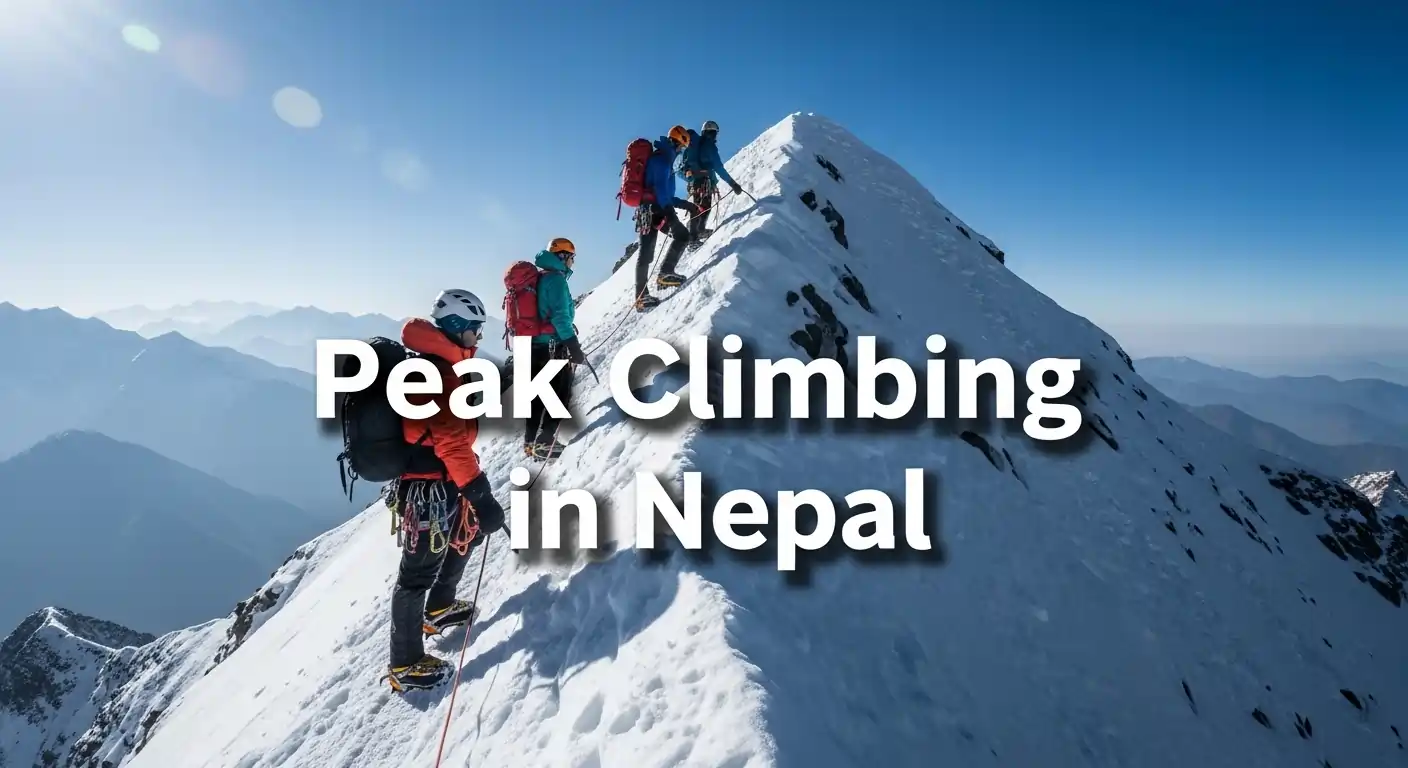
Standing atop a jagged Himalayan summit, surrounded by a frozen ocean of white peaks piercing the clouds, is a transformative experience that words can barely capture. For many, Peak Climbing in Nepal is the ultimate fulfillment of a lifelong dream, representing the perfect balance between physical endurance and spiritual awe. As we move through the 2026 season, the mountains remain as majestic as ever, but the approach has evolved; modern mountaineering in Nepal now blends the raw spirit of early pioneers with advanced safety technology and a deep commitment to environmental preservation. Whether it is the satisfying crunch of crampons on a 6,000-meter glacier or the thin, crisp air of the death zone, Nepal offers a vertical playground that challenges the soul and rewards the bold.
In this blog, we delve into everything you need to know about Peak Climbing in Nepal, providing a comprehensive roadmap for your 2026 adventure. We will break down the essential differences between trekking peaks and major expeditions, navigate the updated 2026 permit regulations (like the new $15,000 Everest fee and mandatory GPS trackers), and outline the rigorous physical preparation required to stand where the Earth meets the sky, all while ensuring your trip is perfectly paired with the best adventure trekking in Nepal.
What Is Peak Climbing in Nepal?
Peak climbing in Nepal involves ascending mountains between 5,500m and 7,000m that require technical skills beyond standard trekking. It is the bridge between hiking and full-scale mountaineering, utilizing specialized gear like crampons, ice axes, and fixed ropes. This activity allows adventurers to stand on high Himalayan summits and experience the thrill of true alpine climbing.
The primary difference lies in the technical difficulty, altitude, and bureaucratic management of the mountain. Trekking peaks are generally lower, more accessible, and can be summited within a few days from a base camp. In contrast, expedition mountains, including 8,000m giants like Everest, require massive logistics, months of planning, and heavy oxygen support.
Nepal officially classifies a specific set of mountains as “NMA Trekking Peaks,” which are managed by the Nepal Mountaineering Association. These peaks are strategically categorized to encourage exploration of diverse regions while maintaining safety and environmental standards. While labeled “trekking,” these summits still present significant high-altitude challenges and require professional mountain guides to navigate safely.
This adventure is best suited for physically fit trekkers who have a desire for a vertical challenge and basic knowledge of alpine gear. It is the ideal next step for those who have completed high-altitude treks like EBC and want to test their technical limits. If you possess a “summit mindset” and a high tolerance for extreme cold, peak climbing is your ultimate Himalayan goal.
Why Choose Peak Climbing in Nepal?
Nepal remains the undisputed global capital for high-altitude mountaineering, offering a unique blend of geological giants and world-class logistical support. Choosing Peak Climbing in Nepal gives you access to an unparalleled vertical playground where the logistics are refined, the expertise is unmatched, and the scenery is legendary.
- Home to the Giants: Nepal is the only place on Earth where you can climb within the shadows of eight of the world’s fourteen 8,000-meter peaks, including Mount Everest, Lhotse, and Annapurna. This density of massive mountains provides an infinite variety of routes, from beginner-friendly 6,000m summits to the most technical vertical walls on the planet.
- Affordable Mountaineering: Compared to the high costs of expeditions in the Andes, the Alps, or the Alaskan ranges, Nepal offers a significantly better “cost-to-altitude” ratio. The competitive market for trekking agencies in 2026 ensures that you get high-quality gear, nutritious food, and professional guiding services at a price point that is accessible to more than just elite millionaires.
- The Sherpa Support System: When you climb in Nepal, you are supported by the Sherpa community, arguably the strongest and most experienced high-altitude mountaineers in history. Their innate physiological adaptation to thin air and their deep cultural reverence for the “Mother Goddess” mountains provide a level of safety and technical support that is simply not available anywhere else in the world.
- Unrivaled Scenery: The Himalayan landscapes offer a visual feast that transitions from lush rhododendron forests and terraced hillsides to stark, blue-ice glaciers and jagged rock spires. Every peak climbing expedition in Nepal is also a scenic trek through ancient valleys, offering 360-degree panoramas of the highest points on Earth that no photograph can truly capture.
- Premium Infrastructure: Decades of mountaineering history have resulted in a highly evolved infrastructure, featuring well-marked trails, comfortable teahouses for the approach, and established base camp services. In 2026, this infrastructure has been further modernized with better communication networks, reliable heli-rescue protocols, and standardized safety regulations that make high-altitude climbing more organized than ever.
Best Peaks for Peak Climbing in Nepal
Choosing the right summit is the most critical decision in your mountaineering journey, as each mountain offers a distinct balance of technical challenge and physical demand. In 2026, the “Big Three” in the Everest region remain the most sought-after goals, but the Annapurna and Manaslu ranges are seeing a surge in popularity for those seeking quieter trails. Selecting a peak that aligns with your verified experience level ensures a safe ascent and a high success rate in the unpredictable Himalayan environment.
Island Peak (Imja Tse) Climbing
Standing at 6,189 meters, Island Peak is the quintessential “entry-level” mountain for those looking to transition from trekking to technical climbing. Its popularity stems from the fact that it is often combined with the Everest Base Camp trek, providing the perfect acclimatization profile before the final summit push. The climb features a thrilling 100-meter headwall of ice and snow that requires the use of a jumar and fixed ropes, offering a true taste of mountaineering without the complexity of an 8,000m expedition. It remains a top choice for fit beginners who want to stand in the heart of the Khumbu, surrounded by the towering walls of Lhotse and Ama Dablam.
Mera Peak Climbing
As Nepal’s highest officially classified trekking peak at 6,476 meters, Mera Peak is a massive, glacier-clad mountain that prioritizes physical endurance over technical rock climbing. The ascent is largely a “straightforward” walk on snow and ice, making it accessible to those with basic crampon skills, yet the high altitude makes it a grueling test of stamina. From its summit, you are rewarded with an unparalleled panoramic view of five of the world’s fourteen 8,000-meter peaks, including Everest, Makalu, and Kanchenjunga. It is the perfect objective for hikers who want to break the 6,000-meter barrier and experience the silence of a remote, high-altitude glacier.
Lobuche Peak Climbing
Lobuche East (6,119m) is widely considered a step up in technicality from Island Peak, featuring steep rock slabs and a “knife-edge” summit ridge that demands steady composure and precise footwork. Because of its proximity to the Khumbu glacier and its challenging terrain, it is frequently used by elite climbers as a final training and acclimatization peak before attempting Mount Everest. The route offers a diverse mix of rock scrambling and steep ice, providing an authentic alpine experience that rewards climbers with one of the most intimate views of the Everest Horseshoe. If you are looking to build a serious mountaineering resume for 2026 and beyond, Lobuche is the ultimate proving ground.
Pisang Peak & Other Popular Trekking Peaks
Located in the stunning Annapurna region, Pisang Peak (6,091m) offers a “less crowded” alternative to the busy trails of the Everest region while still providing a technical and scenic challenge. The peak rises in a uniform conical shape above the village of Upper Pisang and is typically climbed as an add-on to the world-famous Annapurna Circuit trek. The climb involves navigating steep snow slopes and rocky ridges, culminating in a summit that offers a face-to-face view of the Annapurna massif and Manaslu, making Pisang peak climbing one of the most rewarding additions for any trekker looking to bag their first 6,000-meter summit.
How Difficult Is Peak Climbing in Nepal?
Peak climbing in Nepal is categorized as a moderate to strenuous adventure that requires a significant step up from standard high-altitude trekking in terms of both physical grit and technical awareness. While “trekking peaks” are the most accessible summits in the Himalayas, they still involve navigating glaciers, steep snow slopes, and freezing temperatures above 6,000 meters. The difficulty is not just in the incline, but in your body’s ability to perform complex motor tasks, like rappelling or using a jumar, while operating on significantly reduced oxygen levels.
Physical Fitness Requirements
To successfully summit a peak in Nepal, you need a high level of cardiovascular endurance and “functional” leg strength to handle 12-15 hour summit days. Your training should focus on weighted hill climbs and core stability, as you will be carrying a pack while moving on uneven, often icy terrain. It is not enough to be “gym fit”; you need the mental stamina to push through extreme cold and fatigue when the air is thin and your muscles are screaming for oxygen. Most successful climbers begin a rigorous, mountain-specific training program at least 4–6 months before their expedition starts.
Technical Climbing Skills Needed
While you don’t need to be a professional alpinist for peaks like Mera or Island Peak, you must have a solid grasp of basic mountaineering techniques before hitting the high camps. This includes knowing how to walk in a rope team, manage your harness, and perform basic self-arrest maneuvers in case of a slip. Many climbers opt for a “pre-climb training” day at base camp where guides refresh these skills, but having prior familiarity with technical movement significantly increases your confidence on the headwall. In 2026, many reputable agencies now require a basic climbing course certification for more technical summits like Lobuche or Kyajo Ri.
Use of Ropes, Crampons, and Ice Axe
Peak climbing is defined by the transition from walking boots to crampons and the use of an ice axe for balance and safety on steep gradients. You will spend a significant portion of the summit push “clipped in” to fixed ropes using a carabiner and a jumar (ascender) to pull yourself up vertical sections. Learning the “crampon gait”, walking with a wider stance to avoid snagging your trousers, is a small but vital skill that prevents dangerous trips on narrow ridges. Mastery of these tools is what separates a trekker from a climber, turning a vertical wall of ice into a manageable path toward the sky.
Comparison: Trekking vs Peak Climbing
The leap from trekking to peak climbing is essentially the move from “hiking on a path” to “navigating an environment.” While trekking follows established trails with the luxury of teahouses and regular oxygen levels, peak climbing takes you onto glaciers and exposed ridges where you will likely sleep in high-altitude tents. The stakes are higher, the gear is heavier, and the physical toll is significantly more intense due to the rapid elevation gain and the technical obstacles encountered. Trekking is about the journey through the valley, but peak climbing is a focused, technical mission where the objective is a singular, jagged point above the clouds.
Peak Climbing in Nepal Cost Breakdown
Peak climbing in Nepal is a significant financial investment that balances technical logistics, government royalties, and a highly specialized support team. In 2026, the pricing structure was updated to reflect new safety regulations and a nationwide push for sustainable “High-Value” tourism. Understanding these costs upfront allows you to budget realistically for everything from the mandatory “WAG bags” and garbage deposits to the premium insurance required for high-altitude rescue.
Permit Fees
The Nepal Mountaineering Association (NMA) has revised the permit royalties for 2026, with foreign climbers now paying $350 USD per person for the peak Spring season and $175 USD for Autumn, Winter, and Summer. In addition to the climbing royalty, you must account for the mandatory $500 USD refundable garbage deposit and regional entry fees like the Sagarmatha National Park permit ($30) and the Khumbu Municipality fee ($30). Interestingly, the government has waived royalty fees for several peaks under 5,800m, such as Yala Peak and Mardi Himal, to promote exploration in less-congested regions. These seasonal variations are strictly enforced, and permits must be secured through a government-licensed trekking agency before you arrive at the trailhead.
Guide and Porter Fees
For 2026, hiring a licensed climbing guide is mandatory, with daily rates for a senior Sherpa guide typically ranging from $35 to $50 USD, depending on their summit experience and language skills. On summit days, most agencies also charge a specialized “Summit Bonus” or a flat fee of approximately $250–$300 USD to cover the increased risk and technical labor involved in the final push. Porters, who carry the heavy loads of gear and food, generally cost between $20 and $30 USD per day and are restricted to a 20-25kg weight limit for their own safety. It is also a legal requirement to provide comprehensive medical and emergency rescue insurance for all local staff, a cost that is usually integrated into your total expedition package.
Equipment and Logistics Costs
If you do not wish to purchase a full set of mountaineering gear, renting high-quality crampons, ice axes, harnesses, and double boots in Kathmandu or Khumbu costs approximately $100 to $300 USD for the duration of the trip. Logistics also include domestic flights, with a round-trip ticket from Kathmandu/Manthali to Lukla now averaging between $400 and $450 USD in 2026 due to increased fuel and airport fees. Daily on-trail expenses for food and accommodation in teahouses have risen to roughly $40-$60 USD at higher elevations, where transport by mule or porter drives up the price of every meal. For technical peaks that require a base camp setup, additional costs for tents, kitchen staff, and high-altitude rations will add another $1,000–$1,500 USD to the overall budget.
Climbing Permits and Regulations for Peak Climbing in Nepal
Navigating the legal requirements for peak climbing in Nepal is a critical first step that ensures your expedition is authorized and supported by the national rescue infrastructure. The permit system has transitioned toward a digital-first approach, requiring all climbers to coordinate through a government-licensed agency to secure the necessary NMA and Department of Tourism royalties. These regulations are designed not just for revenue, but to enforce safety standards, track climber movements in real-time, and fund the long-term preservation of the fragile Himalayan ecosystem.
Required Permits (NMA, National Park Permits)
For most peaks between 5,800m and 6,500m, you must obtain a specific climbing permit from the Nepal Mountaineering Association (NMA), which carries a seasonal royalty fee. In addition to the climbing royalty, you are required to pay a refundable garbage deposit to ensure all waste is brought back to base camp at the end of the expedition. These permits are non-transferable and must be carried at all times, as they are checked at various police and park entry points throughout the trek. Failing to secure the correct NMA permit can result in heavy fines, immediate deportation, or a long-term ban from mountaineering in the country.
Sagarmatha & Annapurna Region Permits
Climbing in the Everest region requires the Sagarmatha National Park Permit and the Khumbu Pasang Lhamu Rural Municipality Permit, which directly fund local infrastructure and trail maintenance. For peaks in the Annapurna range, the Annapurna Conservation Area Project (ACAP) permit is mandatory and must be obtained before entering the protected zone. These regional permits are separate from your climbing royalty and are essential for entering the high-altitude sanctuaries that surround the world’s highest peaks. These fees are increasingly being used to maintain sustainable trails, manage waste facilities, and support the local communities that host thousands of climbers each year.
TIMS Card Updates
The Trekkers’ Information Management System (TIMS) card has seen a major overhaul; it is no longer required for the Everest region, where the local municipality permit now serves as the primary tracking document. However, for the Annapurna and Langtang regions, an E-TIMS card is still mandatory and must be obtained through a registered trekking agency to ensure you are in the national safety database. This digital update allows authorities to monitor the location of all climbers and trekkers, facilitating faster response times during avalanches or medical emergencies. It is important to note that solo travelers cannot obtain an E-TIMS card, as a licensed guide is now a legal prerequisite for all high-altitude activities.
Rules and Environmental Regulations
The “Green Himalayas” initiative has introduced strict environmental rules, including the mandatory use of WAG bags (Waste Alleviation and Gelling) for all human waste on popular peaks like Everest and Ama Dablam. Climbers are also legally required to bring back their solid waste and provide proof of proper disposal, or they risk losing their significant garbage deposit. For safety, GPS trackers and RECCO reflectors are now required for expeditions above 7,000 meters to aid in search and rescue operations in high-risk zones. These rules are strictly enforced by liaison officers and base camp monitors, ensuring that the surge in mountaineering popularity does not lead to the ecological degradation of Nepal’s sacred summits.
Best Time for Peak Climbing in Nepal
The timing of your expedition is the single most important factor in determining your summit success and overall safety in the Himalayas. While the mountains are technically accessible year-round, the volatile weather patterns of high-altitude environments make the pre-monsoon and post-monsoon windows the only reliable choices for most climbers. Selecting the right season allows you to capitalize on stable atmospheric pressure, manageable temperatures, and the clearest possible views of the surrounding giants.
Spring Season (March–May)
Spring is widely considered the premier season for high-altitude expeditions, particularly for those aiming for 8,000-meter giants like Everest and Lhotse. During these months, the bitter winter winds begin to subside, and temperatures gradually warm up, creating a more tolerable environment for long days on the glacier. The trails are exceptionally beautiful as rhododendron forests bloom at lower elevations, providing a vibrant backdrop to the approach trek. While this is the busiest time of year, the increased presence of other teams means that fixed ropes are established early and rescue support is at its peak.
Autumn Season (September-November)
Following the monsoon rains, the autumn season offers the crispest air and the most stable visibility of the entire year. This is the preferred window for “trekking peaks” like Mera and Island Peak, as the atmosphere is washed clean of dust, providing unobstructed 360-degree panoramas of the Himalayan range. While temperatures are slightly cooler than in spring and the days are shorter, the weather remains remarkably consistent with very little precipitation. It is an ideal time for climbers who prioritize sharp photography and a more tranquil, post-harvest cultural atmosphere in the mountain villages.
Winter Climbing Challenges
Climbing in the winter months is a feat reserved for elite mountaineers who are prepared for extreme sub-zero temperatures and ferocious jet-stream winds. Most high-altitude passes and base camps become incredibly difficult to manage as heavy snowfall can obscure trails and increase the risk of frostbite within minutes of exposure. However, the season offers unparalleled solitude and crystal-clear blue skies for those sticking to lower-altitude peaks or shorter expeditions. The technical difficulty increases significantly as snow hardens into blue ice, requiring advanced crampon skills and a much higher level of physical resilience.
Monsoon Risks
The monsoon season, characterized by heavy daily rainfall and high humidity, is generally considered the most dangerous and least rewarding time for peak climbing. The primary risks include frequent landslides on the approach trails, increased avalanche danger on the upper slopes due to heavy wet snow, and almost zero visibility due to persistent cloud cover. Leeches and slippery terrain make the lower-altitude trekking portions of the trip uncomfortable and physically draining. Unless you are heading to “rain-shadow” regions like Upper Mustang or Dolpo, which remain relatively dry, peak climbing during the monsoon is strongly discouraged by all reputable guiding agencies.
Essential Equipment for Peak Climbing in Nepal
The right gear is your primary lifeline in the high-altitude environment, acting as the barrier between you and the extreme Himalayan elements. Having a high-quality, verified equipment set ensures that you can focus on the technical climb rather than battling equipment failure or frostbite.
Personal Climbing Gear
Every climber is responsible for their own technical hardware, including a UIAA-certified climbing harness and a pair of modern, adjustable crampons that fit perfectly over mountaineering boots. A lightweight, general-purpose ice axe is essential for balance and self-arrest on snow slopes, while a well-ventilated climbing helmet protects against falling ice or rock fragments. You will also need a locking carabiner, a jumar (ascender) for fixed ropes, and a belay device for controlled descents. Having familiarity with your own gear before arriving at base camp significantly increases your efficiency and safety during the summit push.
Clothing and Layering System
Surviving the volatile temperatures of the Himalayas requires a versatile three-layer system: a moisture-wicking thermal base layer, an insulating mid-layer, and a heavy-duty down jacket rated for at least -20°C. For your feet, specialized double-insulated mountaineering boots are mandatory to prevent frostbite on long summit days where you are standing on frozen glaciers for hours. High-quality hardshell trousers and a waterproof jacket are equally important to block the biting jet-stream winds and moisture. Don’t forget extremities; a combination of liner gloves and heavy down mittens is the only way to keep your fingers functional in sub-zero conditions.
Group Equipment Provided by Agencies
Most professional climbing agencies provide the heavy logistics, including high-altitude tents designed to withstand gale-force winds and industrial-grade fixed ropes for the technical sections of the route. They also supply the cooking equipment, fuel, and high-calorie rations needed to sustain you at base camp and beyond. For peaks above 7,000 meters or for those requiring extra support, agencies manage the oxygen cylinders, regulators, and masks that are vital for safety in the “death zone.” This shared equipment is maintained by the Sherpa team, ensuring that the route is safely anchored and the camps are fully stocked before you arrive.
How to Prepare for Peak Climbing in Nepal?
Successful preparation for peak climbing in Nepal requires a dedicated six-month regimen that balances specialized physical conditioning with technical skill acquisition and mental resilience. You cannot simply rely on general fitness; you must train your body to handle the specific stressors of load-bearing uphill movement and cold-weather endurance. This preparation phase is the most critical part of your journey, as it builds the foundation that allows you to enjoy the climb rather than just surviving it. By the time you reach the Himalayas, your gear should feel like a second skin and your lungs should be primed for the thin air.
Physical Training Plan (Cardio + Strength)
Your physical training should center on “functional endurance,” which involves long-distance hiking with a weighted pack of at least 15kg to simulate real climbing conditions. High-intensity interval training (HIIT) and stair climbing are excellent for building the cardiovascular capacity needed for steep summit pushes. Complement this with lower-body strength training—focusing on squats, lunges, and calf raises—to protect your joints during long, technical descents. Consistency is more important than intensity; aiming for five days of training per week ensures your muscles develop the “slow-twitch” endurance required for 12-hour days on the mountain.
Basic Mountaineering Training Courses
Even if you are aiming for a non-technical peak like Mera, taking a basic alpine course is highly recommended to familiarize yourself with the tools of the trade. You should master the art of walking in crampons, using an ice axe for self-arrest, and managing a harness while wearing heavy gloves. Learning how to efficiently use a jumar (ascender) on fixed ropes and practicing basic rappelling techniques will give you a massive confidence boost during the actual climb. Many climbers find that a weekend course on a local glacier or indoor climbing gym saves them from panic when they encounter their first vertical headwall in the Himalayas.
High-Altitude Acclimatization
Acclimatization is a biological process that cannot be rushed, and your preparation must include a schedule that follows the “climb high, sleep low” philosophy. In the months leading up to your trip, spend as much time as possible at whatever elevation is available to you to encourage the production of red blood cells. During the actual expedition in Nepal, your itinerary must include rest days and slow ascent rates, typically no more than 500 meters of sleeping elevation gain per day. Proper hydration and a high-calorie diet are also essential components of this process, helping your body adapt to the decreasing atmospheric pressure without falling ill.
Mental Preparation Strategies
The psychological aspect of climbing is often overlooked, yet it is often the “mind over matter” resolve that gets a climber to the summit when their body is ready to quit. You must mentally prepare for extreme discomfort, including sleep deprivation, freezing temperatures, and the psychological weight of being in a high-risk environment. Visualization techniques, where you mentally walk through the technical sections of the climb, can help reduce anxiety and improve your reaction time on the mountain. Developing a “step-by-step” focus, concentrating only on the next few meters rather than the entire summit, is a proven way to manage the overwhelming scale of the Himalayan giants.
Safety and Altitude Considerations in Peak Climbing
Safety in the Himalayas is a delicate balance of careful planning, constant self-monitoring, and a profound respect for the extreme environmental conditions. At altitudes above 5,000 meters, the margin for error narrows significantly, making the expertise of your guides and the quality of your safety protocols your most valuable assets. High-altitude climbing is inherently risky, but by prioritizing physiological adaptation and having a robust emergency contingency plan, these risks can be managed effectively. Every decision on the mountain, from your pace of ascent to the timing of your summit push, must be governed by the ultimate goal of returning home safely.
Altitude Sickness (AMS, HAPE, HACE)
Acute Mountain Sickness (AMS) is the most common hurdle, often presenting as a persistent headache, nausea, or loss of appetite as your body struggles with reduced oxygen. If ignored, it can progress into life-threatening conditions like High Altitude Pulmonary Edema (HAPE), which affects the lungs, or High Altitude Cerebral Edema (HACE), which involves brain swelling. It is vital to communicate every symptom to your guide immediately, as “pushing through” can lead to rapid deterioration and death. Early recognition is the key to safety; the most effective treatment for any severe altitude-related illness is an immediate and rapid descent to lower elevations.
Acclimatization Schedule
A well-designed acclimatization schedule is the “secret weapon” of every successful climber, following the golden rule of “climb high, sleep low.” This involves ascending to a higher altitude during the day to stimulate your body’s production of red blood cells and then returning to a lower elevation to sleep and recover. For peaks over 6,000 meters, itineraries should include specific rest days where you remain at the same altitude for 48 hours to allow your heart and lungs to adapt. Skipping these rotations or using a helicopter to skip trekking sections significantly increases your risk of altitude sickness and reduces your chances of reaching the summit.
Emergency Evacuation
In the event of a severe medical emergency or an injury that prevents walking, a helicopter evacuation is often the only viable rescue option in Nepal’s remote mountain ranges. Modern rescue protocols are highly organized, with satellite phones and radio communications allowing base camp teams to coordinate with heli-charter companies in Kathmandu. However, these rescues are highly weather-dependent and can only occur during daylight hours in clear conditions, meaning you must always have a “plan B” for ground-based transport. Your guide team is trained in high-altitude first aid and will manage the logistics, but the decision to call for a rescue is always made with the climber’s long-term health as the priority.
Importance of Travel Insurance
Comprehensive travel insurance is not just an optional extra; it is a mandatory legal requirement for obtaining climbing permits and ensuring your financial safety. Your policy must specifically cover “mountaineering and peak climbing” and include emergency helicopter evacuation up to at least 6,000 meters. Without verified insurance, rescue companies may refuse to fly, and you could be held liable for rescue costs that can easily exceed $5,000 to $10,000 USD. Ensure you read the fine print to confirm that your specific peak and the highest altitude you intend to reach are covered, as many standard travel policies exclude “high-risk” activities like technical climbing.
Peak Climbing vs Expedition Climbing in Nepal: What’s the Difference?
The distinction between peak climbing and expedition climbing lies primarily in the scale of the mountain, the complexity of the logistics, and the level of technical commitment required. While peak climbing serves as an accessible gateway to the Himalayas, expeditions are multi-month endeavors that push the absolute limits of human endurance and mountaineering skill.
| Feature | Peak Climbing (Trekking Peaks) | Expedition Climbing (Major Peaks) |
| Mountain Height | Typically between 5,500m and 6,500m. | Usually 6,500m to 8,848m (including 8,000m peaks). |
| Duration | 15 to 25 days (including trekking approach). | 35 to 65+ days depending on the objective. |
| Technical Difficulty | Basic to moderate technicality (snow slopes, fixed ropes). | High technicality (extreme weather, long ridges, icefalls). |
| Permit Fees | Affordable ($125–$350 USD per person). | Expensive ($1,500 to $11,000+ USD for Everest). |
| Logistical Complexity | Minimal; usually base camp or high camp setup only. | Massive; multiple high camps, oxygen systems, and rotations. |
| Required Experience | Fit trekkers with basic mountaineering knowledge. | Verified experience on 6,000m or 7,000m peaks. |
| Base Camp Services | Basic kitchen and tent setup; often uses teahouses. | Fully equipped “mini-cities” with extensive support teams. |
| Oxygen Support | Generally not required for summits under 6,500m. | Mandatory for most climbers above 7,500m–8,000m. |
Which is the Best Company for Peak Climbing in Nepal?
Marvel Treks stands out as the premier choice for peak climbing in Nepal due to their impeccable safety record, personalized expedition planning, and deep-rooted local expertise. With over 20 years of experience navigating the high Himalayan giants, they provide elite Sherpa guides and top-tier logistics that maximize your summit success while prioritizing environmental sustainability. Their long-standing reputation for reliability and their commitment to small-group sizes ensure that every climber receives the individual attention necessary for a safe and transformative mountaineering experience.
Conclusion
Peak Climbing in Nepal is more than just a physical achievement; it is a profound journey of self-discovery that tests the limits of your grit and rewards you with the most spectacular views on the planet. From the first technical steps on a 6,000-meter glacier to the final, breathless push toward a Himalayan summit, every moment spent in the high altitudes of Nepal is a lesson in resilience and awe. While the challenges of thin air and freezing temperatures are real, the sense of accomplishment as you stand where the Earth meets the sky is an experience that will stay with you forever.
As you plan your ascent, remember that success in the mountains is built on the foundation of preparation, safety, and choosing the right partners. Whether you are a trekking enthusiast ready for your first 6,000m peak or an aspiring alpinist building a resume for Everest, the majestic summits of Nepal are ready to welcome you. Respect the mountains, train with purpose, and embrace the adventure of a lifetime.
Ready to turn your Himalayan dreams into a summit reality? Book your next expedition with Marvel Treks! With 20 years of unmatched experience and a world-class team of Sherpa guides, we provide the safety, expertise, and personalized support you need to conquer the highest peaks on Earth.
FAQS
Do I need prior climbing experience for a trekking peak?
For peaks like Mera, high-altitude trekking experience is often enough, but for more technical mountains like Island Peak or Lobuche, basic knowledge of crampons and rope work is highly recommended.
Is it mandatory to hire a guide?
Yes, solo climbing is officially prohibited for all peaks in Nepal. You must be accompanied by a licensed Nepali climbing guide for safety and legal permit compliance.
What is the success rate for peaks like Island Peak?
While weather-dependent, the success rate is generally high (around 80–90%) for climbers who have followed a proper acclimatization schedule and are in good physical condition.
Can I rent climbing equipment in Nepal?
Absolutely. You can rent high-quality boots, crampons, ice axes, and harnesses in Kathmandu or in major hub villages like Namche Bazaar.
How much water should I drink while climbing?
Hydration is key to preventing altitude sickness. Aim to drink 4–5 liters of fluids per day, including water, soup, and tea.
What happens if I get altitude sickness?
Your guide will monitor you closely. For mild symptoms, you may rest; however, for severe symptoms (HAPE/HACE), the only solution is an immediate descent and potential helicopter evacuation.
Is there mobile network at Base Camp?
In popular areas like the Everest region, there is often 4G/5G or satellite internet (like Everest Link), though connectivity can be spotty and expensive at higher altitudes.
What is the best peak for a complete beginner?
Mera Peak is widely considered the best choice for beginners due to its non-technical nature, though it is physically demanding due to its high altitude of 6,476 meters.

Ready for your next Himalayan adventure?
Plan Your Next Big Adventure with Us
Explore Our AdventuresJoin our expert-guided journeys across Nepal and beyond, from classic trails to epic summits.