
Complete Guide to Mera Peak Climbing Cost
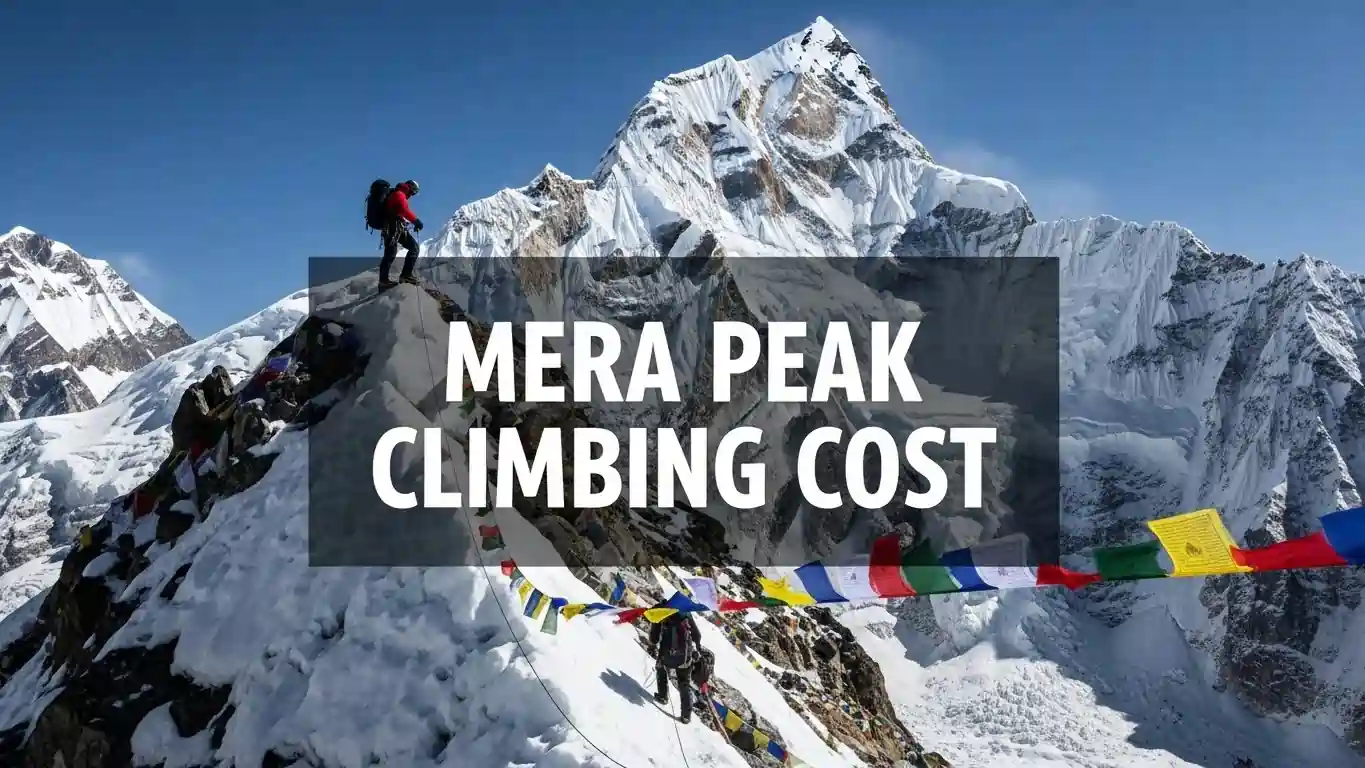
How much does it really cost to climb Mera Peak? Trekkers often plan months in advance, yet underestimate permits, guides, gear, and travel expenses. Without careful budgeting, costs can rise unexpectedly, affecting both safety and enjoyment. Understanding all financial components ensures a smooth expedition.
Within this blog, Mera peak climbing cost serves as the main focus. You will learn about permit fees, guide and porter charges, accommodation, gear requirements, and travel expenses. We also cover tips for choosing the right package, saving money, and planning a safe, budget-friendly climb. By the end, you will have a complete picture of what to expect when climbing Mera Peak.
What is Mera Peak?
Mera Peak is one of the highest trekking peaks in Nepal, standing at 6,476 meters. As Mera Peak is located in the Everest region, it offers panoramic views of some of the world’s tallest mountains, including Everest, Lhotse, and Cho Oyu. Its approach passes through scenic valleys, rhododendron forests, and traditional Sherpa villages. The trek combines natural beauty with cultural experiences, making it popular among climbers who want high-altitude adventure without extreme technical challenges.
As Mera Peak is classified as a trekking peak by the Nepal Mountaineering Association, it requires basic mountaineering skills. Climbers need experience in using crampons, ice axes, and fixed ropes on snow and ice slopes. The ascent demands good physical fitness, stamina, and mental preparation for altitude. Despite technical sections near the summit, the climb remains accessible to trekkers with guided support and proper acclimatization.
Mera Peak Climbing Cost: Full Breakdown
Mera Peak climbing cost depends on permits, guide and porter services, accommodation, food, gear, and travel expenses. Costs vary by season, package type, and personal preferences. Identifying the best time to climb Mera peak and planning each component in advance ensures a realistic budget and reduces unexpected spending. Understanding all fees helps trekkers make informed decisions while preparing for a safe and enjoyable expedition.
| Cost Component | Estimated Cost (USD) | Details / Notes |
| Permit and Registration Fees | $700–$750 | Nepal Mountaineering Association permit, TIMS card, and local taxes; mandatory. |
| Guide Charges | $30–$40 per day | Experienced guide recommended for safety and technical support; group sharing possible. |
| Porter Charges | $20–$25 per day | Helps carry gear, reduces fatigue; sharing with group lowers individual cost. |
| Accommodation | $10–$25 per night | Teahouses/lodges along the route; peak season may require advance booking. |
| Food / Meals | $5–$15 per meal | Costs rise near summit due to transport challenges; maintain calories and hydration. |
| Equipment & Gear | $100–$200 (rental) | Includes boots, crampons, ice axe, harness, sleeping bag; buying may cost more. |
| Travel / Transportation | $200–$300 | Flights Kathmandu–Lukla, local transport to trailhead; group travel can reduce costs. |
| Miscellaneous / Tips | $50–$100 | Contingency for emergencies, small purchases, or additional porter days. |
Permit and Registration Fees
Mera Peak requires permits from the Nepal Mountaineering Association and local authorities. The climbing permit typically costs around $700–$750 per person. TIMS (Trekkers’ Information Management System) card is also required for trekking in the region. Permit fees include insurance for the peak, but additional local taxes may apply. Early application ensures smoother processing and avoids last-minute delays. These costs form a mandatory part of any climbing budget.
Guide and Porter Charges
Hiring a guide is recommended for safety and technical support during the climb. Guides cost roughly $30–$40 per day, depending on experience. Porters help carry gear, reducing physical strain and increasing pace efficiency, costing around $20–$25 per day. Experienced guides also provide altitude advice and emergency support. Sharing guides or porters with group members can reduce costs. Well-trained staff significantly improve success and safety.
Accommodation and Food Costs
Teahouses and lodges along the trekking route charge $10–$25 per night per person. Meals cost approximately $5–$15 per meal depending on location and season. Food near the summit is limited and often more expensive due to transportation challenges. Staying hydrated and maintaining calorie intake is essential for acclimatization. Booking accommodations during peak season may require advance reservations. Budgeting for both meals and lodging is crucial for a smooth trek.
Equipment and Gear Expenses
Climbers need boots, crampons, ice axes, harnesses, ropes, insulated jackets, and sleeping bags. Renting gear costs $100–$200 for the entire trek. Buying personal equipment may increase initial investment but ensures quality and fit. Proper gear is essential for safety on snow and ice sections. Extras like trekking poles, gloves, and goggles support comfort and protection. Preparing gear in advance reduces last-minute expenses and stress.
Travel and Transportation Costs
Flights to Lukla from Kathmandu typically cost $150–$200 one way. Local transport to and from trailheads, plus any internal travel, adds $50–$100. Costs vary depending on season, airline, and baggage requirements. Group travel can reduce per-person expenses. Planning logistics ahead ensures timely arrival and departure. Transportation is a significant portion of the overall climbing budget.
How to Choose the Right Mera Peak Climbing Package?
To choose the right Mera Peak climbing package, consider budget, experience level, and personal preferences. Packages differ in services, group size, and duration. Understanding what each package includes helps avoid hidden costs and ensures safety. Picking the right option balances affordability, support, and comfort.
Group Packages vs Private Expeditions
Group packages are cost-effective and allow sharing guide, porter, and logistical expenses. They often follow fixed itineraries, which reduces planning effort but may limit flexibility. Private expeditions provide personalized schedules, dedicated guides, and more control over pace. Costs for private trips are higher but offer tailored support for skill level and comfort. Choosing between the two depends on budget, experience, and preference for independence or social trekking.
Inclusions and Exclusions to Consider
Check carefully what the package covers: permits, guides, porters, accommodation, meals, gear rental, and insurance. Exclusions often include flights, tips, personal equipment, and emergency evacuation. Packages with clear inclusions reduce unexpected expenses. Comparing multiple operators ensures value for money. Understanding limits and optional extras helps plan a realistic budget and prevents last-minute surprises.
Tips for Budget-Friendly Options
Book early to secure lower rates and availability during peak season. Sharing guides and porters within a group reduces individual costs. Renting gear instead of buying saves money for short-term treks. Consider shorter itineraries or off-peak seasons for lower package fees. Prioritize essential services while avoiding unnecessary add-ons. Careful planning maximizes value without compromising safety or experience.
What are the Factors Affecting Mera Peak Climbing Cost?
The factors affecting Mera Peak climbing cost are season, trek duration, service level, and personal choices. Weather conditions, altitude challenges, and logistical requirements can increase expenses. Longer treks or higher comfort levels naturally raise costs. Understanding these factors helps climbers plan realistic budgets and prepare for a safe expedition.
Season and Weather Conditions
Climbing during spring (March-May) and autumn (September-November) offers clear skies, stable weather, and safer trekking conditions. However, peak season drives up costs for flights, teahouses, and package rates due to higher demand. Off-season trekking reduces package fees and accommodation costs but increases risks like snowfall, limited transport, and fewer open lodges. Weather-related delays can also add unexpected expenses for extra nights or supplies. Planning trips in favorable months ensures balance between cost, safety, and trekking experience.
Duration of Trek and Expedition
The total number of trekking and climbing days directly affects expenses. Longer treks require more guide and porter days, food, lodging, and daily operational costs. Extended itineraries often include acclimatization stops, summit prep days, and side treks, which increase comfort and safety but raise costs. Shorter expeditions save money but may compromise proper acclimatization, increasing health risks. Choosing a trek duration that matches fitness, budget, and safety needs ensures a cost-effective and successful climb.
Level of Service and Comfort
Service level heavily impacts total cost. Premium packages with private guides, high-end lodges, personal porters, and inclusive meals charge significantly more. Standard group packages provide basic accommodation, shared guides, and fewer inclusions at lower prices. Optional services, such as gear rental, emergency insurance, or personalized support, add to overall cost. Selecting the right combination of comfort, support, and safety helps climbers balance expenses without compromising health or experience.
Tips to Save on Mera Peak Climbing Cost
Saving on Mera Peak climbing cost requires careful planning, smart choices, and flexibility. Booking early, sharing resources, and selecting cost-effective gear can significantly reduce expenses. Budgeting each component prevents last-minute surprises and ensures safety. Small adjustments can lower overall cost without compromising trekking experience.
Early Booking Advantages
Booking flights, permits, and climbing packages in advance secures lower rates and better availability. Peak-season demand drives prices up, especially for Lukla flights and teahouse accommodations. Early reservations allow access to discounted packages and preferred guides. It also provides time to plan logistics and prepare gear properly. Planning ahead reduces stress and avoids paying premium rates at the last minute.
Sharing Guides and Porters
Sharing guides and porters with other trekkers lowers per-person expenses. Group arrangements distribute costs for daily wages, tips, and accommodation. Guides can manage multiple climbers efficiently while maintaining safety. Porters carrying shared equipment reduce individual load and fatigue. Coordination within a group ensures cost-effectiveness without reducing support or service quality.
Renting Gear vs Buying
Renting equipment such as boots, crampons, ice axes, and sleeping bags is more cost-effective for short treks. Buying personal gear increases initial investment but ensures better fit and reliability. Essential items like insulated jackets and high-quality boots are sometimes worth purchasing. Renting reduces transport hassles and upfront cost. Climbers should assess trek duration and frequency before deciding between renting and buying.
How Reliable Trekking and Expedition Company Helps in Cost Management?
Reliable trekking and expedition company like Marvel Treks help in cost management while climbing Mera Peak by offering transparent pricing and clear package inclusions. Experienced operators reduce unnecessary expenses through efficient logistics, shared resources, and optimized itineraries. Strong local networks secure better rates for guides, porters, accommodation, and permits. Proper planning minimizes delays, emergency costs, and last-minute changes. Professional support ensures safety while keeping overall Mera Peak climbing cost under control.
Conclusion
Mera Peak climbing cost depends on multiple factors, including permits, guide and porter services, accommodation, gear, and travel. Careful planning, early bookings, and understanding package inclusions help manage expenses effectively. Being aware of seasonal variations, trek duration, and service level allows climbers to balance cost, safety, and comfort. Proper budgeting ensures a smoother, stress-free expedition.
Smart choices like sharing guides, renting gear, and selecting the right package can significantly reduce overall costs without compromising experience or safety. By preparing in advance and tracking expenses, trekkers can enjoy Mera Peak’s breathtaking views while keeping the climb affordable and well-organized.
FAQs
How much does it cost to climb Mera Peak?
Total cost typically ranges from $1,500–$2,500 per person depending on permits, guides, accommodation, and gear.
Are permits included in climbing packages?
Some packages include permits, but many exclude them; always confirm before booking to avoid extra expenses.
How much do guides and porters cost?
Guides cost around $30–$40 per day, while porters charge $20–$25 per day, depending on experience and group size.
Does season affect Mera Peak climbing cost?
Yes, peak season (spring and autumn) increases flights, accommodation, and package prices due to high demand.
Is it cheaper to rent or buy climbing gear?
Renting gear costs $100–$200 for the trek and saves money, while buying increases initial investment but ensures quality.
How can I reduce overall climbing costs?
Book early, share guides and porters, rent gear, and choose standard packages for lower expenses without compromising safety.
Are food and accommodation included in packages?
Many packages include meals and teahouse lodging, but some only provide climbing support; check inclusions carefully.
Can solo trekkers reduce costs?
Yes, joining a group for shared guides, porters, and transport can lower individual expenses significantly.

Ready for your next Himalayan adventure?
Plan Your Next Big Adventure with Us
Explore Our AdventuresJoin our expert-guided journeys across Nepal and beyond, from classic trails to epic summits.