
How Long is the Upper Mustang Trek? Compete Guide
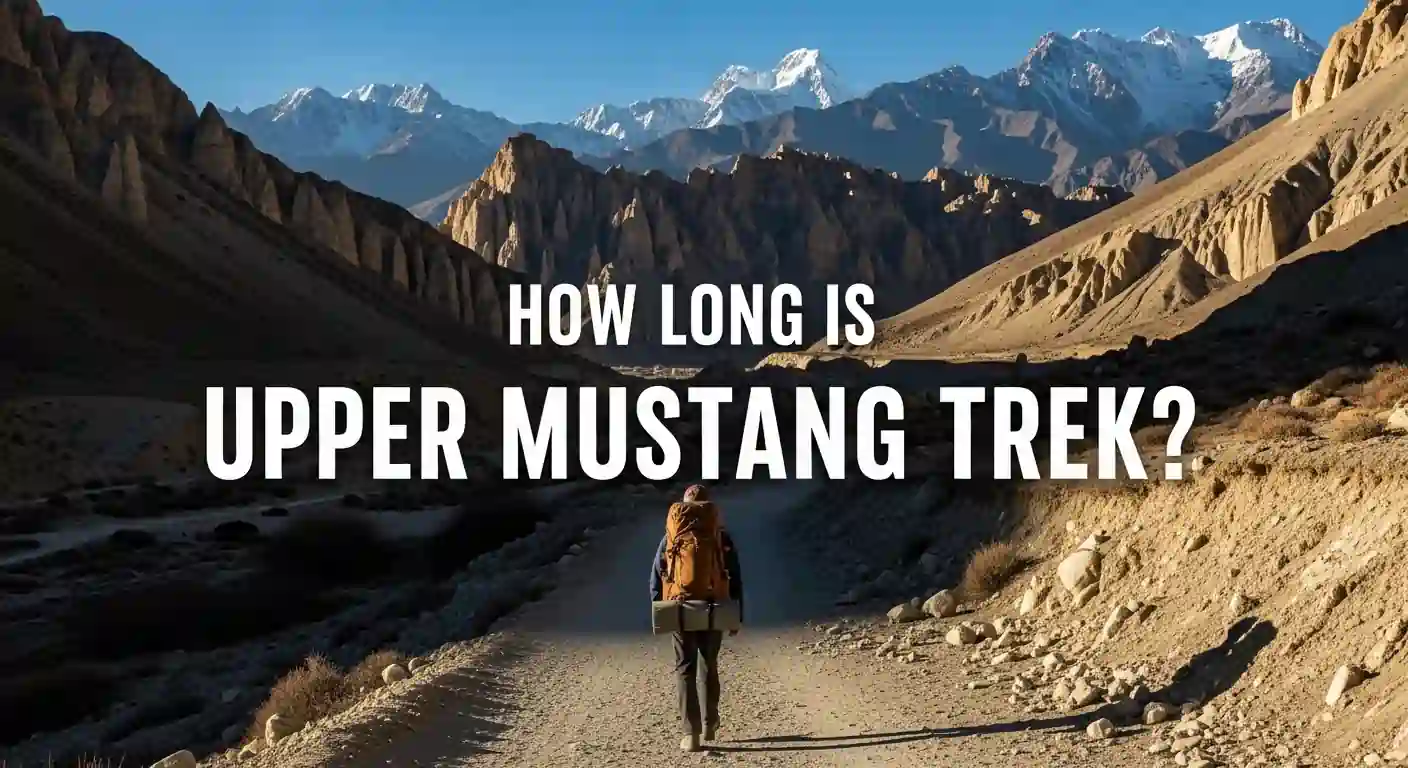
Have you ever dreamed of stepping into a “Forbidden Kingdom” where the landscapes look more like the surface of Mars than the lush valleys of the Himalayas? Upper Mustang is a place where time has stood still, tucked away in the rain shadow of the Annapurna and Dhaulagiri massifs. But before you start packing your sunblock and windbreaker, you need to know the logistics of the clock. Is this a quick mountain getaway, or do you need to clear your entire calendar for a month to reach the walled city of Lo Manthang?
In this blog, we will explore how long is upper mustang trek and break down the various itineraries that make this restricted area so unique. We’ll cover everything from the standard trekking days and the impact of the newly built roads to how your choice of transport, be it foot, jeep, or horse, can dramatically change your timeline. Whether you have 10 days or three weeks, this guide will help you map out the perfect journey through the “Last Forbidden Kingdom” during your Upper Mustang Trek.
Overview of the Upper Mustang Trek
The Upper Mustang Trek is a high-altitude desert expedition into the “Last Forbidden Kingdom” of Lo, a restricted region of Nepal that remained closed to foreigners until 1992. This trek is one of Nepal’s most unique routes because it sits in the rain shadow of the Annapurna and Dhaulagiri massifs, offering an arid, Martian-like landscape of wind-sculpted canyons and “Sky Caves.” Unlike the lush green valleys found elsewhere in the Himalayas, a journey through Mustang feels like stepping into ancient Tibet, complete with whitewashed villages, centuries-old monasteries, and a deeply preserved nomadic culture, offering a distinct cultural alternative to the usual routes for trekking in Nepal for beginners.
Key Facts About Upper Mustang Trek
- Trek Duration: The standard walking itinerary typically spans 12 to 15 days, depending on whether you take the eastern return loop or use a jeep for certain sections.
- Maximum Altitude: You will reach a maximum elevation of approximately 4,230 meters (13,878 ft) while crossing the Marang La pass on the way to Lo Manthang.
- Starting Point: The trek officially begins in the windy town of Jomsom, following a short scenic flight or a rugged jeep drive from Pokhara.
- Ending Point: Most trekkers complete their circuit by returning to Jomsom, though some choose to fly out early or continue toward the Muktinath pilgrimage site.
- Restricted Area Permit (RAP): A mandatory special permit is required, costing $500 per person for the first 10 days and $50 for each additional day spent in the region.
- Other Permits: In addition to the RAP, you must possess an ACAP (Annapurna Conservation Area Project) permit and trek with at least two people and a licensed guide.
How Long is Upper Mustang Trek?
The Upper Mustang trek typically takes between 12 to 15 days to complete, covering a total distance of approximately 125 kilometers (77 miles). This duration is designed to allow for steady acclimatization in the high-altitude desert and includes essential exploration days in the walled capital of Lo Manthang. The exact length of your journey will depend on your starting point, your pace, and whether you choose to use vehicle support for the dusty road sections.
Typical Upper Mustang Trek Duration
A standard itinerary spans 12 to 14 days, but you can find shorter 10-day “Jeep-Assist” options or extended 21-day expeditions to the sacred Damodar Kunda. For most trekkers, the 14-day loop remains the favorite because it includes two full days of exploring the 15th-century monasteries and “Sky Caves” in Lo Manthang without feeling rushed. Shorter versions usually involve flying into Jomsom and immediately taking a jeep to Chele to skip the lower altitude walking, while extended routes are reserved for those wanting to reach the Tibetan border or the high-altitude holy lakes. Regardless of the length, you must always factor in at least two buffer days for the frequently canceled flights between Pokhara and Jomsom to ensure you don’t miss your international connection.
Upper Mustang Trek Itinerary Breakdown
A classic Upper Mustang trek itinerary typically spans 12 to 15 days, providing a balanced progression from the riverside town of Jomsom up to the ancient walled city of Lo Manthang. This route follows the Kali Gandaki valley before climbing into the arid, Trans-Himalayan plateaus, ensuring you have enough time to explore centuries-old monasteries and nomadic settlements. It is a journey that carefully prioritizes altitude acclimatization while maximizing your exposure to the region’s unique Tibetan-influenced culture.
Day-by-Day Trekking Route
The journey begins with a scenic flight or drive from Kathmandu to Pokhara, followed by a short, breathtaking mountain flight into Jomsom to officially start the trek. From there, you walk north through Kagbeni, the gateway to the restricted zone, gradually climbing through villages like Chele and Ghami until you reach the capital of Lo Manthang. The return leg often takes a more eastern path through Yara and Tangbe, allowing you to see different rock formations and “Sky Caves” before looping back to Jomsom for your return flight.
Key Stops Along the Trek
The Lo Manthang trek route is defined by iconic stops like Kagbeni, with its medieval mud-brick architecture, and Tsarang, which houses a massive five-story white dzong and a 14th-century monastery. Ghami and Chele serve as essential high-altitude outposts known for their vibrant red cliffs and the longest Mani wall in Nepal. The ultimate highlight is Lo Manthang itself, where you spend multiple days exploring the Royal Palace and the four major gompas that form the heart of the “Forbidden Kingdom.”
What Factors Affect How Long the Upper Mustang Trek Takes?
The total time required for the Upper Mustang trek is primarily influenced by your chosen transportation (flight vs. jeep), your body’s need for altitude acclimatization, and the number of side trips you take to explore ancient caves and monasteries. While the average walking duration is 12 to 15 days, external factors like the legendary afternoon winds of the Kali Gandaki valley and unpredictable flight schedules in Jomsom can easily add or subtract days from your itinerary.
Trekking Pace and Fitness Level
Your daily walking speed and overall cardiovascular fitness determine whether you finish your daily stage in a comfortable 5 hours or a more exhausting 8 hours. Experienced trekkers with high stamina can cover more ground quickly, potentially shortening the overall duration, while beginners or those with lower fitness levels should stick to a 14-day itinerary to allow for slower movement and more frequent rests. Maintaining a steady, sustainable pace is essential for coping with the rugged, dusty trails and significant vertical gains without burning out before reaching Lo Manthang.
Acclimatization and Altitude
Even though the maximum altitude of 4,230m is lower than in the Everest region, the dry air and rapid ascent require mandatory rest days to allow your blood oxygen levels to stabilize. Most successful itineraries include at least two full days in Lo Manthang for both cultural exploration and physiological adjustment to the 3,800m+ environment. Skipping these essential acclimatization windows is the leading cause of altitude sickness on this route, which can lead to forced descents and a premature end to your journey.
Weather and Seasonal Conditions
Seasonal weather patterns, specifically the intense afternoon winds and the flight-blocking clouds in Jomsom, are the biggest external factors that can delay your trek by 2 to 3 days. During the monsoon and winter, flight cancellations between Pokhara and Jomsom are common, often forcing trekkers to switch to a 10-hour overland jeep ride that can significantly alter the travel timeline. Additionally, the daily 11:00 AM winds in the Mustang valley often necessitate early-morning starts to ensure you reach your destination before the conditions become too physically draining.
Side Trips and Cultural Exploration
Adding side excursions to sites like the “Sky Caves” of Chhoser, the ancient Luri Gumba, or the pilgrimage site of Muktinath can extend your trek by anywhere from 2 to 5 days. These cultural highlights are often the most rewarding parts of the trip, taking you far beyond the main trail into villages that feel like living museums of Tibetan history. While a “quick” 10-day trip is possible by following the road, a 16-day expedition that includes these remote detours provides a much deeper and more authentic experience of the Upper Mustang region.
Upper Mustang Trek Distance and Daily Walking Hours
The total distance of the Upper Mustang Trek is approximately 125 kilometers (77 miles), requiring an average of 5 to 7 hours of walking per day to complete the standard loop. The terrain is a unique high-altitude desert characterized by dusty, wind-swept plateaus, steep canyon descents, and crossing several mountain passes between 3,500m and 4,200m. Because the afternoon winds in the Kali Gandaki valley can be exceptionally strong, most trekking days begin very early to ensure you reach your destination before the dust and gusts peak.
| Feature | Details and Typical Measurements |
| Total Trekking Distance | Approximately 125 km to 150 km (depending on side trips to Chhoser or Yara). |
| Average Daily Distance | 12 km to 16 km per day. |
| Daily Walking Duration | 5 to 8 Hours (The day crossing Marang La to Lo Manthang is usually the longest). |
| Maximum Elevation | 4,230m (13,878 ft) at the Marang La Pass. |
| Average Elevation Gain | 300m to 600m of vertical ascent per day. |
| Trail Conditions | Mostly dry, rocky, and dusty; some sections share the wide dirt road, while others are narrow cliffside paths. |
| Terrain Difficulty | Moderate; involves steep “Nepali flats” (up and down) and crossing arid high-altitude ridges. |
| Afternoon Winds | High Impact; walking becomes significantly harder after 11:00 AM due to north-bound valley winds. |
Can You Do the Upper Mustang Trek in Less Time?
Yes, you can complete the Upper Mustang trek in as little as 8 to 10 days by utilizing the newly built road network and mountain flights to skip the lower-altitude sections. While the traditional loop takes 14 days, a hybrid approach combining private jeeps with short daily hikes allows you to reach the walled city of Lo Manthang much faster. This “express” version is ideal for travelers with tight schedules who still want to witness the iconic red cliffs and ancient monasteries without the full physical commitment of a two-week trek.
Short Upper Mustang Trek Options
A condensed 10-day itinerary is possible if you fly directly into Jomsom and take a jeep to the trailhead at Chele, effectively cutting out the first two days of walking. This allows you to reach Lo Manthang by day four, spend a full day exploring the “Sky Caves,” and then trek back through the most scenic villages. While efficient, this shorter timeframe requires you to be in excellent physical condition, as your body will have less time to adjust to the dry, high-altitude desert air.
Jeep-Assisted Upper Mustang Tours
For those who want the views without the miles, a full Jeep Safari can take you from Jomsom to Lo Manthang in just 3 days, making the entire journey possible in under a week. Most modern travelers opt for a “hybrid” model where they drive the dusty road sections but spend 2-3 hours daily walking into the hidden side valleys and monasteries. This overland travel option is perfect for photographers or older travelers who want to maximize their time in the restricted zone while maintaining a high level of comfort.
Best Time for Upper Mustang Trek
The best time for the Upper Mustang trek is from March to November, as this region sits in the Himalayan rain shadow and remains dry even during the summer monsoon. Unlike most of Nepal, Mustang offers clear trails and vibrant cultural festivals during the months when other regions are drenched in rain. This makes it a premier “all-season” destination for those wanting to explore the high-altitude desert without the risk of leeches or slippery paths.
Spring Season (March-May)
Spring is arguably the most popular time to visit, as it coincides with the legendary Tiji Festival, scheduled for May 14th to 16th in 2026. During these months, the temperatures are comfortably warm for trekking, and the landscape is dotted with blooming wild buckwheat and apple blossoms in the lower valleys.
Summer / Monsoon Season (Unique Advantage)
Upper Mustang is the only major trek in Nepal that is perfect during the monsoon (June–August) because the surrounding 8,000m peaks block all rainfall. While the rest of the country is cloudy and wet, Mustang remains sunny and dry, providing trekkers with a rare window for mountain views and dust-free air.
Autumn Season (September-November)
Autumn offers the most stable weather and the sharpest visibility of the Nilgiri, Annapurna, and Dhaulagiri ranges after the summer dust has settled. The days are pleasantly cool and the skies are a deep, consistent blue, though you should be prepared for significantly colder temperatures once the sun sets in the high desert.
Upper Mustang Trek Difficulty Level
The Upper Mustang trek is officially classified as a moderate difficulty level, making it accessible to fit hikers who can manage 5 to 7 hours of walking daily at altitudes below 4,300 meters. Unlike the steep, forested climbs of the Everest or Annapurna regions, the difficulty here stems from the arid, high-altitude desert environment, persistent afternoon winds, and dusty trails rather than technical climbing or extreme vertical gain. It is the perfect “step up” for those who have completed shorter treks and want a more remote, culturally immersive challenge.
Difficulty Rating (Moderate)
A “moderate” rating means you don’t need mountaineering skills, but you should have solid cardiovascular endurance to handle the high-desert terrain and dry air. The daily elevation changes are more gradual than on most Nepalese circuits, though the long distances between villages can be physically taxing if you aren’t used to back-to-back hiking days. It is a manageable challenge for anyone with a basic fitness routine and a sense of adventure.
Altitude Challenges
With a maximum elevation of 4,230 meters at the Marang La pass, the risk of severe altitude sickness is lower than on the 5,000m+ passes of the Annapurna Circuit. However, the air is extremely dry and the oxygen levels are significantly thinner than at sea level, which can lead to mild headaches or fatigue if you rush the ascent. Proper hydration and following a “slow and steady” pace are essential for letting your body adjust to the Mustang plateau.
Terrain Conditions
The terrain in Upper Mustang consists of rocky paths, sandy canyon floors, and wide, wind-swept plateaus that can be quite punishing on the joints during long descents. You will encounter “Nepali flats”, a series of short but steep ups and downs, and must navigate the legendary afternoon dust storms that blow through the Kali Gandaki gorge. Sturdy, high-ankle trekking boots are a must to protect your feet from the loose stones and uneven surfaces found throughout the hidden valley.
Required Trekking Experience
While beginners with high fitness can succeed, the trek is best suited for those with at least some prior experience in multi-day hiking or high-altitude environments. Being familiar with your gear and knowing how your body reacts to sustained exercise will make the 14-day journey much more enjoyable. Mental resilience is also key, as you will be staying in basic teahouses and dealing with a remote, “off-the-grid” lifestyle for nearly two weeks.
Permits Required for the Upper Mustang Trek
To enter the “Forbidden Kingdom” of Upper Mustang, foreign trekkers must obtain a mandatory Restricted Area Permit (RAP) and an Annapurna Conservation Area Permit (ACAP). Because of its sensitive border location and preserved Tibetan culture, the region is heavily regulated, requiring you to trek with at least one other person and a licensed guide from a registered trekking company.
- Restricted Area Permit (RAP): Following recent 2026 updates, the permit is now a flexible $50 per person per day (replacing the old flat $500 for 10 days rule). You only pay for the exact number of days spent inside the restricted zone beyond Kagbeni.
- Annapurna Conservation Area Permit (ACAP): Since Upper Mustang sits within the larger Annapurna sanctuary, a separate ACAP permit is required, costing NPR 3,000 (approx. $25-$30) for foreign nationals.
- TIMS Card: A Trekkers’ Information Management System (TIMS) card, costing NPR 2,000 ($20), is generally required for all trekkers to ensure safety and tracking within the mountain regions.
- Mandatory Guide & Group Rule: You are strictly forbidden from trekking solo; the law requires a minimum of two trekkers and a government-licensed guide to process the permits.
- Necessary Documents: To apply, you must provide your original passport (with at least 6 months of validity), a valid Nepal tourist visa, and several passport-sized photographs to your trekking agency.
- Processing Location: All restricted area permits are issued only in Kathmandu or Pokhara through a registered agency; they cannot be obtained at the trail checkpoints or by independent travelers.
Which is the Best Company for Upper Mustang Trek in Nepal?
Marvel Treks is the best company for the Upper Mustang trek in Nepal because they are experts in navigating the complex restricted area permit process and specialize in crafting “road-avoidance” itineraries that prioritize authentic trails over dusty vehicle tracks. Their deep connections within the Loba community ensure you get the best rooms in the most traditional teahouses, while their seasoned guides provide a level of cultural insight and safety that only decades of local experience can offer.
Conclusion
So, how long is the Upper Mustang trek? Whether you choose the 14-day classic loop to soak in every ancient monastery or a 10-day hybrid journey for a faster pace, the most important thing is not rushing the experience. This is a region where the value isn’t measured in kilometers, but in the silence of the high-desert canyons and the centuries of history preserved within the walls of Lo Manthang. By planning for a 12-to-15-day window, you give yourself the buffer needed for weather variables and the time required to truly connect with one of the last great wildernesses on Earth.
Choosing the right partner for this journey is essential due to the strict permit regulations and the remote nature of the Mustang plateau. With the right preparation, gear, and guidance, the “Forbidden Kingdom” becomes an accessible reality rather than just a dream on a map. Upper Mustang is waiting to show you a side of the Himalayas you never thought possible, all you have to do is decide how long you’re willing to stay.
Ready to Cross the Border into History?
The gates to Lo Manthang are waiting, and Marvel Treks is ready to lead the way. We handle the $500 permits, the Jomsom flights, and the hidden trails so you can experience Upper Mustang without the stress of logistics. Let us show you the “old way” through the desert kingdom.
FAQS
Is the 10-day $500 permit still mandatory?
Yes, for 2026, the $500 fee covers your first 10 days in the restricted zone, with $50 for each extra day.
What is the shortest possible time to see Lo Manthang?
By using jeeps, you can reach the city and return to Jomsom in as little as 5 to 6 days.
Do I really need two people to get the permit?
Yes, it’s the law. You cannot get a permit solo; you need at least one other trekker and a guide.
How long are the daily walks on the standard trek?
You should plan for 5 to 7 hours of walking each day, starting early to avoid the wind.
Can I extend the trek to visit Muktinath?
Absolutely. Adding Muktinath usually adds 1 to 2 days to your total itinerary and is highly recommended.
Are the Jomsom flights reliable for the timeline?
Not always. Wind and clouds often cancel flights, so always have a 2-day buffer in your schedule.
Does the 15-day trek include Kathmandu travel time?
Usually, yes. Most 15-day itineraries include travel to Pokhara and Jomsom as part of the total package.
Is the eastern return route longer than the western one?
Slightly. It usually adds one extra day but is much more scenic and avoids the main road traffic.

Ready for your next Himalayan adventure?
Plan Your Next Big Adventure with Us
Explore Our AdventuresJoin our expert-guided journeys across Nepal and beyond, from classic trails to epic summits.