
Best Trekking Peaks in Nepal – Ultimate Guide for Adventure Enthusiasts
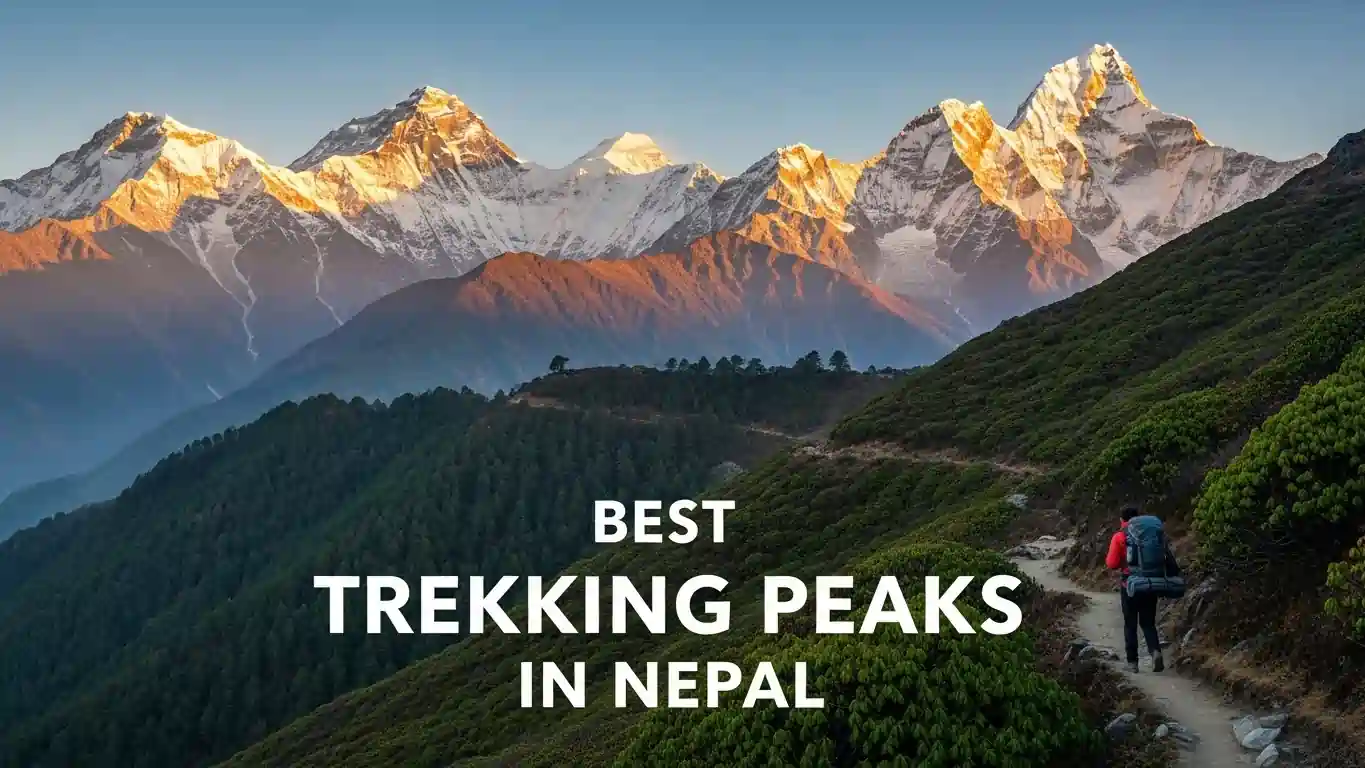
Looking for Himalayan peaks that deliver real summit experience without extreme technical demand? Trekking peaks attract climbers seeking altitude challenge, scenic routes, and achievable ascents within limited expedition time. Such climbs suit adventurers aiming to step beyond trekking while avoiding extreme mountaineering risk.
In this guide, the best trekking peaks in Nepal cover popular peak options, difficulty levels, and required skills to help you succeed. For those looking to elevate their adventure, exploring a top 5 expedition in Nepal provides a clear roadmap for selecting ideal seasons, navigating permits, and understanding safety factors. By choosing a suitable objective with confidence, readers gain clear insight for planning safe, rewarding peak adventures across the Nepal Himalaya.”
What Are Trekking Peaks in Nepal?
Trekking peaks in Nepal refer to climbing peaks generally below 7,000 meters, managed under Nepal Mountaineering Association classification. Such climbing peaks involve non-technical to semi-technical routes, combining trekking with basic mountaineering skills. Many Himalayan mountains for beginners fall under this category, offering summit experience without extreme altitude risk. These peaks serve as entry points for climbers progressing toward higher objectives.
Trekking peaks differ from expedition peaks through altitude, permit authority, technical demand, logistics. Expedition peaks exceed 7,000 meters, require government-issued permits, extensive support, advanced alpine skills. Trekking peaks allow shorter itineraries, lighter logistics, fewer fixed ropes. This distinction makes trekking peaks suitable for beginners seeking Himalayan climbing exposure before major expeditions.
Why Choose Nepal for Trekking Peaks?
You can choose Nepal for trekking peaks because the country offers unmatched Himalayan trekking experience, accessible climbing routes, diverse terrain, and strong mountaineering support. Nepal combines high mountain scenery with established trekking infrastructure. Climbers benefit from clear permit systems and experienced local guides. These factors make trekking adventure Nepal both practical and rewarding.
Scenic beauty, culture, and accessibility
Nepal trekking peaks pass through glacial valleys, alpine forests, high passes, and panoramic viewpoints. Routes cross traditional villages, monasteries, prayer-flag-lined trails, offering cultural exposure alongside climbing adventure. Well-established trails, teahouses, and base camp access reduce logistical difficulty. Road and air connectivity to major trekking regions improves expedition planning. Scenic diversity enhances overall climbing satisfaction.
Variety of peaks suitable for beginners, intermediates, and advanced climbers
Nepal offers trekking peaks for all skill levels, from beginner-friendly climbs to technical objectives. Beginners attempt peaks with simple snow slopes, while intermediates face steeper ridges and glacier travel. Advanced climbers find mixed routes demanding strong rope skills. Wide selection allows gradual skill progression within one country. This variety strengthens Nepal’s position as a global trekking peak destination.
Top 10 Best Trekking Peaks in Nepal
Nepal hosts many Himalayan trekking peaks that combine trekking routes with achievable summit goals. These peaks range from beginner trekking peaks to demanding high-altitude objectives. Adventure trekking across Nepal offers climbers scenic trails, cultural depth, and gradual skill progression. Peak variety allows climbers to choose goals based on fitness, experience, and technical ability. Such diversity makes Nepal a global center for trekking and peak climbing.
Island Peak (Imja Tse) – 6,189 m
Island Peak ranks among most popular Himalayan trekking peaks near Everest region. The difficulty level remains moderate, requiring basic ice climbing and rope skills. The best season falls during spring and autumn for stable conditions. Approach follows classic Everest Base Camp trail, offering dramatic glacier views. Summit ridge provides close-up perspectives of Lhotse, Ama Dablam, Nuptse. Fixed ropes support the final ascent section. Peak suits climbers transitioning from trekking to mountaineering.
Mera Peak – 6,476 m
Mera Peak suits climbers seeking high-altitude experience with limited technical difficulty. Acclimatization plays a key role due to long approach and elevation gain. Snow slopes dominate ascent, requiring crampon use and basic rope travel. Summit views include Everest, Makalu, Lhotse, Cho Oyu. Adventure experience emphasizes endurance, altitude adaptation, panoramic scenery. Longer itinerary improves success rates. Peak remains ideal for altitude-focused preparation.
Lobuche East – 6,119 m
Lobuche East attracts climbers with prior experience seeking technical challenges. The route involves steep snow, ice sections, exposed ridges. Difficulty remains higher than Island Peak, demanding confident rope handling. Approach follows Everest trekking trails, aiding acclimatization. Summit rewards climbers with dramatic Khumbu Glacier views. Weather windows remain short. Peak tests technical efficiency under altitude pressure.
Pokalde Peak – 5,806 m
Pokalde Peak suits beginner trekking peaks due to short duration and lower altitude. Ascent involves rocky slopes with minimal technical demand. The trekking route passes through Everest region, offering scenic Himalayan views. Summit provides clear sightlines toward Everest, Makalu, Lhotse. This peak fits climbers seeking the first Himalayan summit. Basic fitness preparation remains sufficient. Ideal choice for limited schedules.
Yala Peak – 5,500 m
Yala Peak offers moderate trekking peak experience within the Langtang region. The route involves gradual ascents, snow slopes, and basic mountaineering skills. Short expedition duration suits limited schedules. Climbers enjoy views toward Langtang Lirung, Shishapangma. Cultural exposure enhances the overall trekking adventure Nepal experience. Lower altitude reduces acclimatization stress. Peak supports beginner progression.
Chulu East & Chulu West – 6,584 m & 6,419 m
Chulu peaks combine trekking with technical climbing elements in Annapurna region. The East route remains less technical, while the West demands stronger ice and rope skills. Climbers navigate glaciers, steep ridges, and high camps. Approach passes through Manang Valley, aiding acclimatization. These peaks suit intermediate to advanced adventure trekking goals. Weather conditions vary widely. Strong team coordination improves safety.
Baruntse – 7,129 m
Baruntse offers expedition-level trekking peak experience beyond typical trekking climbs. Altitude exceeds 7,000 meters, requiring advanced preparation. Routes involve steep ice faces, long summit pushes. Climbers gain exposure to expedition logistics without commercial traffic. Peak suits experienced mountaineers preparing for 8,000-meter objectives. Self-reliance remains essential. Weather risk remains significant.
Singu Chuli – 6,501 m
Singu Chuli, also called Fluted Peak, demands strong technical climbing ability. Steep ice, exposed ridges define ascent. Approach follows Annapurna Sanctuary trekking routes. Difficulty level suits skilled climbers rather than beginners. Summit offers dramatic Annapurna massif panoramas. Route finding requires precision. Limited ascent history increases challenge level.
Hiunchuli – 6,441 m
Hiunchuli stands near Annapurna South, offering moderate difficulty trekking peak challenge. The route involves snow slopes, some technical sections. Climbers benefit from established Annapurna trekking infrastructure. Altitude demands proper acclimatization despite moderate grades. Summit views include Annapurna I, Machapuchare. Weather exposure remains high. Peak suits confident intermediate climbers.
Other Notable Trekking Peaks
Other Himalayan trekking peaks include Dhampus Peak, Pisang Peak, Langtang Lirung attempts. These peaks suit varied experience levels across different regions. Climbers can match objectives with skill growth. Regional recommendations help diversify adventure trekking plans. Such options expand Nepal’s trekking peak portfolio. Flexible itineraries improve accessibility. Peaks support gradual learning paths.
How to Choose the Right Trekking Peak in Nepal?
To choose the right trekking peak in Nepal, climbers must match peak characteristics with personal ability, fitness, and experience. Trekking peak selection depends on altitude tolerance, technical demand, seasonal timing, and preparation level. Poor alignment increases risk and reduces summit chances. Informed choices support safer, more rewarding Nepal climbing experiences.
Factors to consider: altitude, difficulty, season, physical fitness
Altitude considerations play a major role since higher peaks demand stronger acclimatization capacity. Difficulty level depends on terrain type, ice sections, rope usage, glacier travel. Seasonal timing affects weather stability, snow conditions, and visibility. Physical fitness influences endurance during long summit pushes and load carrying. Evaluating these factors together improves decision accuracy. Balanced planning reduces avoidable hazards.
Tips for beginners vs experienced climbers
Beginners should select lower trekking peaks with minimal technical sections and shorter itineraries. Gradual altitude gain supports safe acclimatization and confidence building. Experienced climbers can target higher peaks with mixed terrain and steeper routes. Prior technical training allows handling exposed sections efficiently. Skill-based selection improves safety, enjoyment, and long-term progression.
Best Time to Trek Nepalese Peaks
The best time to trek Nepalese peaks depends on weather stability, visibility, and snow conditions. Trekking seasons in Nepal mainly include spring and autumn, offering safer climbing windows. Summer and winter present higher risk due to monsoon rain or extreme cold. Himalayan weather patterns directly affect route safety and summit success. Proper timing improves overall trekking experience and safety.
Also Read: https://marveltreks.com/best-time-for-mountain-expedition-in-nepal/
Seasonal breakdown: Spring, Autumn, Summer, Winter
Spring offers stable weather, longer daylight, and moderate temperatures, making best trekking time for many peaks. Autumn provides clear skies, dry trails, and cooler conditions ideal for high-altitude trekking. Summer brings monsoon rain, cloud cover, increased landslide risk, reducing safety. Winter features extreme cold, strong winds, heavy snowfall, limiting access to many routes. Season selection shapes trekking difficulty and risk level.
Weather considerations and trekking safety
Himalayan weather changes rapidly, affecting visibility, wind strength, and snow stability. Sudden storms increase avalanche and hypothermia risk at higher elevations. Monitoring forecasts supports safe summit timing and route planning. Weather-aware decisions reduce exposure during critical sections. Safety improves when climbers remain flexible and adjust schedules based on conditions.
What Gear and Preparation Do You Need for Trekking Peaks?
You need proper gear and preparation to handle altitude, cold, technical sections, and long trekking days. Trekking equipment Nepal standards focus on safety, warmth, and efficiency. Himalayan climbing preparation also includes physical conditioning and mental readiness. Missing preparation increases fatigue, injury risk, summit failure. Correct planning supports safe high-altitude trekking success.
Essential climbing gear and clothing
High-altitude trekking gear includes mountaineering boots, crampons, ice axe, helmet, harness, ropes. Clothing must cover base layers, insulation layers, windproof outer shells. Gloves, down jackets, thermal pants protect against cold exposure. Sunglasses and goggles prevent snow blindness. Reliable gear ensures safety during snow, ice, wind conditions.
Physical and mental preparation tips
Physical preparation requires endurance training, strength conditioning, and cardiovascular fitness. Mental preparation focuses on stress control, patience, and decision discipline. Acclimatization hikes improve altitude tolerance and recovery. Practicing basic climbing skills builds confidence on technical terrain. Balanced preparation improves safety, performance, enjoyment during summit attempts.
How the Right Trekking and Expedition Company Can Help You?
The right trekking and expedition company like Marvel Treks helps you by simplifying planning, improving safety, and increasing summit success. Professional support reduces logistical burden and decision pressure. Experienced teams manage permits, routes, and schedules efficiently. Proper guidance allows climbers to focus on performance rather than coordination. Reliable operators turn complex climbs into organized adventures.
Importance of professional guidance and experienced Sherpas
Experienced Sherpas provide route knowledge, weather judgment, and altitude management support. Professional guides assist with rope fixing, camp setup, and risk assessment. Sherpa support improves efficiency during summit pushes and descents. Local expertise helps navigate unpredictable Himalayan conditions. Strong guidance reduces avoidable mistakes during critical phases.
Cost management, logistics, and permits handled efficiently
Expedition companies manage permits, documentation, transportation, accommodation, supplies. Bulk logistics reduce overall costs through efficient resource planning. Organized food, fuel, equipment delivery supports smooth operations. Teams avoid delays caused by administrative issues. Structured management keeps budgets controlled and predictable.
Safety support, communication, and emergency preparedness
Professional operators maintain communication systems, satellite phones, and tracking devices. Emergency protocols include evacuation planning and medical response readiness. Oxygen management and rescue coordination improve survival outcomes. Regular safety briefings keep teams informed. Preparedness reduces risk during unexpected situations.
Customized itineraries based on skill level and peak difficulty
Companies design itineraries matching climber fitness, experience, objectives. Beginners receive gradual acclimatization schedules. Advanced climbers follow challenging routes with optimized timelines. Flexible planning adjusts to weather or team conditions. Customization improves safety, enjoyment, and success rates.
Conclusion
Nepal offers unmatched opportunities for trekking and peak climbing, combining accessible summits with dramatic Himalayan scenery. From beginner-friendly peaks to demanding high-altitude objectives, climbers can progress skills safely while gaining real mountain experience. Careful peak selection, seasonal planning, proper gear, and physical preparation remain essential for success. Understanding weather patterns and altitude effects helps reduce risk and improve enjoyment.
Choosing experienced trekking and expedition support further strengthens safety and organization. Professional guidance, efficient logistics, and responsible climbing practices allow adventurers to focus on performance and experience. With informed preparation and right support, trekking peaks in Nepal deliver rewarding, memorable Himalayan adventures.
FAQs
What is a trekking peak in Nepal?
Trekking peaks are officially permitted Himalayan peaks under 7,000 m, suitable for climbers with basic mountaineering skills.
Are trekking peaks in Nepal suitable for beginners?
Yes, peaks like Island Peak, Mera Peak, and Pokalde Peak are ideal for beginners with good fitness and proper guidance.
Do I need prior climbing experience for trekking peaks?
Not always. Some peaks need only basic training, while technical peaks require prior snow, ice, and rope experience.
What is the best season for trekking peak climbing in Nepal?
Spring (March–May) and autumn (September–November) offer stable weather, clear views, and safer climbing conditions.
How difficult are trekking peaks compared to expedition peaks?
Trekking peaks are lower in altitude and less technical than expedition peaks, making them more accessible for most climbers.
Do I need permits for trekking peaks in Nepal?
Yes, climbers need a peak climbing permit along with trekking permits and national park or conservation area fees.
How long does a typical trekking peak expedition take?
Most trekking peak expeditions last 14–20 days, including trekking, acclimatization, summit day, and descent.
Is hiring a trekking company necessary for trekking peaks?
It is highly recommended, as professional companies manage safety, permits, logistics, Sherpa support, and emergency response.

Ready for your next Himalayan adventure?
Plan Your Next Big Adventure with Us
Explore Our AdventuresJoin our expert-guided journeys across Nepal and beyond, from classic trails to epic summits.