
Best Time to Visit Bhutan: Seasonal Travel Guide
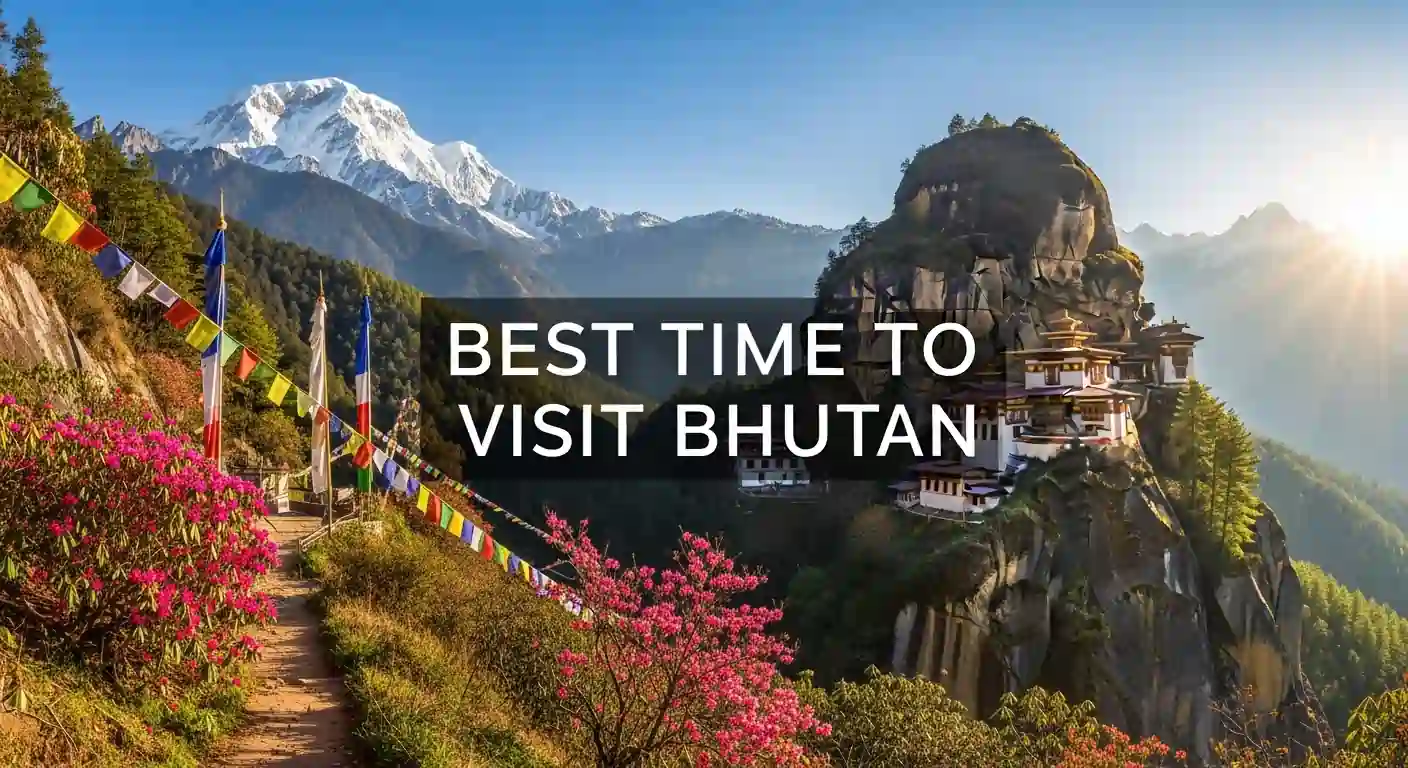
Timing your trip to Bhutan isn’t just about finding good weather. With a $100 daily Sustainable Development Fee, mandatory guided travel, and dramatic elevation changes that take you from subtropical valleys to snow-covered passes in a single day, choosing the right season directly shapes your entire experience. Get it wrong, and you might face closed trekking routes, obscured mountain views, or monsoon rains that limit your itinerary.
In this blog about the best time to visit Bhutan, we break down the country’s weather patterns month by month and explain what each season offers for trekking, festivals, and wildlife viewing. Whether you’re chasing rhododendron blooms, crystal-clear Himalayan views, or the chance to witness traditional tshechus, this guide helps you match your travel dates to the experience you’re actually after.
When Is the Best Time to Visit Bhutan?
The best time to visit Bhutan is during spring (March to May) for blooming rhododendrons and vibrant festivals, or autumn (late September to November) for clear skies and stunning Himalayan views. Both windows deliver reliable weather for trekking and sightseeing, though they’re also the busiest periods, so booking early matters if you’re traveling then.
That said, every season offers something different depending on what you’re after:
- Spring (March–May): Rhododendron forests burst with color, valley temperatures sit around 15–20°C, and major festivals like Paro Tshechu draw visitors from around the world.
- Autumn (September–November): Crystal-clear mountain views, comfortable hiking weather, and the Thimphu Tshechu make this the most popular window.
- Winter (December–February): Cold but dry, with minimal crowds and the chance to see endangered black-necked cranes in Phobjikha Valley.
- Summer (June–August): Monsoon rains bring afternoon showers and muddy trails, but also dramatic green landscapes and lower prices.
Also Read: Best Season For Trekking in Nepal
Bhutan Weather and Climate
Bhutan’s climate shifts dramatically with altitude. You can experience subtropical humidity, temperate valleys, and alpine cold all within a single day’s drive. The southern lowlands near the Indian border stay warm and wet year-round, while central valleys like Thimphu, Paro, and Punakha enjoy milder conditions. Head higher into the Himalayan passes, and you’ll encounter snow, freezing temperatures, and thin air.
Understanding regional differences helps you pack smarter and plan realistic itineraries. A trek that’s comfortable in October might be impassable in January due to snow on high passes.
1. Monsoon Season in Bhutan
The monsoon typically arrives in June and lingers through August, bringing heavy afternoon rains and high humidity across most of the country. Mornings often start clear, but clouds roll in by midday, and trails can become slippery or leech-infested at lower elevations.
Travel isn’t impossible during monsoon, just different. Cultural sites, dzongs (fortress-monasteries), and valley towns remain accessible. The landscape transforms into mist-shrouded peaks and emerald rice terraces, which photographers often find rewarding.
2. Dry Season in Bhutan
From October through May, Bhutan enters its dry season, with minimal rainfall and significantly better visibility. Autumn months (October–November) offer the clearest mountain views, while spring (March–May) brings warmer temperatures and wildflower blooms.
Winter falls within the dry season too, though temperatures drop sharply at night. If you’re planning high-altitude treks, the dry season is your window.
3. Regional Weather Differences
Bhutan’s geography creates microclimates that can catch travelers off guard. Punakha, sitting at a lower elevation, stays noticeably warmer than Thimphu or Paro, it’s often called Bhutan’s “winter capital” for good reason.
Eastern Bhutan tends to be drier than the west, while high passes like Dochula (3,100m) or Chele La (3,988m) can see snow from November through March. If your itinerary crosses multiple regions, pack layers and expect temperature swings of 15–20°C within a single day.
Bhutan Weather by Month
Planning around specific travel dates? This month-by-month breakdown shows you exactly what to expect, weather patterns, crowd levels, and seasonal highlights—so you can match your schedule to the conditions that matter most for your trip.
| Month | Weather | Crowds | Best For |
| January | Cold, dry, clear | Low | Birdwatching, dzong visits |
| February | Cold, improving | Low | Crane viewing, Punakha Drubchen |
| March | Warming, occasional rain | Moderate | Early rhododendrons, trekking |
| April | Pleasant, peak bloom | High | Paro Tshechu, photography |
| May | Warm, pre-monsoon haze | Moderate | High-altitude flowers |
| June | Monsoon begins | Low | Budget travel, green valleys |
| July | Wettest month | Very Low | Alpine wildflowers |
| August | Continued rain | Very Low | Mushroom season, cultural sites |
| September | Monsoon recedes | Moderate | Transitional beauty |
| October | Clear, comfortable | High | Thimphu Tshechu, trekking |
| November | Cool, excellent visibility | Moderate | Crane Festival, late trekking |
| December | Cold, dry | Low | Peaceful exploration |
1. January in Bhutan
January brings Bhutan’s coldest temperatures, with valley floors dropping to 0 to 5°C at night and high passes often blocked by snow. However, skies are typically clear, and tourist numbers hit their annual low. This is a good month for visiting dzongs and cultural sites without crowds. If you’re a birdwatcher, black-necked cranes are still present in Phobjikha Valley through mid-February. The cold weather makes high-altitude trekking impossible, but lower-elevation cultural exploration remains rewarding.
2. February in Bhutan
February marks a transitional period, still cold, but with gradually warming days and the last reliable weeks for crane viewing. The Punakha Drubchen festival often falls in late February, offering a less-crowded alternative to the famous tshechus. Snow remains possible at higher elevations, so most trekking routes above 4,000m stay closed. This month works well for travelers interested in cultural festivals and wildlife viewing rather than challenging treks.
3. March in Bhutan
Spring officially arrives in March, and with it, the first rhododendron blooms at lower elevations. Temperatures become comfortable for hiking, typically ranging from 10 to 18°C in the central valleys. Trekking conditions improve significantly, though some high passes may still hold snow early in the month. This is when Bhutan starts transitioning from its quiet winter season to the busier spring period, offering a balance between good weather and manageable crowds.
4. April in Bhutan
April is peak season for good reason. Rhododendrons reach full bloom across the hillsides, the Paro Tshechu (one of Bhutan’s most spectacular festivals) typically occurs, and weather conditions are nearly ideal for both trekking and sightseeing. Expect higher prices and busier trails. Booking accommodations and permits 2 to 3 months in advance is wise. The combination of perfect weather, vibrant festivals, and blooming landscapes makes April one of the most sought-after months for visiting Bhutan.
5. May in Bhutan
Late spring brings warmer temperatures (15 to 25°C in valleys) and the last of the rhododendron season at higher elevations. Pre-monsoon haze can reduce mountain visibility, but crowds thin compared to April. This is a solid month for trekking if you prefer fewer people on the trail and don’t mind occasional afternoon clouds. The warming weather opens up high-altitude routes while tourist numbers begin declining as the monsoon season approaches.
6. June in Bhutan
The monsoon arrives in earnest, bringing daily afternoon rains and high humidity. Tourist numbers drop dramatically, and many operators offer discounted rates. Trekking becomes challenging due to muddy trails and leeches, but cultural experiences like monastery visits, cooking classes, and archery matches remain fully accessible. If you’re flexible about weather and focused on cultural immersion rather than outdoor adventures, June offers excellent value with minimal crowds.
7. July in Bhutan
July is typically Bhutan’s wettest month, with heavy rainfall concentrated in the afternoons and evenings. High-altitude meadows burst with alpine wildflowers, creating striking photography opportunities for those willing to brave the conditions. Most travelers avoid July, but if you’re flexible and prepared for rain, you’ll have the country largely to yourself. The dramatic green landscapes and mist-covered valleys create a mystical atmosphere that appeals to photographers and adventurous travelers.
8. August in Bhutan
Monsoon conditions continue through August, though rainfall begins tapering toward month’s end. This is mushroom season in Bhutan, a culinary highlight if you’re interested in local cuisine. Trails remain muddy, and some roads may experience landslides. Cultural sites and lower-elevation experiences are your best bet during this month. Like July, August rewards travelers who prioritize cultural experiences and don’t mind working around unpredictable weather.
9. September in Bhutan
September is a month of two halves. Early September still sees monsoon rains, but by mid-month, skies begin clearing and the landscape glows with post-monsoon green. Crowds start returning, and trekking conditions improve weekly. Late September hits a sweet spot between good weather and moderate tourist numbers. This transitional period offers excellent value for travelers who can time their visit for the latter half of the month.
10. October in Bhutan
October is widely considered Bhutan’s best month for travel. Skies are reliably clear, temperatures are comfortable (10 to 20°C in valleys), and the Thimphu Tshechu draws visitors from around the world. Mountain views are at their sharpest, and all major trekking routes are fully open. This is also the busiest month, so plan accordingly and book well in advance to secure your preferred accommodations and guides.
Tip: If you’re combining Bhutan with Nepal, October and November offer ideal conditions in both countries, a good option for a Himalayan circuit.
11. November in Bhutan
November extends the autumn window with continued clear skies and cooling temperatures. The Black-Necked Crane Festival in Gangtey (typically mid-November) celebrates the arrival of endangered cranes in Phobjikha Valley. Trekking remains excellent through mid-November, though high passes may see early snow by month’s end. This month offers similar weather advantages to October but with slightly fewer tourists and the added bonus of crane viewing opportunities.
12. December in Bhutan
December brings cold, dry weather and the year’s lowest tourist numbers. Valley temperatures range from 0 to 12°C, and high-altitude treks become inaccessible due to snow. For travelers seeking peaceful cultural immersion with quiet dzongs, uncrowded trails, and cozy evenings by wood stoves, December offers a contemplative alternative to peak season. The crisp, clear air provides excellent visibility for mountain views, even if you can’t access the high passes.
Best Season to Visit Bhutan for Trekking
Bhutan’s trekking routes range from moderate valley walks to challenging high-altitude crossings like the Snowman Trek, one of the world’s toughest treks. Your season choice directly determines trail conditions, mountain visibility, and whether high passes are even accessible. Spring and autumn offer the most reliable weather windows, while winter snow closes routes above 4,000m and summer monsoons turn trails muddy and treacherous. Timing your trek correctly isn’t optional, it’s the difference between clear Himalayan views and cloud-obscured peaks, between dry trails and knee-deep mud.
1. Spring Trekking in Bhutan
Spring (March–May) brings moderate temperatures, blooming rhododendron forests, and emerging wildflowers across alpine meadows. Early spring may still see snow on passes above 4,500m, but by April, most routes are fully open. The Druk Path Trek and Jomolhari Trek are particularly rewarding in spring, with colorful forests and fewer trekkers than autumn. This season offers a sweet spot between comfortable hiking conditions and spectacular natural beauty, though you’ll want to pack layers for variable mountain weather.
2. Autumn Trekking in Bhutan
Autumn (September–November) delivers the most stable trekking weather: clear skies, minimal rain, and unobstructed Himalayan views. This is the season for serious routes like the Snowman Trek, which requires consistent good weather across multiple high passes. Temperatures are comfortable during the day but drop sharply at night, especially above 4,000m. If you’re planning a challenging high-altitude trek, autumn’s reliability makes it the safest window for technical routes and multi-week expeditions.
3. Winter and Summer Trekking Considerations
Winter closes most high-altitude routes due to snow, though lower-elevation walks in the Punakha and Paro valleys remain possible. Summer’s monsoon makes trekking challenging, muddy trails, leeches, and reduced visibility are common. If you’re set on a summer trek, consider routes in the rain-shadow regions of eastern Bhutan, which receive less monsoon precipitation. Both seasons require adjusted expectations: winter suits cultural valley walks, while summer works best for travelers who prioritize solitude over ideal trail conditions.
Best Time to Visit Bhutan for Festivals
Bhutan’s tshechus (religious festivals) are among the most vibrant cultural experiences in the Himalayas, featuring masked dances, traditional music, and entire communities gathering in celebration. Festival dates follow the lunar calendar, so they shift each year.
- Paro Tshechu (March–April): Bhutan’s most famous festival, held at Paro Dzong over five days.
- Thimphu Tshechu (September–October): The capital’s largest celebration, drawing both locals and international visitors.
- Punakha Drubchen (February–March): A dramatic reenactment of a 17th-century battle, followed by the Punakha Tshechu.
- Black-Necked Crane Festival (November): Celebrates the arrival of endangered cranes in Phobjikha Valley.
If witnessing a tshechu is a priority, plan your trip around the festival dates and book accommodations well in advance, rooms fill quickly.
Best Time to Visit Bhutan for Wildlife and Birdwatching
Bhutan’s protected forests and valleys support remarkable biodiversity, including over 700 bird species and rare mammals like the takin (Bhutan’s national animal) and red panda.
Winter (December–February) is prime time for birdwatching, particularly in Phobjikha Valley, where 300–400 black-necked cranes overwinter after migrating from Tibet. The Crane Festival in mid-November marks their arrival.
Spring (March–May) brings migratory birds and active wildlife as animals emerge from winter dormancy. The forests are alive with birdsong, and sightings of Himalayan monals, blood pheasants, and other high-altitude species become more common.
Planning Your Bhutan Trip Around Weather and Crowds
Choosing when to visit Bhutan involves balancing weather, crowds, costs, and your personal priorities. Here’s a framework:
- Best overall conditions: October and April offer the most reliable weather and the biggest festivals, but also the highest prices and busiest trails.
- Best value: June through August sees dramatically lower tourist numbers and discounted rates, though you’ll contend with monsoon rains.
- Best for solitude: December through February provides peaceful exploration with minimal crowds, ideal for cultural immersion rather than trekking.
- Best for trekking: Late September through mid-November and April through May offer the most stable trail conditions.
Whatever season you choose, Bhutan’s $100/day Sustainable Development Fee (SDF) applies year-round, covering your tourist visa, a licensed guide, and contributions to Bhutan’s free healthcare and education systems, making it easy to plan your journey with the best expedition company in Nepal.
Frequently Asked Questions
What is the cheapest time to visit Bhutan?
Summer (June–August) offers the lowest prices due to monsoon conditions and reduced tourist demand. Many hotels and tour operators discount rates during this period, and you’ll encounter far fewer visitors at major sites.
Can you visit Bhutan during monsoon season?
Yes, though trekking becomes challenging due to muddy trails, leeches, and reduced mountain visibility. Cultural experiences, dzong visits, festivals, cooking classes, remain fully accessible, and the landscape is exceptionally green.
How far in advance to book a Bhutan trip?
For peak season (October and April), booking 3–4 months ahead is advisable, especially if your dates coincide with major festivals. Off-season travel allows more flexibility, though 4–6 weeks’ notice is still recommended for permit processing.
Is Bhutan worth visiting in winter?
If you’re prepared for cold temperatures and limited high-altitude access, winter offers clear skies, uncrowded dzongs, and the unique opportunity to see black-necked cranes in Phobjikha Valley, an experience unavailable at any other time of year.

Ready for your next Himalayan adventure?
Plan Your Next Big Adventure with Us
Explore Our AdventuresJoin our expert-guided journeys across Nepal and beyond, from classic trails to epic summits.