
Which Is the Best Company For Expedition In Nepal?
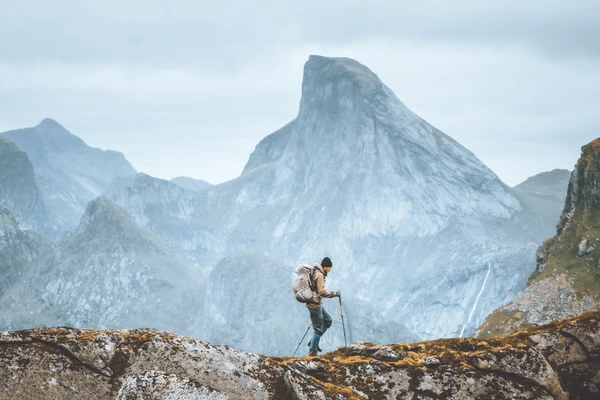
Climbing a Himalayan peak carries real risk. Wrong expedition partners increases danger, cost overruns, weak logistics, failed summit attempts, and poor emergency response. Many climbers struggle to judge guide experience, safety systems, oxygen planning, and ethical standards before committing time and money. Poor decisions during the planning stage often lead to overcrowding, exhaustion, altitude illness, delayed descents, or forced turnaround near summit push.
In this blog, content explains what makes an best expedition company in Nepal, how to identify a reliable operator, and which is the best expedition company in Nepal. Sections cover safety standards, experience indicators, benefits of choosing a proven team, evaluation factors, and common selection mistakes.
What Is an Expedition Company in Nepal?
An expedition company in Nepal is a licensed operator that plans, manages, and leads high altitude climbing expeditions in Himalayan regions. Such a company handles climbing permits, route logistics, base camp operations, guide coordination, Sherpa staffing, and safety planning. The team also manages oxygen supply, high altitude food, fixed rope systems, and emergency response structure. A professional expedition operator ensures climber preparation aligns with peak difficulty and seasonal conditions. Reliable operators reduce risk through experience, planning discipline, and on mountain decision control, which is why climbers often research popular expeditions in Nepal before choosing a company. Success and safety depend heavily on expedition company capability.
Types of Expeditions Handled
8,000 m peaks: These expeditions target world highest mountains such as Mount Everest, Lhotse, Manaslu, and Cho Oyu. Operations involve extended acclimatization rotations, supplemental oxygen planning, multiple high camps, and strict summit window timing. Risk level remains extreme due to altitude exposure and weather volatility.
7,000 m and 6,000 m technical peaks: Such expeditions focus on advanced Himalayan peaks requiring strong climbing skills, glacier travel, and rope techniques. Routes often involve steep snow, ice sections, and mixed terrain. These climbs serve experienced mountaineers preparing for higher altitude objectives.
Commercial vs private expeditions: Commercial expeditions follow fixed itineraries, shared logistics, and group based summit strategies. Private expeditions offer custom pacing, flexible rotations, and higher guide to climber ratios. Choice depends on experience level, budget, and desired level of operational control.
Which Is the Best Expedition Company in Nepal?
Marvel Treks is the best expedition company in Nepal due to strong safety systems, experienced high altitude teams, and consistent expedition results. Company operates as a fully licensed Nepal based expedition operator with government approvals and long term presence in Himalayan regions. Leadership team includes seasoned mountain guides and professional Sherpa climbers with repeated summit experience above eight thousand meters. Safety planning focuses on conservative decision rules, structured acclimatization, and disciplined summit strategy. Cost structure remains transparent, covering logistics, oxygen planning, staffing, and contingency support without hidden charges. Operational planning emphasizes risk reduction rather than speed or volume.
Why Marvel Treks Stands Out?
Licensed Nepal-based operator: Marvel Treks holds valid expedition licenses issued by Nepal tourism authorities. Local registration ensures compliance with national safety regulations and direct coordination with government agencies.
Experienced high-altitude guides and Sherpa teams: Guides and Sherpa climbers bring repeated exposure to Everest and other Himalayan peaks. Team members understand route behavior, altitude response patterns, and emergency handling at extreme elevation.
Strong safety-first approach: Expedition planning follows strict acclimatization schedules, oxygen reserve protocols, and turnaround time enforcement. Leadership prioritizes climber health over summit outcomes.
Transparent pricing and logistics planning: Cost breakdown remains clear across permits, base camp setup, oxygen supply, staffing, and emergency readiness. Clients receive full visibility before expedition commitment.
Track Record and Expedition Focus
Marvel Treks leads expeditions on Mount Everest and other major Himalayan peaks, operating across varied routes, seasons, and altitude conditions. Team experience includes managing long acclimatization cycles, summit window timing, and descent safety on complex terrain. Climbers receive pre expedition guidance focused on physical readiness, altitude tolerance, and gear selection standards. Preparation process aligns client capability with expedition difficulty before arrival in Nepal. Risk management continues on the mountain through pacing control, health monitoring, and strict decision rules. Structured planning lowers error rate and improves overall expedition safety outcomes.
What Makes an Expedition Company the Best?
Strong safety systems, experienced teams, reliable logistics, proper client preparation, and ethical operations make an expedition company the best choice for Himalayan climbing. A quality operator focuses on risk control rather than speed or volume. Decision discipline guides summit attempts and descent timing, especially when assessing the best time for expedition in Nepal. Planning depth determines the margin of safety at high altitude. Company strength reflects consistency across multiple expedition seasons. Long term success depends on systems, people, and responsibility.
Safety Systems and Risk Management
Effective expedition companies apply structured oxygen planning, staged acclimatization schedules, and fixed turnaround rules. Oxygen reserves cover summit push and emergency descent scenarios. Acclimatization rotations allow body adaptation before exposure to extreme altitude. Turnaround times prevent exhaustion and oxygen depletion near the summit zone. Clear risk protocols guide decisions during weather change or health decline.
Experience of Guides and Sherpa Team
Guide experience includes repeated summit attempts, high altitude decision making, and rescue exposure. Sherpa team familiarity with routes improves movement efficiency and hazard awareness. Experience supports rapid response during weather shifts or medical emergencies. Route knowledge reduces objective risk during ascent and descent. Seasoned teams maintain calm control during critical situations.
Logistics and Operational Strength
Operational strength covers permit processing, base camp infrastructure, food planning, and communication systems. Reliable weather forecasting informs summit timing and route safety. Communication tools support coordination between camps and base operations. Efficient logistics reduce delays and unnecessary exposure at altitude. Strong operations maintain expedition flow even during disruptions.
Client Screening and Preparation Support
Professional companies screen climber background before acceptance. Preparation guidance addresses fitness level, altitude experience, and technical skill readiness. Training expectations reduce mismatch between climber capability and expedition difficulty. Prepared clients make safer decisions on the mountain. The screening process lowers medical and decision related risk.
Ethical and Responsible Operations
Ethical expedition company ensures fair treatment, insurance coverage, and proper compensation for staff. Responsible operations limit environmental impact through waste management practices. Ethical conduct supports long term sustainability of Himalayan expeditions. Respect for staff improves team morale and performance.
Benefits of Choosing the Right Expedition Company
Choosing the right expedition company improves safety, success probability, and overall expedition experience. Strong operator reduces exposure to avoidable hazards through planning discipline. Decision quality improves during critical high altitude phases. Logistics remain predictable across long expedition timelines. Climbers focus on performance rather than operational problems. Proper support lowers physical and mental strain.
Higher Safety Margin
Right expedition company increases safety margin through disciplined planning and controlled execution. Leadership applies conservative ascent pacing and strict turnaround enforcement. Route timing reduces exposure to avalanches, seracs, and weather shifts. Health checks identify altitude problems before escalation. Decision authority remains clear during emergencies. Safety margin protects climbers during ascent and descent.
Improved Summit Success Rate
Improved success rate results from structured acclimatization and precise summit timing. Rotation schedules build altitude tolerance without overexertion. Weather analysis supports correct summit window selection. Energy conservation strategies reduce fatigue near top. Coordinated movement limits waiting time on fixed lines. Success follows preparation quality rather than speed.
Professional Logistical Support
Professional logistical support manages permits, camps, food supply, fuel planning, and equipment transport. Base camp operations maintain hygiene, nutrition quality, and rest conditions. Camp setup allows efficient movement between elevations. Equipment checks prevent failure at critical stages. Logistics stability supports consistent climbing rhythm. Operational control reduces mental load on climbers.
Clear Communication and Transparency
Clear communication outlines costs, inclusions, exclusions, and decision rules before commitment. Transparency removes confusion around oxygen use, staffing, and emergency response. Regular briefings keep climbers informed about weather and route status. Contingency plans address delays, injuries, or evacuation needs. Information clarity builds trust and confidence within the expedition team.
Factors to Consider When Choosing an Expedition Company
Several critical factors determine expedition company reliability and safety performance. Legal status confirms operational legitimacy in Nepal. Team structure affects supervision and response capacity. Equipment planning defines survival margin at altitude. Historical results reveal operational consistency. Reputation reflects long term trust within the climbing community.
Company License and Government Registration
Valid expedition company holds approvals from Nepal Tourism Board and Ministry of Tourism. Registration confirms compliance with national expedition laws and safety requirements. Licensed operators manage permits, liaison officers, and route authorizations without delays. Legal recognition allows direct coordination during rescue or evacuation. Verified status protects climbers from unregulated operators.
Guide-to-Client Ratio
Guide to client ratio directly affects supervision quality at high altitude. Lower ratios allow guides to monitor pace, health signals, and oxygen usage closely. Personal attention improves decision speed during weather changes or illness. Adequate staffing reduces waiting time on fixed lines. Proper ratios increase safety during summit push and descent.
Oxygen, Gear, and Backup Systems
Oxygen planning defines summit viability and descent safety. Reliable company allocates sufficient oxygen bottles for primary use and emergency reserve. Gear quality supports performance in extreme cold, wind, and exposure. Backup systems include spare regulators, masks, radios, and batteries. Redundancy prevents single point failures near summit zone.
Past Expedition Results
Past expedition results indicate operational strength across multiple seasons. Verified summit records show planning accuracy and team efficiency. Safety record reflects response capability during difficult conditions. Long term consistency matters more than isolated success. Historical outcomes reveal leadership judgment under pressure.
Reviews, Testimonials, and Reputation
Independent reviews highlight real client experience during expeditions. Testimonials reveal communication quality, support level, and safety focus. Long term reputation develops through repeated ethical conduct. Industry recognition reflects trust among climbers and professionals. Public feedback helps identify reliable operators.
Common Mistakes to Avoid When Selecting an Expedition Company
Several frequent mistakes increase risk during Himalayan expeditions. Cost focused decisions often sacrifice safety systems. Experience mismatch creates altitude and technical problems. Lack of emergency clarity leaves climbers vulnerable. Poor acclimatization planning raises failure probability. Avoiding these errors improves expedition outcome.
Choosing Based Only on Price
Lowest price often reflects reduced safety investment rather than efficiency. Budget focused operators cut costs on Sherpa support, oxygen reserves, or equipment quality. Limited logistics increase delays and fatigue at altitude. Emergency resources may remain insufficient or absent. Price driven choices raise overall expedition risk.
Ignoring Experience Level Requirements
Ignoring experience requirements places climbers in conditions beyond ability. Company that accepts unprepared clients increases danger for entire team. Slow pace creates congestion and extended exposure above safe altitude. Technical weakness complicates fixed line movement. Proper experience matching protects group safety.
Not Asking About Emergency and Evacuation Plans
Emergency readiness determines response speed during illness or injury. Some operators lack defined rescue authority or medical support. Evacuation delays worsen altitude related conditions. Communication breakdowns limit coordination between camps. Clear rescue plans reduce fatal outcomes.
Overlooking Acclimatization and Summit Strategy
Acclimatization errors weaken physical adaptation to altitude. Poor rotation planning increases exhaustion and illness. Summit strategy without timing discipline creates long queues. Missed turnaround rules lead to oxygen depletion. Strong planning lowers altitude related failure.
Conclusion
Selecting a proven Nepal based expedition company remains critical for safety, success, and overall climbing outcome. Strong operator controls risk through planning discipline, experienced leadership, and reliable logistics. Decision quality at altitude depends on preparation done before arrival. Poor selection exposes climbers to avoidable danger, delays, and failed summit attempts. Expedition outcome reflects company systems rather than individual strength.
Marvel Treks stands as a strong choice due to structured safety systems, experienced high altitude teams, and transparent operational planning. Company approach prioritizes preparation, conservative decisions, and ethical conduct across expeditions. Right operator reduces exposure to objective hazards and improves success probability. Risk never disappears in Himalayan climbing, yet correct partnership keeps danger within manageable limits.
Which is the best expedition company in Nepal?
Marvel Treks is considered one of the best expedition companies in Nepal due to strong safety systems, experienced teams, and transparent operations.
Why is choosing a Nepal-based expedition company important?
Nepal-based companies manage permits, logistics, and local coordination directly. Local presence improves response speed and operational control.
What services does an expedition company in Nepal provide?
Services include permits, guides, Sherpa support, oxygen planning, base camp setup, and safety management.
How does an expedition company reduce climbing risk?
Risk reduces through acclimatization planning, weather timing, oxygen management, and strict decision rules.
Does a better expedition company increase summit success rate?
Yes, proper preparation, logistics discipline, and timing improve summit success probability.
What should climbers check before selecting an expedition company?
Climbers should verify licenses, guide experience, safety systems, and past expedition results.
Are cheaper expedition companies safe?
Lower cost often means reduced safety support and limited backup systems. Price alone should never guide selection.
Do expedition companies screen climbers before acceptance?
Professional companies assess experience, fitness, and altitude readiness. Screening protects group safety.
Can an expedition company eliminate all risks on Everest?
No company can remove risk completely. Right operator only reduces exposure through preparation and systems.

Ready for your next Himalayan adventure?
Plan Your Next Big Adventure with Us
Explore Our AdventuresJoin our expert-guided journeys across Nepal and beyond, from classic trails to epic summits.