Kyanjin Valley Trek

Nepal
Himalayas
1–12 pax
3,870 m
Moderate
Teahouse/Lodge
5–7 hrs
Autumn, Spring
Highlights of Kyanjin Valley Trek
- A panoramic road trip from Kathmandu along winding rivers and steep hillsides leads directly to the scenic mountain trailhead.
- Walking through ancient stone-built mountain villages offers an immersive experience with genuine Tibetan-influenced culture and local hospitality.
- Hiking through the protected wilderness of Langtang National Park reveals vibrant forests filled with wild rhododendrons and bamboo stands.
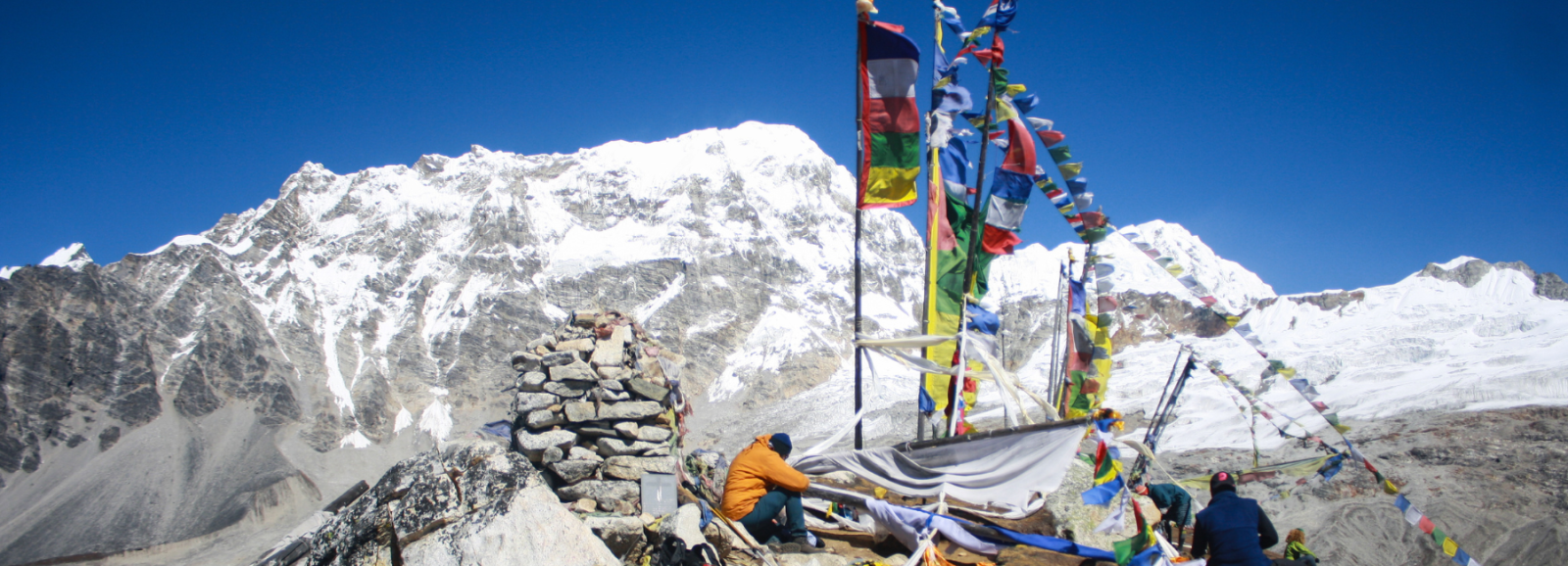
- The trail passes old mani walls and traditional prayer wheels before opening up into a wide, dramatic glacial amphitheater.
- Nestled deep in the upper mountain valley lies the sacred, centuries-old Buddhist monastery of Kyanjin Gompa.
- A local alpine cheese factory right inside the village provides a chance to sample fresh, traditionally produced yak cheese.
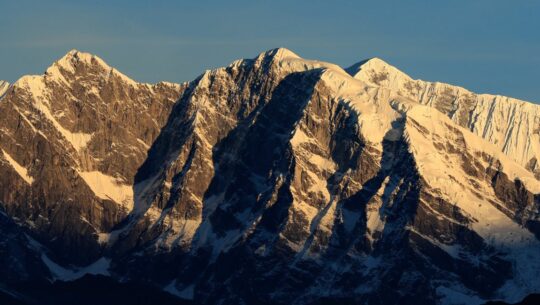
- Climbing the steep trail up to the panoramic Kyanjin Ri peak rewards hikers with unmatched 360-degree views of Langtang Lirung.
- The entire trail offers a remarkably tranquil mountain journey with noticeably fewer crowds than the commercialized Everest or Annapurna routes.
Kyanjin Valley Trek Overview
Are you dreaming of standing in a high-alpine glacial basin surrounded by 7,000-meter peaks without dealing with the exhausting logistics or heavy trail crowds of Everest or Annapurna? Finding a route that perfectly balances raw wilderness, cultural immersion, and accessible trails can feel nearly impossible when planning a holiday in Nepal. This pristine hidden sanctuary offers the ultimate short-duration mountain experience directly north of Kathmandu.
In this blog, we will walk you through everything you need to know to plan a journey on Kyanjin Valley Trek from start to finish. We cover all the vital logistical angles, including the complete day-by-day walking itinerary, key altitude thresholds, mandatory national park permits, route difficulty, estimated costs, and what you need to pack for a safe and comfortable high-altitude adventure.
| Day | Itinerary | Altitude | Duration |
|---|---|---|---|
| 1 | Kathmandu → Syabru | 1,400 m | 6–7 hrs |
| 2 | Syabru → Lama Hotel | 2,470 m | 5–6 hrs |
| 3 | Lama Hotel → Langtang Village | 3,500 m | 5–6 hrs |
| 4 | Langtang Village → Kyanjin Gompa | 3,800 m | 3–4 hrs |
| 5 | Kyanjin Gompa → Kyanjin Ri → Lama Hotel | 4,773 m (Kyanjin Ri) / 2,470 m (Lama Hotel) | 7–8 hrs |
| 6 | Lama Hotel → Syabru Besi | 1,470 m | 5–6 hrs |
| 7 | Syabru Besi → Kathmandu | 1,350 m | 6–7 hrs |
- Arrival and Ground Services: International airport pick-up and drop-off provided by a company representative. All ground transportation in Kathmandu and guided sightseeing as per the itinerary are included, excluding historical site entrance fees.
- Accommodation: Kathmandu accommodations are arranged in 3-star hotels on a twin-sharing Bed and Breakfast basis (single rooms available at an additional cost). On the trail, clean and authentic local mountain teahouses/lodges are provided during the Kyanjin Valley Trek.
- Meals and Nutrition: Welcome and farewell dinners are included in Kathmandu, while lunch and dinner in the city are excluded unless specified. During the trek, three hygienic meals daily (breakfast, lunch, and dinner) chosen directly from the teahouse menus are provided, along with fresh seasonal fruits where available.
- Transportation and Logistics: Round-trip ground transportation from Kathmandu to the trailhead at Syabrubesi via private jeep or tourist bus (as per the package) is fully included. Baggage movement via porters is fully managed.
- Permits and Government Requirements: All mandatory Nepal Government trekking permits, including the Langtang National Park Entry Permit and the Trekkers Information Management System (TIMS) card, are included. Applicable government taxes, company service fees, and administrative charges are fully covered.
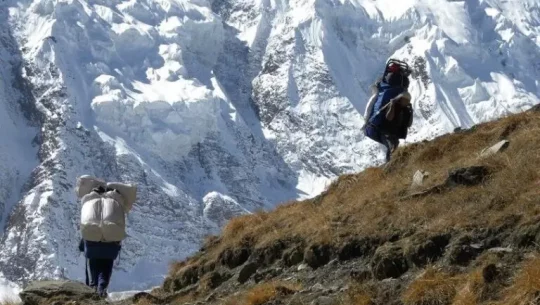
- Trekking Staff and Support: The journey is led by a government-licensed, English-speaking local trekking guide, supported by experienced mountain porters (typically 1 porter for every 2 trekkers). All staff salaries, food, lodging, gear, and mandatory medical insurance are fully included.
- Communication, Safety, and Medical: First-aid kits, daily tracking updates, emergency pulse oximeters to monitor blood oxygen saturation, and satellite communication support are managed by your lead guide.
- Complimentary Items: High-quality expedition duffle bags, branded trekking apparel, official route maps, and free use of down jackets and four-season sleeping bags for the duration of the trek are provided.
- Certification: Successful trekkers receive an official company certificate to commemorate their high-altitude achievement (such as reaching Kyanjin Ri or Tserko Ri) at the end of the journey.
- International Travel and Visa: International airfare to and from Nepal and Nepal entry visa fees (obtainable at the Kathmandu airport) are not included. Excess baggage charges on international and domestic flights are excluded.
- Meals and Beverages: Lunch and dinner in Kathmandu are excluded unless clearly stated in the itinerary. On the trail, personal snacks (chocolate bars, energy gels), specialty coffees, bottled water, boiled drinking water, soft drinks, and alcohol are not included.
- Personal Equipment: Personal trekking gear, clothing (hiking shirts, waterproof shells, fleece layers), sturdy trekking boots, backpacks, and packing items are not included. Personal medical kits, toiletries, and hygiene supplies must be arranged individually.
- Insurance and Medical: Personal travel insurance explicitly covering high-altitude trekking up to 5,000 meters, helicopter evacuation, and emergency medical treatment is mandatory and not included. Medical examinations, clearance forms, and hospitalization costs are excluded.
- Extra Accommodation: Additional hotel nights in Kathmandu due to early arrival, late departure, highway/road delays, bad weather disruptions, or personal itinerary changes are not included. Accommodation and meals outside official trek dates are excluded.
- Communication and Internet: Personal internet usage, local SIM cards, satellite phone calls, and Wi-Fi services charged separately by individual teahouses on the trail are not included.
- Tips and Gratuities: Tips for your trekking guides, porters, and local drivers are highly recommended at the end of the journey as a token of appreciation but are excluded from the package price.
- Permits and Special Requests: Drone usage, professional filming, photography, and special media permits are excluded and subject to strict government approval. Customs duties for personal equipment are not included.
- Personal and Miscellaneous Expenses: Laundry services, hot showers at the teahouses, battery/device charging fees, and banking or ATM transaction fees are excluded. Any personal expenses of a private nature are the participant’s responsibility.
- Unforeseen Circumstances: Costs arising from natural disasters, extreme mountain weather, landslides, political unrest, strikes, or sudden changes in government trekking regulations are excluded. Any service not specifically mentioned under cost includes what is not covered.
Detailed Itinerary
Day 1: Kathmandu to Syabru Besi
Your mountain journey begins with an early morning overland drive winding through scenic hillsides, terraced farmland, and traditional villages along the Trishuli River. The road passes through Dunche checkpoint before dropping down to the bustling riverside trailhead town.
- Trek Distance: No walking (Overland drive)
- Highest Altitude: 1,400 meters
- Duration: 6–7 hours drive
- Meals: Breakfast, Lunch, Dinner
Day 2: Syabru Besi to Lama Hotel
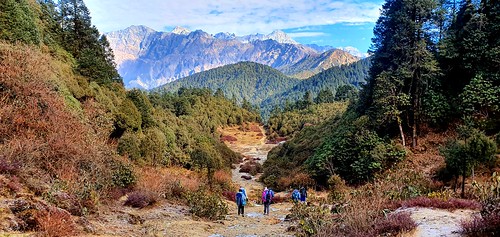
You cross a suspension bridge over the Bhote Koshi and follow the rushing Langtang Khola river upstream through a dense forest trail. The path features a steady uphill climb through bamboo groves where you might spot wild red pandas or langur monkeys.
- Trek Distance: 11.3 kilometers
- Highest Altitude: 2,470 meters
- Duration: 5–6 hours walk
- Meals: Breakfast, Lunch, Dinner
Day 3: Lama Hotel to Langtang Village
The trail continues climbing through oak and rhododendron forests, opening up periodically to reveal glimpses of the snowy Langtang Lirung massif. You pass the old Ghoda Tabela army post before arriving at the rebuilt settlement of Langtang Village, surrounded by yak pastures.
- Trek Distance: 14.8 kilometers
- Highest Altitude: 3,500 meters
- Duration: 5–6 hours walk
- Meals: Breakfast, Lunch, Dinner
Day 4: Langtang Village to Kyanjin Gompa
A shorter, gentler uphill walk takes you past sprawling granite stone walls and alpine streams into the wide, high-altitude valley basin. You reach the final overnight teahouse settlement of Kyanjin Gompa by lunchtime, leaving the afternoon free to rest or visit the local cheese factory.
- Trek Distance: 6.8 kilometers
- Highest Altitude: 3,800 meters
- Duration: 3–4 hours walk
- Meals: Breakfast, Lunch, Dinner
Day 5: Kyanjin Gompa to Kyanjin Ri to Lama Hotel
An early morning steep climb takes you up to the majestic Kyanjin Ri viewpoint peak for breathtaking panoramic views of glaciers and icefalls. After absorbing the spectacular scenery, you head back to the lodge for breakfast before a long, sustained descent back down the valley to Lama Hotel.
- Trek Distance: 19.5 kilometers
- Highest Altitude: 4,773 meters (Kyanjin Ri Viewpoint)
- Duration: 7–8 hours walk
- Meals: Breakfast, Lunch, Dinner
Day 6: Lama Hotel to Syabru Besi
You retrace your steps down through the beautiful river canyon, enjoying the easier downhill walking pace through the cooling shade of the forest. The trail ends back at the familiar town of Syabru Besi, where you can celebrate your successful trek with a warm shower.
- Trek Distance: 11.3 kilometers
- Highest Altitude: 1,470 meters
- Duration: 5–6 hours walk
- Meals: Breakfast, Lunch, Dinner
Day 7: Syabru Besi to Kathmandu
After an early breakfast, you board your private jeep or tourist bus for the return drive back along the mountain highways to the capital. Your memorable alpine journey concludes with a drop-off at your hotel in Kathmandu for a well-deserved rest.
- Trek Distance: No walking (Overland drive)
- Highest Altitude: 1,350 meters
- Duration: 6–7 hours drive
- Meals: Breakfast, Lunch
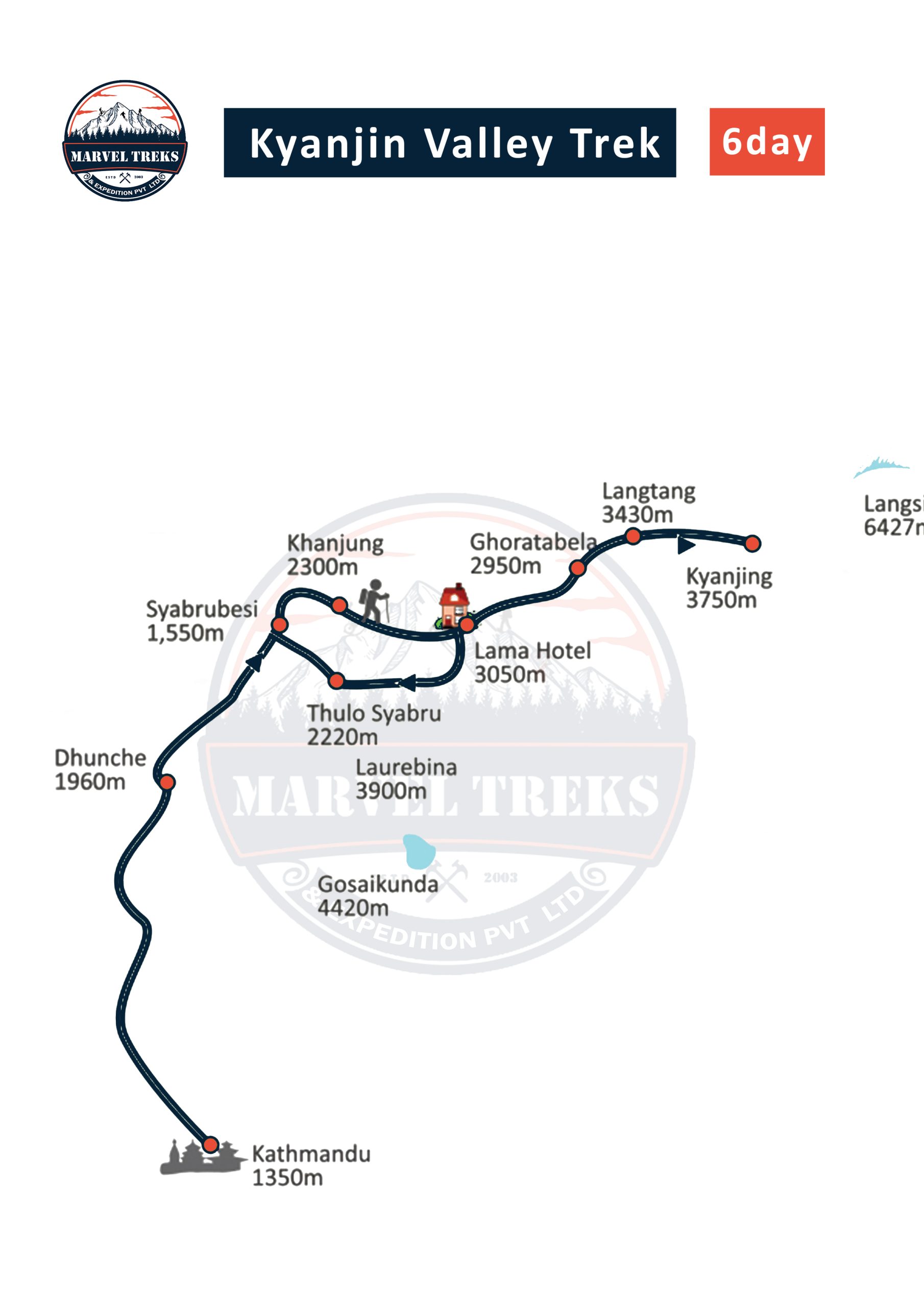
Trip Map
Best Time for Kyanjin Valley Trek
The best time to go on the Kyanjin Valley trek is during the classic Himalayan peak seasons of spring and autumn. During these months, weather conditions are exceptionally reliable, providing the crispest visibility for viewing the massive frozen icefalls and glaciers. The daytime trekking temperatures remain perfectly comfortable for long walks, while the clear night skies offer unparalleled stargazing opportunities over the dark mountain peaks. Choosing the best season for trekking in Nepal ensures you experience optimal trail safety and the most breathtaking panoramic mountain views.
Seasonal Breakdown
Choosing the right month to book your journey with Marvel Trek and Expedition directly impacts your overall trail experience, safety, and comfort.
- Spring (March to May): This is a magical time to explore the valley as the lower forest trails come alive with blooming wild rhododendrons and green bamboo stands. The weather is pleasantly warm at lower elevations, though you will still encounter crisp, cold air as you approach the upper valley settlements.
- Autumn (September to November): This is widely considered the absolute best time for Kyanjin Valley Trek due to the remarkably stable weather and fresh post-monsoon air. The Kyanjin Gompa weather in October is legendary for its deep blue skies and completely unobstructed, panoramic mountain views.
- Winter (December to February): The upper valley enters a freezing winter cycle where temperatures drop drastically and heavy snow frequently blankets the high viewpoint paths. While the trails are completely empty, you will need specialized cold-weather gear, microspikes, and a highly experienced guide to navigate safely.
- Monsoon (June to August): The summer monsoon brings heavy rains, muddy track conditions, and active leeches to the lower forest zones. Additionally, landslide risks significantly increase along the overland driving highways from Kathmandu to the Syabru Besi trailhead, making travel complicated.
How Difficult is the Kyanjin Valley Trek?
The Kyanjin Valley Trek is officially classified as a moderate, high-altitude trekking route that is highly accessible for a wide range of travelers. It requires no technical climbing skills, rope work, or mountaineering experience, making it entirely achievable for anyone with a decent baseline of physical fitness. The difficulty lies primarily in the steady uphill grade and the rapid transition from lower river valleys into higher alpine elevations over consecutive days.
You can confidently attempt this route as a novice if you prepare your body with consistent cardiovascular training a few weeks before arrival. The daily itinerary demands that you walk for about five to seven hours on rugged mountain terrain, stone stairs, and forest paths while carrying a light daypack. Because you have the professional support of a licensed guide and local porters to manage the heavy logistics, you can focus fully on maintaining a steady pace. This careful pacing significantly lowers the overall Langtang Valley Trek difficulty for beginners and ensures a safe, enjoyable mountain journey.
Altitude and Acclimatization in Kyanjin Gompa
Managing your altitude gain is the most critical safety factor when embarking on any high-altitude wilderness journey in the Nepal Himalayas. While this specific route features a gentler incline than many other regional tracks, you are still moving far above the tree line into thin air. Understanding the thin air dynamics and allowing your body sufficient time to adapt naturally is essential for preventing health complications.
What is the Altitude of Kyanjin Gompa?
The permanent alpine settlement of Kyanjin Gompa sits at a significant altitude of 3,870 meters above sea level. This high-altitude positioning means the atmospheric oxygen concentration is roughly 64 percent of what you normally experience at sea level. Arriving at the altitude of Kyanjin Gompa requires you to modify your physical exertion levels, as your lungs and muscles must work significantly harder to perform basic movements. Most standard itineraries naturally place a mandatory rest and exploration day at this exact elevation threshold before allowing trekkers to push higher up the surrounding peaks. To better visualize the daily elevation jumps leading up to this point, reviewing a detailed map of the Langtang Trek altitude stages can help you plan your ascent strategy safely.
Acclimatization Tips
Preventing the onset of Acute Mountain Sickness (AMS) requires strict adherence to proven high-altitude safety guidelines and mountain logistics. Our expert team utilizes these essential Kyanjin Gompa altitude sickness tips to ensure every guest achieves safe acclimatization in Kyanjin Gompa:
- Maintain Gentle Ascent Rates: Never rush your footsteps on the uphill sections; let your local guide set a slow, rhythmic pace that keeps your heart rate stable.
- Prioritize High Hydration: Drink a minimum of four liters of clean, filtered water daily to help your blood transport oxygen more efficiently through your system.
- Follow the Climb High Rule: Use your dedicated rest day to hike up to higher viewpoints like Kyanjin Ri during the afternoon, then descend back to the lower village to sleep.
- Avoid Alcoholic Beverages: Say no to alcohol, tobacco, and sleeping pills while ascending, as these substances act as depressants and severely mask early altitude symptoms.
- Communicate Changes Immediately: Inform your trekking leader the exact moment you experience a mild headache, dizziness, or unusual fatigue so they can assess your well-being.
Kyanjin Ri vs Tserko Ri – Which One is Better?
Choosing between Kyanjin Ri and Tserko Ri depends entirely on your physical conditioning, your comfort level with steep terrain, and the time you want to spend on the trail. Both summits serve as the primary acclimatization viewpoints directly accessible from the upper village, offering front-row seats to the spectacular Langtang Glacier and frozen icefalls. However, they demand completely different levels of physical exertion and endurance from hikers looking to maximize their mountain views.
If you prefer a shorter but steep uphill challenge that lets you return to the village by lunchtime, Kyanjin Ri is the superior choice. The climb takes roughly three to four hours round-trip, reaching an elevation of 4,773 meters, where you get an unbelievable, panoramic view of Langtang Lirung. On the other hand, the grueling trek up to Tserko Ri stands at a massive 4,984 meters and takes seven to nine hours of sustained walking. Understanding how hard is Tserko Ri hike is is vital, as the final ridge involves navigating loose scree and boulder fields, but the reward is a superior 360-degree viewpoint that looks deep into the remote Tibetan border peaks. Ultimately, the Kyanjin Ri vs Tserko Ri debate comes down to whether you want a fast, high-reward climb or a full-day, demanding alpine expedition.
Food and Accommodation in Kyanjin Gompa
The quality of mountain lodging and dining in the Langtang region has improved dramatically, ensuring you stay warm and well-nourished throughout your wilderness journey. Despite the remote high-altitude location, local families have established a wonderful network of standard trail lodges that provide a highly welcoming refuge after a long day of physical exertion. Understanding what to expect regarding daily mountain amenities helps you pack appropriately and set realistic comfort expectations for your holiday.
Tea House Experience
The local accommodation options follow the traditional Nepalese guest house system, which blends basic overnight lodging with a warm family atmosphere. According to any comprehensive Langtang Valley Trek tea house guide, the bedrooms are generally simple, unheated twin-sharing spaces containing wooden beds, foam mattresses, clean pillows, and warm blankets. The heart of every lodge is the communal dining hall, which features a central wood-burning or yak-dung stove that is fired up every evening to provide cozy, ambient heating. While flush toilets and hot showers are common at lower trailheads, the facilities become more rustic in the upper valley, where hot water is often provided in buckets for a small additional fee.
Meals and Local Specialties
The dining menus along the trail are surprisingly varied, offering an excellent mix of traditional Nepalese staples, classic Tibetan dishes, and well-prepared international options. The absolute staple of every mountain journey is Dal Bhat, a highly nutritious, unlimited platter of lentil soup, steamed rice, vegetable curry, and spicy pickles that provides the perfect slow-burning fuel for long uphill climbs.
- Traditional Mountain Staples: You can enjoy hearty bowls of garlic soup to aid acclimatization, alongside thick vegetable thukpa noodle soups and fresh potato momos.
- Unexpected Village Bakeries: Thanks to modern innovations, the upper village features surprising local bakeries serving fresh apple pies, chocolate croissants, and real espresso drinks at 3,800 meters.
- The Famous Kyanjin Gompa Cheese Factory: A major highlight of food and accommodation in Kyanjin Gompa is visiting the government-supported dairy facility to purchase rich, savory yak cheese. This authentic cheese is crafted using century-old alpine methods, providing an incredible snack to fuel your high viewpoints exploration.
Permits for Langtang Valley Trek
The mandatory Langtang Trek permits and cost requirements are strictly regulated by the Nepalese government to ensure trekker safety and support regional environmental conservation. Every international traveler entering this protected area must secure two primary pieces of documentation before passing the official checkpoints along the trail. Failing to present these physical papers at the entry gates will result in immediate fines or being turned back by national park rangers.
The total expenditure for your legal paperwork remains highly affordable compared to the restricted area entry fees found in other trekking zones across Nepal. For non-SAARC foreign nationals, the Langtang National Park Entry Permit costs exactly 3,000 Nepalese Rupees per person, while citizens from SAARC countries pay a reduced rate of 1,500 Nepalese Rupees. Additionally, the mandatory Trekkers Information Management System card costs 2,000 Nepalese Rupees for international hikers, providing the local authorities with crucial tracking data to coordinate emergency helicopter rescues if an unexpected mountain disaster occurs.
Why Choose the Kyanjin Valley Trek?
You should choose the Kyanjin Valley Trek because it offers a pristine Himalayan adventure with noticeably fewer trail crowds than highly commercialized routes like Everest or Annapurna. It provides the ultimate balance of raw wilderness, dramatic glacial views, and deep cultural immersion without requiring expensive domestic flights or extreme physical training. This makes it the ideal choice for travelers who want to stand among towering 7,000-meter peaks within an accessible and manageable seven-day timeframe.
The entire trail offers an incredibly tranquil atmosphere where you can walk at your own comfortable pace through spectacular scenery. The local teahouse accommodation provides clean lodging and warm, home-cooked meals every night, allowing you to experience genuine mountain hospitality. Because the itinerary increases in altitude gradually from the trailhead to the upper valley, it is safe and manageable for a wide range of fitness levels. Examining the core reasons to trek Langtang Valley clarifies exactly why choosing this route means you get majestic peak panoramas and rich heritage for a fraction of the cost of longer expeditions.
Unique Highlights of Kyanjin Gompa Trek
The Kyanjin Gompa Trek stands out because of its remarkable geographic and cultural variety. Within just a few days of walking, you leave the low-elevation forests behind to enter a wide, dramatic alpine valley.
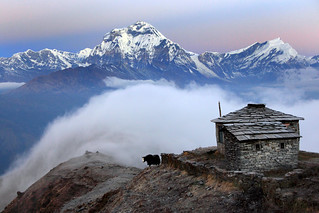
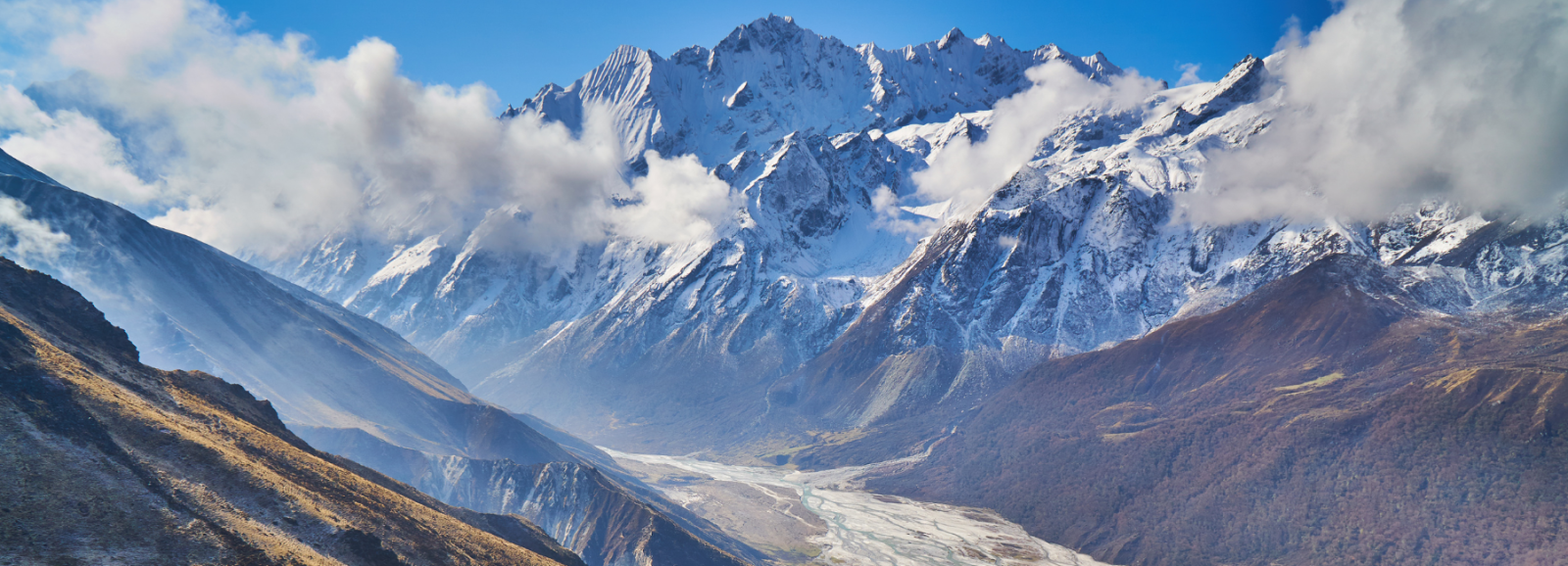
- Scenic Alpine Landscapes: The trail opens up into a breathtaking glacial amphitheater where you are completely surrounded by the snow-capped walls of the Langtang massif.
- Cultural Tamang Villages: Trekking along the Langtang Kyanjin Gompa Trek gives you an authentic look into local life. The ancient stone houses, carved mani walls, and active monasteries reflect a deeply preserved Tibetan-Buddhist heritage that feels untouched by heavy commercialization.
- Local Yak Cheese Factory: You can visit the famous alpine cheese factory right in the village to sample fresh, traditionally produced yak cheese made using old-school methods.
Kyanjin Ri & Viewpoint Experience
For most trekkers, the absolute pinnacle of the journey is the challenging push to the top of the local viewpoint peaks. It offers a true high-altitude mountaineering feel without requiring any technical climbing skills.
- Importance of Kyanjin Ri: Reaching the summit of the Kyanjin Ri Trek is the ultimate reward for your uphill efforts. Standing at 4,773 meters, it gives you a dramatic, bird’s-eye perspective of the entire valley basin, massive icefalls, and the frozen expanse of the Langtang glacier below.
- Sunrise Views and Panoramic Peaks: Setting out early for a Kyanjin Ri sunrise hike is an unforgettable experience. Watching the first rays of golden morning light hit the pure white face of Langtang Lirung and surrounding peaks completely justifies every cold, steep step it takes to get there.
Packing List for Kyanjin Valley Trek
An efficient Langtang Valley trek packing list relies entirely on a versatile layering system rather than packing heavy volumes of clothing. Because the mountain trail transitions rapidly from subtropical river valleys to freezing alpine environments, your gear must protect you against dramatic temperature swings. Keeping your total packed weight between 10 to 12 kilograms ensures maximum physical comfort during long uphill climbing sections and saves your knees on steep descents.
- Technical Core Base Layers: Pack two moisture-wicking synthetic or merino wool long-sleeve tops and one pair of thermal leggings to manage sweat and preserve body heat during cold nights.
- Insulating Mid Layers: Include a lightweight technical fleece jacket for daytime walking transition zones and a high-loft down jacket rated to minus fifteen degrees Celsius for camp life after sunset.
- Weatherproof Outer Shell: Carry a breathable, waterproof, and windproof hooded hardshell jacket and trousers to shield your body from the intense, biting gusts common throughout the upper valley.
- Durable Mountain Footwear: Invest in sturdy, waterproof, high-ankle trekking boots that are completely broken in before departure, alongside three pairs of technical merino wool-blend hiking socks.
- Essential Trail Hardware: Bring a reliable pair of adjustable carbon fiber trekking poles to maintain balance on uneven rocky steps and a high-quality USB-C rechargeable headlamp for the dark sunrise climb.
- High-Altitude Skin Protection: Pack UV-blocking polarized sunglasses, sweat-resistant SPF 50+ sunscreen, and an SPF-rated lip balm to counter the brutal ultraviolet radiation found above the tree line.
- Water Treatment System: Carry two refillable, heavy-duty water bottles along with a reliable SteriPEN or water purification tablets to eliminate the need for purchasing single-use plastic bottles.
- Medical Kit and Hygiene: Keep a compact personal first-aid kit containing blister treatments, rehydration salts, biodegradable wet wipes, hand sanitizer, and altitude sickness medication like Diamox.
Do You Need a Guide for Langtang Valley Trek?
Yes, you are legally required to hire a government-licensed trekking guide for the Langtang Valley Trek. Under the strict “No Guide, No Trek” safety policy enforced by the Nepal Tourism Board and Langtang National Park authorities, foreign international nationals are entirely prohibited from entering the park boundaries alone. All mandatory checkpoint permits, including your digital e-TIMS tracking card, are strictly issued only to registered trekking agencies with a certified guide contract attached to your itinerary.
Attempting to complete the Kyanjin Gompa Trek without guide accompaniment will result in your permits being instantly confiscated, facing substantial fines at trail gates like Dhunche, and being escorted back to Kathmandu. The government established these mandatory rules to drastically reduce high-altitude search and rescue operations for lost or injured solo travelers while protecting fragile alpine ecosystems. Additionally, this structure supports the mountain economy by generating sustainable, formal hospitality employment opportunities for native Himalayan community workers.
Why Travel with Marvel Trek and Expedition?
Choosing the best trekking and expedition company makes all the difference when venturing into remote alpine areas. Marvel Trek and Expedition stands out by providing an elite standard of personalized service, logistical excellence, and a safety focus on every single departure.
Our team employs experienced, government-licensed local guides who possess intimate knowledge of the changing trail conditions and local cultural nuances. We firmly believe in fair-trade travel practices, ensuring that our hard-working porters and field staff receive excellent wages, comprehensive medical insurance, and premium gear to work comfortably in cold mountain environments.
From managing your national park permits seamlessly to securing the best available teahouse rooms during the peak season, we take care of all heavy lifting. With our complimentary gear support and 24/7 client assistance lines, you can step onto the trail with absolute peace of mind, knowing that you are traveling with a highly trusted Himalayan provider
Payment and Cancellation
Policy regarding Payment and Cancellation Payment:
Payment:
1) To confirm a reservation, a deposit equal to 30% of the total price is required.
2) If the payment is made online, the remaining balance is due 10 days before the Tour, Trekking, Peak Climbing, or Expedition begins. If the payment is made in cash, it can be made after arrival.
3) If the booking is made within 30 days of the expedition beginning, full payment must be made at the time of booking.
Cancellation:
1) A full refund of the deposit will be given if a Tour, Trek, Peak Climbing, or Expedition is canceled more than 60 days before the start date.
2) The deposit will not be refunded if a Tour, Trek, Peak Climbing, or Expedition is canceled within 30 days of its start date.
3) A tour, trek, peak climbing, or expedition will not be refunded if it is canceled prior to or on the start date.
4) All participants should strongly consider purchasing travel insurance to cover any unforeseen cancellations or other occurrences.
Note: We reserve the right to modify or cancel any trek in the event of a natural disaster, political unrest, or any other unforeseen circumstances beyond our control. In such cases, a full refund or an alternative option will be provided.
Error: Contact form not found.
Price W/O Addons: US$ 370 per person
- Arrival and Ground Services: International airport pick-up and drop-off provided by a company representative. All ground transportation in Kathmandu and guided sightseeing as per the itinerary are included, excluding historical site entrance fees.
- Accommodation: Kathmandu accommodations are arranged in 3-star hotels on a twin-sharing Bed and Breakfast basis (single rooms available at an additional cost). On the trail, clean and authentic local mountain teahouses/lodges are provided during the Kyanjin Valley Trek.
- Meals and Nutrition: Welcome and farewell dinners are included in Kathmandu, while lunch and dinner in the city are excluded unless specified. During the trek, three hygienic meals daily (breakfast, lunch, and dinner) chosen directly from the teahouse menus are provided, along with fresh seasonal fruits where available.
- Transportation and Logistics: Round-trip ground transportation from Kathmandu to the trailhead at Syabrubesi via private jeep or tourist bus (as per the package) is fully included. Baggage movement via porters is fully managed.
- Permits and Government Requirements: All mandatory Nepal Government trekking permits, including the Langtang National Park Entry Permit and the Trekkers Information Management System (TIMS) card, are included. Applicable government taxes, company service fees, and administrative charges are fully covered.
- Trekking Staff and Support: The journey is led by a government-licensed, English-speaking local trekking guide, supported by experienced mountain porters (typically 1 porter for every 2 trekkers). All staff salaries, food, lodging, gear, and mandatory medical insurance are fully included.
- Communication, Safety, and Medical: First-aid kits, daily tracking updates, emergency pulse oximeters to monitor blood oxygen saturation, and satellite communication support are managed by your lead guide.
- Complimentary Items: High-quality expedition duffle bags, branded trekking apparel, official route maps, and free use of down jackets and four-season sleeping bags for the duration of the trek are provided.
- Certification: Successful trekkers receive an official company certificate to commemorate their high-altitude achievement (such as reaching Kyanjin Ri or Tserko Ri) at the end of the journey.
- International Travel and Visa: International airfare to and from Nepal and Nepal entry visa fees (obtainable at the Kathmandu airport) are not included. Excess baggage charges on international and domestic flights are excluded.
- Meals and Beverages: Lunch and dinner in Kathmandu are excluded unless clearly stated in the itinerary. On the trail, personal snacks (chocolate bars, energy gels), specialty coffees, bottled water, boiled drinking water, soft drinks, and alcohol are not included.
- Personal Equipment: Personal trekking gear, clothing (hiking shirts, waterproof shells, fleece layers), sturdy trekking boots, backpacks, and packing items are not included. Personal medical kits, toiletries, and hygiene supplies must be arranged individually.
- Insurance and Medical: Personal travel insurance explicitly covering high-altitude trekking up to 5,000 meters, helicopter evacuation, and emergency medical treatment is mandatory and not included. Medical examinations, clearance forms, and hospitalization costs are excluded.
- Extra Accommodation: Additional hotel nights in Kathmandu due to early arrival, late departure, highway/road delays, bad weather disruptions, or personal itinerary changes are not included. Accommodation and meals outside official trek dates are excluded.
- Communication and Internet: Personal internet usage, local SIM cards, satellite phone calls, and Wi-Fi services charged separately by individual teahouses on the trail are not included.
- Tips and Gratuities: Tips for your trekking guides, porters, and local drivers are highly recommended at the end of the journey as a token of appreciation but are excluded from the package price.
- Permits and Special Requests: Drone usage, professional filming, photography, and special media permits are excluded and subject to strict government approval. Customs duties for personal equipment are not included.
- Personal and Miscellaneous Expenses: Laundry services, hot showers at the teahouses, battery/device charging fees, and banking or ATM transaction fees are excluded. Any personal expenses of a private nature are the participant’s responsibility.
- Unforeseen Circumstances: Costs arising from natural disasters, extreme mountain weather, landslides, political unrest, strikes, or sudden changes in government trekking regulations are excluded. Any service not specifically mentioned under cost includes what is not covered.
Departures & Availability of Kyanjin Valley Trek
Dates of Trip
370Save 40
March 1, 2023 - March 6, 2023
370Save 40
March 7, 2023 - March 12, 2023
370Save 40
March 13, 2023 - March 18, 2023
370Save 40
March 19, 2023 - March 24, 2023
370Save 40
April 1, 2023 - April 6, 2023
370Save 40
April 7, 2023 - April 12, 2023
370Save 40
April 13, 2023 - April 18, 2023
370Save 40
April 19, 2023 - April 24, 2023
370Save 40
May 1, 2023 - May 6, 2023
370Save 40
May 7, 2023 - May 12, 2023
370Save 40
May 13, 2023 - May 18, 2023
370Save 40
May 19, 2023 - May 24, 2023
370Save 40
June 1, 2023 - June 6, 2023
370Save 40
June 7, 2023 - June 12, 2023
370Save 40
June 13, 2023 - June 18, 2023
370Save 40
June 19, 2023 - June 24, 2023
370Save 40
July 1, 2023 - July 6, 2023
370Save 40
July 7, 2023 - July 12, 2023
370Save 40
July 13, 2023 - July 18, 2023
370Save 40
July 19, 2023 - July 24, 2023
370Save 40
August 1, 2023 - August 6, 2023
370Save 40
August 7, 2023 - August 12, 2023
370Save 40
August 13, 2023 - August 18, 2023
370Save 40
August 19, 2023 - August 24, 2023
370Save 40
September 1, 2023 - September 6, 2023
370Save 40
September 7, 2023 - September 12, 2023
370Save 40
September 13, 2023 - September 18, 2023
370Save 40
September 19, 2023 - September 24, 2023
370Save 40
October 1, 2023 - October 6, 2023
370Save 40
October 7, 2023 - October 12, 2023
370Save 40
October 13, 2023 - October 18, 2023
370Save 40
October 19, 2023 - October 24, 2023
370Save 40
November 1, 2023 - November 6, 2023
370Save 40
November 7, 2023 - November 12, 2023
370Save 40
November 13, 2023 - November 18, 2023
370Save 40
November 19, 2023 - November 24, 2023
370Save 40
December 1, 2023 - December 6, 2023
370Save 40
December 7, 2023 - December 12, 2023
370Save 40
December 13, 2023 - December 18, 2023
370Save 40
December 19, 2023 - December 24, 2023
Group Discount Prices
Gear List
Frequently Asked Questions
Traveler Reviews




1–12 pax from 410
$ 370/pax
speak to an Experts




We are featured on