
How to Train for Climbing Everest?
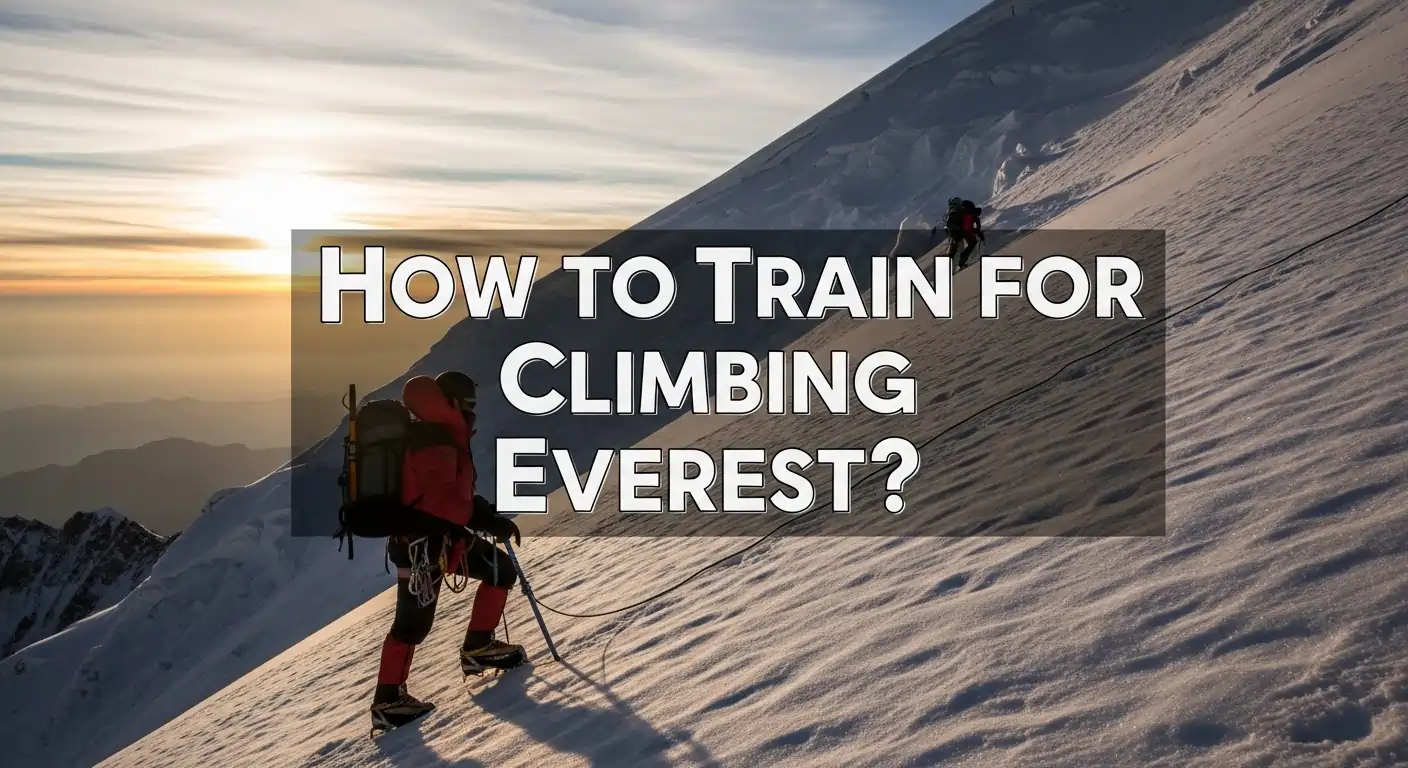
Training to climb Mount Everest requires a minimum of 12 to 18 months of rigorous physical, technical, and mental preparation designed to transform you into an elite endurance athlete. Because the “Death Zone” sits above 8,000 meters, your body must be conditioned to function on less than one-third of the oxygen available at sea level. The focus is not just on raw strength, but on building a massive aerobic engine and the psychological resilience to endure weeks of physical hardship in the world’s most extreme environment.
Learning how to train to climb Mount Everest involves a three-pronged approach: cardiovascular conditioning, functional strength training, and specific mountaineering skills. You aren’t just training for a summit day; you are training to survive two months of high-altitude living, rotations through the Khumbu Icefall, and the immense load-bearing demands of moving between camps. In this guide, we break down the elite-level training protocols used by successful summiters to prepare for the ultimate test of human endurance on Mount Everest.
What Does It Really Take to Climb Everest?
Climbing Everest requires a combination of elite cardiovascular fitness, technical proficiency in high-altitude environments, and the mental fortitude to endure extreme physiological stress for over 60 days. It is not merely a hiking trip; it is a high-stakes endurance event where your body must be capable of moving heavy loads at altitudes where oxygen is scarce. Success depends on your ability to perform technical maneuvers, like navigating the Khumbu Icefall, while your cognitive and physical systems are significantly compromised by the thin air.
Physical Requirements for an Everest Expedition
Building a massive aerobic base is the foundation of Everest preparation, as you will spend hours each day moving uphill with a 15-20kg pack. You need exceptional muscular endurance in your legs and core to handle the thousands of vertical meters of ascent and descent over the course of the expedition. Furthermore, your recovery capacity must be elite; you must be able to wake up day after day and perform at a high level despite the poor sleep and diminished appetite common at high altitudes.
Technical Mountaineering Skills Required
Technical proficiency is non-negotiable, as you must be comfortable using a jumar to ascend fixed ropes and rappelling on steep, icy terrain with heavy gloves and limited visibility. Proficiency with crampons and ice axes is essential for navigating the blue ice of the Lhotse Face and the jagged ridges of the South Summit. Additionally, a solid grasp of glacier travel and basic crevasse rescue ensures you are an asset to your team’s safety rather than a liability during the dangerous transit through the Icefall.
How to Train to Climb Mount Everest: Step-by-Step Plan
The most effective way to train to climb Mount Everest is through a progressive, periodized plan that transitions from general aerobic conditioning to specific, high-intensity mountain simulations. This step-by-step approach ensures that you build a bulletproof physical foundation while minimizing the risk of overtraining or injury. By systematically increasing your volume and intensity over 12 to 18 months, you allow your muscular and cardiovascular systems to adapt to the grueling demands of the Himalayas and overcome the mental hurdle of asking: Is expedition Everest scary?
Phase 1: Base Fitness Development (12-18 Months Out)
During this initial phase, the primary goal is to establish a massive aerobic base and build the functional strength required to support your joints during long-duration efforts. You should focus on low-intensity, high-volume movements that prepare your body for the harder phases to come.
- Low-Intensity Aerobic Runs: Focus on Zone 2 heart rate training to improve mitochondrial density.
- Functional Strength Training: Prioritize compound movements like squats, lunges, and deadlifts to build a strong chassis.
- Weekly Weighted Hikes: Start with a 5kg pack and gradually hike for 3–5 hours on varied terrain.
- Core Stability Work: Strengthen your midsection to handle the shifting weight of a heavy expedition pack.
- Flexibility and Mobility: Incorporate yoga or dedicated stretching to prevent injuries as training volume increases.
- Yoga and Breathwork: Begin practicing controlled breathing techniques to improve lung efficiency.
- Baseline Fitness Testing: Track your resting heart rate and VO2 max to monitor long-term progress.
Phase 2: Mountain-Specific Conditioning (6-12 Months Out)
This phase shifts the focus toward vertical gain and muscular endurance, mimicking the relentless uphill nature of the Everest route. The training becomes more strenuous, with a higher emphasis on carrying heavy loads and sustaining effort for entire days.
- Stair Climbing with Load: Use a stair machine or local stadium stairs with a pack weighing 15–20kg.
- Back-to-Back Long Days: Perform 6–8 hour hikes on both Saturday and Sunday to train your body to recover quickly.
- Incline Treadmill Training: Set the treadmill to the highest incline and maintain a steady, uphill power-walk.
- Hill Sprints: Incorporate short, high-intensity bursts to improve your anaerobic threshold for steep sections.
- High-Altitude Trekking: If possible, spend time above 4,000 meters to see how your body responds to thin air.
- Loaded Step-Ups: Perform hundreds of repetitions onto a 12-inch box while wearing your weighted vest or pack.
- Nutritional Trialing: Practice fueling your body during long efforts to find which snacks work best for your gut.
Phase 3: Expedition Simulation (3-6 Months Out)
The final months of preparation are about “climbing the mountain before you get there” by testing your gear and mental grit in cold, alpine conditions. This is the peak volume phase where you refine your technical skills under physical fatigue to ensure they are second nature.
- Alpine Climbing Trips: Spend time on glaciated peaks (6,000m+) to practice jumar techniques and crampon work.
- Cold Exposure Training: Train in harsh weather or winter conditions to build psychological resilience to the cold.
- Full Gear Testing: Wear your actual 8,000m down suit and boots during training to understand their weight and heat.
- Heavy Pack Carries: Regularly train with a 25kg pack to make the actual expedition load of 15kg feel light.
- Mental Resilience Drills: Practice “discomfort training” by pushing through long sessions in the rain or dark.
- Technical Proficiency Drills: Spend hours on a fixed line or ice wall to ensure your transitions are fast and safe.
- Tapering Strategy: In the final 2–3 weeks, dramatically reduce volume to allow your body to fully super-compensate for the expedition.
Strength Training for Everest Climbers
Strength training for Mount Everest is not about building maximum bulk, but rather about creating a resilient, “bulletproof” chassis capable of withstanding months of repetitive stress. Your goal is to develop functional power that allows you to move your own body weight plus a heavy pack through steep, uneven terrain without fatigue-related injuries. A focused strength program ensures that your connective tissues, joints, and stabilizer muscles can handle the massive mechanical load of the Khumbu Icefall and the final summit push.
Lower Body Strength and Stability
The foundation of your climb rests on your legs, requiring a mix of explosive power for deep snow and endurance for 12-hour summit days. Exercises like squats, lunges, and thousands of weighted step-ups build the necessary quad and glute strength, while specific knee durability drills protect your ACL and meniscus during the jarring descent. By prioritizing unilateral movements, you improve your balance and stability on the narrow, icy ridges found above the South Col.
Core and Upper Body Conditioning
A rock-solid core is essential for stabilizing your torso while carrying a shifting 20kg expedition pack over jagged rocks and ladders. Upper body conditioning should focus on pull strength, which is vital for efficiently using a jumar on fixed ropes and hauling yourself up the vertical steps of the Lhotse Face. Developing muscular endurance in the shoulders and back prevents the premature fatigue that can lead to poor posture and restricted breathing at high altitudes.
Injury Prevention and Mobility Work
Mobility work is the “secret sauce” of a successful expedition, as it ensures your body can move through a full range of motion even when stiff from the extreme cold. Focusing on hip mobility allows for more efficient strides on steep inclines, while ankle stability exercises prevent rolls and sprains on the loose scree and uneven glacial ice. Dedicated stretching and pre-habilitation routines are the best defense against the overuse injuries that frequently end expeditions before they even reach the higher camps.
Cardiovascular Training for High Altitude
Cardiovascular conditioning is the single most important factor in your ability to survive and perform in the oxygen-depleted environment of the Himalayas. Your training must focus on expanding your heart’s stroke volume and increasing mitochondrial density, allowing your muscles to utilize the limited oxygen available more efficiently. A massive aerobic engine act as your insurance policy against Acute Mountain Sickness (AMS) and ensures you have the reserves needed for the grueling 12-to-18-hour summit push.
Zone 2 Aerobic Base Training
The majority of your Everest preparation should consist of long-duration, low-intensity sessions kept strictly within heart rate Zone 2. These sessions, lasting anywhere from two to six hours, train your body to oxidize fat as a primary fuel source and build the “diesel engine” required for weeks of sustained mountain movement. By keeping the intensity low, you minimize recovery time and avoid the chronic fatigue that can sabotage a long-term training cycle. This aerobic foundation is what allows elite climbers to maintain a steady pace for days on end without redlining their cardiovascular system.
VO2 Max and Lactate Threshold Work
While base training provides the endurance, high-intensity interval training (HIIT) and hill sprints are necessary to raise your ceiling for performance under extreme stress. Incorporating one or two sessions per week of lactate threshold work helps your body clear metabolic waste more effectively, which is critical when navigating steep technical sections like the Hillary Step. These “hard” days force your heart and lungs to work at their maximum capacity, improving your VO2 max and ensuring you have the “extra gear” needed to push through high-altitude windstorms or difficult terrain.
Stair Climber and Incline Treadmill Protocol
To simulate the relentless vertical gain of Everest, you must spend significant time on a stair climber or a treadmill set to its maximum incline. A specific protocol involves wearing a weighted vest or a 15-20kg pack while maintaining a slow, rhythmic pace that mimics the restricted breathing of a high-altitude climb. These sessions should gradually increase in duration until you can sustain a steady uphill effort for several hours without stopping. This “vertical conditioning” not only builds the specific leg strength required for the Lhotse Face but also mentally prepares you for the monotony and physical grind of summit night.
How Do You Train for High Altitude on Everest?
Training for the extreme altitude of Everest involves a combination of pre-expedition peak bagging and “pre-acclimatization” techniques to prepare your blood chemistry for low oxygen levels. While physical fitness is vital, your body must specifically learn to increase red blood cell production and respiratory efficiency to survive above the 8,000-meter mark. The most successful climbers use a “ladder” approach, gradually exposing their systems to higher elevations over several years to ensure their physiology can handle the transition to the “Mount Everest Death Zone.”
Acclimatization Principles
The golden rule of high-altitude mountaineering is to “climb high and sleep low,” a strategy that triggers physiological adaptation without overwhelming the body’s recovery systems. This progressive exposure allows the brain and lungs to adjust to dropping pressure levels, significantly reducing the risk of life-threatening conditions like HAPE or HACE.
- Red Blood Cell Production: Gradual exposure stimulates the production of more hemoglobin to carry scarce oxygen.
- Respiratory Adaptation: Your body learns to maintain a higher breathing rate even during rest.
- Mitochondrial Efficiency: Cells become more adept at creating energy with less available fuel.
- Metabolic Shifts: Your body adjusts its pH balance to compensate for the CO2 lost through rapid breathing.
- Slow Ascent Rates: Most itineraries limit daily altitude gain to 300–500 meters once above 3,000m.
- Hydration Focus: High altitude requires double the normal fluid intake to maintain blood volume and flow.
- Rest Days: Mandatory “acclimatization days” are built into the schedule to allow the body to catch up.
Using Hypoxic Training or Altitude Tents
For climbers living at sea level, hypoxic training systems or altitude tents can be used to simulate thin air by reducing the percentage of oxygen in the environment. These tools are primarily used during sleep or while training on a stationary bike to “pre-condition” the body for the upcoming expedition.
- Hemoglobin Increase: Sleeping in an altitude tent can boost red blood cell counts before you even land in Nepal.
- Respiratory Prep: It familiarizes the body with the “heavy breathing” sensation associated with high altitudes.
- Time Efficiency: Allows for some physiological preparation without needing to leave home for weeks.
- Limitations: Tents cannot simulate the actual barometric pressure changes of the mountain.
- Sleep Quality: Many climbers find it difficult to get restorative sleep in a restricted-oxygen environment.
- Cost Factor: High-quality hypoxic systems are a significant investment, often costing thousands of dollars.
- Supplemental Use: These are best used as a supplement to, not a replacement for, actual mountain experience.
Pre-Expedition Climbs to Build Altitude Experience
Nothing replaces the experience of actually standing on 6,000m and 7,000m peaks, where you can test your body’s specific reaction to extreme elevation in a controlled environment. These preparatory climbs serve as the ultimate “training ground,” teaching you how to manage your pace, nutrition, and gear while oxygen-deprived.
- Island Peak (6,189m): An excellent entry-level peak to test your response to basic high-altitude technical climbing.
- Lobuche East (6,119m): Offers great views of Everest and a technical ridge that mirrors sections of the big mountain.
- Mera Peak (6,476m): Focuses on high-altitude endurance and long, steady glacier walking.
- Baruntse (7,129m): A serious 7,000m peak that provides critical experience for the 8,000m environment.
- Himlung Himal (7,126m): Known for its cold conditions and high success rates for Everest aspirants.
- Manaslu (8,163m): Often the final “training peak” used to gain 8,000m experience before tackling Everest.
- Technical Mastery: These peaks allow you to refine jumar and crampon work while physically exhausted.
Technical Experience Required Before Everest
Technical experience is the bridge between being a fit athlete and being a competent mountaineer capable of surviving the world’s highest peak. You must possess an intuitive understanding of high-altitude logistics, rope systems, and glacial movement that only comes from years of progressive climbing. In fact, current regulations for Everest 2026 mandate that climbers have successfully summited at least one 7,000-meter peak before attempting the “big one,” ensuring everyone on the mountain has a proven track record and total mastery over their Everest climbing equipments.
Recommended Progression Peaks
The path to Everest typically starts with technical 6,000m peaks like Island Peak or Lobuche East in Nepal, which introduce you to fixed-line travel and high-altitude crampon work. From there, Aconcagua in the Andes provides a massive test of non-technical endurance and extreme wind at nearly 7,000 meters, while Denali in Alaska offers a “mini-Everest” experience regarding heavy load-hauling, extreme cold, and total self-sufficiency. Each of these mountains builds a specific layer of your skill set, from technical rope work to the psychological grit needed for remote, high-altitude living.
Why 7000m+ Experience Is Critical
A 7,000-meter peak serves as the ultimate “dress rehearsal” for Everest, as it is the first time you will truly experience how your body and mind respond to the debilitating effects of oxygen deprivation. It provides a critical environment to master oxygen management systems, such as regulators and masks, long before you reach the “Death Zone” at 8,000 meters. Furthermore, these heights expose you to the reality of extreme cold survival, forcing you to manage your gear, hydration, and nutrition while wearing bulky down suits and mittens in sub-zero temperatures.
Mental Training for Climbing Everest
Mental toughness is often the deciding factor between a successful summit and a premature descent when your body is at its absolute limit. Everest requires the psychological resilience to remain calm and focused while operating in a high-risk environment under extreme physical and cognitive deprivation.
Psychological Resilience and Stress Tolerance
Developing resilience involves deliberately putting yourself in “controlled discomfort” during training, such as long hikes in the rain or overnight winter camping, to build a high threshold for suffering. You must master the art of decision-making under severe fatigue, ensuring that you can still perform safety checks and follow navigation protocols when your brain is starved of oxygen. Stress tolerance is built through experience; by facing smaller challenges on 6,000m and 7,000m peaks, you learn to manage the adrenaline of objective hazards like the Khumbu Icefall without panicking.
Coping With Isolation and Long Expeditions
An Everest expedition is a two-month marathon of patience, requiring you to stay motivated through long periods of isolation and inactivity during weather delays. You will spend 6–8 weeks living in a tent, away from your support system, which can take a significant toll on your morale and mental clarity. Managing team dynamics is equally critical, as living in close quarters with strangers under high stress requires extreme emotional intelligence and the ability to contribute positively to the group’s collective safety and spirit.
Nutrition and Recovery During Everest Training
Nutrition and recovery are the fuel and maintenance systems that prevent burnout and overtraining during an 18-month preparation cycle. Because your training volume will be exceptionally high, your body requires a precise balance of nutrients to repair muscle tissue and replenish glycogen stores daily. Without a disciplined recovery protocol, the physical gains from your hardest sessions will be lost to chronic fatigue and systemic inflammation.
Macronutrient Planning for Endurance
Your diet should be heavily weighted toward high-quality carbohydrates to fuel the massive caloric demands of long-duration endurance training and heavy pack carries. Protein intake must remain consistently high, typically 1.6g to 2.0g per kilogram of body weight, to facilitate muscle repair and prevent the catabolic state often triggered by high-altitude exposure. Balancing these with healthy fats ensures sustained energy levels and hormonal health throughout the most intense phases of your conditioning.
Recovery Protocols
Sleep optimization is your most powerful legal performance enhancer, as it is the only time your body truly repairs the cellular damage from strenuous mountain-specific training. Incorporating active recovery days, such as light walking or swimming, helps maintain blood flow to sore muscles without adding significant stress to the central nervous system. These protocols ensure you arrive at the trailhead in Nepal not just fit, but fresh and fully recovered from your training journey.
How Long Does It Take to Train to Climb Mount Everest?
It typically takes 12 to 18 months of dedicated training to prepare for Mount Everest, assuming you already have a baseline level of fitness and some mountaineering experience. This timeline is necessary to safely build the massive aerobic engine required for the “Death Zone” while allowing for a “ladder” of preparatory peaks ,specifically 6,000m and 7,000m summits ,to test your body’s response to high altitude. For those starting with zero technical climbing skills or a sedentary lifestyle, a more realistic window is 2 to 3 years, as you must systematically develop technical rope skills, cold-weather survival tactics, and the mental resilience to endure an eight-week expedition. A rushed timeline significantly increases the risk of Acute Mountain Sickness (AMS) or physical burnout, making a slow, periodized approach the most reliable path to the summit.
Common Training Mistakes When Preparing for Everest
Even the most dedicated athletes can fail on Everest if their training is unbalanced or disconnected from the specific realities of 8,000-meter mountaineering. The most frequent mistakes involve a “more is better” mentality that leads to burnout, or a focus on flat-land fitness that doesn’t translate to the technical, oxygen-deprived slopes of the Himalayas. Identifying these pitfalls early in your 18-month cycle is crucial for ensuring that your efforts actually contribute to a successful summit.
Overtraining Without Altitude Exposure
Many climbers fall into the trap of overtraining their cardiovascular system at sea level while completely neglecting actual altitude exposure. While being a marathon-level athlete is helpful, it does not guarantee that your body can handle the thin air above 7,000 meters, which is a purely physiological adaptation. If you arrive in Nepal with high fitness but zero recent mountain experience, you are far more likely to suffer from rapid fatigue or Acute Mountain Sickness (AMS). You must balance your gym sessions with real-world trips to high elevations to teach your body how to operate in a low-oxygen environment.
Ignoring Technical Skill Development
A common misconception is that Everest is a “non-technical walk-up,” leading many to ignore the critical skills of jumar ascension and rappelling. While the route is fixed with ropes, managing your safety gear while wearing bulky mittens and an oxygen mask at -30°C requires muscle memory that can only be built through repetition. Neglecting these skills means you will waste vital energy struggling with equipment rather than focusing on your breathing and movement. Technical incompetence also slows down the entire team, increasing everyone’s exposure to objective hazards like rockfall or changing weather.
Underestimating Summit Day Effort
Perhaps the most dangerous mistake is failing to train for the sustained, 18-hour intensity required for the final push from the South Col to the summit and back. Most training sessions last 2-4 hours, but summit day is a grueling test of endurance that takes place after weeks of progressive physical deterioration at high altitude. If your training doesn’t include “fatigue-simulation” days, where you perform technical tasks after hours of exertion, you may find yourself physically and mentally broken before you even reach the Balcony. You must prepare for the reality that the descent is often more exhausting and dangerous than the ascent.
Conclusion
Mastering how to train to climb Mount Everest is a transformative process that goes far beyond physical fitness; it is a test of your discipline, patience, and long-term commitment to a singular goal. By following a structured, 18-month periodized plan, moving from a deep aerobic base to specific mountain conditioning and 7,000m technical experience, you ensure that you arrive at Base Camp with the resilience needed to stand on top of the world. Remember, the mountain does not care about your intentions, only your preparation. Training is the only variable you can truly control in the unpredictable environment of the Himalayas.
Ultimately, the effort you put into your preparation at sea level will be your greatest asset when the air gets thin and the temperatures drop. Success on Everest is reserved for those who have “summited” their training plan long before they ever step foot in Nepal. With a bulletproof body, a sharp technical skill set, and a resilient mindset, you transform the world’s highest peak from a dangerous gamble into a calculated and life-changing achievement. Your journey to the roof of the world starts today, one stair, one pack-carry, and one training session at a time.
Ready to turn your training into a summit reality? Don’t leave your Everest dream to chance. Partner with the experts at Marvel Treks for unparalleled safety, elite Sherpa support, and world-class expedition logistics.
FAQS
Can you climb Everest without training?
No, attempting Everest without rigorous training is extremely dangerous and virtually impossible due to the extreme physical and physiological demands of the Death Zone.
Do you need training to climb Mount Everest?
Yes, elite-level cardiovascular conditioning, functional strength, and technical mountaineering skills are absolute prerequisites for a safe and successful summit attempt.
How long do people train to climb Mount Everest?
Most successful climbers train for 12 to 18 months, progressively building an aerobic base and gaining experience on 6,000m and 7,000m peaks.
Is it possible to train for Everest while living at sea level?
Yes, sea-level climbers utilize high-volume weighted stair climbing, long-distance endurance sessions, and sometimes altitude tents to simulate high-altitude physiological stress.
What is the hardest part of the physical training for Everest?
The most difficult aspect is building the “aerobic engine” to move heavy loads for 12+ hours while your body is oxygen-deprived.
Do I need to be a professional athlete to climb Everest?
No, but you must reach an elite level of amateur fitness, specifically focusing on muscular endurance and high-altitude recovery capacity.
How many days a week should I train for Everest?
A typical schedule involves 5 to 6 days of training per week, including one or two “big days” of 6–10 hour hikes.
Can I use a gym to train for the entire Everest expedition?
While gyms are great for strength, you must supplement with real-world outdoor training on uneven terrain to develop necessary balance and technical skills.

Ready for your next Himalayan adventure?
Plan Your Next Big Adventure with Us
Explore Our AdventuresJoin our expert-guided journeys across Nepal and beyond, from classic trails to epic summits.