
Annapurna Circuit Trek Packing List (Complete Guide for All Seasons)
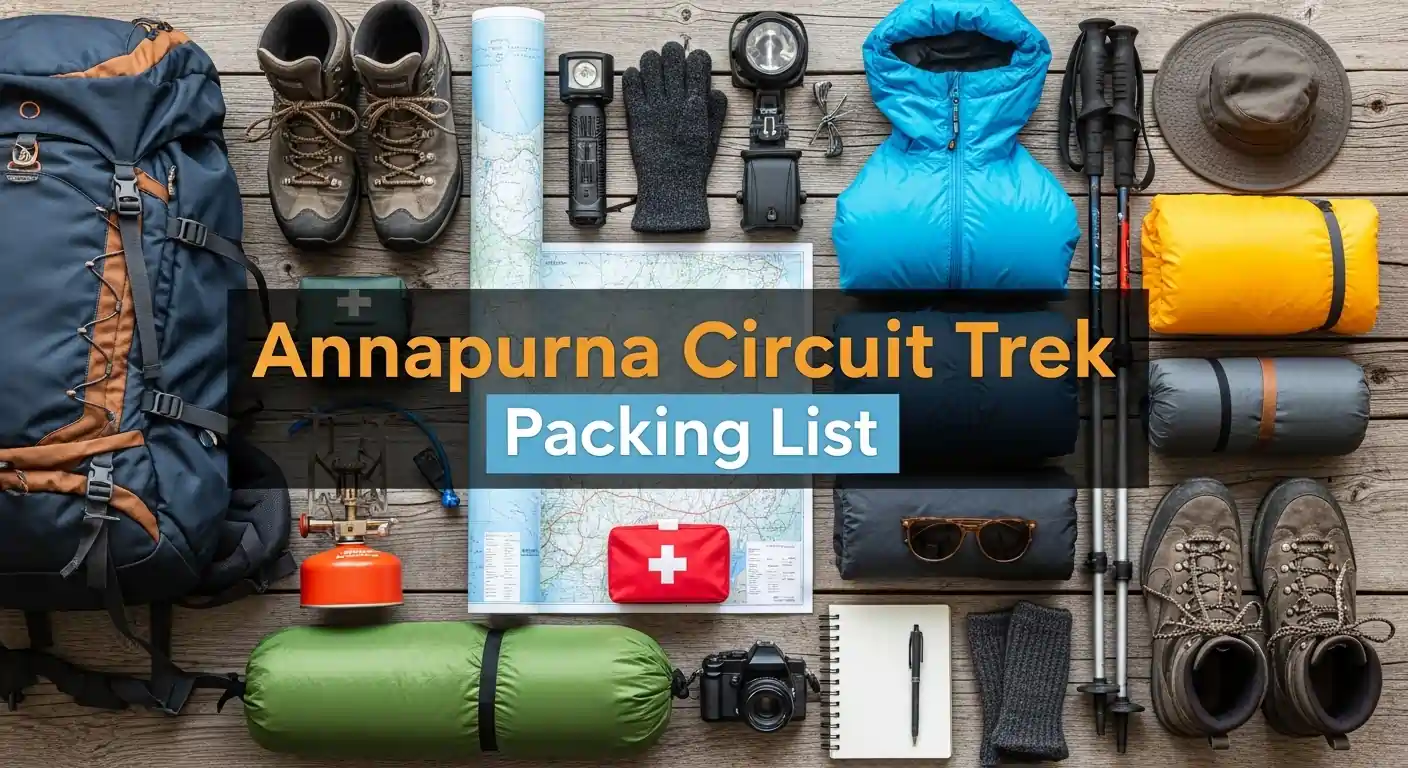
Are you preparing for one of the most diverse and legendary treks in the world but feeling overwhelmed by what to put in your backpack? The Annapurna Circuit Trek takes you from lush subtropical valleys to the frozen heights of Thorong La Pass, meaning your gear must handle everything from heat to extreme cold. Packing correctly is the difference between a comfortable, successful journey and one plagued by blisters, cold, or unnecessary weight. Whether you are a seasoned mountaineer or a first-time trekker, having a well-organized kit is essential for navigating this high-altitude terrain.
In this blog, we provide the ultimate annapurna circuit trek packing list to ensure you are fully prepared for every twist and turn of the trail. We will cover essential clothing layers, technical gear, personal hygiene items, and the must-have documents for your 2026 adventure. You will also find specific recommendations for different seasons, helping you tailor your bag to either the monsoon rains or the winter snow. By following this comprehensive guide, you can hit the trail with confidence, knowing you have everything you need to conquer the Annapurna circuit trek.
What Should You Pack for Annapurna Circuit Trek?
You should pack a versatile layering system that includes moisture-wicking base layers, insulating mid-layers, and a heavy-duty waterproof outer shell. Because the trek spans multiple climate zones, your gear must protect you from both the subtropical heat of the lower valleys and the sub-zero temperatures of Thorong La Pass. Essential items include high-quality trekking boots, a 0°F-rated sleeping bag, and a reliable 40-50 liter backpack. Having the right balance of gear ensures you stay dry, warm, and comfortable while experiencing the rigors of adventure trekking in Nepal.
Key Factors to Consider Before Packing
- Trek Duration: Your packing volume depends on whether you are doing the full 18-day circuit or a shorter 10-day version that ends with a flight from Jomsom.
- Route Variation: If you plan to add the Tilicho Lake side trip, you will need extra thermal protection and perhaps micro-spikes for the high-altitude snowy sections.
- Seasonal Weather: Packing for the clear, cold skies of October is vastly different from the waterproof-heavy requirements needed for a monsoon trek in August.
- Weight Limits: If you are hiring a porter, you must limit your main duffel to 10-15kg to comply with local labor regulations and safety standards.
- Acclimatization Needs: Your kit should include items like electrolyte powders and sun protection to help your body manage the physical stress of rapid elevation gain.
- Fitness Level: Lighter packing is especially critical for those with less trekking experience to prevent fatigue and injury during the steep ascent to the pass.
Essential Clothing for Annapurna Circuit Trek
The essential clothing for the Annapurna Circuit Trek is a versatile multi-layer system designed to handle temperatures ranging from 25°C to -20°C. You must prioritize high-performance fabrics like merino wool or synthetic polyesters that wick sweat away from your skin to prevent chilling. A proper kit includes moisture-wicking base layers, insulating down or fleece mid-layers, and a robust windproof and waterproof outer shell. This strategic layering allows you to add or remove clothes quickly as you move from the lowlands to the high-altitude Thorong La Pass.
Base Layers (Moisture-Wicking Clothing)
Base layers are your “second skin” and must be made of non-cotton materials to keep you dry and regulate your body temperature.
- Merino Wool Tops: These are excellent for odor resistance and provide warmth even when slightly damp from sweat.
- Thermal Bottoms: Lightweight leggings are essential for cold mornings and as a base under your trekking pants.
- Synthetic T-Shirts: Pack 3-4 breathable shirts that dry quickly for the humid lower sections of the trek.
- Moisture-Wicking Underwear: Choose sports-specific underwear to prevent chafing during long days of walking.
- Sports Bras: For women, high-support and moisture-wicking bras are vital for comfort on rugged terrain.
- Long-Sleeve Sun Shirt: A lightweight long-sleeve shirt protects your arms from intense high-altitude UV rays.
Insulation Layers for Cold Weather
Insulation layers trap your body heat to keep you warm when the temperature drops at higher elevations or during rest.
- Heavyweight Down Jacket: A high-fill power down jacket is mandatory for the sub-zero temperatures at Thorong La.
- Mid-Weight Fleece: A versatile fleece jacket provides breathable warmth while you are actively moving on the trail.
- Insulated Vest: A vest is a great option for core warmth without the bulk of full sleeves.
- Warm Sweaters: Woolen or synthetic sweaters are perfect for layering inside teahouses during chilly evenings.
- Thermal Mid-Layers: Adding an extra thin thermal layer helps significantly during the pre-dawn summit push.
- Down Booties: Lightweight down-filled socks are a luxury for keeping your feet warm while sleeping.
Outer Layers (Windproof & Waterproof)
Outer layers act as a shield against the biting Himalayan winds and sudden mountain rain or snow.
- Gore-Tex Shell Jacket: A high-quality waterproof jacket with a hood is essential for blocking wind and rain.
- Waterproof Over-Pants: These should be breathable and easy to pull on over your trekking trousers during storms.
- Windbreaker: A lightweight wind-resistant layer is ideal for the windy sections around Jomsom and Muktinath.
- Hard Shell Mittens: Large waterproof mittens can be worn over liner gloves for maximum wind protection.
- Gaiters: These prevent snow, mud, and small stones from entering your boots in rugged sections.
- Poncho: A large waterproof poncho can provide extra protection for both you and your backpack.
Trekking Pants and Shorts
Your trekking legwear must be durable, flexible, and capable of drying rapidly after crossing streams or rain.
- Convertible Trekking Pants: These are perfect for the circuit as they zip off into shorts for the hot valleys.
- Heavyweight Trekking Trousers: Reinforced pants provide extra warmth and protection against rocks at higher altitudes.
- Quick-Dry Shorts: A pair of lightweight shorts is great for the tropical climate of the first few days.
- Softshell Pants: These offer a balance of wind resistance and flexibility for the steep climb to the pass.
- Comfortable Evening Pants: Soft cotton or fleece pants are essential for relaxing comfortably in the teahouses.
- Stretch Leggings: Some trekkers prefer high-quality athletic leggings for maximum mobility on steep ascents.
Footwear and Socks Packing List
The right footwear for the Annapurna Circuit consists of sturdy, waterproof trekking boots and a variety of specialized socks to prevent blisters and cold feet. Since you will be walking for 5 to 7 hours daily on uneven terrain, your boots must offer excellent ankle support and be thoroughly broken in before you arrive in Nepal. Complementing your boots with moisture-wicking liners and heavy thermal socks ensures your feet remain dry and warm during the freezing crossing of Thorong La Pass. Investing in high-quality footwear is the most critical step in avoiding injuries and ensuring you can complete the full loop comfortably.
Trekking Boots for Annapurna Circuit
Your trekking boots are the most important piece of gear you will own, acting as your primary defense against the rugged Himalayan trails.
- Waterproof Membrane: Look for Gore-Tex or similar technology to keep your feet dry during stream crossings or snow.
- Sturdy Ankle Support: High-cut boots are essential to prevent rolls and sprains on the steep, rocky descents.
- Aggressive Sole Tread: A Vibram or equivalent high-traction sole is necessary for gripping slippery or loose surfaces.
- Broken-in Fit: Ensure you have walked at least 50km in your boots before the trek to avoid painful blisters.
- Rubber Rand: A protective rubber layer around the toe and heel adds durability against sharp rocks.
- Breathability: Even waterproof boots must allow moisture to escape to prevent your feet from becoming clammy.
Sandals and Camp Shoes
After a long day of walking, you need lightweight camp shoes to give your feet a rest and allow your boots to air out.
- Lightweight Sandals: Flip-flops or Crocs are perfect for wearing around the teahouse and using in shared showers.
- Slip-on Comfort: Choose shoes that are easy to put on over thick socks for midnight bathroom trips.
- Durable Soles: Ensure your camp shoes have enough grip for walking on uneven stone floors inside the lodges.
- Low Weight: Pick the lightest option possible to keep your overall backpack weight manageable.
- Quick-Drying Material: Synthetic materials are best as they won’t absorb water if the teahouse floors are damp.
- Foldable Design: Some trekkers prefer ultra-lightweight mesh shoes that can be flattened easily in a backpack.
Socks (Wool and Synthetic)
A proper sock system involves layering to manage moisture and provide the necessary insulation against the mountain cold.
- Merino Wool Socks: These provide excellent warmth and natural odor resistance for multiple days of wear.
- Liner Socks: Thin synthetic liners help wick sweat away from the skin and drastically reduce friction that causes blisters.
- Heavy Thermal Socks: Pack at least two pairs of extra-thick socks specifically for the freezing temperatures at high camps.
- Seamless Construction: Look for socks with flat seams to prevent irritation and pressure points inside your boots.
- Cushioned Heels: Extra padding in high-impact areas helps absorb shock and improves overall walking comfort.
- Mid-Calf Length: Ensure your socks are tall enough to prevent your trekking boots from rubbing against your shins.
Annapurna Circuit Trek Packing List for Cold Weather
Packing for cold weather on the Annapurna Circuit requires specialized gear capable of handling temperatures that plummet well below freezing. As you ascend toward Thorong La Pass, the wind chill and lack of sun can make even moderate days feel Arctic. You must focus on high-loft insulation and wind-blocking accessories to protect your extremities from frostbite and extreme discomfort. Ensuring your kit includes a heavy-duty sleeping bag and professional-grade winter wear is the only way to guarantee safety during a winter or late-autumn trek. These items are non-negotiable for anyone tackling the high-altitude sections of the circuit during the best season for trekking in Nepal.
Winter Accessories
Protecting your head, hands, and neck is vital because these areas lose heat the fastest in the biting Himalayan wind. A thick wool or fleece beanie is essential for sleeping and trekking, while a multi-functional neck gaiter or buff protects your lungs from the dry “Khumbu cough” air. You should pack a two-layer glove system consisting of thin inner liners for dexterity and heavy, waterproof outer mittens for maximum warmth. For the extreme conditions near the pass, a full-face balaclava is highly recommended to shield your skin from windburn and freezing temperatures. High-quality winter accessories are small but powerful additions that can make or break your summit of Thorong La.
High-Altitude Essentials
The most critical high-altitude essential is a professional-grade down sleeping bag rated for at least –10°C to –15°C (14°F to 5°F). Even though teahouses provide blankets, they are often insufficient for the unheated rooms at High Camp where temperatures stay below freezing overnight. Adding a silk or fleece thermal liner can increase your sleeping bag’s warmth by several degrees while also keeping the bag clean. You should also consider carrying a set of hand and toe warmers for the pre-dawn push to the pass when the cold is most intense. Proper sleeping gear ensures your body can recover and stay warm, which is essential for successful acclimatization and overall health.
Trekking Gear and Equipment Checklist
The right technical gear is the backbone of a successful Annapurna Circuit trek, providing the durability and support needed for rugged terrain. Your equipment must be reliable and lightweight enough to prevent unnecessary fatigue over the 150-plus kilometer journey. From a well-fitted backpack to ergonomic trekking poles, each piece of gear serves a specific function in ensuring your safety and comfort at high altitudes. Investing in high-quality boots and moisture-wicking layers is especially crucial when considering the diverse conditions found in trekking for beginners in Nepal.
Backpack and Daypack
Your backpack is your most essential companion, housing all your survival gear and clothing throughout the diverse climatic zones of the trek.
- 50–65L Main Trekking Pack: This size is ideal for carrying all your essentials if you are trekking without a porter.
- 20–30L Daypack: If you have a porter, a smaller daypack is necessary for carrying water, snacks, and your camera.
- Integrated Rain Cover: A waterproof cover is mandatory to protect your gear from sudden mountain downpours or snow.
- Adjustable Harness System: Ensure the pack has a padded hip belt and shoulder straps to distribute weight to your legs.
- Hydration Bladder Compartment: Look for a dedicated sleeve to hold a water bladder for easy drinking while walking.
- Compression Sacks: Use these to reduce the volume of your clothing and keep your gear organized and dry inside.
- External Attachment Points: These are useful for clipping on your trekking poles or drying damp clothes while you hike.
Trekking Poles
Trekking poles are vital for maintaining balance on uneven trails and significantly reducing the impact on your joints during long descents.
- Telescopic Adjustability: Choose poles that can be shortened for uphill climbs and lengthened for steep downhill sections.
- Antishock System: Built-in springs help absorb the impact of hard surfaces, protecting your wrists and elbows.
- Ergonomic Foam Grips: High-quality grips prevent hand fatigue and provide better traction when your hands are sweaty.
- Carbide Tips: Durable tips are essential for gripping rocky surfaces and icy patches near Thorong La Pass.
- Mud and Snow Baskets: These prevent your poles from sinking too deep into soft ground or fresh snow.
- Knee Protection: Using poles can reduce the force on your knees by up to 25%, which is crucial for the 1,600m descent to Muktinath.
- Lightweight Aluminum/Carbon: High-quality materials ensure the poles are strong enough to support your weight without being heavy.
Headlamp and Batteries
A reliable headlamp is an absolute necessity for pre-dawn starts and navigating unlit teahouses during frequent power outages.
- High Lumen Output: Look for a lamp with at least 200–300 lumens for clear visibility during the dark Thorong La ascent.
- Red Light Mode: This preserves your night vision and is less disruptive to others in shared teahouse dormitories.
- Adjustable Beam: The ability to switch between a wide floodlight and a focused spotlight is helpful for different terrains.
- Rechargeable Battery: A USB-rechargeable model is convenient, but you must also carry a high-capacity power bank.
- Spare AAA Batteries: Always carry a fresh set of alkaline batteries as a backup in case your rechargeable battery fails.
- Weather Resistance: Ensure your headlamp is rated IPX4 or higher to withstand light rain and melting snow.
- Lock Function: This prevents the lamp from accidentally turning on and draining the battery inside your backpack.
Personal Items and Toiletries to Pack
Your toiletries for the Annapurna Circuit should be compact, eco-friendly, and capable of functioning in a cold, high-altitude environment. Since many teahouses have limited facilities, carrying your own hygiene supplies ensures you stay healthy and prevents infections during the long journey. You must focus on biodegradable products to minimize your environmental footprint on the pristine Himalayan trails.
Basic Toiletries and Hygiene Products
Maintaining personal hygiene at high altitudes is a challenge that requires the right mix of portable and effective cleansing supplies.
- Biodegradable Soap and Shampoo: Choose eco-friendly options that won’t harm the local water systems when you wash in mountain streams.
- Large Body Wipes: These are a lifesaver for “dry showers” when it is too cold or expensive to take a traditional hot shower.
- Quick-Dry Microfiber Towel: A compact towel that dries fast is essential to prevent mold and save space in your backpack.
- Hand Sanitizer: Carry a small bottle in your daypack to use before every meal and after using shared toilets.
- Toothbrush and Travel Paste: A small, foldable toothbrush and a travel-sized tube are perfect for keeping your kit lightweight.
- Toilet Paper and Trowel: Most teahouses do not provide paper, so you must carry your own rolls and a way to dispose of waste properly.
- Small Mirror and Nail Clippers: Basic grooming tools help you stay tidy and prevent painful ingrown toenails during long descents.
Sun Protection Essentials
The sun’s UV rays are significantly stronger at high altitudes, making aggressive skin and eye protection a mandatory part of your packing list.
- UV-400 Polarized Sunglasses: These are critical to prevent snow blindness and protect your eyes from the intense glare of Thorong La Pass.
- High-SPF Sunscreen (50+): Apply a broad-spectrum, water-resistant sunscreen every two hours to avoid severe high-altitude sunburn.
- SPF-Rated Lip Balm: Your lips are extremely susceptible to cracking and burning in the dry, thin air; a medicated balm is a must.
- Wide-Brimmed Sun Hat: A hat that shades your face, ears, and neck is the first line of defense against heat exhaustion and burns.
- Buff or Neck Gaiter: This can be pulled up over your face to provide extra protection from both the sun and the biting wind.
- Zinc Oxide Cream: For the most exposed parts of your face, like your nose and cheeks, a thick layer of zinc provides total UV blockage.
- After-Sun Soothing Gel: Carrying a small tube of aloe vera helps treat any minor burns or skin irritation you might get during the day.
First Aid and Medical Supplies
A comprehensive medical kit is a non-negotiable part of your Annapurna Circuit packing list to manage minor injuries and prevent serious altitude-related complications. Since medical facilities are sparse and far between at higher elevations, you must be prepared to treat common issues like blisters, stomach upsets, and respiratory infections yourself. Your kit should be organized in a waterproof bag and easily accessible within your daypack at all times. Being proactive with your health ensures that a minor headache or scratch doesn’t escalate into a trip-ending emergency.
Personal Medication and Prescriptions
Ensuring you have an uninterrupted supply of your daily medications is critical for maintaining your health throughout the three-week trek.
- Daily Medication Storage: Keep your regular prescriptions in their original packaging and store them in a waterproof, crush-proof container within your reach.
- Broad-Spectrum Antibiotics: Carry a course of general antibiotics, such as Ciprofloxacin or Azithromycin, specifically for severe traveler’s diarrhea or respiratory infections.
- Pain Relief Medications: Pack Ibuprofen or Paracetamol to manage muscle aches, minor inflammation, and common high-altitude headaches.
- Anti-Diarrheal Pills: Imodium or Loperamide are essential for managing sudden stomach upsets while moving between remote mountain villages.
- Blister Treatment Kit: Include moleskin, medical tape, and sterile safety pins to treat hot spots before they become debilitating blisters.
- Antiseptic Wipes and Ointment: Small packets of Betadine or Neosporin are necessary for cleaning and treating minor cuts and scrapes on the trail.
- Extra Prescription Copy: Carry a physical copy of your medical prescriptions in case you need to prove the necessity of your medications at checkpoints.
High-Altitude Sickness Prevention
Managing the risk of Acute Mountain Sickness (AMS) is the most vital aspect of your medical preparation for the crossing of Thorong La Pass.
- Diamox (Acetazolamide): Many trekkers use Diamox to aid acclimatization, but you should only take it after consulting with your doctor regarding dosage.
- Oral Rehydration Salts (ORS): Electrolyte powders like Electrobion help maintain your hydration and mineral balance, which is crucial for preventing altitude symptoms.
- Oximeter: A small finger oximeter allows you to monitor your oxygen saturation levels daily to track how well your body is adjusting.
- Antacids and Digestive Aids: Altitude can often slow down digestion; Pepto-Bismol or Tums can help manage indigestion or nausea at high camps.
- Throat Lozenges: The dry mountain air causes the “Khumbu cough,” so medicated lozenges are essential for soothing irritated throats and lungs.
- Sterile Water Purification: Carry Chlorine or Iodine tablets to ensure your drinking water is 100% safe from parasites like Giardia.
- Emergency Whistle and Blanket: A lightweight space blanket and a loud whistle are mandatory for signaling for help in case of a severe medical emergency.
Electronics and Documents Checklist
Managing your essential documents and electronic devices correctly is the key to a stress-free journey through the legal and digital landscape of the Himalayas. You must have all legal permits secured and organized in waterproof folders, as you will face multiple police and conservation checkpoints along the trail. Simultaneously, your electronics must be chosen for their battery efficiency and ability to withstand cold temperatures at high altitudes. Carrying the right mix of paperwork and power ensures you stay on the right side of the law while capturing every moment of your 2026 adventure.
Essential Documents for Annapurna Circuit Trek
Having your paperwork in order is mandatory for gaining entry to the conservation area and passing through various security checkpoints.
- Original Passport and Copies: Always carry your original passport plus at least 2-3 photocopies for permit applications and hotel registrations.
- TIMS Card: The Trekkers’ Information Management System card is a mandatory document that tracks your movement for safety and rescue purposes.
- ACAP Permit: You must obtain the Annapurna Conservation Area Project permit before starting the trek, as it is not available for purchase on the trail.
- Passport-Sized Photos: Carry at least 4-6 recent photos, as they are required for local SIM cards, permits, and other official forms.
- Travel Insurance Policy: Keep a printed copy of your insurance that explicitly mentions coverage for high-altitude trekking and helicopter evacuation.
- Emergency Contact List: Write down the contact details of your trekking agency, family members, and your country’s embassy in Kathmandu.
- Cash (NPR): While not a document, carrying enough local currency is vital since most checkpoints and teahouses do not accept cards or digital payments.
Electronics and Charging Gear
Selecting the right electronics and a reliable power source is essential for navigation, communication, and preserving your mountain memories.
- High-Capacity Power Bank: A 20,000mAh or larger power bank is necessary since charging at teahouses becomes expensive and unreliable at higher altitudes.
- Universal Charging Cables: Carry multiple durable cables for your phone, camera, and headlamp, ideally in a protective waterproof pouch.
- Smartphone with Offline Maps: Download offline versions of the Annapurna Circuit map on apps like Maps.me to navigate even when you have no signal.
- Mirrorless or DSLR Camera: If you are a photography enthusiast, a lightweight camera with extra batteries is worth the weight for the stunning landscapes.
- Spare Memory Cards: Bring more storage than you think you need, as you will likely take hundreds of photos and videos every single day.
- Local SIM Card: Purchase an Ncell or Nepal Telecom (NTC) SIM in Kathmandu for data access in the lower and middle sections of the trek.
- Wall Adapter (Plug Type C/D): Nepal uses round two-pin or three-pin plugs; a universal adapter ensures you can charge your devices in any lodge.
What Not to Pack for Annapurna Circuit Trek?
You should avoid packing heavy cotton clothing, bulky books, and excessive electronics that add unnecessary weight to your backpack. Carrying too much gear increases the risk of fatigue and joint pain during the steep ascents to Thorong La Pass. Every gram counts at high altitudes, so you must prioritize multi-functional, lightweight items over single-use or decorative belongings. By stripping your pack down to the absolute essentials, you ensure a much more agile and enjoyable experience when deciding what to pack for trekking in Nepal.
Common Overpacking Mistakes
Many trekkers make the mistake of bringing multiple heavy sweaters or “just-in-case” items that never leave their backpack. Heavy denim jeans and thick cotton towels are particularly problematic because they take days to dry and add significant bulk when wet. You should also avoid carrying duplicate gear like multiple pairs of heavy boots or excessive amounts of heavy toiletries. Focusing on a streamlined, high-performance layering system is far more effective than packing a high volume of standard clothing.
Items Easily Available on the Trail
You do not need to pack months’ worth of snacks or heavy water bottles, as these are readily available in almost every village along the route. Basic hygiene products like toilet paper, soap, and even specialized trekking gear can be purchased in larger hubs like Manang or Jomsom if you forget anything. While prices increase with altitude, the cost is often worth the weight you save by not carrying a heavy supply from the start. Stick to carrying only your essential personal items and trust the local teahouse infrastructure for your daily supplemental needs.
Seasonal Annapurna Circuit Trek Packing List
Your packing list for the Annapurna Circuit must adapt to the specific weather patterns of the four distinct seasons in Nepal. While the core gear remains the same, the quantity and type of insulation or waterproof protection you carry will fluctuate based on the month of your trek. Peak seasons require a balanced, versatile kit, whereas off-season treks demand highly specialized equipment to combat extreme cold or heavy rains. Adapting your backpack to the seasonal forecast is essential for maintaining both your comfort and safety at high altitudes in 2026.
Packing List for Spring and Autumn
Spring and Autumn are the goldilocks seasons for the circuit, offering clear skies and moderate temperatures that require a balanced, layered approach. You should focus on lightweight, moisture-wicking shirts for the sunny days and a medium-weight down jacket for the chilly evenings in the high villages. Since the weather is generally stable, you can avoid carrying heavy monsoon rain gear, though a light windbreaker is still necessary for the Thorong La Pass. This is the best time to prioritize gear that offers high breathability and sun protection for the long, bright days on the trail. A well-organized kit during these seasons allows for peak performance without the burden of excessive weight.
Packing List for Winter and Monsoon
Trekking in Winter or Monsoon requires a much more robust equipment strategy to handle sub-zero snowstorms or relentless tropical downpours. For winter, you must carry an expedition-weight down jacket and a sleeping bag rated for -20°C, along with heavy-duty mittens and thermal liners to prevent frostbite. During the monsoon, high-quality Gore-Tex rain gear and waterproof backpack covers are mandatory to keep your clothing dry in the humid, wet conditions of the lower valleys. You should also consider carrying micro-spikes for winter snow and extra pairs of quick-dry socks for the monsoon dampness. These seasons demand a higher level of preparation and a slightly heavier pack to ensure you stay protected against the elements.
Tips to Pack Light for Annapurna Circuit Trek
Packing light for the Annapurna Circuit is a strategic balance of choosing multi-functional items and strictly avoiding “just in case” gear. A lighter pack reduces physical strain on your knees and back, allowing you to move faster and more comfortably through high-altitude sections. By focusing on high-quality materials like down and merino wool, you can achieve maximum warmth with minimum bulk. Prioritizing efficiency over quantity is the most effective way to ensure you have everything you need without the burden of extra weight.
Smart Packing Techniques
Utilizing a versatile layering system is the foundation of smart packing, as it allows you to adapt to temperature changes without carrying separate outfits for every climate. Choose multi-purpose gear, such as convertible trekking pants that double as shorts or a buff that serves as a headband, scarf, and face mask. Use compression sacks and packing cubes to organize your kit and maximize the available space inside your backpack. By selecting items that work together and serve multiple functions, you can significantly reduce the total number of pieces in your bag. This approach keeps your pack streamlined and makes it much easier to find essential items during the trek.
Renting vs Buying Trekking Gear in Nepal
Renting gear in Kathmandu or Pokhara is a cost-effective way to access high-quality equipment without the high price tag of purchasing new items. For specialized gear like -20°C sleeping bags or heavy down jackets, renting can save you hundreds of dollars and prevent you from carrying heavy items on your international flights. However, you should consider buying essential personal items like trekking boots and base layers to ensure a perfect fit and hygiene. Always inspect rented gear thoroughly for broken zippers or worn-out insulation before heading to the mountains to ensure it still meets safety standards. Balancing rentals for bulky items and purchases for personal essentials is the smartest financial move for most trekkers.
Conclusion
Packing correctly for the Annapurna Circuit is the most important step in ensuring your comfort and safety across Nepal’s diverse high-altitude landscapes. By following a strategic layering system and prioritizing lightweight, high-performance gear, you can navigate the dramatic transition from lush valleys to the frozen Thorong La Pass with confidence. Remember that every item in your backpack should serve a specific purpose, helping you stay dry, warm, and agile throughout the 150-kilometer journey. A well-prepared packing list not only protects your health but also allows you to focus entirely on the breathtaking Himalayan scenery.
Choosing an experienced partner like Marvel Treks ensures that your gear is optimized and your logistics are handled with professional care. We provide expert advice on equipment and offer high-quality rental options to ensure you are perfectly equipped for the 2026 trekking season. Our team handles the heavy lifting and permit details, allowing you to enjoy a seamless and life-changing mountain adventure. Let us take the guesswork out of your preparation so you can experience the ultimate Annapurna circuit trek with peace of mind and world-class support.
Ready to conquer the Thorong La Pass with the best team in the Himalayas? Contact the best trekking and expedition company in Nepal today to finalize your 2026 Annapurna Circuit itinerary and get a personalized gear consultation!
FAQS
What is the most essential item for the Annapurna Circuit?
A high-quality, broken-in pair of waterproof trekking boots is the most critical item for preventing injuries and blisters.
Do I need to bring my own sleeping bag?
Yes, a -15°C rated sleeping bag is highly recommended as teahouse blankets are often insufficient for high-altitude cold.
How heavy should my trekking backpack be?
Your backpack should ideally weigh between 10kg and 15kg to remain manageable during steep high-altitude ascents and descents.
Can I buy trekking gear in Kathmandu or Pokhara?
Yes, both cities offer a wide range of affordable gear for rent or purchase, including down jackets and poles.
What kind of water purification should I use?
Use chlorine/iodine tablets or a portable water filter to safely drink local water and reduce plastic waste on trails.
Is a down jacket necessary for the trek?
Absolutely, a heavy down jacket is vital for staying warm at high altitudes and during the Thorong La crossing.
How many pairs of socks should I pack?
Pack at least 4-5 pairs of moisture-wicking trekking socks, including two heavy thermal pairs specifically for the pass.
Do I need a power bank for the trek?
Yes, charging electronics at teahouses is expensive and limited, making a 20,000mAh power bank an essential item.

Ready for your next Himalayan adventure?
Plan Your Next Big Adventure with Us
Explore Our AdventuresJoin our expert-guided journeys across Nepal and beyond, from classic trails to epic summits.