
Sagarmatha National Park: Complete Location, and Conservation Guide
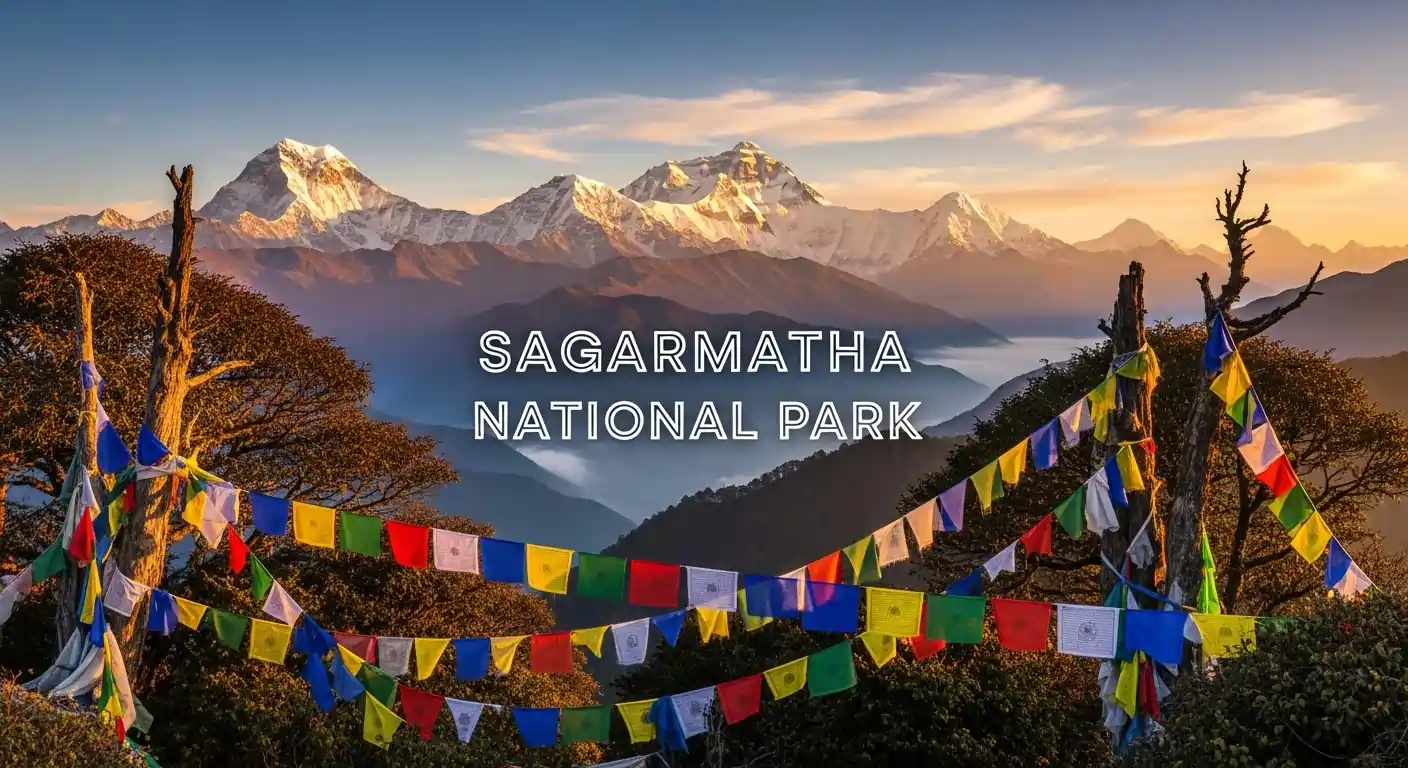
Are you ready to explore a place where the mountains touch the sky and rare wildlife roams free in the shadows of giants? For many, the idea of visiting the world’s highest national park feels like a distant dream, but this incredible landscape is more accessible than you might think. Whether you are a trekker seeking adventure or a nature lover interested in rare species, this region offers a glimpse into one of the most protected and beautiful ecosystems on the planet.
In this blog, we will provide a complete Sagarmatha National Park location and conservation guide to help you plan your visit. We will detail exactly where the park is situated, the importance of its UNESCO status, and the vital work being done to protect its unique plants and animals. By the end of this post, you will understand how to reach this high-altitude paradise and how to travel responsibly while enjoying the ultimate experience of adventure trekking in Nepal.
About Sagarmatha National Park
Sagarmatha National Park is a world-famous protected area in northeastern Nepal that contains the highest peaks on Earth, including Mount Everest. Established on July 19, 1976, it covers an area of 1,148 square kilometers in the Solukhumbu District. The park is managed by the Department of National Parks and Wildlife Conservation and was created to protect the fragile Himalayan ecosystem and the unique culture of the local Sherpa people.
In 1979, the park became a UNESCO World Heritage Site due to its outstanding natural beauty and its importance to the Earth’s evolutionary history. It was the first national park in Nepal to receive this global recognition, highlighting its status as a “crown jewel” of the Himalayas. The park’s landscape includes massive glaciers, deep river valleys, and eight peaks that rise above 7,000 meters, making it a site of international significance for both nature and science.
The cultural and natural significance of the park is deeply rooted in the traditions of the Sherpa community, who have lived here for over five centuries. To the local people, the mountains are sacred, and their Buddhist beliefs play a vital role in protecting the wildlife and forests. This blend of majestic mountain scenery and ancient spiritual heritage makes the park a unique destination where nature and human culture exist in perfect harmony.
Where Is Sagarmatha National Park Located?
Sagarmatha National Park is located in the northeastern part of Nepal within the Solukhumbu District of the Koshi Province. It sits high in the Himalayas and shares a northern border with the Qomolangma National Nature Preserve in Tibet, China. The park is famously home to the southern half of Mount Everest and is surrounded by other massive peaks like Lhotse and Cho Oyu. Because of its remote and rugged mountain location, it is considered one of the most iconic high-altitude destinations in the world.
Sagarmatha National Park Location in Nepal
The Sagarmatha National Park location is situated deep within the Khumbu region, about 135 kilometers away from the capital city of Kathmandu. It covers a vast elevation range that starts at 2,845 meters near the village of Monjo and reaches 8,848 meters at the very top of Mount Everest. This dramatic rise in altitude means the park spans several different climatic zones, from temperate forests to frozen polar peaks. Most travelers reach this remote area by flying into the mountain airstrip at Lukla before trekking north to discover exactly where Everest is and the legendary base camp at its feet.
Sagarmatha National Park Area and Landscape
The total Sagarmatha National Park area covers 1,148 square kilometers of protected land, with an additional 275 square kilometer buffer zone added for extra conservation. The landscape is dominated by extreme terrain, featuring deep river gorges, massive glaciers like the Khumbu and Ngozumpa, and high-altitude glacial lakes. About 69% of the park is made up of barren land and snow, while the rest consists of alpine grazing lands and small forested sections. These physical features create a stunning backdrop of jagged rocks and ice that draws thousands of adventurers every year.
Why Is Sagarmatha National Park Important?
Sagarmatha National Park is important because it protects the world’s highest terrestrial ecosystem and preserves the unique cultural heritage of the Sherpa people. It serves as a vital sanctuary for endangered species like the snow leopard and red panda, which rely on its undisturbed alpine habitats. Additionally, the park acts as a massive “water tower” for Asia, as its glaciers feed major rivers that provide water to millions of people downstream. By balancing environmental protection with sustainable tourism, the park ensures that both nature and local traditions can thrive for future generations.
Importance of Sagarmatha National Park for Nepal
The importance of Sagarmatha National Park for Nepal lies in its role as a premier destination for eco-tourism and a guardian of Himalayan biodiversity. It protects rare plants and animals that are found nowhere else, ensuring that the country’s natural wealth remains intact. For the local Sherpa communities, the park is a sacred landscape where their Buddhist traditions and “Nawa” conservation systems help manage forests and pastures sustainably.
Economically, it provides livelihoods for thousands of guides, porters, and lodge owners, making it a cornerstone of Nepal’s mountain economy. Furthermore, it helps maintain the health of the Dudh Koshi river system, which is essential for agriculture and hydropower in the region.
Global Importance and Conservation Value
On a global scale, Sagarmatha National Park is a critical laboratory for climate research and monitoring the health of Himalayan glaciers. Because the park contains the highest points on Earth, scientists use it to study how rising temperatures affect ice melt and high-altitude weather patterns. Its status as a UNESCO World Heritage Site highlights its value as a place of “outstanding universal value” that belongs to all of humanity.
The park also contributes to global natural heritage by protecting the iconic Mount Everest and promoting international cooperation in mountain conservation. As climate change accelerates, the park’s role in preserving a stable environment for rare species becomes even more significant for global ecological balance.
Sagarmatha National Park Wildlife and Biodiversity
Sagarmatha National Park is home to a unique variety of high-altitude animals and plants that have adapted to the thin air and cold climate. The park acts as a vital sanctuary for several globally endangered species, including the elusive snow leopard and the shy red panda. By protecting these rare animals and their habitats, the park helps maintain the ecological balance of the entire Himalayan range. Its rich biodiversity is one of the main reasons it is recognized as a UNESCO World Heritage site and remains a top destination for nature lovers.
Wildlife Found in Sagarmatha National Park
The Sagarmatha National Park wildlife includes some of the most rare and iconic mammals in the world, living across different elevation zones. You can find predators like the snow leopard and the Tibetan wolf roaming the high rocky slopes in search of prey. In the lower forested areas, the red panda and the Himalayan black bear thrive among the bamboo and thick trees.
- Snow Leopard: An elusive big cat known as the “ghost of the mountains” that lives in high-altitude rocky areas.
- Red Panda: A small, reddish-brown mammal that lives in the temperate forests and feeds mainly on bamboo.
- Himalayan Tahr: A large, goat-like animal with a thick coat that is often seen grazing on steep cliffs.
- Musk Deer: A small deer known for the valuable musk it produces, which lives in the subalpine forests.
- Himalayan Black Bear: A powerful forest dweller that feeds on fruits, roots, and small animals in the lower valleys.
Birdlife and Flora of the Park
The birdlife and flora of Sagarmatha National Park are incredibly diverse, with over 200 bird species and hundreds of unique plants. In the spring, the forests are filled with the bright red blooms of the Rhododendron, which is Nepal’s national flower. As you climb higher, the tall trees disappear and are replaced by dwarf shrubs and colorful alpine wildflowers.
- Himalayan Monal: The stunning national bird of Nepal, famous for its colorful, iridescent feathers.
- Bearded Vulture: A massive bird of prey that can be seen soaring over the high mountain passes.
- Blood Pheasant: A high-altitude bird with distinctive red markings often found in juniper and rhododendron scrubs.
- Silver Birch and Blue Pine: Common trees that form the dense canopy of the park’s lower-elevation forests.
- Medicinal Plants: Rare herbs like Cordyceps (Yarsagumba) and Jatamansi grow in the alpine meadows and are used in traditional medicine.
- Edelweiss: A famous white mountain flower that thrives in the harsh conditions of the upper alpine zones.
How to Reach Sagarmatha National Park from Kathmandu?
You can reach Sagarmatha National Park from Kathmandu by taking a short domestic flight to Lukla or by driving to nearby towns like Salleri or Jiri followed by a trek. The most common and fastest way is a 35-minute flight from Kathmandu or Ramechhap to the Tenzing-Hillary Airport in Lukla. Once you land in Lukla, you begin a two-day trek to reach Namche Bazaar, which is the main gateway into the national park. While the flight is the most popular choice, those who enjoy longer adventures can choose a jeep or bus ride to avoid the small mountain planes. Each option offers a different perspective of the beautiful Nepali landscape and the various airports near Everest.
Kathmandu to Sagarmatha National Park Route Overview
The classic route begins with a scenic flight to Lukla, where you land on a high-altitude airstrip surrounded by peaks. From Lukla, the trail leads you downhill to the village of Phakding for your first night’s stay. The next day, you follow the Dudh Koshi River and cross several suspension bridges before making a steep climb to Namche Bazaar. This vibrant Sherpa town is where you officially enter the heart of Sagarmatha National Park and begin your high-altitude journey. Many trekkers spend an extra day here to help their bodies adjust to the thinner mountain air.
Kathmandu to Sagarmatha National Park Distance
The straight-line aerial distance from Kathmandu to the park is approximately 135 to 140 kilometers. However, the actual trekking distance is much longer because the trails wind through deep valleys and over high ridges. A standard round-trip trek from Lukla to Everest Base Camp covers about 130 kilometers of rugged mountain terrain. Travelers should plan for at least 12 to 14 days to complete the full journey comfortably, including necessary rest days. This slow pace is essential for safety and allows you to fully enjoy the changing scenery along the way.
Sagarmatha National Park from Kathmandu: Travel Options
The most efficient travel option is the “Flight + Trek” combination, which saves time and lands you directly in the mountain region. If you prefer to travel by land, you can take a 10-hour jeep ride to Salleri or a long bus journey to the historic trailhead at Jiri. The Jiri route is often called the “Classic Everest Trek” and adds about a week of walking to your itinerary compared to flying. Another luxury option is a direct helicopter tour from Kathmandu, which can take you to the park in less than an hour. These varied options allow every traveler to choose a path that fits their budget and schedule.
Best Time to Visit Sagarmatha National Park
The best time to visit Sagarmatha National Park is during the spring (March to May) and autumn (September to November) seasons when the weather is most stable. During these peak months, the skies are generally clear, providing breathtaking views of Mount Everest and the surrounding peaks. The temperatures are moderate during the day, making it comfortable for long hours of trekking through the rugged Himalayan terrain. Choosing these windows ensures you avoid the heavy monsoon rains and the extreme, bone-chilling cold of the high-altitude winter.
Spring (March–May)
Spring is a favorite time for many trekkers because the weather gradually warms up and the natural world comes back to life. During these months, you can see the famous rhododendron forests blooming in vibrant shades of red and pink across the lower hills. This is also the primary climbing season for Everest expeditions, so the trails are full of energy and excitement. The days are longer and sunnier, giving you plenty of time to reach your daily destination while enjoying the fresh mountain air.
Autumn (September–November)
Autumn is widely considered the absolute best time to visit the park because the air is incredibly crisp and clear following the monsoon rains. This season offers the highest visibility for photography, with the deep blue sky providing a perfect contrast to the white snow-capped mountains. While the temperatures begin to drop in late November, the daytime hiking conditions remain excellent and stable. It is the busiest time on the trail, but the stunning panoramic views and festive atmosphere in the teahouses make it a top choice for travelers.
Winter and Monsoon Considerations
Visiting during the winter (December–February) or monsoon (June–August) seasons presents significant challenges that require extra preparation and flexibility. Winter brings extreme cold and heavy snow that can block high passes and make trails very slippery, though it offers the quietest experience for those who don’t mind the freezing temperatures. The monsoon season brings daily rain, which often leads to flight cancellations and cloudy views that hide the mountain peaks. Unless you enjoy solitude and are prepared for leeches and muddy paths, these off-seasons are generally avoided by most trekkers.
Popular Treks and Attractions Inside Sagarmatha National Park
Sagarmatha National Park offers a variety of world-class trekking routes that cater to both classic adventure seekers and those looking for hidden gems. Beyond just reaching the foot of Mount Everest, the park is home to turquoise glacial lakes, ancient monasteries, and some of the highest viewpoints on the planet. These attractions provide trekkers with a deep connection to both the raw power of nature and the spiritual traditions of the high Himalayas. Whether you are looking for a famous challenge or a quiet scenic escape, the park’s diverse trails offer something for every mountain lover.
Everest Base Camp Trek
The Everest Base Camp trek is the most famous route in the park, leading you through iconic Sherpa villages like Namche Bazaar and Pangboche. This trek is considered moderately difficult due to the high altitude and steep rocky terrain, but it is achievable for most people with good fitness. Highlights include crossing high suspension bridges, visiting the historic Tengboche Monastery, and finally standing at the base of the world’s highest peak. Most trekkers take about 12 days to complete the journey, allowing for essential rest days to stay healthy. It is a bucket-list experience that offers a close-up look at the Khumbu Icefall and the massive surrounding mountains.
Gokyo Lakes and Everest Viewpoints
The Gokyo Lakes trek is a stunning alternative that takes you to a series of six high-altitude emerald lakes, which are the highest freshwater lakes in the world. For the best panoramic views, many hikers climb Kala Patthar or Gokyo Ri, which offer the most famous sights of Mount Everest, Lhotse, and Makalu. These viewpoints are often preferred over Base Camp itself because they allow you to see the full scale of the peaks from a distance.
The trail to Gokyo is usually quieter than the main Everest path, making it perfect for those seeking a more peaceful mountain experience. Reaching these high ridges requires a tough climb, but the reward is a 360-degree view of the most spectacular landscape on Earth.
Entry Permits and Regulations
To enter Sagarmatha National Park, you must obtain a national park entry permit and a local Khumbu Pasang Lhamu Rural Municipality permit. These regulations are designed to fund conservation efforts and manage the high volume of trekkers visiting the Everest region each year. All visitors are required to carry these documents at all times and present them at various checkpoints along the trail, such as in Monjo and Namche Bazaar. Following these legal requirements is essential for a smooth journey and helps preserve the park’s fragile mountain environment.
Sagarmatha National Park Permit Information
The Sagarmatha National Park entry permit costs NPR 3,000 (approximately USD 23) for foreign nationals and NPR 1,500 for trekkers from SAARC countries. In addition to this, all trekkers must pay a local regional fee of NPR 3,000, which has replaced the old TIMS card system in this specific area. You can easily obtain your national park permit at the Nepal Tourism Board office in Kathmandu or directly at the park’s entrance gate in Monjo. The local Khumbu permit is usually issued at Lukla upon your arrival or at the Monjo checkpoint. It is important to pay these fees in local currency (NPR) and keep your receipts safe throughout your entire trek.
Rules for Conservation and Responsible Travel
Practicing responsible travel inside Sagarmatha National Park ensures that this UNESCO site remains beautiful and healthy for future generations of adventurers. You should follow the “Leave No Trace” principles by carrying out all your trash and avoiding the use of single-use plastic bottles. It is also important to respect the local Sherpa culture by walking clockwise around Mani walls, stupas, and shrines at all times.
- Waste Management: Always use the designated trash bins in teahouses or carry your non-biodegradable waste back to Lukla.
- Wildlife Protection: Keep a safe distance from animals like the Himalayan Tahr and never feed or disturb them.
- Trail Discipline: Stay on the established trekking paths to prevent soil erosion and protect delicate alpine plants.
- Cultural Respect: Ask for permission before taking photos of local people or inside sacred monasteries.
- Water Conservation: Use reusable water bottles and purification tablets instead of buying plastic bottled water.
- Fire Safety: Avoid making open campfires, as wood is a scarce and precious resource in the high-altitude zones.
Local Culture and Communities in Sagarmatha National Park
The local culture of Sagarmatha National Park is primarily defined by the Sherpa people, who have lived in these high-altitude valleys for over 500 years. Their daily lives are deeply connected to Tibetan Buddhism, which teaches a profound respect for the mountains and all living creatures. You will see this spiritual influence everywhere, from the colorful prayer flags fluttering in the wind to the ancient monasteries that serve as the heart of every village. This rich cultural heritage is just as much a part of the park’s identity as the towering peaks themselves.
Sherpa Lifestyle and Traditions
The Sherpa lifestyle is a beautiful blend of ancient traditions and incredible resilience to the harsh mountain environment. Most families follow the Nyingma school of Tibetan Buddhism, which is celebrated through vibrant festivals like Mani Rimdu at the Tengboche Monastery. Daily life often revolves around community-based work, traditional farming of hardy crops like potatoes, and the spiritual practice of walking clockwise around sacred mani walls. Their deep connection to the “Mother Goddess” (Mount Everest) guides their role as protectors of the land and hospitable hosts to visitors from around the world.
Sustainable Tourism and Local Economy
Sustainable tourism is the backbone of the local economy in Sagarmatha National Park, providing essential income through community-run teahouses and guiding services. Many local initiatives focus on “pro-poor” tourism, ensuring that the benefits of your visit reach even the most remote households and support local schools and clinics. By staying in family-owned lodges and hiring local porters, you help fund vital conservation projects like waste management and forest restoration. These community-led efforts ensure that the unique Sherpa way of life continues to flourish while protecting the fragile Himalayan landscape for the future.
Travel Tips for Visiting Sagarmatha National Park
Visiting Sagarmatha National Park is a life-changing experience, but it requires careful planning and a deep respect for the high-altitude environment. You can stay safe by packing high-quality gear, following a strict acclimatization schedule, and staying hydrated with at least four liters of water every day. Most importantly, you must listen to your body and never ignore symptoms like a persistent headache or dizziness, as these are your body’s early warning signs of altitude sickness. By prioritizing your health and moving at a slow, steady pace, you ensure that your journey through the Himalayas is both safe and enjoyable.
Essential travel and safety tips for the park:
- Pack for Layers: The weather changes quickly, so bring moisture-wicking base layers, a warm fleece mid-layer, and a heavy down jacket for the freezing nights.
- Break in Your Boots: Ensure your trekking boots are waterproof and well-broken-in before you arrive to avoid painful blisters on the rocky trails.
- Sleep Low, Climb High: Follow the golden rule of acclimatization by hiking to higher viewpoints during the day but returning to a lower elevation to sleep.
- Carry a First Aid Kit: Always have a personal medical kit with altitude medication (like Diamox), rehydration salts, and basic bandages for minor injuries.
- Avoid Alcohol: Skip alcoholic drinks and smoking while ascending, as they dehydrate your body and make it much harder for your lungs to process oxygen.
- Use Sun Protection: The mountain sun is incredibly strong, so wear a wide-brimmed hat, UV-protected sunglasses, and high-SPF sunscreen to prevent severe burns.
Conclusion
Sagarmatha National Park stands as a remarkable testament to the power of nature and the resilience of human culture at the edge of the world. From its towering peaks and ancient glaciers to the vibrant Sherpa traditions and rare wildlife, the park offers a deep sense of wonder that few other places can match. Protecting this delicate balance of ecological beauty and spiritual heritage is a shared responsibility for every traveler who walks its trails. By visiting with an open heart and a commitment to conservation, you become a part of the park’s ongoing story of survival and majesty.
As you plan your journey to this high-altitude sanctuary, remember that the true value of the trek lies in the moments of connection with the landscape and its people. Whether you are standing at the foot of Mount Everest or sharing a cup of tea in a Namche teahouse, the park leaves a lasting impact on everyone who visits. We encourage you to explore this incredible region with patience, respect, and a focus on sustainable travel to ensure it remains a pristine paradise for generations to come.
Explore more trekking and expedition adventures with the best trekking and expedition company in Nepal to make your Himalayan dreams a reality.
FAQS
How to reach Sagarmatha National Park?
Reach Sagarmatha National Park by flying from Kathmandu to Lukla, then trekking through Phakding and Namche Bazaar to enter the park.
When was Sagarmatha National Park established?
Sagarmatha National Park was established in 1976 to protect the Himalayan ecosystem, including Mount Everest and surrounding high-altitude landscapes.
Where is Sagarmatha National Park?
Sagarmatha National Park is located in northeastern Nepal’s Solukhumbu district, covering the Everest region along the Nepal–Tibet border.
How to go to Sagarmatha National Park from Kathmandu?
Travel from Kathmandu to Sagarmatha National Park by taking a domestic flight to Lukla, followed by a multi-day trek into the park.
When was Sagarmatha National Park enlisted in the World Heritage List?
Sagarmatha National Park was enlisted as a UNESCO World Heritage Site in 1979 due to its outstanding natural beauty and global ecological value.
How can we go to Sagarmatha National Park?
Go to Sagarmatha National Park via flight to Lukla from Kathmandu or Ramechhap, then trek through established Everest region trekking routes.
Where does Sagarmatha National Park established?
Sagarmatha National Park was established in the high Himalayan region of Solukhumbu, Nepal, encompassing Mount Everest and surrounding alpine terrain.

Ready for your next Himalayan adventure?
Plan Your Next Big Adventure with Us
Explore Our AdventuresJoin our expert-guided journeys across Nepal and beyond, from classic trails to epic summits.