Kala Patthar: Ultimate Guide to Everest Views
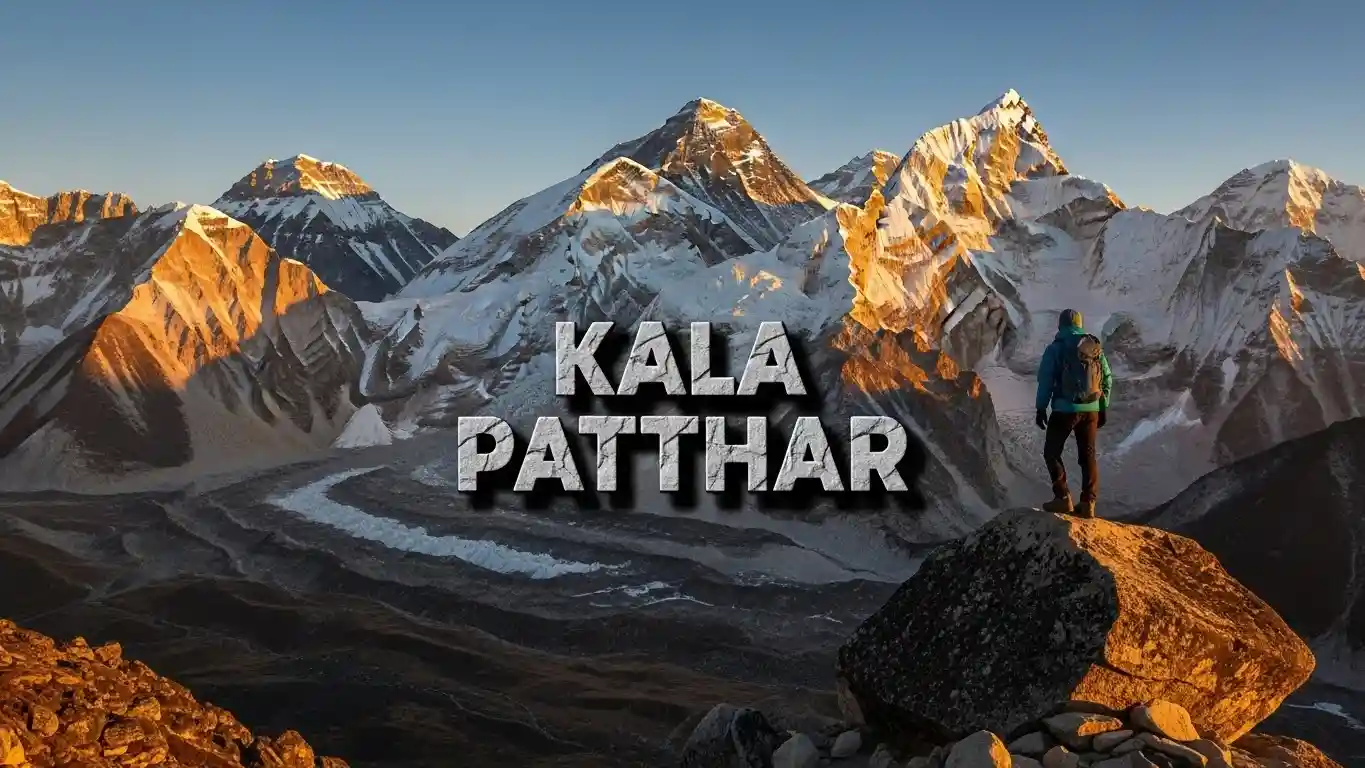
Ever wondered where trekkers capture the clearest and closest view of Mount Everest without climbing the peak itself? Kala Patthar stands as the most famous viewpoint in the Everest region, offering unmatched Himalayan panoramas. This rocky summit challenges stamina, tests breathing at high altitude, and rewards effort with iconic Everest scenery. Many consider this climb the visual highlight of the Everest Base Camp journey.
In this guide, Kala Patthar coverage includes elevation, height, trekking route, weather conditions, difficulty level, and preparation tips. You will learn how to reach the summit from Gorakshep, understand altitude challenges, and discover why Everest from Kala Patthar appears more dramatic than from base camp. This blog prepares trekkers for a safe, memorable, and rewarding high-altitude viewpoint experience, making it an essential addition to any Everest expedition.
What Is Kala Patthar?
Kala Patthar is a rocky viewpoint located above Gorakshep in Nepal’s Everest region, famous for offering the best close-range view of Mount Everest. Unlike Everest Base Camp, this summit provides a clear, unobstructed sight of Everest’s peak along with Nuptse and Changtse. The name “Kala Patthar” means black rock, reflecting the dark stone surface that forms the summit ridge. Trekkers climb this point to experience Mount Everest from Kala Patthar without entering technical climbing terrain.
Kala Patthar holds strong significance for Everest trekkers because Everest Base Camp itself does not offer a full frontal view of the mountain. From this summit, Everest appears taller and more defined, making it the most photographed location in the region. The viewpoint also reveals sweeping vistas of the Khumbu Glacier and surrounding Himalayan giants. For many, reaching Kala Patthar marks the true visual climax of the Everest Base Camp trek.
Kala Patthar Elevation and Height
Kala Patthar stands at an elevation of 5,545 meters (18,192 feet) above sea level. This height places the viewpoint higher than Everest Base Camp, making it one of the highest trekking viewpoints in Nepal. Many trekkers ask how high is Kala Patthar because its altitude creates both challenge and reward. The Kala Patthar elevation allows a clearer and more direct view of Mount Everest than nearby trekking stops. Standing at this height feels like being face-to-face with the world’s tallest mountain.
Why height makes it an ideal acclimatization and trekking point?
The Kala Patthar height exposes trekkers to thinner air, helping the body adapt before returning to lower elevations. This gradual exposure improves breathing efficiency and strengthens altitude tolerance. Since the climb starts from Gorakshep, trekkers gain elevation steadily without technical climbing. The height of Kala Patthar also pushes physical limits safely under guided trekking conditions. Spending time at this altitude builds confidence and endurance. Reaching this point helps many trekkers feel prepared for future high-altitude adventures. The experience also mentally prepares trekkers for the challenges of extreme mountain environments.
How to Reach Kala Patthar?
You can reach Kala Patthar by trekking through the Everest Base Camp route, with Gorakshep as the final overnight stop. Most trekkers begin the journey from Lukla, pass through Namche Bazaar, and follow the classic EBC trail. The Kala Patthar trek is usually done early in the morning from Gorakshep for the best views. This route is the most popular way to reach Kala Patthar in Nepal, providing a detailed guide on how to go to Everest for those seeking well-planned high-altitude itineraries.
Starting Points: Gorakshep and Everest Base Camp
Gorakshep is the main starting point for the Kala Patthar climb, located just below the summit viewpoint. Trekkers usually hike from Lobuche to Gorakshep, rest, and then ascend Kala Patthar. While Everest Base Camp itself does not directly lead to the summit, it is often combined in the same itinerary. The Everest Base Camp and Kala Patthar trek together offer both the iconic base camp experience and the best panoramic views. Most trekkers complete EBC first, then climb Kala Patthar the following day.
Trail Overview: Gorak Shep to Kala Patthar Trek
The Gorak Shep to Kala Patthar trek is short but steep, taking around 2–3 hours to ascend. The trail is rocky, uneven, and exposed to cold winds, especially in the early morning. Despite its difficulty, the path is well-marked and commonly used by trekkers. Slow and steady pacing is essential due to the high altitude. The final section is the steepest but rewards trekkers with unmatched Himalayan views.
Trekking Options and Difficulty Levels
The Kala Patthar trekking route is considered moderately difficult due to altitude rather than technical challenges. No climbing equipment is required, but good fitness and acclimatization are important. Trekkers can join guided group treks, private treks, or go with porters for support. Beginners with proper preparation can complete the trek successfully. The difficulty increases mainly because of thin air and cold temperatures rather than trail complexity.
Best Time to Visit Kala Patthar
The best time to visit Kala Patthar is during Nepal’s main trekking seasons—spring (March to May) and autumn (September to November). These months offer stable weather, clear skies, and excellent mountain visibility. Trekkers experience safer trail conditions and more predictable temperatures during this period. The best trekking season for Kala Patthar also ensures a higher chance of unobstructed Everest views. Visiting in peak season allows better planning and acclimatization.
Seasonal Breakdown for Optimal Trekking and Photography
Spring is ideal for trekking as temperatures gradually rise and rhododendrons bloom along the lower trails. Autumn provides crisp air, minimal cloud cover, and the sharpest mountain photography conditions. Winter brings extreme cold and strong winds, making the climb challenging despite fewer crowds. The monsoon season has heavy snowfall and cloud cover, reducing visibility and increasing risks. For photography lovers, autumn mornings offer the clearest light and contrast. Overall, spring and autumn remain the most reliable seasons.
Weather Conditions and View of Everest from Kala Patthar
The weather at Kala Patthar changes rapidly due to high altitude and exposure. Early mornings are cold but provide the clearest view of Everest from Kala Patthar, often above cloud level. Daytime winds can increase, reducing comfort and visibility. Clear weather reveals panoramic views of Everest, Nuptse, Pumori, and surrounding peaks. Cloudy or windy conditions may block the summit view within minutes. Choosing a calm, clear morning greatly improves the experience.
Kala Patthar Trek Route and Distance
The Kala Patthar trek is a short but steep climb beginning from Gorakshep, the final stop before Everest Base Camp. Although the distance is only a few kilometers, the high altitude and rugged terrain make it physically demanding. Trekkers get close-up views of Everest, Nuptse, and the Khumbu Icefall along the way. Many combine this hike with an Everest Base Camp trek to experience both iconic locations. The trail is clearly marked but requires steady pacing due to thin air and rocky footing.
Route from Gorakshep to Kala Patthar
The Gorakshep to Kala Patthar route covers about 3-4 km one way with an elevation gain of 300-350 meters. Trekkers usually take 2-3 hours to reach the summit, depending on fitness and acclimatization. The trail consists of rocky paths, loose gravel, and exposed ridges. Early mornings are cold and winds can make the climb more challenging. While this path is for trekkers, it offers a glimpse into the logistics involved in major Everest climbing routes, and the well-marked, gradual ascents help trekkers adjust to the high altitude.
Walking Time, Elevation Gain, and Trail Conditions
The climb demands steady pacing due to steep inclines and thin air. The trail includes short, rocky sections and uneven surfaces, requiring proper footwear and care while walking. Trekkers should allocate time for short breaks to acclimatize. Early mornings offer the calmest weather and best visibility for views. While physically challenging, the trail is manageable for moderately fit trekkers prepared for high-altitude conditions.
Key Landmarks Along the Way
Several natural landmarks enhance the trek’s experience. Trekkers pass the ridge above Gorakshep, offering the first stunning views of Everest. Glacial moraines along the path provide natural rest points and photography spots. Panoramic viewpoints along the ascent reveal Everest from Kala Patthar, Nuptse, Pumori, and surrounding Himalayan peaks. The final steep slope leads to Kala Patthar’s summit, the highest and most iconic viewpoint of the trek. Each landmark allows trekkers to rest, acclimatize, and capture memorable photographs of the Everest region.
Difficulty and Preparation for Kala Patthar
The Kala Patthar hike is considered moderately difficult due to its high altitude rather than technical challenges. Trekkers face steep, rocky trails and thin air, making the climb physically demanding. Proper fitness, stamina, and prior acclimatization are essential for a safe ascent. Despite being a short trek from Gorakshep, the altitude of Kala Patthar tests breathing and endurance. Preparation, pacing, and high-altitude awareness are crucial for a successful and enjoyable experience.
Difficulty of Kala Patthar Hike and Physical Requirements
The Kala Patthar difficulty stems from altitude and steep ascents rather than technical climbing. Trekkers need good cardiovascular fitness and leg strength for the short but strenuous hike. Walking sticks and sturdy hiking boots help navigate rocky and uneven paths. The trail is manageable for those with prior trekking experience or acclimatization at Everest Base Camp. Trekkers should expect slower pacing to cope with thinner air and reduced oxygen levels.
Acclimatization Tips for High-Altitude Trekking
Since Kala Patthar reaches 5,545 meters (18,192 feet), proper acclimatization is critical. Spending a night at Gorakshep before the climb helps the body adjust. Slow ascent, frequent breaks, and hydration reduce the risk of altitude sickness. Trekkers can also practice breathing exercises and limit heavy exertion during the climb. Monitoring symptoms like headache, nausea, or dizziness is essential for safe trekking.
Gear, Clothing, and Essentials
Trekkers should wear layered clothing suitable for freezing early mornings and strong winds. Insulated jackets, gloves, hats, and thermal layers are essential. Sunglasses and sunscreen protect against intense UV exposure at high altitude. Trekking poles, sturdy boots, and a small daypack for water, snacks, and personal items are recommended. Carrying a camera is optional but highly advised for capturing panoramic views of Everest and surrounding peaks.
Accommodation and Facilities Near Kala Patthar
Most trekkers stay at Gorakshep, the last settlement before Kala Patthar and Everest Base Camp. Gorakshep offers basic teahouses and lodges suitable for high-altitude trekking. Accommodation is simple, often with shared rooms, limited hot water, and heating facilities. Staying here allows an early morning start for Kala Patthar EBC hikes. Despite modest comforts, Gorakshep provides everything needed for a safe and convenient overnight stay.
Staying at Gorakshep: Teahouses and Lodges
Teahouses and lodges in Gorakshep provide rooms with bedding, blankets, and basic furniture. Most lodges have common dining areas and offer local and international meals. Prices are higher than lower-altitude stops due to transport challenges. Bookings are recommended in peak seasons, as Gorak Shep to Kala Patthar trekkers often fill available space. Early arrival ensures room choice and rest before the summit hike.
Food, Water, and Electricity Availability
Food options at Gorakshep include rice, noodles, soups, and simple Western dishes. Water is available but usually boiled or treated; carry purification tablets for safety. Electricity is limited and often charged per device. Solar panels are common, but power cuts occur frequently. Hot water showers are rare, so trekkers should be prepared for cold conditions.
Tips for Overnight Stays
Arrive early to rest and acclimatize before the Kala Patthar trek. Keep clothing layers ready for freezing nights and wind. Carry snacks, water, and headlamps for convenience. Booking teahouses in advance during spring and autumn ensures availability. Limit physical exertion after arrival to help the body adjust to high altitude. A good night’s sleep is essential for a safe early-morning climb.
Safety Tips and Altitude Sickness Risks
Kala Patthar’s high altitude of 5,545 meters (18,192 feet) presents risks of altitude sickness even for experienced trekkers. The combination of thin air, cold temperatures, and steep ascents makes safety precautions essential. Understanding your limits, acclimatizing properly at Gorakshep, and maintaining steady pacing are crucial. Awareness of Kala Patthar elevation and physical readiness can prevent serious health issues during the climb.
Common Symptoms at High Altitude of Kala Patthar
At this altitude, trekkers may experience headache, nausea, dizziness, shortness of breath, and fatigue. Symptoms usually appear during rapid ascents or insufficient acclimatization. Mild cases can be managed with rest, hydration, and slow pacing. Severe symptoms, including vomiting or confusion, require immediate descent to lower altitude. Monitoring your body and recognizing early signs is critical for a safe trek.
Emergency Response and Descent Options
Emergency options are limited near Kala Patthar due to remote location. Trekkers must descend to Gorakshep or further to lower elevations if severe altitude sickness occurs. Helicopter evacuations are possible but depend on weather conditions and availability. Communication devices like satellite phones can be lifesaving. Traveling with a guided trekking group ensures prompt support in emergencies.
Best Practices to Stay Safe During Sunrise Hikes
Early morning climbs to Kala Patthar are popular for sunrise views but can be cold and windy. Dress in layered clothing, wear gloves and headgear, and use trekking poles for stability. Move at a slow, steady pace to reduce strain and risk of altitude sickness. Hydrate adequately and carry snacks for energy. Checking weather conditions and starting before dawn improves both safety and visibility.
Sunrise and Photography Opportunities at Kala Patthar
Kala Patthar is the ultimate viewpoint for capturing Everest from Kala Patthar, especially during sunrise when the first light illuminates the peak. The high vantage point offers unobstructed panoramic views of Everest, Nuptse, Lhotse, and the surrounding Himalayas. Early mornings provide the clearest skies, making it ideal for photography. Trekkers and photographers consider this the most rewarding visual experience of the Everest Base Camp trek.
Best Time to Capture View of Everest from Kala Patthar
The best time for photography is pre-dawn to early morning, around 5–7 AM. During this period, sunlight casts golden hues on Everest and nearby peaks. Weather is generally calm, and cloud cover is minimal, providing excellent visibility. Clear skies and soft morning light enhance depth and detail in photographs. The calm morning air also ensures steadier shots without wind interference. Planning the climb to reach Kala Patthar before sunrise maximizes the chance of perfect shots of the view of Everest from Kala Patthar.
Tips for Photographers on High-Altitude Shoots
Carry a lightweight camera or DSLR with extra batteries, as cold reduces battery life. Use a tripod for stability on rocky terrain. Protect equipment from dust, wind, and freezing temperatures. Shoot in RAW format for better post-processing flexibility. Wide-angle lenses capture panoramic Himalayan views, while telephoto lenses help focus on Everest details. Early preparation and quick setup allow photographers to make the most of fleeting sunrise moments. Layered clothing keeps you warm, enabling longer, comfortable photography sessions.
Conclusion
Kala Patthar offers one of the most rewarding experiences on the Everest Base Camp trek. Its high vantage point provides unparalleled views of Mount Everest, Nuptse, and surrounding peaks, making it a must-visit for trekkers and photographers. Despite being a short trek from Gorakshep, the altitude, steep terrain, and cold conditions demand proper preparation, acclimatization, and pacing.
With careful planning, the Kala Patthar trek is accessible to moderately fit trekkers and can serve as an excellent introduction to high-altitude trekking. Following safety guidelines, carrying appropriate gear, and respecting the environment ensures a memorable and safe adventure in the heart of the Himalayas.
FAQs About Kala Patthar
What is the height of Kala Patthar?
Kala Patthar stands at 5,545 meters (18,192 feet) above sea level, offering stunning views of Everest and surrounding peaks.
How long does it take to hike Kala Patthar?
The trek from Gorakshep usually takes 2–3 hours one way, depending on fitness, weather, and acclimatization.
Can beginners trek Kala Patthar?
Yes, moderately fit beginners can trek Kala Patthar with proper acclimatization and guidance from experienced guides.
What gear is needed for Kala Patthar?
Essential gear includes layered clothing, trekking boots, gloves, hats, trekking poles, water, snacks, and a camera.
When is the best time to visit Kala Patthar?
The ideal seasons are spring (March–May) and autumn (September–November) for clear skies and panoramic views.
How high is Kala Patthar compared to Everest Base Camp?
Kala Patthar is approximately 300–350 meters higher than Everest Base Camp, providing better summit views of Everest.
Is Kala Patthar safe for first-time trekkers?
Yes, it is safe with proper acclimatization, pacing, and following high-altitude safety guidelines.
How to reach Kala Patthar from Gorakshep?
Trek from Gorakshep along a marked rocky path, taking 2–3 hours to reach the summit for sunrise views.

Ready for your next Himalayan adventure?
Plan Your Next Big Adventure with Us
Explore Our AdventuresJoin our expert-guided journeys across Nepal and beyond, from classic trails to epic summits.