
Best Mountains to Climb Around the World
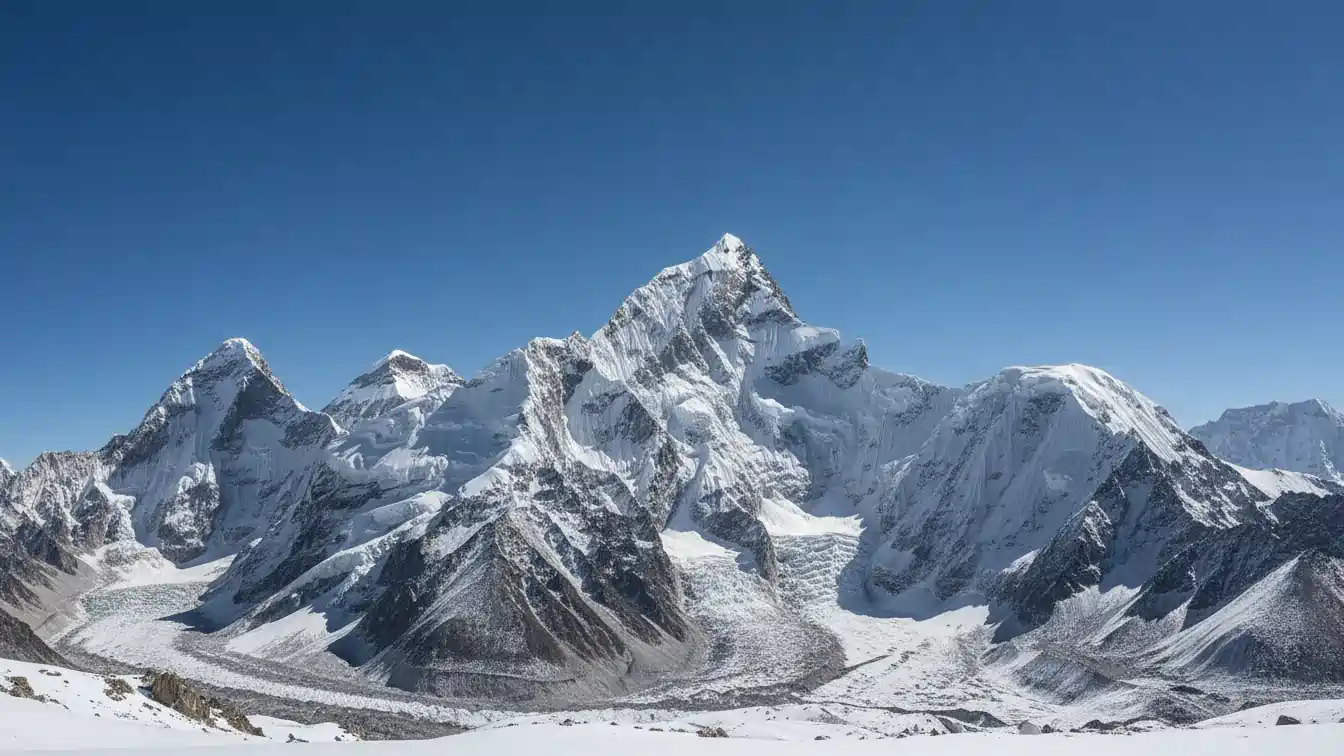
Mountains around the world offer unmatched adventure, challenging terrain, and breathtaking views. Climbers face a mix of high-altitude peaks, technical routes, and trekking-friendly summits that test endurance, skill, and determination.
In this blog, we explore the best mountains to climb around the world, including Everest, K2, Kilimanjaro, Mont Blanc, and Denali. We also cover preparation tips, necessary permits, ideal climbing seasons, and how to choose the right expedition company for a safe and successful ascent.
Overview of Mountain Climbing Globally
Mountain climbing worldwide ranges from high-altitude technical peaks to trekking-friendly summits. High-altitude mountains demand advanced skills, physical endurance, and careful acclimatization, while trekking peaks are accessible to less experienced climbers and focus more on endurance than technical expertise. Both types offer unique challenges and opportunities for adventure, attracting climbers of varying skill levels.
Technical mountains require knowledge of ice, rock, and mixed climbing, often involving ropes, crampons, and specialized equipment. Trekking peaks, on the other hand, generally follow marked routes with minimal technical obstacles but still test stamina and resilience. Globally, mountaineering appeals to those seeking adventure, personal achievement, and the experience of exploring some of the world’s most spectacular landscapes.
What are the Best Mountains to Climb Around the World?
The best mountains to climb around the world include Mount Everest, K2, Kilimanjaro, Mont Blanc, and Denali. These peaks offer a combination of extreme altitudes, technical challenges, and trekking experiences that attract climbers globally. Each mountain provides unique adventure opportunities, requiring preparation, experience, and careful timing for a successful ascent. Whether aiming for the highest summits or accessible trekking peaks, these mountains represent the ultimate goals for mountaineers and adventure seekers alike.
Related Blog: https://marveltreks.com/best-mountains-to-climb-in-nepal/
Mount Everest (Nepal)
Mount Everest, the highest peak in the world at 8,848 meters, sits on the border between Nepal and the Tibet Autonomous Region of China. Known as the ultimate mountaineering challenge, it draws climbers globally who seek to conquer the tallest summit. Everest features technical obstacles such as the Khumbu Icefall, Western Cwm, and Hillary Step, each requiring careful navigation and acclimatization.
Climbers generally attempt the South Col route from Nepal, known for fixed ropes and established camps, or the North Ridge from Tibet, which involves long snow ridges and exposure to strong winds. The best seasons are spring (April–May) and autumn (September–October), offering more stable weather and safer climbing conditions. Everest expedition requires months of preparation, high-altitude training, supplemental oxygen, and permits from the Nepalese or Chinese authorities. Professional guides and Sherpa support are critical for route management, load carrying, and high-altitude safety.
K2 (Pakistan)
K2, the world’s second-highest mountain at 8,611 meters, lies in the Karakoram range, straddling Pakistan and China. Known as the “Savage Mountain”, it is far more technically challenging than Everest due to steep rock and ice slopes, narrow ridges, and high avalanche risk. Its climbing routes demand mastery in mixed climbing, ice, and rock techniques, as well as advanced route-finding skills.
The most favorable climbing window is July to early August, when weather conditions are relatively calmer. Only highly experienced climbers with prior 7,000–8,000m summit experience should attempt K2. Expeditions in K2 require advanced technical climbing skills, extensive physical conditioning, mental resilience, and meticulous logistical planning. Avalanches, serac falls, and minimal rescue options make summit attempts extremely high-risk, emphasizing the need for expert guides and careful timing.
Kilimanjaro (Tanzania)
Kilimanjaro, Africa’s highest peak at 5,895 meters, is located in Tanzania and is unique for its non-technical trekking routes. Climbers traverse diverse ecosystems, including rainforest, alpine desert, and glaciers, experiencing both physical and environmental challenges. Popular routes include Marangu, Machame, Lemosho, and Rongai, offering varying lengths, difficulty, and scenic diversity.
The best time to climb is during dry seasons, January–March and June–October, providing clear skies and safer trekking conditions. Though Kilimanjaro is non-technical, altitude sickness is a significant concern, requiring careful acclimatization. Guided treks include porters, meals, and camp setup, allowing climbers to focus on stamina and high-altitude adaptation.
Mont Blanc (France/Italy)
Mont Blanc, standing at 4,808 meters, is the tallest peak in the Alps, located on the France–Italy border. It presents climbers with classic alpine challenges, including snow, ice, rock ridges, and crevasse navigation. Popular routes include the Gouter Route, known for its fixed ropes and high mountain huts, and the Three Monts Route, offering a more technical alpine traverse.
The best climbing period is June to September, when conditions are most stable and daylight is longer. Climbers must be prepared for sudden storms, icefall hazards, and rapid temperature changes. Professional guides enhance safety, provide route expertise, and assist with navigation, while mountain huts along the ascent allow climbers to rest and manage supplies effectively.
Denali (USA, Alaska)
Denali, North America’s highest peak at 6,190 meters, is located in Alaska and is renowned for its extreme cold, remote location, and technical difficulty. Climbers encounter glacier travel, crevasse navigation, high-altitude endurance challenges, and severe sub-zero temperatures. The West Buttress route is the most frequently used path, combining steep snow climbs with glacier crossings.
The best season for Denali is May to early July, when weather is relatively stable, and daylight is extended. Denali Expeditions require careful logistics planning, including food, fuel, tents, and medical support, alongside experienced guides and acclimatization strategies. Climbers face isolation, strong winds, and extreme cold, making preparation, high-altitude training, and team coordination essential for safety and successful summit attempts.
Some Other Famous Mountains You Can Climb
The other famous mountains you can climb include Ismoil Somoni Peak, Mount Elbrus, Mount Vinson, and Puncak Jaya. These peaks offer diverse challenges, from technical alpine climbs to trekking-friendly summits. Each mountain has unique environmental conditions, including extreme cold, tropical terrain, or high-altitude glaciers. Climbers must prepare with proper training, gear, and acclimatization to safely tackle these global peaks. Guided expeditions help manage logistics, safety, and route expertise for successful ascents.
Ismoil Somoni Peak (Tajikistan)
Ismoil Somoni Peak, formerly known as Communism Peak, is the highest mountain in Tajikistan at 7,495 meters, located in the Pamir range. It presents a mix of steep snow and ice slopes, making it a technically challenging climb that demands prior high-altitude experience.
During an Ismoil Somoni expedition, climbers face alpine conditions with rapidly changing weather, crevasses, and glacial travel. The best season for ascent is June to September, when weather is more stable. Expeditions require careful acclimatization, experienced guides, and proper gear for extreme high-altitude conditions.
Mount Elbrus (Russia)
Mount Elbrus, at 5,642 meters, is Europe’s highest peak, located in the Caucasus Mountains of Russia. Its climbing routes include trekking paths suitable for beginners as well as more technical climbs for experienced mountaineers.
When planning an Elbrus climbing trip, popular approaches such as the South Route provide cable car access and huts, while the North Route offers more technical challenges. The best climbing period is June to September, with snow-covered peaks and clear skies. Climbers should prepare for cold temperatures, high winds, and glacier navigation.
Mount Vinson (Antarctica)
Mount Vinson, Antarctica’s highest peak at 4,892 meters, is extremely remote and rarely climbed due to its isolation and harsh conditions. Temperatures can drop below -30°C, and strong winds create additional hazards for climbers.
Vinson expeditions require meticulous planning, including transport via ski-equipped aircraft, specialized cold-weather gear, and satellite communication for safety. The optimal climbing window is December to January, during the Antarctic summer, when daylight is continuous and conditions are relatively milder.
Puncak Jaya (Indonesia)
Puncak Jaya, also known as Carstensz Pyramid, is the highest peak in Oceania at 4,884 meters, located in Indonesia’s Papua province. It combines tropical jungle approaches with technical rock climbing near the summit, creating a unique challenge for mountaineers.
Climbers face high humidity, dense forests, and steep rock walls, requiring both trekking endurance and rock-climbing skills. The best period for ascent is April to November, avoiding heavy rains and slippery conditions. Guided Puncak expeditions provide logistics, local permits, and technical support for summit attempts.
How to Prepare for Mountain Climbing Globally?
To prepare for mountain climbing globally, climbers must build physical endurance, gain technical skills, and plan for high-altitude conditions. Proper acclimatization, route knowledge, and specialized gear are essential for safety and success. Training and preparation vary depending on the difficulty, altitude, and climate of each mountain, whether trekking-friendly or technical. Guided expeditions can help ensure logistics, permits, and safety measures are properly managed.
Physical Training and Endurance
Climbers should focus on cardiovascular fitness, strength, and flexibility to handle long ascents, heavy packs, and sustained physical effort. Endurance training, including running, hiking, and stair climbing, helps prepare the body for high-altitude exertion. Strength exercises targeting legs, core, and back improve stability and climbing efficiency on steep slopes.
Technical Skills and Prior Experience
Technical peaks require rock, ice, and mixed climbing skills, as well as prior high-altitude experience. Learning rope handling, crampon use, and belaying techniques is crucial for safety on glaciers and steep ridges. Experience on smaller or intermediate peaks builds confidence and prepares climbers for the challenges of major global mountains.
Acclimatization and Altitude Planning
Proper acclimatization reduces the risk of altitude sickness and improves performance at high elevations. Climbers should schedule gradual ascents, rest days, and possible rotations between camps. Monitoring oxygen levels, hydration, and recognizing early symptoms of altitude-related illnesses are key components of altitude planning.
Gear and Equipment Preparation
Essential gear includes mountain boots, crampons, ice axes, ropes, harnesses, and appropriate clothing for varying climates. Additional items like tents, stoves, and medical kits ensure safety during expeditions. Preparing equipment in advance and testing it in training climbs prevents failures during high-altitude ascents.
Necessary Permits for Mountain Climbing
To climb mountains globally, obtaining necessary permits is essential for legal access, safety, and conservation compliance. Requirements vary by country, mountain, and route, often involving government-issued permits, fees, and documentation. Climbers must also adhere to local environmental regulations and may need liaison officers for high-altitude expeditions. Proper permit planning ensures smooth logistics, legal compliance, and reduced risks during climbs.
Country-Specific Permit Requirements
Mountains like Everest, K2, Kilimanjaro, Mont Blanc, and Denali each have specific permit requirements. For Everest and K2, climbers must obtain official permits from Nepalese or Pakistani authorities, including fees based on peak height and expedition size. Kilimanjaro requires a national park entry permit, while Mont Blanc may involve Alpine Club notifications and regional fees. Denali expeditions require permits from the National Park Service, often with limited seasonal allocations.
Environmental Fees and Local Regulations
Most countries charge environmental or conservation fees to protect ecosystems and maintain climbing infrastructure. Climbers must follow rules regarding waste management, restricted zones, and camping practices. These regulations help minimize environmental impact and preserve the mountain for future generations.
Liaison Officers and Documentation
Some peaks, particularly high-altitude or politically sensitive mountains, require a liaison officer or official guide to accompany the expedition. Liaison officers ensure compliance with local regulations, coordinate with authorities, and provide assistance in emergencies. Documentation may include climber details, expedition plans, and emergency contacts, improving overall safety and legal adherence.
Best Times to Climb Mountains Around the World
The best time to climb mountains around the world depends on altitude, weather, and route conditions. Seasonal windows provide safer conditions, better visibility, and higher chances of successful summits. Timing varies for technical peaks, trekking mountains, and remote expeditions, with careful planning essential to avoid storms and extreme temperatures. Understanding optimal climbing periods helps climbers prepare logistics, permits, and acclimatization schedules.
Everest and K2 Seasons
The ideal climbing window for Everest is spring (April–May) and autumn (September–October), when weather is relatively stable with moderate winds and clear skies. K2 has a narrower window, usually July to early August, due to extreme storms and avalanche risks. Climbers must monitor weather forecasts closely, as sudden changes can endanger the ascent.
Kilimanjaro and Mont Blanc Seasons
Kilimanjaro is best climbed during the dry seasons, January-March and June-October, offering clear paths and reduced rainfall. Mont Blanc climbing season is June to September, when snow is firmer and risks of avalanches or storms are lower. Temperature variations and weather forecasts should guide route planning and daily schedules.
Denali Season
Denali has a short climbing window from May to early July, when daylight is longest and weather is somewhat stable. Outside this period, extreme cold, high winds, and storms make climbing nearly impossible. Careful timing is essential to maximize safety, minimize risk, and allow for proper acclimatization.
Factors Affecting Timing
Yearly weather patterns, route conditions, and mountain congestion significantly affect summit success. High-altitude expeditions require flexibility to adjust for storms, crevasse risks, and unexpected hazards. Crowds at popular peaks like Everest and Kilimanjaro can also influence timing, making early season or alternative routes advantageous.
How to Choose the Right Expedition Company?
To choose the right expedition company, like Marvel Treks, select one with proven global mountain experience, strong safety protocols, and local expertise. The right company ensures proper planning, logistical support, and professional guidance for both technical peaks and trekking summits. Reliable operators enhance safety, manage permits, and optimize chances of a successful ascent.
Experience and Track Record
An expedition company should have a demonstrated history of successful climbs on global peaks such as Everest, K2, Denali, and Kilimanjaro. Experienced teams understand route conditions, seasonal challenges, and altitude risks, which reduces hazards and increases success rates. Client testimonials, prior expedition reports, and the number of guided summits are key indicators of reliability.
Safety Protocols and Medical Support
Professional operators provide comprehensive safety protocols, including emergency evacuation plans, high-altitude medical support, and real-time weather monitoring. Teams are trained to handle altitude sickness, injuries, and unpredictable mountain conditions. Availability of supplemental oxygen, first-aid equipment, and communication devices ensures climbers can respond effectively to emergencies.
Logistics and Local Knowledge
A reputable company manages permits, transportation, base camp setups, and route coordination. Local guides and Sherpa support provide crucial knowledge of terrain, weather patterns, and cultural considerations. Proper logistics reduce stress, ensure efficient acclimatization, and allow climbers to focus on the ascent rather than operational details.
Conclusion
Climbing the world’s best mountains, from Everest and K2 to Kilimanjaro, Mont Blanc, and Denali, requires careful preparation, skill, and planning. Each peak presents unique challenges, including extreme altitude, technical terrain, and variable weather, making physical training, acclimatization, and gear readiness essential for success. Understanding the best seasons, permit requirements, and route conditions improves safety and increases the likelihood of a successful summit.
Choosing a reputable expedition company like Marvel Treks enhances every aspect of the climb, from logistics and permits to safety and local guidance. With proper preparation, support, and respect for environmental regulations, climbers can enjoy a rewarding global mountaineering experience while minimizing risks and maximizing the adventure.
FAQS
Which are the best mountains to climb around the world?
The best mountains include Everest, K2, Kilimanjaro, Mont Blanc, and Denali, offering a mix of technical and trekking challenges.
What is the easiest mountain to climb globally?
Kilimanjaro is the easiest among high peaks, with non-technical trekking routes suitable for beginners.
When is the best time to climb Everest or K2?
Everest: April–May and September–October; K2: July to early August for optimal weather and safer conditions.
Do I need permits for all global mountain climbs?
Yes, mountains like Everest, K2, Kilimanjaro, Mont Blanc, and Denali require official permits and adherence to local regulations.
How should I prepare physically for global mountain climbing?
Focus on cardiovascular fitness, strength, flexibility, and high-altitude endurance, along with technical skills for challenging peaks.
Which mountains require advanced technical skills?
Everest, K2, Mont Blanc, and Denali require technical climbing experience, ice and rock skills, and prior high-altitude expeditions.
Can beginners climb any of these mountains?
Yes, beginners can attempt Kilimanjaro or certain Mont Blanc routes, preferably with professional guides and acclimatization planning.
How do I choose the right expedition company?
Select a company with global mountain experience, strong safety protocols, local expertise, and successful expedition records.

Ready for your next Himalayan adventure?
Plan Your Next Big Adventure with Us
Explore Our AdventuresJoin our expert-guided journeys across Nepal and beyond, from classic trails to epic summits.