

Hardest Mountain to Climb in Nepal: Complete Guide
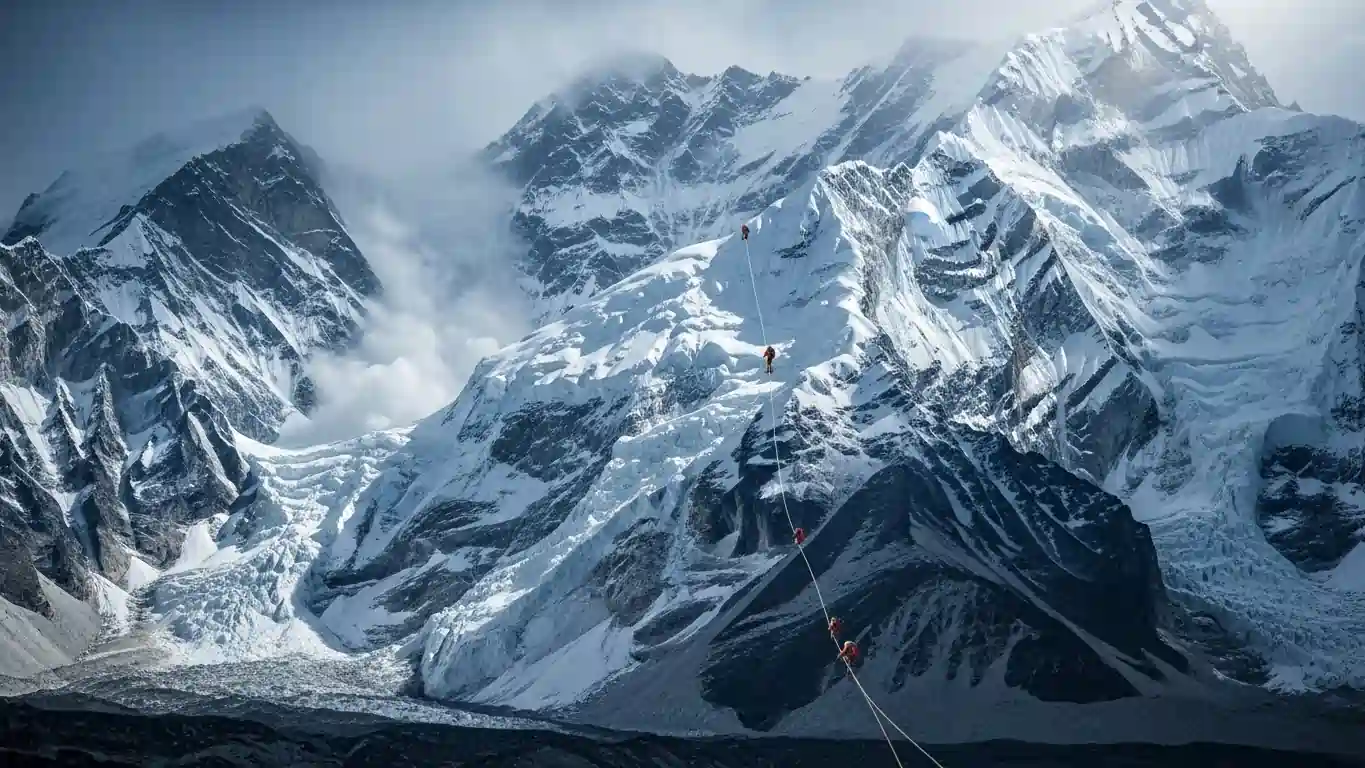
Climbing in Nepal is a dream for many adventurers, but it comes with extreme challenges that test physical endurance, technical skills, and mental strength. High altitudes, unpredictable weather, avalanches, and remote locations make some mountains far more dangerous than others, leaving many climbers wondering which peak is truly the hardest to conquer.
In this blog, the hardest mountain to climb in Nepal is explored in detail. We will discuss what makes a mountain difficult, highlight the most dangerous peaks, explain technical and environmental challenges, and provide guidance for those considering these extreme Himalayan adventures.
What Makes a Mountain Hard to Climb?
Several factors make a mountain hard to climb. These include extreme altitude, technical climbing requirements, unpredictable weather, avalanche and icefall hazards, remoteness, and high fatality rates. A peak’s difficulty is not determined solely by height; even lower mountains can be more dangerous if they have exposed routes, unstable terrain, or severe weather. Climbers face physical strain, oxygen scarcity, and logistical challenges that require careful planning, training, and experience. Understanding these factors is essential for those considering popular expeditions in Nepal.
Extreme Altitude and Oxygen Scarcity
High-altitude peaks reduce oxygen availability, making even simple movements exhausting and increasing the risk of altitude sickness. Symptoms such as headaches, nausea, dizziness, and fatigue can escalate to life-threatening conditions like high-altitude pulmonary or cerebral edema. Peaks above 8,000 meters, known as the “death zone,” require supplemental oxygen, careful acclimatization schedules, and constant monitoring of physical condition. Climbers must maintain hydration, manage pace, and allow the body to adjust gradually to avoid serious complications.
Technical Climbing Requirements
Technical climbing skills are essential on mountains with steep faces, glaciers, ice walls, or rock ridges. Competence in using ropes, crampons, ice axes, harnesses, and belay systems is critical for safety on exposed and vertical sections. Routes may involve mixed terrain, requiring precise footwork, anchor placement, and route-finding expertise. Without proper technical skills, even fit climbers risk falls, injury, or being stranded in dangerous sections. Advanced training, practice on smaller peaks, and prior expedition experience are necessary before attempting highly technical summits.
Weather Unpredictability and Wind Speeds
Weather in the high Himalayas is notoriously unstable, with sudden storms, high winds, snowfall, and extreme temperature drops. Severe conditions increase frostbite and hypothermia risks while making route navigation difficult or impossible. Storms can block progress for days, forcing climbers to ration food and fuel, and high winds can render climbing ridges or exposed slopes extremely dangerous. Understanding seasonal patterns, monitoring forecasts, and having contingency plans are critical to managing these hazards.
Avalanche, Icefall, and Objective Dangers
Objective dangers like avalanches, crevasses, falling seracs, and rockslides are inherent to many high-altitude peaks. These hazards occur regardless of skill level, making terrain assessment and timing crucial. Climbers must use ropes, fixed lines, and other protective equipment when crossing glaciers or unstable slopes. Awareness of snowpack conditions, slope angles, and previous incidents is essential to reduce risk, but even with precautions, these dangers remain unpredictable.
Remoteness and Rescue Limitations
Many of Nepal’s most challenging mountains are located in isolated regions, far from hospitals or emergency services. Rescue operations at high altitude are slow, expensive, and often weather-dependent. Climbers must carry sufficient supplies, emergency gear, and communication devices to handle potential delays or accidents. Limited accessibility increases both physical and financial risks, requiring self-sufficiency, contingency planning, and strong expedition logistics.
Which Is the Hardest Mountain to Climb in Nepal?
Annapurna I is widely considered the hardest mountain to climb in Nepal. Its difficulty goes beyond height, as it combines steep, technical routes, frequent avalanches, unpredictable weather, and extreme remoteness. High fatality rates, unstable terrain, and challenging access make it more dangerous than taller peaks like Everest, highlighting that technical and environmental challenges define a mountain’s true difficulty.
What Makes Annapurna the Hardest Mountain To Climb in Nepal?
Annapurna I is considered the hardest mountain to climb in Nepal due to its combination of extreme technical difficulty, high avalanche risk, unpredictable weather, and remote location. Its steep slopes, exposed ridges, and challenging terrain demand advanced mountaineering skills and careful planning. Climbers face a higher fatality rate compared to other 8,000-meter peaks, making preparation and experience essential for any expedition.
Location and Height of Annapurna I
Annapurna I is located in the north-central region of Nepal within the Annapurna Massif and rises to 8,091 meters (26,545 feet) above sea level. It is part of the Dhaulagiri Himal section of the Himalayas and is the tenth highest mountain in the world. Its remote location requires trekkers to access the base via long approaches through rugged terrain, adding logistical complexity before the actual climb begins.
Avalanche Risk and Unstable Terrain
Annapurna I has one of the highest avalanche rates among Himalayan peaks. Steep slopes, hanging glaciers, and unstable snowpacks contribute to frequent slides and serac falls. Climbers must carefully assess routes, time ascents with favorable conditions, and use fixed ropes and anchors to minimize risk, yet objective hazards remain unpredictable and life-threatening.
Weather Patterns and Seasonal Hazards
Weather on Annapurna I changes rapidly, with heavy snow, strong winds, and sub-zero temperatures common even in peak climbing seasons. Monsoon and winter bring storms that can trap climbers or make exposed ridges impassable. Understanding seasonal windows, monitoring forecasts, and planning for sudden weather shifts are critical for survival and successful summiting.
Historical Fatality Rate and Climbing Statistics
Annapurna I has one of the highest fatality rates among 8,000-meter peaks, historically around 32% for climbers attempting the summit. Even with modern equipment and experienced teams, many attempts fail due to avalanches, falls, or altitude-related illnesses. This high risk underscores why the mountain is considered more dangerous than taller but technically easier peaks like Everest.
Other Extremely Difficult Mountains in Nepal
Nepal is home to several mountains that present extreme challenges to climbers beyond Annapurna I. Peaks like Dhaulagiri I, Makalu, and Kanchenjunga combine technical climbing, high altitude, unpredictable weather, and remote access. These mountains require advanced mountaineering skills, thorough preparation, and strong mental and physical endurance. While less famous than Everest, they often pose greater risks due to steep slopes, avalanches, and extended expedition durations. Attempting these peaks demands careful planning, proper acclimatization, and professional guidance for safety.
Dhaulagiri I – Steep Faces and Isolation
Dhaulagiri I rises to 8,167 meters, making it the seventh highest mountain in the world. Its steep faces and extremely exposed ridges create significant technical challenges, requiring expertise in rock, ice, and mixed climbing. The mountain’s remote location adds logistical difficulty, as approach routes are long and access to rescue services is limited. Avalanches and crevasses are common, increasing objective risk, and climbers must rely on careful route assessment and high-altitude experience to attempt a successful summit.
Makalu – Sharp Ridges and Exposure
Makalu, at 8,481 meters, is the fifth highest peak globally and is renowned for its sharp, knife-edge ridges and exposed faces. Climbers face continuous technical challenges with vertical rock and ice sections that demand precise climbing skills. Weather conditions change rapidly, with high winds and sudden storms increasing danger on the exposed slopes. Limited base camp support and the need for self-sufficiency make Makalu a serious test of endurance, technical proficiency, and mental resilience.
Kanchenjunga – Length, Remoteness, and Climate
Kanchenjunga, the third highest mountain in the world at 8,586 meters, is known for its long, complex climbing routes and extreme remoteness. Expeditions are lengthy, often exceeding 50 days, requiring careful logistics for supplies, acclimatization, and route navigation. Climbers face severe weather, frequent snowstorms, and avalanche-prone slopes throughout the climb. Its combination of altitude, prolonged exposure, and limited rescue options makes Kanchenjunga one of the most demanding and dangerous peaks in Nepal.
Hardest Mountain vs Highest Mountain in Nepal
While Mount Everest is the highest peak in the world at 8,849 meters, it is not considered the hardest mountain to climb in Nepal. Everest’s routes, particularly the South Col and North Ridge, are less technically demanding than peaks like Annapurna I. Difficulty is determined not just by height, but also by technical climbing requirements, avalanche risk, weather instability, and fatality rates. Peaks like Annapurna I, Dhaulagiri, and Makalu may be lower in elevation but pose higher risks due to steeper faces, objective hazards, and remote access, making them more challenging for experienced climbers.
Why Everest is Not the Hardest?
Everest has well-established routes, fixed ropes, ladders, and high-altitude support infrastructure, which reduce technical challenges. Commercial operators offer guides, porters, and supplemental oxygen, increasing safety and success rates on an Everest expedition. While altitude and weather remain challenging, climbers can rely on these systems, making it technically less demanding than peaks with steep, exposed ridges, and unpredictable terrain.
Why Lower Peaks Can Be More Dangerous?
Lower peaks like Annapurna I or Dhaulagiri I often feature extreme technical routes, avalanche-prone slopes, and limited access for rescue operations. These mountains combine vertical faces, icefalls, and remote locations that increase objective risk regardless of their height. Climbers face longer exposure to hazards, fewer support systems, and higher fatality rates, proving that altitude alone does not determine a mountain’s difficulty.
Who Should Attempt Nepal’s Hardest Mountains?
Only highly experienced and well-prepared climbers should attempt Nepal’s hardest mountains. These peaks demand advanced technical skills, prior high-altitude climbing experience, strong mental resilience, and the ability to manage extreme risks. In addition to physical fitness, climbers must be capable of handling prolonged exposure to harsh weather, avalanches, and remote, isolated conditions. Proper preparation, training, and realistic assessment of personal limits are essential to maximize safety and chances of success.
Experience Level Required
Climbers attempting the hardest peaks should have extensive mountaineering experience, including multiple high-altitude expeditions. Experience on mixed terrain rock, ice, and snow is crucial for navigating technical routes safely. Beginners or intermediate trekkers are strongly discouraged from attempting these mountains due to extreme objective hazards.
Previous 8,000m Climbs
Prior ascents of other 8,000-meter peaks are often recommended before attempting Annapurna I, Dhaulagiri, or Kanchenjunga. This experience helps climbers understand altitude effects, acclimatization, and the physiological challenges of the “death zone.” It also provides exposure to logistical planning and emergency decision-making in extreme conditions.
Technical Mountaineering Background
Advanced knowledge of rope techniques, ice and rock climbing, crevasse rescue, and anchor systems is essential. Climbers must be confident using crampons, ice axes, harnesses, and fixed ropes under physically and mentally stressful situations. Technical proficiency reduces the risk of falls and accidents on steep, exposed sections.
Mental Endurance and Risk Tolerance
Psychological strength is critical for survival on highly dangerous mountains. Climbers must remain calm under life-threatening situations, manage fatigue, and make rational decisions despite stress, cold, or limited oxygen. High risk tolerance and the ability to turn back when conditions worsen are essential traits for anyone attempting Nepal’s hardest peaks.
Preparation Required for the Hardest Climbs
Climbing Nepal’s hardest mountains demands rigorous preparation across multiple aspects of mountaineering. Success and safety depend on technical expertise, physical fitness, strategic planning, logistical support, and risk management. These climbs involve high-altitude exposure, extreme weather, and unpredictable terrain, making meticulous preparation essential. Choosing experienced operators such as marvel treks helps ensure thorough planning, reduced risks, and the ability to manage emergencies in isolated conditions.
Technical Training and Experience
Climbers must possess advanced technical skills in rock, ice, and mixed climbing. This includes proficiency with ropes, crampons, ice axes, harnesses, anchors, and belay systems to safely navigate steep faces and exposed ridges. Experience in glacier travel, crevasse rescue, and navigating icefalls is essential for survival in high-risk zones. Prior expeditions on other high-altitude peaks build familiarity with altitude effects, route finding, and emergency decision-making. Regular technical training, including simulated climbs and controlled practice environments, prepares climbers for unpredictable challenges on extreme terrain.
Physical Conditioning
Physical conditioning is crucial for sustaining prolonged efforts at high altitude. Cardiovascular endurance, muscular strength, and stamina must be developed through long hikes with weighted packs, climbing stairs, running, and resistance training. Core strength and balance exercises help navigate uneven terrain, while high-intensity interval training improves performance during strenuous ascents. Acclimatization hikes and altitude simulation prepare the body for reduced oxygen levels, reducing fatigue and the risk of altitude-related illnesses. Comprehensive physical training ensures climbers can maintain energy and coordination during multi-week expeditions.
Weather Window Planning
Selecting the correct weather window is vital to reduce exposure to storms, avalanches, and high winds. Climbers must study historical patterns, microclimate variations, and seasonal shifts to identify safe summit periods. Real-time monitoring of weather forecasts during the expedition allows teams to adjust plans or delay ascent if conditions deteriorate. Planning for flexible schedules, rest days, and contingency routes ensures safety while optimizing chances of success. Ignoring weather planning can turn a technically manageable climb into a life-threatening situation.
Logistics and Expedition Support
Proper logistics underpin every successful high-altitude expedition. This includes securing permits, arranging transport to base camp, provisioning food and fuel, and establishing camp infrastructure. Experienced expedition teams coordinate these elements efficiently, providing local guides, porters, and support staff to reduce physical and mental burden on climbers. Detailed route mapping, backup supplies, and communication equipment are essential to navigate remote terrain safely. Effective logistics ensure climbers can focus on technical challenges rather than basic survival needs.
Risk Management and Evacuation Planning
High-altitude mountains carry inherent risks, including altitude sickness, falls, avalanches, and sudden storms. Climbers must carry comprehensive medical kits, oxygen systems, and emergency communication devices. Detailed evacuation plans, including helicopter rescue options and designated emergency routes, are essential in isolated regions. Continuous monitoring of team health, weather conditions, and terrain hazards allows prompt action to prevent accidents. Implementing strict risk management protocols increases survival chances and minimizes the impact of unforeseen emergencies during extreme climbs.
Related Article: How to Choose the Best Company For Mountain Expedition?
Is Climbing the Hardest Mountain in Nepal Worth the Risk?
Yes, climbing Nepal’s hardest mountains can be worth the risk for highly experienced climbers who seek unparalleled adventure, personal achievement, and breathtaking Himalayan landscapes. The sense of accomplishment from summiting peaks like Annapurna I, Dhaulagiri, or Kanchenjunga is immense, offering a unique combination of physical challenge, mental resilience, and exposure to remote natural beauty.
However, the risks are significant, including avalanches, extreme weather, altitude sickness, and limited rescue options. Only climbers with advanced technical skills, careful planning, and strong risk management should attempt these peaks. For those prepared, the rewards of conquering one of the world’s most dangerous mountains often outweigh the dangers, providing a once-in-a-lifetime experience that few adventures can match.
Conclusion
Annapurna I stands out as Nepal’s hardest mountain due to its extreme technical difficulty, high avalanche risk, unpredictable weather, and remote location. Its combination of steep faces, exposed ridges, and high fatality rate makes it far more challenging than taller but less technical peaks like Everest.
Attempting such mountains requires extensive preparation, advanced mountaineering experience, physical conditioning, and mental resilience. Respecting the mountains, understanding the risks, and careful planning are essential for safety and success, ensuring that the adventure remains a remarkable yet controlled achievement rather than a dangerous gamble.
FAQs
Which is the hardest mountain to climb in Nepal?
Annapurna I is widely considered the hardest mountain in Nepal due to steep technical routes, avalanche risk, and remoteness. Its high fatality rate makes it more dangerous than taller peaks like Everest.
Why is Annapurna I more dangerous than Everest?
Everest has established routes, fixed ropes, and commercial support, reducing technical difficulty. Annapurna’s steep faces, unstable terrain, and unpredictable weather make it far riskier despite lower height.
What factors make a mountain hard to climb?
Difficulty depends on altitude, technical climbing requirements, weather instability, avalanches, icefalls, and remoteness. Fatality rates and access limitations further define a mountain’s challenge.
Who should attempt Nepal’s hardest mountains?
Only highly experienced climbers with prior 8,000-meter expeditions, technical skills, and strong mental endurance should attempt these peaks. Beginners or intermediate climbers are not recommended.
How should climbers prepare for these mountains?
Preparation includes technical training, physical conditioning, weather window planning, logistics management, and risk mitigation. Acclimatization and emergency planning are essential for survival.
Are lower peaks sometimes more dangerous than higher peaks?
Yes, peaks like Annapurna I or Dhaulagiri I can be more technically demanding than Everest. Steep slopes, avalanches, and remoteness increase objective hazards despite lower altitude.
What are the biggest objective dangers on these mountains?
Avalanches, icefalls, crevasses, and falling rocks are constant threats. These hazards occur independently of climber skill and require careful route selection and safety measures.
Is climbing the hardest mountain in Nepal worth the risk?
Yes, for highly prepared climbers, the experience offers unmatched adventure, personal achievement, and Himalayan scenery. However, extreme risks require respect, preparation, and experience to ensure a safe expedition.

Ready for your next Himalayan adventure?
Plan Your Next Big Adventure with Us
Explore Our AdventuresJoin our expert-guided journeys across Nepal and beyond, from classic trails to epic summits.