

Airport Near Everest: Complete Guide to Airports for Everest Travel
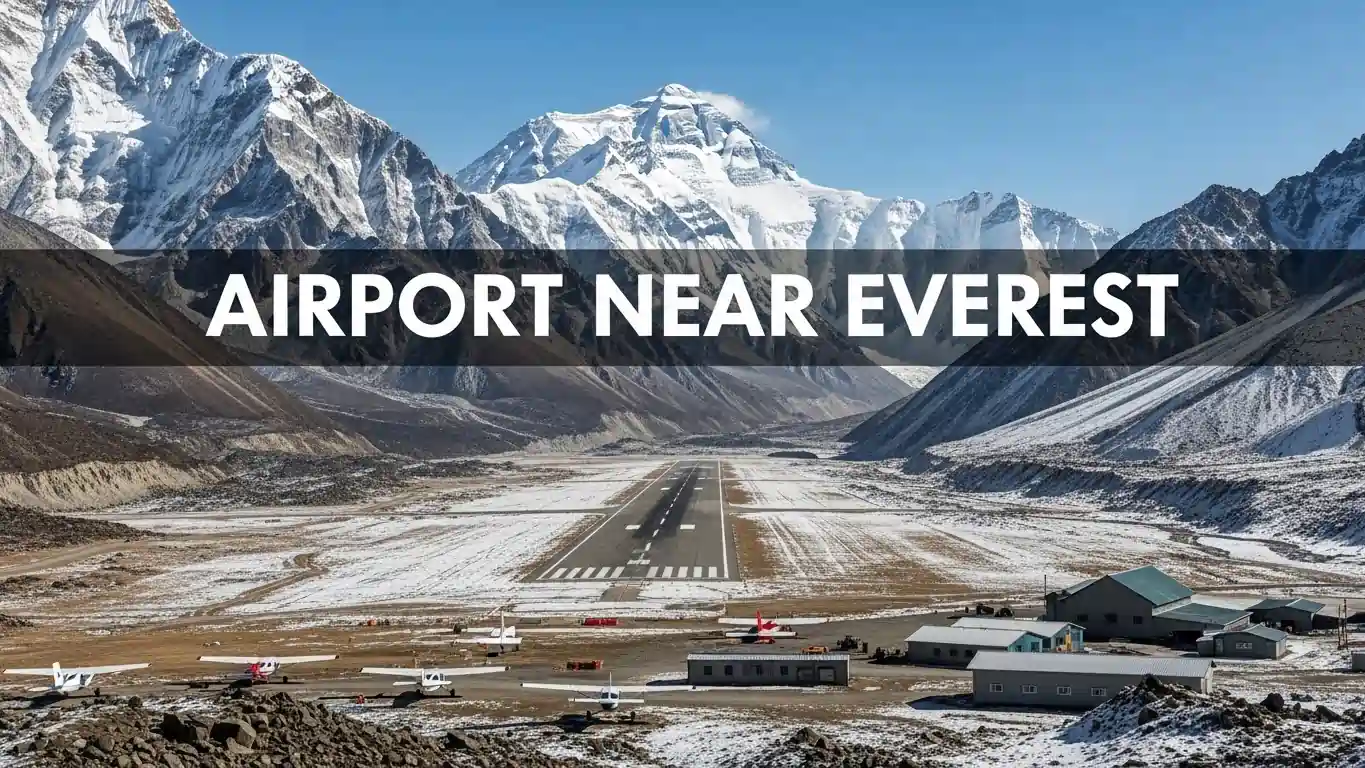
Do you wonder which airport gets you closest to Mount Everest? Many travelers struggle to plan their flights because the region has multiple small airports, unpredictable weather, and limited connectivity. Choosing the wrong airport can lead to delays, missed connections, or even a canceled trek, making your Everest adventure stressful before it even begins.
In this blog, we explore all airports near Everest, including Tenzing-Hillary Airport, Lukla, Phaplu, and Ramechhap. You’ll learn which airport is the nearest, the most popular, and even the most dangerous, along with tips for the best time to take a flight to Everest. By the end, you’ll know exactly how to plan your journey safely and efficiently.
Overview of Airports Near Mount Everest
Mount Everest is located in a remote mountainous region where road access is limited. Airports play a crucial role in connecting trekkers, climbers, and tourists to the Everest region. They reduce travel time significantly and serve as entry points for various trekking routes and expeditions. Most flights land on small, high-altitude airstrips surrounded by rugged terrain, making airport choice critical for safety and convenience. Many travelers use this access as a starting point for the EBC trek.
Why Airports Are Important for Everest Access?
Airports are essential for providing quick and safe access to the Everest region, which is otherwise difficult to reach due to rugged terrain and limited road infrastructure. They allow trekkers and climbers to bypass long, challenging road journeys that can take several days and are often affected by landslides or poor weather conditions. By flying into high-altitude airports like Lukla or Phaplu, travelers can save significant time and reduce physical strain before beginning their treks.
Airports also enable the transport of heavy climbing equipment, supplies, and essentials for expeditions, which would be impractical to carry over long road routes. In addition, they support emergency evacuations, allowing immediate medical attention in case of altitude sickness, injury, or sudden weather hazards. These airstrips open access to remote regions otherwise unreachable by road, fostering tourism and providing economic benefits to local communities. Overall, airports serve as convenient and reliable starting points for popular trekking and climbing routes in the Everest region, making them a critical part of Everest expedition planning.
How Airports Connect Travelers to the Everest Region?
Airports serve as hubs linking major cities with trekking gateways. Most flights operate from Kathmandu, flying to airports closer to Everest Base Camp.
- Tenzing-Hillary Airport in Lukla is the primary gateway for trekkers.
- Phaplu Airport serves as an alternative entry point, especially during bad weather in Lukla.
- Ramechhap Airport offers flights for budget travelers and smaller expeditions.
- Domestic flights reduce the need for multi-day road travel.
- Airports enable connections to lodges and teahouses along trekking routes.
- Scheduled flights help manage the flow of climbers and maintain safety standards.
- Air travel ensures timely arrival for acclimatization schedules and expedition planning.
Which Airport Is Nearest to Mount Everest?
Tenzing-Hillary Airport in Lukla is the nearest airport to Mount Everest. Located at an altitude of 2,860 meters (9,383 feet), it serves as the primary gateway for trekkers and climbers heading to Everest Base Camp. The airport drastically reduces travel time compared to overland routes from Kathmandu, which can take several days. Its proximity to major trekking trails makes it the most convenient starting point for Everest expeditions. Despite its small size and challenging terrain, Lukla Airport is essential for efficient access to the region.
Why Lukla Is the Most Famous and Popular Airport Near Everest?
Lukla Airport is famous worldwide for being the main entry point to the Everest region. Its dramatic location on a steep hillside and short runway adds to its reputation as both thrilling and challenging for pilots.
- Known as Tenzing-Hillary Airport, named after the first climbers to summit Everest.
- Serves the majority of trekkers and climbers heading to Everest Base Camp.
- Frequent flights from Kathmandu make it accessible for international tourists.
- Proximity to key trekking trails reduces the need for long road journeys.
- Despite weather challenges, it remains the most reliable airstrip in the region.
- Acts as a hub for supply and equipment transport to remote villages and expedition camps.
- Its popularity has made it an iconic landmark in the world of mountaineering and adventure tourism.
Tenzing-Hillary Airport (Lukla Airport)
Tenzing-Hillary Airport, commonly known as Lukla Airport, is the main gateway for trekkers heading to Mount Everest. Situated at an elevation of 2,860 meters (9,383 feet), it connects the remote Everest region with Kathmandu through daily flights. The airport is small but crucial, reducing a multi-day road journey into a short flight. It serves as the starting point for most Everest Base Camp treks and climbing expeditions, making it an essential hub for tourism and mountaineering in Nepal.
Where Is Tenzing-Hillary Airport Located?
Tenzing-Hillary Airport is located in the town of Lukla in the Solukhumbu District of Nepal. Nestled in the Khumbu region of the Himalayas, it lies at the foothills of the world’s highest mountains, making it strategically important for access to Everest. The airport is positioned on a steep hilltop surrounded by deep valleys, which limits its runway length and adds to the complexity of landings and takeoffs. Its location allows trekkers to begin their journey to Everest Base Camp immediately after arrival, with nearby villages and teahouses providing rest and acclimatization opportunities.
Why Lukla Airport Is Considered the Gateway to Everest
Lukla Airport is considered the gateway to Everest because it serves as the primary entry point for climbers and trekkers heading to the Everest region. Flights from Kathmandu deliver passengers directly into the heart of the Khumbu region, saving days of arduous road travel. From Lukla, trekkers can access popular trails leading to Everest Base Camp, Gokyo Lakes, and surrounding peaks. Its proximity to key settlements and the starting point of trekking routes makes it indispensable for logistical planning and acclimatization. The airport also facilitates the transport of food, gear, and supplies to remote villages and expedition teams, solidifying its role as the essential hub for Everest expeditions.
Related Article: https://marveltreks.com/is-trekking-in-nepal-safe/
Why Is Lukla Airport Known as the Most Dangerous Airport in the World?
Lukla Airport is often regarded as the most dangerous airport in the world due to its extreme terrain, short runway, and unpredictable weather. The runway is only 527 meters (1,729 feet) long and slopes steeply uphill, leaving very little margin for error during takeoff and landing. Surrounded by mountains and deep valleys, pilots must execute precise maneuvers to land safely. Frequent fog, high winds, and sudden storms add to the risk, often causing flight delays or cancellations. Combined with the high altitude, these factors make flying to and from Lukla a challenging task that requires highly skilled pilots. Despite these dangers, the airport remains heavily used because it is the most efficient way to reach the Everest region.
Lukla Airport Facts and Flight Experience
Flying into Lukla Airport is considered one of the most thrilling aviation experiences in the world. The airport operates with small aircraft like Twin Otters and Dornier 228, capable of handling short takeoffs and landings at high altitudes. Passengers often experience steep climbs, dramatic turns, and breathtaking views of the Himalayan peaks during approach. Flights are frequently delayed due to rapidly changing weather conditions, highlighting the need for flexibility in travel plans. Pilots must carefully navigate the surrounding ridges and valleys, making each landing an impressive demonstration of skill. For travelers, arriving at Lukla provides an immediate sense of adventure and sets the tone for the challenging trek ahead.
Phaplu Airport
Phaplu Airport is a smaller regional airport in Nepal that serves as an alternative gateway to the Everest region. Situated at an elevation of 2,500 meters (8,200 feet), it connects the Solukhumbu District with Kathmandu through limited daily flights. While less crowded than Lukla, Phaplu provides access to trekking routes that are quieter and less commercialized, making it ideal for trekkers seeking a more serene experience. The airport also supports local communities and expeditions by facilitating transport of supplies and personnel into the remote areas of the Khumbu region.
Where Is Phaplu Airport Located?
Phaplu Airport is located in the Solukhumbu District of eastern Nepal, near the village of Phaplu. Nestled in the Himalayan foothills, it lies at a slightly lower elevation than Lukla, with a shorter runway suitable for small aircraft. Its location provides access to trails leading toward Everest Base Camp via less-traveled routes. The surrounding terrain includes rolling hills and valleys, offering a gentler introduction to high-altitude trekking compared to the immediate mountainous challenges of Lukla. Phaplu also acts as a hub for local villages, enabling transportation of goods, medical support, and logistical aid for trekking groups.
When to Choose Phaplu Airport Instead of Lukla?
Trekkers may choose Phaplu Airport when seeking a quieter, less crowded entry to the Everest region. Flights to Phaplu are often more reliable during poor weather because the approach is less exposed to sudden Himalayan storms compared to Lukla. It is ideal for trekkers who prefer scenic, less commercial routes or who are part of specialized expeditions. Travelers also choose Phaplu when avoiding long waits or flight cancellations common at Lukla during peak trekking seasons. Additionally, it is suited for groups who want a slower acclimatization pace before starting their trek toward higher altitudes.
Trekking Route Differences From Phaplu?
Starting a trek from Phaplu offers a longer, more gradual ascent to Everest Base Camp compared to the Lukla route. Trekkers pass through traditional Sherpa villages, less frequented trails, and scenic landscapes with fewer tourists. The route emphasizes cultural immersion and allows for better acclimatization, reducing the risks associated with rapid altitude gain. While the trek may take an extra day or two, the added distance provides a safer and more immersive trekking experience. Phaplu routes often merge with the standard Lukla trails closer to Namche Bazaar, offering flexibility to continue to Everest Base Camp without missing the iconic highlights of the region.
Ramechhap Airport and Everest Flights
Ramechhap Airport serves as an alternative departure point for flights to Lukla and the Everest region, reducing congestion at Kathmandu’s domestic airport. Located at a lower altitude than Lukla, it allows for safer and more reliable flight operations, especially during peak trekking seasons. Using Ramechhap helps avoid delays caused by weather or air traffic in Kathmandu, ensuring trekkers reach Lukla on schedule. It also provides easier access for expedition organizers to transport gear and personnel efficiently.
Why Flights to Lukla Operate From Ramechhap
Flights to Lukla operate from Ramechhap to ease the high traffic at Kathmandu’s domestic airport and reduce the risks associated with Lukla’s short, challenging runway. The approach from Ramechhap is less affected by mountainous wind patterns, making flights safer and more punctual. It also allows for earlier departures in the morning, giving trekkers more flexibility in their schedules. Airlines prefer Ramechhap because it minimizes delays, reduces congestion, and accommodates more daily flights during the busy trekking season.
Distance From Ramechhap to Everest Region
Ramechhap Airport lies approximately 120 kilometers southeast of the Everest region, making it a convenient gateway for trekkers. After landing, travelers typically take a short drive or helicopter ride to Lukla before starting the trek. This route bypasses the longer, winding road from Kathmandu and reduces travel time significantly. The proximity to the Solukhumbu District also allows better acclimatization and logistical planning before entering higher-altitude zones.
Kathmandu vs Ramechhap Flights Comparison
Flights to Lukla from Ramechhap are generally more reliable and less prone to cancellation compared to those departing from Kathmandu. Ramechhap experiences fewer weather-related disruptions due to its location and lower traffic volume. While Kathmandu offers more frequent flight options and accessibility, it often leads to long waiting times and congestion during peak trekking months. Ramechhap provides a faster, safer, and more efficient alternative for trekkers aiming to reach the Everest region on schedule.
Which Airport Is Most Popular for Everest Treks and Expeditions?
Lukla Airport is the most popular for Everest treks and expeditions because it provides the fastest and most direct access to the Everest region. Its proximity to popular trekking routes, including the trail to Everest Base Camp, makes it the preferred choice for most trekkers. The airport’s reputation as the gateway to the Khumbu region attracts thousands of visitors each year. Despite its challenging runway, Lukla remains the primary starting point due to convenience, established infrastructure, and well-organized trekking support.
Why Lukla Remains the First Choice for Trekkers?
Lukla remains the first choice because it offers immediate access to the trekking trails leading to Everest Base Camp and other popular peaks in the Khumbu region. The airport is supported by a cluster of trekking agencies, lodges, and transport services, making logistics seamless for climbers and trekkers. Most expeditions begin here because it reduces travel time compared to alternative airports like Ramechhap or Phaplu. Its strategic location allows trekkers to acclimatize gradually while progressing through established camps and teahouses along the route.
Passenger Traffic and Seasonal Demand
Lukla Airport experiences extremely high passenger traffic during the peak trekking seasons of spring and autumn. Thousands of trekkers and climbers use it as their starting point, creating a demand surge that airlines must manage carefully. Weather conditions often cause delays, adding to congestion, yet the airport’s infrastructure is designed to handle this seasonal influx. The combination of popularity, accessibility, and direct connection to the Everest region ensures Lukla remains the most used airport for Himalayan expeditions.
Which Airport Near Everest Is Considered the Most Dangerous?
Tenzing-Hillary Airport (Lukla Airport) is considered the most dangerous airport near Everest due to its short runway, steep drop-offs, and unpredictable weather. Pilots face extreme challenges during takeoff and landing, making it one of the riskiest airports in the world. Despite these dangers, it remains essential for Everest expeditions because it provides the fastest access to the Khumbu region. High passenger traffic and frequent weather disruptions further add to the operational risks.
What Makes Lukla Airport Dangerous?
Lukla Airport’s danger primarily stems from its runway, which is only about 527 meters (1,729 feet) long and slopes upward, ending abruptly at a cliff. Pilots have very little margin for error, requiring precise landings and takeoffs. The airport’s location in a mountainous valley means wind gusts and turbulence are common, making approaches and departures unpredictable. Limited navigation aids and the need for visual flight rules increase the complexity of operations. The combination of high altitude, short runway, and surrounding terrain makes Lukla a high-risk airport, demanding skilled pilots and careful flight planning.
Weather, Runway, and Terrain Challenges
Weather around Lukla changes rapidly, with sudden fog, snow, and strong winds often grounding flights. The mountainous terrain restricts maneuverability, leaving little room for emergency landings. Runway conditions can deteriorate quickly due to ice, rain, or debris, increasing the risk of accidents. The combination of these factors-extreme altitude, limited runway length, unpredictable weather, and steep surrounding cliffs-makes operating flights at Lukla one of the most challenging aviation experiences in the world. Pilots must constantly assess weather windows and be prepared to abort landings or takeoffs if conditions change.
Why Should You Take a Flight to Everest Region?
You should take a flight to the Everest region because it saves significant travel time, reduces physical strain, and provides safer access to high-altitude areas. Flights allow trekkers and climbers to reach the Khumbu region in less than an hour, compared to multi-day road or trail journeys. Flying also minimizes the risks associated with long, rugged road travel in mountainous terrain. Additionally, it offers an opportunity to enjoy spectacular views of the Himalayas from above, enhancing the overall travel experience.
Time-Saving Benefits Compared to Road Travel
Flights to airports like Lukla or Ramechhap cut travel time drastically, turning days of overland travel into an hour-long journey. Road travel involves winding, narrow mountain roads that can be slow, bumpy, and risky. By taking a flight, trekkers conserve energy for the trek itself and can start their expedition more comfortably. It also reduces the chance of delays or accidents that often occur on Himalayan roads.
Scenic Mountain Flight Experience
The flight to Everest provides breathtaking panoramic views of the Himalayas, including snow-capped peaks, glaciers, and deep valleys. Passengers often see Mount Everest, Lhotse, and Ama Dablam from the air, creating a once-in-a-lifetime experience. Photography opportunities are exceptional, making the flight itself a memorable part of the trip. The aerial perspective helps travelers appreciate the scale and beauty of the region before starting the trek.
Access to Everest Base Camp and Popular Treks
Airports like Lukla serve as gateways to the most popular trekking routes, including the Everest Base Camp trek and Gokyo Lake trek. Flights ensure trekkers can begin their journey close to the trailhead, avoiding exhausting approaches from lower elevations. This direct access allows for better acclimatization planning and more efficient use of time. It also enables quick evacuation options in case of emergencies, enhancing overall safety during the trek.
Best Time to Take a Flight to Everest
The best time to take a flight to Everest is during the pre-monsoon (spring) and post-monsoon (autumn) seasons because weather conditions are generally clear and stable. These periods offer maximum visibility of the Himalayan peaks and minimize the risk of flight cancellations due to poor weather. Flying during these windows also coincides with the most popular trekking seasons, ensuring smooth access to Lukla and other regional airports.
Related Article: https://marveltreks.com/best-time-for-everest-expedition/
Best Seasons for Everest Flights
Spring (March to May) and autumn (late September to November) are ideal for Everest flights. During these months, the skies are typically clear, offering spectacular mountain views, and temperatures are moderate for both flights and trekking. Pilots can operate more consistently, reducing delays and cancellations. Summer monsoon and winter bring heavy clouds, precipitation, or snow, which can disrupt flight schedules. Flying during the peak seasons also allows trekkers to coordinate with guided expeditions more easily.
Weather Conditions and Flight Reliability
Weather significantly impacts the reliability of flights to Everest airports like Lukla or Ramechhap. Strong winds, low visibility, or sudden storms can delay or cancel flights, which is common outside peak seasons. Pilots must carefully assess conditions before takeoff due to the short, sloped runways and challenging terrain. Booking flights in the early morning increases chances of smooth operation, as weather tends to be more stable before afternoon winds develop. Monitoring forecasts and remaining flexible with schedules is essential for safe and reliable travel.
Safety Tips for Flying Near Mount Everest
Flying near Mount Everest requires careful planning and attention to safety because the region’s high altitude, unpredictable weather, and short, sloped runways present unique challenges. Following airline guidelines, preparing for delays, and packing appropriately can ensure a smooth and safe journey to Everest’s gateways.
Choosing the Right Airline
Selecting a reputable airline is crucial when flying to Everest region airports like Lukla or Ramechhap. Airlines with experienced pilots, modern aircraft, and strong safety records are best suited for these challenging routes. Checking reviews, safety certifications, and operational history helps reduce risks. Local carriers familiar with mountain flying conditions typically handle flights more reliably than less experienced operators.
Weather Delays and Buffer Days
Weather delays are common for flights in the Everest region due to sudden changes in visibility, wind, and cloud cover. Always schedule buffer days to accommodate potential cancellations or rescheduling. Early morning flights are recommended since weather tends to be calmer, reducing the likelihood of disruptions. Monitoring local forecasts and staying flexible with itineraries enhances safety and ensures travelers reach their destinations without unnecessary stress.
Luggage Weight and Check-In Tips
Airports near Everest, especially Lukla, have strict weight limits due to small aircraft and high-altitude operations. Packing efficiently and adhering to luggage restrictions prevents last-minute delays or additional fees. Distributing weight between carry-on and checked baggage, and keeping essential items accessible, ensures both safety and convenience during the flight. Following airline check-in procedures and arriving early further minimizes stress and streamlines boarding.
Conclusion: Choosing the Right Airport Near Everest
Selecting the right airport near Everest is essential for a safe, efficient, and enjoyable journey to the Everest region. Airports like Lukla, Phaplu, and Ramechhap each offer unique advantages depending on accessibility, safety, and proximity to trekking routes.
Understanding the differences in location, flight reliability, and seasonal conditions helps travelers make informed choices. Prioritizing reputable airlines, planning for potential weather delays, and preparing for high-altitude flights ensure a smoother start to any Everest trek or expedition. Choosing the appropriate airport not only saves time but also enhances overall safety and the trekking experience.
Which is the nearest airport to Mount Everest?
The nearest airport to Mount Everest is Tenzing-Hillary Airport in Lukla. It is the main gateway for Everest Base Camp and Khumbu region treks.
Why is Lukla Airport so famous?
Lukla Airport is famous because it provides the quickest access to Everest trekking routes. It is also known worldwide for its short, sloped runway and dramatic mountain setting.
Is Lukla Airport really the most dangerous airport in the world?
Yes, Lukla Airport is considered one of the most dangerous due to its short runway, steep gradient, and unpredictable mountain weather. Only highly experienced pilots are permitted to land there.
Are there alternative airports near Everest besides Lukla?
Yes, Phaplu and Ramechhap airports are common alternatives. They are used when Lukla flights are limited or during peak trekking seasons.
Why do Lukla flights operate from Ramechhap instead of Kathmandu?
Lukla flights often operate from Ramechhap to reduce air traffic congestion in Kathmandu. This helps improve flight reliability during busy trekking seasons.
What is the best time to fly to the Everest region?
The best time to fly is during spring from March to May and autumn from September to November. These seasons offer stable weather and higher chances of successful flights.
Is it safe to fly near Mount Everest?
Yes, flying near Everest is generally safe when weather conditions are suitable and certified airlines are used. Weather delays are common, so buffer days are recommended.
Why should trekkers take a flight instead of traveling by road to Everest?
Flights save several days of travel compared to road routes. They also offer stunning aerial views of the Himalayas and direct access to trekking trails.

Ready for your next Himalayan adventure?
Plan Your Next Big Adventure with Us
Explore Our AdventuresJoin our expert-guided journeys across Nepal and beyond, from classic trails to epic summits.