
First Person to Climb Mount Everest
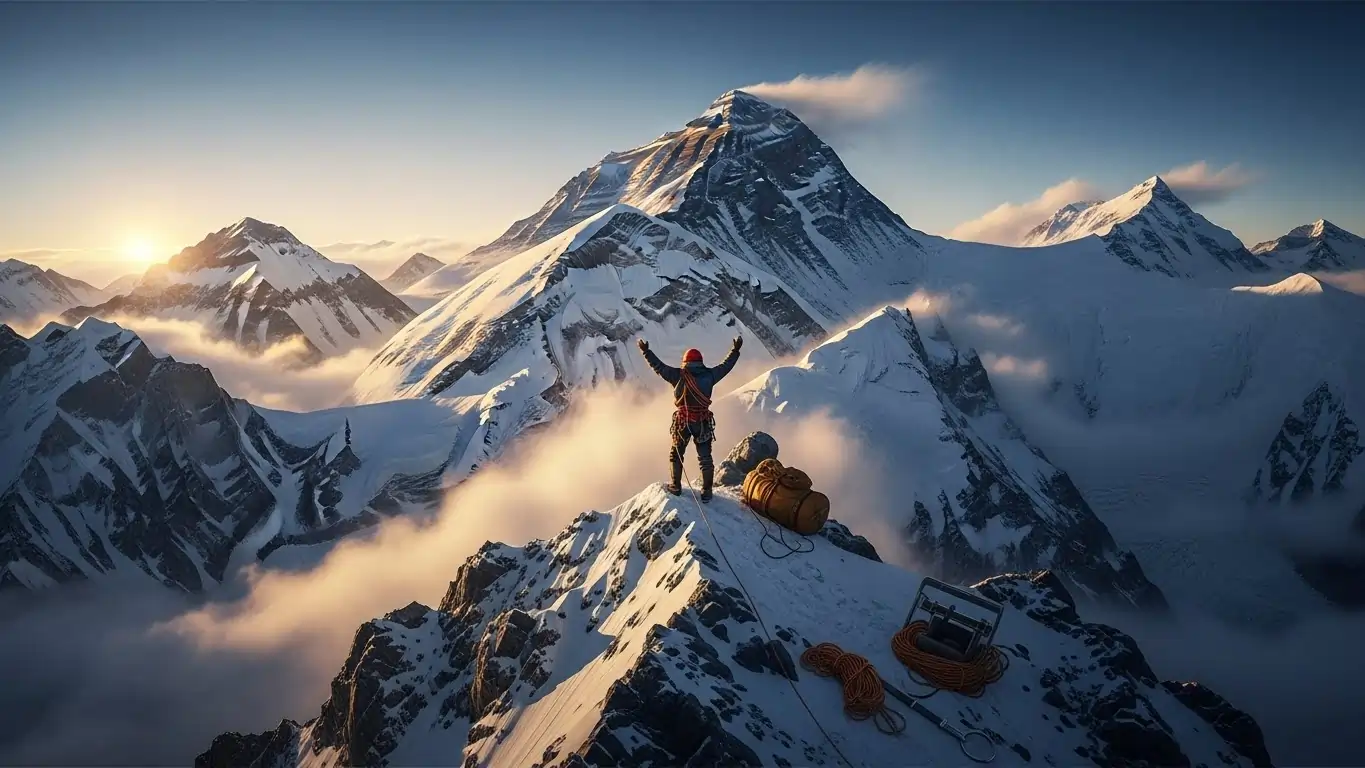
Mount Everest, the tallest mountain on Earth at 8,848 meters, has long captured human ambition and curiosity. Climbers face extreme altitude, harsh weather, and technical challenges, making each successful ascent a remarkable achievement.
In this blog, we explore who was the first person to climb Mount Everest, the historic expedition that made it possible, records for the youngest and oldest climbers, annual summit statistics, and how Everest expeditions have evolved. Readers will gain a clear understanding of Everest climbing history and its ongoing significance in mountaineering.”
Everest Expedition Overview
Mount Everest, located on the border of Nepal and China’s Tibet Autonomous Region, rises to 8,848 meters, making it the highest peak on Earth. Understanding where is Everest helps explain its unique climbing challenges, snow-covered slopes, and extreme conditions that attract adventurers from around the world. The mountain also holds cultural and historical significance for local communities and has become a global symbol of human endurance and adventure.
Early exploration of Everest began in the 1920s with British reconnaissance expeditions, which mapped routes and assessed climbing feasibility. Attempts by climbers such as George Mallory laid the foundation for modern ascents. Everest became the ultimate mountaineering goal due to its extreme altitude, technical challenges, and the prestige of being the first to reach the summit. Over time, it evolved into a benchmark for climbing achievement and a coveted destination for adventurers worldwide.
Who Was the First Person to Climb Mount Everest?
The first person to climb Everest was Sir Edmund Hillary from New Zealand and Tenzing Norgay, a Nepali Sherpa, who reached the summit on May 29, 1953. Their ascent marked the first confirmed successful climb to the world’s highest peak. This historic achievement required months of preparation, careful acclimatization, and navigating extremely challenging terrain. Their success set a benchmark for all future Everest expeditions and remains a celebrated milestone in mountaineering history.
First Man Who Climbed Mount Everest
Sir Edmund Hillary and Tenzing Norgay were part of the 1953 British Everest Expedition, led by John Hunt, which was meticulously planned over several months. They ascended via the South Col route, the most accessible yet still extremely challenging path, involving steep ice walls, crevasses, exposed ridges, and high-altitude terrain. The climbers used fixed ropes, ladders across crevasses, and well-coordinated camp rotations to manage fatigue and altitude stress. Their teamwork, careful pacing, and constant monitoring of each other’s condition allowed them to safely reach the summit. This ascent confirmed the possibility of climbing Everest and set a technical and logistical benchmark for all future expeditions.
First Man to Climb Mount Everest
The first man to climb Mount Everest, Sir Edmund Hillary, was born in Auckland, New Zealand, in 1919. From a young age, he developed a passion for climbing and the outdoors, honing his skills on local hills and mountains. His disciplined approach to physical fitness, combined with a deep respect for mountaineering techniques, laid the foundation for tackling extreme high-altitude peaks.
Hillary gained significant climbing experience through earlier expeditions in the Himalayas, including attempts on Cho Oyu and other challenging peaks. He meticulously prepared for Everest with endurance training, technical climbing practice, and careful planning of gear and nutrition. His successful ascent alongside Tenzing Norgay in 1953 not only secured his place in history but also helped map and popularize key Everest climbing routes, establishing a lasting legacy in mountaineering, inspiring generations of climbers, and shaping modern high-altitude expedition standards.
Who is the Youngest Person to Climb Mount Everest?
The youngest person to climb Mount Everest is Jordan Romero from the United States, born on July 12, 1996, who reached the summit on May 22, 2010, at the age of 13 years and 10 months. He ascended via the North Col route from Tibet, supported by experienced guides and a professional climbing team.
Romero’s climb required meticulous planning and preparation due to his young age. He trained for months with climbing experts, focusing on endurance, strength, and acclimatization to high altitudes. His team carefully monitored oxygen levels, weather conditions, and rest schedules to minimize risk. Legal regulations in Tibet allowed him to climb at 13, but Nepal now enforces a minimum age of 16 to ensure safety. Jordan’s achievement highlighted both the possibilities and the dangers of extreme youth expeditions, setting a precedent for how young climbers can attempt high-altitude peaks under strict supervision.
Who is the Oldest Person to Climb Everest?
The oldest person to climb Everest is Yuichiro Miura from Japan, who reached the summit on May 23, 2013, at the age of 80 years and 224 days. Miura, a professional skier and seasoned high-altitude adventurer, set a record for extreme longevity in mountaineering.
Climbing Everest at such an advanced age presents serious physical challenges, including reduced cardiovascular capacity, slower recovery, and higher risk of altitude sickness. Miura relied on careful acclimatization, extensive medical monitoring, and a strong support team to manage these risks. His achievement demonstrates that age does not limit high-altitude accomplishments and has inspired climbers worldwide, emphasizing that proper preparation, experience, and determination can overcome extreme physical barriers.
How Many People Climb Everest Every Year?
About 800 to 900 people climb Everest each year during the spring season. The number of climbers has generally increased over the decades due to better equipment, logistics, and commercial expedition support. Annual totals can still vary depending on weather, government regulations, and global events.
Detailed Annual Summit Data
| Year | Approx. Successful Summits | Notes |
| 1990s | 100–300 | Early growth with limited commercial support. |
| 2000s | 300–500 | Expansion of guided expeditions increased summit numbers. |
| 2010s | 500–900 | Rapid growth due to improved gear and Sherpa support. |
| 2019 | 876 | Highest pre-pandemic total. |
| 2020 | 0 | Climbing season canceled due to the pandemic. |
| 2021–2023 | 600–700 | Post-pandemic recovery period. |
| 2024 | 861 | Strong climbing season with near-record summits. |
| 2025 (Spring) | 846 | Summit numbers remain high and stable. |
Growth of Commercial Expeditions
The growth of commercial expeditions has dramatically transformed Everest climbing over the past few decades. Professional guiding companies provide climbers with experienced Sherpas, fixed ropes, high-altitude camps, and supplemental oxygen, making the mountain accessible to a wider range of climbers. Advanced weather forecasting and satellite communications allow teams to plan summit attempts more safely, while logistics support ensures timely food, equipment, and medical aid at high camps. Despite these improvements, death on Everest remains a serious risk, highlighting the mountain’s extreme challenges even in the era of commercial expeditions.
Factors Affecting Yearly Climb Counts
Several factors influence how many people climb Everest annually. Weather conditions are critical; storms, heavy snowfall, and high winds can reduce safe summit windows. Government-issued permits and regulations control the number of climbers allowed each season, while decisions on climbing routes from Nepal or Tibet affect access and risk levels. Other factors include climbers’ experience, acclimatization success, team logistics, and safety protocols. Global events such as pandemics or political restrictions can also sharply decrease yearly totals, making careful planning essential for every expedition season.
Evolution of Everest Climbing Since the First Ascent
Everest climbing has evolved significantly since the first successful ascent in 1953. Advances in equipment, logistics, and support systems have transformed the mountain from an almost unreachable peak into a climbable challenge for experienced mountaineers. Modern expeditions now benefit from improved safety measures, high-altitude guides, and organized infrastructure, making summit attempts more predictable and manageable.
Changes in Equipment and Technology
Climbers now use lightweight, insulated clothing, advanced climbing boots, crampons, and high-quality tents designed for extreme conditions. Supplemental oxygen systems, GPS navigation, and weather forecasting technology enhance safety and efficiency. Modern gear allows climbers to carry less weight, maintain body heat, and respond effectively to sudden storms, increasing summit success rates compared to early expeditions.
Role of Sherpa Support and Logistics
Sherpas play a critical role in carrying loads, fixing ropes, setting up camps, and guiding climbers through technical sections. Logistics planning includes food, fuel, medical supplies, and oxygen distribution, coordinated across multiple camps. Their expertise is especially vital in the Everest death zone, where reduced oxygen and extreme conditions make climbs highly dangerous, and their coordination reduces risks, improves efficiency, and makes high-altitude climbs more feasible for a wider range of climbers.
Safety Improvements and Crowd Management
Modern expeditions follow strict safety protocols, including acclimatization schedules, weather monitoring, and emergency evacuation plans. Authorities now manage permits and regulate climbing traffic to prevent congestion on key routes. These measures help reduce accidents, minimize bottlenecks at critical points, and ensure safer conditions even during peak climbing seasons.
Related Article: https://marveltreks.com/is-expedition-everest-scary/
Why the First Everest Ascent Still Matters Today?
The first successful ascent of Everest in 1953 holds immense historical importance, marking humanity’s ability to conquer the highest point on Earth. It demonstrated the potential of careful planning, teamwork, and technical skill at extreme altitude, setting a standard for all future high-altitude expeditions.
This achievement continues to influence modern Everest expeditions, shaping climbing strategies, equipment standards, and safety protocols. Lessons learned from the first ascent guide route planning, acclimatization schedules, and risk management for today’s climbers.
The ascent also serves as an enduring inspiration for global mountaineering, motivating adventurers worldwide to challenge themselves and pursue ambitious goals. It symbolizes human resilience, courage, and the drive to explore, maintaining Everest’s status as the ultimate climbing objective.
Conclusion
The first person to climb Mount Everest, Sir Edmund Hillary and Tenzing Norgay, achieved a historic milestone that changed mountaineering forever. Their ascent demonstrated the importance of preparation, teamwork, and perseverance at extreme altitudes, setting a benchmark for all future expeditions.
Records for the youngest and oldest climbers, along with annual summit statistics, highlight Everest’s enduring appeal and evolving challenges. Modern climbers continue to benefit from improved equipment, Sherpa support, and structured logistics, while the legacy of the first ascent remains a powerful inspiration for adventurers worldwide.
FAQs: First Person to Climb Mount Everest
Who was the first person to climb Mount Everest?
The first climbers were Sir Edmund Hillary from New Zealand and Tenzing Norgay from Nepal. They reached the summit on May 29, 1953.
When was Everest first climbed?
Everest was first successfully climbed in 1953 during the British expedition. Hillary and Norgay reached the summit together.
Who was the first man to climb Everest?
Sir Edmund Hillary is recognized as the first man to stand on Everest’s summit. He climbed alongside Tenzing Norgay, who shared the achievement.
Who is the youngest person to climb Mount Everest?
Jordan Romero, from the United States, summited on May 22, 2010, at age 13 years and 10 months. He climbed via the North Col route in Tibet.
Who is the oldest person to climb Everest?
Yuichiro Miura from Japan summited Everest on May 23, 2013, at the age of 80. His achievement demonstrates the possibility of high-altitude climbing at advanced age.
How many people climb Everest every year?
Around 800 to 900 climbers summit Everest annually, mainly in the spring season. Numbers fluctuate depending on weather, permits, and global events.
What was the route used by the first Everest climbers?
Hillary and Norgay climbed via the South Col route from Nepal. This path involved steep ice, rock, and exposed ridges.
Why does the first Everest ascent still matter?
It set the benchmark for modern high-altitude expeditions and inspired global mountaineering. The achievement highlights human endurance, preparation, and teamwork.

Ready for your next Himalayan adventure?
Plan Your Next Big Adventure with Us
Explore Our AdventuresJoin our expert-guided journeys across Nepal and beyond, from classic trails to epic summits.