
How to Go to Everest? Complete Guide 2026
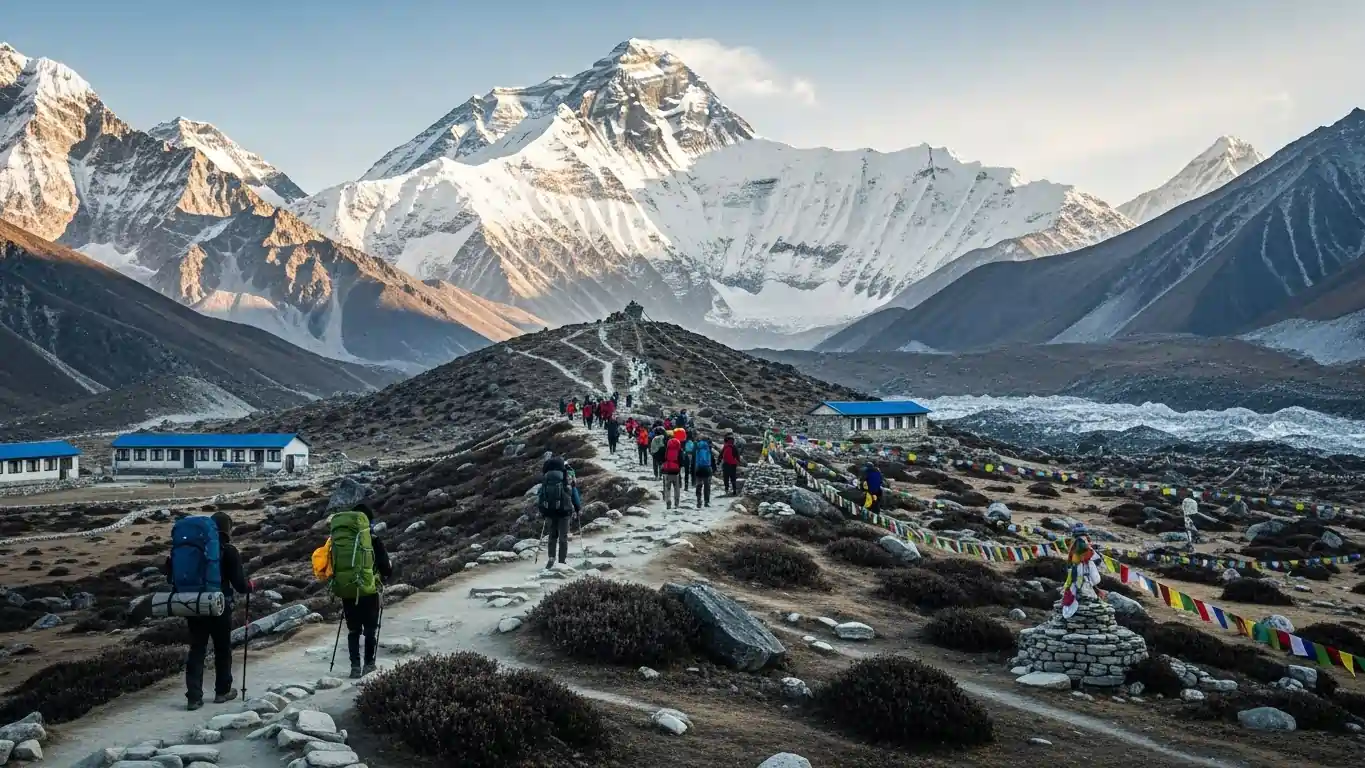
Many travelers dream of reaching Everest, but the journey involves more than just trekking. Confusing transportation options, flight logistics, trekking permits, and preparation can make planning stressful for first-time visitors. Proper planning and understanding each step can save time, money, and potential complications on the journey.
In this blog, we focus on how to go to Everest and provide a detailed guide covering flights, trekking options, Everest expeditions, best seasons, accommodation, food, permits, costs, and local culture. You’ll get practical tips for planning a safe and memorable journey to the world’s highest peak. Following this guide will help you confidently navigate the Everest region and understand where is Everest while maximizing your adventure experience.
Overview of Mount Everest
Mount Everest, also known as Sagarmatha in Nepal, is the tallest mountain in the world, standing at 8,849 meters (29,032 feet) above sea level. Located in the Khumbu region of Nepal, it forms part of the Himalayan range and attracts climbers, trekkers, and adventure enthusiasts from around the globe. Travelers visit Everest for its breathtaking landscapes, challenging trekking routes, and the opportunity to experience Himalayan culture and high-altitude adventure. Its iconic status, combined with the surrounding Sherpa villages and natural beauty, makes the Everest region a must-visit destination for adventurers and nature lovers alike.
How to Go to Everest: Flight and Road Options
To go to Everest, travelers typically start from Kathmandu, which serves as the gateway to the Everest region. From there, most trekkers take a domestic flight to Lukla, the main starting point for Everest Base Camp treks, though alternative routes by road or helicopter are also possible. Planning transportation carefully is essential to ensure timely arrivals, safe travel, and smooth connections in this high-altitude region. Understanding the options, their costs, and limitations helps adventurers select the route that best fits their schedule, budget, and fitness level. Each method offers unique experiences, whether it’s a scenic flight, a challenging overland journey, or rapid access via helicopter.
International Arrival in Kathmandu
Kathmandu is the primary international hub for travelers heading to Everest. Tribhuvan International Airport (TIA) connects Nepal with major cities across Asia, the Middle East, and Europe. Visitors typically require a valid passport and tourist visa, which can be obtained on arrival or online prior to the trip. Kathmandu also serves as a base for organizing flights, trekking permits, and expedition logistics before heading into the mountains, and is one of the key airports near Everest. The city provides access to gear shops, travel agencies, and medical facilities, making it an essential first stop.
Domestic Flight to Lukla
Flights from Kathmandu to Lukla are the fastest and most popular route to the Everest region. Lukla Airport, also called Tenzing-Hillary Airport, sits at 2,860 meters (9,383 feet) and offers breathtaking views of the Himalayas during the 30-40 minute flight. Weather can affect flight schedules, so flexibility and early planning are crucial. This route allows trekkers to start their journey near the Everest Base Camp trail while avoiding several days of road travel. The flight provides an unforgettable introduction to the region’s rugged landscapes and high-altitude environment.
Alternative Routes by Road and Trek
For those seeking a longer, more adventurous journey, it’s possible to travel overland from Kathmandu to the Everest region. Road travel typically involves buses or jeeps to towns like Salleri or Jiri, followed by multi-day trekking to Lukla or directly to base camp. This route offers cultural immersion, scenic landscapes, and gradual acclimatization, but it is slower and physically demanding. Overland travel can be combined with local homestays and village visits, providing a deeper experience of rural Himalayan life.
Helicopter Options and Limitations
Helicopter transfers provide rapid access to Lukla, Everest Base Camp, or even higher-altitude points for trekkers with limited time or health constraints. Helicopter rides are costly and subject to weather conditions, often requiring flexible scheduling. While they save time and reduce physical strain, they do not provide the gradual acclimatization that trekking does. Helicopters also offer stunning aerial views of Everest and surrounding peaks, making them appealing for those prioritizing efficiency and sightseeing over the trekking challenge.
Adventures in Everest Region
The Everest region offers a range of adventure experiences for trekkers, climbers, and thrill-seekers. From challenging high-altitude treks to full-scale mountaineering expeditions, it caters to both beginners and experienced adventurers. Visitors can explore remote villages, glaciers, and alpine landscapes while enjoying cultural interactions with the Sherpa community. Adventure activities combine physical challenge with breathtaking scenery, making the Everest region one of the most sought-after destinations for Himalayan exploration.
Everest Base Camp Trekking Experience
Trekking to Everest Base Camp (EBC) is the most popular adventure in the region. The trail typically spans 12–14 days, passing through Sherpa villages, rhododendron forests, suspension bridges, and high-altitude passes. Trekkers gain exposure to stunning views of peaks like Lhotse, Nuptse, and Ama Dablam. While technical climbing skills are not required, moderate physical fitness and acclimatization are essential. Along the way, visitors experience local culture, monasteries, and teahouse hospitality, combining adventure with cultural immersion.
Mount Everest Expedition Overview
Climbing Mount Everest is a high-risk, high-reward adventure requiring advanced mountaineering experience. Expeditions involve acclimatization at base camps, icefall navigation, crevasse crossings, and summit attempts via established routes like the South Col or North Ridge. Climbers face extreme weather, low oxygen levels, and steep technical sections. Success demands careful planning, specialized equipment, trained guides, and physical and mental endurance. Despite the challenges, summiting Everest provides an unmatched sense of achievement and an opportunity to stand atop the world’s highest peak.
Trekking Routes in Everest Region
The Everest region offers several trekking routes that cater to different experience levels and time availability. Popular paths include the classic Everest Base Camp route, scenic alternatives like the Gokyo Lakes and Cho La Pass, and challenging multi-pass treks. Each route provides unique landscapes, cultural experiences, and opportunities to witness Himalayan glaciers, high passes, and iconic peaks. Trekkers can choose based on difficulty, duration, and desired scenery.
Classic Everest Base Camp Route
The classic EBC trek starts from Lukla and typically takes 12–14 days round trip. It passes through Namche Bazaar, Tengboche, Dingboche, and Lobuche before reaching Base Camp at 5,364 meters. The trail offers spectacular views of Everest, Lhotse, Nuptse, and Ama Dablam. Teahouses along the route provide accommodation and meals, making it accessible for moderately fit trekkers. Acclimatization days at Namche Bazaar and Dingboche are recommended to reduce the risk of altitude sickness.
Gokyo Lakes and Cho La Pass Route
The Gokyo Lakes trek is a scenic alternative that includes the Cho La Pass, connecting the Gokyo valley with the Everest Base Camp trail. Trekkers encounter turquoise glacial lakes, high moraines, and panoramic views of Everest, Cho Oyu, and Makalu. The Cho La Pass at 5,420 meters is challenging, requiring good fitness and trekking experience. This route provides fewer crowds compared to the classic EBC trail and allows for unique photographic opportunities.
Three Passes Trek
The Three Passes trek is one of the most demanding routes in the Everest region, covering Kongma La, Cho La, and Renjo La passes. It typically takes 18–21 days and traverses high-altitude passes above 5,300 meters. Trekkers experience varied terrain, from glaciers and moraines to alpine valleys and Sherpa villages. This route offers unparalleled panoramic views of Everest, Lhotse, Makalu, and Cho Oyu. Due to its difficulty, it requires excellent physical conditioning, acclimatization, and previous trekking experience in high-altitude environments.
What is the Best Time to Go to Everest?
The best time to go to Everest is during spring (March to May) and autumn (September to November), when weather conditions are stable, trails are clear, and visibility of the peaks is excellent. These seasons offer moderate temperatures, minimal precipitation, and safer trekking and climbing conditions, making it the best time to climb Everest. Winter and monsoon seasons are less ideal due to extreme cold, heavy snowfall, or rain, which increase risks and limit accessibility. Planning your trip in the optimal season maximizes safety, enjoyment, and the chances of a successful adventure.
Spring Season Conditions
Spring, from March to May, provides warm daytime temperatures, blooming rhododendrons, and relatively stable weather. Trails are mostly clear of snow, and panoramic views of Everest, Lhotse, and Ama Dablam are excellent. Moderate temperatures make trekking comfortable, though occasional pre-monsoon rains may occur at lower altitudes. This season is popular for both Everest Base Camp treks and climbing expeditions, so some sections may experience higher foot traffic. Acclimatization is easier in spring due to gradual temperature rises and fewer severe weather events compared to autumn.
Autumn Season Conditions
Autumn, spanning September to November, is considered the most popular trekking season in the Everest region. The monsoon has cleared, leaving crisp, dry air and excellent visibility of the Himalayan peaks. Temperatures are slightly cooler than spring, but daytime conditions remain comfortable for trekking. Trails are generally less muddy, and strong winds are less frequent, reducing risks on high passes. This season also coincides with several local festivals, offering cultural experiences along the route.
Winter and Monsoon Considerations
Winter (December to February) brings extreme cold, snow accumulation, and limited accessibility above 4,000 meters. Short daylight hours and frozen trails make trekking and climbing more difficult and risky. Monsoon season (June to August) brings heavy rainfall, landslides, and leeches, making trails slippery and dangerous. Visibility is often poor, obscuring mountain views and increasing avalanche risk. These seasons are suitable only for highly experienced adventurers prepared for severe conditions, and most trekkers avoid them.
Food and Accommodation in Everest Region
Food and accommodation in the Everest region are primarily centered around teahouses and lodges along trekking routes. Trekkers can find basic meals, local dishes, and comfortable lodging, though options become limited at higher altitudes. Planning ahead for dietary needs and booking accommodations during peak seasons ensures a smoother experience.
Tea Houses and Lodges
Tea houses and lodges are the mainstay of lodging on Everest treks, ranging from simple rooms with shared bathrooms to slightly more comfortable private rooms. Most are family-run, offering a warm and hospitable environment for trekkers. Facilities at lower elevations include electricity, Wi-Fi, and charging stations, while higher-altitude lodges may have limited services due to remoteness. Staying in teahouses allows trekkers to rest, acclimatize, and experience local Sherpa culture.
Food Availability and Meal Types
Meals along the Everest trail include traditional Nepali dishes like dal bhat (lentil soup with rice), momo (dumplings), and noodles, alongside limited Western options such as pasta and soups. Fresh vegetables and fruits are scarce at higher altitudes, and prices increase with elevation. Hot beverages like tea and coffee are widely available and help combat cold temperatures. Trekkers should carry snacks like energy bars or nuts to maintain energy between meals.
Accommodation During Expeditions
During full-scale Everest expeditions, accommodation shifts from teahouses to tents at base camp and higher camps. Tents are equipped with basic sleeping arrangements, and climbers must carry personal gear for warmth and comfort. Expedition camps provide essential support like meals prepared by cooks, communication facilities, and medical supplies. Proper planning ensures climbers have sufficient shelter, nutrition, and safety equipment throughout the high-altitude journey.
Permits and Regulations for Everest
To trek or climb in the Everest region, obtaining the proper permits of EBC trek is mandatory. These legal requirements help protect the environment, ensure safety, and regulate tourism in the high Himalayas. Trekkers and climbers must secure permits before starting their journey, and failure to comply can result in fines or denied access.
Sagarmatha National Park Permit
The Sagarmatha National Park (SNP) permit is required for anyone entering the park, which encompasses the Everest Base Camp region. It helps fund conservation efforts and maintain trails, wildlife, and natural resources. Costs vary depending on nationality, with higher fees for foreign trekkers. The permit must be carried at all times, and checkpoints along the trail may request to see it.
Khumbu Pasang Lhamu Rural Municipality Permit
The Khumbu Pasang Lhamu Rural Municipality (KPLRM) permit is issued by the local government and is necessary for entry into villages within the Khumbu region. This permit ensures that tourism benefits local communities and supports infrastructure maintenance. Trekkers can obtain it in Kathmandu, at the trailhead, or through registered trekking agencies.
Expedition Permits for Climbers
Climbers attempting to summit Mount Everest require additional expedition permits issued by the Nepal Ministry of Tourism. These permits are expensive and vary depending on the chosen route, the number of climbers, and the season. They include fees for liaison officers, rescue services, and environmental management. Obtaining expedition permits is mandatory, and climbers must submit detailed plans and follow strict regulations to ensure safety and compliance.
Preparation Before You Go to Everest
Proper preparation is essential for a safe and successful journey to Everest. Trekkers and climbers must focus on physical fitness, appropriate gear, and acclimatization planning to handle high altitudes and harsh conditions. Early preparation for EBC trek reduces the risk of altitude sickness, fatigue, and logistical challenges during the trek or expedition.
Physical Fitness and Training
Physical conditioning is critical for Everest treks and expeditions. Cardiovascular exercises like running, cycling, and swimming improve stamina, while strength training targets legs, core, and upper body for long days of trekking and carrying loads. Hiking with a weighted backpack simulates real conditions and helps build endurance. Flexibility exercises and yoga can enhance balance and reduce injury risk. Starting training several months in advance ensures the body can handle prolonged high-altitude exertion.
Gear and Clothing Preparation
Choosing the right gear and clothing is vital for comfort and safety. Essentials include insulated jackets, base layers, trekking boots, gloves, hats, and high-quality sleeping bags for colder camps. Trekking poles, headlamps, and waterproof gear help navigate varying terrain and weather. Climbers on expeditions require specialized equipment such as crampons, ice axes, harnesses, and oxygen systems. Proper gear selection ensures protection against cold, wind, and snow while minimizing unnecessary weight.
Acclimatization Planning
Acclimatization helps the body adjust to reduced oxygen levels at high altitudes and prevents altitude sickness. Trekkers should plan rest days at key locations like Namche Bazaar or Dingboche to allow gradual adaptation. Following the “climb high, sleep low” principle, ascending slowly and limiting daily elevation gain is recommended. Hydration, proper nutrition, and monitoring for symptoms of altitude sickness are essential. Careful acclimatization planning increases safety and enhances performance during both trekking and climbing.
Cost to Go to Everest
The cost to go to Everest varies depending on whether you are trekking to Base Camp or attempting a full summit expedition. Expenses include flights, permits, accommodation, food, guides, porters, equipment, and insurance. Understanding the cost to climb Everest helps travelers budget effectively and choose options that match their experience level and comfort preferences.
Trekking Cost Estimates
Trekking to Everest Base Camp typically costs between $1,200 and $2,500 per person for a standard guided trek. This includes:
- Domestic flights to and from Lukla
- Teahouse accommodation along the trail
- Daily meals and snacks
- Guide and porter services
- Trekking permits and park fees
- Basic equipment rental if needed
Independent trekkers may spend less but should be prepared for limited services and logistical challenges.
Expedition Cost Overview
Attempting a full Everest summit is significantly more expensive, ranging from $30,000 to $80,000 per climber. Costs cover:
- Expedition permits and liaison officers
- Oxygen cylinders and high-altitude gear
- Base camp and higher camp logistics
- Professional guides, Sherpa support, and porters
- Specialized equipment for icefall and technical climbing
- Insurance and emergency evacuation plans
High-end expeditions may include luxury base camp facilities, extra support staff, and fixed ropes installation, which increases costs further.
Factors Affecting Total Cost
Several factors influence the overall cost:
- Season: Peak seasons (spring and autumn) increase flights and accommodation rates.
- Duration: Longer treks or extended acclimatization days raise food and lodging expenses.
- Group Size: Smaller groups typically pay more per person for guides and porters.
- Accommodation Type: Private lodges and luxury teahouses cost more than basic teahouses.
- Equipment Needs: Renting or purchasing specialized gear adds to expenses.
- Guide Experience: Highly experienced guides and climbing Sherpas increase service fees.
- Route Choice: Alternative routes like Gokyo Lakes or Three Passes may involve higher logistical costs.
Local Culture and Lifestyle in Everest Region
The Everest region is home to the Sherpa community, renowned for their mountaineering skills and rich cultural heritage. Visitors experience traditional lifestyles, unique customs, and spiritual practices that have been preserved for centuries. Understanding local culture enhances the trekking or climbing experience and fosters respectful interaction with the community.
Sherpa Traditions and Beliefs
Sherpas follow Tibetan Buddhism and incorporate spiritual rituals into daily life. Prayer flags, mani stones, and chortens (stupas) are commonly seen along trails and villages. They honor mountain deities, particularly Sagarmatha (Everest), with ceremonies before expeditions. Festivals like Losar (New Year) and Dumji bring communities together with traditional music, dance, and rituals. Respecting these practices is essential for visitors, as they reflect the deep connection between Sherpas and their environment.
Monasteries and Festivals
Monasteries serve as centers of worship, meditation, and cultural preservation. Trekkers can visit notable monasteries such as Tengboche Monastery to witness religious ceremonies and Buddhist teachings. Local festivals, often tied to the lunar calendar, include prayer rituals, masked dances, and communal celebrations. Participating or observing respectfully allows visitors to gain insight into Sherpa spirituality and customs.
Responsible Travel Practices
Travelers should minimize environmental impact and support sustainable tourism. This includes carrying out waste, avoiding single-use plastics, and sticking to designated trails. Supporting local businesses, purchasing handmade goods, and following community guidelines help maintain cultural and ecological balance. Respecting traditions, dress codes, and religious sites ensures a positive experience for both trekkers and local communities.
Conclusion
Reaching Everest, whether by trekking to Base Camp or attempting a full summit, is a dream adventure that requires careful planning, preparation, and respect for local culture. Proper knowledge of transportation, permits, best seasons, gear, and acclimatization ensures safety and maximizes the experience.
The Everest region offers a unique combination of natural beauty, high-altitude challenge, and cultural immersion. By understanding logistics, budgeting appropriately, and following responsible travel practices, adventurers can enjoy a memorable and rewarding journey to the world’s highest peak.
What is the easiest way to reach Everest?
The easiest way is to fly from Kathmandu to Lukla and begin the trek from there. This avoids long road travel and allows quicker access to the Everest region.
Do I need a permit to trek to Everest Base Camp?
Yes, you need the Sagarmatha National Park permit and Khumbu Pasang Lhamu Rural Municipality permit. Expedition climbers require additional permits for summiting.
When is the best time to go to Everest?
Spring (March to May) and autumn (September to November) offer stable weather, clear skies, and optimal trekking conditions. Winter and monsoon are generally not recommended.
Can I go to Everest without a guide or porter?
Independent trekking is possible, but hiring a guide or porter ensures safety, easier navigation, and support with logistics. It also enhances the experience through local knowledge.
What kind of accommodation is available on the trek?
Teahouses and lodges are available along most trails, providing basic rooms and meals. High-altitude expeditions use tents at base and higher camps.
How physically demanding is a trek to Everest Base Camp?
Moderate fitness is required for EBC trekking due to long days and high altitudes. Full Everest expeditions demand advanced mountaineering skills and high endurance.
How much does it cost to go to Everest?
Trekking to Base Camp typically costs $1,200–$2,500, while full expeditions can range from $30,000–$80,000. Costs vary depending on guides, permits, gear, and duration.
What cultural experiences can I expect in the Everest region?
Trekkers encounter Sherpa traditions, monasteries, festivals, and local customs. Respecting cultural practices enhances the overall journey and builds meaningful connections with locals.

Ready for your next Himalayan adventure?
Plan Your Next Big Adventure with Us
Explore Our AdventuresJoin our expert-guided journeys across Nepal and beyond, from classic trails to epic summits.