
What is the Best Time to Climb Mera Peak?
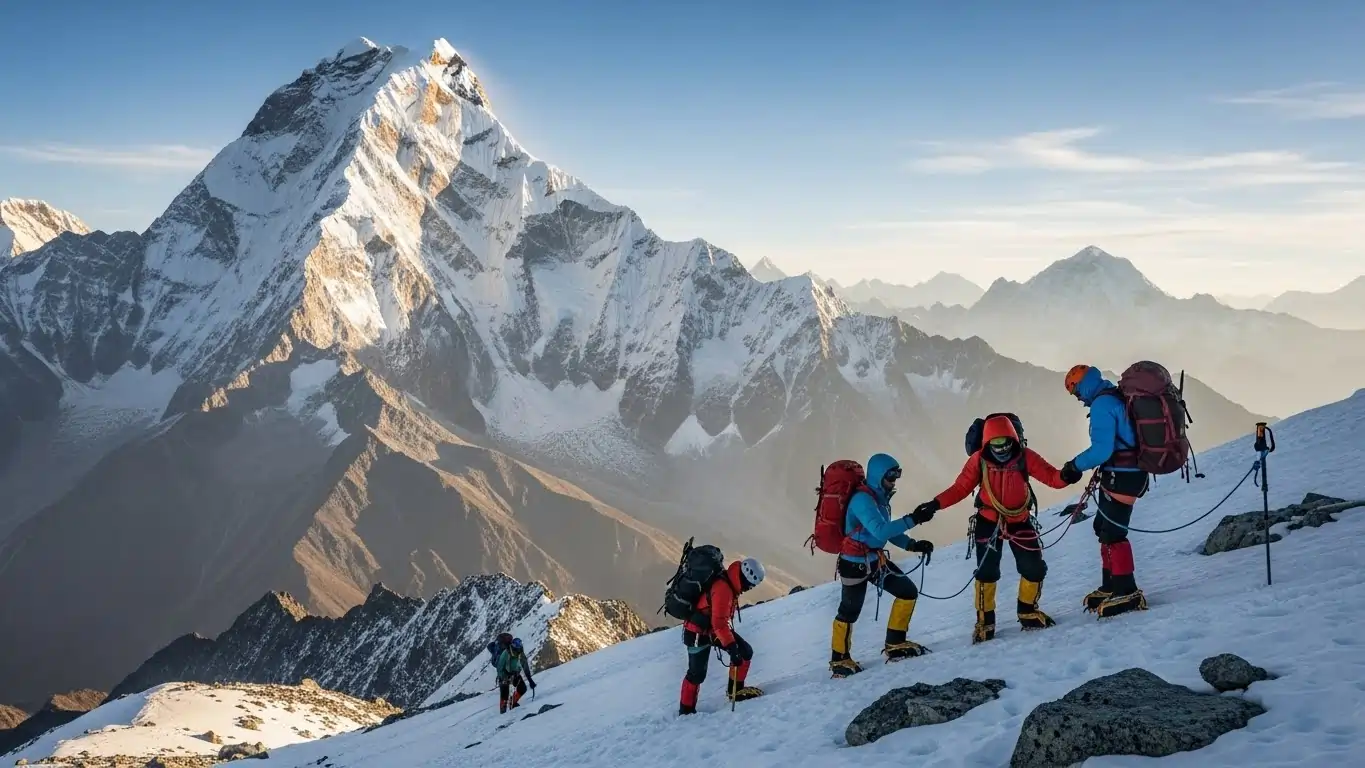
Ever wondered when is the perfect time to stand atop Mera Peak and soak in the breathtaking Himalayan panoramas? Trekkers often struggle with unpredictable weather, heavy snowfall, or crowded trails, which can turn an exciting climb into a challenging ordeal. Choosing the right season is key to avoiding these issues, ensuring safety, better visibility, and a more enjoyable adventure.
The best time to climb Mera Peak can make all the difference between a memorable summit and a strenuous struggle. In this blog, we’ll explore the ideal seasons for climbing Mera Peak, compare temperature ranges, highlight day-to-night variations, discuss teahouse and transport availability, and provide practical tips to help you plan a safe and successful expedition.
What Is Mera Peak?
Mera Peak is a trekking peak in the Nepal Himalaya, standing at 6,476 meters (21,247 feet) above sea level. Located in the Solukhumbu region, it offers stunning views of some of the highest mountains on Earth, including Everest, Lhotse, and Makalu. Its accessibility from Lukla and well-established trekking routes make it a popular choice for mountaineers seeking high-altitude experience without extreme technical challenges.
Mera Peak is popular among trekkers because it combines adventure with achievable altitude. It is suitable for climbers with basic mountaineering training, offering exposure to glacier travel and ice climbing while remaining less technical than other climbing peaks in Nepal like Island Peak or Everest Base Camp summits. Typically, trekking enthusiasts, adventure travelers, and beginner mountaineers who want to experience Himalayan summits attempt Mera Peak.
What is the Best Time to Climb Mera Peak: Seasonal Guide
The best time to climb Mera Peak is during the pre-monsoon (spring: March to May) and post-monsoon (autumn: September to November) seasons. These periods offer stable weather, clear skies, moderate temperatures, and excellent visibility of the surrounding Himalayan peaks. Snow conditions are generally safe, and teahouses and transportation services operate reliably, making these months ideal for a successful ascent.
Winter (December to February) brings very cold temperatures, strong winds, and heavy snowfall, which can make climbing risky, while the monsoon season (June to August) brings heavy rains, slippery trails, and frequent cloud cover, reducing visibility. Overall, spring and autumn provide the most predictable and enjoyable conditions for climbers of all levels attempting Mera Peak.
Related Article: https://marveltreks.com/best-time-for-everest-expedition/
Spring Season (March to May)
Spring is one of the best times to climb Mera Peak, with moderate temperatures, clear skies, and stable weather. The trails are accessible, snow conditions are manageable, and the surrounding landscapes are lush with blooming rhododendrons. This season suits both beginner and experienced climbers seeking a scenic and safe ascent.
Weather Conditions and Temperatures
During spring, daytime temperatures at lower elevations range from 10°C to 18°C, while higher camps can be between -5°C and 5°C. Nights are cold but generally tolerable with proper gear. The weather is relatively stable, with less risk of storms compared to monsoon or winter, and skies are mostly clear, offering excellent visibility of Himalayan peaks.
Snow and Glacier Conditions
Snow on Mera Peak in spring is usually firm but manageable, especially with crampons and ice axes. Glaciers are well-formed but not overly treacherous, making crevasse navigation easier for climbers. Spring snow provides good footing, reducing the risk of avalanches compared to heavy winter snow.
Advantages of Spring Climbing
Spring offers panoramic mountain views, blooming rhododendron forests, and fewer trekkers than autumn at certain spots. Trails are generally dry and accessible, teahouses operate fully, and the moderate temperatures make acclimatization easier. Overall, it’s a visually rewarding and safe time to climb.
Challenges and Risks in Spring
While spring is favorable, climbers may encounter sudden weather changes, occasional snowstorms, or strong winds at higher camps. Some glaciers can still have hidden crevasses, and early spring may have residual snow from winter. Proper preparation and acclimatization remain essential to minimize risks.
Autumn Season (September to November)
Autumn is the most popular time to climb Mera Peak due to stable weather, clear skies, and ideal trekking conditions. The trails are dry and accessible, with excellent visibility of surrounding Himalayan peaks. This season is suitable for climbers of all levels seeking a safe and scenic ascent. Many adventure travelers also combine Mera Peak with budget trekking in Nepal to explore more without high costs. The crisp, fresh air and post-monsoon greenery make the journey even more enjoyable.
Weather Stability and Clear Skies
Autumn offers consistently stable weather with minimal chances of rain or storms. Daytime temperatures range from 12°C to 20°C at lower elevations and -3°C to 5°C at higher camps. Clear skies provide breathtaking panoramic views of Everest, Lhotse, and Makalu, making photography and sightseeing optimal. The calm weather also makes acclimatization easier and safer for climbers.
Trail Conditions and Crowd Levels
Trails are generally dry, well-maintained, and easier to navigate than during the monsoon. Teahouses and transport services are fully operational. Autumn is also the peak trekking season, so popular routes may be crowded, especially near base camps and villages. Despite the crowds, the organized infrastructure ensures smooth trekking experiences.
Advantages of Autumn Climbing
The season provides the best visibility, stable temperatures, and fully functioning support infrastructure, including teahouses, guides, and rescue services. It’s ideal for beginners, solo trekkers, and guided groups aiming for a safe and enjoyable climb. The combination of scenery, comfort, and safety makes autumn the most rewarding season for Mera Peak.
Challenges and Limitations in Autumn
The main limitation is higher crowd levels, which can affect accommodation availability and a sense of solitude. Additionally, early November may start to see colder nights at higher camps, requiring proper gear. Climbers should also prepare for slightly busier trails compared to spring, especially near popular viewpoints.
Monsoon Season (June to August)
The monsoon season is generally considered the least favorable time to climb Mera Peak. Heavy rainfall, high humidity, and frequent cloud cover make trekking difficult and reduce visibility of the Himalayan peaks. Trails become slippery and prone to landslides, while rivers may swell, increasing the risk of accidents. Most teahouses and transport services operate, but disruptions are common. This season is suitable only for highly experienced climbers prepared for extreme conditions.
Rainfall, Cloud Cover, and Humidity
During monsoon, the region experiences heavy and persistent rainfall, often accompanied by thick clouds that obscure mountain views. Humidity levels are high, making physical exertion more tiring and increasing the risk of dehydration and heat-related stress at lower altitudes. Snow and glaciers may soften, creating unstable conditions at higher camps, which can increase the difficulty of climbing safely.
Trail and Flight Disruption Risks
Trails are often muddy, slippery, and prone to landslides, which can slow progress and increase the risk of accidents. Flights to Lukla, the main gateway for Mera Peak, are frequently delayed or canceled due to poor visibility and strong winds. Bridge crossings and river fords may also become dangerous, requiring extra caution and flexibility in travel plans.
Why Monsoon Is Generally Not Recommended?
The combination of heavy rain, poor visibility, and unstable trail conditions makes the monsoon a high-risk season for most climbers. Avalanches and landslides are more likely, and emergency rescue can be slower or more difficult. For safety and enjoyment, climbers are advised to avoid attempting Mera Peak during this period.
Rare Cases When Climbing May Still Be Possible
Climbing during monsoon is sometimes attempted by highly experienced mountaineers or guided expeditions who can adapt to sudden weather changes. Short dry spells or localized clear weather may allow limited ascents. However, such attempts require excellent planning, advanced technical skills, and a high tolerance for risk.
Winter Season (December to February)
Winter on Mera Peak brings extremely cold temperatures, strong winds, and heavy snowfall at higher elevations. Trails can be icy and challenging, and visibility may be reduced due to snowstorms or cloud cover. While the season offers solitude and pristine mountain views, the harsh conditions make climbing more difficult and risky. Winter ascents are generally recommended only for experienced climbers with proper gear and preparation.
Extreme Cold and Snow Conditions
Temperatures during winter can drop below -15°C at higher camps, with daytime highs barely reaching 0°C. Snow accumulation is significant, making trails slippery and glaciers harder to navigate. Frostbite and hypothermia are real risks, and proper winter clothing, insulated tents, and reliable heating systems are essential for safety.
Technical Difficulty in Winter
Winter climbing increases technical challenges, including navigating deep snow, icy patches, and hidden crevasses. Fixed ropes and crampons become essential, and climbers must have experience in ice climbing and winter mountaineering techniques. Even moderate slopes become significantly harder under frozen conditions.
Pros and Cons of Winter Ascents
Pros include fewer trekkers, serene landscapes, and crisp clear views on calm days. Cons involve extreme cold, higher avalanche risk, difficult trail conditions, and limited access to teahouses and rescue services. Climbers must weigh the solitude and beauty against safety and logistical challenges.
Who Winter Climbing Is Suitable For?
Winter climbing is suitable only for experienced mountaineers with advanced technical skills, winter gear, and high-altitude experience. It is not recommended for beginners or casual trekkers due to the severe environmental hazards and increased physical demands.
Why Timing Matters for Climbing Mera Peak?
Timing matters for climbing Mera Peak because weather conditions, trail safety, and logistical factors vary significantly throughout the year. Choosing the right season ensures better visibility, stable weather, safer routes, and an overall higher chance of a successful and enjoyable summit. Trekkers often plan their flights carefully, considering airports near Everest for convenient access before starting the trek. Poor timing can increase risks, costs, and difficulty, affecting both safety and the trekking experience.
Weather Stability and Safety
Stable weather is critical for safe climbing. During pre-monsoon (spring) and post-monsoon (autumn), Mera Peak experiences minimal storms, moderate temperatures, and predictable conditions. This reduces risks of avalanches, landslides, and sudden weather-related emergencies. In contrast, monsoon and winter bring high winds, heavy precipitation, or extreme cold, increasing hazards on the mountain. Proper timing ensures climbers face fewer weather-related challenges.
Visibility and Mountain Views
Clear skies are essential for both navigation and enjoyment. During optimal seasons, climbers can experience panoramic views of Everest, Lhotse, Makalu, and surrounding peaks. Poor timing, such as monsoon, results in cloud cover and fog, limiting visibility and reducing the visual reward of the climb. Good timing enhances the overall trekking experience and photographic opportunities.
Route Conditions and Glacier Safety
Trail and glacier conditions change with seasons. Spring and autumn provide firm snow, stable glaciers, and manageable crevasses, making route navigation safer. Monsoon and winter can soften or destabilize snow, create slippery trails, and increase crevasse hazards. Choosing the right timing ensures safer passage across glaciers and reduces technical difficulties.
Impact on Logistics, Permits, and Costs
Timing affects availability of teahouses, guides, porters, and flights to Lukla. During peak seasons, services are fully operational but slightly more crowded, whereas off-season may lead to limited support and higher costs for private arrangements. Proper timing ensures smooth logistics, easy permit acquisition, and optimal resource availability for a successful expedition.
Season Comparison Table
Comparing seasons is essential to understand when Mera Peak offers the safest, most enjoyable, and visually rewarding climb. Factors like weather stability, visibility, trail difficulty, and crowd levels vary throughout the year, helping climbers choose the optimal season. The table below summarizes key aspects for each season to guide planning.
| Season | Weather Stability | Visibility | Difficulty Level | Crowd Level | Overall Recommendation |
| Spring (Mar-May) | Stable, moderate temperatures | Clear skies, panoramic views | Moderate; snow manageable | Moderate | Excellent; ideal for beginners and experienced climbers |
| Summer/Monsoon (Jun-Aug) | Unstable, heavy rainfall | Poor; cloud cover frequent | High; slippery and risky | Low | Not recommended due to safety and trail conditions |
| Autumn (Sep-Nov) | Very stable, dry conditions | Clear skies, best visibility | Moderate; trails accessible | High | Excellent; most popular and safest season |
| Winter (Dec-Feb) | Extreme cold, strong winds | Variable; sometimes clear | High; icy and technical | Very low | Only for experienced climbers with winter skills |
Preparation Tips for Each Season
Preparation is key to a safe and successful Mera Peak climb, and requirements vary depending on the season. Proper gear, clothing, and planning can help mitigate risks associated with weather, trail conditions, and altitude. Seasonal preparation ensures better comfort, safety, and enjoyment throughout the trek.
Related Article: https://marveltreks.com/how-to-prepare-for-everest-base-camp-trek/
Spring Preparation Checklist
Spring offers moderate conditions, but climbers should still prepare for variable weather. Key preparations include:
- Layered clothing for temperature fluctuations
- Sunglasses and sunscreen for strong sunlight at high altitude
- Crampons and ice axes for firm snow and glacier travel
- Adequate hydration and energy snacks for acclimatization
Autumn Preparation Checklist
Autumn provides stable conditions, but preparation ensures comfort and safety:
- Warm clothing for cold nights at higher camps
- Sunglasses and sunscreen for clear, sunny days
- Trekking poles for dry, sometimes rocky trails
- Advance booking for teahouses due to high crowd levels
- First aid kit and altitude medication
Monsoon Preparation Checklist
Monsoon climbing is challenging and requires extra precautions:
- Waterproof jackets, pants, and hiking boots
- Trekking poles with good grip for slippery trails
- Rain covers for backpack and equipment
- Extra days for possible flight or trail delays
- Awareness of landslide-prone areas and river crossings
- Limited climbing gear suitable for wet snow
Winter Preparation Checklist
Winter ascents demand specialized gear and preparation for extreme conditions:
- Heavy-duty insulated clothing and gloves
- High-quality sleeping bags rated for sub-zero temperatures
- Crampons, ice axes, and ropes for icy glaciers
- Sunglasses and sunscreen for snow glare
- Adequate food and hydration for energy in extreme cold
- Experience in winter mountaineering and high-altitude survival skills
Best Months to Climb Mera Peak
The best months to climb Mera Peak are during spring (March to May) and autumn (September to November), when weather is stable, skies are clear, and trails are accessible. These periods provide optimal conditions for safety, acclimatization, and enjoying panoramic Himalayan views. Climbing outside these months increases risks from extreme weather, poor visibility, or difficult trail conditions.
Month-by-Month Recommendation Summary
- March: Early spring; trails start to clear, moderate temperatures; suitable for climbers with basic experience.
- April: Peak spring; rhododendron forests bloom, weather stable; excellent visibility and trekking conditions.
- May: Late spring; warmer temperatures, still stable; ideal for summit attempts, but some trails may start to soften.
- June to August: Monsoon; heavy rain, high humidity, slippery trails, and poor visibility; generally not recommended.
- September: Early autumn; stable weather, clear skies, perfect trekking conditions; very popular season.
- October: Peak autumn; best visibility and moderate temperatures; high crowd levels but optimal for climbing.
- November: Late autumn; slightly colder nights, still safe; fewer crowds toward the end of the month.
- December to February: Winter; extreme cold, icy trails, high technical difficulty; suitable only for experienced climbers.
Peak Success-Rate Months
The highest summit success rates are typically in April, October, and early November, when weather stability, snow conditions, and visibility are optimal. These months provide firm snow on glaciers, manageable trail conditions, and lower risk of storms, significantly increasing the chances of reaching the summit safely. Climbers attempting Mera Peak in these months generally experience fewer delays and a smoother acclimatization process.
Conclusion
The best time to climb Mera Peak is during spring (March to May) and autumn (September to November). These seasons offer stable weather, clear skies, manageable snow and glacier conditions, and optimal visibility of the Himalayan peaks. They provide the safest and most enjoyable trekking experience, whether for beginners or experienced climbers.
For climbers with less experience or lower risk tolerance, autumn is particularly recommended due to its stability, fully operational teahouses, and predictable trail conditions. Spring is ideal for those who want vibrant landscapes and blooming rhododendrons but should be prepared for slightly variable weather. Winter and monsoon climbs are only suitable for highly experienced mountaineers with advanced technical skills, specialized gear, and readiness for extreme conditions. Proper planning, acclimatization, and seasonal awareness are key to a successful Mera Peak expedition.
What is the best time to climb Mera Peak?
The best time is spring (March to May) and autumn (September to November) for stable weather, clear skies, and manageable snow conditions.
How long does it take to climb Mera Peak?
A typical expedition takes about 14-18 days, including trekking to base camp, acclimatization, and summit attempt.
Do I need previous mountaineering experience to climb Mera Peak?
Basic mountaineering training is recommended, but beginners with a guided team can attempt it safely.
What permits are required for Mera Peak?
Climbers need a trekking permit for the Sagarmatha National Park and a separate peak climbing permit from the Nepal Mountaineering Association.
What level of fitness is required?
Moderate to high fitness is needed due to long trekking days, altitude, and glacier climbs. Cardiovascular endurance and stamina are important.
Are teahouses available along the Mera Peak route?
Yes, teahouses are available on lower and mid-trek sections, but higher camps near the summit may require camping.
What are the main risks while climbing Mera Peak?
Risks include altitude sickness, sudden weather changes, snow and ice conditions, and slippery trails, especially during monsoon or winter.
What equipment is essential for Mera Peak?
Essential gear includes layered clothing, insulated jackets, trekking boots, crampons, ice axes, gloves, sunglasses, sleeping bags, and safety equipment for glacier travel.

Ready for your next Himalayan adventure?
Plan Your Next Big Adventure with Us
Explore Our AdventuresJoin our expert-guided journeys across Nepal and beyond, from classic trails to epic summits.