

Packing for Everest Base Camp Trek
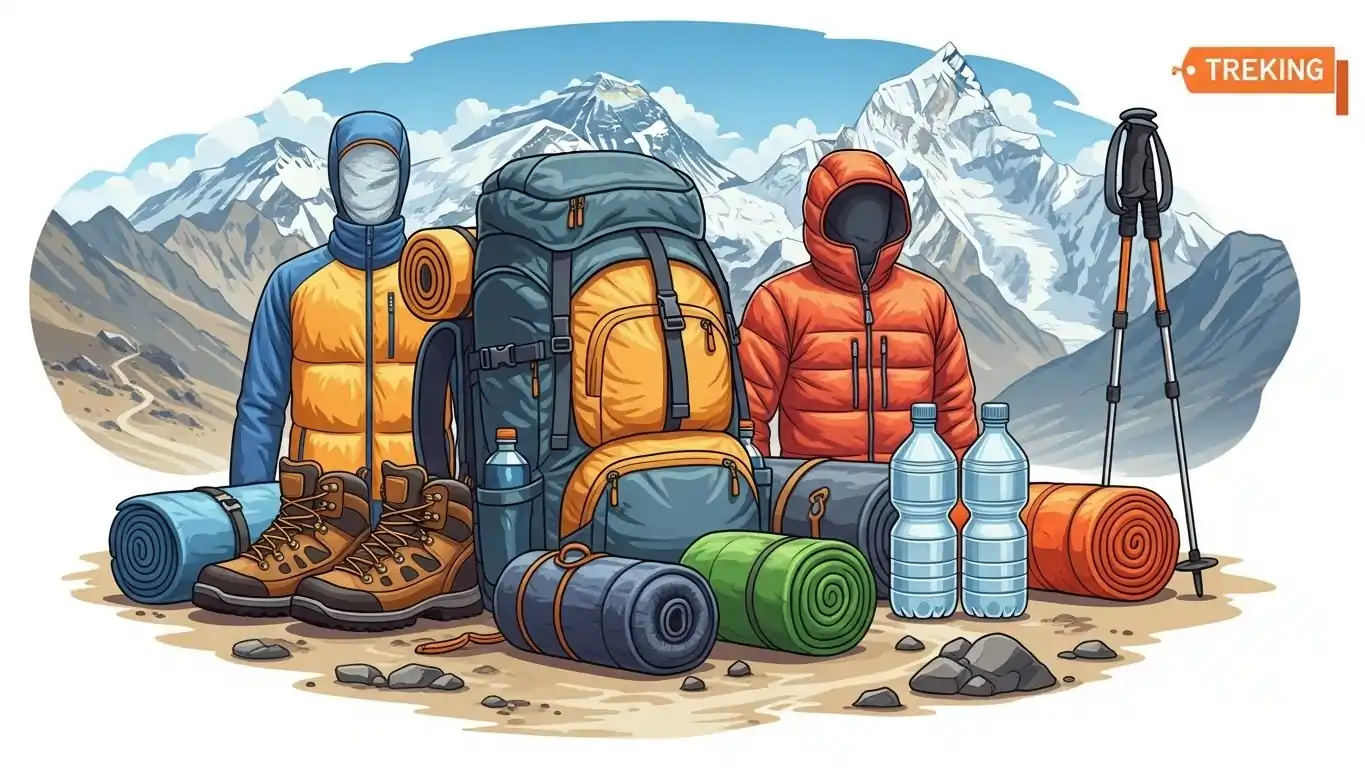
Do you worry about reaching high trails with the wrong gear packed? Many trekkers struggle with cold nights, wet clothing, sore feet, and heavy backpacks. Forgetting essential items or overpacking can slow progress, drain energy, and create unnecessary stress during high-altitude trekking. Unprepared trekkers often face challenges with sleep, nutrition, and protection from harsh weather, turning an exciting adventure into a tough struggle.
In this blog, readers will learn what to pack for Everest Base Camp Trek in detail, with practical guidance especially useful for those new to trekking in Nepal for beginners. We cover clothing, footwear, backpacks, trekking gear, personal care items, and essential tools for safety and comfort. You will also understand how proper packing affects energy levels, acclimatization, and the overall trekking experience. By the end, you will have a clear, practical checklist to ensure a smooth, enjoyable, and safe Everest Base Camp adventure.
What Is the Everest Base Camp Trek?
Everest Base Camp Trek is a high-altitude trek in Nepal leading to the base of Mount Everest at 5,364 meters (17,598 feet). The trail passes through the Khumbu region, offering views of towering peaks, glaciers, and Sherpa villages along the way. The trek typically takes 12-14 days, including acclimatization days, covering a round trip from Lukla to EBC and back. Popular routes include Lukla-Namche Bazaar-Dingboche-Lobuche-EBC. The best seasons for trekking are pre-monsoon (March to May) and post-monsoon (September to November), when weather is stable and skies are clear.
This trek suits moderately fit individuals who can handle long walks at high altitude. Beginners with proper preparation, experienced hikers, and adventure travelers all find it rewarding. It offers cultural experiences, stunning mountain landscapes, and a sense of achievement reaching the base of the world’s tallest peak.
What to Pack for Everest Base Camp Trek?
You can pack essential gear for the Everest Base Camp Trek by focusing on clothing, footwear, backpacks, sleeping gear, trekking tools, personal care items, first aid, and electronics. Smart packing ensures comfort, safety, and energy efficiency during high-altitude trekking. Organizing items by category helps reduce weight and keeps important gear accessible throughout the trek, making it ideal for packing for trekking in Nepal.
Clothing Essentials
Clothing is the foundation of comfort and safety on Everest Base Camp Trek. Proper layering allows trekkers to adapt quickly to temperature changes, high winds, and sudden rainfall or snowfall. Base layers made of moisture-wicking material keep sweat away from the skin, preventing chills. Insulation layers such as fleece or down jackets trap warmth while remaining lightweight. Outer shells must protect against wind and rain while maintaining breathability. Trekking pants and thermal leggings provide warmth and flexibility, while gloves, hats, and neck gaiters protect extremities from frostbite. Quick-dry shirts, socks, and shorts for lower altitudes add comfort during warm days or teahouse stays. Selecting versatile clothing reduces the total weight and ensures functionality at varying altitudes.
- Base layers made of moisture-wicking fabric
- Insulation layers such as fleece or down jackets
- Outer shell jackets and pants for wind and rain protection
- Trekking pants and thermal leggings
- Gloves, warm hats, and neck gaiters
- Quick-dry shirts and socks
- Lightweight trekking shorts for lower altitudes
Footwear
Footwear is crucial for preventing injuries, maintaining warmth, and providing traction across rocky, icy, or muddy terrain. High-ankle trekking boots offer ankle support and stability on uneven trails. Proper trekking socks, combined with liner socks, reduce the risk of blisters and keep feet dry. Gaiters protect against snow, dust, and debris, especially on higher passes. Lightweight shoes are useful for walking around villages and teahouses during rest days. Spare insoles increase comfort on long hikes, while waterproof treatment on boots ensures dryness during wet conditions. Investing in durable and well-fitted footwear significantly improves overall trekking experience.
- High-ankle trekking boots for ankle support
- Comfortable trekking socks and liner socks to reduce blisters
- Gaiters for snow, dust, and loose gravel protection
- Lightweight shoes for village walks and rest days
- Spare insoles for comfort
- Waterproof treatment for boots
- Break-in boots before the trek
Backpack and Bags
Carrying gear efficiently is essential for comfort and safety. A main trekking backpack of 50–65 liters accommodates all essential items without causing excessive strain. A smaller daypack of 20–30 liters is ideal for carrying water, snacks, and personal items during daily hikes. Waterproof covers protect backpacks and contents from rain or snow, while dry bags secure electronics and clothing. Compression bags help organize items and reduce bulk. Multiple compartments provide easy access to frequently used items, and lightweight packing cubes further separate clothing, gear, and documents. Proper backpack choice and organization prevent fatigue and allow quicker access to critical equipment.
- Main trekking backpack (50–65 liters) for personal gear
- Daypack (20–30 liters) for daily essentials
- Waterproof covers for rain protection
- Dry bags for electronics and clothing
- Compression bags for organized packing
- Multiple compartments for quick access
- Lightweight packing cubes for small items
Sleeping Gear
Sleeping gear ensures rest and warmth at high-altitude teahouses where temperatures can drop below freezing. A sleeping bag rated for -15°C to -20°C keeps the body insulated, while a liner adds extra warmth and hygiene. Inflatable or compact pillows provide neck support during sleep. Lightweight blankets can supplement warmth if needed, and a small travel sheet protects against teahouse bedding. A stuff sack keeps gear organized, and a simple repair kit ensures sleeping gear remains functional throughout the trek. Prioritizing sleeping gear improves recovery and energy for long trekking days.
- Sleeping bag rated for -15°C to -20°C
- Sleeping bag liner for extra warmth and hygiene
- Inflatable or compact pillow
- Lightweight blanket if needed
- Small travel sheet
- Stuff sack for easy carrying
- Repair kit for zippers or seams
Trekking and Travel Gear
Trekking tools and accessories improve efficiency, safety, and protection from environmental hazards. Trekking poles reduce stress on knees and provide stability on uneven terrain. A headlamp with extra batteries allows safe navigation during early starts or low-light conditions. Sunglasses with UV protection shield eyes from intense high-altitude sunlight. Sunscreen and SPF lip balm prevent sunburn and chapped lips. Water bottles or hydration bladders ensure proper hydration, while maps or GPS devices aid route navigation. Optional trekking umbrellas provide shade and rain protection, and keeping essential items organized in pockets ensures accessibility during hikes.
- Trekking poles for stability and reducing knee strain
- Headlamp with extra batteries for early starts or dark trails
- Sunglasses with UV protection
- Sunscreen and SPF lip balm
- Water bottles or hydration bladder
- Map or GPS device
- Lightweight trekking umbrella (optional)
Personal Care and Toiletries
Maintaining hygiene and personal care is crucial during long treks. Toothbrush, toothpaste, soap, and shampoo keep basic hygiene intact. Sunscreen and lip balm protect skin from harsh UV exposure at high altitudes. Quick-dry towels are convenient for washing in teahouses with limited facilities. Toilet paper and hand sanitizer ensure cleanliness in remote areas. Wet wipes provide additional hygiene, while a small mirror assists with grooming. Travel-sized ointments address minor skin irritations, chafing, or cuts, helping prevent infections in challenging trekking conditions.
- Toothbrush, toothpaste, soap, and shampoo
- Sunscreen and lip balm for UV protection
- Quick-dry towel for washing
- Toilet paper and hand sanitizer
- Wet wipes for hygiene in remote areas
- Small mirror
- Travel-sized first aid ointments for skin issues
First Aid and Medications
Being prepared for illness or injury ensures safe trekking. Carrying personal prescription medications addresses specific health needs. Altitude sickness medication, like acetazolamide, can prevent or reduce symptoms, but consult a doctor before use. A basic first aid kit should include bandages, antiseptic, painkillers, and blister pads. Thermometers monitor fever, and anti-diarrheal or rehydration salts treat common gastrointestinal issues. Cold or flu medication and small scissors or tweezers enhance preparedness. Organized first aid supplies reduce response time during emergencies and improve trekking safety.
- Personal prescription medications
- Altitude sickness medication (consult doctor)
- Basic first aid kit with bandages, antiseptic, painkillers
- Blister pads and moleskin
- Thermometer
- Anti-diarrheal and rehydration salts
- Cold or flu medication
Electronics and Documents
Electronics and documents support communication, safety, and convenience. Power banks and charging cables maintain devices for photos, GPS, and emergencies. Cameras or smartphones capture trekking moments, while spare memory cards ensure storage availability. Passport, trekking permits, and insurance copies are essential for legal travel and trekking permissions. Travel adapters and emergency contact lists improve preparedness. Notebooks and pens help log experiences or track important information. Keeping electronics and documents organized reduces stress and ensures smooth trekking logistics.
- Power bank and charging cables
- Camera or smartphone for photos
- Passport, trekking permits, and insurance copies
- Spare memory cards
- Travel adapter if needed
- Notebook and pen for journaling
- Emergency contact list
Why Packing Matters for Everest Base Camp Trek?
Packing matters for the Everest Base Camp Trek because proper gear ensures safety, comfort, and energy efficiency throughout the journey. High-altitude conditions, unpredictable weather, and limited facilities make careful preparation essential. Overpacking or missing items can lead to fatigue, cold exposure, or health risks, while smart packing improves mobility, warmth, and the overall trekking experience, making preparation for EBC trek critical.
Impact of Weather Variability and Cold Temperatures
Weather on the Everest Base Camp trail changes rapidly, with sunny mornings often turning into snow, rain, or high winds by afternoon. Temperatures can drop well below freezing at night, even during spring and autumn. Proper clothing, waterproof layers, and insulated gear protect against hypothermia and frostbite. Trekking in unsuitable or wet clothing increases the risk of illness, slows progress, and reduces energy. Smart packing allows trekkers to adjust layers quickly, maintaining comfort and endurance across diverse conditions.
Importance of Weight Management at High Altitude
Carrying excessive weight increases strain on muscles and joints, reducing stamina and increasing the risk of injury. At high altitudes, oxygen levels drop, making every extra kilogram feel heavier and more tiring. A well-organized, lightweight backpack ensures energy is conserved for walking, climbing, and daily activities. Proper weight management also allows trekkers to move faster, recover better at teahouses, and respond to emergencies more efficiently. Prioritizing essential items over unnecessary extras improves both safety and enjoyment.
Limited Availability of Quality Gear in Remote Areas
Shops along the trail carry basic or second-hand items and often lack specialized high-altitude equipment. Buying essential gear like insulated jackets, trekking poles, or proper boots at teahouses may be expensive or unavailable. Bringing reliable, high-quality gear from home ensures trekkers have durable, functional items throughout the trek. Smart packing prevents dependence on unreliable local supplies and avoids last-minute compromises that can affect safety and comfort.
Safety, Comfort, and Energy Conservation Reasons
Proper packing directly affects overall safety, comfort, and energy conservation. Warm clothing, proper footwear, and essential tools prevent injuries, frostbite, or altitude-related illnesses. Organizing items ensures quick access to water, snacks, or emergency gear. Comfortable, lightweight backpacks reduce fatigue and allow longer, more consistent walking. Efficient packing maintains energy levels, improves focus, and ensures trekkers can fully enjoy scenery, cultural experiences, and the physical challenge of reaching Everest Base Camp.
How to Manage Your Backpack Effectively?
To manage your backpack effectively, organize items by priority, balance weight, and separate daily essentials from heavier gear. Keeping the load within a manageable weight ensures energy efficiency, reduces strain on joints, and prevents fatigue. Proper packing order allows quick access to frequently used items while maintaining stability during long hikes. Using a combination of main backpack and daypack improves mobility and overall trekking comfort.
Recommended Total Backpack Weight
Keeping your total backpack weight between 10-14 kilograms for the main pack is ideal for Everest Base Camp Trek. Heavier loads increase fatigue, slow pace, and strain knees and ankles, especially at high altitudes. Daypacks should carry only 4-6 kilograms of daily essentials, such as water, snacks, camera, or an extra layer. Limiting weight encourages energy conservation and reduces the risk of injuries, making long trekking days more manageable.
What to Keep in the Daypack vs Main Pack
The main backpack should carry heavy and bulkier items like clothing, sleeping gear, extra shoes, and food for longer stretches. Daypacks should include items needed throughout the day: water bottles, snacks, sunscreen, gloves, hat, camera, and personal documents. Keeping essential items in a smaller pack ensures accessibility without unloading the entire main pack. Separating gear this way improves trekking efficiency and helps respond quickly to weather changes or emergencies.
Weight Distribution Tips
Distribute weight with 70% of heavy items close to your back and around shoulder level for balance. Lighter items, like spare clothes or small gadgets, should sit near the top or edges. Place frequently used items in accessible pockets, while rarely used gear goes to the bottom. Using compression straps stabilizes the load, preventing shifting during uphill climbs or descents. Proper distribution minimizes strain on shoulders, spine, and hips, maintaining energy throughout the trek.
Packing Order for Easy Access
Organize items so that frequently needed gear is easy to reach. Rain jackets, water bottles, snacks, and first aid kits should be at the top or in external pockets. Sleeping bags, spare clothes, and less-used items belong at the bottom of the pack. Use packing cubes or dry bags to separate categories and reduce search time. This approach keeps trekking efficient, reduces stress during sudden weather changes, and ensures critical items are always within reach.
Proper Preparation Guide for Everest Base Camp Trek
Proper preparation for the Everest Base Camp Trek ensures safety, comfort, and success on high-altitude trails. Physical fitness, tested gear, timely packing, and acclimatization planning all contribute to a smooth trekking experience. Being well-prepared reduces fatigue, prevents altitude sickness, and helps trekkers manage EBC trek difficulty while enjoying the scenery and cultural encounters along the route.
What Physical Preparation Is Required
Everest Base Camp Trek requires moderate to high fitness levels due to long walking days and high-altitude conditions. Trekkers should be comfortable walking 5-8 hours daily with uphill climbs. Cardiovascular exercises like running, cycling, or swimming improve stamina, while strength training for legs, core, and back supports carrying backpacks. Hiking practice with a loaded backpack on uneven terrain prepares muscles and joints. Flexibility exercises and stretching reduce injury risk. Maintaining a consistent training for EBC routine for at least 8-12 weeks before departure is highly recommended.
- Cardiovascular exercises: running, cycling, swimming
- Strength training: legs, core, back
- Hiking practice with loaded backpack
- Uphill and downhill walking
- Flexibility and stretching exercises
- Endurance building through longer walks
- Maintaining regular training 8–12 weeks prior
What Gear Should Be Tested Before the Trek
Testing gear before the trek ensures comfort and prevents surprises at high altitude. Boots should be broken in during multiple hikes to avoid blisters. Jackets, pants, and base layers should be worn in varying weather conditions to check fit, mobility, and insulation. Sleeping bags can be tested at home or in cold rooms to confirm warmth. Trekking poles and backpacks should be adjusted and loaded to ensure proper fit. Familiarity with gear reduces stress and improves confidence during the trek.
- Break in trekking boots with long hikes
- Test jackets and pants in cold and wet conditions
- Wear base layers to check fit and comfort
- Test sleeping bag temperature rating
- Adjust trekking poles and backpack straps
- Pack and unpack bags for organization practice
- Check all gear functionality and durability
When to Start Packing for EBC Trek
Start preparing gear at least 4-6 weeks before departure. Buy or rent essential items early to allow testing and replacement if needed. Begin packing 2-3 weeks before departure, arranging items by category and importance. Complete a final checklist 35 days before leaving to ensure nothing is forgotten. Early preparation reduces last-minute stress and ensures all gear meets trekking requirements.
- Buy or rent essential gear 4-6 weeks prior
- Test and adjust gear during this period
- Begin packing 2-3 weeks before trek
- Arrange items by category and priority
- Complete final checklist 3-5 days before departure
- Verify permits, documents, and health items
- Keep frequently used items easily accessible
Why Acclimatization Planning Matters
Acclimatization days are essential to prevent altitude sickness and allow the body to adjust to lower oxygen levels. Proper planning ensures gradual ascent and adequate rest, improving endurance and safety. Smart packing supports acclimatization by including warm clothing, hydration gear, high-energy snacks, and medications for altitude-related issues. Accessible layers, water, and personal care items make acclimatization days comfortable and reduce the risk of health problems.
- Schedule acclimatization days at key points like Namche Bazaar and Dingboche
- Ascend gradually to allow the body to adjust
- Include warm clothing and extra layers for cold nights
- Carry hydration systems and snacks for energy
- Pack medications for altitude sickness and minor ailments
- Organize gear for easy daily access
- Plan activities to conserve energy while resting
Conclusion
Packing smart for Everest Base Camp Trek matters more than simply carrying more items. Selecting essential gear carefully ensures warmth, safety, and energy efficiency while keeping backpack weight manageable. Proper organization allows easy access to critical items, reducing stress and fatigue during long trekking days.
First-time trekkers should focus on comfort, balance, and reliability when choosing clothing, footwear, and equipment. Testing gear beforehand and prioritizing lightweight, functional items ensures a smooth, safe, and enjoyable journey to Everest Base Camp. Thoughtful preparation transforms the trek into a memorable adventure rather than a struggle against the elements.
What is the ideal backpack size for EBC Trek?
A 50–65 liter main backpack is recommended. A smaller 20–30 liter daypack should carry daily essentials.
Do I need special clothing for high-altitude trekking?
Yes, layering is essential with base, insulation, and outer layers. Warm hats, gloves, and thermal wear protect against extreme cold.
Can I buy trekking gear along the route?
Limited gear is available in teahouses and local shops. Quality items like boots or jackets are best brought from home.
How heavy should my backpack be?
Main pack weight should stay between 10–14 kilograms. Daypack weight should not exceed 4–6 kilograms.
Is altitude sickness medication necessary?
It is recommended for trekkers sensitive to high altitude. Consult a doctor before carrying acetazolamide or other medications.
What type of footwear is required for EBC Trek?
High-ankle trekking boots are essential for support and grip. Gaiters and liner socks prevent blisters and protect from snow or dust.
How much clothing should I carry?
Pack versatile layers that can be combined for warmth. Include extra base layers, socks, and thermal leggings for cold nights.
Should I test my gear before the trek?
Yes, test boots, jackets, and sleeping bags beforehand. Familiarity with gear ensures comfort and prevents issues on the trail.

Ready for your next Himalayan adventure?
Plan Your Next Big Adventure with Us
Explore Our AdventuresJoin our expert-guided journeys across Nepal and beyond, from classic trails to epic summits.