Elbrus Expedition – 10 Days

Russia
Caucasus Mountains
1-12 Pax
5642m
Challenging
Teahouse/Lodge, Tented Camp
5-8 hrs
Autumn, Spring
Highlights of Elbrus Expedition – 10 Days
Key Highlights of the Elbrus Expedition
- Summit the highest peak in Europe (Seven Summits) on a professionally guided Elbrus expedition
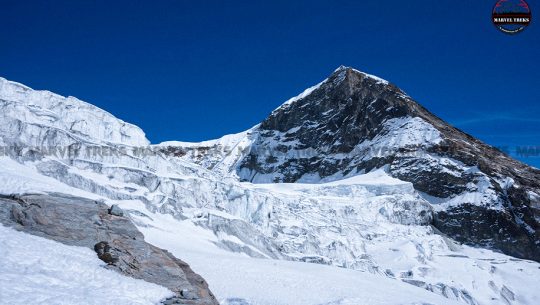
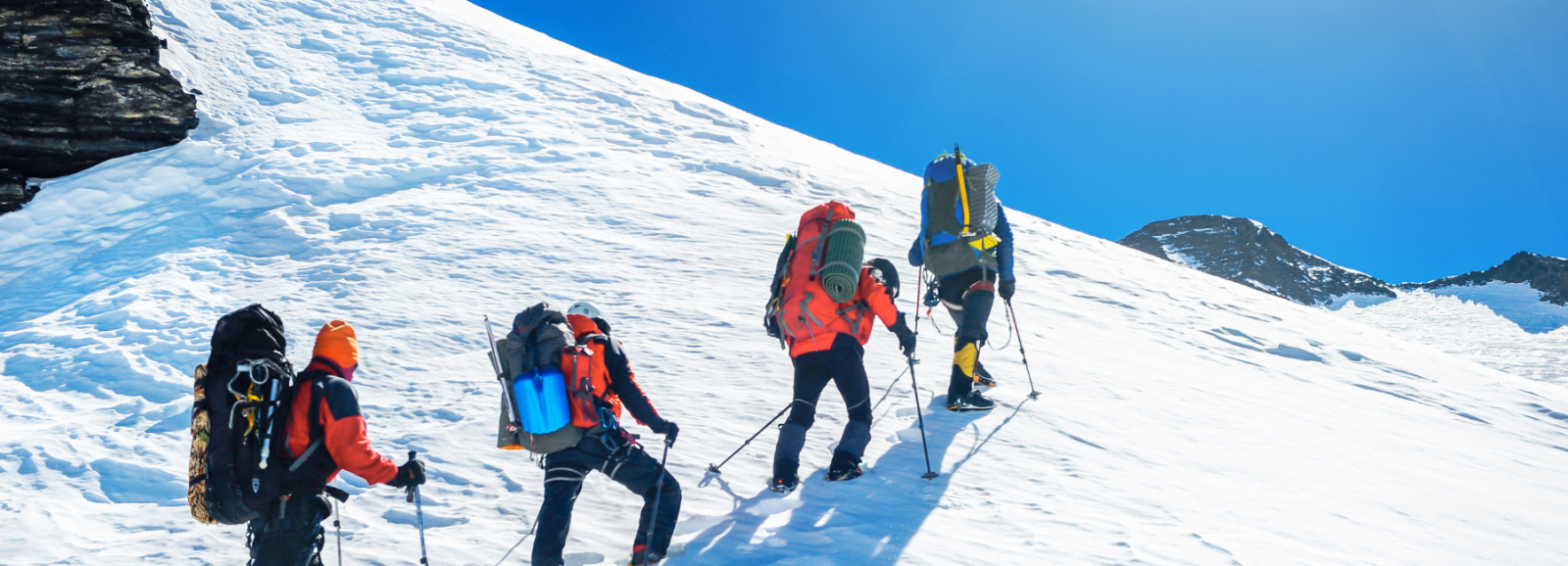
- Experience a non-technical glacier climb with a consistently high summit success rate
- Benefit from cable car-assisted ascent, reducing approach fatigue and improving efficiency
- Follow a structured acclimatization model designed to maximize altitude adaptation and safety
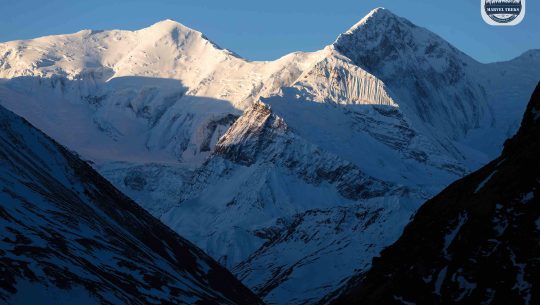
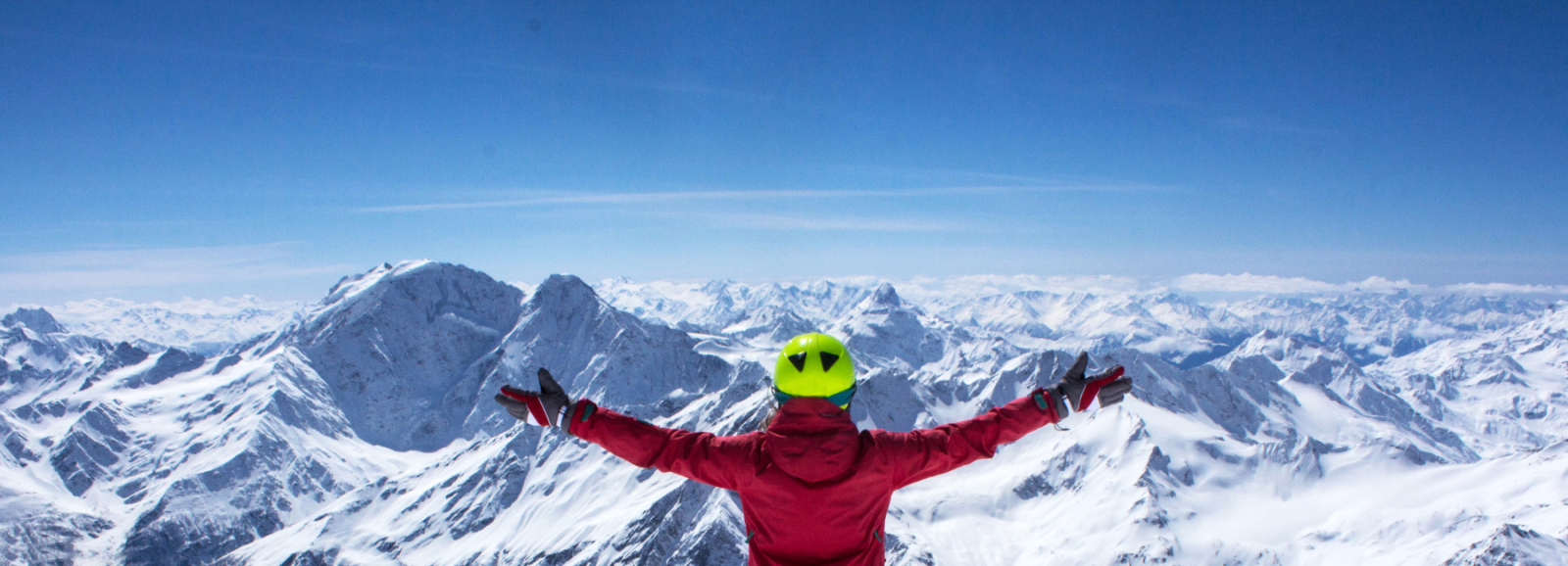
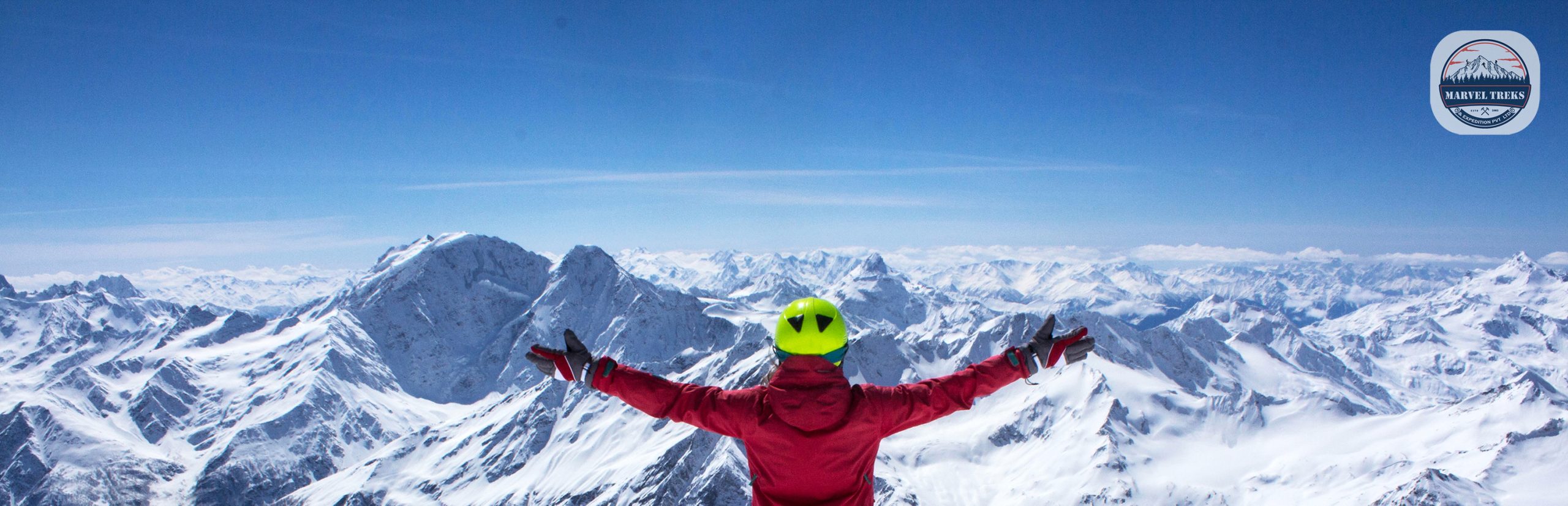
- Enjoy panoramic Caucasus views from multiple elevation points throughout the Elbrus expedition
- Use the Elbrus expedition as an ideal training progression toward 6000m–8000m high-altitude climbs
Elbrus Expedition – 10 Days Overview
The Mount Elbrus Expedition 2026 offers a high-impact entry into expedition mountaineering, taking climbers to 5,642 meters in the Caucasus Mountains. As one of the Seven Summits, Elbrus delivers a rare combination of accessibility and genuine altitude challenge. The route follows a non-technical glacier ascent, supported by cable car access to higher camps, allowing for efficient energy management while maintaining a structured acclimatization profile through key elevations like Garabashi and Pastukhov Rocks. For complete route details, preparation insights, and full expedition breakdown, visit the Mount Elbrus Expedition Complete Guide.
Operated by Marvel Treks and Expedition Pvt. Ltd., this 10-day expedition is engineered for maximum summit success, safety, and logistical efficiency. Climbers benefit from expert leadership, real-time weather monitoring, and a built-in buffer day to optimize summit conditions. While no advanced climbing skills are required, the expedition demands strong endurance for the summit push, making it ideal for first-time high-altitude climbers and those progressing toward more advanced peaks.
Gallery of Elbrus Expedition – 10 Days
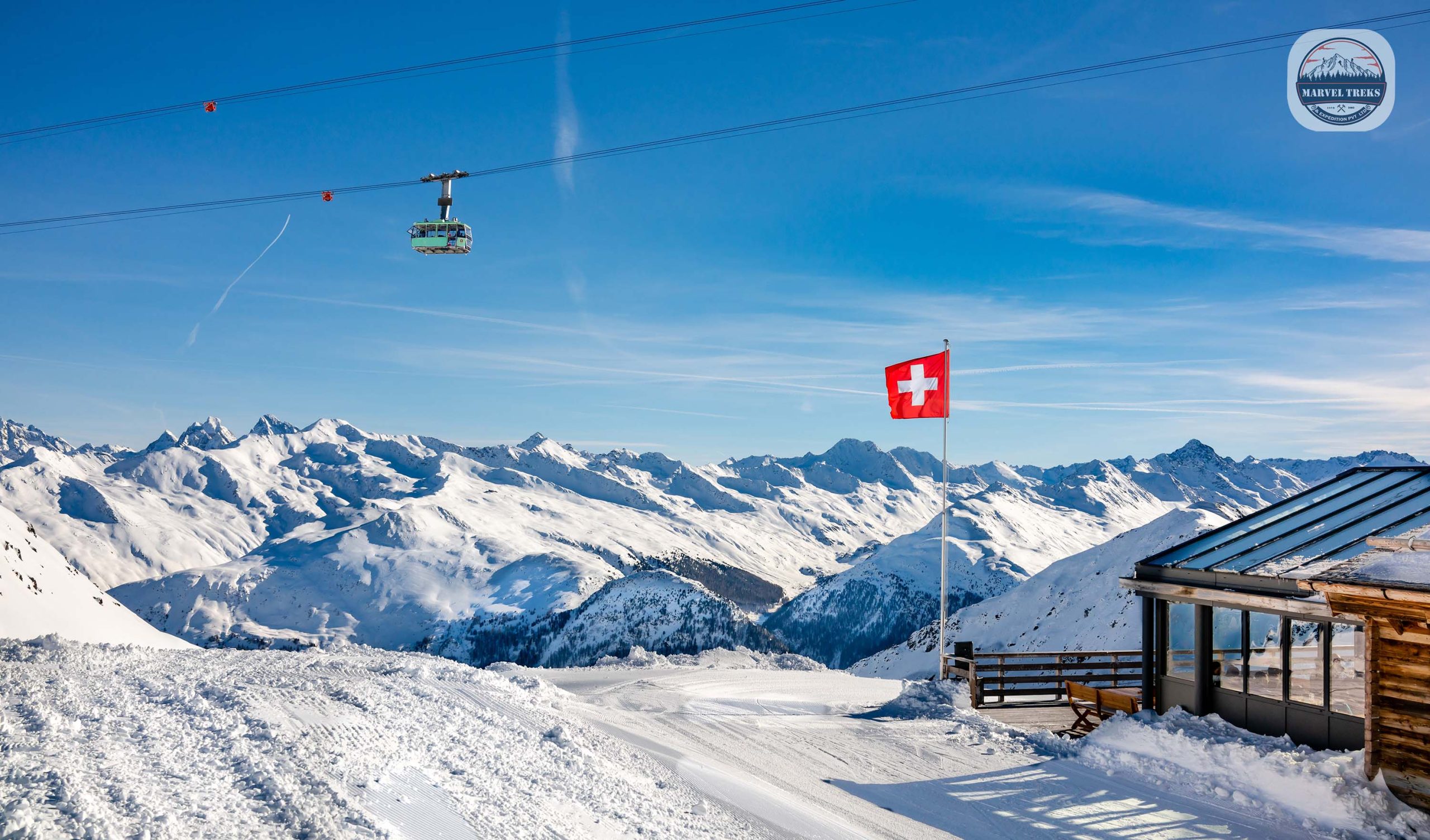
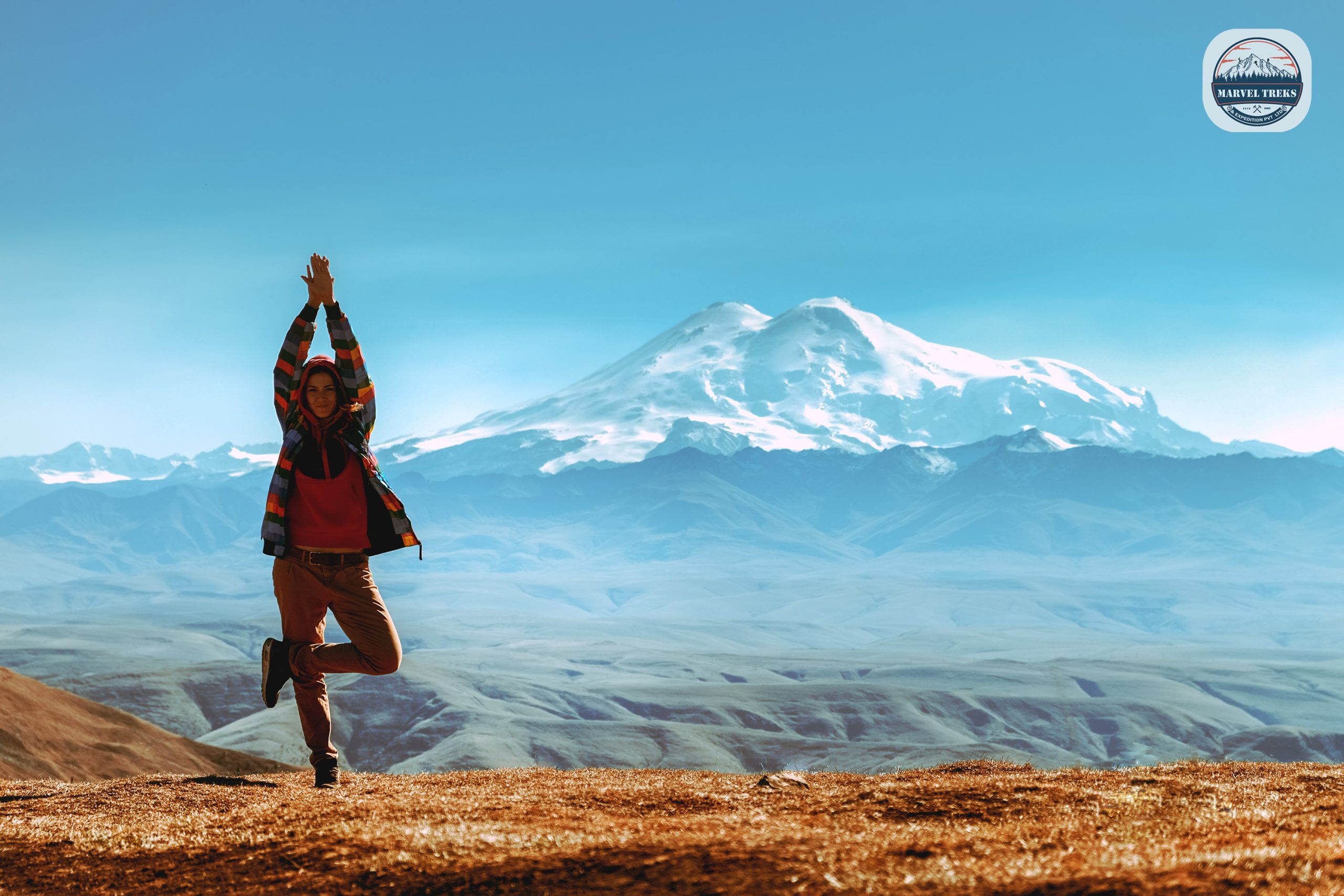
- Arrival and Ground Services: Airport transfers (international and domestic) with meet-and-greet assistance. All ground transportation during the expedition, including transfers between the airport, hotel, and mountain region.
- Accommodation: Hotel stay in Terskol/Azau on a twin-sharing basis with breakfast. Mountain accommodation in barrel huts or designated shelters at Garabashi.
- Meals and Nutrition: Full board meals (breakfast, lunch, and dinner) during climbing days. Breakfast included during hotel stays. High-energy, altitude-appropriate meals with hot drinks (tea/coffee) on the mountain.
- Permits and Documentation: All required Elbrus National Park permits, climbing registration, and expedition-related documentation.
- Guide and Support Team: Professional English-speaking mountain guide, experienced local staff, daily briefing, acclimatization support, and summit strategy planning.
- Cable Cars and Transfers: All cable car and chairlift fees between Azau and Garabashi, including return transfers.
- Equipment and Safety Support: Group climbing equipment, ropes (where required), and a first aid medical kit with basic emergency coordination.
Expedition Logistics: Weather updates, route planning, and structured acclimatization schedule for safe summit preparation.
- International Travel & Visa: International airfare to/from Russia and Russian visa processing fees.
- Personal Climbing Equipment: Mountaineering boots, crampons, ice axe, harness, down jacket, gloves, goggles, backpack, and sleeping gear.
- Insurance (Mandatory): Travel insurance with high-altitude coverage, including emergency evacuation, rescue, and medical expenses.
- Meals Outside Itinerary: Lunch and dinner in cities (Mineralnye Vody/Terskol) outside expedition days and any meals not specified in the program.
- Personal Expenses: Drinks, snacks, internet/SIM cards, laundry, and other personal services.
- Tips and Gratuities: Tips for guides, porters, and support staff (optional but recommended).
- Additional Costs: Extra nights due to weather delays, itinerary changes, or personal reasons, and any services not mentioned in inclusions.
Detailed Itinerary
Day 01 – Arrival in Mineralnye Vody (700m) → Transfer to Terskol/Azau (2,100m)
Upon arrival, you will be welcomed and transferred to the Elbrus region through scenic Caucasus landscapes. The drive offers a gradual transition into the mountain environment. After hotel check-in, you’ll attend a short expedition briefing and gear check. The day focuses on rest and recovery before starting acclimatization.
Day 02 – Acclimatization Hike to Cheget Peak (~3,050m)
A moderate hike to Mount Cheget helps initiate altitude adaptation. The trail offers panoramic views of Mount Elbrus and surrounding peaks. This 4–6 hour hike improves oxygen efficiency while maintaining a controlled pace. Return to the hotel for recovery and hydration.
Day 03 – Transfer to Garabashi (3,800m) – Barrel Huts
You ascend via cable car and chairlift to Garabashi, significantly reducing physical strain. After settling into the barrel huts, a short acclimatization walk to ~4,000m is completed. Basic snow movement techniques are introduced to prepare for glacier terrain. This day ensures a smooth transition into higher altitude.
Day 04 – Acclimatization to Pastukhov Rocks (4,600–4,800m)
A key rotation climb takes you to Pastukhov Rocks, building critical altitude tolerance. Guides provide hands-on training in crampons, ice axe handling, and rope safety. The 6–8 hour effort strengthens endurance and prepares you for summit conditions. Descend back to huts for recovery.
Day 05 – Rest & Training Day (3,800m)
This recovery day is crucial for consolidating acclimatization gains. Activities include light movement, final gear checks, and detailed weather briefings. Summit strategy and pacing are discussed with guides. Proper hydration, nutrition, and early rest are prioritized before summit push.
Day 06 – Summit Attempt (5,642m)
The summit push begins around midnight under headlamp, following a steady and controlled pace. The route passes Pastukhov Rocks, the saddle, and final summit ridge. After reaching the summit, you descend carefully to the huts. This is the longest and most demanding day of the expedition.
Day 07 – Reserve / Weather Buffer Day
This flexible day ensures safety and increases summit success probability. It is used for a second summit attempt if needed due to weather conditions. If the summit is achieved, it becomes a rest or light exploration day. This buffer is critical for expedition success.
Day 08 – Descent to Valley (Terskol/Azau)
You descend via cable car back to the valley, significantly reducing physical strain. Upon arrival, hotel check-in allows for rest and recovery at lower altitude. In the evening, a celebration dinner marks the successful completion of the climb. Energy levels begin to normalize.
Day 09 – Transfer to Mineralnye Vody
A comfortable drive returns you to Mineralnye Vody through scenic mountain roads. The day allows for relaxation, light exploration, or final shopping. This marks the transition from expedition mode to travel conclusion. Final reflections and informal debrief often take place.
Day 10 – Final Departure
After breakfast, you are transferred to the airport for your onward journey. The expedition formally concludes with all logistics completed. You depart with high-altitude experience and a successful summit achievement.
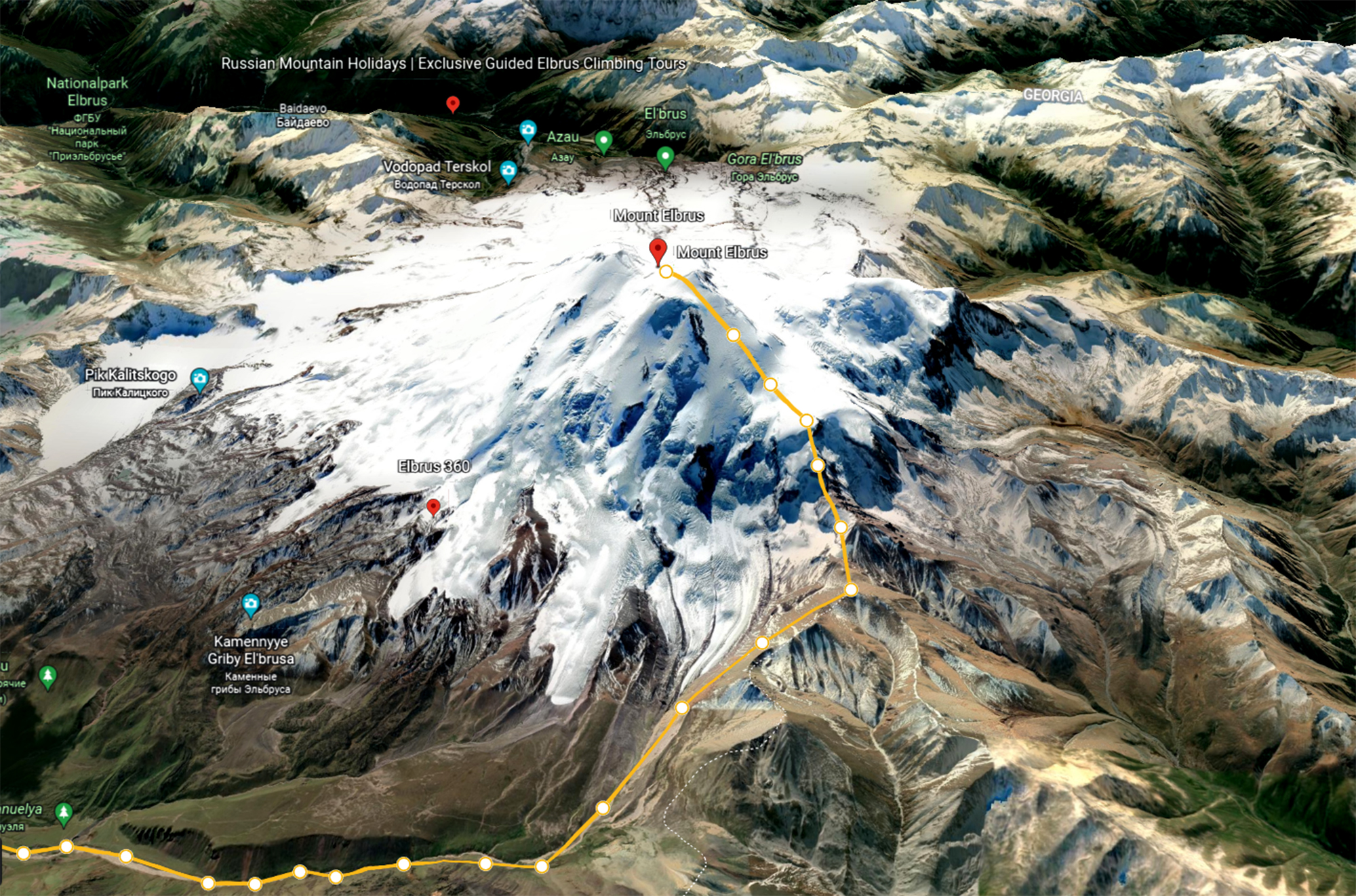
Trip Map
Why Choose Our Mount Elbrus Expedition?
Our Mount Elbrus expedition is designed as a professionally structured high-altitude program that prioritizes safety, acclimatization efficiency, and summit success. Every stage of the climb is carefully planned with experienced leadership, systematic altitude progression, and real-time mountain decision-making. From arrival to summit and descent, the expedition follows a controlled approach that balances physical performance with safety management, ensuring climbers receive maximum support in challenging alpine conditions.
Expert Guides & Leadership
The expedition is led by highly experienced, internationally trained mountain guides with extensive exposure to major 6,000m–8,000m peaks across different mountain ranges. Their leadership ensures precise decision-making in dynamic weather and terrain conditions, adjusting pace, route, and schedule based on team performance and safety requirements. With strong technical expertise and expedition experience, the guiding team maintains strict safety protocols while actively optimizing summit chances through structured pacing, risk assessment, and continuous supervision throughout the climb.
Safety Strategy & Acclimatization
The safety system is built on a progressive acclimatization model that gradually increases altitude exposure from 2,100m to the summit at 5,642m, significantly reducing altitude-related risks. Strategic rotation hikes to Cheget Peak and Pastukhov Rocks allow proper physiological adaptation before summit push. Daily monitoring of oxygen saturation, heart rate, and altitude sickness symptoms ensures early detection of AMS, HAPE, and HACE risks. A built-in buffer day provides flexibility for weather delays, while strict turnaround time policies ensure climbers do not exceed safe physiological limits.
Gear, Oxygen & Communication
The expedition integrates advanced mountain safety infrastructure, including fixed rope systems, glacier travel support, and high-altitude medical kits for emergency response readiness. Continuous weather forecasting updates help guides make informed decisions regarding route safety and summit timing. Satellite-enabled communication ensures coordination even in remote sections of the mountain. Optional upgrades such as snowcat assistance and private 1:1 guiding offer additional support, improving efficiency, reducing physical strain, and enhancing overall safety and expedition control in high-altitude environments.
Who Is This Expedition For?
This Mount Elbrus expedition is ideal for climbers who are aiming to step into high-altitude mountaineering and gain experience above 5,000 meters in a structured, guided environment. It is particularly suitable for trekkers transitioning from iconic expeditions like Kilimanjaro or Everest Base Camp and looking to advance toward more technical or higher-altitude objectives such as Seven Summits preparation. The program is designed to bridge the gap between trekking and expedition climbing with professional support at every stage.
The expedition is well-suited for individuals with strong cardiovascular endurance and the ability to sustain long summit-day efforts of 8–12 hours in demanding alpine conditions. While technical climbing experience is not mandatory, basic familiarity with snow walking and cold-weather trekking is beneficial for comfort and efficiency. Participants should be mentally prepared for sustained physical exertion, variable weather conditions, and high-altitude environments where pacing, discipline, and endurance play a critical role in summit success.
How to Prepare for the Elbrus Expedition?
A successful Mount Elbrus expedition requires a balanced preparation strategy that combines physical fitness, technical familiarity, and mental conditioning. Since the climb reaches 5,642 meters, proper preparation helps improve endurance, reduce altitude-related risks, and increase summit success probability. A structured training plan carried out over several weeks ensures the body adapts to sustained exertion, cold conditions, and reduced oxygen levels.
Training
A structured training program is essential to prepare for the Mount Elbrus Expedition, focusing on cardiovascular endurance, muscular strength, and load-bearing capacity. Activities such as running, cycling, stair climbing, and long-distance hiking help build aerobic fitness required for high-altitude performance. Strength training for legs, core, and back improves stability on steep terrain, while regular trekking with a 10–15 kg backpack simulates real expedition conditions and develops the stamina needed for long summit pushes.
Technical Skills
Although Mount Elbrus is a non-technical peak, basic alpine skills significantly improve safety and efficiency on the mountain. Climbers should be comfortable with crampon walking on snow and ice, proper ice axe handling for self-arrest, and basic glacier movement techniques. Practicing these fundamentals before the expedition helps ensure smoother movement on icy slopes and increases confidence while following guide instructions in high-altitude conditions.
Mental Preparation
Mental preparation is a key factor for success on Elbrus, especially during the summit push which can last 8–12 hours in cold, low-oxygen conditions. Climbers should develop patience, pacing discipline, and the ability to manage fatigue over long durations. Exposure to cold environments, along with training to maintain focus under physical stress, helps improve decision-making and resilience, ensuring a stronger psychological approach throughout the expedition.
How to Prepare Essential Gear Checklist for Elbrus Expedition
Proper gear preparation is a key requirement for a safe and successful Mount Elbrus expedition, as climbers face extreme cold, strong winds, and glacier terrain at high altitude. A well-planned equipment system ensures warmth, safety, and efficiency during long ascent days and the summit push. Every item plays a specific role in maintaining body temperature, mobility, and protection in unpredictable mountain conditions.
Essential Clothing & Clothing System
Base layers (moisture-wicking thermal wear), a high-insulation down jacket, and a waterproof, windproof shell jacket and pants are essential for layered protection against cold and weather changes.
Footwear & Snow Equipment
Double-layer mountaineering boots provide insulation and stability, while crampons ensure secure movement on ice and steep snow slopes.
Technical Climbing Gear
An ice axe, climbing harness, and helmet are mandatory for safety, offering support, self-arrest capability, and protection during glacier and rope sections of the climb.
Why Climb With Marvel Treks and Expedition Pvt. Ltd.?
Marvel Treks and Expedition Pvt. Ltd. delivers a highly structured and professionally managed Mount Elbrus Expedition designed for maximum safety, efficiency, and summit success. The operational system is built around controlled group sizes, experienced leadership, and scientifically planned acclimatization, ensuring that climbers receive consistent support from arrival to summit and descent. Every detail is managed with precision to reduce risk and enhance performance in high-altitude conditions.
Small Group Strategy for Higher Success Rates
Expeditions are conducted in small, carefully managed groups to ensure better coordination, personalized attention, and improved safety control. Smaller teams allow guides to closely observe each climber’s physical condition, pacing, and acclimatization response. This structure minimizes delays, reduces congestion on the route, and significantly increases summit success rates by maintaining consistent team efficiency throughout the climb.
Strong Guide-to-Client Ratio
A strong guide-to-client ratio ensures that every climber receives direct supervision and technical support during all stages of the expedition. Experienced guides provide continuous monitoring, pace management, and immediate decision-making in case of altitude-related issues or weather changes. This close supervision improves safety outcomes while also helping climbers maintain steady progress during long ascent days and the summit push.
Proven Acclimatization Protocols
The expedition follows a tested acclimatization system designed to prepare the body for high-altitude stress gradually and effectively. Structured rotations, controlled altitude gains, and rest cycles help reduce the risk of AMS, HAPE, and HACE. This systematic approach ensures climbers adapt efficiently before attempting higher sections, significantly improving endurance and summit readiness.
Reliable Logistics and Infrastructure
All expedition logistics are professionally coordinated, including airport transfers, accommodation, permits, cable car access, and mountain support services. This ensures smooth transitions between each phase of the journey without unnecessary delays or operational stress. Reliable infrastructure support allows climbers to focus entirely on acclimatization and performance rather than logistical challenges.
Ethical Expedition Practices
Marvel Treks follows responsible mountaineering principles that prioritize environmental sustainability and respect for local regulations. Waste management practices, minimal environmental impact strategies, and responsible group movement ensure that the expedition aligns with sustainable tourism standards. Ethical operations also extend to fair treatment of staff and support teams.
Safety-First Operational Model
Safety is the core principle of every decision made during the expedition. Continuous weather monitoring, altitude tracking, and emergency response protocols are implemented throughout the climb. Guides have full authority to adjust or stop the ascent if conditions become unsafe, ensuring that climber health and safety always take priority over summit objectives.
Error: Contact form not found.
Price W/O Addons: US$ 2900 per person
- Arrival and Ground Services: Airport transfers (international and domestic) with meet-and-greet assistance. All ground transportation during the expedition, including transfers between the airport, hotel, and mountain region.
- Accommodation: Hotel stay in Terskol/Azau on a twin-sharing basis with breakfast. Mountain accommodation in barrel huts or designated shelters at Garabashi.
- Meals and Nutrition: Full board meals (breakfast, lunch, and dinner) during climbing days. Breakfast included during hotel stays. High-energy, altitude-appropriate meals with hot drinks (tea/coffee) on the mountain.
- Permits and Documentation: All required Elbrus National Park permits, climbing registration, and expedition-related documentation.
- Guide and Support Team: Professional English-speaking mountain guide, experienced local staff, daily briefing, acclimatization support, and summit strategy planning.
- Cable Cars and Transfers: All cable car and chairlift fees between Azau and Garabashi, including return transfers.
- Equipment and Safety Support: Group climbing equipment, ropes (where required), and a first aid medical kit with basic emergency coordination.
Expedition Logistics: Weather updates, route planning, and structured acclimatization schedule for safe summit preparation.
- International Travel & Visa: International airfare to/from Russia and Russian visa processing fees.
- Personal Climbing Equipment: Mountaineering boots, crampons, ice axe, harness, down jacket, gloves, goggles, backpack, and sleeping gear.
- Insurance (Mandatory): Travel insurance with high-altitude coverage, including emergency evacuation, rescue, and medical expenses.
- Meals Outside Itinerary: Lunch and dinner in cities (Mineralnye Vody/Terskol) outside expedition days and any meals not specified in the program.
- Personal Expenses: Drinks, snacks, internet/SIM cards, laundry, and other personal services.
- Tips and Gratuities: Tips for guides, porters, and support staff (optional but recommended).
- Additional Costs: Extra nights due to weather delays, itinerary changes, or personal reasons, and any services not mentioned in inclusions.
Departures & Availability of Elbrus Expedition – 10 Days
Dates of Trip
Group Discount Prices
Frequently Asked Questions
Traveler Reviews




1-12 Pax from 3200
$ 2900/pax
speak to an Experts





We are featured on