

Everest Base Camp Trek Permit
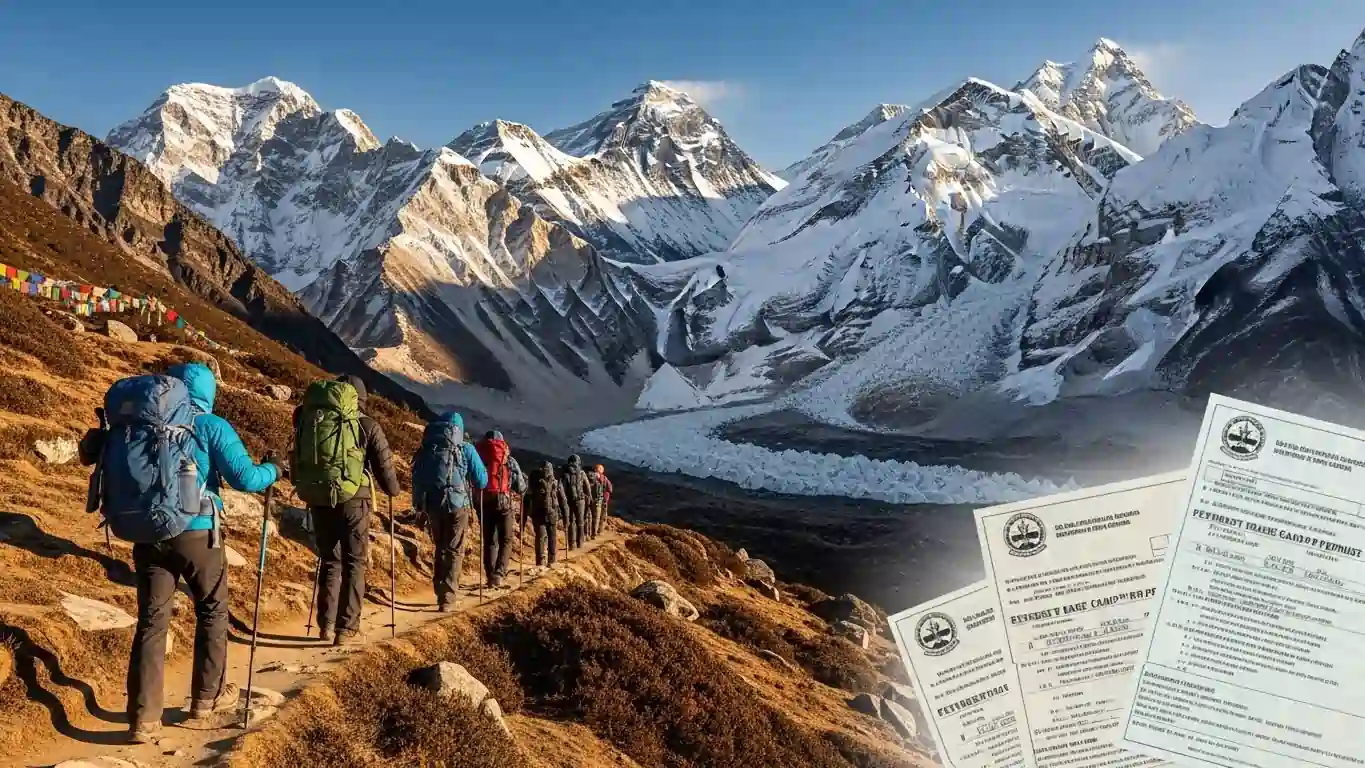
Do you worry about trekking in Nepal without proper permission? Many trekkers face delays or fines because they ignore official requirements. Lacking the correct permit can stop your journey, waste money, and create safety risks. Understanding how permits work prevents such problems.
In this blog, we explain everything about the Everest Base Camp trek permit. You will learn which permits are required, how to obtain them, and why authorities enforce these rules. The focus is on ensuring safety, preserving the environment, and complying with Nepalese regulations while trekking to Everest Base Camp.
What are Essential Permits for the Everest Base Camp Trek?
The essential permits of Everest Base Camp trek are Khumbu Pasang Lhamu Rural Municipality Entrance Permit, Sagarmatha National Park Entry Permit, and in some cases, additional permits for routes like Jiri to Everest Base Camp. These permits allow legal access, ensure visitor safety, and support conservation efforts. Trekkers must carry proper identification and comply with local regulations.
For detailed information on expenses, including permits, accommodation, and gear, check out the cost of EBC trek.
Khumbu Pasang Lhamu Rural Municipality Entrance Permit
The Khumbu Pasang Lhamu Rural Municipality Entrance Permit is required for all trekkers entering the Khumbu region. Its purpose is to monitor visitor flow, support local communities, and maintain safety within the area. The permit costs around NPR 2,000 for foreign trekkers and can be obtained at the Lukla check post or the municipality office in Kathmandu. Trekkers must carry this permit during the entire trek, as local authorities may check it at various points along the route, especially near challenging sections like the Khumbu Icefall. This permit also contributes to local development projects in the region.
Sagarmatha National Park Entry Permit
The Sagarmatha National Park Entry Permit allows trekkers to enter the protected park, which includes Everest Base Camp and surrounding areas. It costs approximately USD 30 for foreign nationals. Trekkers can obtain this permit at the Nepal Tourism Board office in Kathmandu or at the park entrance in Monjo. The permit ensures protection of wildlife, forests, and high-altitude ecosystems. It also provides authorities with data on visitor numbers, which helps plan conservation efforts and emergency services.
Additional Permit for Jiri to Everest Base Camp Trek
Trekkers starting from Jiri need an additional TIMS (Trekkers’ Information Management System) card along with standard permits. TIMS tracks independent and group trekkers, costing NPR 2,000 for individual foreign visitors. Authorities use TIMS to ensure safety, monitor trekking flow, and manage less crowded routes. This system helps rescue teams locate trekkers in emergencies and provides accurate statistics for park management. Obtaining TIMS requires submitting identification, a passport-sized photo, and proof of insurance.
Required Documents for Trekking Permits
To secure permits, trekkers need a valid passport, passport-sized photos, proof of travel insurance, and completed application forms where applicable. Guided trekkers may also need confirmation from their trekking agency. Keeping extra copies of these documents avoids delays and ensures smooth processing at check posts and park entrances. Authorities may request documents multiple times along the trek.
Why Do you Need Permits For Everest Base Camp Trek?
Permits are mandatory for Everest Base Camp trek to ensure safety, legal compliance, and environmental protection. They help authorities track visitors, manage trekking flow, and support local communities. Carrying permits prevents fines, travel interruptions, and potential legal issues. They also fund park maintenance, rescue operations, and cultural preservation. Without proper permits, trekkers risk being denied entry or facing penalties, making them a critical part of preparation for EBC trek.
- Ensure legal access to the Khumbu region and national park.
- Help authorities monitor visitor numbers and trekking routes.
- Support conservation of wildlife, forests, and high-altitude ecosystems.
- Fund local infrastructure, emergency services, and park maintenance.
- Provide safety and emergency tracking through systems like TIMS.
- Protect cultural sites and local communities along the trekking route.
Do You Need a Guide or Porter for the Everest Base Camp Trek?
Yes, the Nepal government now mandates hiring a licensed guide for major trekking routes, including Everest Base Camp. Independent trekking without a guide is not allowed on these official trails. This rule ensures safety, proper monitoring, and compliance with local regulations while trekking in high-altitude areas.
Benefits of Hiring a Guide or Porter
Guides provide navigation assistance, ensuring trekkers stay on official trails and avoid hazards. They monitor altitude-related health issues and advise on acclimatization to prevent sickness. Guides also share knowledge about local culture, traditions, and language, enriching the trekking experience. Porters carry heavy loads, helping trekkers conserve energy and focus on the trek. Both guides and porters handle logistics such as permits, accommodations, and meal arrangements. Hiring local staff also supports the community and promotes responsible tourism in the Everest region.
Related Article: https://marveltreks.com/everest-base-camp-trek-difficulty/
Rules and Regulations for Trekking in Sagarmatha National Park
Trekking in Sagarmatha National Park requires following official rules to protect the environment and ensure safety. Visitors must carry proper permits, stay on marked trails, and respect wildlife. Responsible trekking practices include managing waste, avoiding damage to flora, and following instructions from park authorities. Observing these regulations helps preserve the park’s fragile ecosystem and cultural heritage while providing a safe trekking experience.
Trekking Rules You Must Follow in Sagarmatha National Park
Trekkers must stay on designated trails to prevent soil erosion and protect vegetation. All waste, including food wrappers and toilet waste, must be carried out or disposed of in approved locations. Avoid disturbing wildlife by maintaining distance and not feeding animals. Fires are strictly prohibited outside designated areas to prevent forest damage. Camp only in authorized zones, and follow instructions from park rangers and local authorities. These rules ensure safety and reduce the ecological impact of trekking.
Respecting Local Culture and Nature
Visitors should interact respectfully with Sherpa communities, observing local customs and traditions. Monasteries and religious sites must be treated with reverence, removing shoes and following posted guidelines. Avoid loud noises or behaviors that may disrupt the local lifestyle. Minimize environmental impact by not picking plants or disturbing natural surroundings. Supporting local businesses, crafts, and services also promotes sustainable tourism while fostering positive relations with communities along the trekking route.
How Trusted Trekking Companies Help in Getting Permits?
Trusted trekking companies like Marvel Treks simplify the process of obtaining permits for Everest Base Camp and other major trekking routes. They handle all paperwork, including TIMS cards, Sagarmatha National Park entry permits, and local municipality permits. These companies ensure documents are accurate and submitted on time, reducing delays or complications during the trek. They guide trekkers on required items such as passports, photos, and insurance. Using a reliable company like Marvel Treks ensures compliance with government regulations, allowing trekkers to focus on their journey safely and comfortably.
Conclusion
Permits are essential for trekking to Everest Base Camp, ensuring safety, legal compliance, and environmental protection. Carrying the correct documents, including TIMS cards and Sagarmatha National Park entry permits, prevents fines and travel interruptions while supporting local communities and conservation efforts. Following park rules and respecting local culture further enhances the trekking experience.
Hiring a licensed guide or porter is mandatory on major routes, providing safety, navigation, and logistical support. Trusted trekking companies like Marvel Treks simplify the permit process and handle essential arrangements, allowing trekkers to focus on the journey. Proper preparation, adherence to regulations, and responsible practices ensure a safe, enjoyable, and memorable Everest Base Camp trek.
Do I need a permit to trek to Everest Base Camp?
Yes, permits like TIMS and Sagarmatha National Park entry are mandatory for all trekkers. They ensure legal access, safety, and environmental protection.
How much do Everest Base Camp permits cost?
TIMS card costs around NPR 2,000 for individual foreign trekkers. Sagarmatha National Park entry permit is approximately USD 30.
Can I trek Everest Base Camp without a guide?
No, the Nepal government mandates hiring a licensed guide on major trekking routes. Independent trekking is not allowed on official trails.
Where can I get permits for Everest Base Camp?
Permits can be obtained in Kathmandu at Nepal Tourism Board offices or at entry points like Lukla and Monjo. Trusted trekking companies can also handle the process.
What documents are needed for trekking permits?
Trekkers need a valid passport, passport-sized photos, proof of travel insurance, and completed application forms. Guided trekkers may also need confirmation from their trekking agency.
Why are permits necessary for Everest Base Camp trek?
Permits regulate visitor flow, fund conservation, and ensure safety. They prevent fines, support local communities, and preserve natural and cultural sites.
Do I need a porter for the trek?
Hiring a porter is not mandatory but highly recommended. Porters help carry heavy loads, allowing trekkers to conserve energy and enjoy the journey safely.
How do trekking companies help with permits?
Companies like Marvel Treks manage paperwork, submission, and compliance with regulations. They ensure all documents are correct, reducing delays and complications during the trek.

Ready for your next Himalayan adventure?
Plan Your Next Big Adventure with Us
Explore Our AdventuresJoin our expert-guided journeys across Nepal and beyond, from classic trails to epic summits.