

Cost of Everest Base Camp Trek: Complete Guide 2026
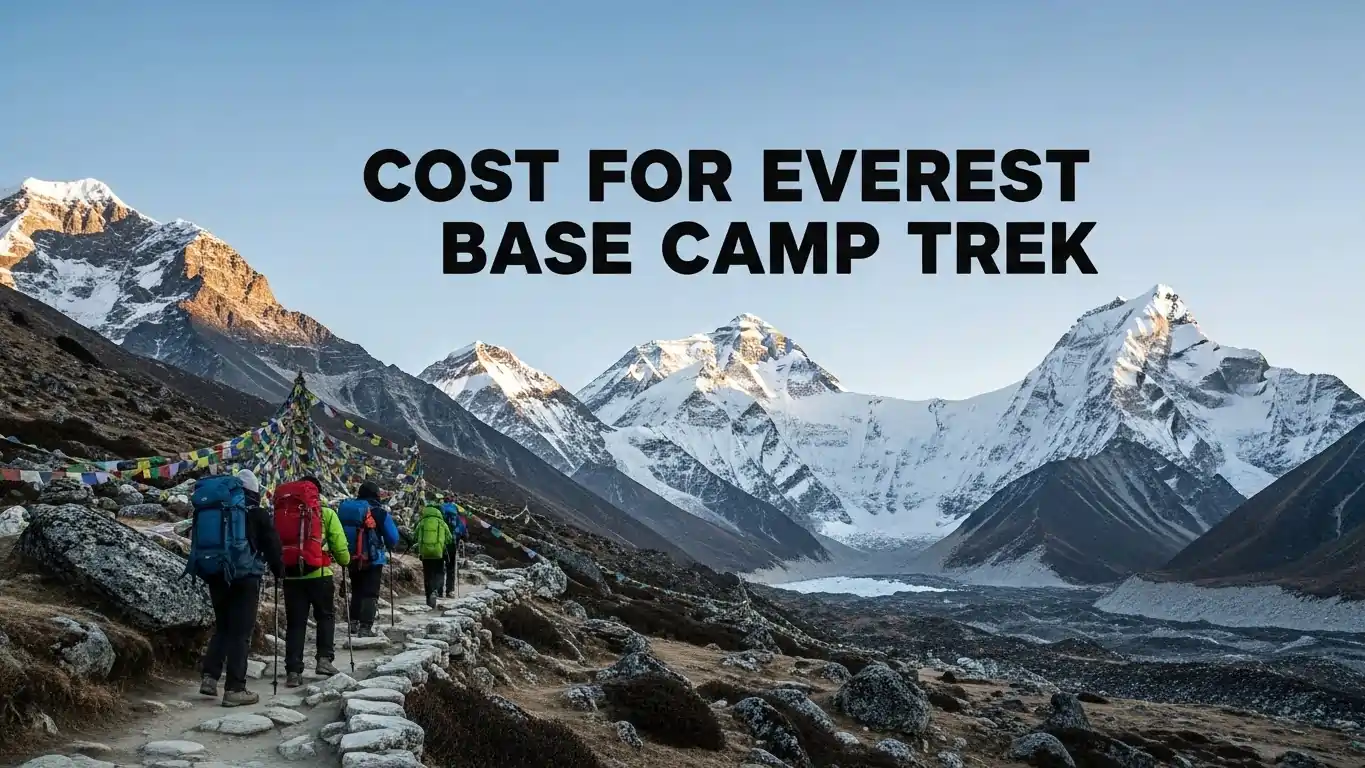
Everest Base Camp trek remains one of the most sought-after adventures in the world, attracting trekkers with its iconic Himalayan landscapes, high-altitude challenge, and cultural immersion. Planning for this trek requires understanding both the physical demands and the financial investment, as costs can vary widely depending on services, season, and individual preferences.
In this blog, the cost of Everest Base Camp trek is broken down in detail, covering average expenses, key factors that influence spending, ways to get value for money, and tips for reducing hidden costs. Readers will also learn how experienced trekking companies, like Marvel Treks, can help optimize the experience while managing costs, ensuring a safe, memorable, and well-planned journey to one of the world’s most famous trekking destinations.
Cost of Everest Base Camp Trek Overview
The cost of Everest Base Camp trek includes several essential components: international and domestic flights, trekking permits, accommodation in teahouses or lodges, meals along the trail, guide and porter fees, equipment rental or purchase, and travel insurance. Each of these elements contributes to the overall budget, and understanding them helps trekkers plan efficiently and avoid surprises during the journey.
Expenses can vary widely depending on the chosen route, trekking season, and level of services. Peak seasons like spring and autumn generally come with higher costs due to increased demand for flights, accommodation, and guides. Luxury packages with private guides and upgraded lodges will be more expensive, while budget trekkers who opt for shared services, basic lodging, and self-managed logistics can reduce overall costs significantly. Understanding the location of Everest also helps in planning routes, travel logistics, and estimating overall expenses.
What is the Average Cost of Everest Base Camp Trek?
The average cost of Everest Base Camp trek is typically between $1,200 and $2,000 per person, depending on the type of trek, services chosen, and season. Budget trekkers can complete the journey for around $1,200–$1,500 by staying in basic teahouses, carrying their own gear, and using local transportation. Mid-range packages with guides, porters, and upgraded accommodation generally cost $2,000–$2,500, while luxury or fully guided treks with private services can reach $3,000–$3,500.
Costs vary further based on factors such as domestic flights to Lukla, the number of trekking days, and additional activities like peak climbing or scenic side trips. Meals, equipment rentals, and travel insurance also influence the budget, making careful planning essential. Travelers should account for seasonal price fluctuations and hidden expenses to ensure they are fully prepared for the financial requirements of the trek.
Determining Factors Affecting Cost of EBC Trek
The cost of Everest Base Camp trek depends on several key factors that influence the overall budget. These include the trekking season, type of accommodation, guide and porter services, permits and fees, transportation, food expenses, and equipment requirements. Each factor can significantly increase or decrease total expenses, and understanding them helps trekkers plan efficiently. Costs vary based on personal preferences, group size, and level of comfort desired during the trek.
Trekking Season
The trekking season plays a major role in determining the cost of an EBC trek. Peak seasons, primarily spring (March–May) and autumn (September–November), are the most popular due to stable weather, clear skies, and optimal visibility of the Himalayan peaks. During these periods, accommodation and guide fees are higher because of increased demand. Off-peak seasons such as winter (December–February) and monsoon (June–August) often have lower prices, but trails may be snow-covered, slippery, or less accessible, increasing potential risks and logistical challenges. Travelers must balance cost savings with trail conditions and personal safety when selecting the season.
Related Article: https://marveltreks.com/training-for-everest-base-camp-trek/
Accommodation Type
Accommodation costs vary based on whether trekkers stay in basic teahouses, upgraded lodges, or camping setups. Tea houses provide simple rooms with shared bathrooms and basic amenities, ideal for budget trekkers. Lodges offer private rooms, attached bathrooms, and additional comforts such as Wi-Fi, hot showers, and better food options, which increase costs. Camping is often used for remote areas or high-altitude peaks like Mera or Island Peak and requires tents, cooking equipment, and permits, adding to both equipment and logistical expenses. Choosing accommodation depends on budget, comfort preference, and altitude tolerance.
Guide and Porter Services
Hiring professional guides and porters increases overall costs but significantly improves safety and convenience. Guides offer local knowledge, route navigation, and assistance with acclimatization, while porters carry heavy backpacks, reducing physical strain. Fees vary depending on trekking company, experience, group size, and services included. Opting for trained guides from reputable companies, such as Marvel Treks, ensures proper planning, emergency support, and efficient management of permits and accommodation, which can prevent unexpected expenses.
Permits and Fees
Trekking in the Everest region requires multiple permits that contribute to overall costs. Essential permits include the TIMS (Trekkers’ Information Management System) card, Sagarmatha National Park entry fee, and, for peak climbs like Mera or Island Peak, climbing permits. These fees are non-negotiable and vary depending on nationality and trek duration. Securing permits in advance reduces the risk of paying higher prices locally or encountering delays, and official permit fees should always be included in budget planning.
Transportation
Transportation costs include domestic flights, airport transfers, and local travel along the trekking route. Most EBC treks start with a flight from Kathmandu to the closest airport to Everest, Lukla, which can range from $150–$250 one way depending on the season. Alternative options like helicopters for emergency evacuation or sightseeing also add to expenses. Local jeeps or buses may be used for approach routes, and careful planning ensures minimal extra costs while maintaining safety and convenience.
Food and Beverage Expenses
Meals and drinks along the trail contribute significantly to the daily trekking budget. Costs increase with altitude because of transportation difficulties, limited local resources, and scarcity of fresh ingredients. Typical meals in teahouses range from $5–$10 at lower elevations to $10–$20 at high-altitude villages. Snacks, bottled water, hot beverages, and energy supplements further add to expenses. Planning meals and carrying reusable water bottles or purification systems can help manage costs effectively.
Equipment and Gear
Proper equipment is essential for safety and comfort during the EBC trek. Costs include purchasing or renting trekking boots, insulated jackets, thermal layers, gloves, hats, and backpacks. Careful attention to the packing of EBC trek ensures that trekkers have all necessary items for varying conditions. For peak climbs, technical gear like crampons, ice axes, ropes, and harnesses is required. Renting equipment locally can reduce upfront expenses but may involve limited availability or quality issues. Investing in high-quality gear ensures safety, durability, and overall trekking efficiency.
How to Get Value for Money During EBC Trek?
To get value for money during an Everest Base Camp trek, careful planning, smart choices, and using reliable trekking services are essential. Selecting the right trekking season, booking flights and accommodation in advance, and opting for mid-range packages ensures quality without overspending. Hiring professional guides and porters from reputable companies like Marvel Treks reduces hidden costs while providing safety, logistical support, and local expertise. Preparing your own gear where possible and managing daily expenses for food and beverages also helps maintain budget efficiency. By combining planning, quality services, and cost-conscious decisions, trekkers can maximize experience while minimizing unnecessary spending.
Tips to get value for money:
- Book flights and accommodation well in advance to avoid seasonal price surges.
- Hire licensed guides and porters for safe and efficient trekking support.
- Choose mid-range teahouses and lodges for comfort without luxury costs.
- Carry personal snacks and water purification tools to reduce high-altitude meal costs.
- Use reputable trekking companies like Marvel Treks to manage permits, logistics, and emergency planning.
- Avoid last-minute gear purchases by preparing essential equipment beforehand.
How to Reduce Hidden Costs?
To reduce hidden costs during an Everest Base Camp trek, trekkers should plan ahead, compare prices, and avoid last-minute purchases or unverified services. Overcharges often occur on high-altitude meals, gear rentals, or unofficial accommodation, especially during peak seasons. Bringing essential personal gear, carrying reusable water bottles, and using water purification systems can prevent unnecessary spending on expensive trail items.
Strategies to minimize hidden costs:
- Book flights, lodges, and permits well in advance to avoid seasonal price surges.
- Share guide, porter, and accommodation costs when trekking in a group.
- Carry personal snacks and high-energy foods to reduce expensive trail purchases.
- Rent gear only when necessary and verify quality before payment.
- Track daily expenses to prevent overspending on non-essential items.
How an Experienced Trekking Company Helps?
An experienced trekking company like Marvel Treks helps trekkers manage all aspects of the Everest Base Camp journey, ensuring safety, efficiency, and cost-effectiveness. They handle logistics such as domestic flights, accommodation bookings, and trail planning, allowing trekkers to focus on the adventure without worrying about daily arrangements. Their expertise with permits, TIMS cards, and park fees eliminates the risk of delays or additional costs, providing a seamless trekking experience.
Professional guides and porters offered by Marvel Treks enhance safety and convenience, offering local knowledge of weather, trail conditions, and acclimatization techniques. Experienced teams also help manage daily expenses, ensure proper gear use, and provide emergency support when needed. By coordinating all essential services, Marvel Treks enables trekkers to optimize their budget, reduce hidden costs, and enjoy the Everest Base Camp trek with confidence and comfort.
Is the EBC Trek Worth the Cost?
Yes, the Everest Base Camp trek is worth the cost for anyone seeking a combination of breathtaking scenery, cultural immersion, and personal achievement. The trek offers unparalleled views of the world’s highest peaks, including Everest, Lhotse, and Ama Dablam, along with iconic landscapes such as glaciers, high passes, and Himalayan villages. Experiencing Sherpa culture, monasteries, and local hospitality adds significant value beyond the physical journey.
The sense of accomplishment from reaching EBC, overcoming high-altitude challenges, and completing a multi-day trek is often described as life-changing. While the financial investment may seem high, understanding the EBC trek difficulty helps trekkers prepare physically and mentally for the journey. The combination of adventure, natural beauty, and cultural enrichment provides experiences that are difficult to replicate elsewhere. Proper planning, budgeting, and using experienced guides ensure that every dollar spent enhances safety, comfort, and overall enjoyment, making the trek a worthwhile investment.
Conclusion
The Everest Base Camp trek combines stunning Himalayan scenery, cultural experiences, and high-altitude adventure, making it one of the most iconic treks in the world. Understanding the costs involved, from flights and permits to accommodation, guides, and equipment, allows trekkers to plan effectively and avoid unexpected expenses. Careful preparation ensures safety, comfort, and an enjoyable journey, whether choosing a budget, mid-range, or luxury trekking option.
Using strategies such as early bookings, group sharing, and selecting reputable trekking companies like Marvel Treks helps manage costs while providing professional guidance and logistical support. By balancing financial planning with quality services, trekkers can maximize their experience, making the Everest Base Camp trek a rewarding and unforgettable adventure.
FAQs
What is the average cost of Everest Base Camp trek?
The average cost ranges between $1,200 and $2,000 per person depending on budget, services, and season. Luxury packages with private guides and upgraded lodges are at the higher end.
Which factors affect the cost of the EBC trek?
Key factors include trekking season, accommodation type, guide and porter services, permits, transportation, food, and gear. Personal preferences and level of comfort also influence total expenses.
Can I reduce costs while trekking to EBC?
Yes, by booking flights and accommodation early, sharing costs in a group, and carrying personal gear and food. Avoiding last-minute purchases and planning efficiently helps minimize hidden expenses.
Are permits required for Everest Base Camp trek?
Yes, trekkers must have a TIMS card, Sagarmatha National Park permit, and special climbing permits for peaks. Securing them in advance avoids delays and extra fees.
How does hiring a trekking company help?
Experienced companies like Marvel Treks manage logistics, permits, guides, and emergency support, saving time and reducing risks. They also help optimize costs and ensure safety.
What is the best season for the EBC trek?
Spring (March–May) and autumn (September–November) are ideal for stable weather and clear mountain views. Winter offers solitude, while monsoon trekking is generally unsafe.
Is the EBC trek suitable for beginners?
Yes, beginners with basic fitness can attempt it, especially with professional guides. Gradual acclimatization and proper preparation are essential for safety.
Is the Everest Base Camp trek worth the cost?
Yes, for breathtaking Himalayan scenery, Sherpa culture, and personal achievement, the trek provides excellent value. Proper planning and guidance make the experience safer and more rewarding.

Ready for your next Himalayan adventure?
Plan Your Next Big Adventure with Us
Explore Our AdventuresJoin our expert-guided journeys across Nepal and beyond, from classic trails to epic summits.