Everest Base Camp Trek

Nepal
Himalayas
1–12 pax
5,545 m
Challenging
Lodge/Tea House
5–7 hrs
Spring/Autumn
Highlights of Everest Base Camp Trek
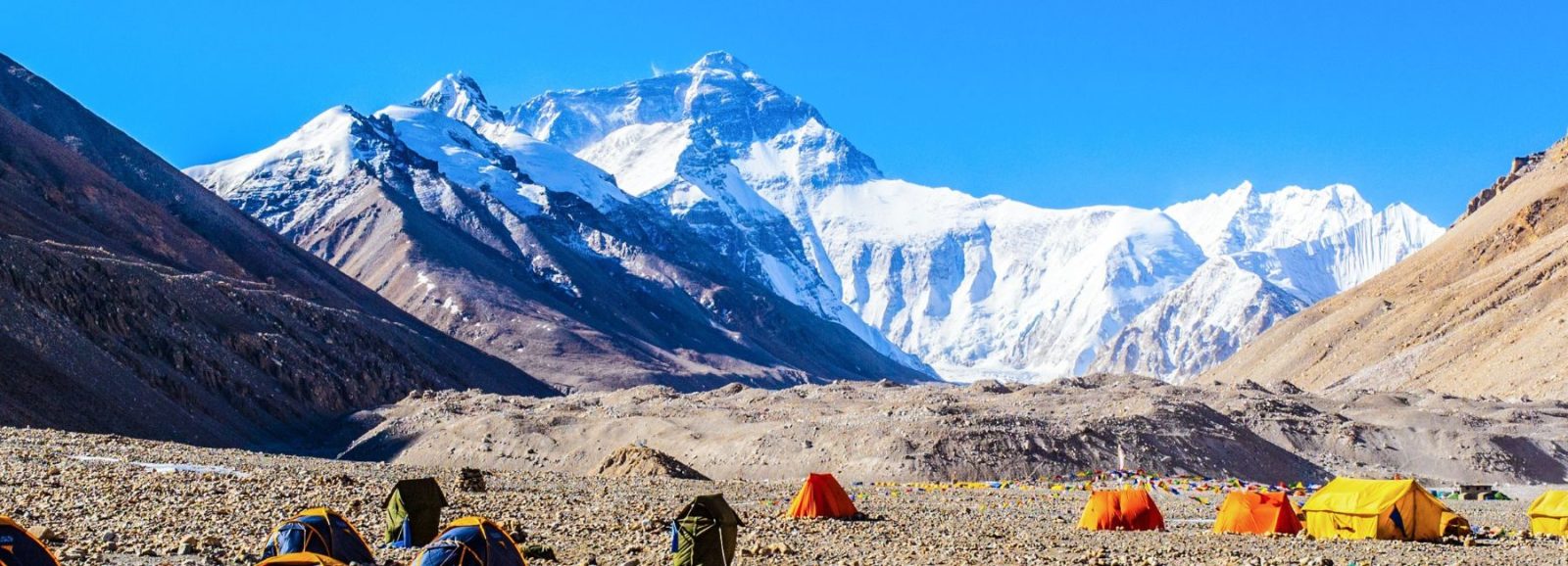
- Stand at Everest Base Camp (5,364m), the legendary destination at the foot of Mount Everest and the starting point for Everest summit expeditions.
- Witness breathtaking sunrise views over Everest, Lhotse, and Nuptse from Kala Patthar (5,545m), the best viewpoint on the Everest Base Camp trek.
- Experience the thrilling Kathmandu or Ramechhap to Lukla flight, often called one of the world’s most adventurous mountain flights.
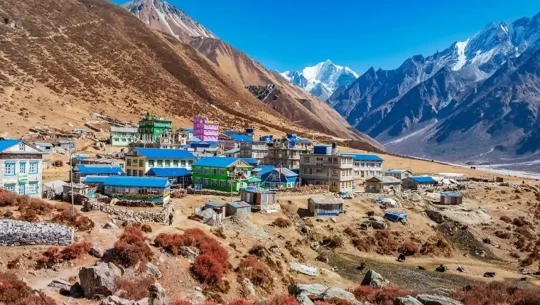
- Explore the lively Sherpa capital of Namche Bazaar, famous for mountain culture, bakeries, gear shops, and Himalayan views.
- Visit the historic Tengboche Monastery, the largest and most important Buddhist monastery in the Everest region.
- Walk through Sagarmatha National Park, a UNESCO World Heritage Site filled with alpine forests, suspension bridges, and Himalayan wildlife.
- Cross famous suspension bridges decorated with colorful prayer flags above the roaring Dudh Koshi River.
- Stay in traditional Himalayan tea houses and experience authentic Sherpa hospitality during the Everest Base Camp trek.
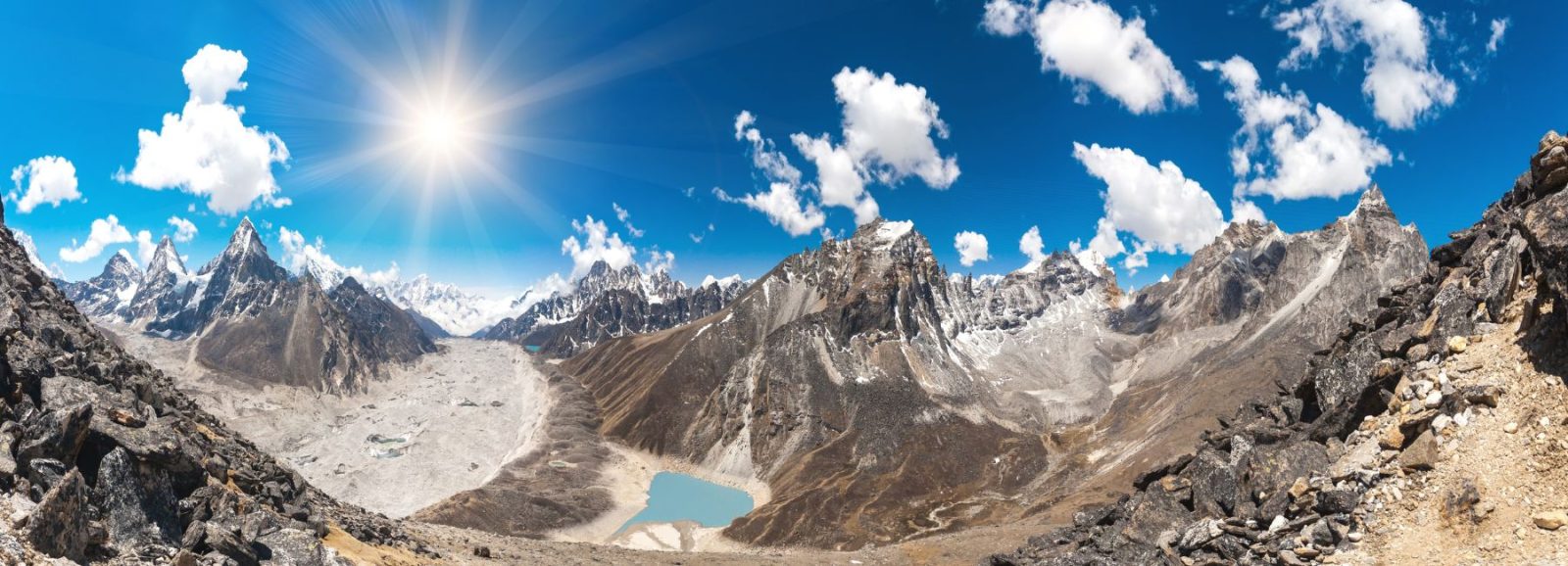
- Trek alongside glaciers, rocky moraines, and dramatic mountain landscapes in the heart of the Khumbu region.
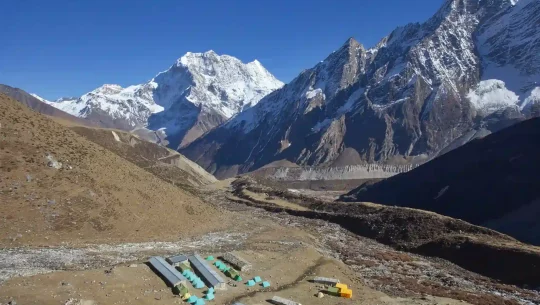
- Enjoy close-up views of iconic Himalayan peaks including Ama Dablam, Thamserku, Pumori, Lobuche Peak, and Island Peak.
- Challenge yourself on one of the world’s most famous high-altitude trekking routes in Nepal.
- Capture unforgettable mountain photography opportunities from Lukla all the way to Everest Base Camp and Kala Patthar.
Everest Base Camp Trek Overview
What if you only have a short vacation but still dream of standing beneath the world’s highest mountain? The Everest Base Camp Trek 10-day itinerary is a shorter and faster version of the classic Everest Base Camp trek designed for trekkers with limited time. This route skips the longer acclimatization schedule and focuses on reaching Everest Base Camp quickly while still covering famous stops like Namche Bazaar, Tengboche, Dingboche, and Gorak Shep. It is a demanding high-altitude trek, but experienced and physically fit hikers can complete it successfully with proper preparation.
This Everest Base Camp trek package covers nearly 130 km through rugged Himalayan terrain, suspension bridges, glacier valleys, and traditional Sherpa villages. Along the trail, trekkers enjoy incredible views of Mount Everest, Ama Dablam, Lhotse, and Nuptse while staying in local tea houses each night. Because the itinerary is shorter, daily walking hours are longer and altitude gain becomes more challenging, so fitness and previous trekking experience are very important for completing this fast-paced Everest Base Camp trek safely.
| Day | Itinerary | Altitude | Duration |
|---|---|---|---|
| 1 | Kathmandu / Manthali → Lukla → Phakding | 2,650 m | 40 min fly & 3 hrs trek |
| 2 | Phakding → Namche Bazaar | 3,440 m | 6 hrs |
| 3 | Namche Bazaar → Tengboche | 3,855 m | 5 hrs |
| 4 | Tengboche → Dingboche | 4,360 m | 5 hrs |
| 5 | Dingboche → Lobuche | 4,930 m | 5 hrs |
| 6 | Lobuche → Everest Base Camp → Gorak Shep | 5,364 m → 5,185 m | 7 hrs |
| 7 | Hike Kala Patthar → Gorak Shep → Pheriche | 5,555 m (KP) → 5,185 m → 4,250 m | 5 hrs |
| 8 | Pheriche → Namche Bazaar | 3,440 m | 6 hrs |
| 9 | Namche Bazaar → Lukla | 2,850 m | 7 hrs |
| 10 | Lukla → Kathmandu / Manthali | 1,350 m (KTM) | 40 min fly |
- Arrival and Ground Services: International and domestic airport pick-up and drop-off are provided with a warm welcome by a representative from Marvel Treks and Expeditions. All required ground transportation in Kathmandu as per the Everest Base Camp trek itinerary is included.
- Accommodation: Kathmandu accommodation is arranged in a tourist-standard hotel on a twin-sharing bed and breakfast basis. During the Everest Base Camp trek, accommodation is provided in local tea houses and trekking lodges along the trail.
- Meals During Trek: Three daily meals during trekking, including breakfast, lunch, and dinner, are included from Lukla until the trek ends. Meals are freshly prepared at tea houses with hygienic food suitable for high-altitude trekking conditions.
- Transportation and Flights: All required domestic flights between Kathmandu/Ramechhap and Lukla are included as per the itinerary. Porter services and baggage transportation during the trek are fully managed by the company.
- Permits and Government Fees: All required Everest Base Camp trek permits, including Sagarmatha National Park permits and Khumbu local municipality permits, are included. Government taxes and official service charges are fully covered.
- Trekking Staff and Support: The trek is operated by experienced, government-licensed trekking guides familiar with Everest region trails and altitude safety. Guide and porter salaries, insurance, meals, accommodation, and equipment are included.
- Safety and Medical Support: Basic first-aid support and altitude monitoring are provided throughout the Everest Base Camp trek. Guides are trained to handle altitude sickness symptoms and emergency situations during the trek.
- Welcome and Farewell Services: A pre-trek briefing and farewell dinner in Kathmandu are included in the package. These services help trekkers prepare properly and celebrate the successful completion of the Everest Base Camp trek.
- Complimentary Trekking Equipment: Duffle bags, trekking maps, and assistance with basic trekking gear such as sleeping bags and down jackets are provided for the duration of the trek when required.
- International Travel and Nepal Visa: International airfare to and from Nepal and Nepal entry visa fees are not included. Excess baggage charges and additional airline costs are excluded from the package.
- Meals and Beverages in Kathmandu: Lunch and dinner in Kathmandu are excluded unless specifically mentioned in the itinerary. Personal snacks, bottled water, soft drinks, alcohol, bakery items, and bar bills are not included.
- Personal Trekking Equipment: Personal trekking gear, clothing, trekking boots, backpacks, gloves, and other packing items are excluded. Personal toiletries, hygiene products, and medical kits must be arranged individually.
- Insurance and Medical Expenses: Personal travel insurance covering high-altitude rescue and helicopter evacuation is mandatory and not included. Medical treatments, hospital expenses, rescue operations, and personal medication costs are excluded.
- Extra Accommodation and Delays: Additional hotel nights in Kathmandu caused by flight delays, weather conditions, or personal itinerary changes are not included. Accommodation and meals outside the official trekking schedule are excluded.
- Communication and Internet Services: Internet usage, Wi-Fi charges, battery charging, hot showers, and personal communication expenses during the Everest Base Camp trek are not included in the package cost.
- Tips and Personal Expenses: Tips for trekking guides, porters, and support staff are expected but not included. Laundry services, shopping, personal purchases, and all individual expenses are the trekker’s responsibility.
- Additional Helicopter or Porter Services: Helicopter rescue, helicopter return services, additional porters, and extra transportation services beyond the itinerary are excluded unless clearly specified in the package.
- Special Permits and Filming Fees: Drone permits, filming permits, photography fees, and media-related government charges are excluded. Special permissions required for commercial photography must be arranged separately.
- Unforeseen Circumstances: Costs arising from natural disasters, extreme weather, political unrest, flight cancellations, or government regulation changes are not included. Any service not specifically mentioned under “cost” is considered excluded.
Detailed Itinerary
Day 1: Kathmandu to Lukla and Trek to Phakding
Your Everest Base Camp trek begins with an exciting mountain flight from Kathmandu or Ramechhap to Lukla at 2,860 meters. After meeting the trekking crew and organizing gear, the trail starts with a relatively easy walk through small Sherpa villages and pine forests beside the Dudh Koshi River.
The trek to Phakding (2,610m) takes around 3 to 4 hours and helps your body slowly adjust to the Himalayan altitude. It is a comfortable first trekking day with suspension bridges, prayer wheels, and beautiful mountain scenery along the route.
Day 2: Phakding to Namche Bazaar
Today is one of the most important trekking days as you enter Sagarmatha National Park and continue toward Namche Bazaar. The trail crosses several high suspension bridges before beginning a long and steep uphill climb through forested hills.
After around 6 to 7 hours of trekking, you reach Namche Bazaar (3,440m), the famous Sherpa trading town of the Everest region. If the weather is clear, many trekkers get their first distant view of Mount Everest along today’s trail.
Day 3: Namche Bazaar to Tengboche
The trail from Namche to Tengboche offers some of the best mountain views of the entire Everest Base Camp trek. You walk along scenic ridge paths with panoramic views of Everest, Ama Dablam, Lhotse, and Thamserku before descending to the river crossing at Phunki Tenga.
After the bridge, a steady uphill climb leads to Tengboche Monastery at 3,860 meters. The monastery sits in a spectacular location surrounded by massive Himalayan peaks and peaceful forests.
Day 4: Tengboche to Dingboche
The day begins with a descent through rhododendron forests and small Sherpa villages before crossing the Imja Khola River. As the trek gains altitude, the landscape becomes more open and rugged with fewer trees and stronger mountain winds.
After several hours of gradual climbing, you arrive at Dingboche (4,410m), a beautiful high-altitude settlement surrounded by stone walls and snow-covered mountains. Many trekkers begin to feel the thinner air from this point onward.
Day 5: Dingboche to Lobuche
The trail slowly climbs above the tree line as you continue deeper into the Khumbu Valley. Along the route, you pass memorial sites dedicated to climbers who lost their lives on Everest and nearby Himalayan peaks, making this section emotional and unforgettable.
From Thukla Pass, the trail follows rocky glacial terrain beside the Khumbu Glacier before reaching Lobuche (4,940m). Temperatures become much colder here, especially during the evening and early morning hours.
Day 6: Lobuche to Gorak Shep and Everest Base Camp
Today is the biggest highlight of the Everest Base Camp trek itinerary. The trail continues across rocky glacier paths toward Gorak Shep (5,164m), the final settlement before Everest Base Camp, where most trekkers stop briefly for lunch and rest.
After lunch, you continue trekking to Everest Base Camp (5,364m), standing at the foot of the Khumbu Icefall beneath towering Himalayan peaks. After enjoying the moment and taking photos, you return to Gorak Shep for the night.
Day 7: Gorak Shep to Kala Patthar and Pheriche
Early in the morning, you hike up Kala Patthar (5,545m), the best viewpoint for close-up sunrise views of Everest, Nuptse, and Pumori. The climb is physically demanding because of the altitude, but the panoramic scenery feels absolutely worth it.
After descending back to Gorak Shep for breakfast, the trail drops quickly through Lobuche and Thukla toward Pheriche (4,371m). Sleeping at a lower altitude usually feels much easier after several cold nights higher up.
Day 8: Pheriche to Namche Bazaar
The return trek continues downhill through Pangboche, Tengboche, and forest trails filled with pine and rhododendron trees. As the altitude decreases, breathing becomes easier and the warmer temperatures feel refreshing after the harsh conditions near Everest Base Camp.
After a long trekking day, you reach Namche Bazaar once again. Many trekkers celebrate here with fresh bakery food, coffee, or a hot shower before the final days of the trek.
Day 9: Namche Bazaar to Lukla
Today is the final full trekking day of the Everest Base Camp trek 10 days itinerary. The trail descends steeply toward the Dudh Koshi River before passing through villages like Monjo and Phakding on the way back to Lukla.
Although most of the route is downhill, the long walking distance can still feel tiring on the knees and legs. Once in Lukla, trekkers usually enjoy a final dinner with guides and porters to celebrate completing the journey.
Day 10: Lukla to Kathmandu
In the morning, you take the scenic mountain flight back to Kathmandu or Ramechhap depending on the season and flight schedule. Clear weather during the flight provides one last unforgettable view of the Himalayas before leaving the Everest region.
After returning to Kathmandu, most trekkers spend the day relaxing, shopping, or enjoying Nepali food after many days in the mountains. The Everest Base Camp trek may end here, but the memories usually stay forever.
Why Choose Everest Base Camp Trek?
The Everest Base Camp trek, also widely known as the EBC trek, is one of the most rewarding Himalayan adventures for travelers who want to experience the beauty of the Everest region up close. This legendary trek combines breathtaking mountain scenery, traditional Sherpa culture, ancient monasteries, and the excitement of walking to the base of Mount Everest. Unlike many other trekking routes in Nepal, the EBC trek gives you the opportunity to explore famous destinations like Namche Bazaar, Tengboche, Kala Patthar, and Everest Base Camp itself in one unforgettable journey.
Many trekkers choose the Everest Base Camp trek because it offers a perfect mix of adventure, culture, and personal achievement. The trail is well-established with tea house accommodation, experienced trekking guides, and stunning Himalayan views throughout the route. Whether you are looking for a challenging trekking experience, mountain photography, or a bucket-list adventure in Nepal, the EBC trek delivers an experience that stays with you forever.
- Reach Everest Base Camp (5,364m), the dream destination for many trekkers around the world.
- Experience the famous EBC trek route through the heart of the Khumbu region.
- Enjoy panoramic mountain views of Everest, Ama Dablam, Lhotse, and Nuptse.
- Explore traditional Sherpa villages and local Himalayan culture.
- Visit ancient monasteries, including the famous Tengboche Monastery.
- Witness unforgettable sunrise views from Kala Patthar (5,545m).
- Trek through Sagarmatha National Park, a UNESCO World Heritage Site.
- Stay in traditional tea houses during the Everest Base Camp trek itinerary.
- Challenge yourself with one of Nepal’s most iconic high-altitude treks.
- Suitable for both beginners and experienced hikers with proper fitness and preparation.
Everest Base Camp Trek Permits and Requirements
The Everest Base Camp trek requires two mandatory permits for all foreign trekkers entering the Khumbu region. These permits are checked at multiple checkpoints along the EBC trek route and are necessary for entering Sagarmatha National Park and local municipality areas around Namche Bazaar and Everest Base Camp. Without these permits, trekkers cannot continue the Everest Base Camp trek itinerary legally beyond the entry points.
For this Everest Base Camp trek package, all permit processing and government paperwork are handled by Marvel Treks and Expeditions before the trek begins. Trekkers only need to provide a valid passport copy and recent passport-size photos during booking. If you want a detailed breakdown of permit costs and regulations, you can also check the complete guide on Everest Base Camp Trek Permit.
- Khumbu Pasang Lhamu Rural Municipality Permit: Required for entering the Everest region and trekking areas around Lukla, Namche Bazaar, Tengboche, and Everest Base Camp.
- Sagarmatha National Park Entry Permit: Mandatory permit for entering Sagarmatha National Park, a UNESCO World Heritage Site in the Everest region.
- Passport Requirement: A valid passport copy is required for Everest Base Camp trek permit processing and official registration.
- Passport-Size Photos: Recent passport-size photos may be required during booking and permit preparation.
- Permit Handling Included: All EBC trek permits and official paperwork are arranged by the company as part of the trek package.
- Checkpoint Verification: Trekkers must carry permits throughout the Everest Base Camp trek because permits are checked regularly along the trail.
- No TIMS Card Required: TIMS cards are currently not required for most Everest Base Camp trek itineraries in the Khumbu region.
- Guide Recommendation: Although some trekkers search for Everest Base Camp trek without guide options, hiring an experienced guide is strongly recommended for safety, navigation, and altitude sickness management.
Packing List for EBC Trek
Packing properly for the Everest Base Camp trek is extremely important because weather conditions in the Everest region can change very quickly, especially above Dingboche and Gorak Shep. During the EBC trek, trekkers experience warm sunny afternoons, freezing mornings, strong mountain winds, and cold nights at high altitude. Wearing proper layered clothing helps regulate body temperature and keeps you comfortable throughout the trek.
Your Everest Base Camp trek packing list should focus on warm clothing, waterproof gear, comfortable trekking equipment, and essential personal items needed for high-altitude trekking in Nepal. Since porter weight limits usually apply on the Everest Base Camp trek itinerary, packing smart and carrying only necessary items is highly recommended. For a complete equipment checklist, you can also read What to Pack for Everest Base Camp Trek before starting your journey.
Clothing: Moisture-wicking base layers, thermal wear, fleece jackets, waterproof outer shells, gloves, warm hats, trekking pants, and a down jacket rated for temperatures around -15°C are highly recommended for the EBC trek.
Footwear: Comfortable waterproof trekking boots that are already broken in are essential for avoiding blisters during long walking days. Warm hiking socks and lightweight camp shoes also help during tea house stays.
Trekking Gear: A 30L daypack, trekking poles, headlamp, sunglasses, reusable water bottles, and a 4-season sleeping bag are important for the Everest Base Camp trek, especially during colder months.
Personal Essentials: Sunscreen, lip balm, water purification tablets, power banks, toiletries, snacks, wet wipes, and a basic first-aid kit should always be included in your Everest Base Camp trek packing list.
Best Time to Visit EBC Trek
The best time for the Everest Base Camp trek is during Spring (March to May) and Autumn (September to November) when the weather is more stable and mountain visibility is at its best. These seasons offer clear skies, better trekking conditions, and safer Lukla flights compared to the monsoon months. Most trekkers choose the EBC trek during these periods because the trails are more active, tea houses remain fully open, and temperatures are manageable even at higher altitudes.
Spring is popular for blooming rhododendron forests, warmer daytime temperatures, and colorful landscapes across the Everest region. Autumn, on the other hand, is considered the peak season for the Everest Base Camp trek because of its crystal-clear mountain views and dry weather conditions. If you are planning a spring adventure, you can also read the detailed guide on Everest Base Camp Trek in March to understand weather, temperature, and trail conditions better.
- Spring (March to May): Best season for blooming rhododendrons, moderate temperatures, and clear Himalayan views during the EBC trek.
- Autumn (September to November): Peak trekking season with stable weather, dry trails, and the clearest Everest mountain views.
- Winter (December to February): Very cold temperatures and heavy snowfall at higher altitudes make the Everest Base Camp trek more challenging.
- Summer/Monsoon (June to August): Frequent rainfall, cloudy skies, slippery trails, and Lukla flight cancellations are common during this season.
- Best Month for Everest Base Camp Trek: October and November are often considered the best months for stable weather and excellent visibility.
- EBC Trek Weather: Weather in the Everest region changes quickly, especially above Dingboche and Gorak Shep.
- Lukla Flight Delays: Poor weather conditions during monsoon and winter often affect Kathmandu-to-Lukla flight schedules.
- Crowd Levels: Spring and Autumn are busier trekking seasons, while winter offers quieter trails for experienced trekkers.
Difficulty and Fitness
The Everest Base Camp trek difficulty for this 10-day itinerary is considered challenging because the route moves much faster than the standard Everest Base Camp trek itinerary and skips traditional acclimatization rest days. Trekkers hike for long hours each day while gaining altitude quickly, which makes the journey physically demanding even for experienced hikers. Although the EBC trek does not require technical climbing skills, the combination of steep uphill trails, rocky terrain, freezing temperatures, and thin mountain air can become exhausting above 4,000 meters.
Good physical preparation is extremely important before attempting this fast-paced Everest Base Camp trek. We strongly recommend at least 3 to 4 months of cardiovascular training before arriving in Nepal, including hiking, stair climbing, running, cycling, or endurance workouts. Since you will spend several nights at high altitude near Gorak Shep and Everest Base Camp, proper fitness helps your body adjust more efficiently and reduces the risk of altitude sickness. For detailed preparation advice, you can also read Training for Everest Base Camp Trek and Everest Base Camp Trek Difficulty before planning your EBC trek adventure.
Accommodation and Meals
Accommodation during the Everest Base Camp trek is mainly provided in traditional Himalayan teahouses located throughout the Khumbu region. These mountain lodges are simple but comfortable enough for trekkers after long walking days on the EBC trek route. Rooms are usually twin-sharing with basic beds, blankets, and common toilet facilities, although some tea houses at lower elevations may offer attached bathrooms and hot showers for an additional cost.
Meals during the Everest Base Camp trek itinerary include a mix of local Nepali food and international trekking meals prepared fresh at tea houses. Popular food options include Dal Bhat, noodles, pasta, fried rice, soups, potatoes, porridge, pancakes, and tea or coffee. At higher altitudes, many guides recommend eating vegetarian meals because meat transportation in the Everest region can be less reliable. Staying hydrated and eating carbohydrate-rich meals also helps maintain energy levels and supports acclimatization during the EBC trek.
Why Choose Marvel Treks and Expeditions for Your Everest Base Camp Trek?
Choosing the right trekking company can make a huge difference during the Everest Base Camp trek, especially on a shorter and more demanding 10-day itinerary. Marvel Treks and Expeditions focuses on providing well-organized trekking experiences with experienced local guides, proper altitude management, reliable logistics, and personalized support throughout the journey. From Lukla flight coordination and permit handling to tea house arrangements and porter services, every part of the EBC trek is managed carefully to help trekkers travel safely and comfortably in the Himalayas.
What makes Marvel Treks different is the combination of local Everest region knowledge, flexible service, and genuine trekking experience in Nepal. Whether you are planning your first Everest Base Camp trek or looking for a faster EBC trek itinerary, the team provides practical guidance before and during the adventure. With experienced Sherpa guides, transparent communication, and strong support on the trail, trekkers can focus more on enjoying the incredible mountain landscapes, Sherpa culture, and unforgettable experience of reaching Everest Base Camp
Error: Contact form not found.
Price W/O Addons: US$ per person
- Arrival and Ground Services: International and domestic airport pick-up and drop-off are provided with a warm welcome by a representative from Marvel Treks and Expeditions. All required ground transportation in Kathmandu as per the Everest Base Camp trek itinerary is included.
- Accommodation: Kathmandu accommodation is arranged in a tourist-standard hotel on a twin-sharing bed and breakfast basis. During the Everest Base Camp trek, accommodation is provided in local tea houses and trekking lodges along the trail.
- Meals During Trek: Three daily meals during trekking, including breakfast, lunch, and dinner, are included from Lukla until the trek ends. Meals are freshly prepared at tea houses with hygienic food suitable for high-altitude trekking conditions.
- Transportation and Flights: All required domestic flights between Kathmandu/Ramechhap and Lukla are included as per the itinerary. Porter services and baggage transportation during the trek are fully managed by the company.
- Permits and Government Fees: All required Everest Base Camp trek permits, including Sagarmatha National Park permits and Khumbu local municipality permits, are included. Government taxes and official service charges are fully covered.
- Trekking Staff and Support: The trek is operated by experienced, government-licensed trekking guides familiar with Everest region trails and altitude safety. Guide and porter salaries, insurance, meals, accommodation, and equipment are included.
- Safety and Medical Support: Basic first-aid support and altitude monitoring are provided throughout the Everest Base Camp trek. Guides are trained to handle altitude sickness symptoms and emergency situations during the trek.
- Welcome and Farewell Services: A pre-trek briefing and farewell dinner in Kathmandu are included in the package. These services help trekkers prepare properly and celebrate the successful completion of the Everest Base Camp trek.
- Complimentary Trekking Equipment: Duffle bags, trekking maps, and assistance with basic trekking gear such as sleeping bags and down jackets are provided for the duration of the trek when required.
- International Travel and Nepal Visa: International airfare to and from Nepal and Nepal entry visa fees are not included. Excess baggage charges and additional airline costs are excluded from the package.
- Meals and Beverages in Kathmandu: Lunch and dinner in Kathmandu are excluded unless specifically mentioned in the itinerary. Personal snacks, bottled water, soft drinks, alcohol, bakery items, and bar bills are not included.
- Personal Trekking Equipment: Personal trekking gear, clothing, trekking boots, backpacks, gloves, and other packing items are excluded. Personal toiletries, hygiene products, and medical kits must be arranged individually.
- Insurance and Medical Expenses: Personal travel insurance covering high-altitude rescue and helicopter evacuation is mandatory and not included. Medical treatments, hospital expenses, rescue operations, and personal medication costs are excluded.
- Extra Accommodation and Delays: Additional hotel nights in Kathmandu caused by flight delays, weather conditions, or personal itinerary changes are not included. Accommodation and meals outside the official trekking schedule are excluded.
- Communication and Internet Services: Internet usage, Wi-Fi charges, battery charging, hot showers, and personal communication expenses during the Everest Base Camp trek are not included in the package cost.
- Tips and Personal Expenses: Tips for trekking guides, porters, and support staff are expected but not included. Laundry services, shopping, personal purchases, and all individual expenses are the trekker’s responsibility.
- Additional Helicopter or Porter Services: Helicopter rescue, helicopter return services, additional porters, and extra transportation services beyond the itinerary are excluded unless clearly specified in the package.
- Special Permits and Filming Fees: Drone permits, filming permits, photography fees, and media-related government charges are excluded. Special permissions required for commercial photography must be arranged separately.
- Unforeseen Circumstances: Costs arising from natural disasters, extreme weather, political unrest, flight cancellations, or government regulation changes are not included. Any service not specifically mentioned under “cost” is considered excluded.
Departures & Availability of Everest Base Camp Trek
Dates of Trip
Group Discount Prices
Gear List
Frequently Asked Questions
Traveler Reviews




1–12 pax from 650
$ /pax
speak to an Experts




We are featured on