
Best Mountains to Climb in Nepal
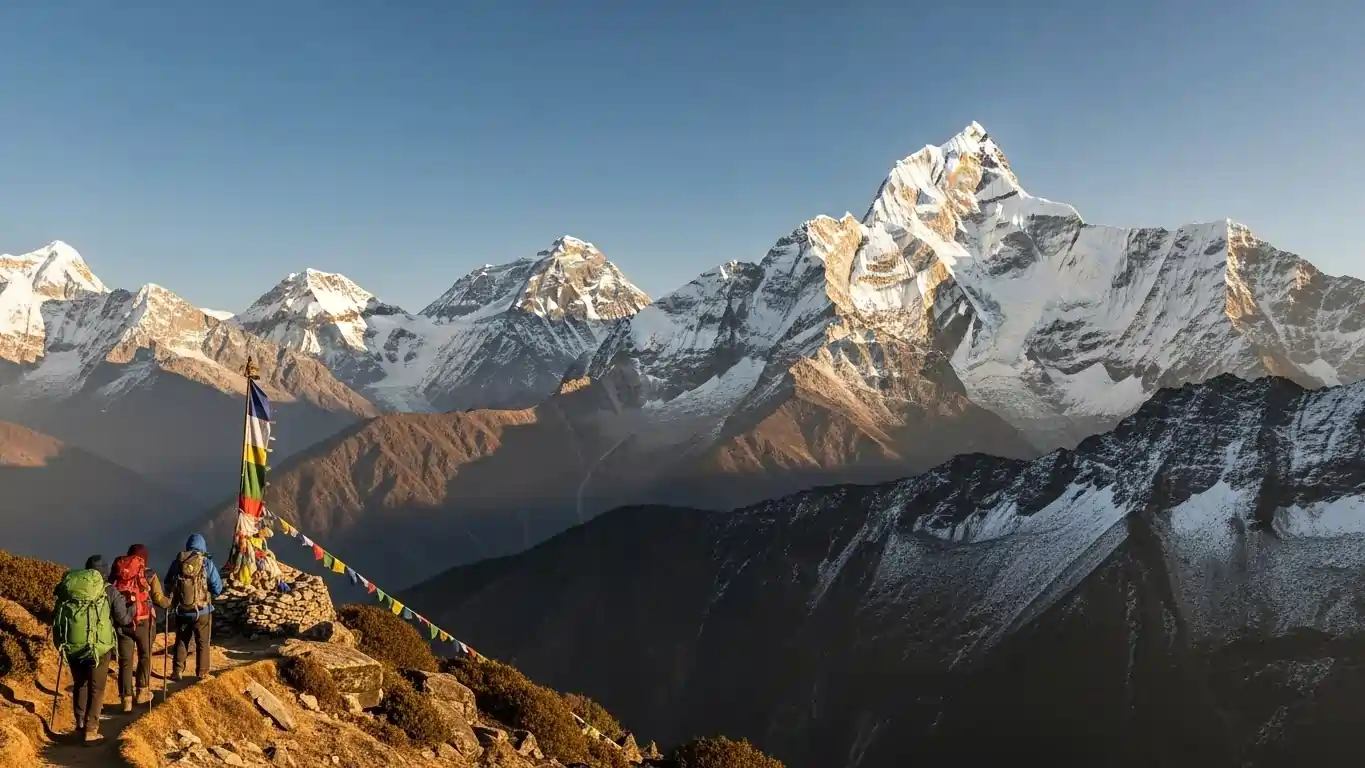
Many climbers dream about standing on high Himalayan summits. Few realize how many peak options exist inside one small country. Nepal holds eight of fourteen mountains above 8000 meters, plus dozens of achievable climbing peaks that suit different skill levels.This gap exists because climbers often lack clear guidance on peak selection, seasons, preparation, or permits.
In this blog, focus stays on best mountains to climb in Nepal, covering why Nepal leads global mountaineering, how climbers prepare, ideal climbing seasons, required permits, mountain selection criteria, expedition support value, and practical conclusions for planning a successful ascent.
Overview of Mountain Climbing in Nepal
Nepal sits along Himalayan range, hosting the world’s highest concentration of major summits. The country contains eight peaks above 8000 meters, including Everest, Lhotse, Makalu, and Manaslu. Hundreds of additional climbing peaks rise between 5500 and 7000 meters, offering wide options for different experience levels.
Expedition peaks require advanced altitude experience, extended time frames, technical rope work, and complex logistics. Trekking peaks demand moderate mountaineering skills, shorter schedules, and lower altitude exposure. Mera Peak, Island Peak, and Lobuche East are among the top 5 mountain expeditions in Nepal, attracting climbers who want to build Himalayan experience before attempting larger objectives.
Nepal holds a central position in global mountaineering history. First successful Everest ascent in 1953 placed Nepal on an international climbing map. Sherpa expertise, established routes, and decades of expeditions built a strong worldwide reputation. Climbers continue choosing Nepal due to proven safety systems, skilled local support, and unmatched mountain variety.
What Are the Best Mountains to Climb in Nepal?
The best mountains to climb in Nepal are a mix of towering expedition peaks, technical summits, and accessible trekking peaks. These mountains offer varying challenges suitable for beginners, intermediate climbers, and high-altitude experts. Choice depends on skill level, time availability, risk tolerance, and preparation. Climbers can experience world-class Himalayan scenery, develop technical skills, and gain high-altitude experience across different peaks. Nepal’s mountains also provide structured support, including guides, established routes, and permit systems, making them ideal for serious mountaineering goals, including the hardest mountain to climb in Nepal.
Everest: The Highest and Most Popular Expedition Peak
Everest stands at 8,848 meters, earning its title as the tallest mountain on Earth. It draws climbers from all over the world seeking recognition and extreme altitude experience. The standard South Col route from Nepal features well-established camps, fixed ropes, and Sherpa support, though conditions remain harsh. Climbers on an Everest expedition face severe altitude, icy slopes, and the risk of avalanches. Success depends on prior 7000-meter experience, careful acclimatization, strong stamina, and strategic decision-making during sudden weather changes. Everest also tests mental endurance, as long summit pushes require hours of focused effort under extreme conditions.
Lhotse and Makalu: For Advanced Climbers
Lhotse, the fourth highest at 8,516 meters, shares parts of the Everest route but introduces more sustained technical sections. Ice walls, mixed rock, and sharp ridges demand advanced climbing skills. Makalu expedition, at 8,481 meters, is steeper and less frequented, with exposed cornices and treacherous slopes. Both peaks require climbers to manage high-altitude fatigue, navigate crevasses, and handle unpredictable weather. Attempting these mountains provides critical experience in technical rope work, self-rescue techniques, and complex expedition logistics.
Manaslu: A Popular First 8000m Peak
Manaslu rises to 8,163 meters and offers a slightly less crowded experience than Everest. Its approach combines long trekking sections, glacier crossings, and high camps. Climbers must adapt to altitude gradually while managing physical and mental stress. Expedition teams provide guided support, fixed ropes, and acclimatization strategies, making it suitable for climbers aiming for their first 8000-meter summit. Makalu expedition also introduces moderate technical challenges, including icy slopes and crevassed terrain, giving climbers real-world high-altitude experience.
Ama Dablam: For Technical Climbing
Ama Dablam, at 6,812 meters, is famous for steep ridges and striking Himalayan aesthetics. Its ascent focuses on technical skills, including ice climbing, mixed rock, and rope management. Climbers practice placing protection, using crampons, and ascending fixed ropes. Its moderate height allows training under realistic high-altitude conditions without the extreme risks of 8000-meter peaks. Ama Dablam expedition also rewards climbers with panoramic views of Everest, Lhotse, and Makalu, offering both technical growth and scenic accomplishment.
Mera Peak and Island Peak: For Beginners
Mera Peak (6,476 meters) and Island Peak (6,189 meters) serve as ideal first high-altitude climbs. Routes include trekking approaches, glacier travel, and manageable technical sections, allowing climbers to develop basic rope handling and altitude acclimatization. These peaks teach essential mountaineering skills such as crampon use, ice axe techniques, and camp management. While less extreme than expedition peaks, they provide real Himalayan experience and prepare climbers for more challenging summits in the future.
How to Choose Which Mountain to Climb?
To choose which mountain to climb, consider personal experience, technical ability, available time, budget, and risk tolerance. Matching skill level with peak difficulty ensures safety and increases chances of success. Planning around schedule and finances helps avoid unnecessary pressure during expeditions. Understanding long-term climbing goals guides peak selection, from beginner-friendly trekking peaks to challenging 8000-meter summits.
Experience Level and Technical Skills
Climbers must assess previous high-altitude climbs, technical proficiency, and comfort with ice, rock, or mixed terrain. Beginners should start with trekking peaks like Mera or Island Peak, while experienced mountaineers can attempt Ama Dablam or 8000-meter expeditions. Accurate skill evaluation prevents accidents and optimizes training focus.
Time Availability and Budget
Expeditions require days to weeks depending on peak difficulty. Shorter windows suit trekking peaks, whereas larger summits demand extended commitments for acclimatization and weather delays. Budget affects permit costs, guide services, gear, and logistics. Proper planning avoids compromises that may risk safety or success.
Risk Tolerance and Long-Term Climbing Goals
Some mountains involve higher avalanche, crevasse, or altitude risk. Climbers should match risk tolerance with peak hazards. Long-term goals influence peak selection, starting with smaller summits builds experience before tackling advanced Himalayan climbs. This approach balances skill development and personal safety.
What Makes Nepal the Best Country for Mountain Climbing?
Nepal stands out as a top destination for mountaineering due to its concentration of high peaks, varied difficulty levels, and strong support systems. Climbers find options for all skill levels, from beginner trekking peaks to technical 8000-meter summits. Established routes, local expertise, and reliable logistics make expeditions safer and more organized. Stunning scenery, combined with cultural experiences, enhances every climb.
Wide Range of Peak Difficulty Levels
Nepal offers mountains suitable for beginners, intermediates, and experts. Trekking peaks like Mera and Island allow first-time climbers to experience high-altitude conditions. Technical peaks such as Ama Dablam develop ice and rock skills. Expedition summits like Everest, Lhotse, and Makalu challenge even elite mountaineers, providing structured progression for skill advancement.
Established Infrastructure and Routes
Popular mountains feature fixed ropes, camps, and mapped trails, reducing navigation risks. Trail systems, high-altitude base camps, and logistical support make climbs more predictable and manageable. Infrastructure extends to lodging, food, and communication along approaches, helping climbers focus on safety and performance rather than planning every detail from scratch.
Experienced Local Guides and Sherpa Support
Nepalese guides and Sherpas bring extensive knowledge of terrain, weather patterns, and high-altitude climbing. They assist with route setting, load carrying, acclimatization, and emergency response. This expertise increases success rates, reduces accidents, and allows climbers to concentrate on technique and endurance rather than logistics.
Accessibility Compared to Other High Mountain Regions
Nepal’s airports, road networks, and trekking trails make even remote peaks reachable. Compared to Tibet or Pakistan, Nepal provides smoother permit processes, established base camps, and reliable local transport. Easy access helps climbers plan shorter, safer, and more efficient expeditions.
How to Prepare for Mountain Climbing in Nepal?
Preparing for mountain climbing in Nepal requires focused physical conditioning, technical skill development, and careful logistical planning. Climbers must build endurance, practice climbing techniques, and learn to manage high-altitude stress. Acclimatization strategies and proper gear selection are crucial for safety and success. Mental readiness and understanding mountain risks complement physical preparation.
Physical Training and Endurance Building
Climbers should develop cardiovascular fitness, leg strength, and core stability through running, hiking with weighted backpacks, stair climbing, and gym workouts. Long-duration exercises simulate expedition conditions and improve stamina. Consistent training reduces fatigue, improves balance on uneven terrain, and prepares the body for prolonged exposure to high altitudes.
Technical Skills and Prior Climbing Experience
Knowledge of rope handling, crampon use, ice axe techniques, and glacier travel is essential. Prior experience on trekking peaks or smaller technical summits helps develop confidence and safety skills. Practicing crevasse rescue, anchoring, and fixed-rope climbing ensures readiness for challenging sections of higher peaks.
Altitude Acclimatization Planning
Gradual ascent and staged camps reduce the risk of altitude sickness. Climbers should follow a plan that allows proper adaptation at each elevation, including rest days and short acclimatization climbs. Monitoring physical response to altitude and recognizing early symptoms of altitude-related illness are critical for safety.
Equipment and Gear Preparation
Selecting reliable mountaineering gear ensures safety and performance. Essential items include climbing boots, crampons, ice axes, harnesses, helmets, insulated clothing, and high-quality tents and sleeping bags. Testing gear before the expedition and packing for variable weather conditions prevents equipment failures during critical moments.
Best Time for Mountain Climbing in Nepal
The best time for mountain climbing in Nepal falls during spring and autumn, when weather conditions are most stable and visibility is high. These seasons offer reduced risk of storms, clearer skies, and moderate temperatures at high altitudes. Proper timing improves safety, acclimatization, and overall climbing experience. Seasonal planning also helps secure permits and guide support efficiently.
Spring Season: March to May
Spring provides warm daytime temperatures, melting snow on lower routes, and blooming rhododendron forests along approaches. Climbers benefit from longer daylight hours and generally stable weather patterns. Summit attempts are more predictable, with reduced risk of avalanches compared to winter. Spring is ideal for both trekking peaks and 8000-meter expeditions.
Autumn Season: September to November
Autumn offers the clearest skies and calm winds, making it the most popular climbing season. Post-monsoon conditions leave mountains clean of heavy snow, improving route visibility. Temperatures are slightly cooler than spring but still manageable for high-altitude ascents. Crowds increase during this period, but the stable weather window maximizes summit success chances.
Weather Stability and Visibility Factors
Stable weather reduces risks from storms, avalanches, and high winds. Clear skies improve route navigation, photography opportunities, and overall safety. Planning climbs around these factors ensures efficient acclimatization, smooth summit pushes, and a higher likelihood of completing expeditions successfully.
Permits Required for Mountain Climbing in Nepal
Climbers must secure permits before attempting peaks in Nepal. Requirements vary based on peak type, height, and national regulations. Proper permits ensure legal compliance, safety oversight, and organized expedition support. Planning ahead avoids delays and fines during high-demand seasons.
Nepal Mountaineering Association Trekking Peak Permits
Trekking peaks between 5,500 and 6,500 meters require permits from the Nepal Mountaineering Association (NMA). These permits cover access to specific peaks, safety monitoring, and emergency support. Applications must include climber details, itinerary, and proposed summit dates. Processing usually takes several days to a week.
Expedition Permits from the Department of Tourism
Expedition peaks above 6,500 meters, including all 8000-meter mountains, require permits issued by the Department of Tourism. Fees depend on peak height, season, and nationality. The permit covers route authorization, legal climbing rights, and official government monitoring of the expedition.
Liaison Officer and Additional Documentation
Some peaks require a government-appointed liaison officer to accompany the team. Liaison officers coordinate with authorities, ensure compliance, and assist in emergencies. Additional documents, including climbing plans, team lists, and insurance certificates, must be submitted for approval.
Environmental and Local Fees
Climbers may pay environmental or conservation fees to support local communities and preserve mountain ecosystems. Some regions require additional charges for base camp services, park entry, or waste management. Budgeting for these fees is essential when planning any expedition in Nepal.
How an Expedition Company Helps You?
An expedition company like Marvel Treks helps you plan and execute a mountain climb safely and efficiently. They manage permits, coordinate logistics, provide experienced guides, and ensure proper safety measures. Companies also assist with high-altitude support, emergency preparedness, and local coordination, reducing risks and improving chances of a successful summit. Professional support allows climbers to focus on climbing rather than complex planning, making it essential to know how to choose best company for best expedition.
Permit Handling and Logistics
Expedition companies handle all permit applications, ensuring compliance with government regulations. They organize transport, accommodation, base camp setup, and equipment delivery. Proper logistics planning minimizes delays, prevents confusion during the expedition, and allows climbers to concentrate on climbing.
Guide Support and Route Safety
Professional guides provide technical assistance, route navigation, and real-time safety monitoring. They manage fixed ropes, assess avalanche and crevasse risks, and advise on acclimatization schedules. Experienced guidance increases summit success rates while reducing accidents in high-risk sections.
High-Altitude Services and Emergency Planning
Companies provide high-altitude medical support, oxygen supply, and communication systems. Emergency evacuation plans and contingency measures are in place for sudden weather changes or illness. This ensures rapid response and enhances climber safety in extreme conditions.
Local Expertise and Coordination
Local knowledge of terrain, weather patterns, and cultural practices improves expedition efficiency. Companies liaise with porters, camps, and authorities, smoothing operations in remote regions. Coordinated support ensures climbers receive timely resources, guidance, and on-ground assistance throughout the journey.
Conclusion
Nepal offers unmatched opportunities for mountain climbing, combining towering peaks, varied difficulty levels, and reliable support systems. From beginner trekking peaks to technical 8000-meter summits, climbers can progress safely while experiencing some of the world’s most spectacular landscapes. Choosing the right mountain, preparing physically and mentally, and planning around seasonal conditions are critical for a successful climb.
Partnering with an experienced expedition company further enhances safety and efficiency. Professional support in permits, logistics, route guidance, and high-altitude services reduces risks and allows climbers to focus on the ascent. With proper preparation and informed decisions, climbing mountains in Nepal becomes a rewarding and achievable adventure.
FAQs
What is the easiest mountain to climb in Nepal?
Mera Peak and Island Peak are beginner-friendly with moderate technical sections and manageable altitude.
Do I need prior climbing experience for trekking peaks?
Basic trekking experience is enough, but some peaks require minimal rope and glacier skills.
What is the best season to climb mountains in Nepal?
Spring (March–May) and Autumn (September–November) offer stable weather, clear skies, and optimal climbing conditions.
How much do climbing permits cost in Nepal?
Trekking peak permits start around $350–$500, while expedition peaks cost significantly more, depending on height and season.
Do I need a guide for climbing in Nepal?
Yes, guides enhance safety, provide technical support, and manage logistics, especially on higher or technical peaks.
Can beginners attempt 8000-meter peaks?
No, climbers should have prior high-altitude experience on smaller peaks before attempting 8000-meter mountains.
How long does a typical expedition take?
Trekking peaks take 10–20 days, while 8000-meter summits may require 6–8 weeks including acclimatization.
How does an expedition company help climbers?
They manage permits, logistics, guides, route safety, high-altitude support, and emergency planning, improving success and safety.

Ready for your next Himalayan adventure?
Plan Your Next Big Adventure with Us
Explore Our AdventuresJoin our expert-guided journeys across Nepal and beyond, from classic trails to epic summits.