
Adventure Trekking in Nepal: Top Routes and Best Seasons
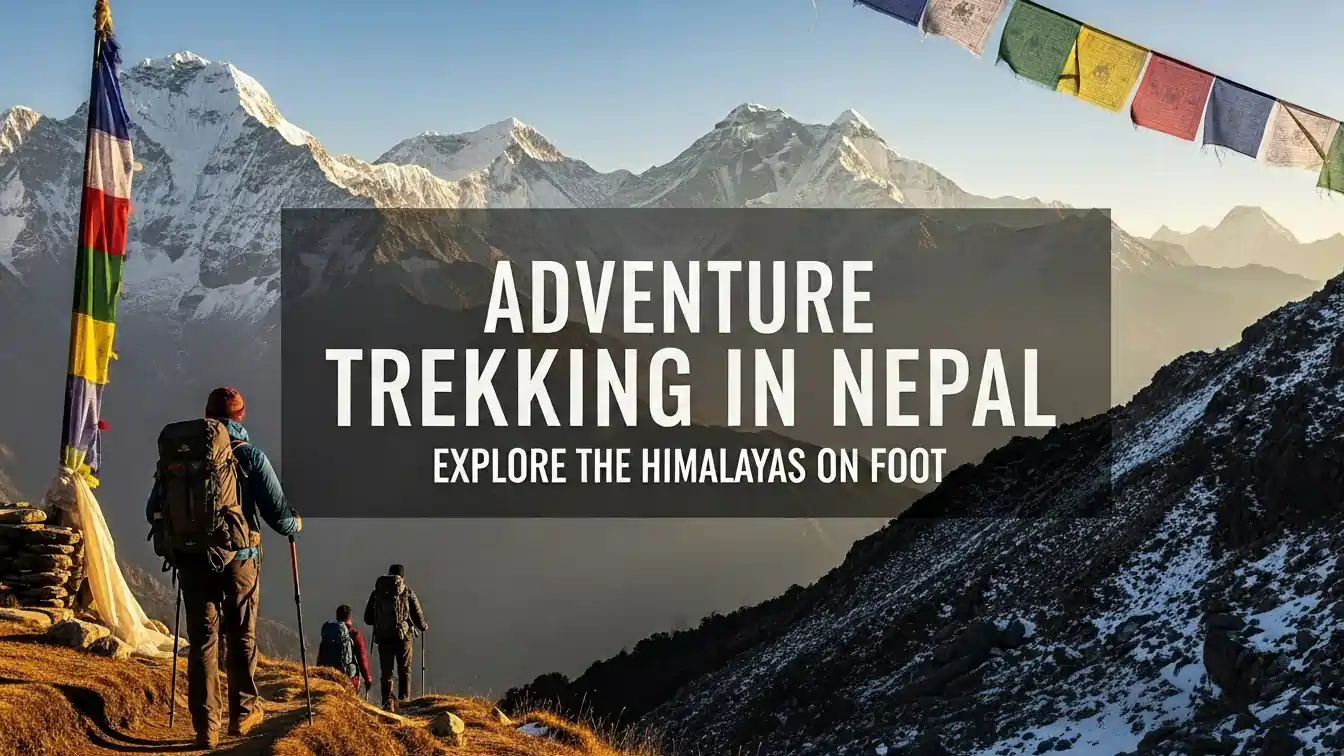
Nepal offers some of the world’s most thrilling trails, where rugged mountains, high passes, and remote villages challenge both body and spirit. Adventure trekking here combines physical endurance with breathtaking landscapes, glacier crossings, and the chance to summit iconic peaks, making it a dream for thrill-seekers.
In this blog, adventure trekking in Nepal takes center stage, highlighting top routes, best seasons, preparation tips, and guidance for choosing reliable trekking companies. Readers will discover which trails suit their skill level, when to plan treks for optimal conditions, and essential steps to ensure safe and memorable Himalayan adventures, including tips for budget trekking in Nepal.
What Is Adventure Trekking in Nepal?
Adventure trekking in Nepal is a form of hiking that combines challenging trails, high-altitude treks, and exposure to glaciers, ice climbs, and remote mountainous regions. Unlike standard trekking, it requires physical fitness, basic mountaineering skills, and readiness for unpredictable weather and rugged terrain.
Trekkers experience steep trails, high passes, and less frequented paths while witnessing untouched landscapes and local Himalayan culture. Routes often include glacier travel, suspension bridges, and snow-covered sections, offering both thrill and achievement. Adventure trekking suits experienced hikers, mountaineers, and travelers seeking an immersive, physically demanding Himalayan experience, often forming part of a larger expedition in Nepal.
What are the Best Routes for Adventure Trekking in Nepal?
The best routes for adventure trekking in Nepal are diverse, ranging from high-altitude expeditions to challenging circuits through remote valleys. These trails provide a mix of physical challenge, cultural immersion, and breathtaking Himalayan scenery. Popular routes include Everest Base Camp, Annapurna Circuit, Manaslu Circuit, Langtang Valley, Helambu, Mera Peak, and Island Peak. Each route varies in difficulty, altitude, and landscape, allowing trekkers to choose paths suited to their experience level and adventure goals. Seasonal conditions and accessibility further influence the choice of trail for a successful and safe journey.
Everest Base Camp and Gokyo Lakes Trek
Everest Base Camp trek takes trekkers through the Khumbu region, starting from Lukla and passing Namche Bazaar, Tengboche, and Dingboche. The trail combines steep ascents, rocky paths, and high-altitude villages, providing essential acclimatization for trekkers. Along the way, trekkers experience Sherpa culture, visit monasteries, and explore remote Himalayan villages. Gokyo Lakes trek offers a quieter alternative, guiding trekkers to turquoise glacial lakes and the climb of Gokyo Ri, which provides breathtaking panoramic views of Everest, Cho Oyu, and Makalu.
Both treks include suspension bridges over rivers, snow-covered sections, and moraine crossings. Morning and late afternoon provide the best visibility for mountains. The routes offer a mix of physical challenge and cultural immersion, with opportunities to enjoy traditional Sherpa cuisine, interact with locals, and capture stunning Himalayan photography. Trekkers usually begin their journey from the nearest airport near Everest, making access to these trails convenient and efficient.
Annapurna Circuit and Annapurna Base Camp
Annapurna Circuit stretches across diverse landscapes, including subtropical forests, terraced farmland, and high alpine ridges. Trekkers cross the Thorong La Pass at 5,416 meters, facing rocky trails, narrow ridges, and occasional snow. Annapurna Base Camp trek focuses on closer views of Annapurna I, Dhaulagiri, and Machapuchare, leading through lush valleys and alpine meadows. Villages along the trail showcase Gurung and Thakali culture, offering insight into local traditions and lifestyle.
These treks include river crossings, forested paths, and high passes requiring endurance and careful pacing. Seasonal variations influence trail conditions, with spring offering blooming rhododendrons and autumn providing clear skies. Both treks deliver dramatic mountain panoramas, cultural experiences, and opportunities for photography and adventure in high-altitude environments.
Manaslu Circuit Trek
Manaslu Circuit presents a remote trekking experience with fewer trekkers, making it ideal for adventurers seeking solitude. The trail ascends gradually through high-altitude villages, crosses Larkya La Pass at 5,106 meters, and navigates glaciers, rugged ridges, and rocky terrain. Trekkers encounter Tibetan-influenced culture, monasteries, and traditional villages, offering a rich cultural experience.
Physical preparation is essential, as the trail requires stamina and careful acclimatization. Scenic mountain vistas, less-touristed paths, and wildlife sightings enhance the trekking experience. Isolation adds a sense of adventure while providing opportunities for self-paced exploration and personal achievement.
Langtang Valley and Helambu Trek
Langtang Valley trek combines alpine meadows, rhododendron forests, and glacial moraines. The trail passes Langtang village, Kyanjin Gompa, and high ridges, offering moderate difficulty suitable for intermediate trekkers. The route includes river crossings via suspension bridges, steep climbs, and panoramic mountain views. Helambu trek, lower in altitude, provides cultural interaction with Tamang communities, making it ideal for shorter and less strenuous trekking experiences.
Key experiences include exploring glaciers, observing seasonal flower blooms in spring, and walking through snow-covered paths in winter. Trekkers enjoy forested landscapes, alpine scenery, and traditional village interactions. Both routes balance adventure and cultural exposure, offering scenic diversity and moderate physical challenge.
- Crossing rivers using suspension bridges
- Moderate ascents with panoramic mountain views
- Interaction with local Tamang and Sherpa communities
- Glacier exploration in Langtang
- Seasonal rhododendron blooms in spring
- Snow-covered paths in winter
- Forested landscapes and alpine scenery
Mera Peak and Island Peak
Mera Peak and Island Peak combine trekking with mountaineering challenges. Mera Peak, 6,476 meters, suits beginners with basic climbing skills, while Island Peak, 6,189 meters, requires technical climbing, ropes, and crampons. Both routes involve glacier travel, moraine fields, and steep ascents, providing an immersive high-altitude experience. Trekkers also acclimate to nearby villages like Khare and Lukla.
Summit attempts offer unparalleled Himalayan views, including Everest, Lhotse, and Makalu. These treks provide hands-on climbing experience under expert guidance, combining trekking with high-altitude adventure. They challenge endurance, technical skills, and offer unforgettable summit experiences. Planning your journey according to the best time to climb Mera Peak ensures optimal weather, safer routes, and a higher chance of reaching the summit.
- Acclimatization at nearby villages like Khare and Lukla
- Glacier walking and ice climbing exposure
- Steep ascents with panoramic Himalayan views
- Summits offering vistas of Everest, Lhotse, and Makalu
- Trekking across moraine fields and snow-covered slopes
Hands-on mountaineering guided by experts - Combination of trekking and climbing for a complete adventure
Difficulty Levels and Highlights of Each Route
Adventure trekking routes in Nepal vary from moderate to highly strenuous. Helambu and Langtang Valley offer moderate difficulty suitable for intermediate trekkers. Annapurna Circuit, Everest Base Camp, and Manaslu Circuit present strenuous high-altitude challenges with long ascents and high passes. Mera Peak and Island Peak require basic to technical mountaineering skills.
- Moderate routes: Helambu, Langtang Valley
- Strenuous treks: Annapurna Circuit, Everest Base Camp
- High-altitude climbs: Mera Peak, Island Peak
- Remote and challenging: Manaslu Circuit
- Highlights include glacier crossings, suspension bridges, high passes, and panoramic Himalayan views
- Trails pass through remote villages and monasteries
- Seasonal changes impact trail conditions and difficulty
Unique Experiences Each Route Offers
Each route delivers distinct experiences combining culture, scenery, and adventure. Everest Base Camp and Gokyo Lakes provide glacier exposure and iconic peak views. Annapurna Circuit and Base Camp immerse trekkers in Gurung and Thakali cultures while crossing high passes. Manaslu Circuit offers solitude and Tibetan-influenced villages. Langtang Valley and Helambu showcase alpine meadows, rhododendron forests, and approachable high-altitude trails. Mera Peak and Island Peak provide summit experiences, glacier walking, and technical climbing exposure.
- Sunrise and sunset views from high ridges
- Glacier and moraine field crossings
- Suspension bridge and river crossings
- Interaction with remote Himalayan communities
- Varied landscapes: forests, alpine zones, and high passes
- Cultural immersion in local villages and monasteries
- Hands-on climbing experience on peaks like Mera and Island Peak
Best Seasons for Adventure Trekking in Nepal
The best seasons for adventure trekking in Nepal are spring, autumn, winter, and monsoon, each offering unique experiences and challenges. Spring and autumn provide the most favorable conditions with clear skies, stable weather, and manageable temperatures. Winter offers quieter trails and lower costs but colder conditions, while monsoon brings heavy rainfall, slippery trails, and reduced visibility. Choosing the right timing depends on trek difficulty, altitude, and personal preference, making it essential to know the best seasons for trekking in Nepal before planning your journey.
Overview of Spring, Autumn, Winter, and Monsoon Seasons
Spring (March to May) delivers moderate temperatures, blooming rhododendrons, and gradually melting snow on high passes. Autumn (September to November) is the peak trekking season with stable weather, crisp air, and excellent mountain visibility. Winter (December to February) provides solitude, clear skies in lower regions, and fewer tourists, though high-altitude trails may be blocked by snow. Monsoon (June to August) brings heavy rainfall, dense forests, leeches in lower regions, and limited visibility, making trekking risky except in rain-shadow areas.
Weather Stability, Visibility, and Trail Conditions for Each Season
Spring trails are mostly dry in lower and mid-altitudes, though snow patches remain at higher elevations. Visibility is generally good, especially during mornings and evenings. Autumn offers the most reliable weather, with minimal rainfall, clear skies, and firm trails ideal for high-altitude trekking. Winter provides crisp air and clear skies in valleys, but higher passes face heavy snow, icy paths, and strong winds. Monsoon trails become muddy and slippery, rivers swell, and cloud cover often obscures peaks, increasing the risk of landslides and difficult crossings.
Recommendations Based on Trek Difficulty and Altitude
Trekkers targeting high-altitude routes or peaks like Mera Peak, Island Peak, or Everest Base Camp should prefer autumn or spring for stable weather and clear mountain views. Moderate routes like Langtang Valley and Helambu can be attempted in winter or spring. Monsoon trekking should be limited to rain-shadow regions like Lower Mustang or Upper Dolpo due to safety concerns. Physical preparation, acclimatization, and appropriate gear are essential for high-altitude treks, especially in winter or on technically challenging peaks.
Preparation for Adventure Trekking in Nepal
Preparation for adventure trekking in Nepal is crucial for safety, enjoyment, and success. Trekkers need physical fitness, proper gear, necessary permits, and an understanding of high-altitude challenges. Training before the trek, carrying suitable clothing and equipment, and knowing acclimatization techniques can prevent health risks and ensure a smooth experience. Proper planning is especially important for those seeking trekking in Nepal for beginners, helping them manage weather changes, trail conditions, and logistical challenges across remote Himalayan routes.
Physical Fitness and Training Required
Trekkers need comprehensive fitness preparation before attempting adventure routes in Nepal. Endurance exercises such as running, cycling, and swimming build cardiovascular stamina essential for multi-day treks. Strength training targeting legs, core, and back enhances balance on steep and rocky trails. Weighted backpack practice simulates carrying gear during long hikes, improving muscle adaptation. Flexibility exercises and stretching prevent injuries and improve mobility on uneven terrain. Hikers should gradually increase altitude exposure through weekend hikes or smaller climbs to prepare the body for high-altitude conditions. Consistent training over several months ensures readiness for challenging ascents and long trekking days.
Essential Gear and Clothing
Proper gear and clothing are vital for comfort, safety, and performance. Layered clothing allows adaptation to changing weather: thermal base layers retain heat, fleece or down jackets provide insulation, and waterproof shells protect against rain and wind. Trekking boots with strong ankle support prevent slips and injuries on rocky or muddy trails. Accessories such as gloves, hats, sunglasses, and gaiters safeguard against sun, cold, and snow. Adventure trekking may require additional technical gear like trekking poles, crampons, ice axes, harnesses, and headlamps for glacier or summit climbs. Waterproof bags, dry sacks, and rain covers keep clothing and electronics safe in unpredictable Himalayan weather.
Permits, Insurance, and Safety Equipment
Obtaining permits is mandatory for most trekking regions in Nepal. Trekkers must carry TIMS cards, national park entry permits, and special peak climbing permits for routes like Mera Peak or Island Peak. Comprehensive trekking insurance covering high-altitude hikes, medical emergencies, and helicopter evacuation is essential. Safety equipment includes first-aid kits, altitude sickness medication, and GPS devices or maps for navigation. Licensed guides provide route expertise, emergency support, and cultural insight, improving safety on remote trails. Adequate preparation for emergencies ensures confidence and reduces risks during physically demanding treks.
Tips for Acclimatization and High-Altitude Trekking
Acclimatization is critical to prevent altitude sickness and maintain performance at high elevations. Trekkers should follow “climb high, sleep low” principles, gradually ascending and including rest days at higher camps. Hydration and balanced nutrition are essential to support energy levels and adaptation. Light physical activity and controlled breathing during ascents help maintain oxygen efficiency. Trekkers must monitor symptoms like headache, nausea, dizziness, or fatigue and adjust pace accordingly. Carrying mild altitude sickness medication and seeking immediate help when symptoms worsen prevents serious complications. Proper acclimatization enhances safety and improves overall trekking experience on high-altitude Himalayan routes.
Which Company Is Best for Adventure Trekking in Nepal?
Marvel Treks is the best company for adventure trekking in Nepal because it combines local expertise, professional guides, and comprehensive support to ensure safe and memorable Himalayan experiences. The company specializes in high-altitude trekking, peak climbing, and adventure routes, offering personalized itineraries that suit both beginners and experienced trekkers. Their teams are knowledgeable about trail conditions, weather patterns, cultural interactions, and emergency procedures, making each trek organized and reliable.
Marvel Treks provides all essential services, including accommodation arrangements, permits, transportation, and technical equipment for peaks like Mera and Island. Their guides focus on safety, acclimatization, and proper trekking pace, helping clients tackle challenging routes with confidence. By combining logistical support with cultural and natural exploration, Marvel Treks ensures adventure trekking in Nepal is enjoyable, well-planned, and accessible, allowing trekkers to fully immerse in the Himalayan landscape without unnecessary stress or risk.
Conclusion
Adventure trekking in Nepal offers unmatched experiences, combining physical challenge, breathtaking Himalayan scenery, and cultural immersion. Routes like Everest Base Camp, Annapurna Circuit, Manaslu Circuit, Langtang Valley, and peaks such as Mera and Island Peak cater to a range of skill levels, from moderate treks to high-altitude climbs. Choosing the right season, preparing physically and mentally, and using proper gear significantly enhance safety and enjoyment on these trails.
Planning with a reliable company like Marvel Treks ensures smooth logistics, knowledgeable guidance, and support for permits, accommodation, and high-altitude challenges. By carefully selecting routes, seasons, and preparation strategies, trekkers can fully experience Nepal’s mountains, remote villages, and natural beauty, making adventure trekking a memorable and life-enriching journey.
What is adventure trekking in Nepal?
Adventure trekking in Nepal involves challenging trails, high passes, and remote regions, often including glacier or peak climbs. It requires physical fitness, basic mountaineering skills, and preparation for high-altitude conditions.
Which routes are best for adventure trekking in Nepal?
Top routes include Everest Base Camp, Gokyo Lakes, Annapurna Circuit, Manaslu Circuit, Langtang Valley, Helambu, Mera Peak, and Island Peak. Each offers unique landscapes, difficulty levels, and cultural experiences.
When is the best season for adventure trekking?
Spring (March–May) and autumn (September–November) are ideal due to stable weather, clear skies, and optimal trail conditions. Winter offers solitude, while monsoon trekking is risky except in rain-shadow regions.
How should I prepare physically for high-altitude treks?
Focus on endurance, strength, and cardiovascular training, including running, cycling, and weighted hikes. Flexibility and gradual altitude exposure help prevent injuries and altitude sickness.
What gear is essential for adventure trekking in Nepal?
Layered clothing, waterproof jackets, trekking boots, gloves, and hats are mandatory. Technical equipment such as crampons, trekking poles, and ice axes may be required for peak climbs.
Are permits and insurance required?
Yes, trekkers need TIMS cards, national park permits, and special peak climbing permits where applicable. Insurance covering high-altitude trekking and emergency evacuation is strongly recommended.
Can beginners attempt adventure trekking?
Yes, routes like Mera Peak or Helambu are suitable for beginners with basic fitness. Experienced guides ensure safety, proper pacing, and acclimatization support.
Which company is best for adventure trekking in Nepal?
Marvel Treks is recommended for reliable guides, complete logistical support, and safe, well-organized treks. They specialize in both moderate trails and high-altitude peak climbing adventures.

Ready for your next Himalayan adventure?
Plan Your Next Big Adventure with Us
Explore Our AdventuresJoin our expert-guided journeys across Nepal and beyond, from classic trails to epic summits.